The “Passport Detail” That’s Getting Travelers Denied Boarding at the Gate
1. Physical Damage Is More Serious Than You Think
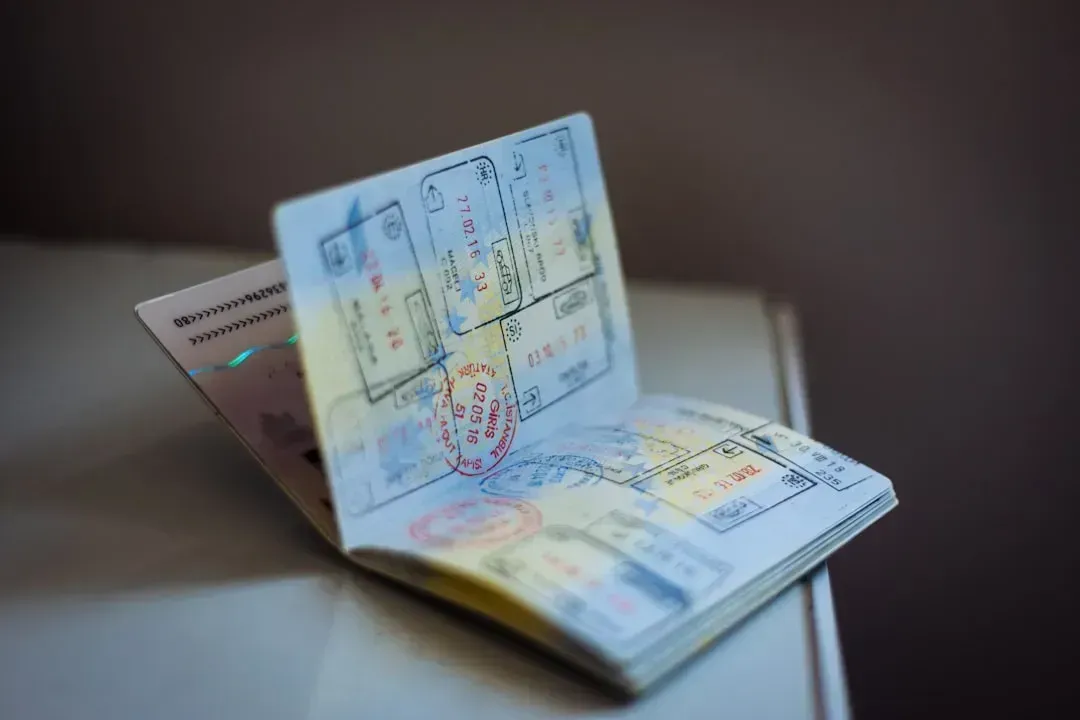
Here’s the thing most travelers don’t realize until it’s too late. Even minor wear and tear on your passport can spell disaster at the gate. The U.S. State Department warns that any significant damage beyond everyday wear and tear – such as a torn page, laminate peeling, or unauthorized markings like stickers or stamps – can lead to delay or denial of boarding. That coffee stain from your morning rush to the airport or those frayed edges from years of tucking it into your bag? They could cost you your entire vacation.
Passport damage reportedly leads to thousands of travelers being denied boarding worldwide each month. Let’s be real, nobody thinks a wrinkled cover or a tiny tear matters until an airline agent tells them they can’t board.
Your passport doesn’t have to be severely damaged to be rejected by an airline or at a border crossing. Airlines face hefty fines if they transport passengers who get turned away at immigration, so gate agents err on the side of caution every single time. There’s a recent example of a passenger being denied boarding at a UK airport, because of a slight ink stain on the passport.
2. The Six-Month Validity Rule Trips Up Thousands
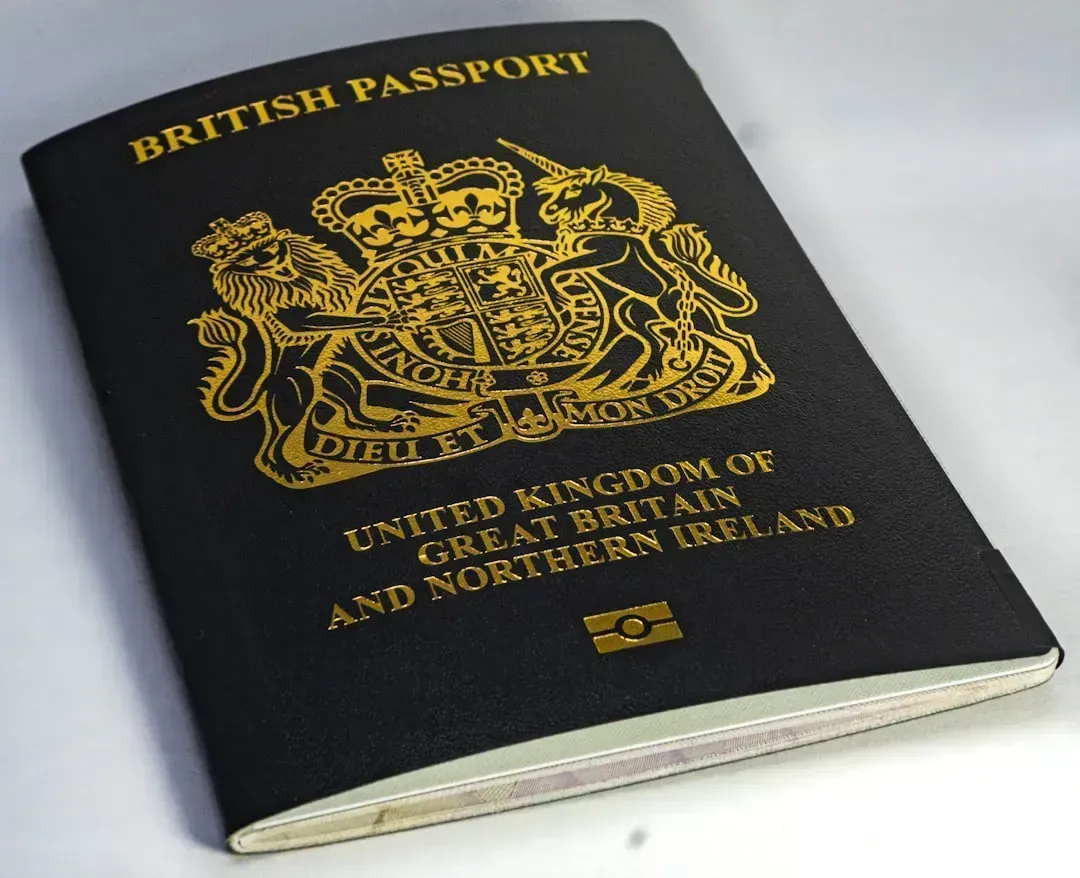
Think your passport just needs to be valid through your return date? Think again. Many countries enforce what’s known as the six-month passport validity rule, a requirement that your government-issued ID (typically a passport) remain valid for at least six months beyond your date of entry. This catches people off guard constantly, especially since different destinations have different rules.
Even though her passport was valid, BA staff incorrectly said she needed at least six months left on her passport to enter the United States. In fact, the United States only requires a passport to be valid until the date of departure. The confusion runs both ways though. British citizens are now “third-country nationals” for EU entry. Their passports must meet two conditions: they must be less than ten years old on the day of entry and have at least three months of validity after the planned departure date from the EU.
Honestly, it’s a mess. Last summer, hundreds of travellers were caught out when immigration officials told them they didn’t have enough months left on their passport. Long-awaited holidays were ruined when they were told they weren’t allowed on the plane or train.
3. Missing or Insufficient Blank Pages Can Ground Your Flight
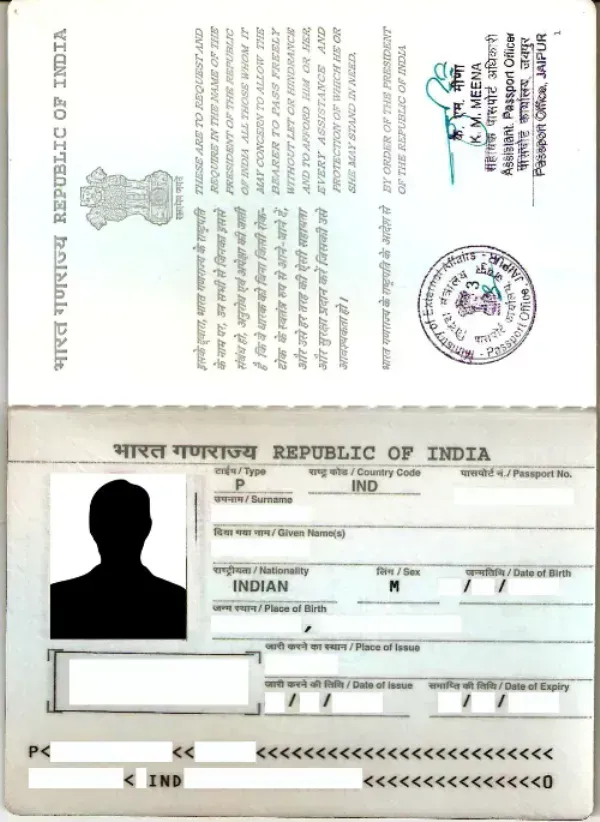
You might have the most pristine, perfectly valid passport in the world, but if you’re missing blank pages for stamps and visas, some countries won’t let you in. Most travelers need credentials valid for at least six months upon entry, along with two blank pages for visa stamps. Countries like India and several African nations are particularly strict about this requirement.
Airlines may deny boarding, there are numerous examples of this happening, especially as some countries now have zero tolerance policies around damage to passport. Vietnam is one, Jordan is another, and there are many other countries following suit. If you are able to fly, but you arrive in a country that has a zero tolerance policy for passport damage, then you will not be able to enter the country.
The problem gets worse when you’re a frequent traveler. Those visa stamps and entry marks accumulate faster than you’d expect, leaving you with a passport that looks full but still has years until expiration. I’ve heard stories of business travelers who had to cancel crucial meetings because they didn’t realize their passport lacked the required blank pages.
4. The Digital Authorization Trap Nobody Warned You About
Thousands of passengers have been denied boarding on U.S. flights in recent years. A growing chunk of those denials now involves missing digital authorizations that travelers simply didn’t know they needed. Carriers will verify passengers’ digital permissions by scanning their passports, and deny boarding to anyone without an ETA or eVisa.
Starting in late 2024, the landscape shifted dramatically. Starting November 8, 2024, U.S. citizens and other visa-free travellers planning to enter or transit through the United Kingdom need to apply for an Electronic Travel Authorization (ETA) before their arrival. This requirement caught many Americans by surprise when they showed up at airports expecting to breeze through as they always had.
In December 2024 and January 2025, issues with the e-visa system surged, leaving travelers stranded and causing confusion across UK airports. The technical glitches meant that even people who applied correctly sometimes couldn’t board because systems failed to verify their authorization. What makes this particularly frustrating is that most travelers had no idea these new requirements existed until gate agents turned them away.
5. Name Discrepancies That Seem Tiny But Aren’t

Your name is spelled slightly differently on your ticket versus your passport? That’s enough to ruin your trip. Airlines and immigration officials have zero tolerance for mismatches, even when they seem completely insignificant to you. Middle names, hyphens, and spaces all matter more than most people realize.
The cruise line, in issuing the plane ticket, had arbitrarily truncated her first name and it did not match her passport. Fortunately, another agent joined the discussion and remedied the issue after a few tense minutes. Not everyone gets that lucky though. Some travelers have watched their flights depart without them simply because someone made a typo when booking their ticket.
The worst part? Once a ports officer or airline staff denies you from entry or boarding, there’s really nothing you can do! You’re stuck paying for new tickets, rebooking hotels, and explaining to everyone why your vacation got canceled before it even started. The financial hit goes beyond just the flight. Last-minute passport replacements can cost travelers thousands of dollars when factoring in changed flights, emergency processing fees, and lost vacation deposits. That’s a painful lesson to learn at the boarding gate, with your bags packed and your vacation time slipping away.