Walmart’s Sudden Self-Checkout Policy Change Shakes the Billion-Dollar Retail Industry
Massive Theft Losses Force Retailers to Rethink Everything
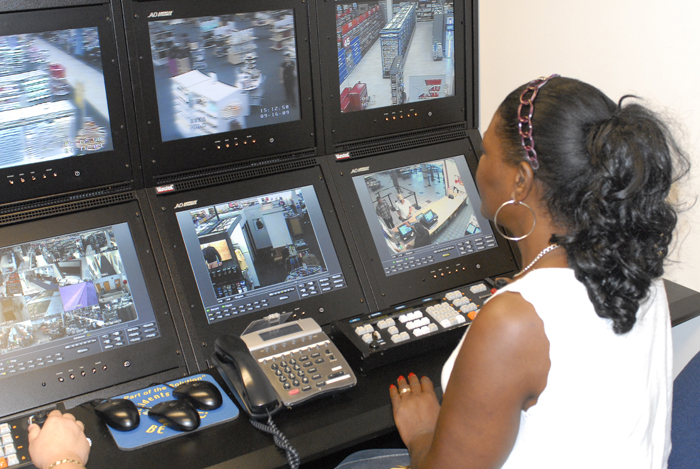
The numbers are absolutely staggering, and they tell a story that retail executives can no longer ignore. Walmart has acknowledged significant retail theft losses in recent years, though specific annual figures have not been publicly disclosed. Even more shocking is that a significant portion of these numbers – up to 50% of the overall stolen losses – come from self-checkout theft. This means that the very technology designed to save money is actually costing retailers more than they could have ever imagined.
The broader retail industry is feeling the pain too. Self-checkout theft is a thorn in the side of almost all major retailers, resulting in over $100 billion in losses. The $112.1 billion in losses recorded in 2022 represents a significant increase from previous years. These aren’t just numbers on a spreadsheet – they represent a fundamental crisis that’s forcing companies to completely reconsider their checkout strategies.
Walmart’s Strategic Retreat From Self-Checkout
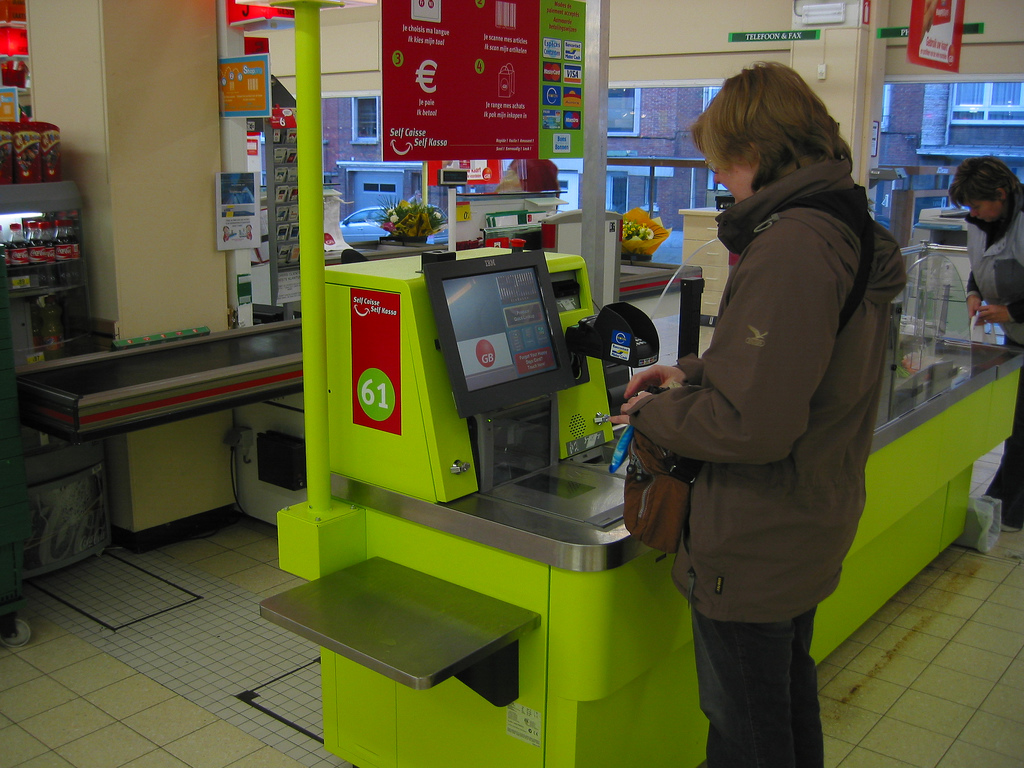
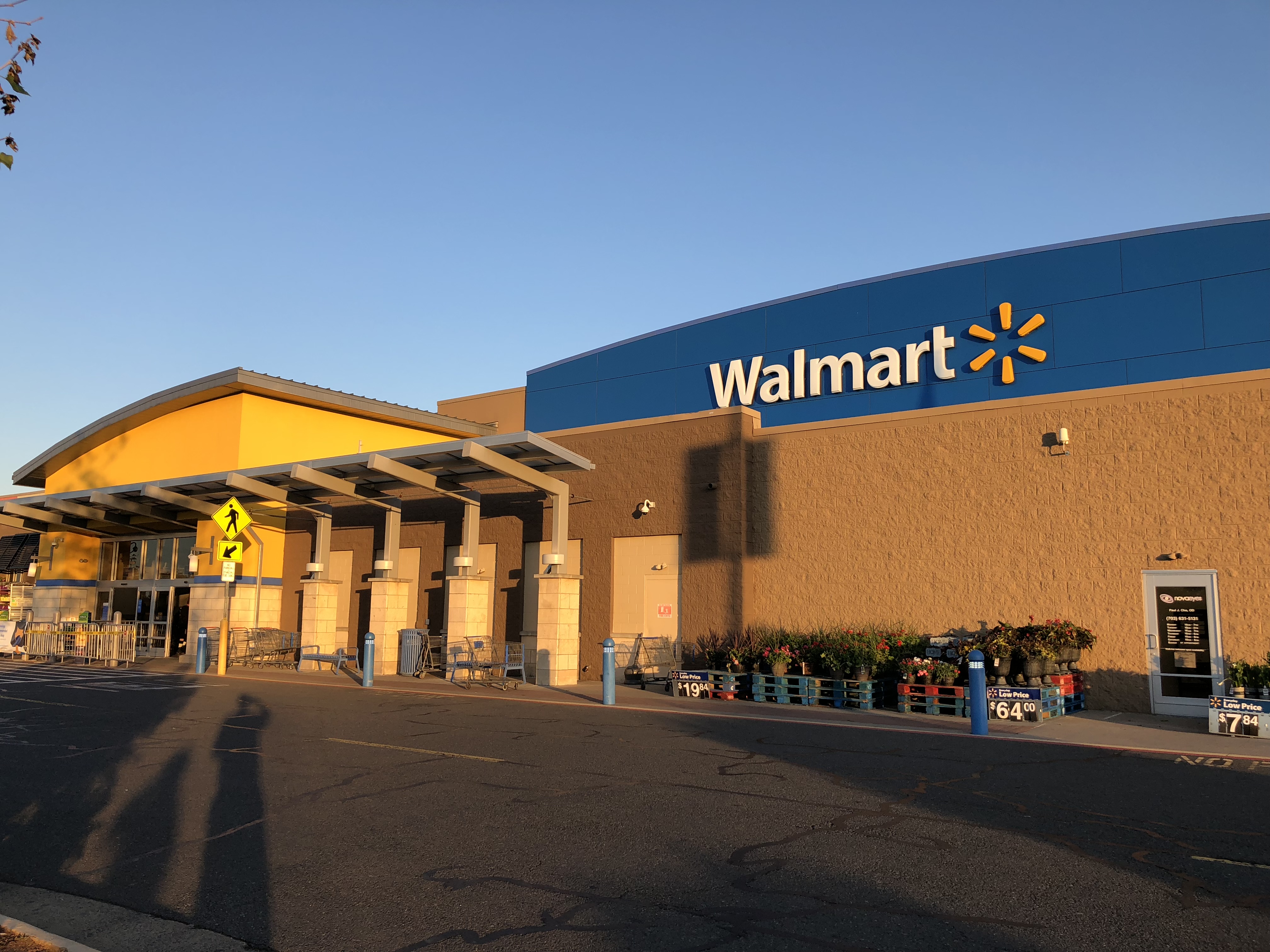
You will see fewer self-checkout machines at many Walmart stores in 2025. This isn’t just a minor adjustment – it’s a complete strategic pivot. Walmart has already reduced the number of self-checkout machines in several locations, such as Shrewsbury, Cleveland, and some stores in New Mexico. The company made this decision after realizing that the technology they thought would revolutionize shopping was actually creating more problems than solutions.
The impact on customers is immediate and noticeable. This change means you may need to wait longer in line, especially during busy hours. But Walmart isn’t just removing machines without a plan – Walmart will reduce self-checkout machines in many stores and add more staffed checkout lanes to improve service and reduce theft. This represents a fundamental shift back toward human-centered customer service that many shoppers have been demanding for years.
The Root Cause Behind the Policy Shift
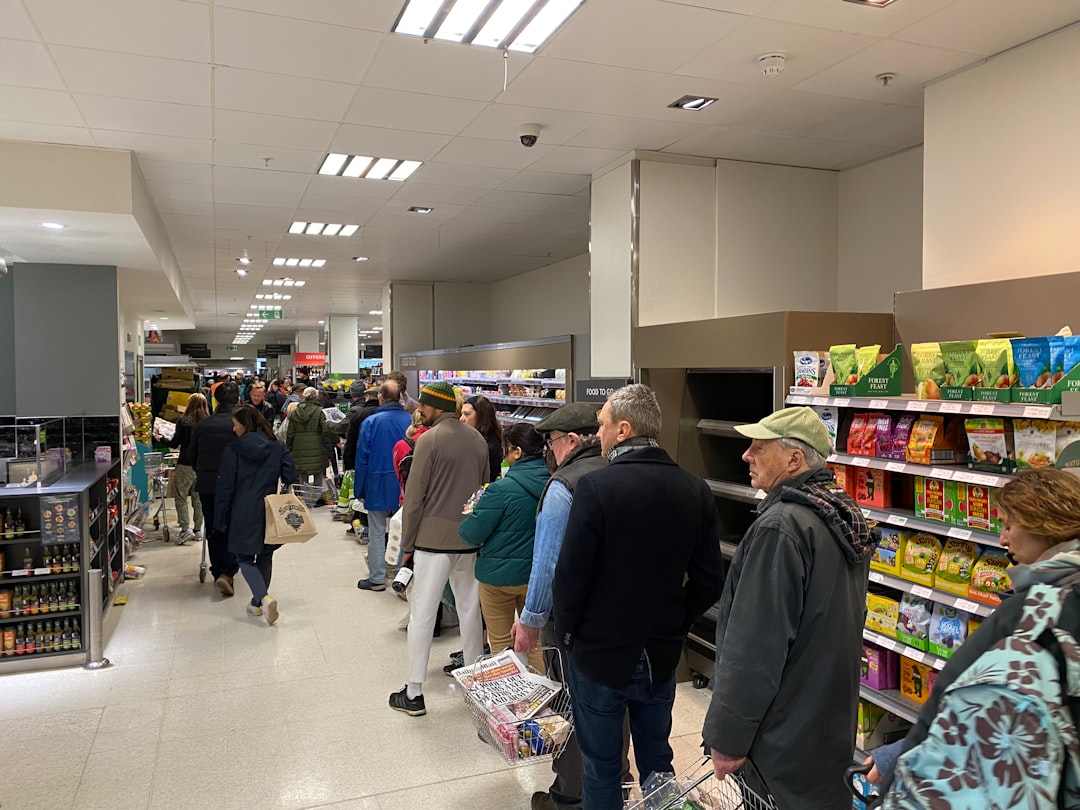
The decision to scale back wasn’t made lightly, and it goes far beyond just theft concerns. These checkout changes come after many customers shared concerns about theft, frustration with scanning errors, and a desire for better service. Walmart made this decision after listening to feedback from both employees and customers. The company realized that their pursuit of efficiency had actually created a more frustrating experience for everyone involved.
Store managers now have much more flexibility in how they handle checkout operations. Store managers now adjust the number of cashiers and self-checkout lanes based on how many people are shopping. This represents a significant departure from the one-size-fits-all approach that many retailers had adopted, allowing individual locations to respond to their specific customer needs and theft patterns.
How Shoppers Are Really Using Self-Checkout
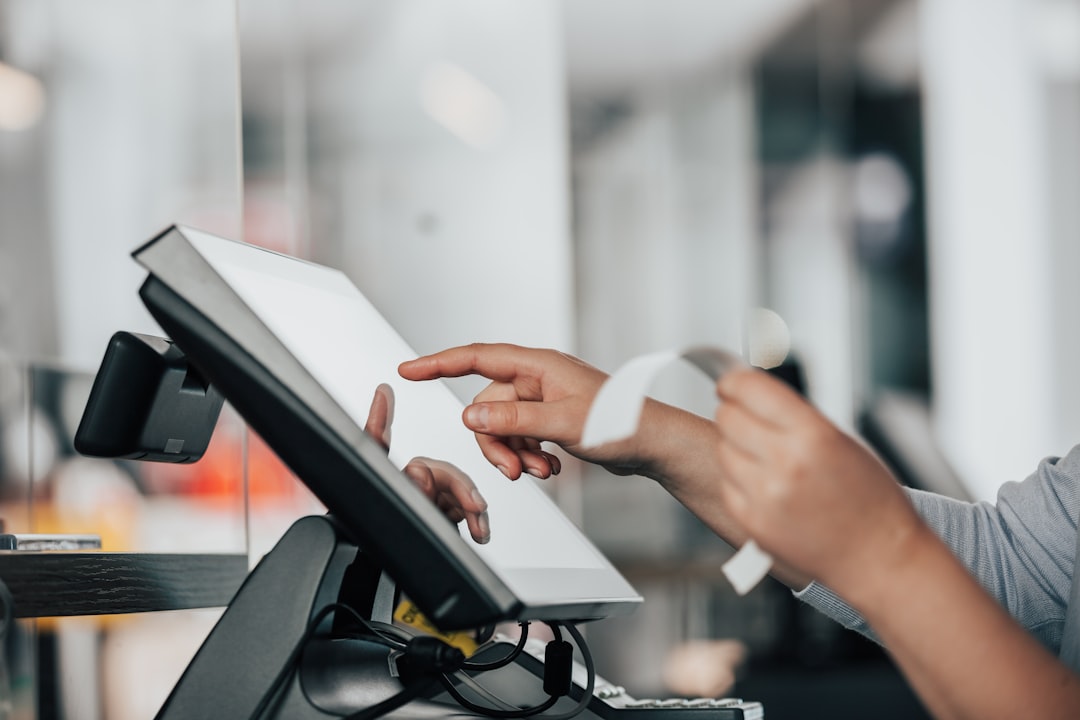
The statistics about customer behavior at self-checkout are truly eye-opening and help explain why retailers are making such drastic changes. 15% of self-checkout users confess to purposely stealing. But what’s even more concerning is that while 60% of those who have stolen felt remorseful and 33% say they’ve been caught, 44% say they’ll likely do it again. These numbers reveal that self-checkout systems aren’t just failing to prevent theft – they’re actually enabling repeat offenders.
The problem isn’t limited to intentional theft either. Although 79% of self-checkout users diligently ensure each item scans, 21% admit to accidentally taking an item – and guilt didn’t get the better of the 61% who kept it anyway. This means that even well-intentioned customers are contributing to inventory losses, creating a perfect storm of financial damage that retailers can no longer afford to ignore.
Walmart’s Technology Battle Against Theft
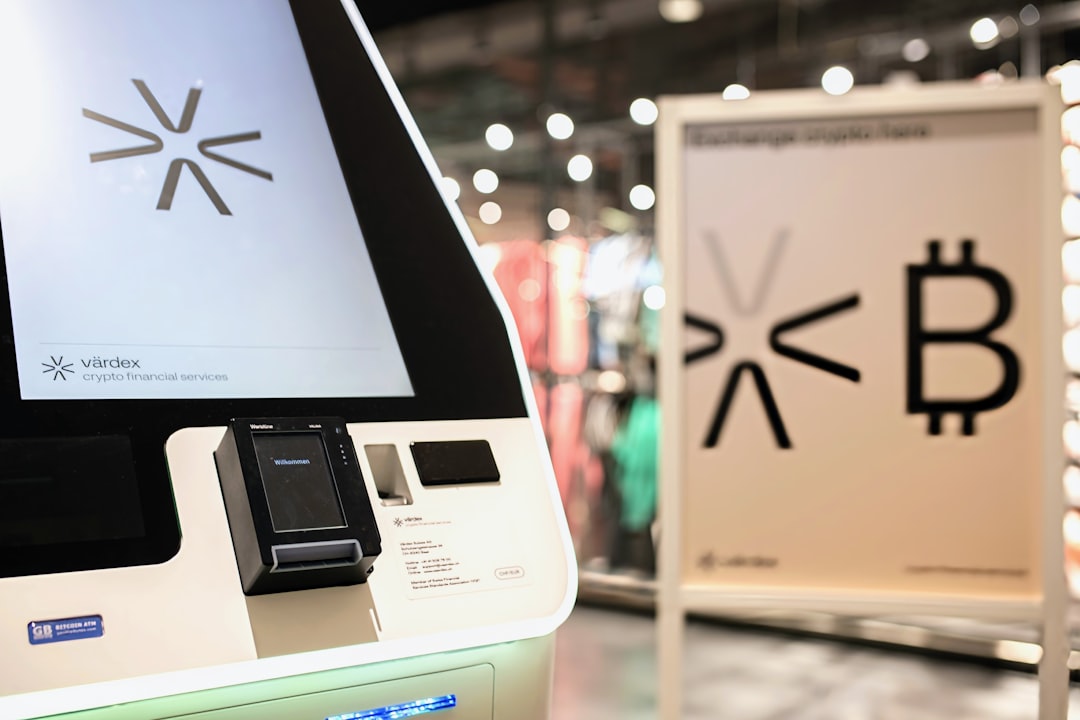
Despite scaling back self-checkout, Walmart hasn’t given up on using technology to fight theft. The company has also implemented weight sensors, AI video cameras, handheld register monitors and receipt audits to track transactions and catch repeat offenders. Each station is outfitted with a Zebra Technologies device that gathers data and item counts from Walmart employees. This comprehensive approach shows that the company is trying to find ways to make self-checkout work rather than abandoning it entirely.
The investment in anti-theft technology is substantial, but the results are mixed. This action is part of Walmart’s continuous assessment of ways to minimize theft while maintaining customer convenience. However, for now, Walmart is still quite susceptible to theft by self-checkout, which explains why the company continues to reduce reliance on these systems while searching for better solutions.
Target Joins the Checkout Revolution
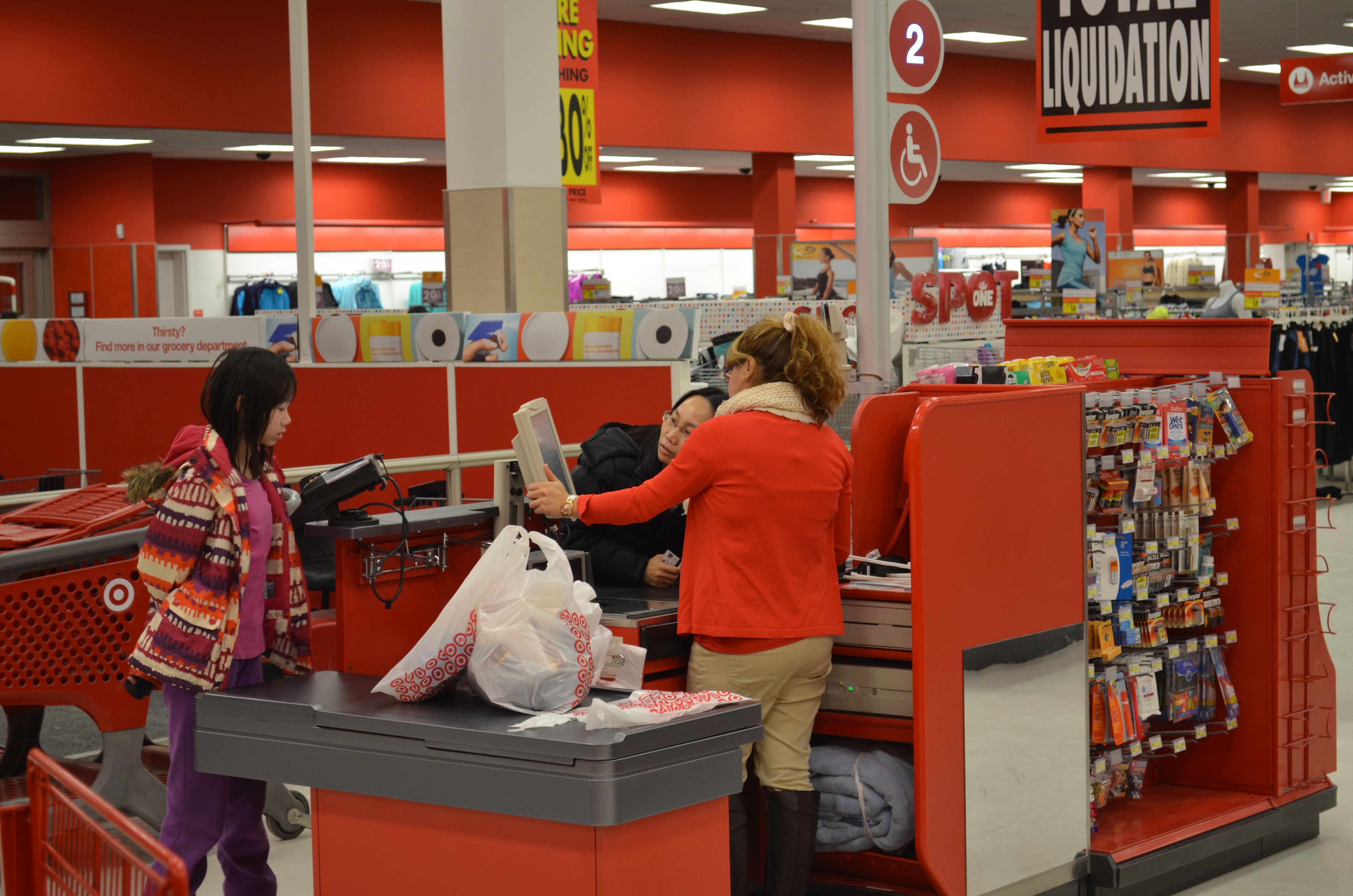
Walmart isn’t alone in this dramatic shift – Target has implemented equally significant changes that are reshaping the retail landscape. In March 2024, we rolled out our Express Self-Checkout lanes with limits of 10 items or fewer at most of our nearly 2,000 stores nationwide. This represents a complete change in philosophy from unlimited self-checkout to a highly restricted system designed to minimize problems.
The financial pressure driving these changes is enormous. Target is also experiencing self-checkout theft problems, with significant losses reported. Target says it will be “opening more traditional lanes staffed by our team members across all our stores” to check out shoppers with 11 items or more. This commitment to human staffing represents a major investment in labor costs that companies are now willing to make to combat theft losses.
Dollar General’s Complete Reversal
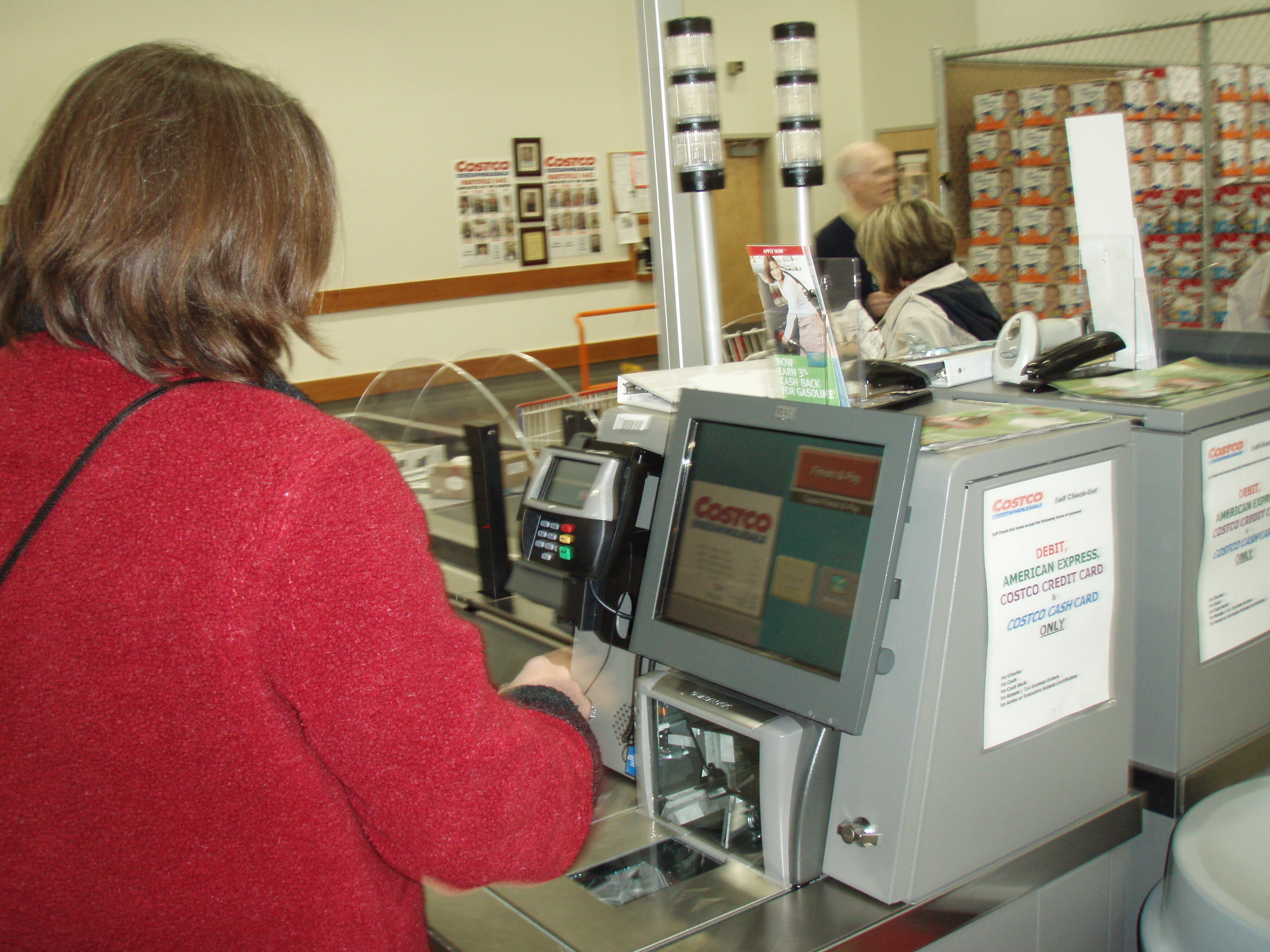
Perhaps the most dramatic example of this industry-wide shift comes from Dollar General, which has made an almost complete about-face on self-checkout technology. The discount retailer has removed self-checkout from approximately 12,000 stores since the beginning of 2024, including 3,000 in May alone, citing shrink as the primary reason for the change. This represents one of the largest retail policy reversals in recent memory.
The company’s CEO has been remarkably candid about the reasons behind this massive change. “Shrink continues to be the most significant headwind in our business, and we are deploying an end-to-end approach to shrink reduction across the organization”, said Todd Vasos during an earnings call. The company deployed an AI solution from Everseen that monitors shrink and determines whether that shrink was purposeful or inadvertent, and the results clearly showed that self-checkout was contributing significantly to losses.
The Human Touch Makes a Comeback
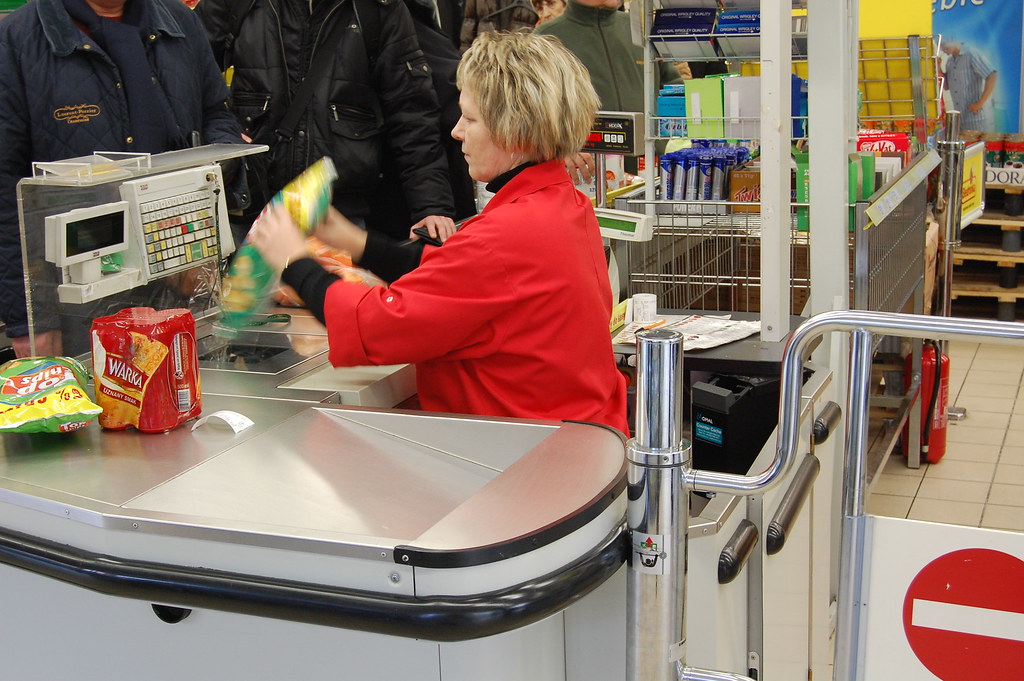
What’s particularly interesting about these changes is how retailers are rediscovering the value of human interaction in the shopping experience. Dollar General has “prioritized increasing the employee presence at the front end of our stores to provide a friendly, welcome and elevated level of engagement to our customers, while also facilitating a positive checkout experience”. This represents a complete reversal from the previous trend toward automation and cost-cutting through reduced staff.
“Although adoption rates for self-checkout have been high, we believe there is truly no substitute for an employee presence at the front end of the store to greet customers and provide excellent customer service, including at checkout”, explained Dollar General’s CEO. This philosophy is now spreading throughout the industry as retailers realize that the cost savings from reduced staff were being more than offset by increased theft and customer dissatisfaction.
Industry-Wide Impact and Financial Implications
The scale of this shift is having massive implications across the entire retail sector. Data reported by the National Retail Federation indicates inventory loss due to shrink has ballooned from just over $50 billion annually in 2018 to over $112 billion in 2022. A study conducted in 2016 by researchers at the University of Leicester found that loss rates connected to self-checkout systems came in at more than double the industry average rate.
The financial calculations are forcing retailers to completely reconsider their staffing models. Analysis shows that implementing traditional cashier lanes would cost Walmart approximately $2.7 billion annually, but given a $3 billion rise in theft losses, self-checkout appears to be costing $300 million more than traditional staffing. This kind of analysis is being replicated across the industry as companies realize that automation isn’t always the answer to reducing costs.
Technology Solutions Still Being Explored
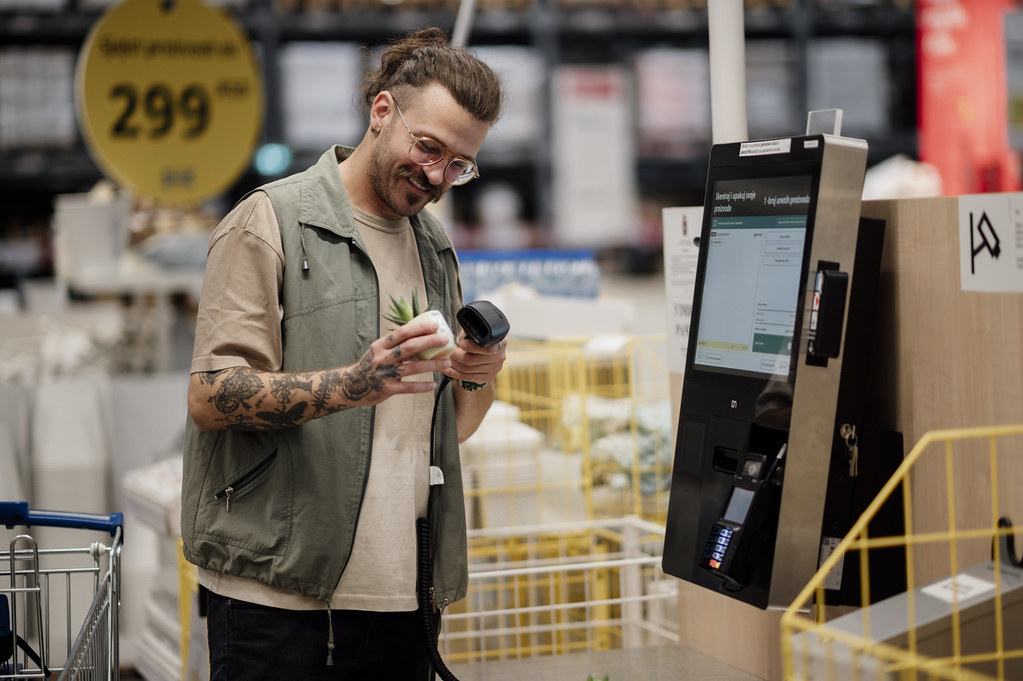
Despite the pullback from traditional self-checkout, retailers aren’t giving up on technology entirely. Walmart plans to use invisible barcodes in 2025. This will make scanning items faster from any angle. AI systems will watch self-checkouts to stop theft and work better. These advanced technologies represent the next generation of checkout systems that could potentially solve the current problems.
However, access to these advanced systems is becoming more restricted. Only Walmart+ members and Spark drivers can use self-checkout. Non-members might wait longer in lines. This represents a fundamental shift from universal access to a privilege-based system that rewards loyal customers while potentially frustrating others.
Customer Reactions and Adaptations
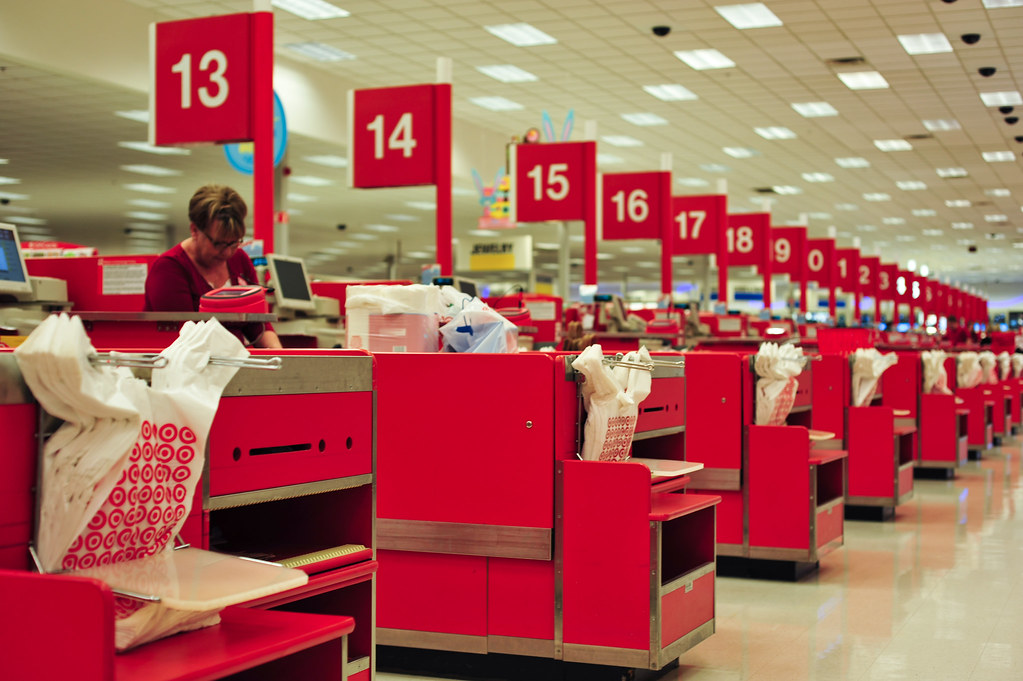
The customer response to these changes has been mixed, revealing deep divisions in shopping preferences. Certain people are angry, arguing that self-checkout speeds up the shopping process and is more convenient, especially when customers have only a few items to purchase. Conversely, others are happy about this, seeing it as an opportunity to get closer to human and customer centeredness. This split in customer opinion is making it challenging for retailers to find solutions that satisfy everyone.
The practical impact on shopping routines is significant. You may notice that transaction speed can slow down when there are fewer self-checkout lanes. Many customers prefer self-service checkouts for quick trips, but now you might need to use a staffed lane more often. Retailers are trying to balance these competing demands while still addressing the fundamental problems that led to the policy changes in the first place.
The Future of Retail Checkout
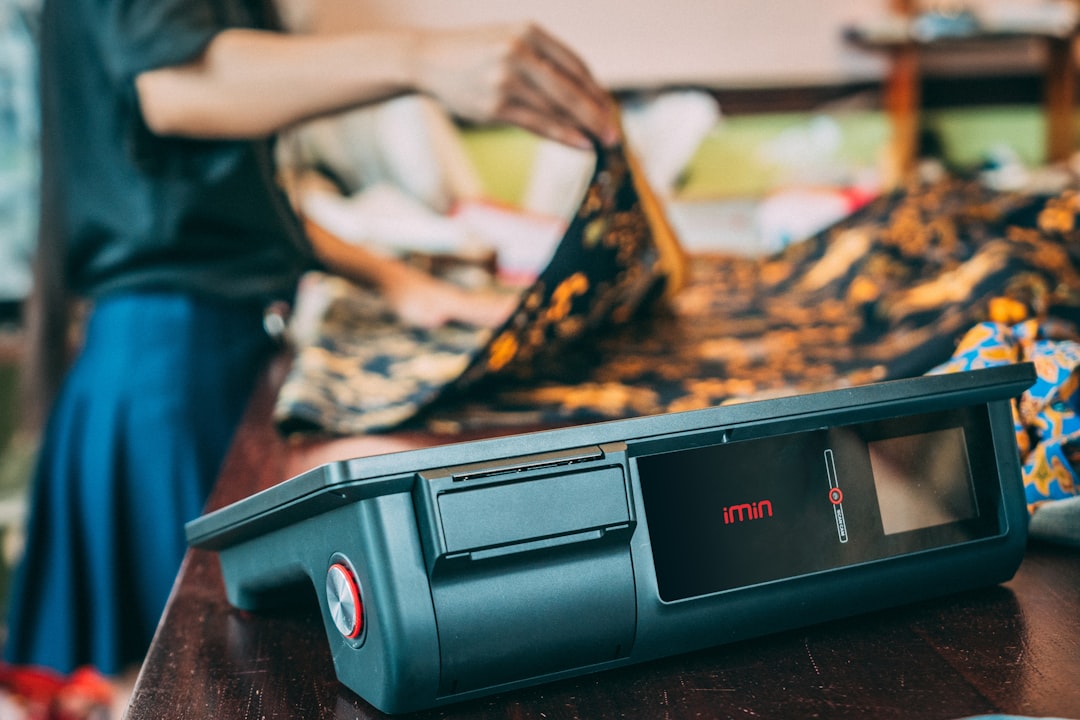
Looking ahead, the industry appears to be settling on a hybrid approach rather than completely abandoning self-checkout technology. This shift aims to improve the overall shopping experience by offering more help from employees. Walmart is adding more staffed lanes to help you check out. You can expect faster checkouts, more help from employees, and a stronger sense of community in stores. Walmart wants to improve your shopping experience by adding more staff and reducing technical problems.
The changes represent more than just a policy adjustment – they signal a fundamental shift in how retailers think about the balance between efficiency and customer experience. Walmart has proven that retail success requires valuing customer feedback, balancing technology and human touch, and proactively addressing theft and shrinkage. This lesson is now being applied across the industry as companies realize that the cheapest solution isn’t always the best solution when it comes to customer satisfaction and loss prevention.
The retail industry’s sudden reversal on self-checkout policies marks one of the most significant operational shifts in recent memory. What started as a cost-saving measure has turned into a billion-dollar problem that’s forcing companies to completely rethink their approach to customer service and loss prevention. As retailers continue to adapt and evolve their checkout strategies, one thing is clear: the future of shopping will likely involve more human interaction, not less, as companies prioritize security and customer satisfaction over pure automation.
What This Means for Your Next Shopping Trip

If you’ve been shopping at Walmart lately, you’ve probably already noticed the changes happening right before your eyes. More cashiers are working the lanes during peak hours, and those self-checkout areas that used to have 12 machines? They’re now down to just four or five, with actual employees stationed nearby to help out. This isn’t just about catching thieves – it’s about making your trip to the store less frustrating and more efficient. You won’t be stuck at a machine that won’t scan your bananas anymore, because there’s someone right there to fix the problem in seconds. The wait times might seem longer at first glance with fewer self-checkout options, but stores are reporting that transactions actually move faster when you factor in all those technical glitches and delays that used to plague the automated systems. Plus, if you’re someone who genuinely prefers scanning your own groceries, don’t worry – that option isn’t disappearing completely, it’s just becoming more controlled and monitored to protect both the store and honest customers like you.
Why Some Stores Are Keeping Self-Checkout While Others Ditch It

Here’s what’s really interesting – not every Walmart is making the same changes, and that’s completely intentional. The company is taking a store-by-store approach based on neighborhood theft rates, customer demographics, and even the physical layout of each location. A Walmart in a low-crime suburban area might keep most of its self-checkout lanes humming along just fine, while a high-traffic urban store deals with way more shrinkage and has already scaled back dramatically. This customized strategy is actually pretty smart when you think about it, because forcing the same solution on every single store would be like prescribing the same medicine to patients with totally different symptoms. Grocery chains like Kroger and Albertsons are watching these experiments closely, taking notes on which approaches work best in which settings. The data they’re collecting right now will probably shape how we all shop for the next decade, whether we realize it or not. It’s becoming clear that the future of checkout isn’t going to be all-human or all-machine – it’s going to be this weird hybrid that changes based on where you live and shop.
The Surprising Psychology Behind Why We Steal More at Self-Checkout
There’s this fascinating psychological phenomenon happening at self-checkout that researchers are calling the ‘moral wiggle room’ effect, and it explains so much about why theft has exploded at these machines. When there’s no human watching you scan items, your brain basically gives itself permission to bend the rules just a little bit – maybe you ‘accidentally’ scan those organic apples as regular ones, or somehow that expensive steak ends up in your bag without getting scanned at all. Studies from the University of Leicester found that people who would never dream of shoplifting the traditional way somehow feel less guilty when a machine is involved, like they’re outsmarting technology rather than actually stealing. It gets even weirder – some shoppers actually rationalize it as ‘fair compensation’ for doing the store’s job by scanning their own groceries. Retailers are now hiring behavioral psychologists to figure out how to trigger our conscience even without a cashier present, testing everything from strategic mirror placements (seeing yourself apparently reduces theft) to those creepy AI cameras that make you feel watched. The truth is, self-checkout didn’t just create a theft problem – it accidentally removed the main thing that kept most of us honest in the first place.
The Self-Checkout Paradox That’s Costing Retailers Sleep

Here’s the brutal irony keeping retail executives up at night – the very technology they installed to save money is actually bleeding them dry in ways they never anticipated. Self-checkout was supposed to slash labor costs by millions, and it did, but those savings are getting completely wiped out by theft losses that sometimes run three to four times higher than traditional checkout lanes. Retail analysts from the National Retail Federation discovered that stores with heavy self-checkout usage are experiencing what they’re calling a ‘profitability paradox’ where customer convenience and operational efficiency are directly at odds with the bottom line. What makes this especially frustrating for retailers is that they can’t simply jack up prices to cover the losses without driving customers to competitors who haven’t figured this out yet. Some chains are now running complex algorithms trying to calculate the exact break-even point – how many self-checkout lanes can they operate before theft losses exceed labor savings? The math is getting uglier by the quarter, and it’s forcing a complete rethinking of what seemed like a brilliant cost-cutting strategy just five years ago.