10 Beloved British Dishes That Americans Still Don’t Get
Ever wondered why some British comfort foods make Americans squirm? While Brits grow up relishing these traditional dishes, many Americans find themselves completely bewildered. The cultural gap runs deeper than just different names for the same food. We’re talking about ingredients that shock, textures that confuse, and names that make you laugh out loud. Let’s take a honest look at what makes these British classics so polarizing across the Atlantic.
Black Pudding
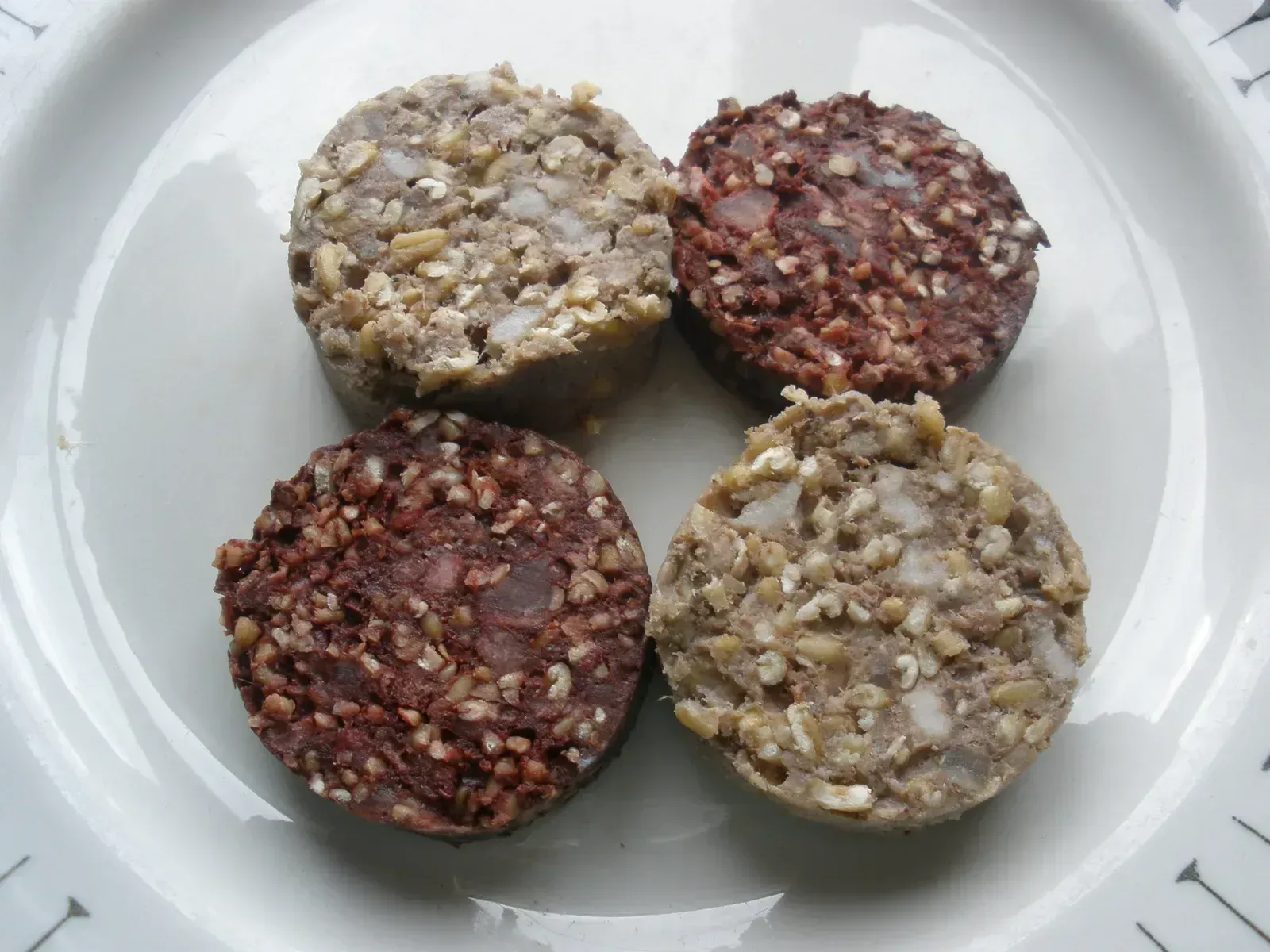
Black pudding isn’t what Americans would expect from something called pudding at all – it’s a type of blood sausage that’s practically a staple for the British, made from animal blood (usually pig), pork fat, oatmeal, barley, onions, herbs and spices. For Brits, it’s a normal part of the Full English breakfast. Black pudding, a type of blood sausage, is a beloved breakfast staple in Britain, however many Americans might be squeamish about the main ingredient – blood, with this dish’s rich, earthy flavor appreciated in the UK but often met with hesitation in the US.
Black pudding is often rated as one of the least popular British dishes among Americans, and when you look at a brief description it’s easy to understand why – black pudding is a sausage made from congealed pig’s blood. The main issue Americans have? Its distinctly black colour and the fact that it’s made with real blood can be very off-putting. Still, it remains a cornerstone of British breakfast culture, showing up in cafes and homes across the UK without raising an eyebrow.
Spotted Dick
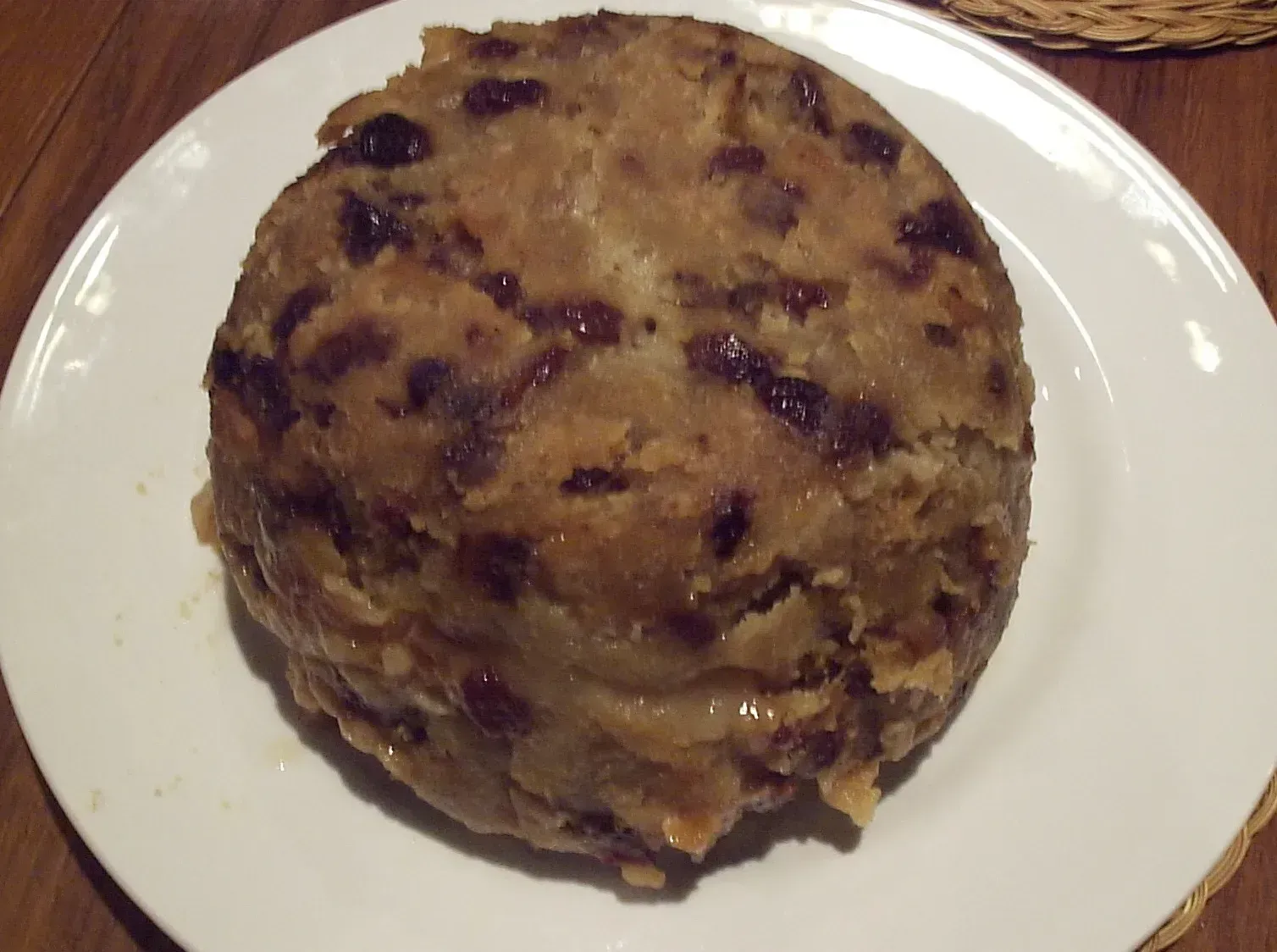
Spotted dick is a traditional British steamed pudding, historically made with suet and dried fruit (usually currants or raisins) and often served with custard. The name alone causes giggles among Americans before they even taste it. The ‘dick’ part of the name comes from the 19th century when the terms ‘dick’ and ‘dog’ came from an English dialect term for a pudding, with the words ‘dick’ and ‘dog’ once synonymous with the word ‘dough’.
Honestly, the name creates more drama than the dessert itself. It’s worth noting that spotted dick is not even especially common to find in many restaurants in the UK anymore, but with desserts such as sticky toffee pudding crossing the pond, perhaps it’s only a matter of time before the spotted dick becomes spotted more often. The dense, slightly sweet cake studded with dried fruit doesn’t translate well to American palates used to lighter, sweeter desserts.
Jellied Eels

Jellied eels is a traditional English dish that originated in the 18th century, primarily in the East End of London, consisting of chopped eels boiled in a spiced stock that is allowed to cool and set, forming a jelly, usually served cold. Let’s be real – the wobbly, gelatinous texture is what makes most Americans run for the hills. Brits call jellied eels tradition but Americans say it’s a “hard pass” for them, as they can’t get on board with the wobbly and slimy texture, with the look of the dish feeling intimidating and foreign.
The dish has fallen dramatically from its heyday. Only about 15 pie and mash shops remain and as of November 2025, none serve eel pie. Since the 1970s, eel populations are down 90%, mostly due to overfishing, pollution, and habitat destruction. Even in London, where it was once working-class comfort food, jellied eels have become a rarity that most young Brits haven’t tried either.
Marmite
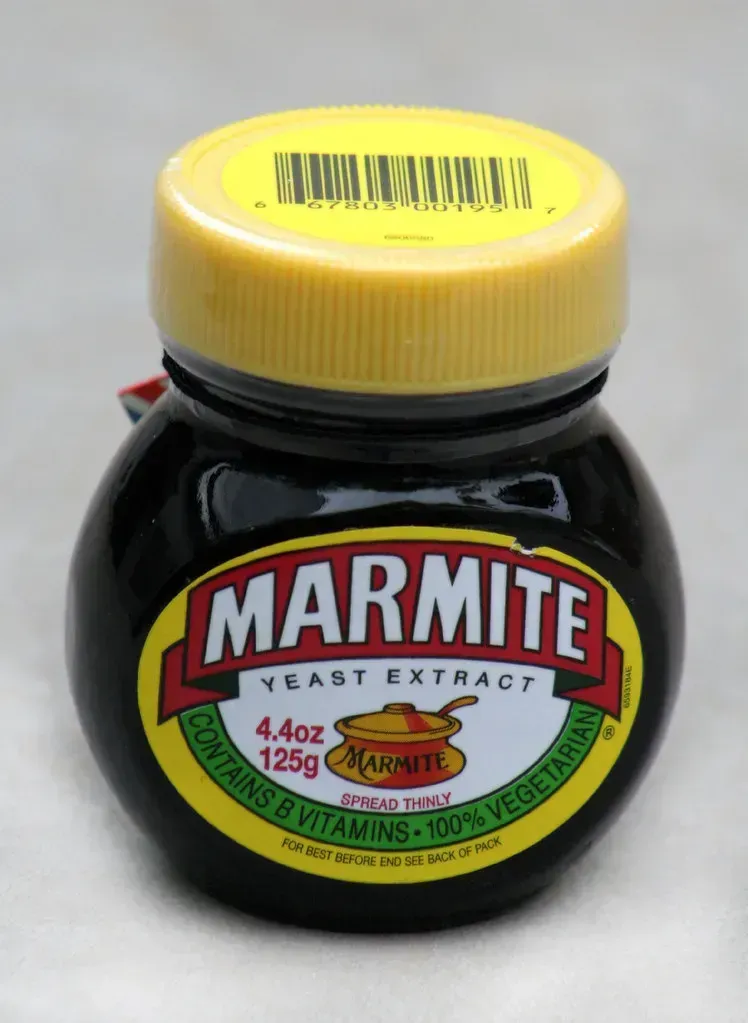
Marmite is a British savoury spread based on yeast extract invented by the Marmite Food Company in 1902, made from by-products of beer brewing, and is a sticky dark-brown paste with a distinctive, salty, powerful flavour and heady aroma. This distinctive taste is represented in the marketing slogan: “Love it or hate it”. Americans simply don’t have a cultural reference point for something so intensely savory spread on toast.
Salty, savory, and enormously potent, one smear of the paste is enough to send most unacclimated palates running, with the UK company having long poked fun at its own divisive flavor with the tagline “Love it or hate it”. The thick brown paste delivers such a concentrated umami punch that most Americans either grimace or politely decline after one tiny taste. Where Brits see breakfast comfort, Americans see something better left in the lab.
Stargazy Pie
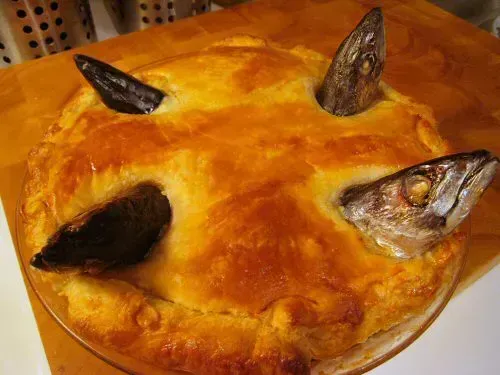
The British adore Stargazy pie, a traditional Cornish dish from England unlike any other dish any American has ever seen, made from baked sardines, eggs and potatoes covered with a pastry crust. Here’s the thing – fish heads literally poke through the top of the crust, staring up at you. The unique appearance of fish heads sticking out of the pastry can be quite unsettling.
The visual alone is enough to make Americans uncomfortable at the table. While the dish celebrates a Cornish fishing legend and holds deep cultural meaning, Americans accustomed to neatly filleted fish find the presentation too literal. It’s one of those dishes that’s more about tradition and storytelling than converting new fans overseas.
Tripe
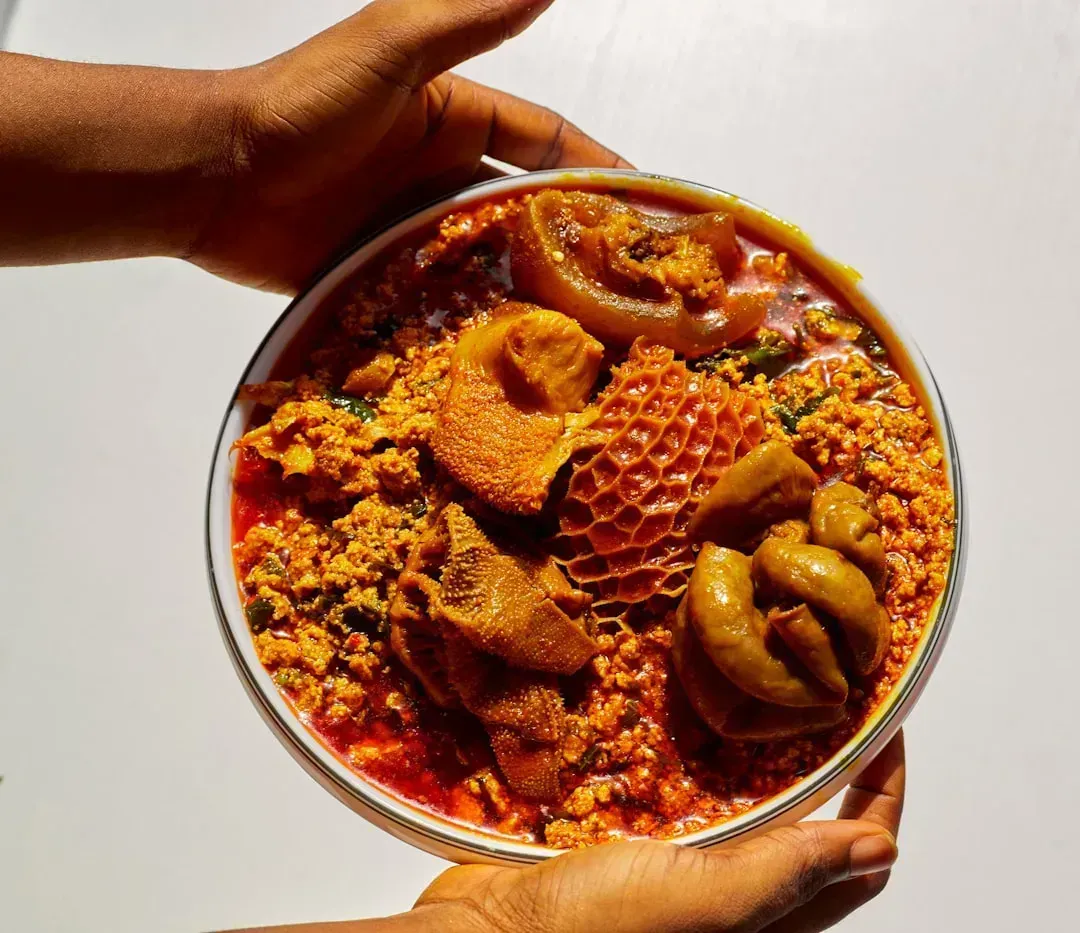
Once Americans hear what “tripe” is, even for the ones who are willing to give it a try, they likely never go back to it again – tripe is the stomach lining of a cow (sometimes sheep) served in rich gravy or stew, and it’s a traditional British dish that many Brits absolutely adore. The concept of eating stomach lining doesn’t sit well with most American diners. For Americans, the thought of eating cow stomach can be very unpleasant, and it also has an out-of-the-ordinary texture that is just too much.
Texture becomes the deal-breaker here. The rubbery, sometimes spongy consistency requires serious adjustment for palates raised on tender steaks and chicken breasts. British cooking traditions celebrate using every part of the animal, but American food culture moved away from organ meats decades ago, making tripe feel like a relic from another era.
Mushy Peas
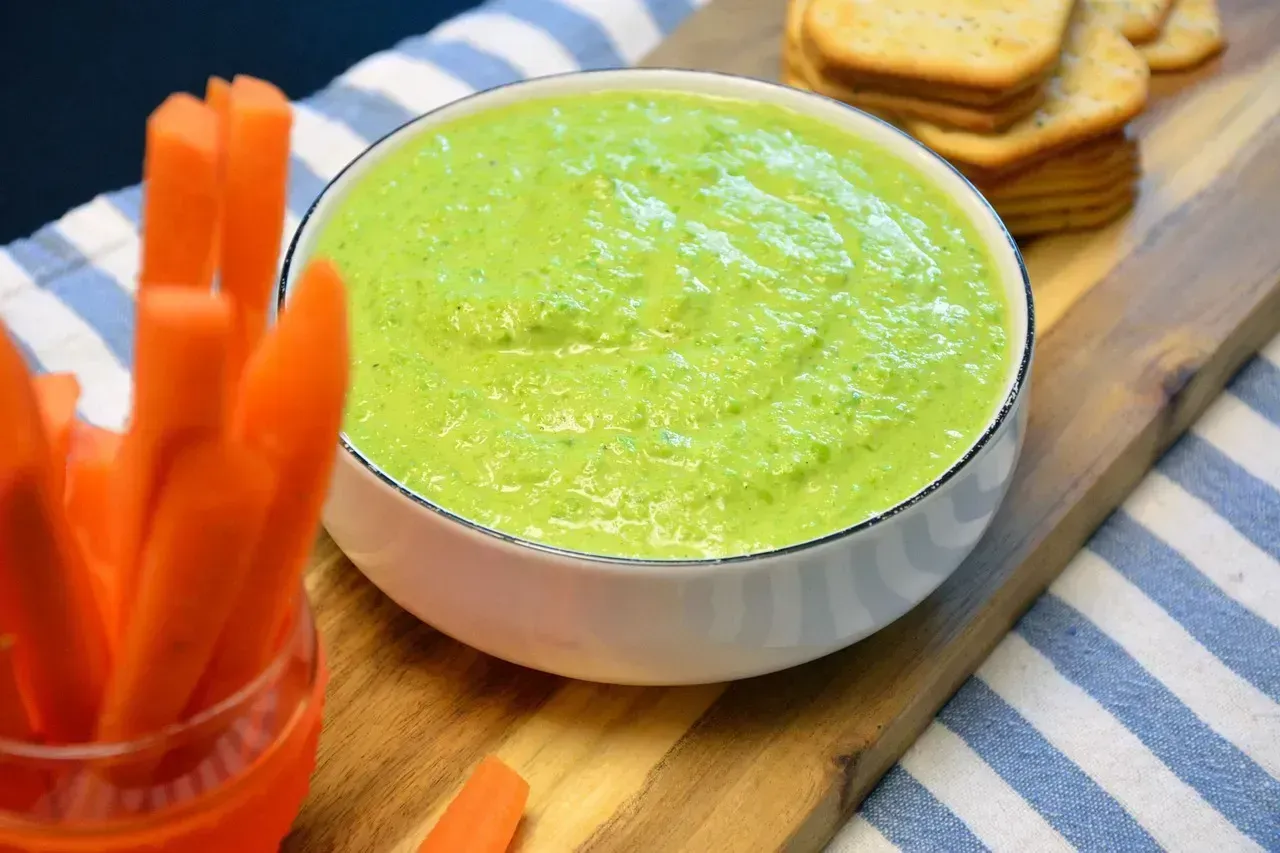
Mushy peas are a British favorite, traditionally served with fish and chips, made from dried marrowfat peas, and typically unenticing to the American diner, who may prefer their peas less mushy and more vibrant. Americans expect peas to be bright green and slightly crisp, not gray-green and completely soft. The name itself doesn’t help the cause.
The color throws people off immediately. Where Brits see the perfect accompaniment to fried fish, Americans see something that looks overcooked and unappetizing. The bland appearance masks a surprisingly pleasant, subtly earthy taste, but most Americans never get past that first visual impression to give it a proper chance.
Haggis
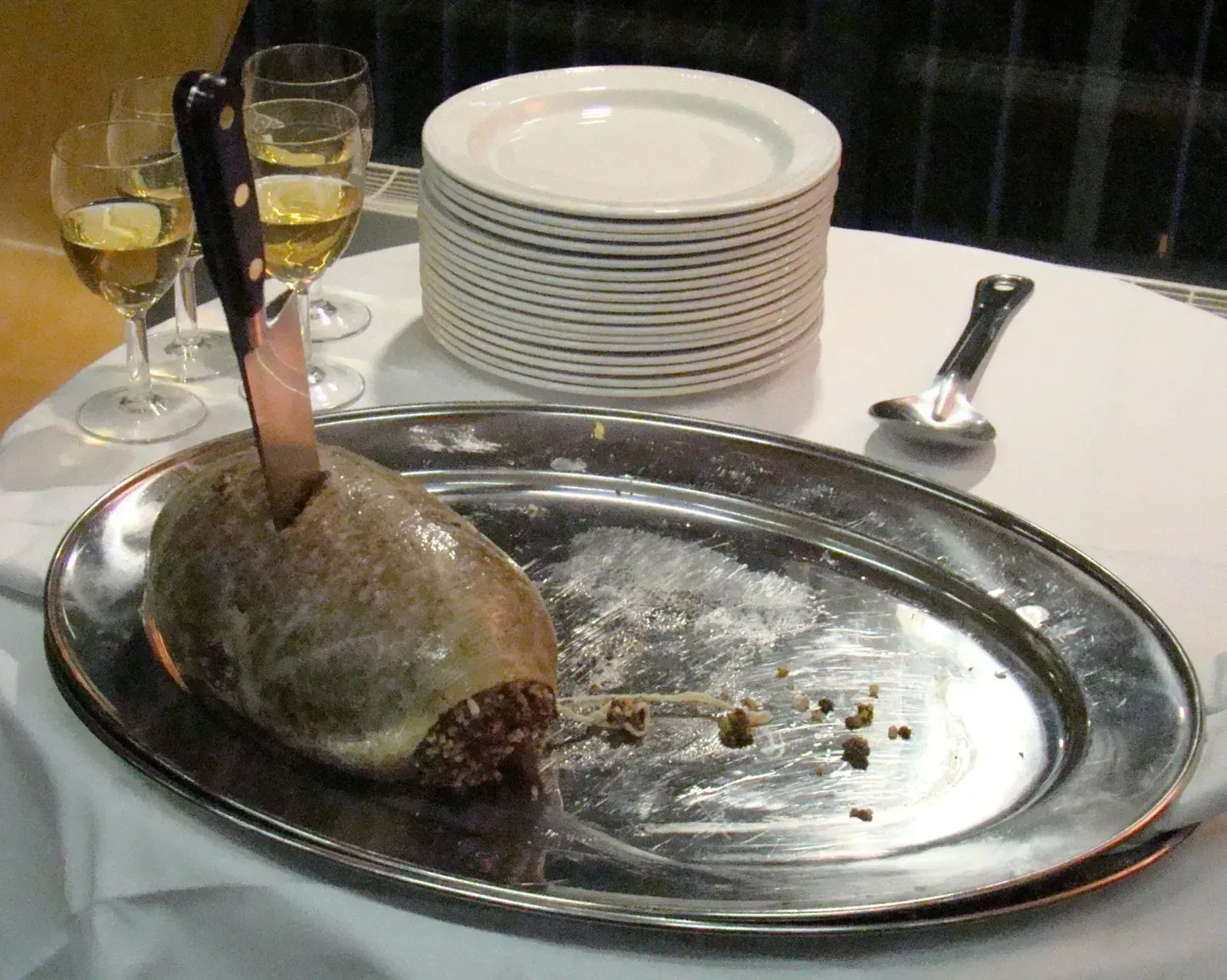
Haggis, Scotland’s national dish, consists of sheep’s heart, liver, and lungs, mixed with onions, oatmeal, and spices, then cooked inside an animal’s stomach, and it’s a source of Scottish pride but often viewed with suspicion by Americans unaccustomed to its ingredients and preparation. The ingredient list reads like something designed to test people’s courage. Haggis is a sheep’s stomach stuffed with sheep’s heart, liver, lungs, oatmeal, onions, and spices.
Yet those who try it often find themselves pleasantly surprised by the rich, peppery, nutty flavor. The texture resembles a coarse, savory pudding rather than anything identifiably organ-like. Still, convincing Americans to take that first bite remains the biggest hurdle, especially when they learn traditional recipes involve cooking it in a sheep’s stomach.
Pickled Herring
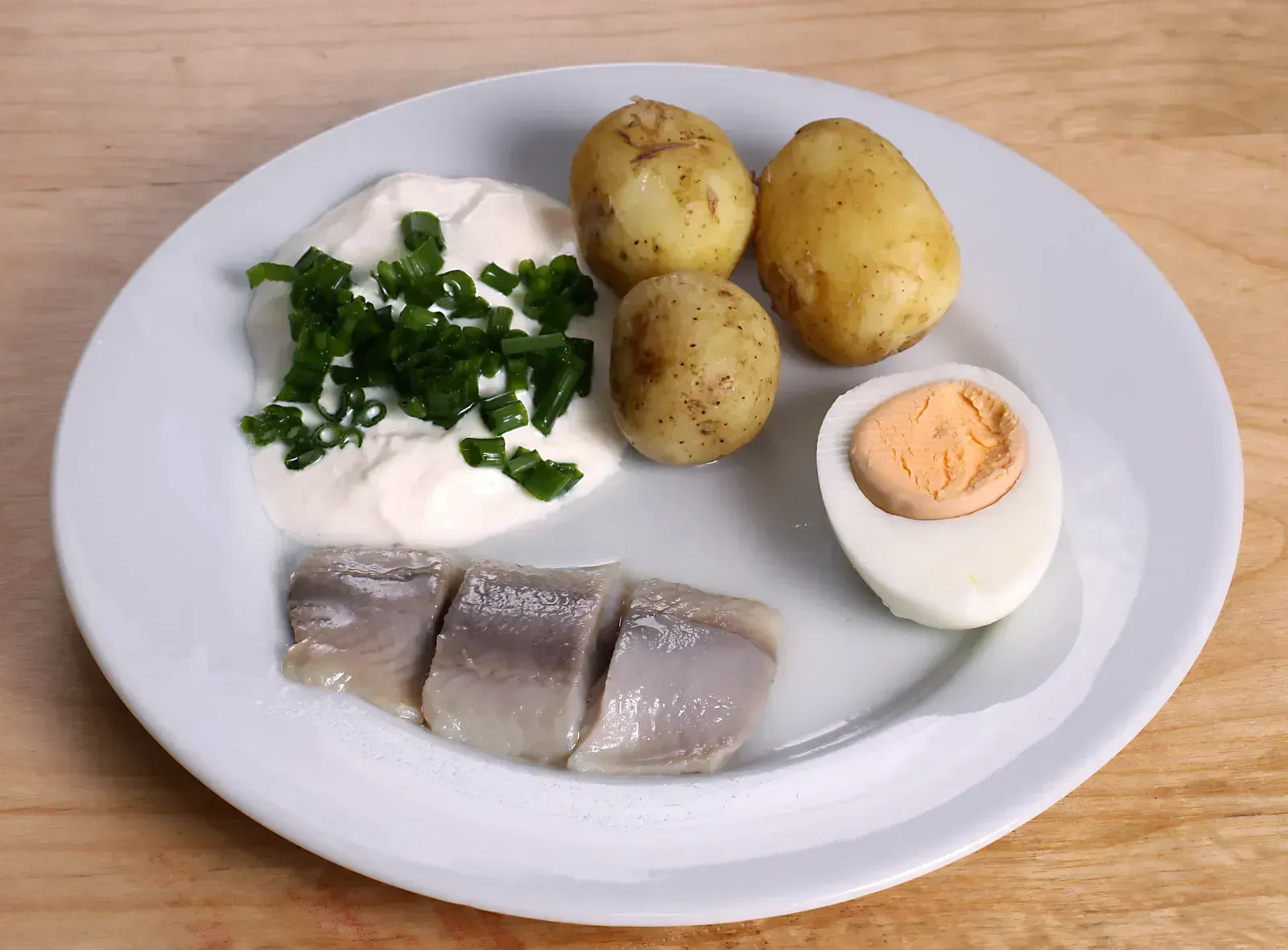
Pickled herring is fish soaked in a vinegar and sugar mixture with an exceptionally intense flavour profile, and while for many Brits it is a tangy type of treat, Americans think otherwise. Americans prefer their fish grilled, baked, or fried – not pickled and served cold from a jar. Even if an American is willing to try it, it’s unlikely that they’ll get past the strong taste.
The vinegary punch combined with the oily fish creates a flavor bomb that’s simply too much for most American palates. Brits appreciate the sharp, briny taste as a perfect complement to bread and butter, but Americans accustomed to milder seafood preparations find it overwhelmingly pungent. The silvery appearance and strong smell don’t win any points either.
Pork Pies
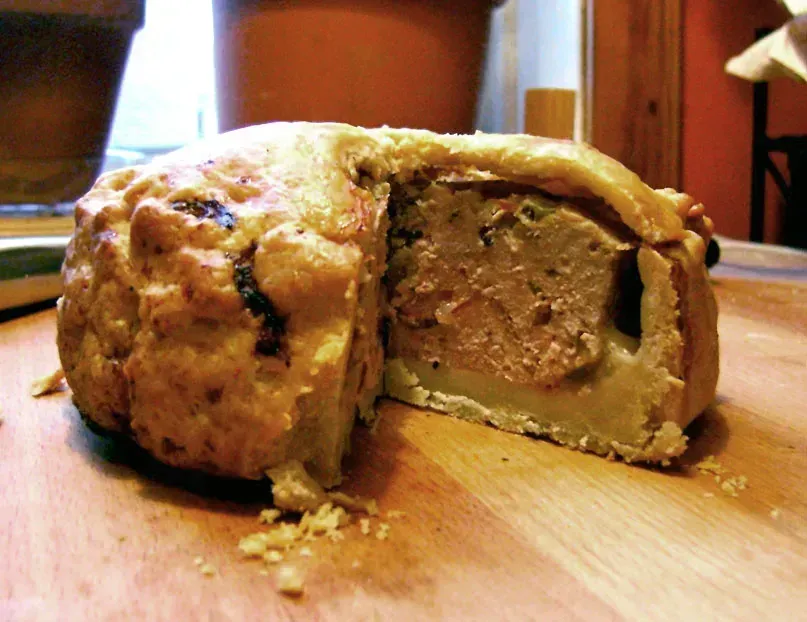
Pork pies are a classic British snack featuring a dense, savory pork filling encased in a thick, crumbly pastry, and while Brits relish this hearty treat, the concept of cold, gelatinous meat inside pastry doesn’t usually appeal to the American palate. The jelly layer between the meat and crust confuses Americans who expect hot, crispy pastries. That jellied layer comes from the cooking process and adds moisture, but it looks and feels strange to uninitiated eaters.
Americans generally prefer their meat pies piping hot with flaky crusts. The dense, room-temperature British version feels heavy and unappetizing by comparison. The gray-pink filling doesn’t photograph well either, making pork pies one of those foods that taste better than they look – but Americans rarely get past the appearance to find out.
British cuisine carries centuries of tradition, resourcefulness, and regional pride in every bite. What Americans perceive as strange or off-putting often represents ingenious ways of preserving food, using every part of an animal, or creating maximum flavor from limited ingredients. The cultural divide isn’t about one nation having better taste than another – it’s about different food memories, expectations, and comfort zones shaped by entirely different culinary histories. Some divides might never fully bridge, and perhaps that’s what makes exploring food across cultures so fascinating. What’s your take on these British classics? Would you brave a bite of black pudding or jellied eels if given the chance?