5 Backyard Trends Experts Say They Hope Will Fade Away
Artificial Turf Is Losing Its Shine
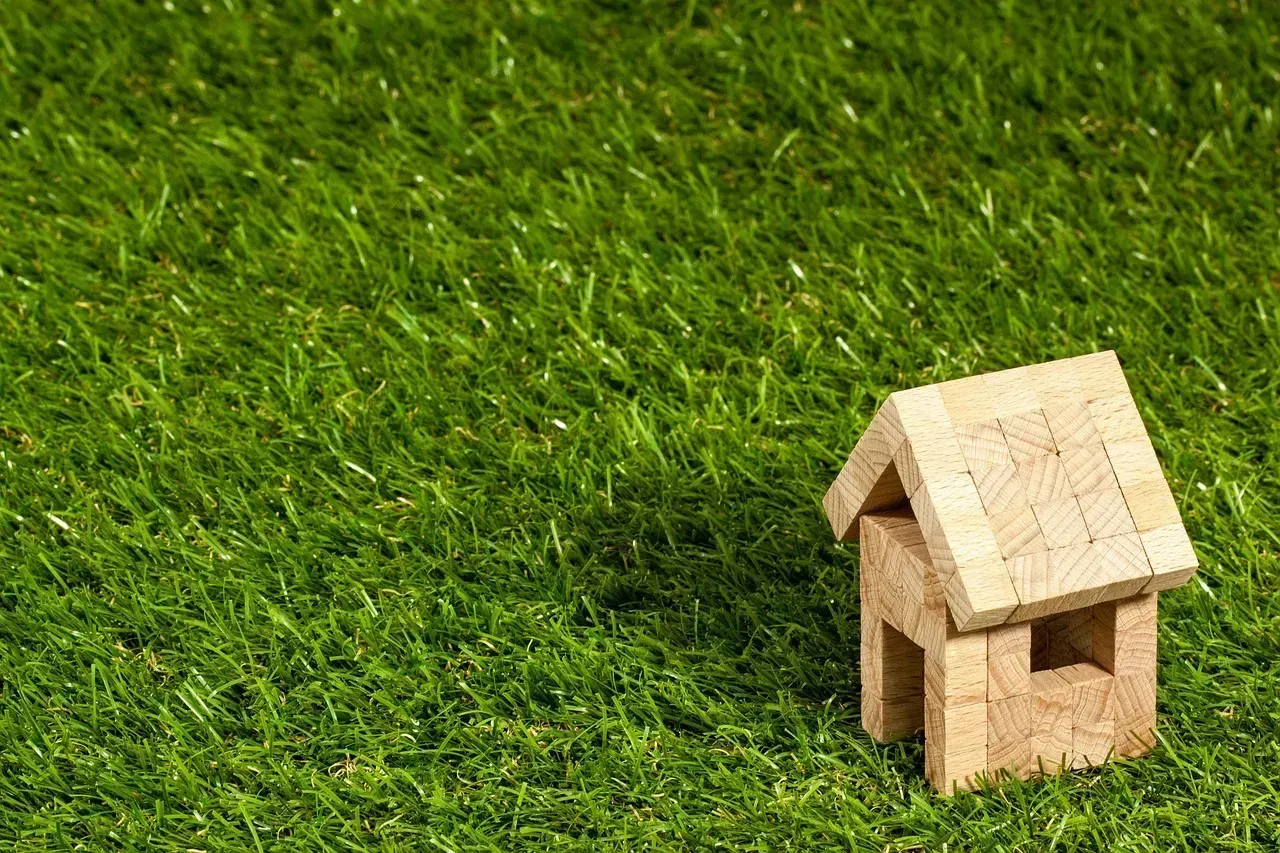
Let’s be honest, synthetic grass had its moment. For years, homeowners viewed artificial turf as the ultimate solution to water conservation and low maintenance. It promised a lush green lawn without the endless watering, mowing, or dealing with brown patches during droughts. Sounds perfect, right? Well, not anymore.
Cities across the country are now passing strict ordinances that prohibit new installations of artificial turf. There’s a good reason for this sudden shift. Synthetic lawns can feel like walking across a hot frying pan on sunny afternoons because the materials don’t cool themselves through evaporation, and according to a study by Brigham Young University, when air temperatures reach 98 degrees Fahrenheit, plastic turf surfaces can exceed 200 degrees. That kind of heat creates serious safety hazards for children and pets.
The vast majority of artificial turf ends up in a landfill, despite industry claims about recyclability. Add to that the fact that these plastic surfaces don’t support local ecosystems or allow rainwater to naturally soak into the ground, and you start to see why experts want this trend to disappear. Honestly, when you think about it, replacing living plants with petroleum-based products never really made ecological sense anyway.
Overly Elaborate Outdoor Kitchens Are Out
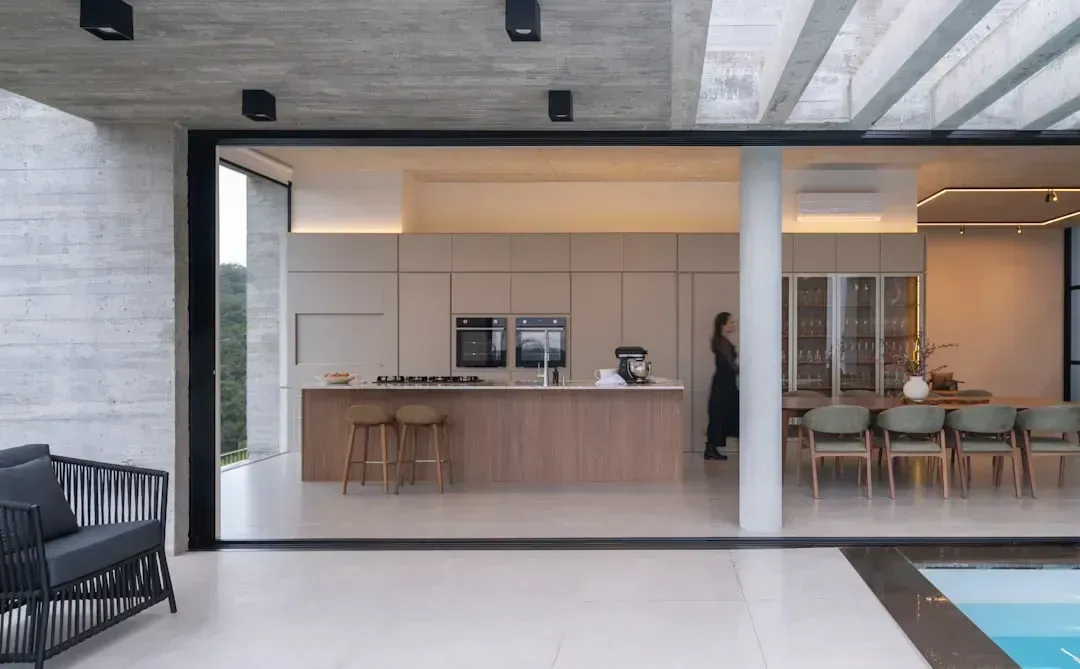
Elaborate outdoor kitchens are giving way to smart proximity to the real one, turf is being traded for wildflowers and native plants that actually belong there, and we’re seeing clients ditch massive hardscapes in favor of meaningful pockets – spaces that feel curated, not conquered. This perspective from industry expert Frank Wickstead captures a massive shift happening right now.
The trend isn’t about building a second house in your backyard anymore. Those sprawling outdoor kitchens with every possible appliance, complete with full plumbing systems, wine fridges, and elaborate prep stations, are falling out of favor. They’re expensive to build, costly to maintain, and frankly, many homeowners discovered they don’t use all those features as much as they thought they would.
Giant outdoor kitchens were once the epitome of outdoor luxury, but homeowners now prefer modular kitchens that they can adapt to changing needs, and as Charles Hendricks, principal at Gaines Group Architects, puts it, “Large defined spaces are on the way out; clients want flexibility of scale and function”. The new approach focuses on smarter proximity to your actual indoor kitchen rather than trying to replicate an entire culinary empire in your yard.
Overly Manicured, Golf-Course-Style Lawns
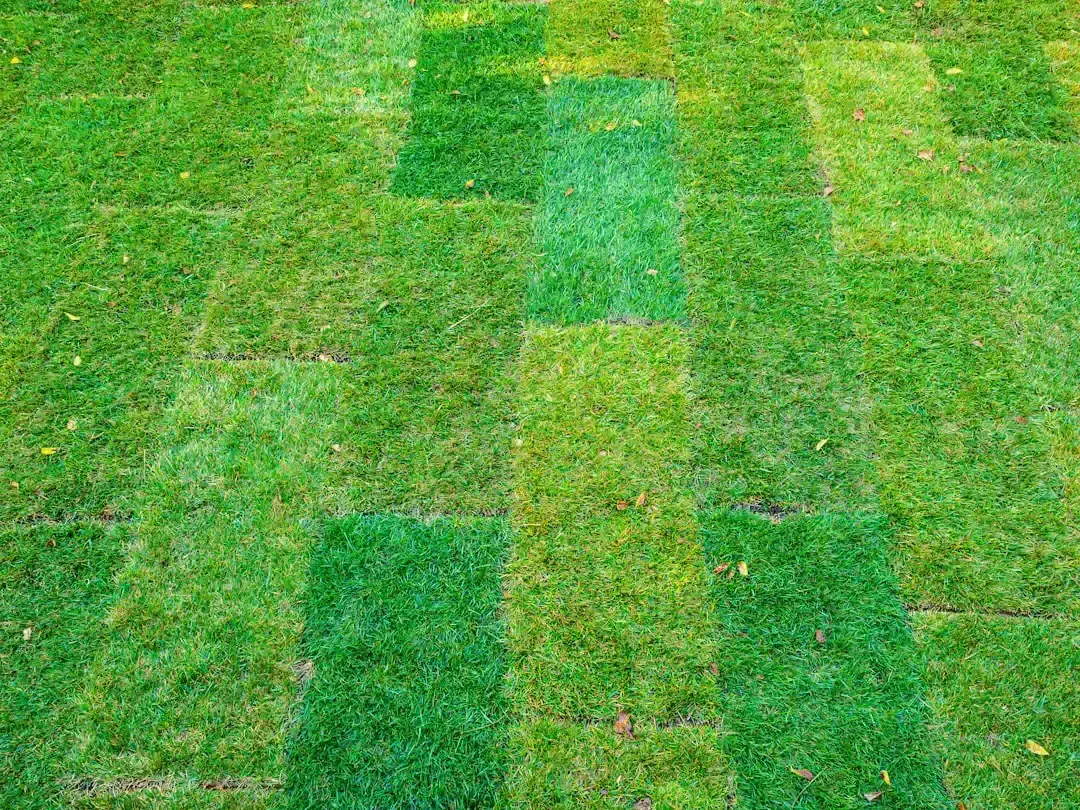
Once the gold standard of curb appeal, high-maintenance, golf-course-like lawns are losing their charm because not only are they water-intensive, but they also require heavy chemical use and constant upkeep. Think about it for a second. How much time and money goes into maintaining that pristine, unnaturally perfect lawn? Weekly mowing, fertilizing, weed control, pest management, overseeding. It never ends.
The trend of massive expanses of lawns originated from 18th-century Europe as a symbol of wealth, and it still persists today, especially across North America, as it remains the default image of a Western ‘garden,’ but this is outdated, uncreative, monotonous, and a huge missed opportunity for what your yard could actually offer. Instead of these water-guzzling green carpets, experts are pushing for more natural alternatives.
The focus had shifted to eco-friendly options like native grasses or clover lawns, offering beauty with far less maintenance. These alternatives provided habitat for pollinators and thrived without constant mowing or fertilizing, making them a smarter, greener choice. The move away from the traditional country club aesthetic was long overdue.
Minimalist Modern Gardens With Zero Personality
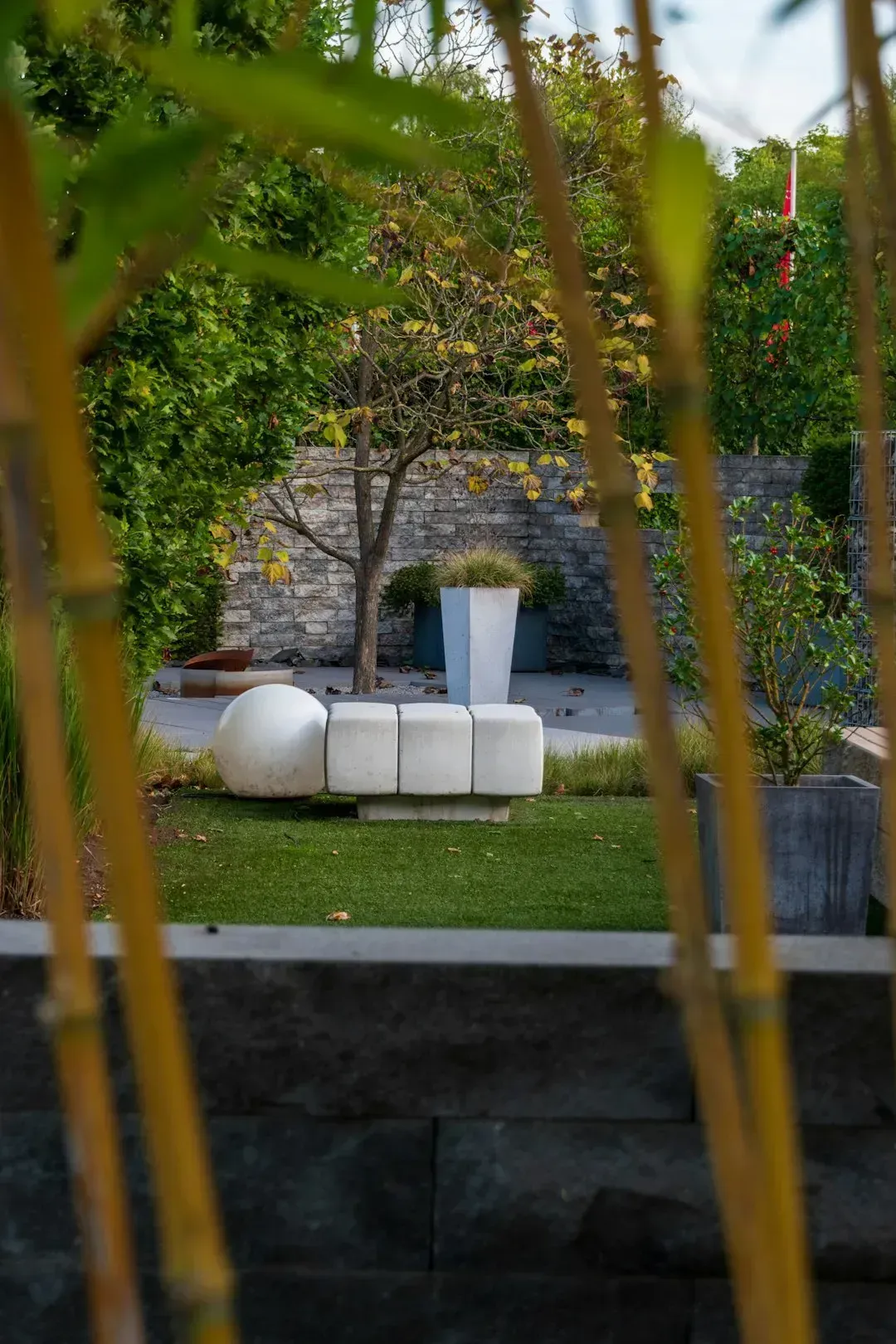
Simplified, streamlined garden spaces featuring a restrained color palette and a repetitive geometric planting scheme have been a go-to for urban landscapers for quite a while now, but there’s evidence we are swerving to something a little more naturalistic and unstructured in our outdoor design choices. Those stark, monotone yards with perfectly matched shrubs and rigid geometric patterns? They’re getting the boot.
Landscape architect Kevin Lenhart says, ‘We’re seeing a big uptick for the maximalist yard,’ and ‘The tides are turning after many years of neutral modernism to embrace lush plantings, flowers, and color in outdoor living spaces,’ and Yardzen has seen a 64% increase in requests for color in the yard in both plants and furniture. People want their gardens to feel alive and personal, not like a sterile architectural showroom.
Felicia Feaster says younger gardeners are moving away from “the ubiquitous Knock Out roses, boxwoods, and perfect green lawns that emphasize symmetry and tidiness, epic maintenance, and water use,” and as design-savvy homeowners embrace more maximalist, collected interiors, the same shift is happening outdoors. The takeaway? Your backyard should look like you actually live there, not like it’s waiting for a magazine photoshoot that never happens.
Dyed Mulch and Plastic Edging
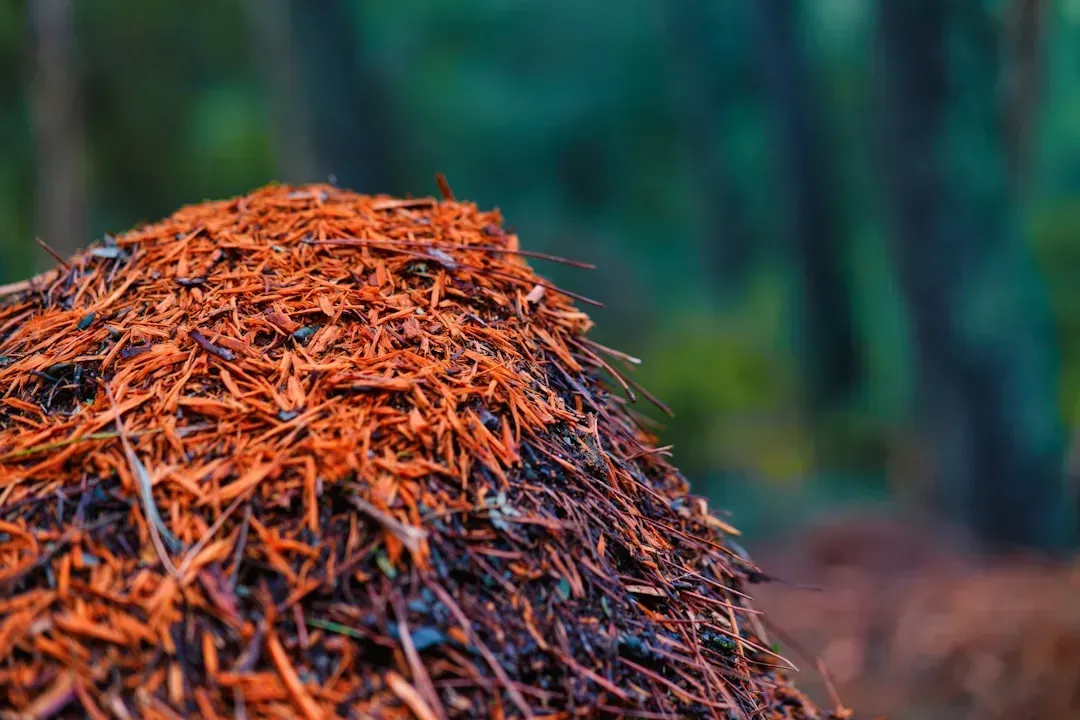
Here’s the thing nobody wants to talk about: that bright red or jet black dyed mulch looks terrible. Artificially colored mulch (think: bright red or jet black) isn’t in line with the more organic choices that landscape designers are making today, and “We always aim to keep color palettes in line with what one would find in nature”, according to landscape expert Adam Kober.
In 2024, Nectar Landscape called for dyed, bright red mulch to disappear, recommending a return to organic, untreated options that protect soil from the elements, reduce moisture evaporation, and help build healthy topsoil, arguing there’s no place for synthetic dyes leaching into the ground. Those artificial colors fade unevenly, look unnatural from day one, and contribute nothing positive to your soil health.
Then there’s plastic edging, which has its own set of problems. Plastic edging used to be a fast way to create clean lines between lawns, gardens, and paths in the landscape, but over time, the plastic fades, cracks, or pops out of place, and it often looks unnatural and draws the eye away from plants, mulch, or gravel. Designers now recommend natural materials like stone or wood that actually blend with your landscape instead of fighting against it. These timeless materials age gracefully rather than becoming an eyesore you’ll need to replace every few years.
So what do you think? Are any of these outdated trends lurking in your backyard right now? It might be time for a refresh that brings your outdoor space into 2026 with style, sustainability, and a whole lot more personality.