10 Things You Didn’t Know About the “Affluent Middle” Moving to Cheaper States
There’s a quiet revolution happening across America right now. Households that once comfortably occupied the middle class in expensive coastal states are packing up and heading to places they might never have considered a decade ago. We’re not talking about the ultra-wealthy or struggling families. These are dual-income professionals, engineers working remotely, and families earning six figures who suddenly realize that money doesn’t stretch the same way it used to. While headlines scream about billionaires and tech moguls relocating, the real story lies in the thousands of affluent middle-class households reshaping the American landscape through their quiet exodus.
The numbers tell a remarkable story of change, and there’s far more to this migration wave than meets the eye.
Remote Work Created a New Class of Geographic Nomads

Remote digital jobs are expected to increase by around 25% to approximately 92 million by 2030, according to World Economic Forum research. This shift has fundamentally changed how the affluent middle class thinks about location. The 2020 pandemic proved that many knowledge workers could perform their jobs from anywhere with decent internet. This migration surge has been disproportionately driven by high-income individuals, and interestingly, these relocations haven’t stopped as offices reopened.
Roughly one-third of fully remote workers and nearly half of hybrid workers planned moves in 2023, compared to just over a quarter of on-site workers. The flexibility to earn a San Francisco or New York salary while living in a North Carolina suburb has proven irresistible for many. Remote work didn’t just enable moves; it created an entirely new mindset about where home could be.
The Tax Math Is More Complicated Than You Think

Everyone focuses on state income tax, but the reality is messier. Among taxpayers earning $200,000 or more, the most attractive destinations were Florida, Texas, North Carolina, South Carolina, and Arizona, according to IRS migration data. Yet tax savings alone don’t tell the full story. High-income Californians favor states without income taxes, with essentially all net outflow of high earners now landing in no-tax states, but many middle-income movers split evenly between tax and no-tax destinations.
Property taxes, sales taxes, and cost-of-living differences often offset state income tax savings. A household moving from California to Texas might save on income tax but face higher property taxes and insurance costs. Still, the average combined top marginal state income tax rate in the top third of states for migration-related growth is about 3.5%, while in the bottom third it’s roughly 6.7%, showing taxes do influence decisions even if they’re not the only factor.
California and New York Lost More Wealthy Households Than Any Other States

Florida gained nearly 30,000 high-income households in net returns, while Texas ranked second with a net addition of roughly 8,000 high-earning households. The flip side is stunning. California lost about 24,700 high-income households, while New York lost roughly 12,000 high-earning households, according to SmartAsset’s analysis of IRS data from the 2021-2022 tax year.
These aren’t random moves. California saw a net outflow of high-earners with an average adjusted gross income of $1.3 million, representing a massive transfer of wealth and tax revenue. When you lose thousands of households each earning well over a million dollars annually, the fiscal consequences ripple through state budgets for years. It’s hard to say for sure, but this exodus might reshape political representation as well, with congressional seats potentially shifting southward after the next census.
Six-Figure Incomes Don’t Mean What They Used To

Here’s the thing: earning $100,000 or even $150,000 doesn’t automatically place you in the upper class anymore, especially in expensive states. A household making $100,000 today has roughly the same purchasing power as about $80,000 in 2020, according to analysis incorporating inflation data. Home prices climbed 52% from January 2020 to December 2024, while grocery prices rose 30%, far outpacing income growth.
Nearly two-thirds of middle-class Americans said they were struggling financially in a 2024 survey, and didn’t expect conditions to improve. In Massachusetts, California, and New York, households earning between $120,000 and $140,000 technically fall within the middle class, but costs erase much of that income advantage. This financial squeeze is pushing affluent middle-class families to reconsider whether staying put makes economic sense.
The South Is Winning Because of More Than Just Weather

The South is the most populous region with nearly 133 million residents, and it added more people than all other regions combined between 2023 and 2024. Weather plays a role, sure. Yet the real draw combines multiple factors: employment opportunities, housing supply, and infrastructure investments. One of the biggest surges in working-age adults stretches from Tennessee into western North and South Carolina and northwest Georgia, a region that has attracted major manufacturing investments, particularly from South Korean firms.
In 2022, the South grew by 1.1%, driven mainly by domestic and international migration, with more than 1.3 million people moving to Southern states. Cities like Charlotte, Nashville, and Austin offer job markets comparable to coastal cities but with substantially lower costs. The combination of economic opportunity and affordability creates a powerful magnet for upwardly mobile families.
Housing Affordability Hit a Breaking Point Nobody Expected
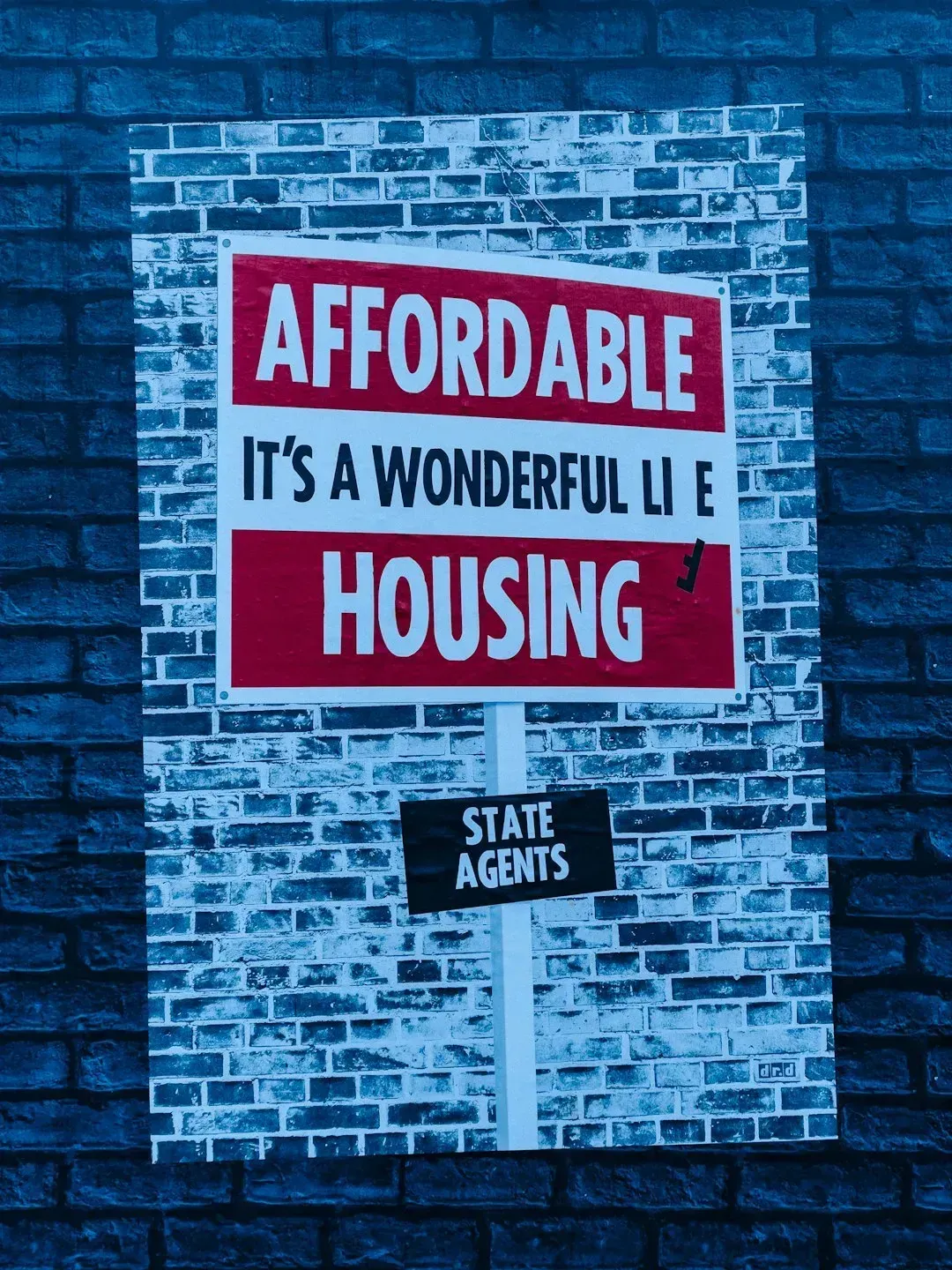
The median home price jumped from $313,000 in 2019 to $426,800 by early 2024, with mortgage rates hovering near 7%. This isn’t just expensive; it’s financially crushing for middle-income earners in high-cost areas. Florida and Texas have median home sale prices of $385,000 and $342,167 respectively, while California’s median reached $746,667 and New York’s $450,000.
The math became impossible for many families. A couple earning $200,000 in San Francisco might have felt wealthy on paper, but after housing, childcare, and taxes, their savings were minimal. That same couple could buy a larger home in Raleigh or Tampa for half the price, dramatically improving their quality of life. California lost over 101,000 households in 2021, and New York lost over 75,000, with high housing costs leading the charge. Housing wasn’t just a factor in relocation decisions; it became the primary driver.
Smaller Cities and Suburbs Are the Real Winners

Everyone talks about Florida and Texas, but dig deeper and you’ll find something unexpected. America’s largest metro areas lost a net 900,000 people to out-migration in 2021, while the biggest winners were regions with fewer than 30,000 residents, which went from a net loss to a net gain of more than 125,000. Large metros continued losing nearly 900,000 residents in 2022, while small regions gained another 218,000, and this trend persisted through 2024 among prime-age workers and their families.
Affluent middle-class families are choosing quality of life over proximity to major job centers. They’re picking towns like Boise, Greenville, and Fort Myers over their state’s biggest cities. These smaller metros offer space, good schools, and lower crime while remaining affordable. The shift represents a fundamental rethinking of what constitutes a desirable place to live.
The Migration Wave Is Slowing But Not Stopping

Let’s be real: the pandemic-era migration boom couldn’t last forever. Tampa had a net inflow of just over 10,000 residents in 2024, less than one-third the 35,000-person net inflow the year before, marking the biggest slowdown in domestic migration among the 50 most populous metros. Migration to the Sun Belt is slowing as the cost of buying or renting rose rapidly during the 2020 pandemic when migration skyrocketed.
However, Sun Belt states like Texas and Florida continue to see positive net migration, though far less than during the height of the 2020 pandemic. The flows have normalized rather than reversed. Affluent professionals are still moving, just at a more sustainable pace. Return-to-office mandates and economic uncertainty have made people more cautious, yet the fundamental appeal of lower-cost states remains intact.
Middle-Class Definition Varies Wildly by Location

The national median household income reached $80,610, and middle class is commonly defined as earning between two-thirds and double that figure, meaning $53,740 to $161,220 annually nationwide. But state-level variations are dramatic. In Massachusetts, a $300,000 income places a household of four in the middle class, which sounds absolutely wild if you live in Mississippi.
Maryland and Washington D.C. feature median household incomes above $100,000, with residents historically earning high salaries in government, law, tech, and finance. This creates vastly different financial realities. A household earning $120,000 in Mississippi lives quite comfortably in the upper middle class, while the same income in Boston places them firmly in the middle or even lower-middle tier after accounting for costs. Understanding these regional disparities helps explain why affluent middle-class families feel squeezed in expensive states despite seemingly high incomes.
The Political and Economic Implications Are Just Beginning

Domestic migration has substantial political implications, with states gaining residents like Texas and Florida projected to gain congressional seats after the 2030 census, while New York and California are set to lose them, gradually shifting Electoral College balance. California lost a House seat in 2021 for the first time since achieving statehood in 1850, and if population decline continues, another could be at risk.
Beyond representation, these moves reshape local economies. Destination states gain tax revenue and skilled workers, while losing states face budget pressures. States with the highest net adjusted gross income gains included Florida at $36 billion and Texas at $10.1 billion, while California lost $23.8 billion and New York lost $14.1 billion. This isn’t just about people moving; it’s about economic and political power redistributing across the country in ways we’re only beginning to understand. What started as families seeking better deals has evolved into one of the most significant demographic shifts in recent American history.
The movement of affluent middle-class households to cheaper states tells us something important about American priorities in 2026. Financial pressure, remote work flexibility, and quality of life considerations have converged to create migration patterns that would have seemed unlikely just five years ago. These families aren’t leaving in desperation; they’re making calculated decisions about where their money goes furthest and where they can build better futures.
Did this migration wave surprise you as much as it surprised economists?