10 Illegal Electrical Add-Ons Inspectors Say Are Everywhere
Walk into any older home during a renovation, and you might be surprised by what’s hiding behind those walls. Electrical work that seemed fine for years can turn into a major red flag the moment an inspector takes a closer look. From DIY shortcuts to outdated installations that nobody bothered to fix, these violations are more common than most homeowners realize.
Many homeowners try to modernize or improve their electrical systems without realizing that some common DIY practices violate the National Electrical Code and local regulations. The thing is, what looks like a simple fix can create serious hazards down the line. Let’s explore the electrical violations that inspectors keep finding in homes across the country.
Wire Splices Hidden Outside Junction Boxes
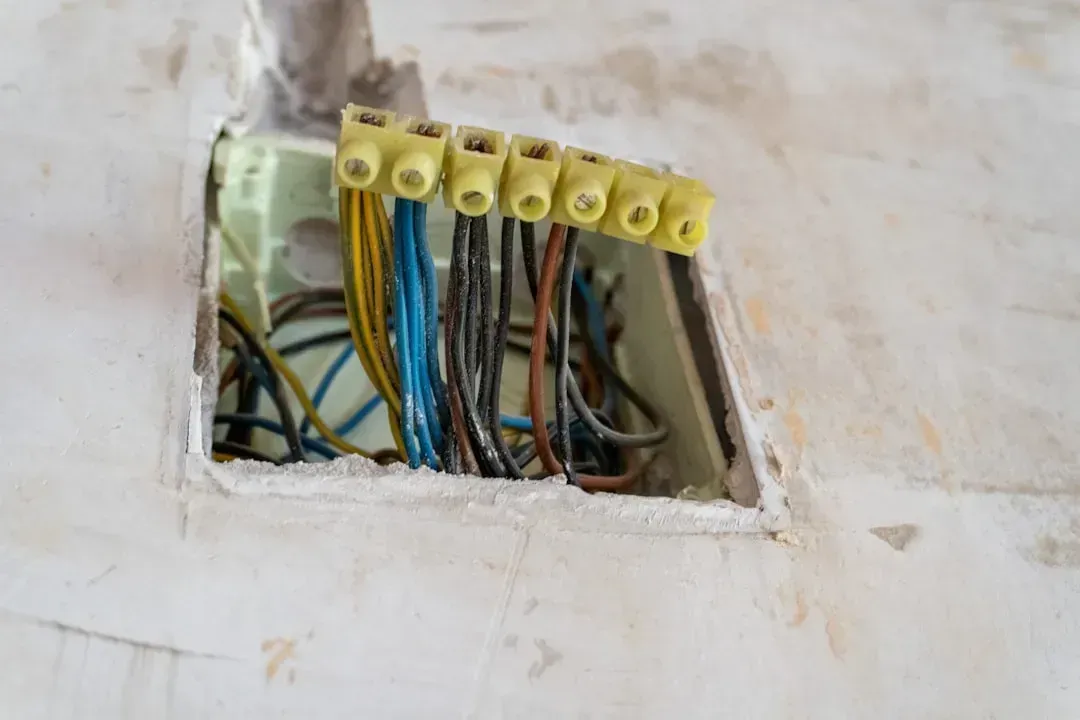
Twisting wires together in a wall cavity and covering them with tape is strictly prohibited, as electrical code requires all splices to be enclosed in approved boxes to reduce the risk of arcing, short circuits, and overheating. This violation happens more often than you’d think, usually when someone tries to extend a circuit without wanting to install a proper junction box. Electrical inspectors flag open splices as immediate fire hazards. The problem is that exposed connections can heat up, spark, and ignite surrounding materials. Even if the splice holds for a while, vibrations and temperature changes will eventually loosen those connections.
Indoor Romex Cable Used Outdoors
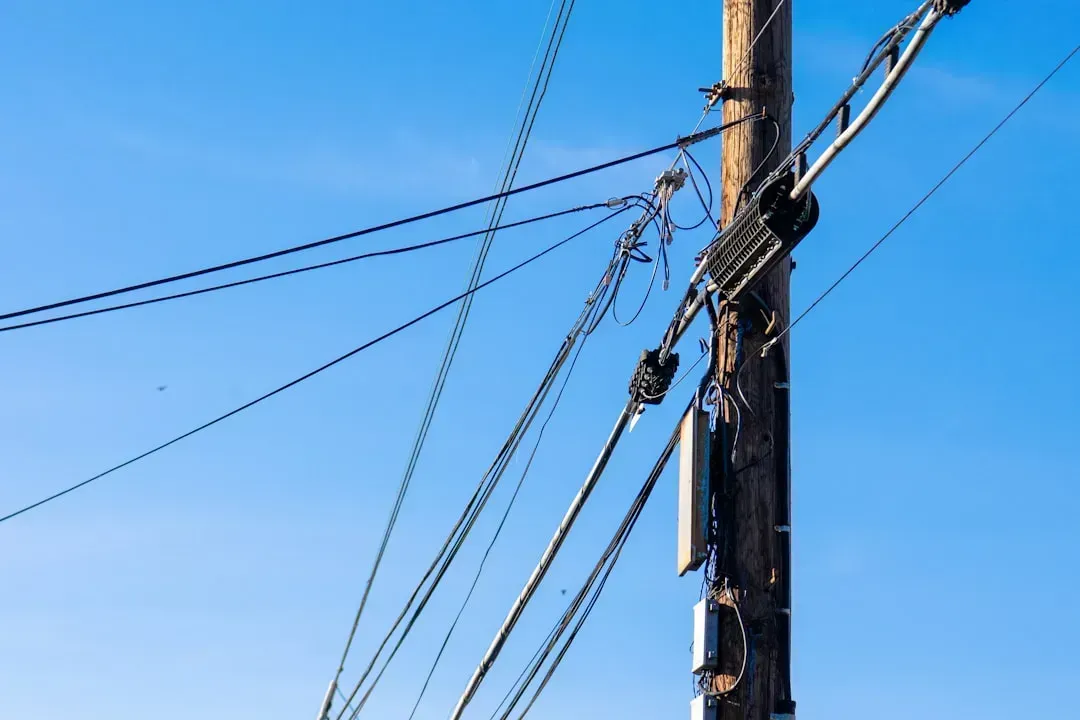
Here’s something people mess up constantly during backyard projects. Romex is for indoor use only, and using it outside, under decks, across yards, or along fences exposes it to weather and physical damage, violating code. Maybe someone wanted to power a shed or add landscape lighting and figured they could just run the same cable they use indoors. Outdoor wiring must use approved weather-resistant conduit and cable types designed to withstand moisture and UV exposure. Rain, sun, and temperature swings will degrade that indoor cable fast, creating shock and fire risks.
Ceiling Fans Mounted to Light Fixture Boxes
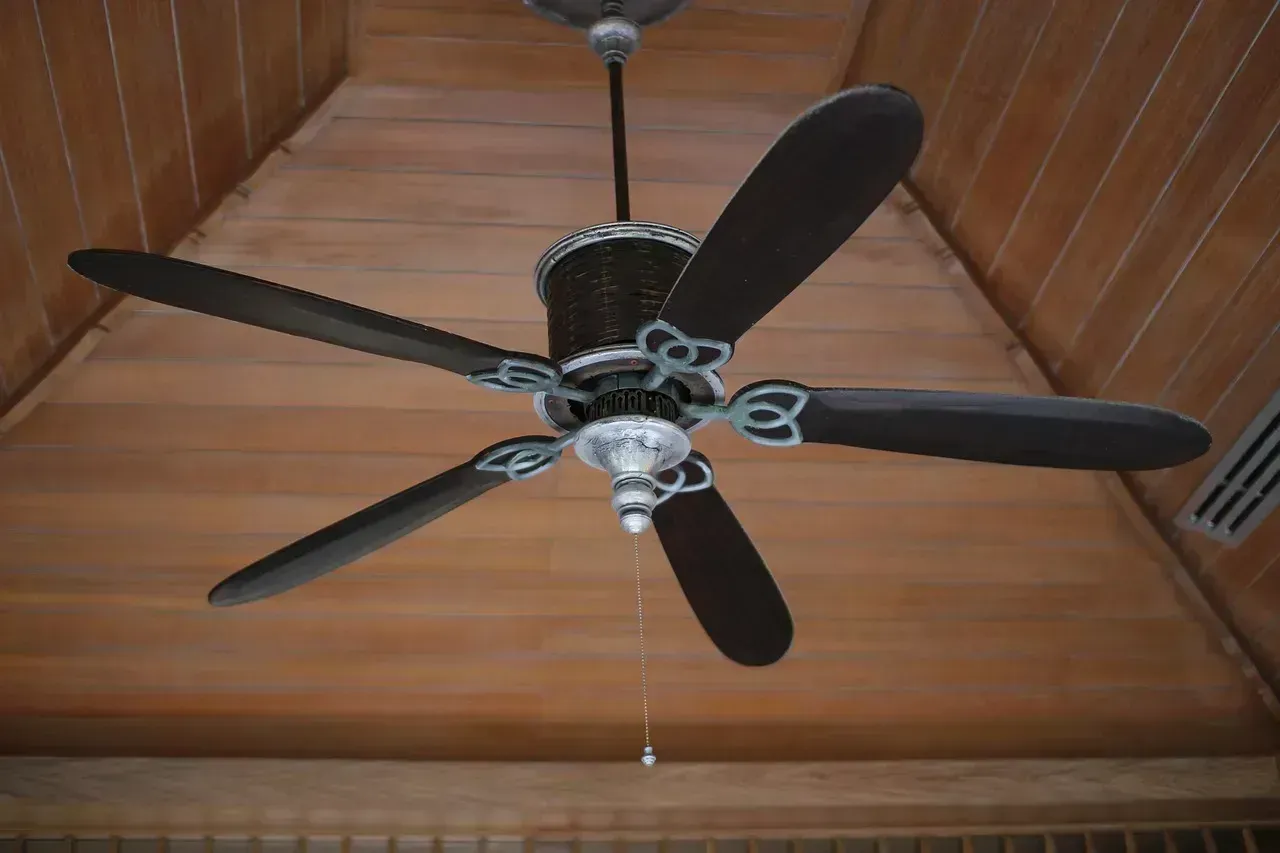
Some homeowners mount heavy ceiling fans to boxes designed only for light fixtures, and electricians warn that these boxes cannot handle the weight or vibration of fans, with failures causing injuries and structural damage. Light fixture boxes aren’t built to support the dynamic load of a spinning fan. Over time, the vibration loosens the mounting, and the fan can literally fall from the ceiling. Building codes specify fan-rated boxes for any overhead fan installation. It’s a small detail that makes a huge difference in safety.
Overloaded Electrical Panels With Unpermitted Additions
Electrical panels must be evaluated for available capacity before adding circuits, and unpermitted additions often overload panels, create unsafe heat buildup, and violate local codes. I’ve seen this plenty of times where someone adds a hot tub, workshop, or home theater without checking if the panel can handle it. DIYers aggravated by a constantly tripping fuse or breaker often hastily replace the offending breaker with a larger capacity breaker, which is extremely dangerous and illegal. Home inspectors frequently flag these illegal upgrades when homes are sold, sometimes requiring expensive corrections.
Disabled Ground-Fault and Arc-Fault Protection
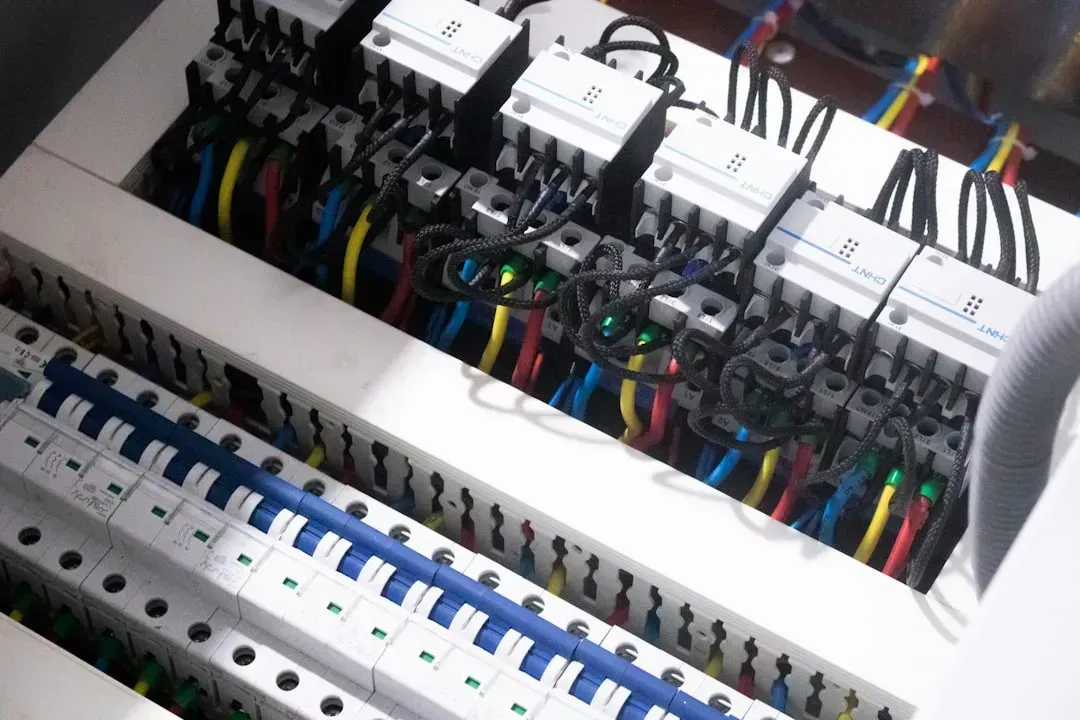
Some homeowners disable ground-fault or arc-fault protection because of nuisance tripping, yet both devices are required by modern code in areas where shock or arc hazards are high, such as kitchens, bathrooms, and bedrooms. Listen, I get it. Nobody likes when their GFCI trips for no obvious reason. Disabling them removes critical safety layers that prevent electrocution and electrical fires. These devices exist for good reason, and bypassing them is gambling with your family’s safety.
DIY Electrical Work Without Proper Licensing or Permits

Many states require licensed electricians for all but the simplest repairs, and installing new circuits, relocating wiring, or modifying panels without proper certification violates state and local regulations. The rules vary by location, but most jurisdictions draw a hard line at anything beyond replacing a switch or outlet. Insurance companies may deny claims if illegal electrical work is found after a fire or accident. That’s a harsh reality that catches people off guard when disaster strikes.
Missing GFCI Protection in Wet Locations
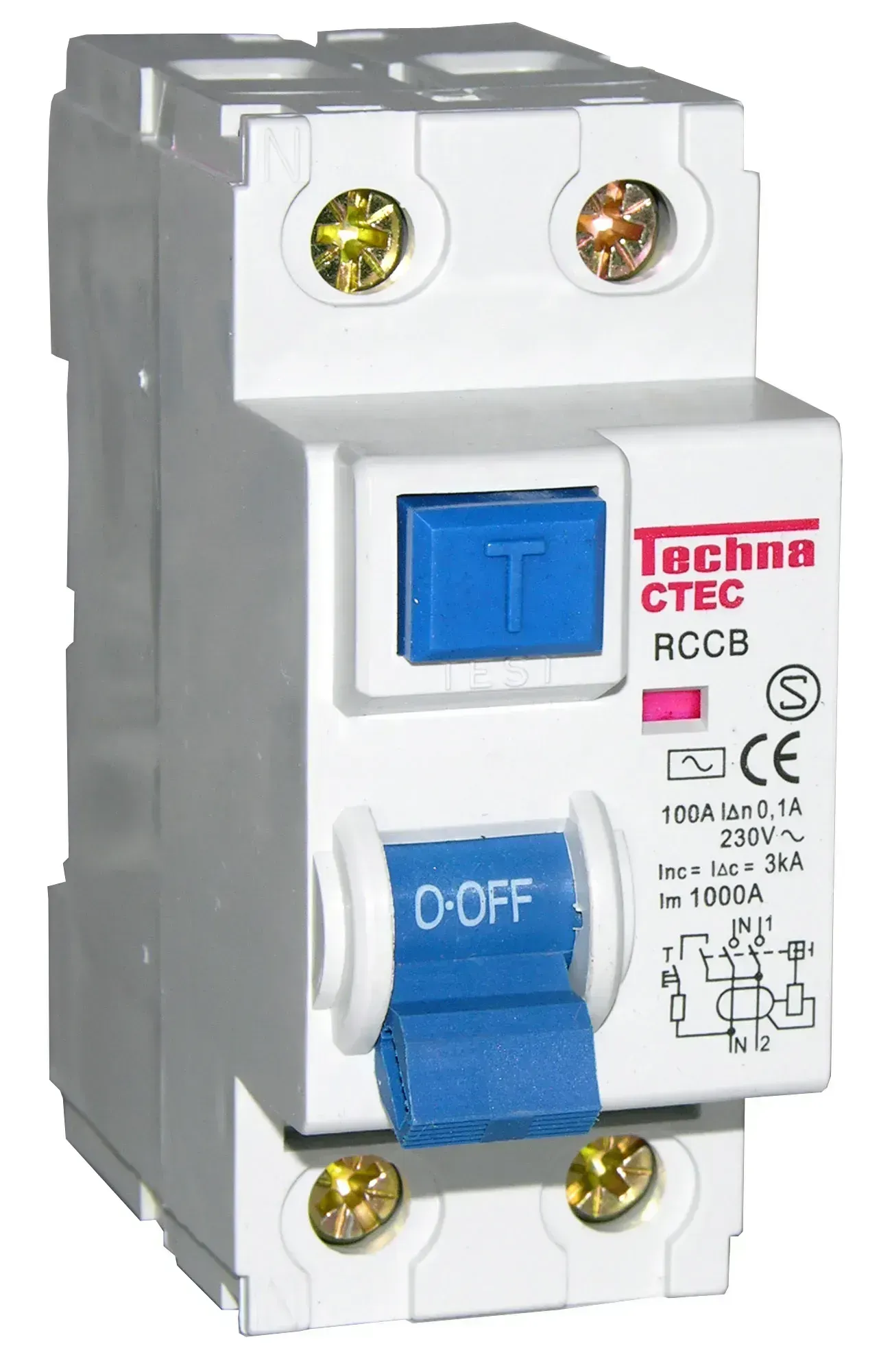
Inspectors often flag missing ground fault circuit interrupters, especially in older homes, as GFCIs protect from electric shock and are required in multiple places around homes where water is present, with requirements having expanded over time. Bathrooms, kitchens, garages, basements, and outdoor outlets all need GFCI protection now. The National Fire Protection Association estimates nearly 50,000 dwelling fires happen every year. Water and electricity don’t mix, and those few seconds a GFCI takes to trip can save a life.
Aluminum Wiring Mixed With Copper Connections
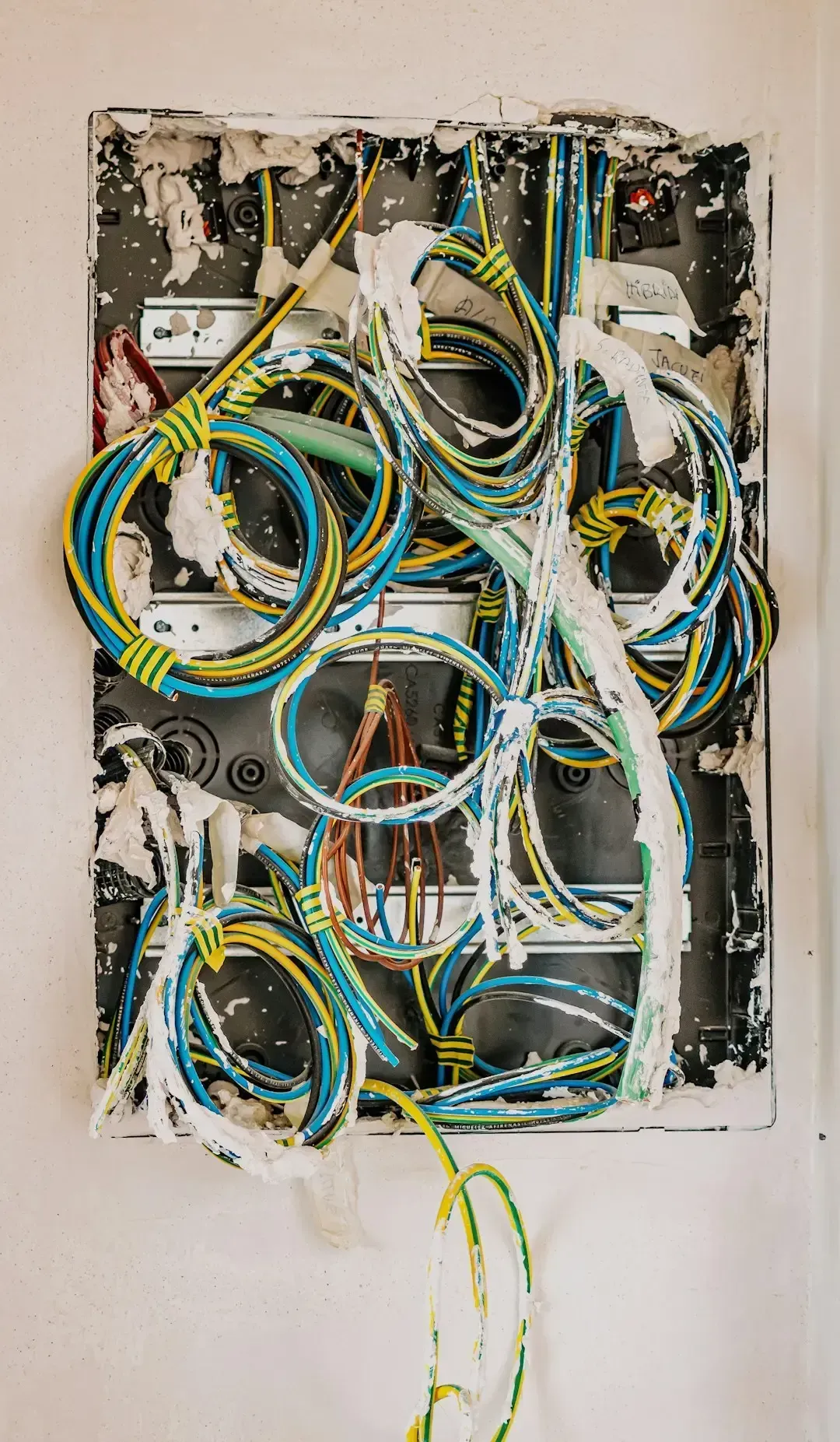
Solid aluminum branch wiring from the late 60s and early 70s needs aluminum-rated devices, proper transition fittings, and sometimes antioxidant compound, but when landed on copper-only devices or tied to copper with standard wire nuts, the joint corrodes and loosens, then runs hot. Inspectors call out mismatched terminations, and electricians replace devices with CO/ALR or use approved aluminum-to-copper connectors. This violation is dangerous because the failure happens slowly, heating up over months or years before something finally goes wrong.
Outdoor Receptacles Without Weatherproof Covers
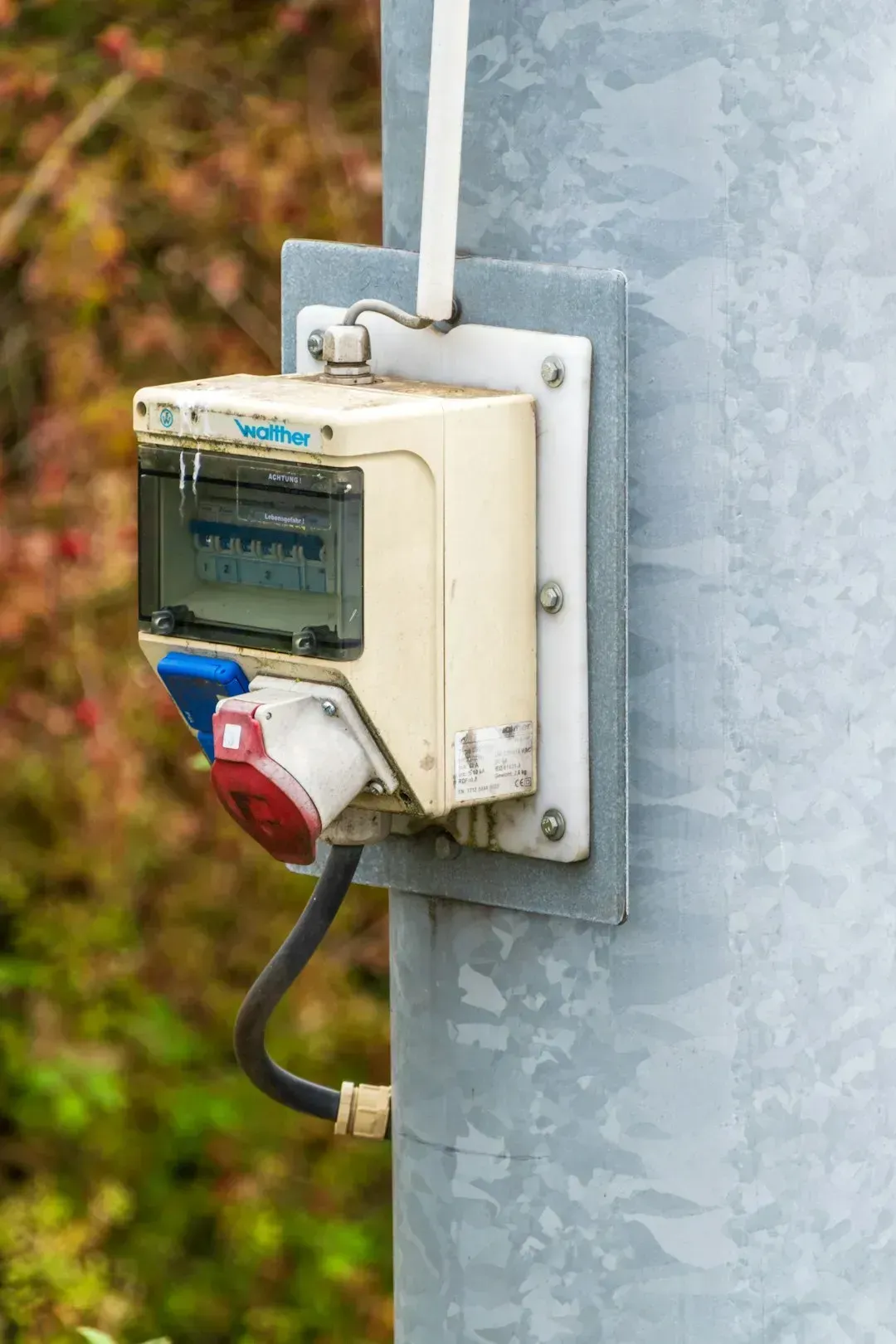
Many building owners don’t think of the dangers involved with leaving electrical receptacles exposed to the elements, and outdoor receptacles that aren’t shuttered violate electrical code and could delay home sales or reduce property value. Even outlets under covered patios need proper protection. Moisture gets into uncovered outlets and creates corrosion, which leads to ground faults and shock hazards. It seems like such a minor thing until someone gets hurt.
Switch Boxes Missing Neutral Wires
Modern smart switches and dimmers have electronics and need neutral wires, so the NEC now requires neutrals at switch boxes or a way to easily pull one later. Switch locations not having neutral wires is often overlooked, but automated light switches must have a neutral wire running to them, and using fluorescent, LED, or other lighting devices under 20 watts requires a neutral wire to be within code. Older homes don’t have neutrals in switch boxes because they weren’t required back then. Now people want smart home features, and the wiring just isn’t there.