10 Underrated Caribbean Islands Worth Visiting
Think you know the Caribbean? Think again. Beyond the familiar postcards of Jamaica and the Bahamas lies a constellation of lesser-known gems waiting to reward curious travelers. These islands haven’t been overrun by cruise ships or diluted by mass tourism. They’re raw, authentic, and refreshingly quiet.
What makes an island truly underrated? It’s that perfect combination of pristine nature, genuine local culture, and the absence of crowds fighting for the same beach chair. The islands on this list offer something you can’t find on the beaten path: space to breathe, connections with real people, and experiences that feel personal rather than packaged. Let’s dive in.
Dominica: The Nature Island That Lives Up to Its Name
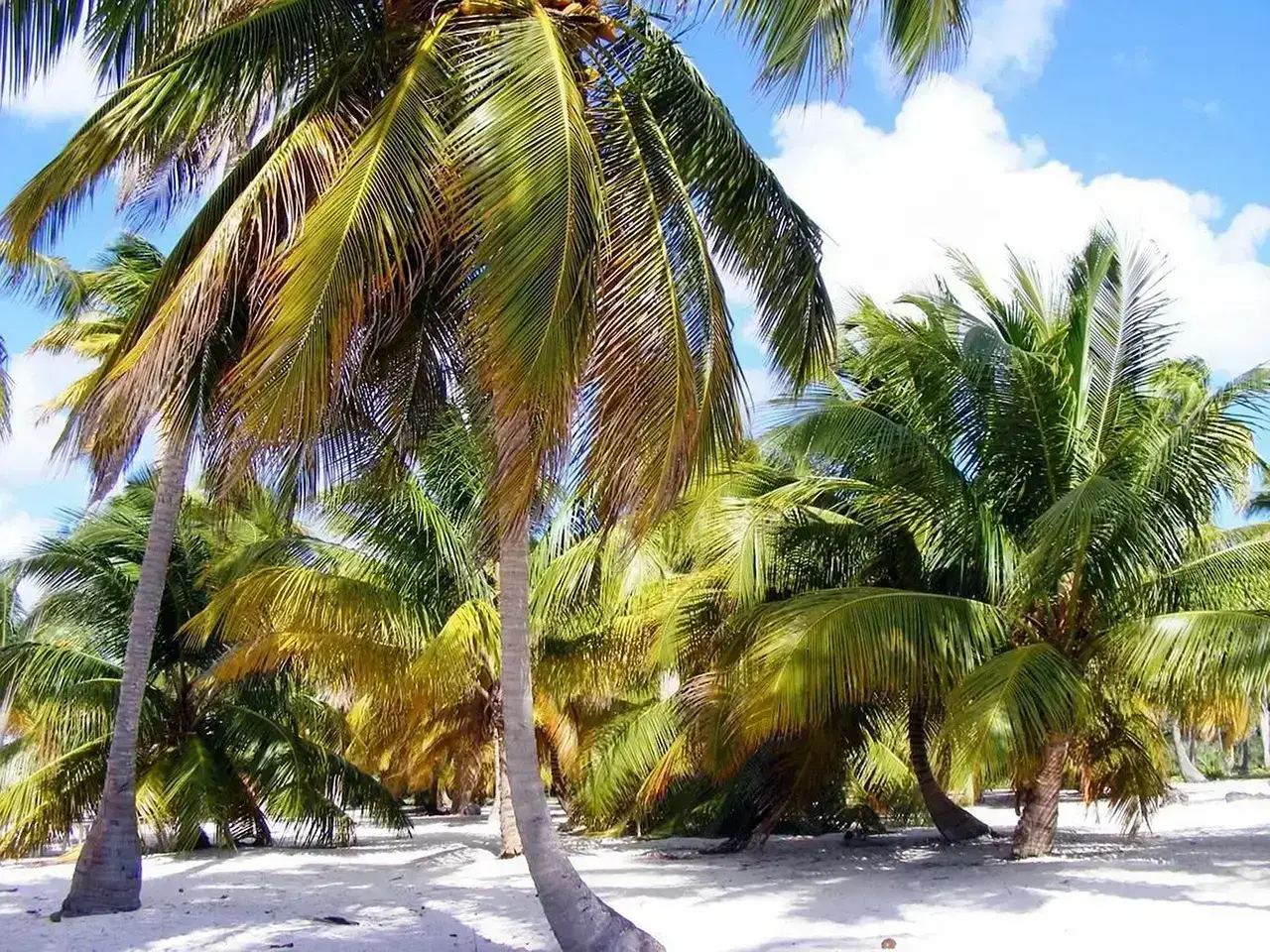
In 2023, over 339 thousand international tourists visited Dominica, representing an increase of 37 percent over the previous year, according to Statista. Dominica is known as the “Nature Island” with sheer-sided jade mountains, tumbling waterfalls, deep gorges, and rushing rivers. Honestly, this place feels more like a fantasy novel than a vacation spot. Dominica’s goal is to reach half a million annual stayover visitors and 1 million cruise visitors by 2030, but for now, it remains blissfully uncrowded compared to its neighbors.
Visitors can explore the magnificent Waitukubuli National Trail, which, at 115 miles, is the longest hiking trail in the Caribbean. Here’s the thing: this island isn’t about lounging poolside with a cocktail. It’s about adventure, from swimming in the Emerald Pool to witnessing the raw power of Boiling Lake. One of the best scuba diving spots in the Caribbean is Champagne Reef, where you can enjoy the unusual sensation of snorkeling over streams of tiny bubbles fizzing up from the ocean floor.
Saba: The Unspoiled Queen With a Cinematic Landing

Saba welcomes about 15,000 visitors each year, with numbers settling around 10,000 post-pandemic. In 2024, Saba was recognized with a Silver Quality Coast Award for its sustainability efforts, further cementing its reputation. This five-square-mile volcanic island doesn’t do things the normal Caribbean way. With no traffic lights, no high-rises, no beaches, and no crowds, it remains relatively under the radar as one of the smallest inhabited islands in the Caribbean.
Let’s be real, the approach to Saba’s airport is not for the faint of heart. The runway is only 1,300 feet long, one of the shortest commercial runways globally, flanked by cliffs on both sides. Once you arrive, though, you’ll understand why roughly fifteen thousand people a year make the journey. Saba boasts an impressive range of biodiversity, with over 700 species of plants, an indigenous black iguana, and 60 species of birds. The island is particularly renowned for its pinnacles and seamounts that rise to within 85 feet of the surface, with more than 30 protected dive sites just minutes from the harbor.
Grenada: Where Spice Meets Sustainable Growth
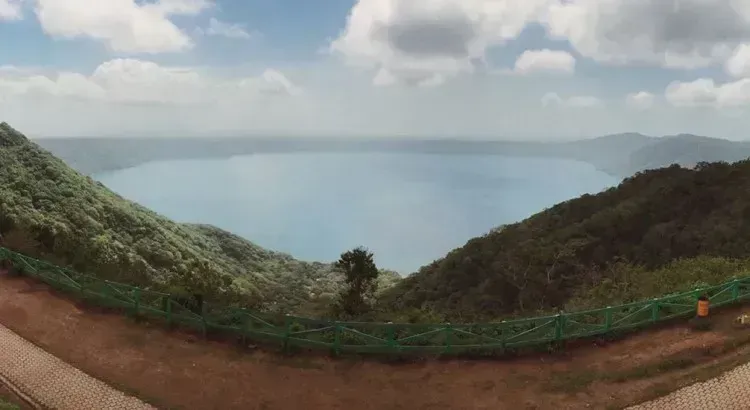
The growth continued into 2024, with a 17% year-over-year rise in visitor numbers highlighting the island’s sustained momentum, reports from Grenada show. The Grenada Tourism Authority reports a 20 percent increase in Q1 and Q2 compared to 2019 and an 18 percent rise over 2023 figures. The “Spice Isle” has been on a remarkable streak, achieving what many thought impossible: growing tourism while maintaining environmental standards.
Grenada’s underwater sculpture park is something you need to see to believe. Investments include additions to the existing 71 sculptures, which include 29 new pieces and two replacements. Beyond the submerged art, Grand Etang National Park offers hiking through rainforests where Mona monkeys and armadillos roam freely. Grenada headed into 2025 on a wave of 26 straight months of tourism growth, a streak that began in September 2022. The island’s commitment to sustainability isn’t just marketing talk, it’s woven into policy and practice.
Culebra: Puerto Rico’s Quieter Sibling
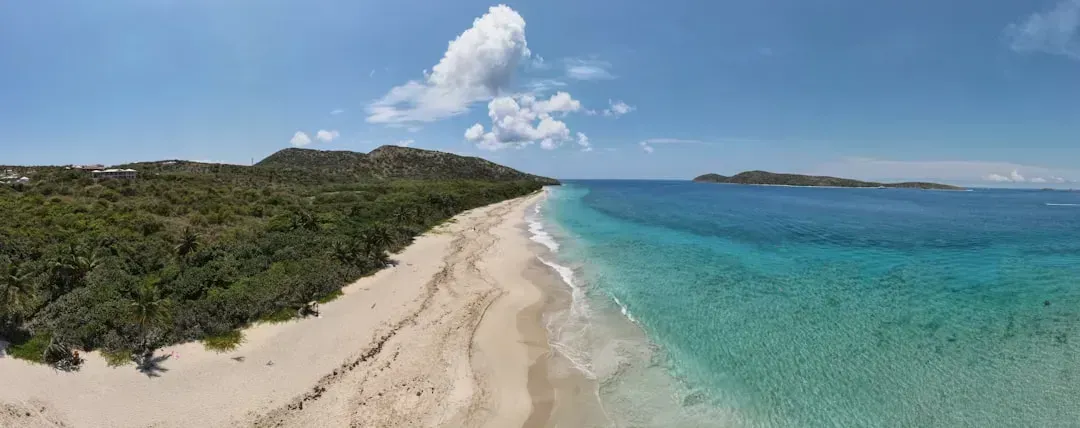
With a population of 1,792 as of the 2020 Census, it is the least populous municipality in Puerto Rico. Culebra sits roughly twenty miles off Puerto Rico’s east coast, but it feels worlds away from the mainland hustle. With its soft white sands and gentle topaz waters, Flamenco Beach is one of Puerto Rico’s most sought-after destinations, featuring an iconic, graffiti-covered tank – an artifact from Culebra’s time as a naval base.
What makes Culebra special isn’t just Flamenco Beach, though that alone is worth the ferry ride. Because of the “arid” nature of the island there is no run-off from rivers or streams, resulting in very clear waters around the archipelago. The absence of development gives the island an end-of-the-world feeling. The majority of Culebra is a natural refuge, safeguarding it from excessive development and allowing visitors to revel in a pristine tropical paradise with beachcombing, kayaking, and hiking in serene and uncrowded settings.
Martinique: Caribbean France With Volcanic Drama
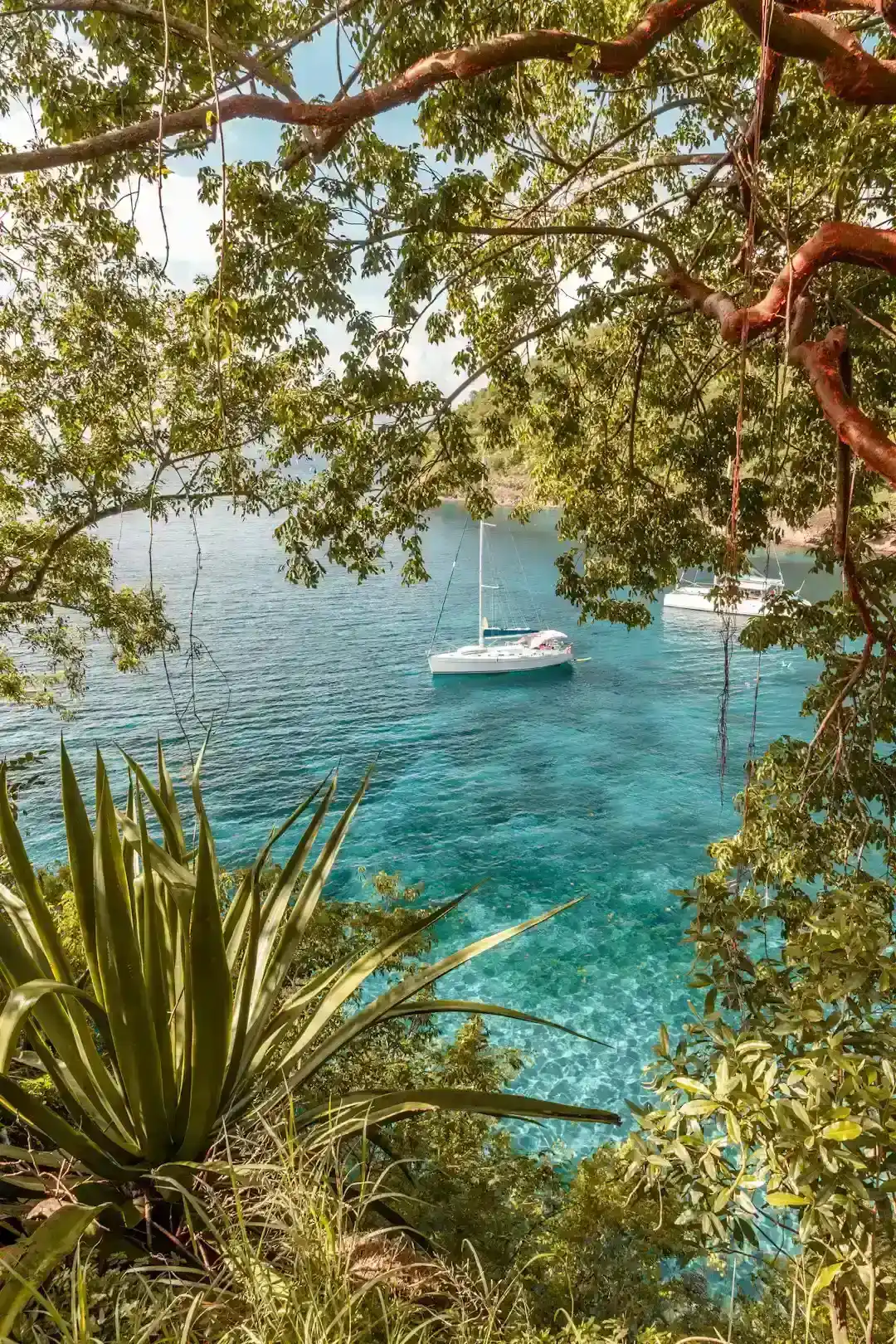
Mountainous Martinique is a French territory where the currency is the Euro, French is spoken alongside Creole, and you’ll see patisseries in Fort-de-France selling freshly baked croissants and restaurants offering the plat du jour. This isn’t your typical Caribbean experience. It’s Europe dropped into tropical waters, complete with excellent wine lists and Gallic sophistication.
Commune with nature in the beautiful Balata Botanical Garden, where more than 3,000 species of plants flourish in the tropical sunshine. The capital Fort-de-France buzzes with a distinctly French energy. Martinique is one of the prettiest islands in the Caribbean, with steep, forested mountains plunging straight into the sparkling sea, including St. Pierre, once known as the “Paris of the Caribbean”. You can sip espresso at a sidewalk café in the morning and snorkel pristine reefs by afternoon.
Bonaire: The Diver’s Paradise Outside the Hurricane Belt
Comprehensive analysis of weather patterns confirms Aruba, Curaçao, Bonaire, and southern Grenada maintain consistent conditions year-round, according to Caribbean Travel Trends data. Lying to the east of Curaçao, close to the north coast of South America, Bonaire has a distinctly Dutch feel and is a “special municipality” of the Netherlands. This means year-round diving conditions without worrying about hurricane season disrupting plans.
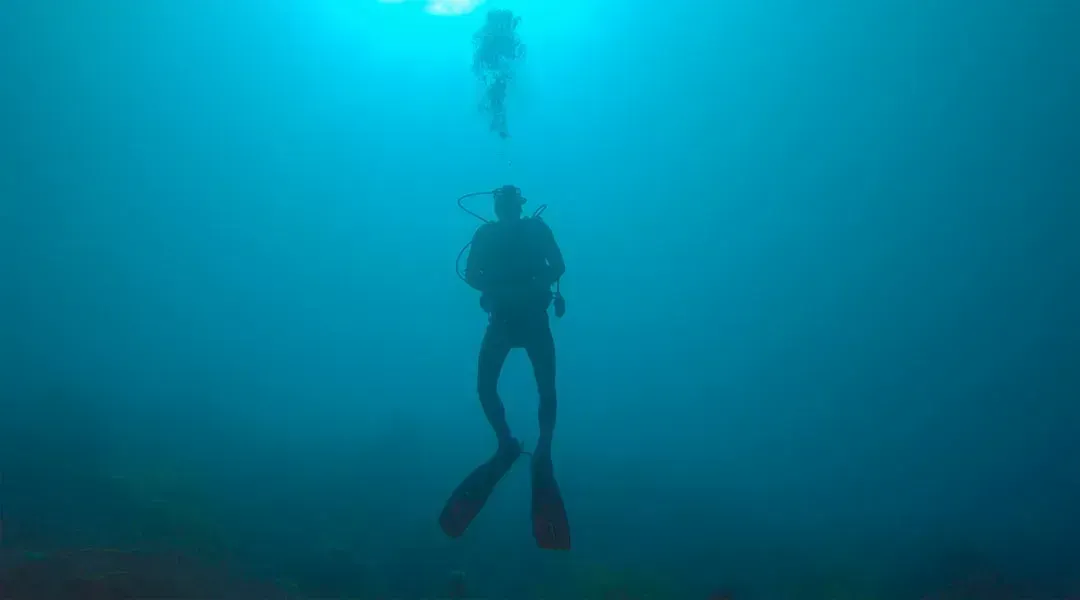
The island is a beacon of ecotourism thanks to the extensive marine park that surrounds it, encompassing some 6,700 acres of reefs and drop-offs. Bonaire proudly holds the distinction of being the world’s first “Blue Destination,” which is recognition for exceptional sustainable tourism and marine conservation efforts. Shore diving here is legendary among underwater enthusiasts. You can literally walk from your accommodation into some of the healthiest reefs in the Caribbean, no boat required.
Nevis: Alexander Hamilton’s Birthplace
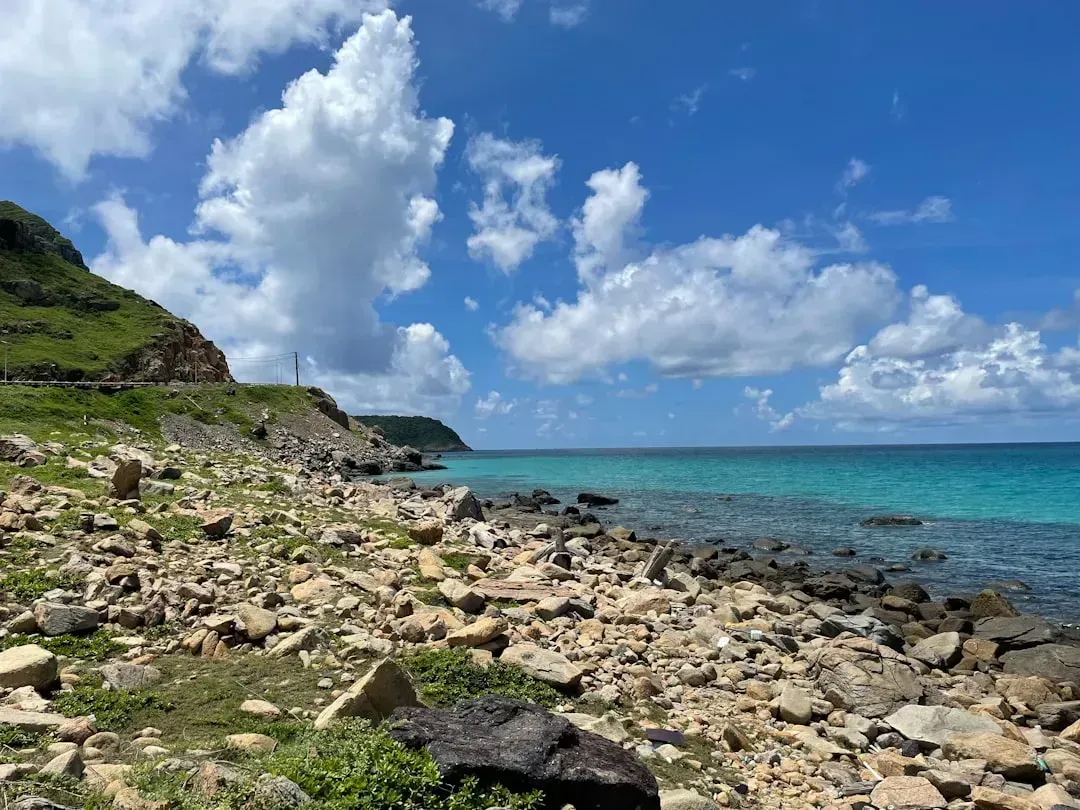
Little sister of bustling St. Kitts, Nevis has a big claim to fame: This was the birthplace of Alexander Hamilton, one of the founding fathers of the United States. Nevis moves at its own pace, unbothered by the tourism boom happening elsewhere. The island maintains a graceful, almost aristocratic air with its plantation inns and unspoiled coastline.
Pinney’s Beach stretches for nearly four miles of golden sand with almost nobody on it most days. Mount Nevis rises to over 3,000 feet, offering challenging hikes through cloud forest. The historic Charlestown feels like stepping back two centuries, with stone buildings and locals who actually have time to chat. It’s hard to say for sure, but Nevis might be the most underrated of all the Leeward Islands. The island’s thermal springs and botanical gardens add layers of discovery beyond the beaches.
Bequia: The Grenadines’ Best-Kept Secret
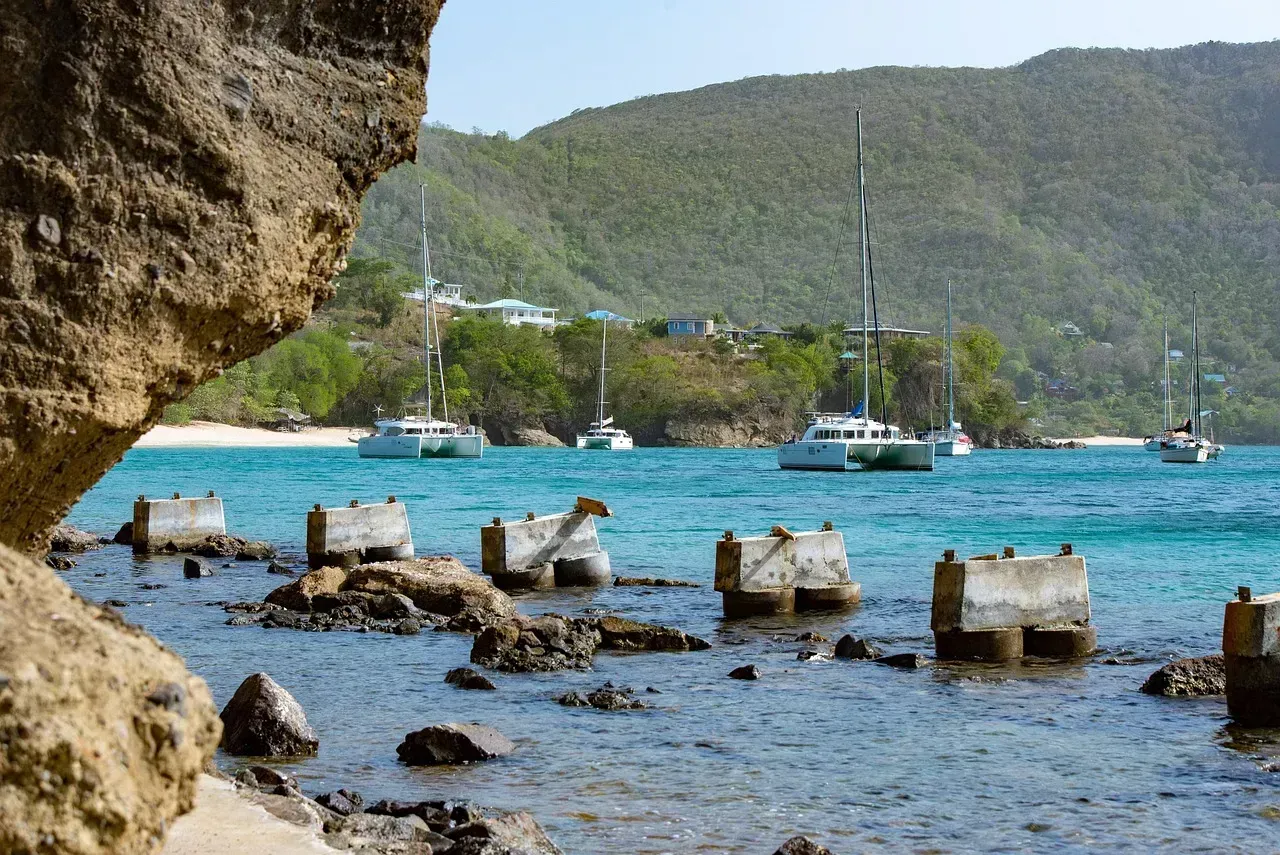
Bequia is part of Saint Vincent and the Grenadines, and at just 7 square miles, it’s an underrated speck. With no cruise ships, big-name hotels, or even a decent taxi service, there’s nothing sophisticated about its infrastructure, but for those who make it, the underdevelopment is pretty much the reason why they keep coming back. This is island life stripped to its essence: fishing boats, rum shops, and genuine hospitality.
Port Elizabeth, the main town, wraps around Admiralty Bay in a gentle curve of colorful buildings and waterfront bars. Local boat builders still practice traditional crafts handed down through generations. Princess Margaret Beach offers calm waters perfect for families, while Lower Bay attracts the more adventurous with stronger currents and better surfing. The sailing culture here runs deep, with yacht crews and locals mingling in beachside taverns as the sun sets over the Caribbean Sea.
Little Corn Island: Nicaragua’s Caribbean Outpost
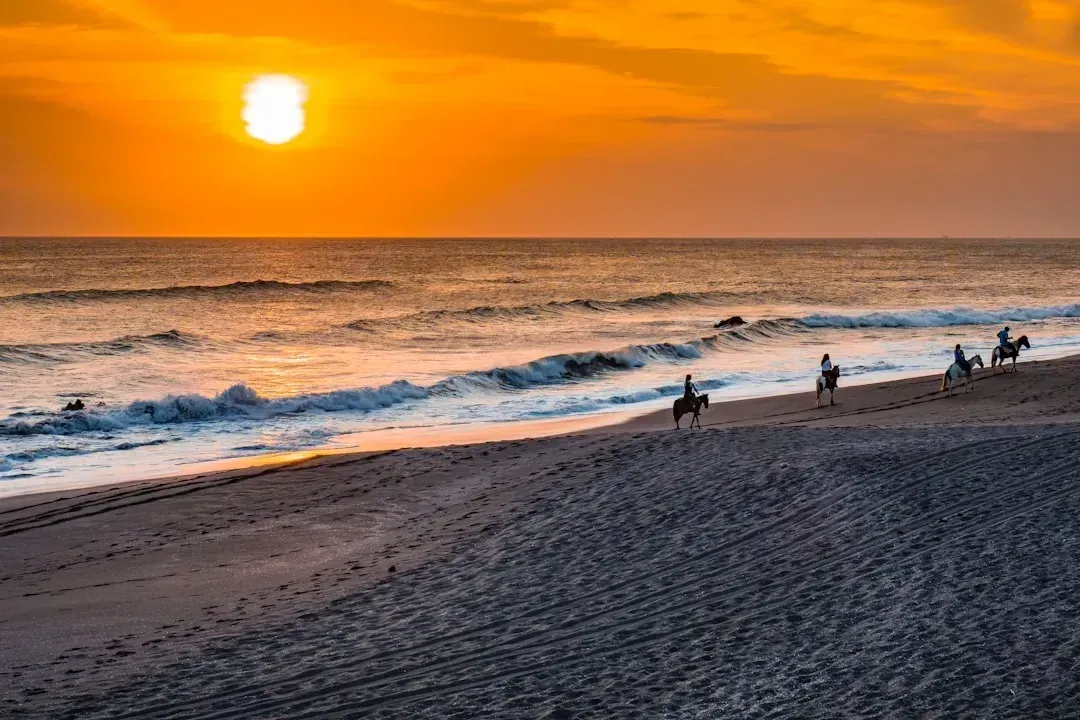
Little Corn Island in Nicaragua is among seven less crowded and underrated islands in the Caribbean worth a visit, according to travel experts. This tiny island off Nicaragua’s Caribbean coast operates on island time taken to the extreme. There are no cars, no ATMs, and definitely no chain restaurants. What exists instead is a laid-back paradise where sandy paths connect simple guesthouses and the sound of reggae drifts from beachfront shacks.
Getting here requires commitment: a flight to Big Corn Island, then a panga boat ride that can get rough depending on conditions. That journey alone filters out the casual tourists. The diving and snorkeling around Little Corn rank among the Caribbean’s best, with healthy coral gardens and abundant marine life. At night, bioluminescence lights up the water like underwater stars. The island attracts backpackers, divers, and those seeking to truly disconnect from the modern world.
Barbuda: Pink Sand and Pristine Solitude
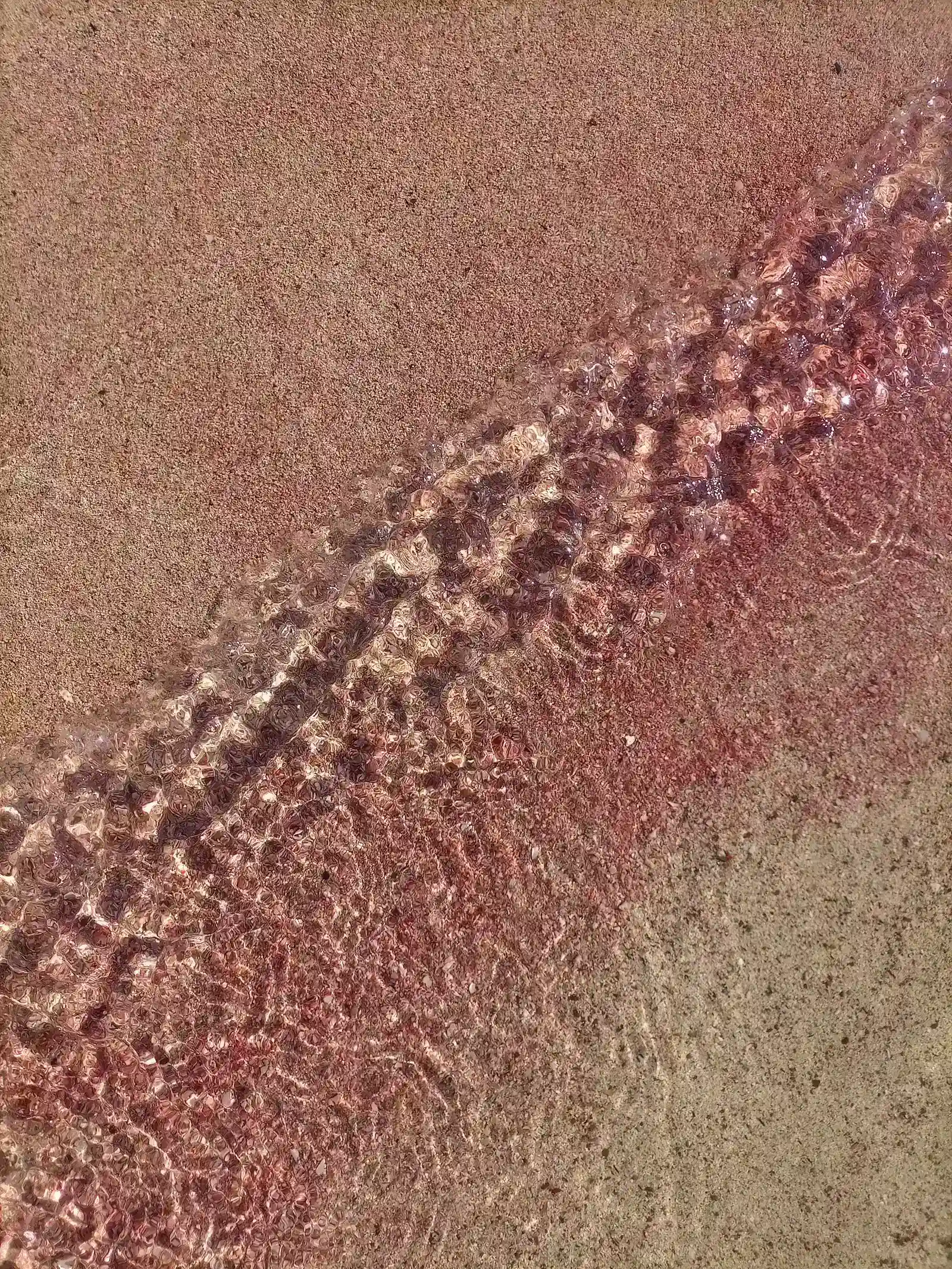
Barbuda is home to around 1,500 people, most of whom reside in the village of Codrington, and there has been a recent construction boom along the south coast that has locals concerned about development. The island’s major selling point is an 11-mile stretch of pink sand that cuts between the sea and Codrington Lagoon, one of the longest unbroken stretches in the Caribbean, and you might even have it all to yourself.
Hurricane Irma devastated Barbuda in 2017, and recovery has been slow and deliberate. This has inadvertently preserved the island’s wild character. The frigate bird sanctuary in Codrington Lagoon hosts one of the world’s largest colonies of these magnificent seabirds. Caves scattered across the island contain Arawak petroglyphs thousands of years old. Here’s the catch: getting around requires planning, as infrastructure remains basic and many beaches are accessible only by boat or rough tracks. That inaccessibility is exactly what keeps Barbuda authentic when so many Caribbean islands have lost that quality to development.