Check Your Spare Change: These 5 State Quarters Are Worth Serious Money – Could One Be Yours?
You grab a handful of coins from your cup holder or the bottom of your purse without thinking twice. Just another stack of quarters for the laundry or the vending machine. Nothing special, right? Think again. Some of those ordinary-looking state quarters might be worth hundreds or even thousands of dollars. Let’s be real, most people have no clue they’re potentially holding a small fortune in their pockets.
In late 2024, a collector’s dream came true when a 2000-P South Carolina state quarter with a dramatic double strike error sold for an astonishing $2.4 million at auction. That sale sent shockwaves through the coin collecting community and got everyone wondering what other treasures might be lurking in circulation. The thing is, you don’t need to be an expert numismatist to spot these valuable coins. You just need to know what to look for.
2004-D Wisconsin Quarter (Extra Leaf Varieties)
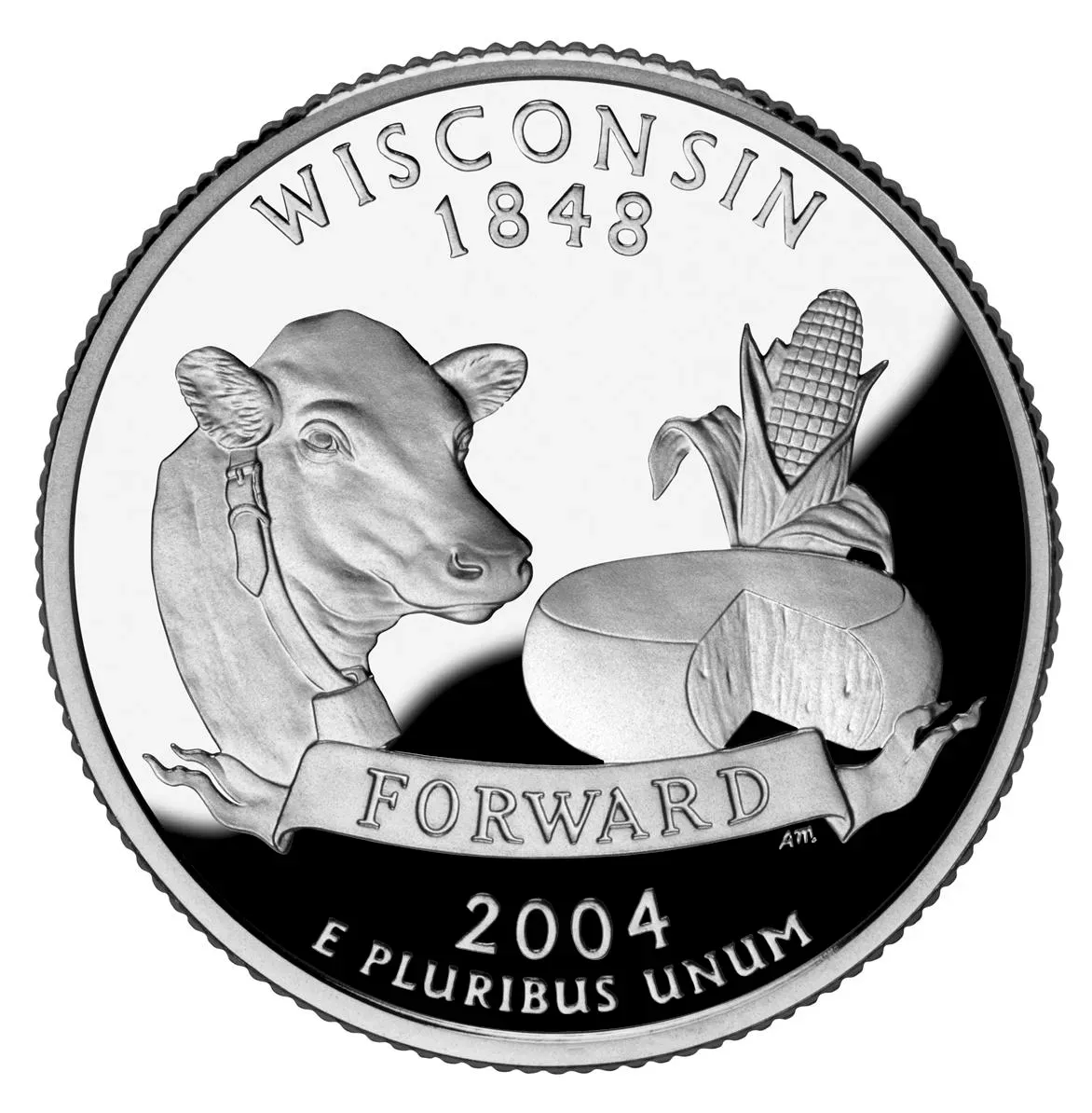
The Wisconsin quarter errors represent perhaps the most famous and valuable varieties in the entire state quarter series, discovered in late 2004, these varieties sparked national media coverage and sent collectors scrambling through their change. Here’s where it gets interesting. The rarest valuable state quarters are the 2004-D Wisconsin Extra Leaf varieties, with estimates of only 5,000-15,000 of each type existing. There are two versions to hunt for: the Extra Leaf High and the Extra Leaf Low.
These were likely caused by metal shavings or die gouges, and an MS67 sold for $6,000. Look closely at the corn stalk on the left side of the design, just above the cheese wheel. That mysterious extra leaf shouldn’t be there, which is exactly what makes it valuable. These 2 errors are found on the corn stalk just above the cheese wheel and are worth $50 to $100, with some having even higher values.
1999-P Delaware Quarter (Spitting Horse)
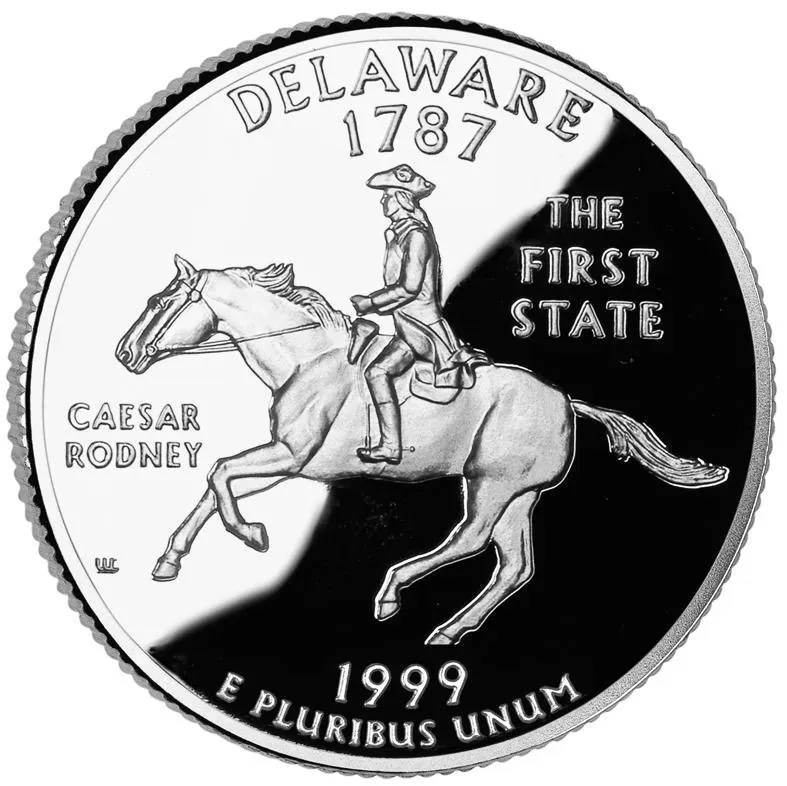
The very first state quarter released has an amusing error that collectors can’t get enough of. The error gets its colorful name from a prominent die break extending from the horse’s mouth area, creating the illusion that Caesar Rodney’s horse is “spitting”. It appears as a raised line running from near the horse’s mouth down toward the text below.
When the Spitting Horse variety was first discovered in 1999, examples sold for $250-$500 due to initial scarcity concerns, and as more specimens surfaced, prices stabilized at current levels. While it’s not the most expensive error on this list, it remains one of the easiest to spot and still commands a decent premium. Caesar Rodney’s midnight ride to cast the deciding vote for independence is already legendary, and this quirky error just adds to the coin’s story.
2005-P Minnesota Quarter (Extra Tree Error)
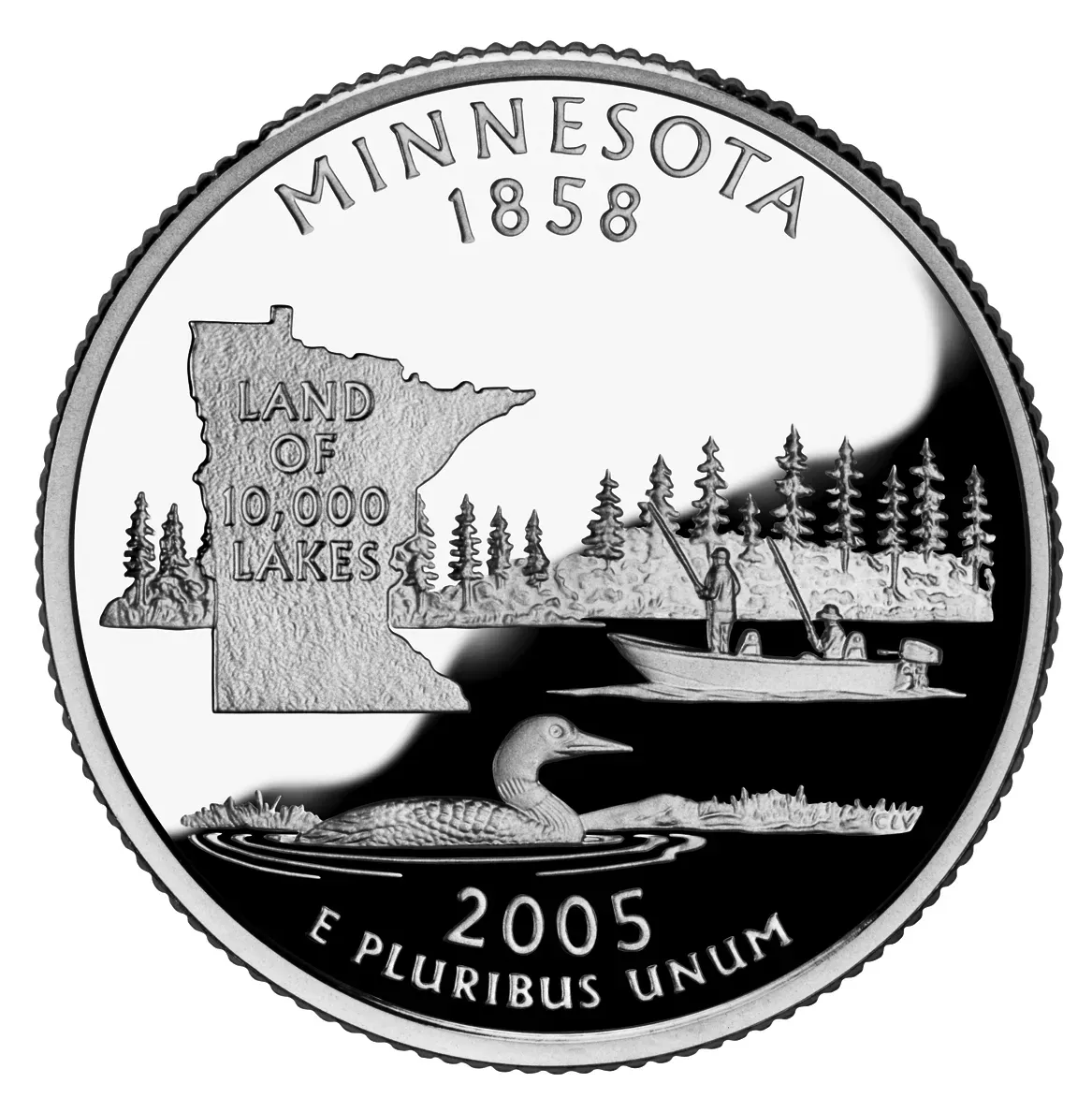
Minnesota’s quarter celebrates the state’s forests and lakes, but some versions have an unexpected bonus tree. Some Minnesota quarter errors exhibit an “extra” treetop next to the fourth evergreen to the right of the state outline, and this error is of the category “doubled die”. This would have occurred during production of the die, when the master tool used to impress the design into the die slipped or shifted slightly during the process, and the strength of the doubling on a particular coin has determined its desirability and value among error coin collectors.
You’ll need a magnifying glass or a good eye to catch this one. The extra treetop appears as a ghostly duplicate next to the fourth tree from the right when looking at the state outline. It’s subtle compared to the Wisconsin error, which makes authenticated examples particularly prized. The clearer the doubling, the more valuable the coin becomes.
1999 Pennsylvania Quarter (Experimental Planchet)
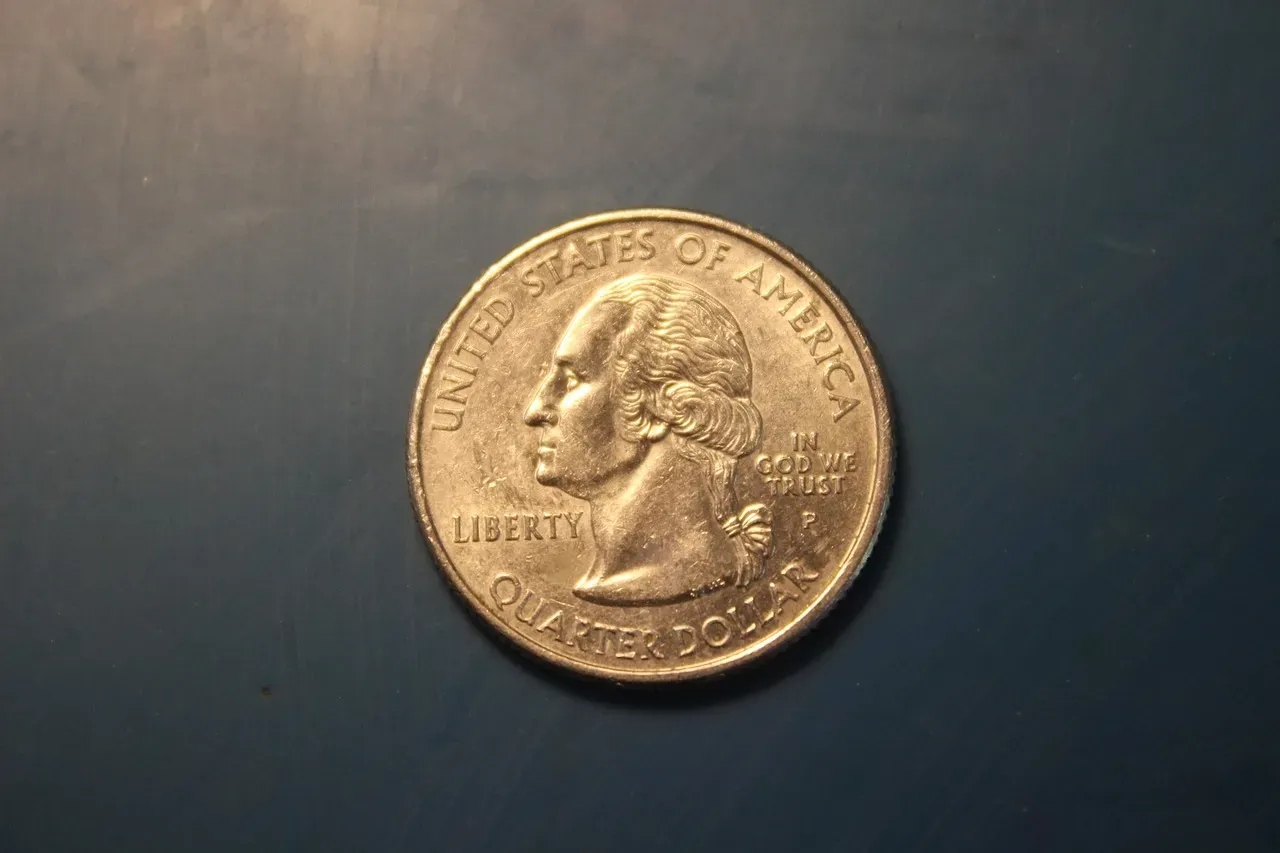
Some of these coins were struck on planchets made of an experimental alloy that gave them a gold tint, and although the U.S. Mint decided not to use them for quarters, they were released into circulation anyway. Nearly 350 million quarters were produced, but this unique coin variation is now very challenging to find, and these days, some quarters sell for thousands of dollars, with one mint condition coin selling for over $10,000 in 2006.
The coins struck on these Sacagawea dollar planchets look distinctly different from regular quarters. They have a golden hue, feel slightly heavier, and have smooth edges instead of the reeded edges found on normal quarters. If you’ve got a quarter that looks like it’s wearing a gold costume, don’t spend it. Have it authenticated immediately because you might be holding a serious payday.
2000-P South Carolina Quarter (High-Grade Examples)
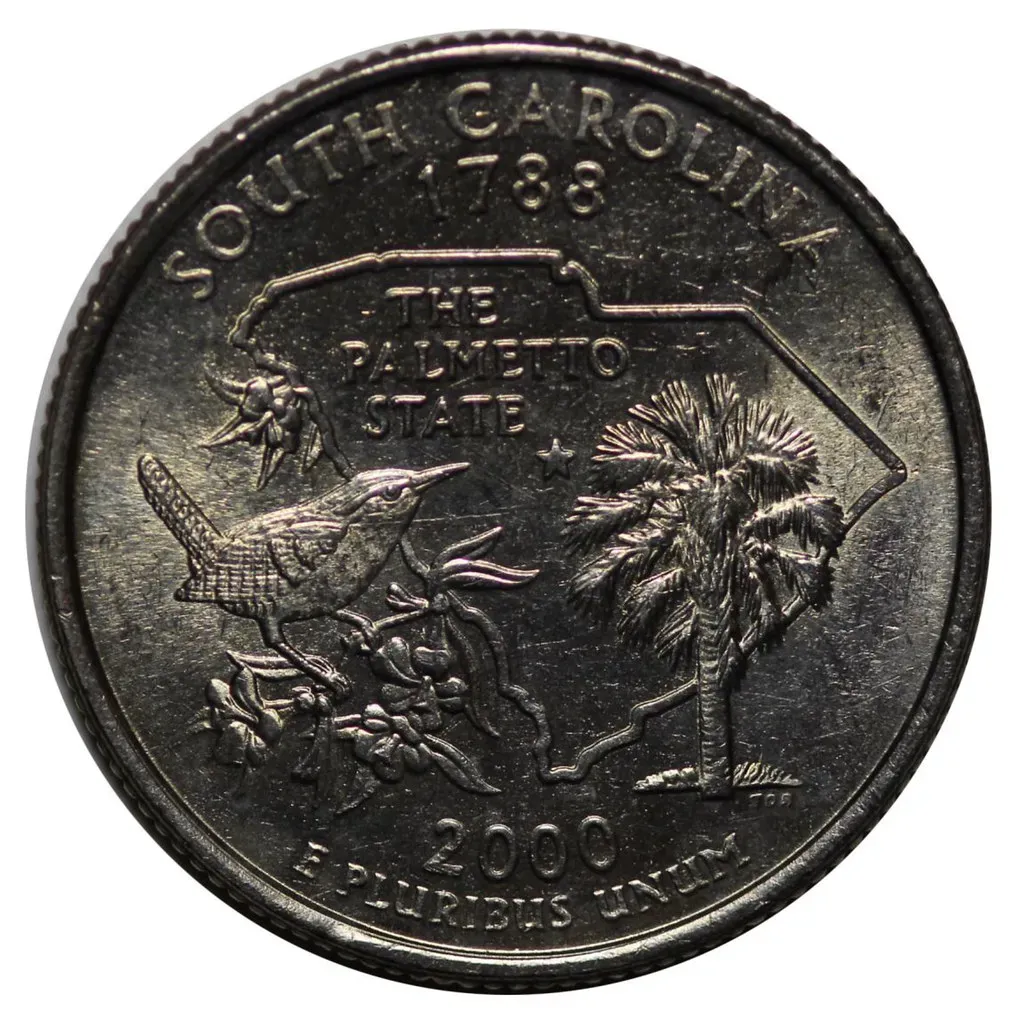
With its design featuring a Carolina wren, yellow jessamine, and palmetto tree, this coin is an emblem of the South, and MS69 is nearly perfect, with PCGS grading fewer than a handful, with one reaching the State Quarter values of $8,000. Most South Carolina quarters are common, worth exactly 25 cents. The magic happens when you find one in pristine, uncirculated condition.
High-grade state quarters are surprisingly scarce because billions entered circulation immediately. They got scratched, banged around in cash registers, and generally beaten up through normal use. Finding one that somehow escaped all that wear is like finding a needle in a haystack. Razor-sharp design elements, zero contact marks, and clean surfaces make all the difference between face value and thousands of dollars.
Conclusion
So next time you’re counting out quarters, take an extra second to look them over. Before you spend your next quarter, take a close look because a rare error or high-grade coin could be worth thousands, with the 1999-P Pennsylvania’s $10,200 sale and the 2004-D Wisconsin’s $6,000 price tag proving that big money hides in small change. The exciting part? These valuable quarters are still out there in circulation, waiting to be discovered.
Check your change jar tonight. Look through rolls from the bank. Inspect every state quarter that passes through your hands. You never know when you might stumble across that Wisconsin quarter with the mysterious extra leaf or a golden Pennsylvania coin struck on the wrong planchet. Found something unusual? Get it authenticated by a reputable grading service like PCGS or NGC before celebrating too hard, but honestly, the thrill of the hunt is half the fun. Who knew spare change could be this interesting?