11 Restaurant Secrets Chefs Say Most Diners Never Notice
Every meal out involves countless hidden details that shape your experience in ways you never imagined. While you focus on the flavors dancing on your tongue, an entire world of carefully orchestrated secrets unfolds behind those swinging kitchen doors. Professional chefs and industry insiders have perfected the art of managing perceptions, creating illusions, and maximizing profits through techniques most diners never suspect.
The Daily Special Isn’t Actually Special
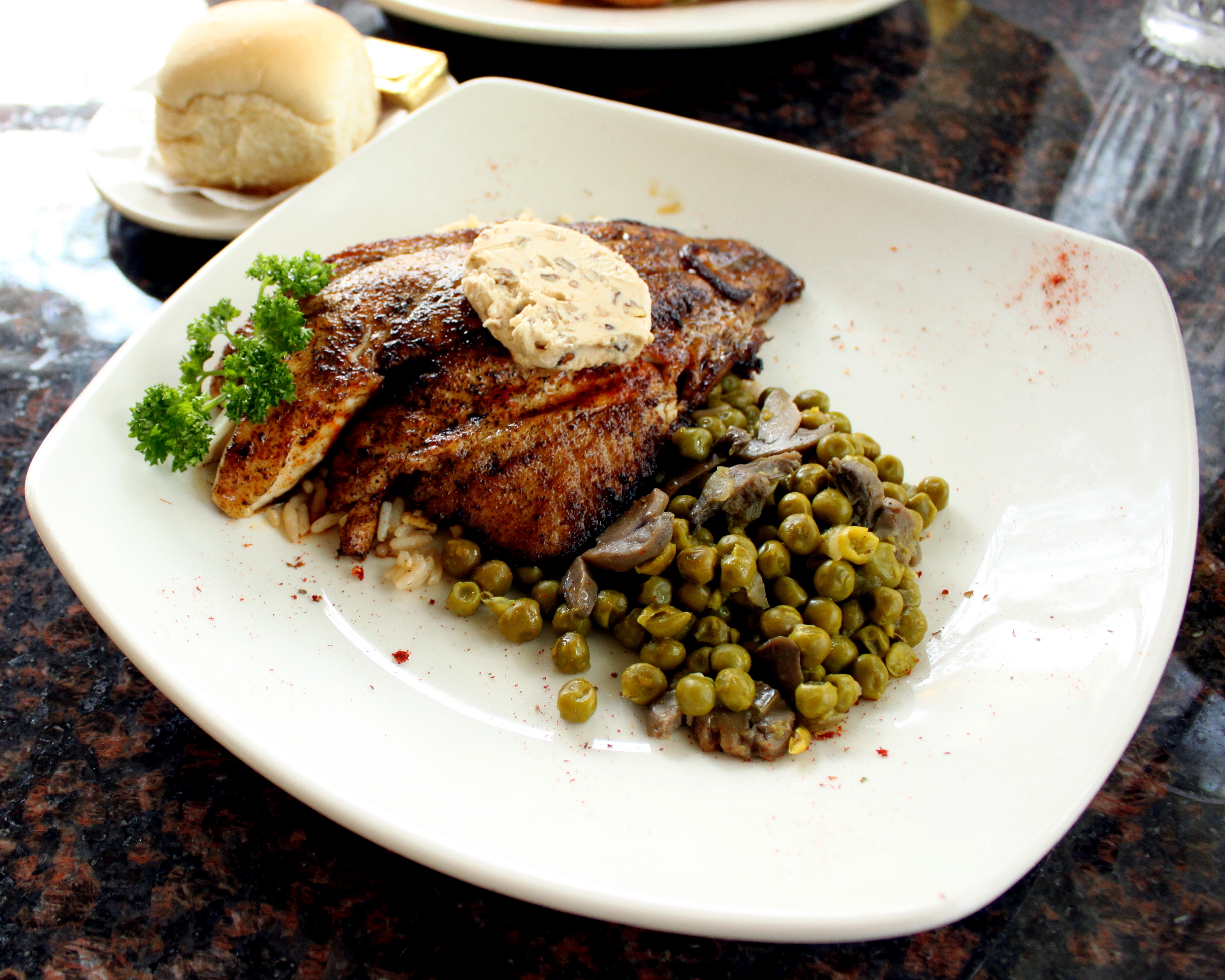
Ever notice how restaurant servers push the special of the day? Their reasons may be more economic than culinary. “Some restaurants put together their specials for the day based on what’s about to expire or what they’re trying to get rid of faster,” says executive chef and owner Alberto Morreale of Farmer’s Bottega. Restaurant menus are designed to trick you into spending more money, and “Scratch-made kitchens will generally not have expansive menus. If you see burritos, baklava, and lobster on the same menu, walk out.” The glossy description of today’s featured dish might sound enticing, but it’s often the kitchen’s way of clearing inventory before it spoils. Experienced chefs recommend asking servers about what’s truly fresh rather than falling for the daily special pitch.
Your Bread Basket Has a Secret History
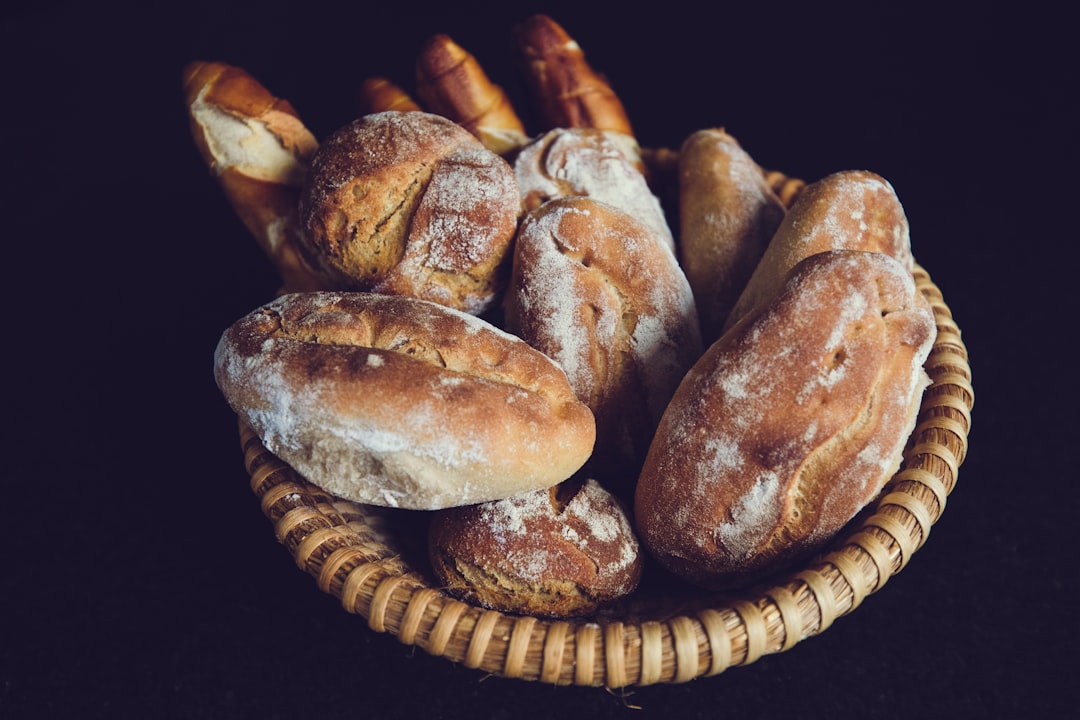
The bread basket that graces your restaurant table may be fresh from the oven, or reheated, after gracing another’s table. Short of fingerprinting each scone, you will never know for sure unless you catch your server in the act. Not only are those delicious loaves full of carbs and calories, but they may also be full of germs from the diner who just left. While some restaurants may reuse bread baskets, most reputable establishments follow health codes that prohibit this practice. If it doesn’t get eaten, it goes back the kitchen and then it comes back out again, and it goes to another table. Many restaurants follow this practice to minimize food waste, though it raises questions about hygiene that most diners never consider.
Music Is Manipulating Your Dining Speed

Music can make any place feel more fun, but there’s more to restaurant background music than just atmosphere. Psychological studies show music significantly influences mood, and many restaurants select it accordingly. Uptempo music can make diners feel invigorated, while soft, slow music evokes tranquility. In addition to impacting mood, ambient music can also affect how quickly guests finish their meals. Studies have shown that slower music influences people to eat leisurely. Therefore, this type of music could be a helpful tool for restaurants hoping to keep guests in their seats longer. The playlist isn’t random; it’s a calculated strategy to control your dining pace and spending patterns.
Kitchen Fires Are More Common Than You Think
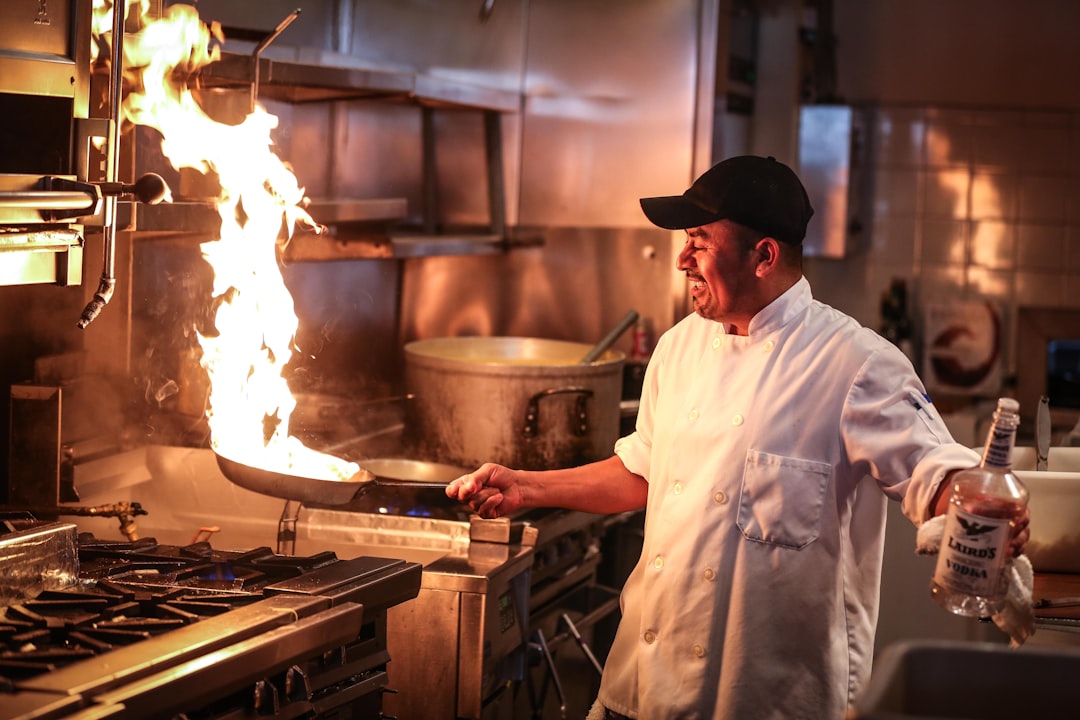
Part of the reason your food tastes so good is because restaurant cooks use screaming-hot pans. It’s the best way to get beautiful sear on a steak or caramelize vegetables before finishing them in the oven. From time to time, a pan gets a little too hot and catches on fire! Professional kitchens operate at temperatures that would terrify home cooks, and small flare-ups are considered part of the territory. Most diners remain blissfully unaware of the controlled chaos happening just beyond their view. The sizzling sounds you hear aren’t just for dramatic effect; they represent the knife’s edge between perfect caramelization and potential disaster.
Your Well-Done Steak Gets the Worst Cut
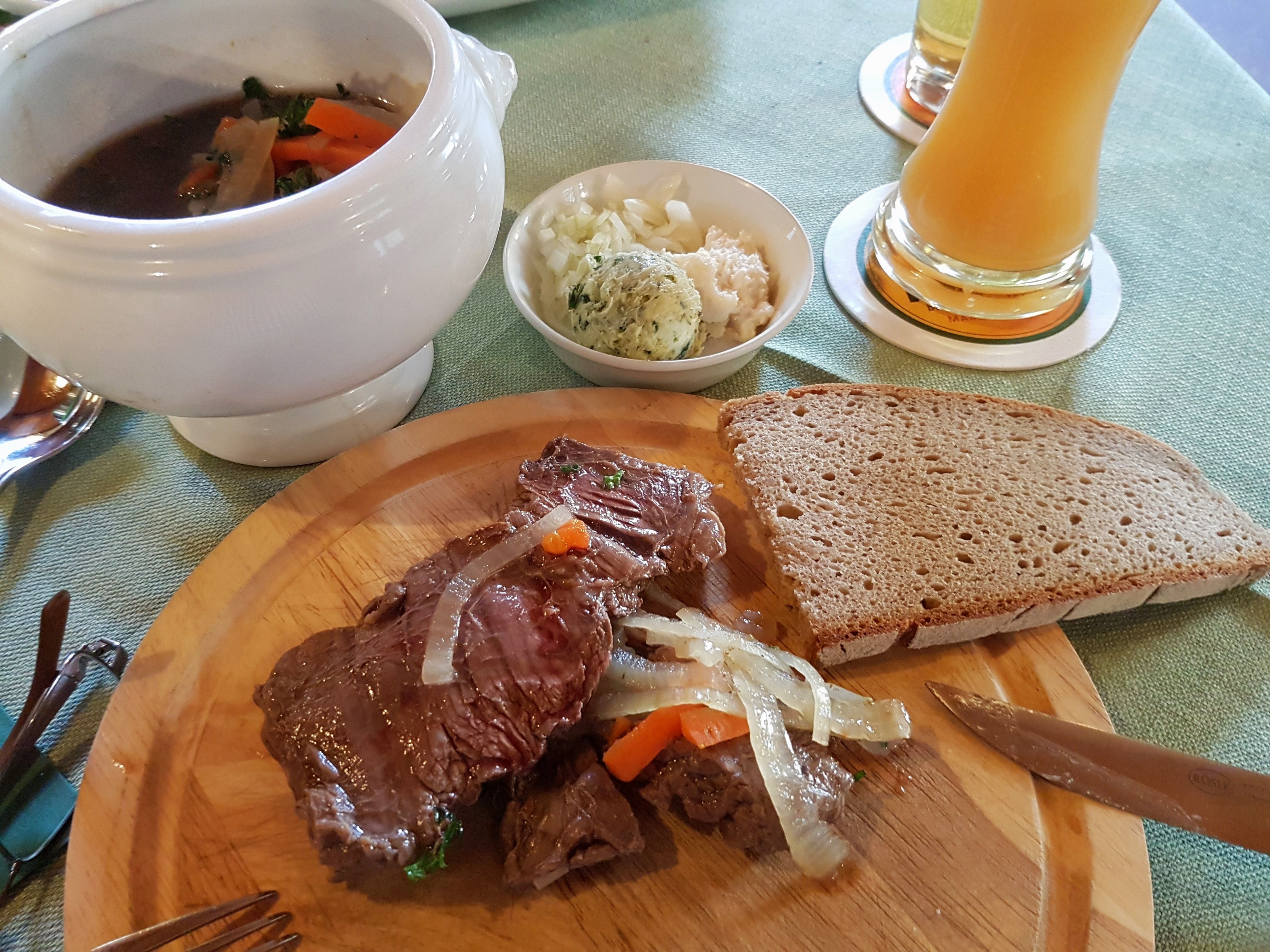
If you happen to like your red meat well done, some experts say don’t expect to get the best cuts. Chefs often save the less desirable pieces of meat for diners who want all the red cooked out. The logic is brutally practical: cooking meat to well-done eliminates the subtle flavors and textures that distinguish premium cuts from cheaper alternatives. Restaurant economics dictate that the finest steaks go to customers who can actually taste the difference. This practice saves restaurants money while most well-done steak lovers remain none the wiser about the quality swap.
Natural Flavors Are Laboratory Creations
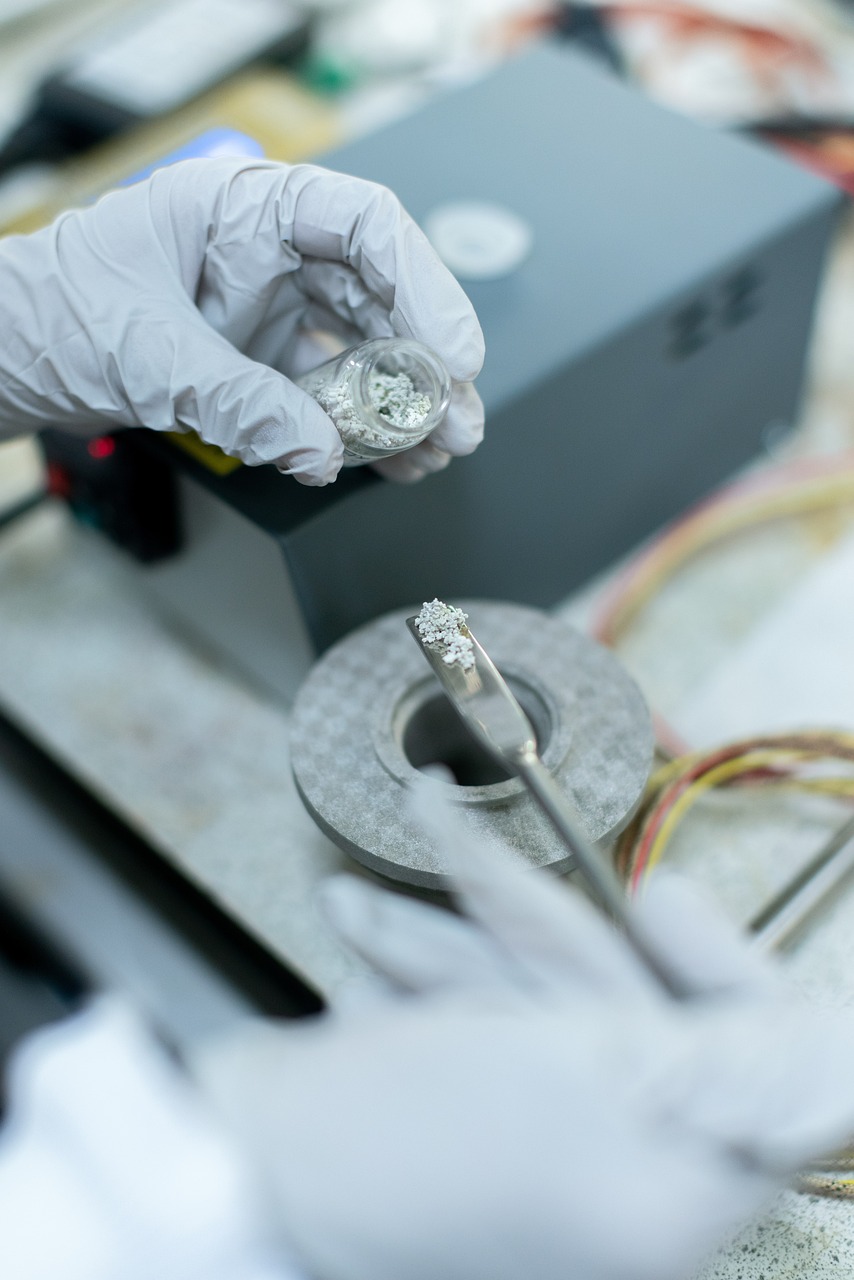
When you see “natural flavors” on an ingredient list, it’s easy to assume they’re derived straight from nature. These flavors are often chemically engineered compounds dissolved in glycerin or alcohol to mimic the taste of fruits or other natural ingredients. For example, the natural strawberry flavor might not even come from strawberries – it could be synthesized in a lab. The term’s vagueness allows food manufacturers to market their products as “natural,” keeping you in the dark. The strawberry taste in your dessert might have never seen an actual strawberry farm. Modern food chemistry has become so sophisticated that laboratory-created compounds can replicate natural flavors with startling accuracy.
Restaurants Pre-Cook More Than You Realize
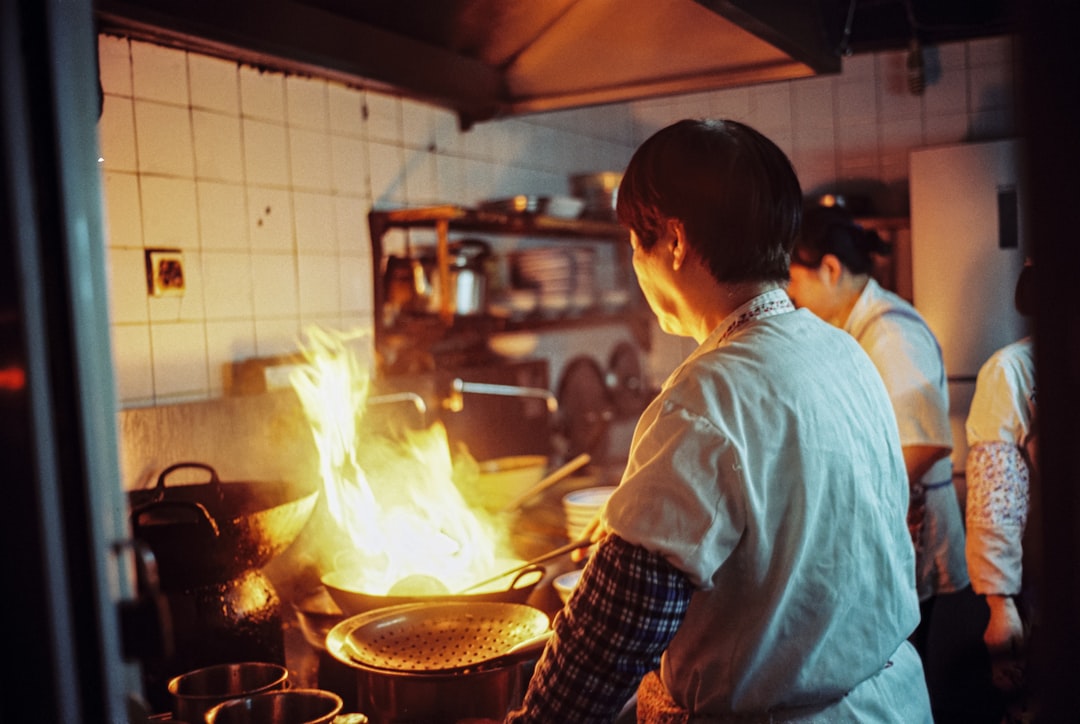
Ever wonder how Olive Garden serves pasta so quickly? The secret is that they pre-cook all their pasta each morning, partially cooking large batches to prepare for the day. When you place your order, a portion of pasta is flash-cooked in hot water for a few seconds before being served. And yes, it’s not fresh-made; they use the same boxed Barilla pasta you can buy at your local grocery store. This assembly-line approach extends to countless menu items across the industry. What feels like made-to-order cooking often involves reheating pre-prepared components with fresh garnishes added at the last moment.
The Bathroom Reveals Kitchen Cleanliness
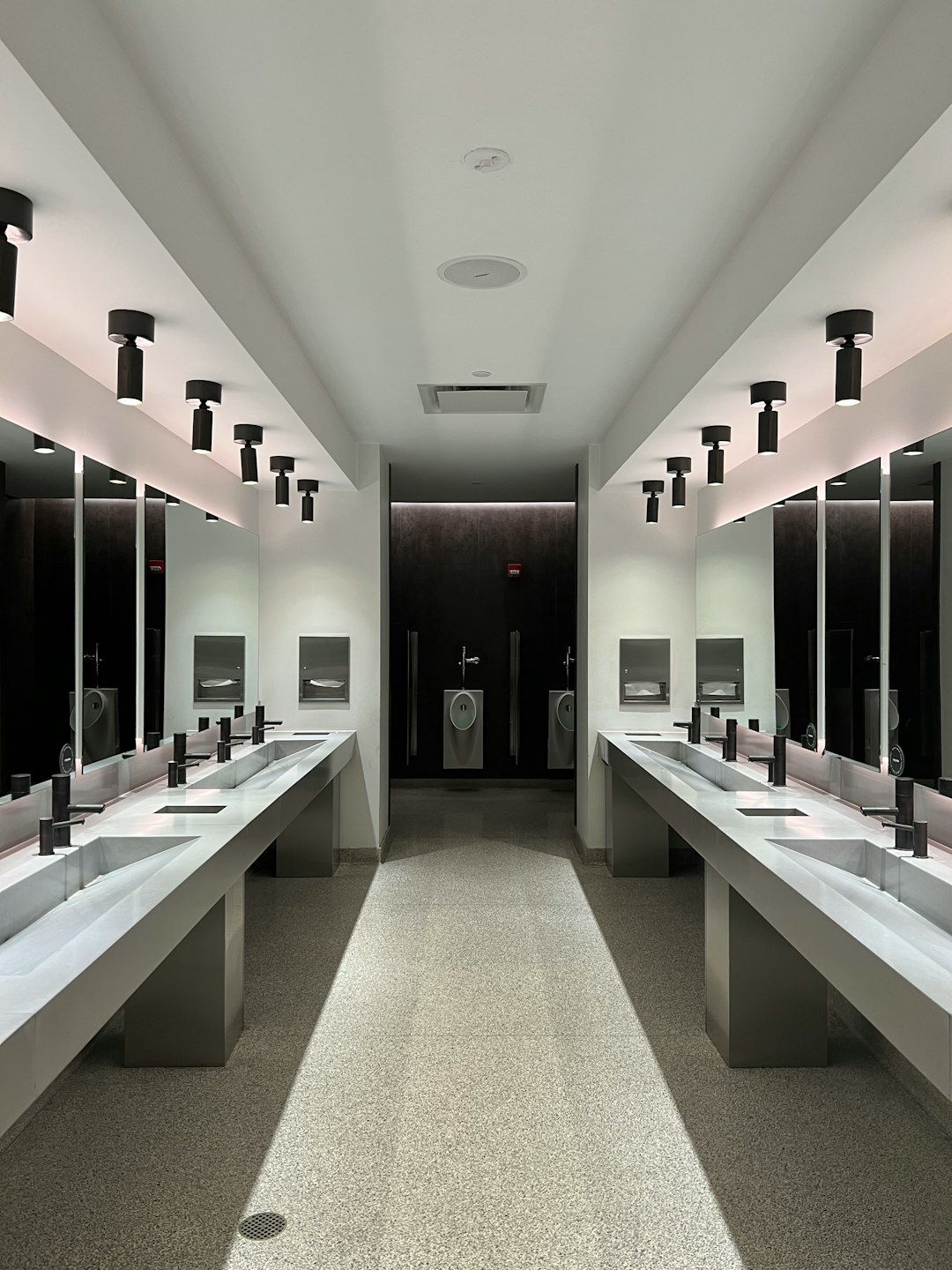
Some restaurant bathrooms look like a swampy cesspool of Mardi Gras aftermath and some look like Martha Stewart’s powder room. But one thing is for certain; a nasty bathroom typically has a close relationship with the kitchen. If you are dining at a restaurant and you spy a bacteria-laden bathroom, you should immediately mention this to the manager and consider leaving the establishment as soon as possible. You can always tell how clean they keep the kitchen by what the restroom is like. Dirty restroom = dirty kitchen. Industry professionals use this as a quick assessment tool because management’s attention to cleanliness tends to be consistent throughout the entire establishment.
Seafood Has Complex Freshness Rules
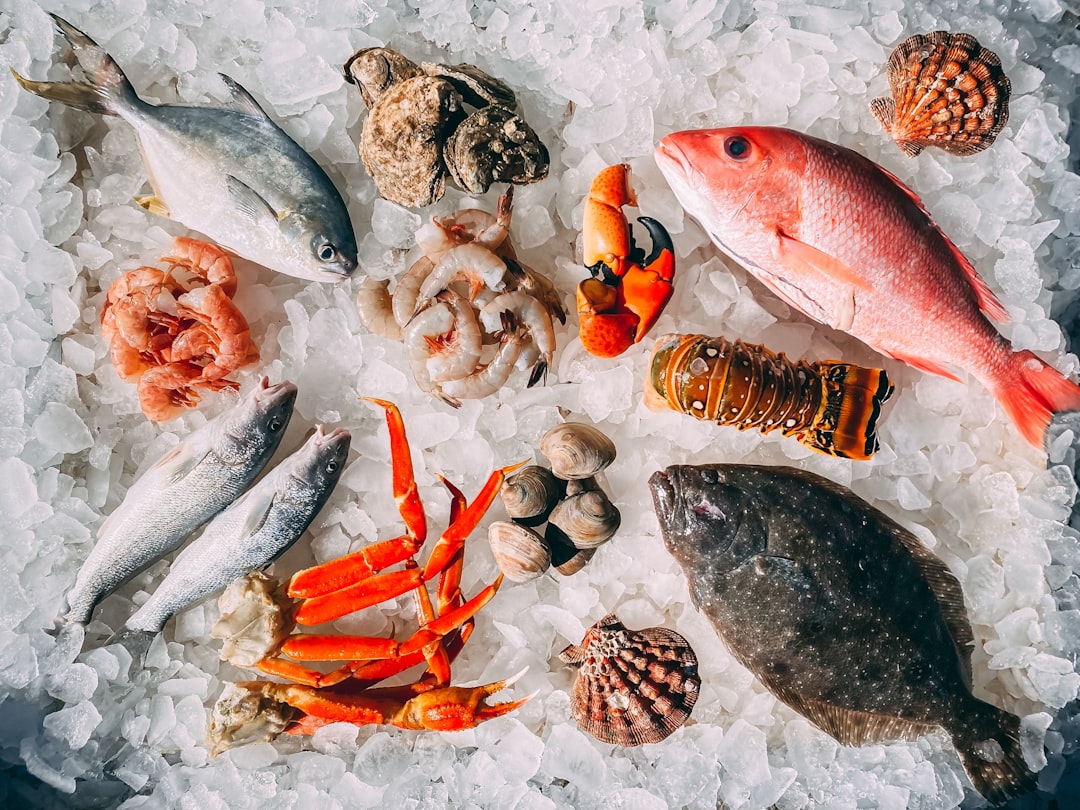
Since most fish markets don’t deliver on weekends, the don’t-eat-fish-on-Monday debate continues to rage on between freshness-loving chefs. Many avoid it like the plague, but others are comfortable ordering fish, if the restaurant has a coastal location or is known for seafood. If a pasta special includes fish, it might be best to order something else. “In my experience, fresh seafood pasta is kind of an oxymoron. This fresh fish pasta is usually fish that’s been around a while and then gets stuffed into ravioli.” The timing of seafood deliveries creates a complex dance between freshness and availability that most diners never consider when ordering.
Cross-Contamination in Fryers Is Real
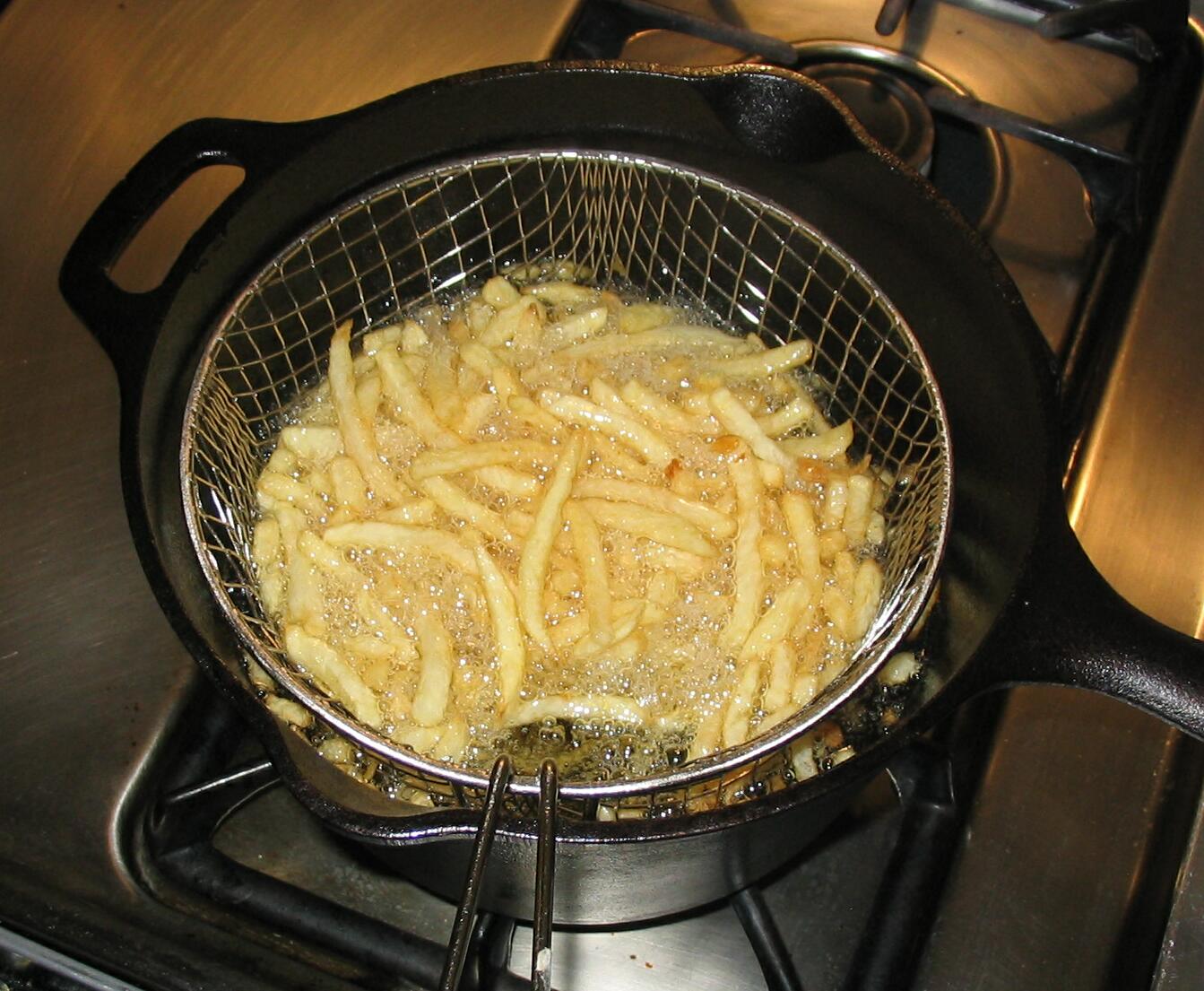
Ever bitten into a fry and thought to yourself how much that fry tasted like the Atlantic Ocean? Well, that could be because one of the cooks doesn’t care enough to use a separate fryer for the seafood and a separate fryer for the non-seafood items. If calamari, in particular, is on the menu, then there’s a chance your fries took a hot oil bath with, you guessed it, calamari. Busy kitchens often share fryer oil between different menu items to save time and equipment costs. Your innocent french fries might carry traces of whatever seafood was cooked in the same oil earlier. This practice affects flavor profiles and can create serious problems for people with shellfish allergies.
Technology Is Quietly Running Modern Restaurants
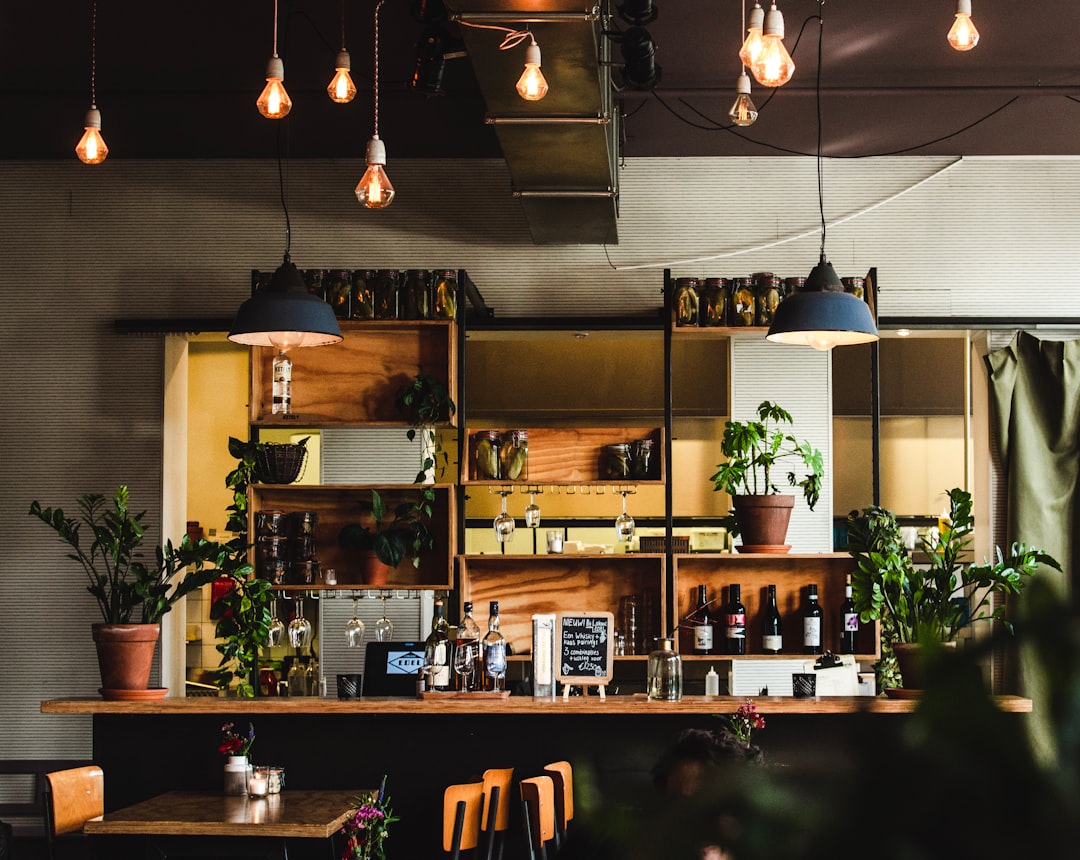
AI is having a transformative impact on the industry, whether that’s helping the host seat more guests or giving diners a seamless way to interact with a restaurant. The best part is that these AI systems work quietly in the background, and your guests probably won’t even notice them. But they’ll feel the difference in your service. Artificial intelligence is no longer a futuristic promise; in many restaurants it’s part of operations and customer engagement. Approximately one-quarter of restaurant operators currently use AI technologies, while nearly half plan to adopt them in the near term. From inventory management to seating optimization, algorithms are making split-second decisions that shape your entire dining experience without you ever knowing.