13 Discoveries That Began As Myths But Were Proven True By Historians
The Lost City of Troy Finally Emerges from Legend
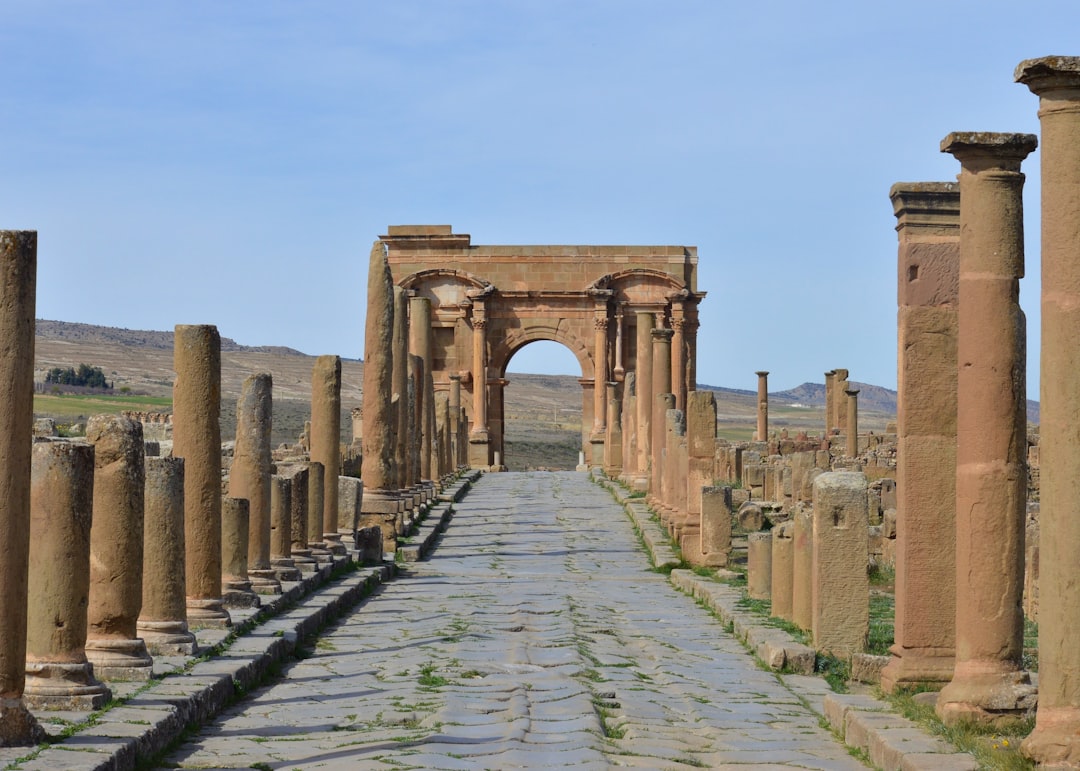
For centuries, scholars dismissed Homer’s Iliad as pure fiction, believing Troy existed only in the realm of mythology. That changed dramatically when German businessman Heinrich Schliemann arrived at the Turkish site of Hisarlik in 1870 with Homer in one hand and a spade in the other, determined to make his name in archaeology. He was able to prove both theories by excavation in the course of the next few years, discovering nine buried cities built one atop another.
Though Schliemann argued that the trove of necklaces, diadems, brooches, weapons and other treasures he unearthed in Hisarlik belonged to Priam, subsequent excavations showed that it actually came from Troy II, a layer dated to around 2400 B.C.E., long before the Trojan War. However, his most significant achievement was proving that the legendary city was real. Scholars agree that the site at Hisarlik is indeed the historical Troy, making this one of archaeology’s most celebrated transitions from myth to reality.
Petra’s Treasury Reveals Its Legendary Burial Secrets
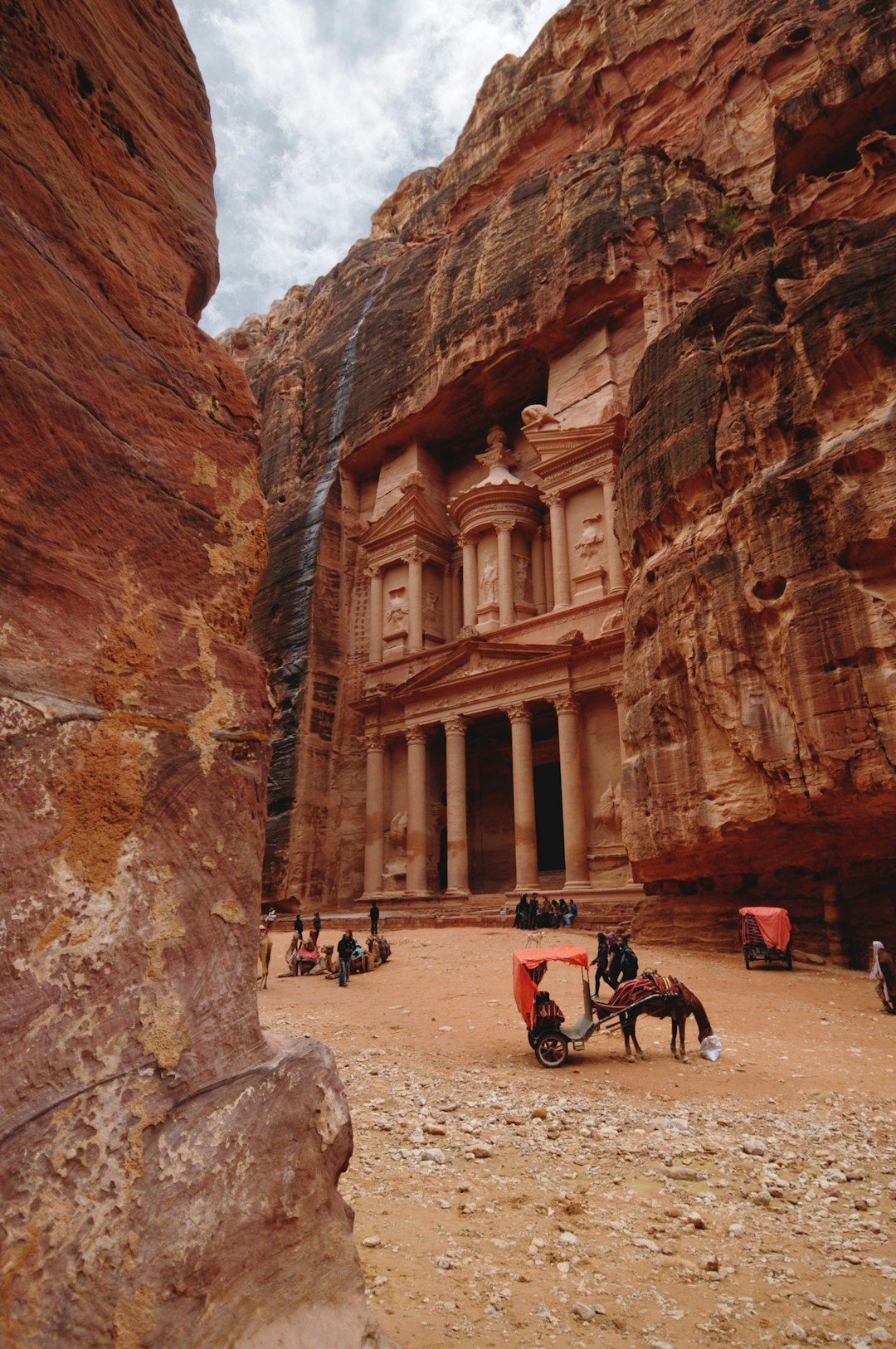
One of the year’s most remarkable finds was the discovery of 12 ancient skeletons in a tomb beneath the Treasury at Petra, a desert archaeological site in Jordan known for the elaborate structures carved into its red sandstone cliffs. The name derives from a legend that the large urn above its façade hides a valuable treasure; the urn is actually made from solid sandstone. While the treasure legend proved false, archaeologists struck gold in a different way.
This year, archaeologists announced the discovery of 12 skeletons buried beneath Al-Khazneh. Few tombs at the complex actually contain human remains, so researchers hope the new find will provide insight into the Nabatean people. The discovery validates centuries-old stories about the site’s sacred burial purpose, transforming local folklore into archaeological fact.
Ancient Scrolls From Vesuvius Speak Again Through AI

In February, researchers announced they’d used an artificial intelligence system to read parts of a 2,000-year-old scroll burned in the Vesuvius eruption of 79 A.D. – the same volcanic eruption that destroyed Pompeii. The scroll is one of about 1,800 papyrus scrolls discovered in the 18th century amid the remains of Herculaneum, an ancient Roman town about 10 miles from Pompeii.
For nearly three centuries, these carbonized scrolls remained unreadable, existing as tantalizing mysteries. Modern technology finally cracked what seemed impossible – reading ancient texts that scholars had given up hope of ever deciphering. This breakthrough proves that even the most damaged artifacts can yield their secrets with the right technological approach.
The Golden Fleece Transforms from Myth to Mining Technique
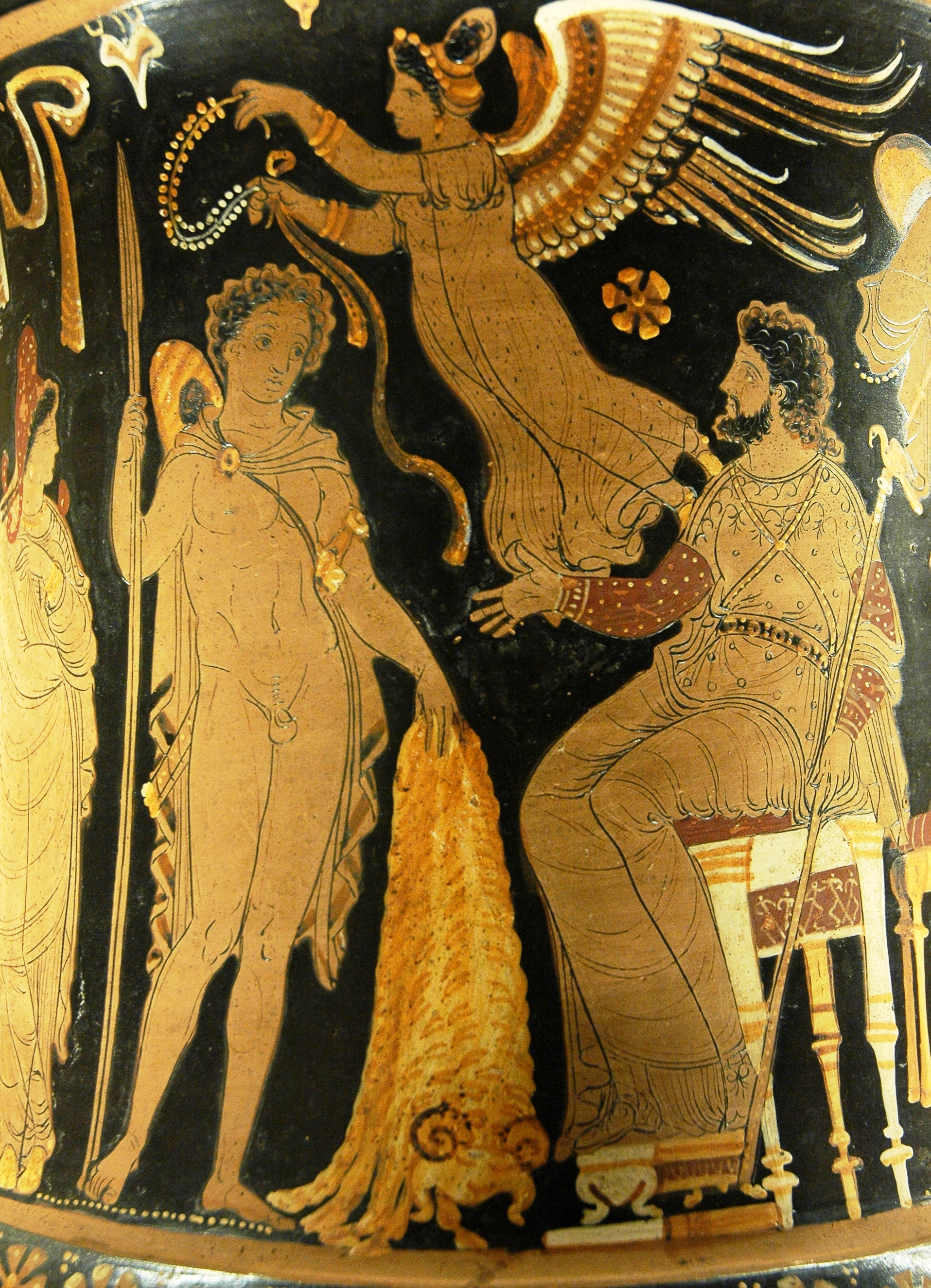
In Greek mythology, the hero Jason and his crew sail for the kingdom of Colchis – modern day Georgia – in search of the legendary Golden Fleece. But, while Jason himself may be a legend, the object of his journey may not be. Archaeological and ethnographic research has revealed the remarkable truth behind this ancient tale.
In present-day Georgia, gold deposits are known to wash downstream from mountains in the Svaneti region. Farmers in the area traditionally use sheepskins to strain and capture the gold nuggets washed through rivers and streams. According to historical accounts, this technique has been handed down for thousands of years. It’s likely that the original myth of the Golden Fleece originated from accounts of this method of gold discovery.
Amazon’s Lost Cities Rise From Jungle Floor
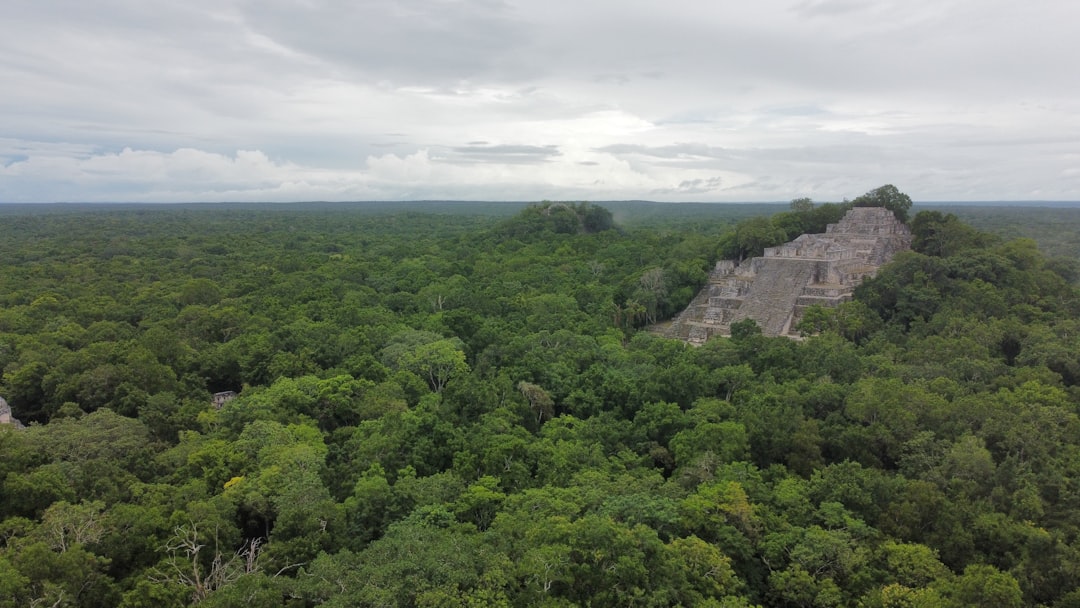
Ground-sensing technology uncovered over 6,000 interconnected earthen platforms in Ecuador that date back 2,000 years. The Amazon rainforest may look like a place of plenty, but growing food in this part of the world is hard. So it made sense that no one had ever found traces of ancient cities in the forest. Recent discoveries have shattered this assumption completely.
Satellite imagery and recent archaeological research have revealed hidden, human-made structures in the Amazon Rainforest, providing compelling evidence of complex urban systems and advanced societies that once thrived there. These discoveries have challenged the long-held belief that the Amazon was a pristine wilderness untouched by human civilization. Indigenous legends about vast cities hidden in the green depths are proving to have substantial archaeological backing.
Orichalcum Emerges From Atlantis Tales Into Reality
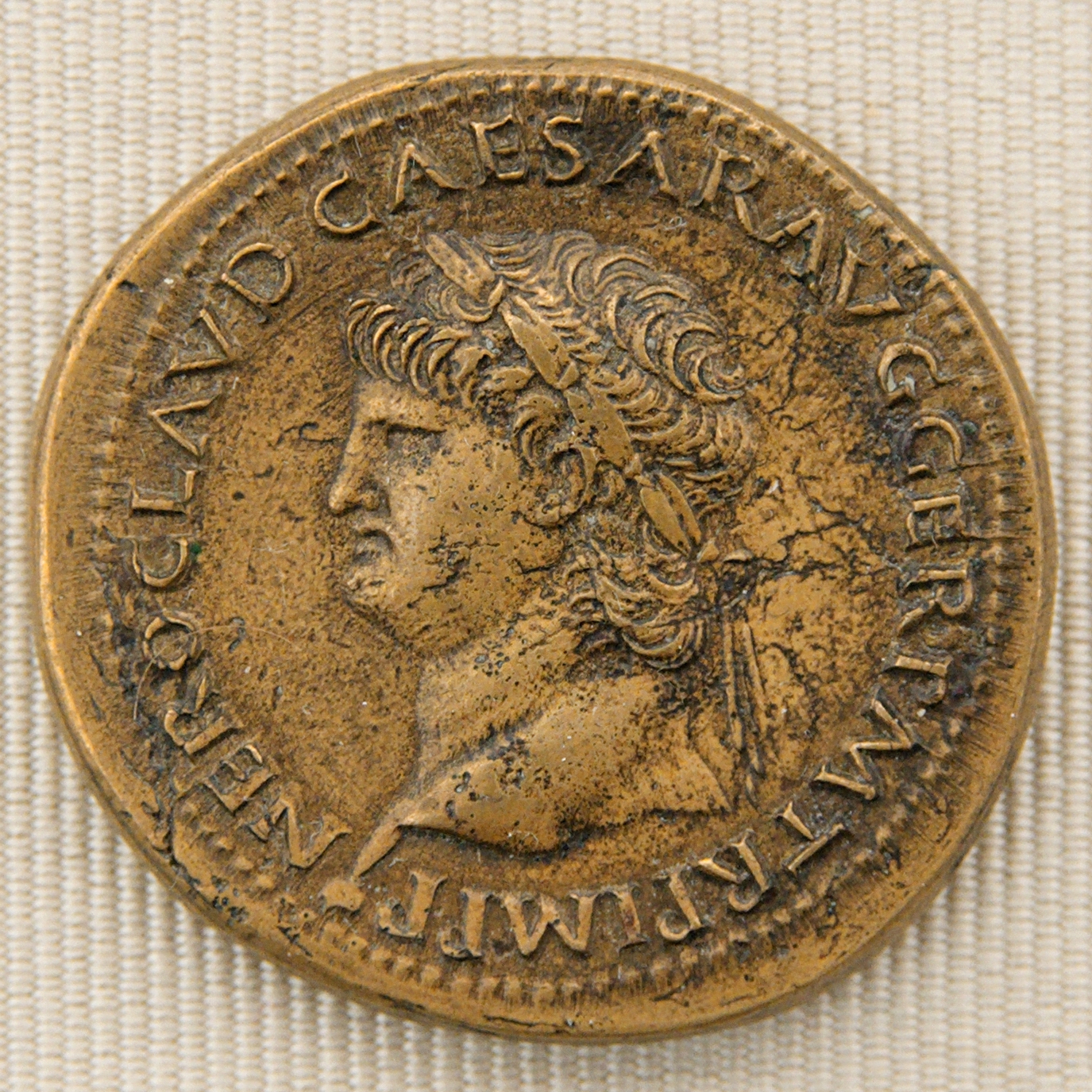
But there’s also a near-mythical metal as well – orichalcum. Described as having a gold-like appearance, and having a name that translates to “gold copper” or “mountain copper,” orichalcum remained a mystery for millennia. It was supposedly found in Atlantis. This legendary substance seemed destined to remain purely fictional until an underwater discovery changed everything.
The potential truth behind the myth was also discovered beneath the waves. A sunken ship found off the coast of Sicily dated at 2,600 years old contained what is believed to be orichalcum. While not a mined metal itself, the ingots recovered are instead a form of brass, which has the sheen and properties associated with the legendary metal.
Norse Vinland Proves Vikings Reached America First
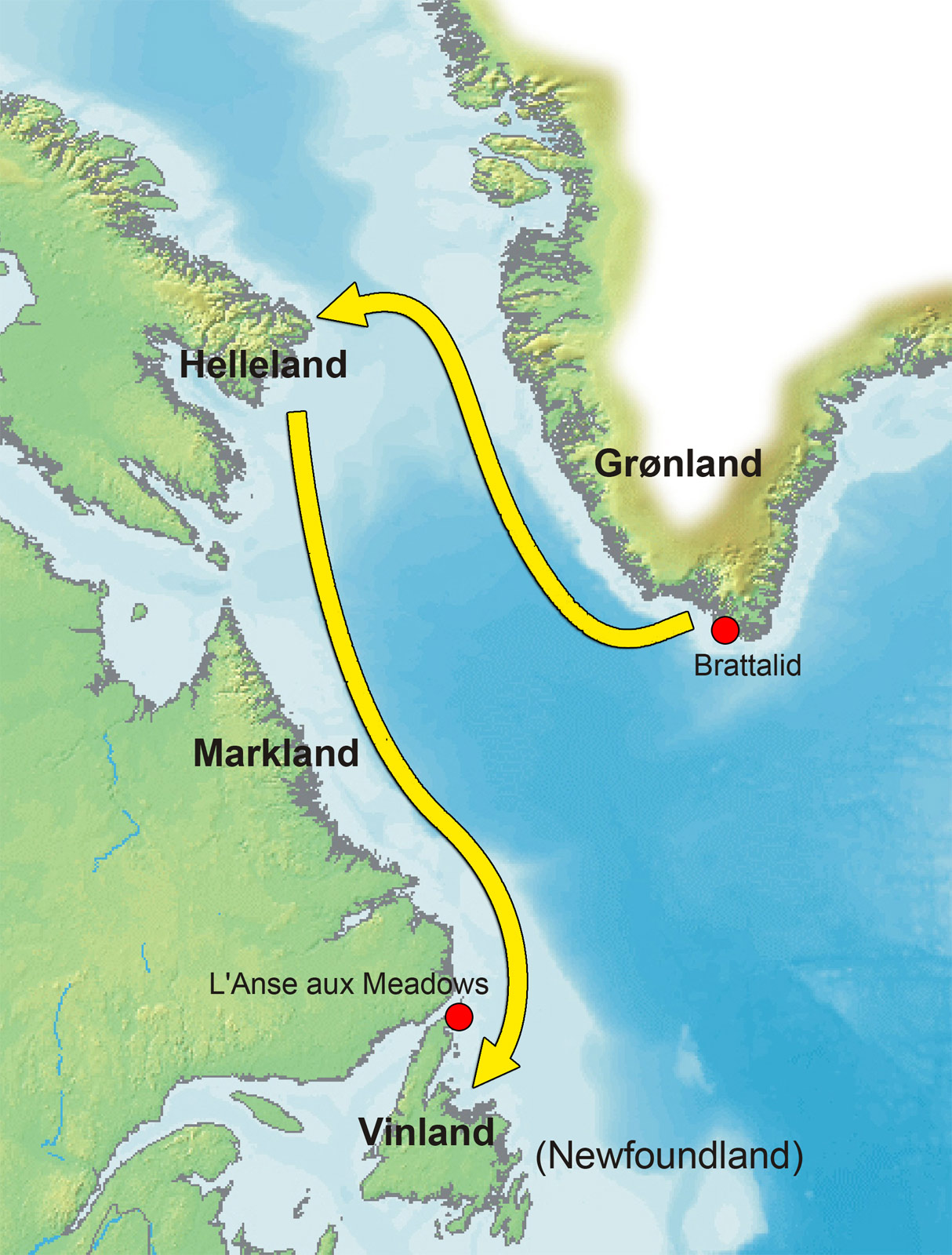
A growing body of archaeological research suggests certain places – the Minotaur’s maze from Greek mythology; Vinland, the first North American Viking settlement mentioned in the Norse sagas; Solomon’s Temple described in the Bible; and others – could have been more than just fables. The saga of Vinland, long dismissed as Viking storytelling, has gained archaeological credence over recent decades.
Archaeological evidence at L’Anse aux Meadows in Newfoundland has confirmed that Vikings indeed established settlements in North America roughly 500 years before Columbus. Carbon dating and artifact analysis have validated the Norse sagas’ accounts of western exploration, proving that these “tall tales” contained substantial historical truth about pre-Columbian contact with the Americas.
Biblical Pool of Siloam Surfaces in Jerusalem
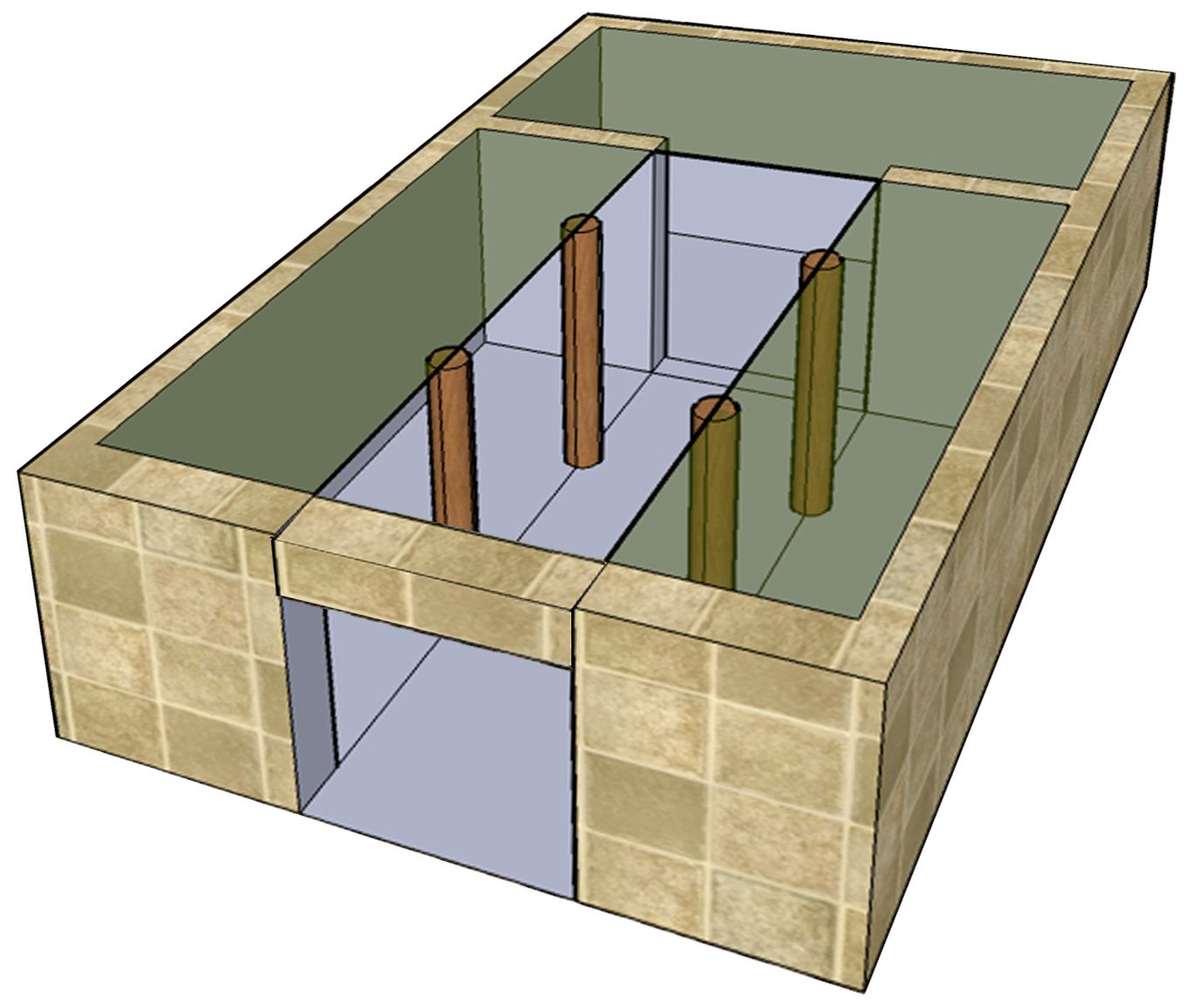
In the New Testament’s Gospel of John, Jesus returns the power of sight to a blind man at the Pool of Siloam in Jerusalem. Christians searched for the site for centuries before repair work on a water pipe south of the Temple Mount in 2004 revealed two ancient stone steps. In the archaeological investigations that followed, researchers discovered a 2,700-year-old, 225-foot-long trapezoidal pool, which they believe to be the site where Jesus allegedly conducted his miracle.
In addition to being an important part of early Jerusalem’s water system, the architectural feature was also likely a ritual bath used by visiting pilgrims. Careful excavation and restoration work over the past 20 years have preserved the ancient Pool of Siloam, which opened to the public last year as part of the City of David National Park. This discovery bridges biblical narrative with archaeological reality.
King Arthur’s Tintagel Reveals Pre-Medieval Settlement
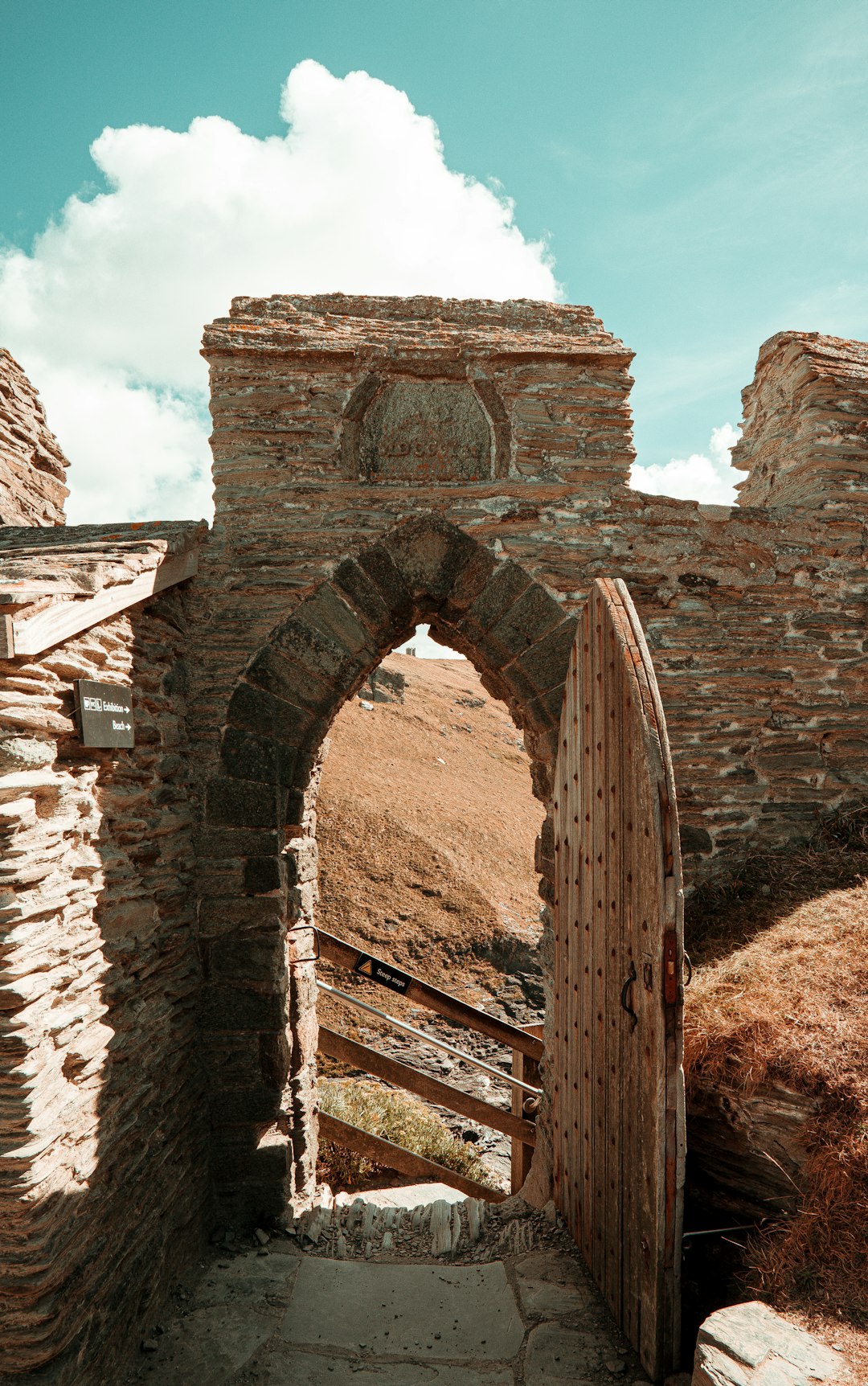
Since writer Geoffrey of Monmouth described Tintagel Castle as the place of King Arthur’s conception, the dramatic 13th-century fortress on the rocky coast of Cornwall, England, has been associated with his legend. But until recently, no one knew that beneath the castle’s ruins lay an even older settlement with features that could correspond to the legendary leader.
Recent excavations have revealed a significant sixth-century settlement beneath Tintagel Castle, complete with luxury goods from the Mediterranean and evidence of high-status occupation. While we can’t definitively link this to Arthur himself, the archaeological evidence shows that Tintagel was indeed an important royal site during the period when Arthur would have lived, lending credibility to the legendary associations.
Medusa’s Cave Found at the Edge of the Ancient World
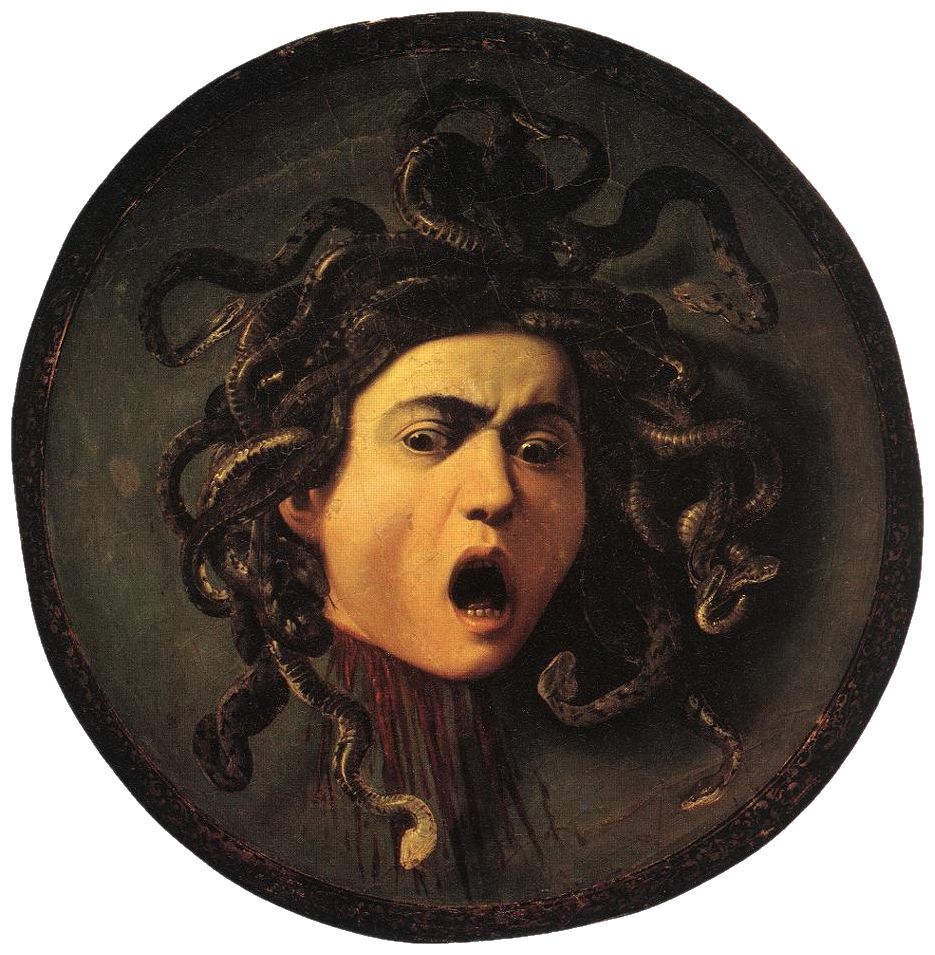
To ancient mariners, Gorham’s Cave, a natural cavern at the base of the Pillars of Hercules in the Strait of Gibraltar, was the edge of the known world. But a 2021 study in PLOS One suggests that the subterranean site may have played an even greater role in Greek mythology. Archaeological evidence suggests this remote location housed far more than just ancient travelers.
Other Medusa figures have been located in the region, but this is the first to be discovered inside a cave. Combining archaeological evidence with historical accounts, geography and myth, researchers have concluded that Gorham’s Cave was likely the spiritual site that early seafarers believed to have been the home of the Gorgons, and the site of Medusa’s defeat.
Ancient Bronze Age Town Emerges from Saudi Desert
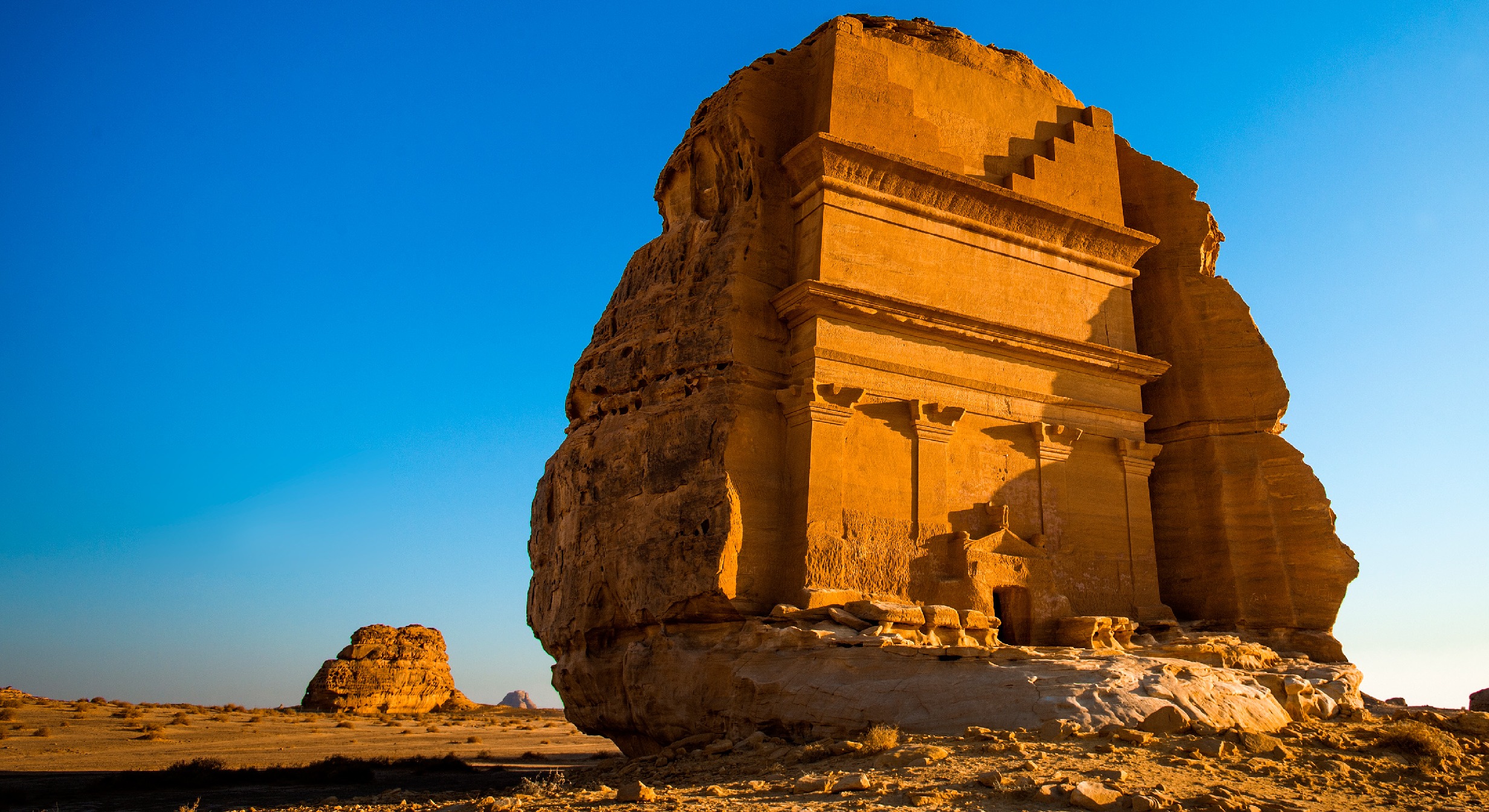
The ancient Bronze Age town al-Natah was identified by archaeologists under an oasis in the Saudi Arabian al Madinah province earlier this year. Slowly occupied from 2400 BCE until 1500 BCE (at the latest, 1300 BCE), the ancient town was constructed as the area pivoted from nomadic cattle-herding to permanent settlement. It would have been home to roughly 500 residents across 3.7 acres, containing a central district and nearby residential settlement protected by ramparts.
Building foundations at the site were strong enough to support one- to two-story dwellings. Additionally, a cluster of graves containing metal weapons such as axes and daggers along with agate and other stones were also found near the town. This discovery validates ancient Arabic tales of prosperous settlements that once dotted the Arabian Peninsula during the Bronze Age.
World’s Oldest Cave Art Confirms Indonesian Legends
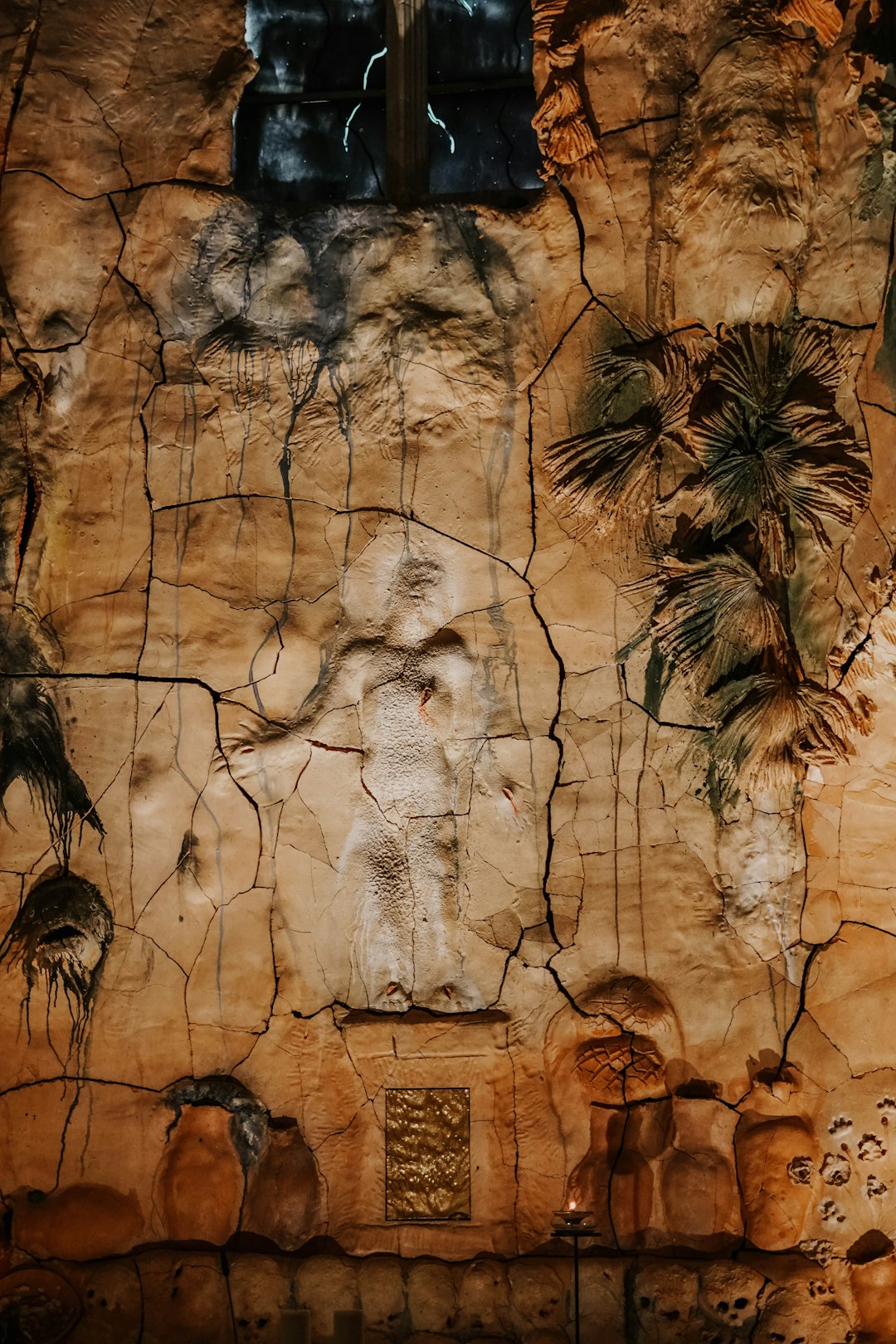
The world’s oldest cave art is in Indonesia. At least, it is for now. Continuing the trend of finding older and older cave art, scientists announced in 2024 that a painted scene of people hunting pig-like animals found in a cave on the island of Sulawesi is at least 45,500 years old. This beats out the last contender for oldest cave art, a drawing of pigs also found in a cave in Indonesia, by several thousand years.
Local Indonesian communities have long maintained oral traditions about their ancestors creating sacred images in caves tens of thousands of years ago. Western archaeologists initially dismissed these stories as exaggeration, but recent dating techniques have proven these cultural memories remarkably accurate. The cave art discovery validates indigenous knowledge that has been preserved across hundreds of generations.
Nazca Lines Multiply Through AI-Assisted Discovery
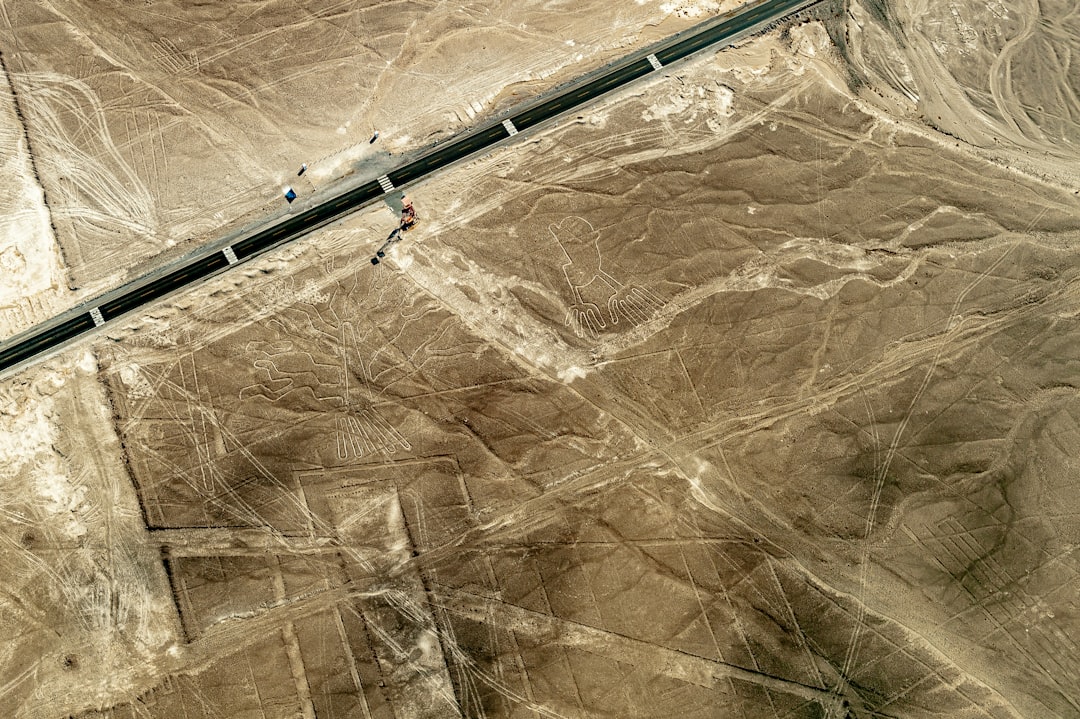
Aliens didn’t make the Nazca lines. But artificial intelligence – or AI – sure makes them easier to find. The Nazca lines are a collection of hundreds of geometric earthworks in southern Peru. Some look like landing strips and run for kilometers. Others are shaped like animals or people.
People have known about the existence of around 400 Nazca lines thanks to surveys that started in the 1940s. Archeologists added hundreds more to the mix in 2024 thanks to the scanning power of AI, which identified 303 more shapes in the region over just six months. This massive expansion of known geoglyphs has validated local Peruvian legends about the desert being filled with far more ancient drawings than outsiders could see.
What seemed like fantastical stories passed down through generations have repeatedly proven to contain kernels – or entire foundations – of historical truth. These discoveries remind us that dismissing ancient accounts as “mere mythology” might cause us to overlook real archaeological treasures hiding in plain sight.
Conclusion
Throughout history, legends have often been dismissed as fiction – until evidence surfaced to prove otherwise. From once-mythical cities rising from the sands to creatures thought to be folklore turning out to be real, these discoveries remind us how blurred the line between imagination and truth can be.
What began as whispered tales and ancient rumors became remarkable validations of human curiosity and persistence. Each revelation proves that myths are not merely stories of the past – they are clues left behind by civilizations trying to describe their world. As historians continue to unearth what was once considered impossible, one lesson remains clear: every myth hides a seed of truth waiting to be rediscovered.