7 Regional American Dishes You’ve Likely Never Tried
America is a sprawling tapestry of flavors, where each region has developed its own culinary secrets over centuries. While most people know about iconic dishes like barbecue and deep-dish pizza, there are fascinating regional specialties hiding in plain sight across the country. These dishes tell stories of immigration, resourcefulness, and local ingredients that shaped communities long before food blogs existed.
Scrapple – Pennsylvania’s Breakfast Mystery
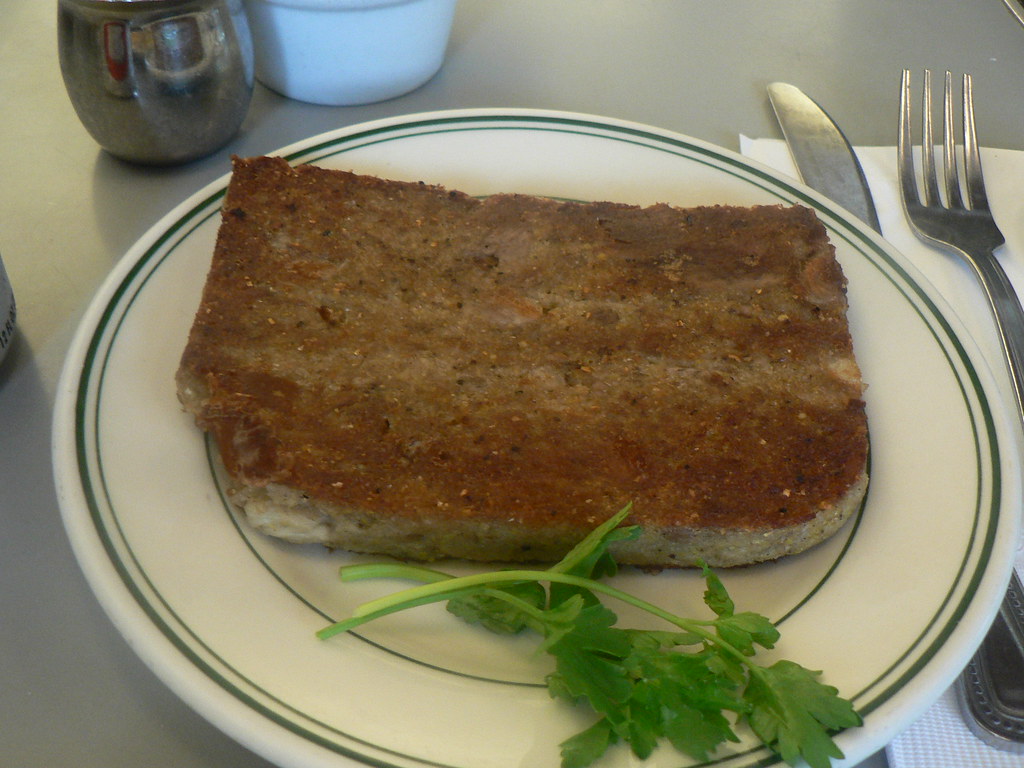
Pennsylvania Dutch immigrants brought this traditional breakfast loaf made from pork scraps, boiled with a binder, then pressed and baked in a loaf pan. The loaf is sliced and fried, usually as a breakfast food. In Pennsylvania, it’s scrapple (made with cornmeal); in North Carolina, it’s livermush (similar, but with more liver); and in and around Cincinnati, it’s goetta, made with steel-cut oats. This regional favorite is found as easily in the Coal Region of Northeastern Pennsylvania as it is in PA Dutch country and around Philadelphia. Scrapple came to Pennsylvania thanks to German immigrants now known as the Pennsylvania Dutch.
Fry Sauce – Utah and Idaho’s Condiment Obsession
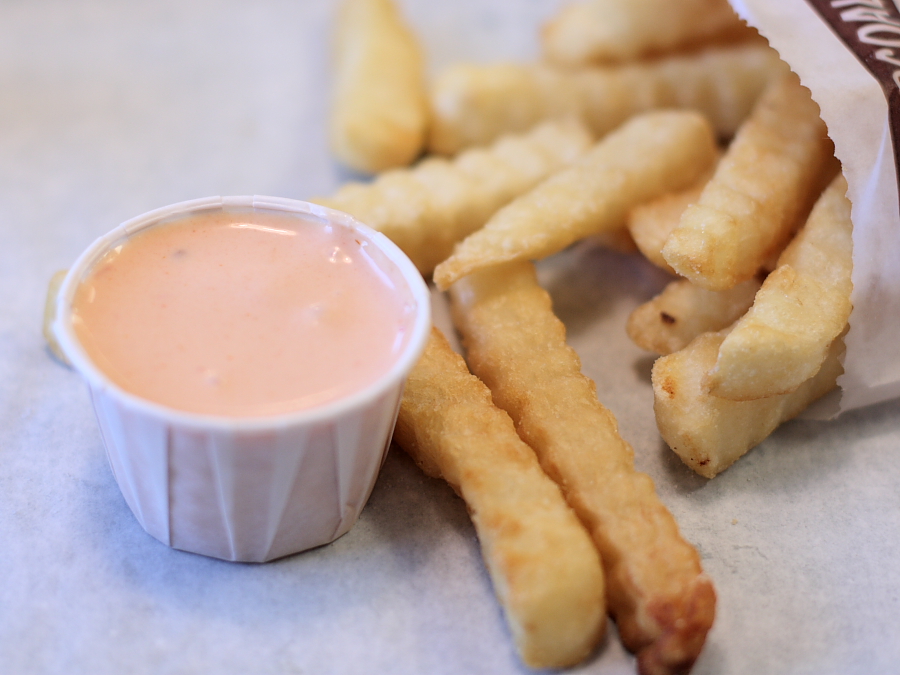
This simple combination of ketchup and mayonnaise (sometimes incorporating extra elements like mustard and pickle juice) is a quintessential staple of Utah cuisine, and simply put, residents of the state revere the stuff. However, fry sauce rules over them all. Arguably one of the most iconic Idaho dishes according to locals, you can find fry sauce at almost every restaurant in Idaho, whether it be a fast food chain or a nicer sit-down establishment. Fry sauce was technically invented in Utah but has been adopted by Idahoans as their most-loved condiment. Utah fry sauce officially debuted in the 1950s at the fast food chain Arctic Circle, though its creator, Don Carlos Edwards, had reportedly been championing the recipe long before then.
Koolickles – Mississippi’s Sweet and Sour Surprise
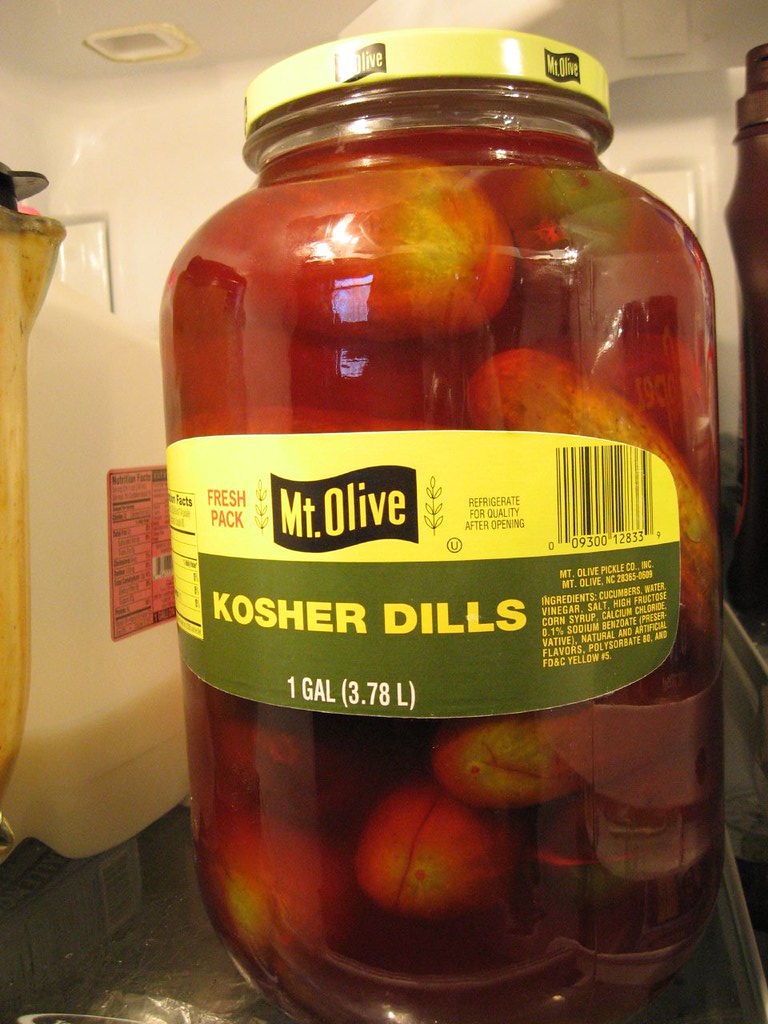
These are exactly what they sound like: pickles soaked in Kool Aid. Found in the Delta region of Mississippi, they sometimes go by the name “Koolickles.” Koolickles are said to have originated in the Mississippi Delta region. They’re a firm favorite amongst the younger generation, and are often sold in convenience stores, as well as being a popular homemade treat. Today, these colorful creations are still very much a Southern delicacy, though you’ll sometimes find them in the Midwest, too. You can use any flavor of Kool-Aid mix to infuse the pickles, such as green apple, cherry, or blue raspberry lemonade. Simply combine the powder with sugar and the brine from the jar of pickles to create the soaking mixture. After around five days in the fridge, the koolickles are ready to enjoy. They should offer a balanced sweet and sour taste, with notes of dill still shining through.
St. Paul Sandwich – Missouri’s Chinese-American Creation
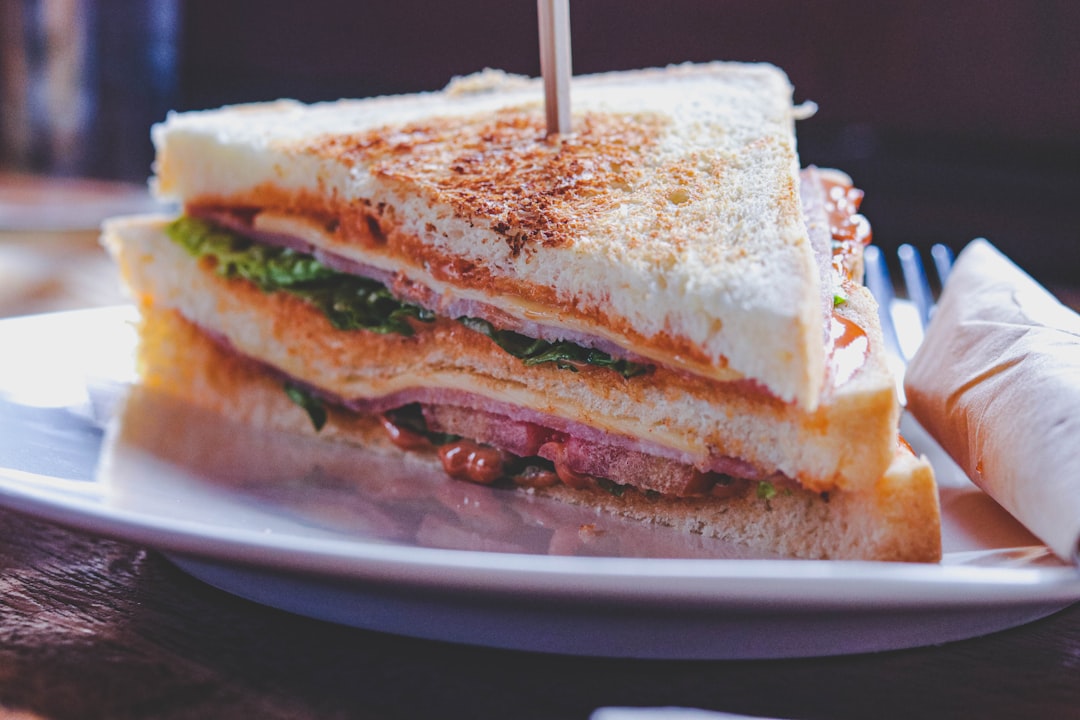
St. Paul sandwich is a notoriously cheap Chinese American fusion dish that really hits the spot when you’re hungry. To make it, a savory egg foo young patty is sandwiched between two slices of white bread along with plenty of dill pickle slices, onions, lettuce, and mayo. Though its exact origins are disputed, one story goes that it was created in the 1940s by Steven Yuen of Park Chop Suey in St. Louis. It proved the perfect way to increase his restaurant’s appeal to Midwestern American palates. Plenty of spots in the region still serve the sandwich, including Mai Lee in Brentwood and Old St Louis Chop Suey in St. Louis.
Salmon Candy – Pacific Northwest’s Indigenous Sweet
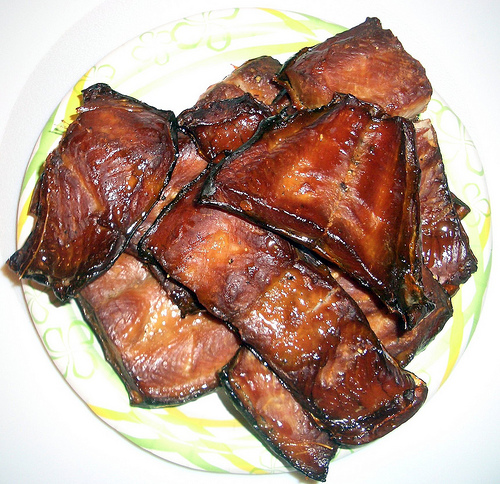
Salmon candy may have gained recent popularity on social media platforms, but it’s really nothing new; the Pacific Northwest’s Native and Indigenous tribes have been candying salmon as an ingenious preservation method for generations. The process involves curing and smoking the fish, then glazing it with maple syrup or sugar to create a lacquered, caramelized exterior – not to mention a delectable sweet-savory taste. If you live in Washington State, you may be lucky enough to find salmon candy on sale at your local fish market.
West Virginia Slaw Dogs – Mountain State’s Perfect Combo
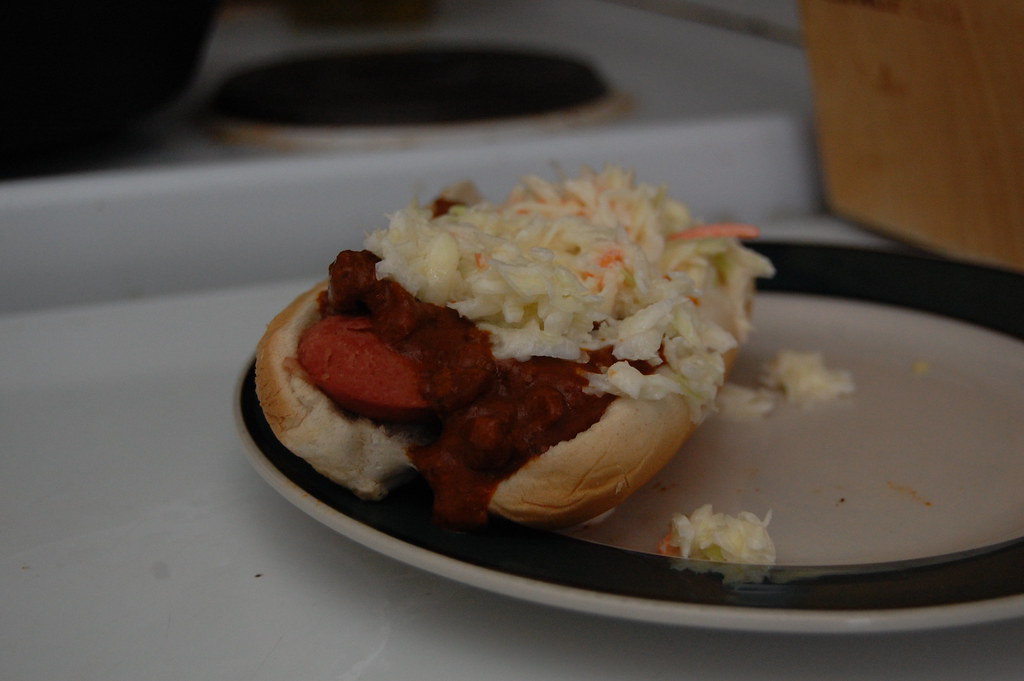
Hot dogs are delicious, coleslaw is delicious… but together? Take one bite of a classic West Virginia slaw dog and you’ll wonder why you never thought of combining these ingredients before. Legend has it that this fast food was invented at the (now gone) Stopette Drive-in near Charleston back in the 1920s or 30s, and purists insist you shouldn’t mess with the old-fashioned recipe.
Butte Pasties – Montana’s Mining Heritage
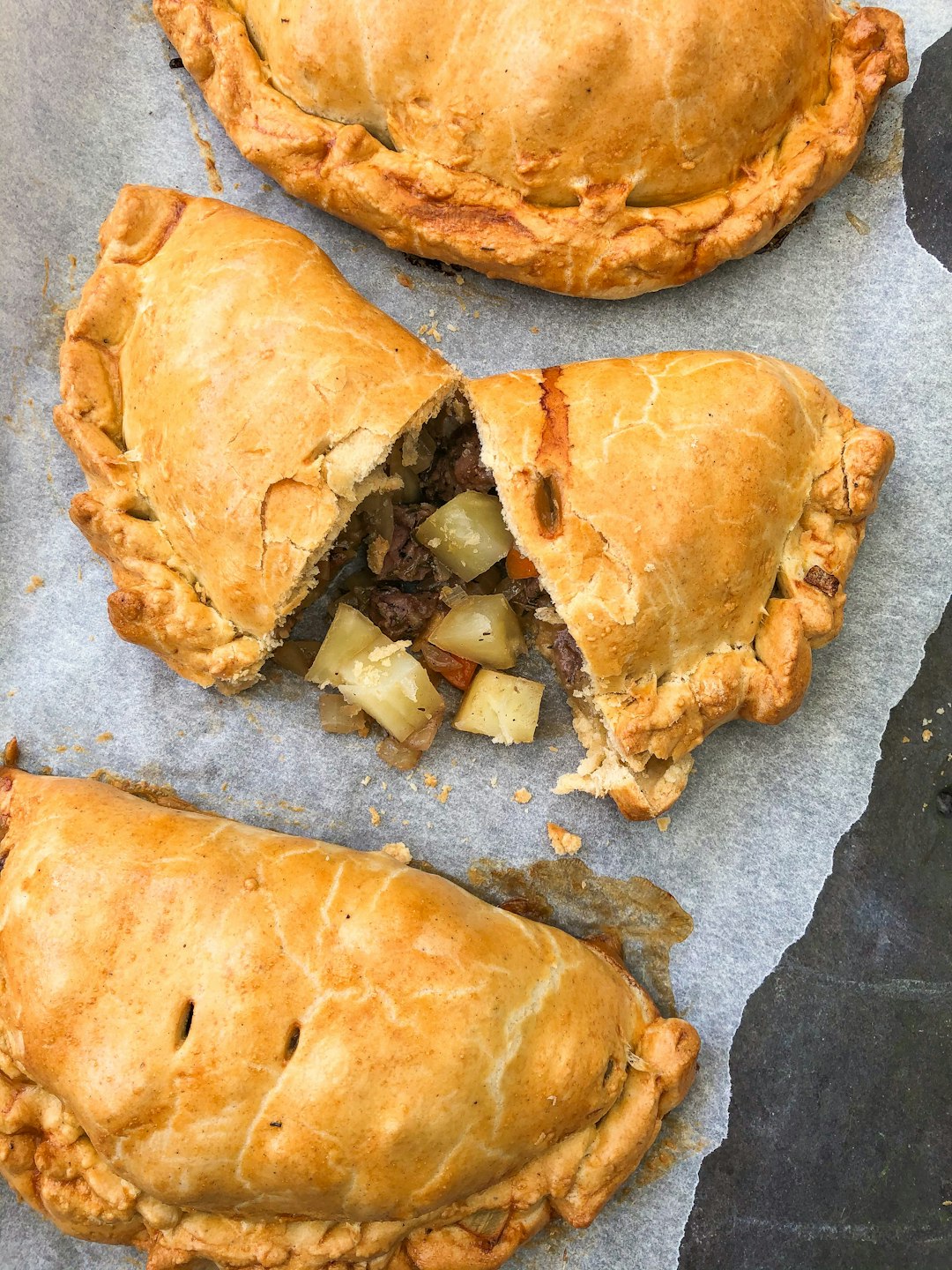
The crescent-shaped Butte pasty (pronounced ‘pass-tee’) is an enduring symbol of Montana’s mining heritage. Originally from the county of Cornwall in England, these flavorful pies arrived in the Treasure State during the 19th-century Gold Rush, brought over by immigrant workers from Ireland and the UK. These hearty hand pies were perfect for miners who needed a complete meal they could eat with one hand while working underground. Today, they remain a beloved comfort food throughout Montana, filled with beef, potatoes, rutabagas, and onions.
These regional treasures prove that America’s most interesting flavors often come from the most unexpected places. Each dish represents a community’s creativity in turning available ingredients into something uniquely delicious. What do you think about these unusual regional specialties? Tell us in the comments.