8 Vintage China Patterns Worth Thousands That Collectors Still Chase
You might think that old china tucked away in your grandmother’s cabinet is just gathering dust. Think again. The vintage china market is alive and surprisingly fierce right now, with certain patterns fetching eye-watering prices that would make any antique dealer’s heart skip a beat. While the overall interest in traditional tableware has softened in some areas, specific patterns remain red-hot commodities that serious collectors will pay almost anything to acquire.
Here’s the thing. Not every dusty plate is a goldmine. Knowing which patterns matter is the difference between a garage sale giveaway and a potential windfall. Let’s explore the patterns that are genuinely commanding thousands at auctions today, backed by real sales data from recent years.
Royal Copenhagen Flora Danica
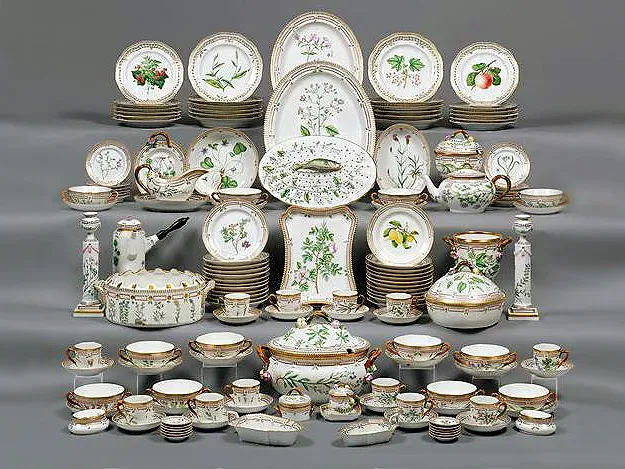
The price for a single piece of Flora Danica porcelain typically ranges from $1,000 to $43,000 depending on the size, pattern, and complexity of the item, and this pattern was originally commissioned by Denmark’s king as a gift to Russia’s Catherine the Great in 1790. There are fewer than 20 craftspeople in the world qualified to produce Flora Danica, as the work requires in-depth knowledge of botany, illustration, and working with porcelain. By the time they are finished, a single Flora Danica piece will have been fired between 8 and 16 times. A 125+ set of Flora Danica, 20th C, sold at Christie’s 2019 for $62,500.
Chinese Export Tobacco Leaf
Circa 1775 80+ pc set sold for $81,900 in 2025; circa 1775 150+ pc set sold for $1,152,500 in 2018 at Christie’s. This pattern stands as one of the most breathtaking and valuable china designs ever created for Western markets during the Qianlong period. The rarity of complete sets makes them incredibly desirable. Each piece showcases intricate hand-painted tobacco leaves in vivid colors against a cream backdrop, a design that was specifically tailored for European and American clientele in the late 18th century. The craftsmanship required to produce these pieces remains unmatched even by today’s standards.
Meissen Blue Onion
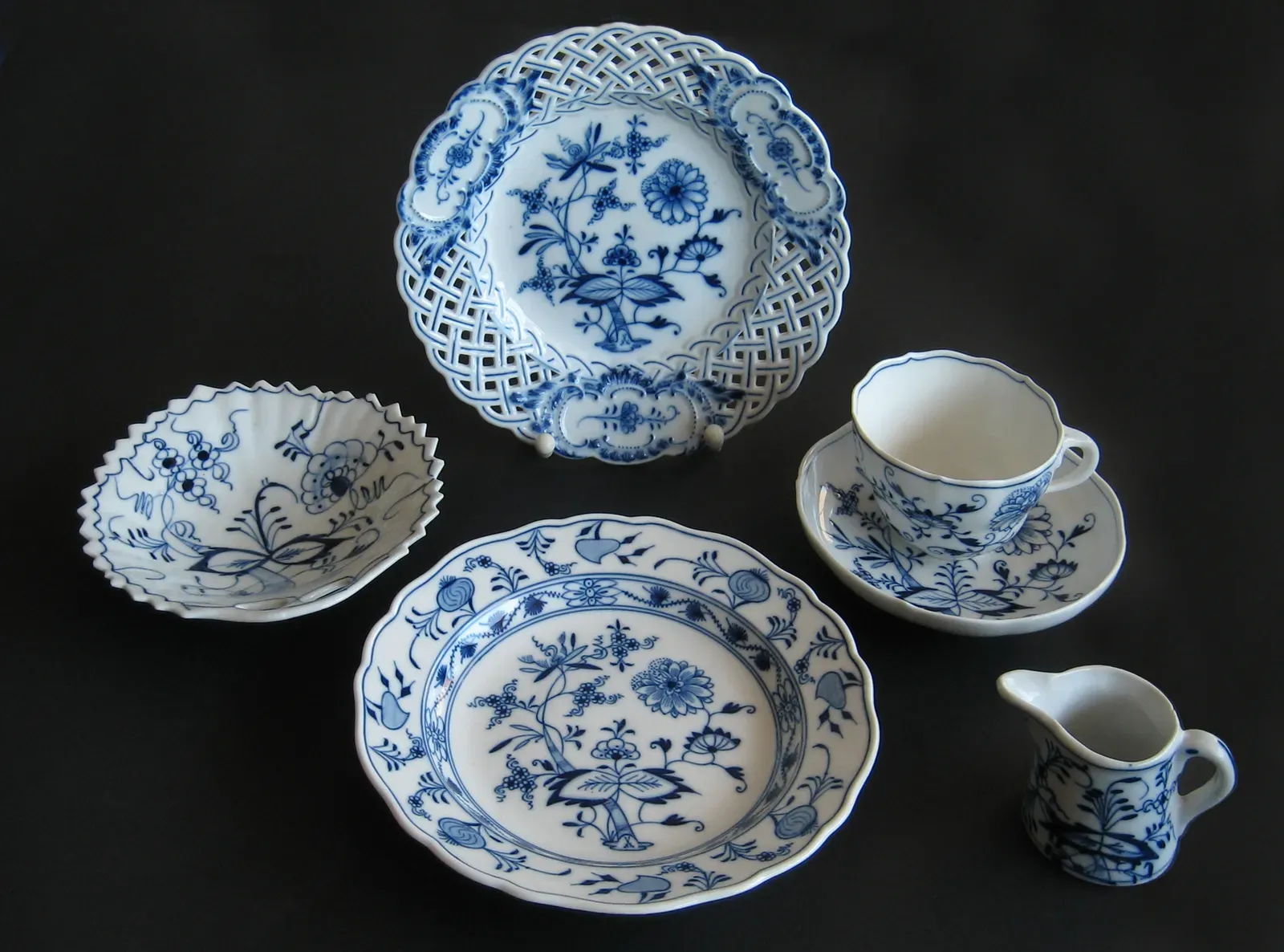
19th/20th century 200+ set sold for $23,894 in 2025. Introduced 1739 – present, the Blue Onion pattern was designed by Johann Gregor Herold in 1739 likely inspired by a Chinese bowl from the Kangxi period. Honestly, the name is a bit misleading. European decorators misinterpreted the Chinese peaches and melons for onions. An Extensive Meissen ‘Onion Pattern’ Composite Part Table-Service 20th Century sold at Christie’s London for £27,500.
Chinese Export Mahout Service
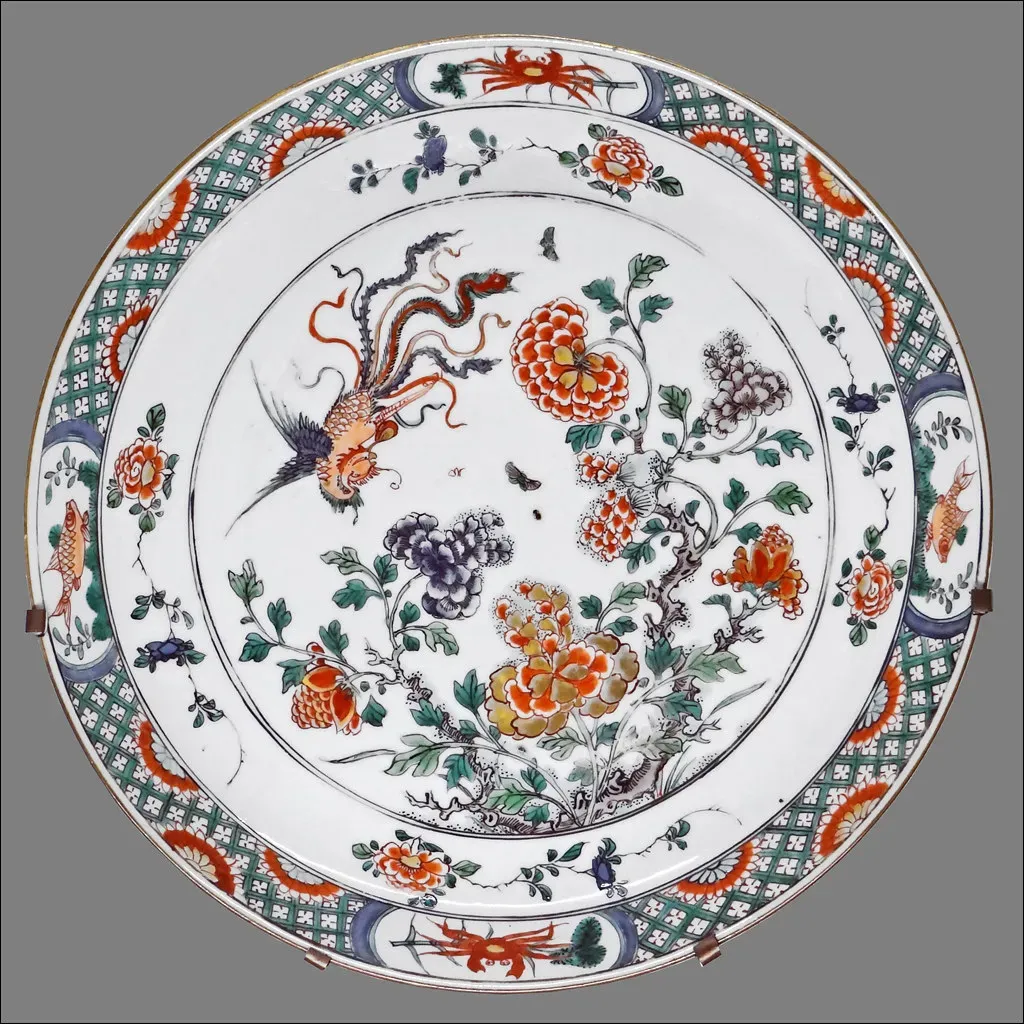
A 100+ set sold for $60,000 in 2023. This rare pattern is decorated with an elephant and rider, or ‘mahout’, surrounded by a ring of puce floral sprays and bordered by puce bands, and was likely made for the colonial market in British India late 18th century. Individual pieces with the same pattern can be found in the collections of the Metropolitan Museum of Art. The historical significance of this pattern, combined with its extraordinary scarcity, drives prices into the stratosphere whenever pieces appear at auction.
Wedgwood Fairyland Lustre
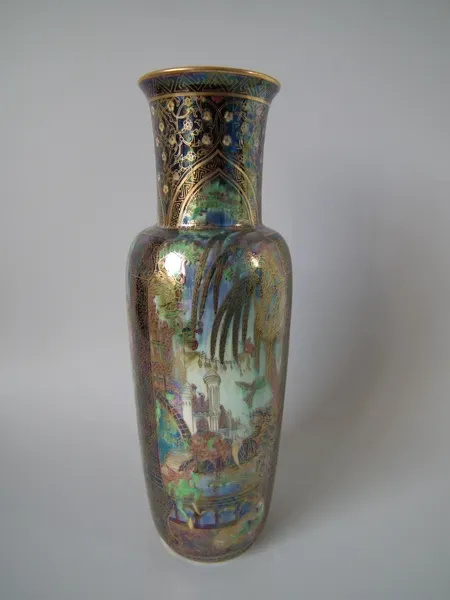
Wedgwood Fairyland Lustre pieces now command £800 to £50,000+ at auction, making them among the most sought-after ceramics of the 20th century. The Wedgwood Fairyland Lustre range launched in 1916, offering war-weary Britain an escape into magic. Designed by Daisy Makeig-Jones and illustrated in Una Des Fontaines’ definitive book on the subject, the vase far surpassed its $20,000 high estimate. A Pillar pattern vase achieved $4,032 at auction in 2024, exceeding its $3,500-5,000 estimate. The whimsical designs featuring fairies, elves, and fantastical creatures in luminous glazes have captivated a new generation of collectors.
Chinese Export Famille Rose Dragon
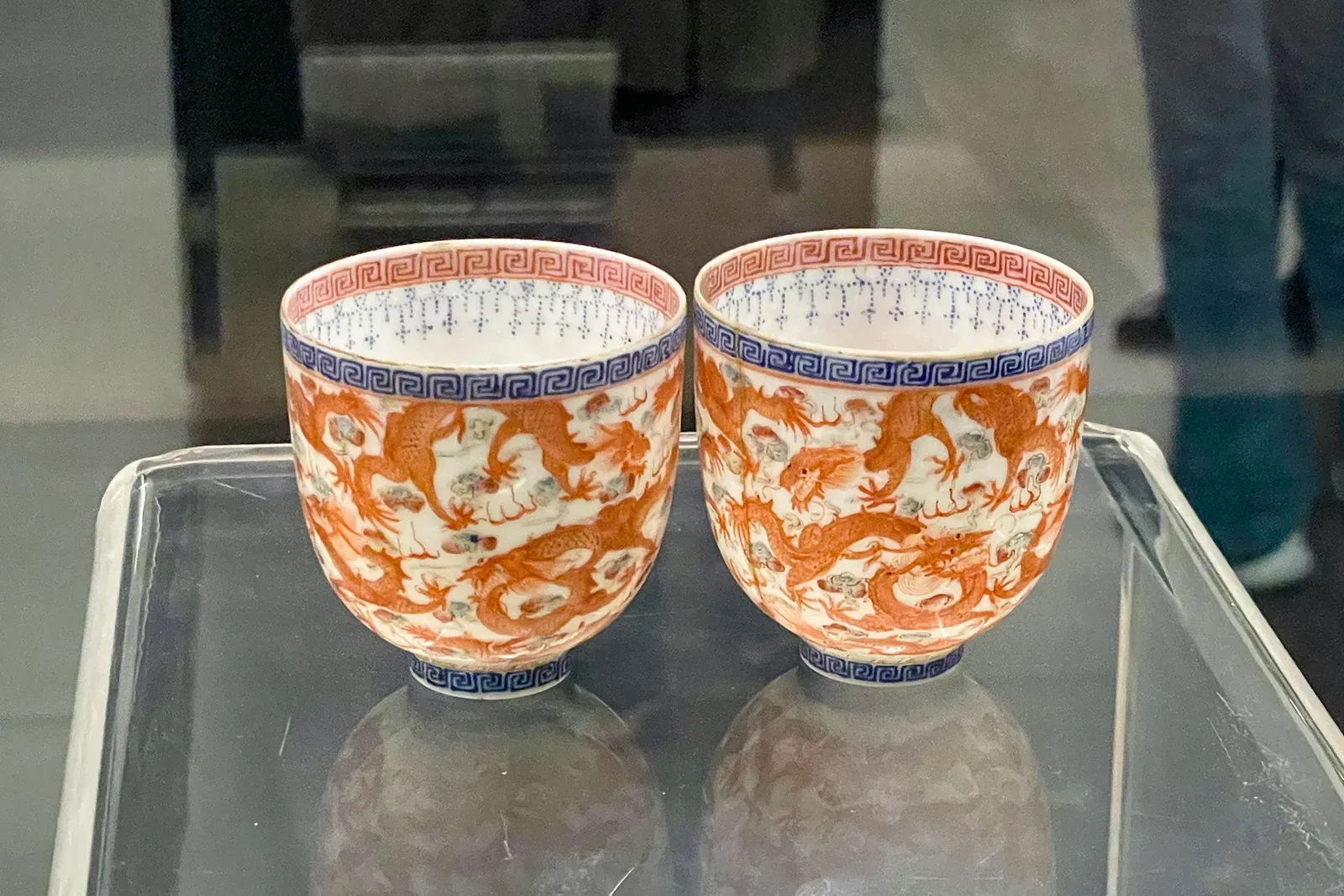
20th century 72 pc set sold for $30,000 in 2023; 20th century 37 pc set sold for $3,600 in 2020. The pattern showcases dramatic dragons chasing flaming pearls, often surrounded by intricate butterflies, florals, and birds in the distinctive Famille Rose palette. Dating from roughly 1875 through 1908, these pieces represent a golden age of Chinese export porcelain. The vibrant enamel colors and mythological symbolism resonate strongly with collectors who appreciate both artistic merit and cultural significance. Condition matters tremendously with this pattern, as the enamel decoration can be quite fragile.
Herend Queen Victoria
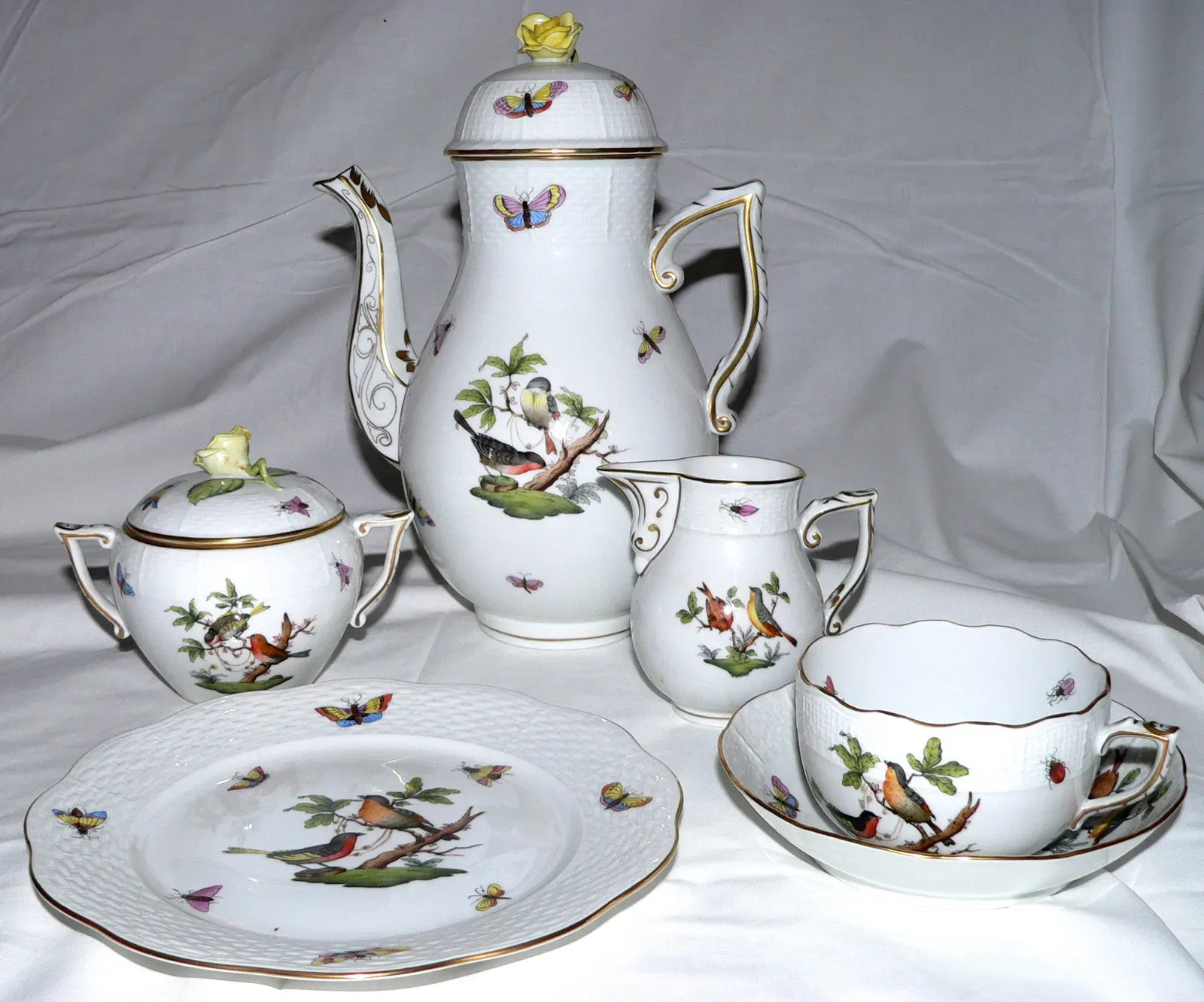
20th century 170+ pc set sold for $9,500 in 2024. This china pattern was first presented during the London World Exhibition in 1851, where it caught the eye of Queen Victoria, who ordered a large table service in the pattern for Windsor Castle, and the pattern was subsequently named Queen Victoria and became one of Herend’s most popular designs. A 120+ pc set sold for $5,500 in 2025. The Hungarian manufacturer’s meticulous hand-painting using ground platinum creates pieces that are essentially wearable art, and the royal provenance adds considerable cachet to an already stunning pattern.
Sèvres Green Ground Services
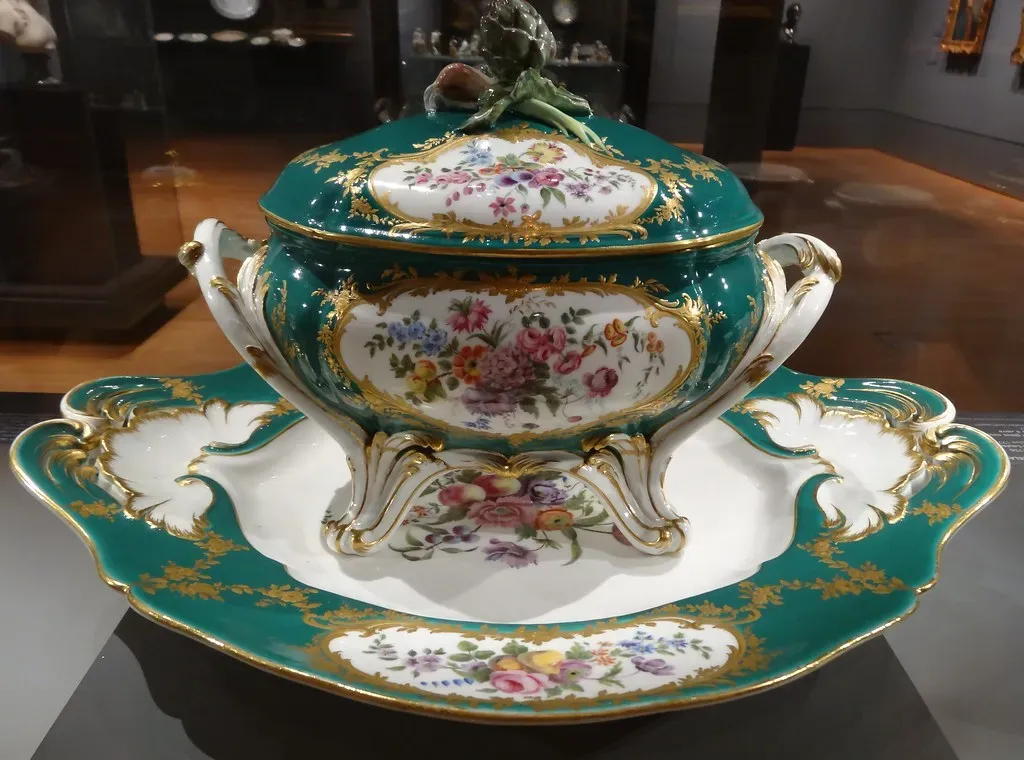
A 24 pc set sold for $94,500 in 2023. Mid to late 18th century pieces are painted with groups of fruit and flowers reserved within variant by gilt foliate trails and palms. These French porcelain treasures from the Sèvres manufactory represent the absolute pinnacle of European ceramic artistry. The rich green ground provides a stunning backdrop for the elaborate hand-painted reserves. Pieces from this period are exceptionally rare, as they were originally created exclusively for aristocratic and royal households. Even small imperfections are often forgiven by collectors given the historical importance and extreme scarcity of authentic Sèvres pieces.
The vintage china market has proven surprisingly resilient even as younger generations show less interest in formal dining. What’s driving values? Scarcity matters most. Many of these patterns either are no longer in production or produced in extremely limited quantities. Provenance plays a role too, particularly for pieces with royal connections or museum pedigree. Condition remains paramount across the board, with mint examples commanding significant premiums over damaged pieces.
Did you happen to inherit any china? It might be worth checking those backstamps and pattern numbers against current auction results. You could be sitting on a small fortune without even realizing it.