7 Strange Things People Once Thought Were Healthy
Throughout history, humans have consumed some truly bizarre substances believing they would cure ailments or boost vitality. Today’s medical knowledge makes these choices seem almost comical, yet they reveal just how drastically our understanding of nutrition and health has evolved. What once seemed like miraculous cures turned out to be dangerous toxins, addictive drugs, or simply useless concoctions marketed to desperate people seeking better health.
Radium Water – The Glowing Energy Drink
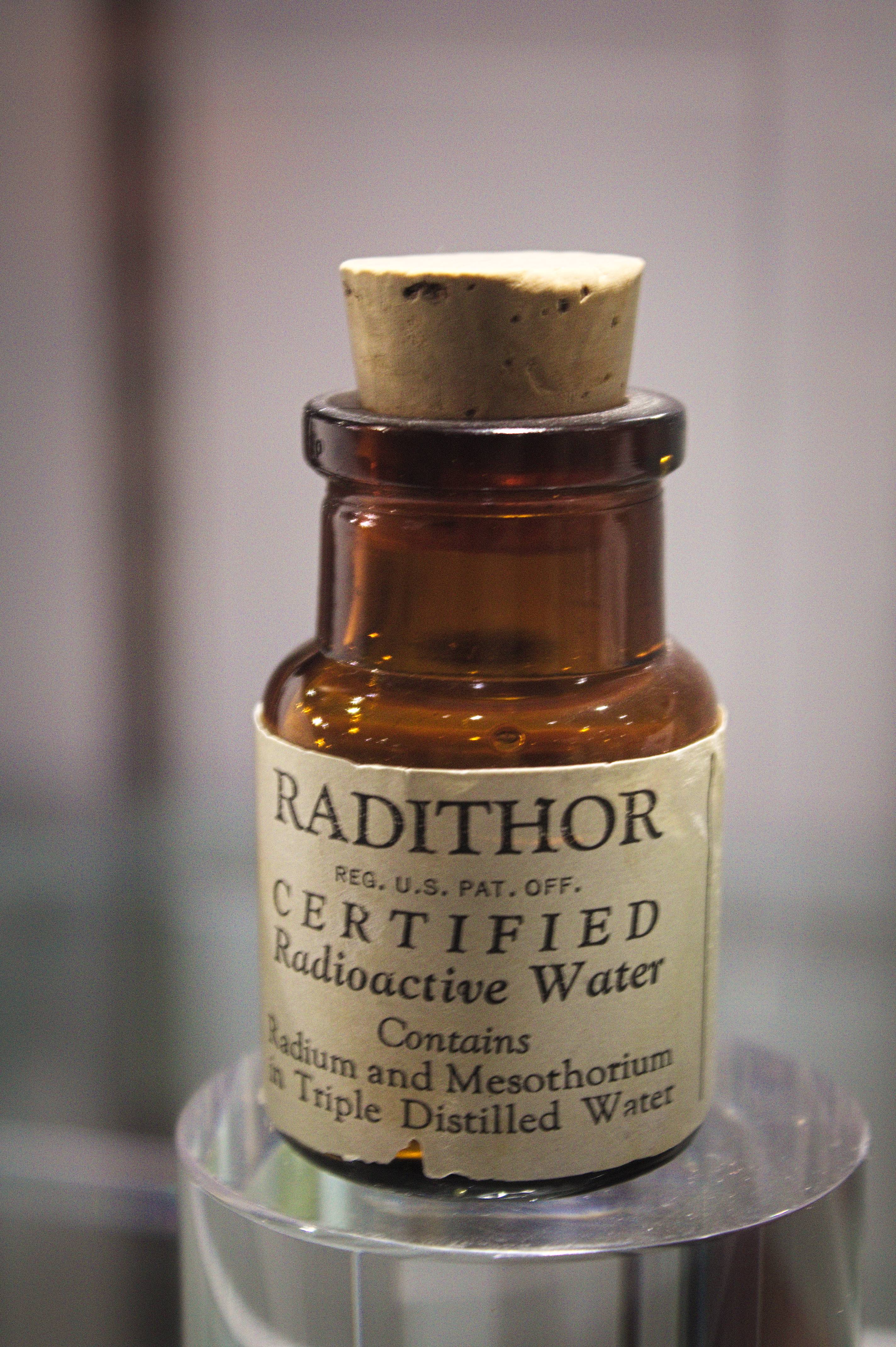
RadiThor was developed by William J. A. Bailey, a Harvard dropout with no medical background. The drink consisted of radium dissolved in water and was marketed with catchy slogans such as “A Cure for the Living Dead” and “Perpetual Sunshine.” At the time, the harmful effects of radiation exposure were not well-understood, and radium was believed to possess health benefits. As a result, products containing radium, such as RadiThor, gained popularity among those seeking a quick energy boost.
Companies like the Radium Ore Revigator sold water that had been stored in radium-lined containers, promising it would cure everything from arthritis to impotence. People would drink this glowing concoction daily. The radioactive water supposedly rejuvenated tired organs and restored youthful vigor to aging bodies.
Cocaine-Laced Coca-Cola and Medical Tonics

The most popular example is Coca-Cola, which was first created on May 8, 1886 by Georgia-based pharmacist John Stith Pemberton. The sugary soda was originally marketed as a “nerve tonic.” Ads from the 19th century promote the drink, which contained a few milligrams of cocaine per glass, as a way to increase intelligence, relieve exhaustion, and cope with emotions like hysteria and melancholy.
If radium water was the fad of the elite, cocaine tonics were the stimulant of the aspiring classes. In the late nineteenth and early twentieth centuries, cocaine was widely available in patent medicines, sold in formulations promising to sharpen wit, banish fatigue, and restore flagging spirits. Even respected physicians prescribed it for depression and morphine addiction. The allure was amplified by endorsements from figures like Sigmund Freud, who extolled its virtues before its addictive potential and destructive neurological effects were fully recognized.
Heroin as Cough Medicine for Children

Bayer – the same company that gave us aspirin – also brought us heroin as a cough suppressant and pain reliever in the 1890s. They marketed it as a non-addictive alternative to morphine, which turned out to be spectacularly wrong. Families would give this potent narcotic to children for simple coughs, unknowingly creating tiny addicts.
Heroin was first synthesized in the late 19th century during an attempt to create a less potent and less addictive alternative to morphine. However, the result was a substance that was significantly more potent than morphine. Despite its highly addictive nature, heroin was initially embraced by the medical community and prescribed for various ailments, including coughs, back pain, and insomnia. From 1898 to 1910, heroin was marketed as a non-addictive morphine substitute, and it was even used as an ingredient in cough syrups.
Cigarettes Endorsed by Doctors
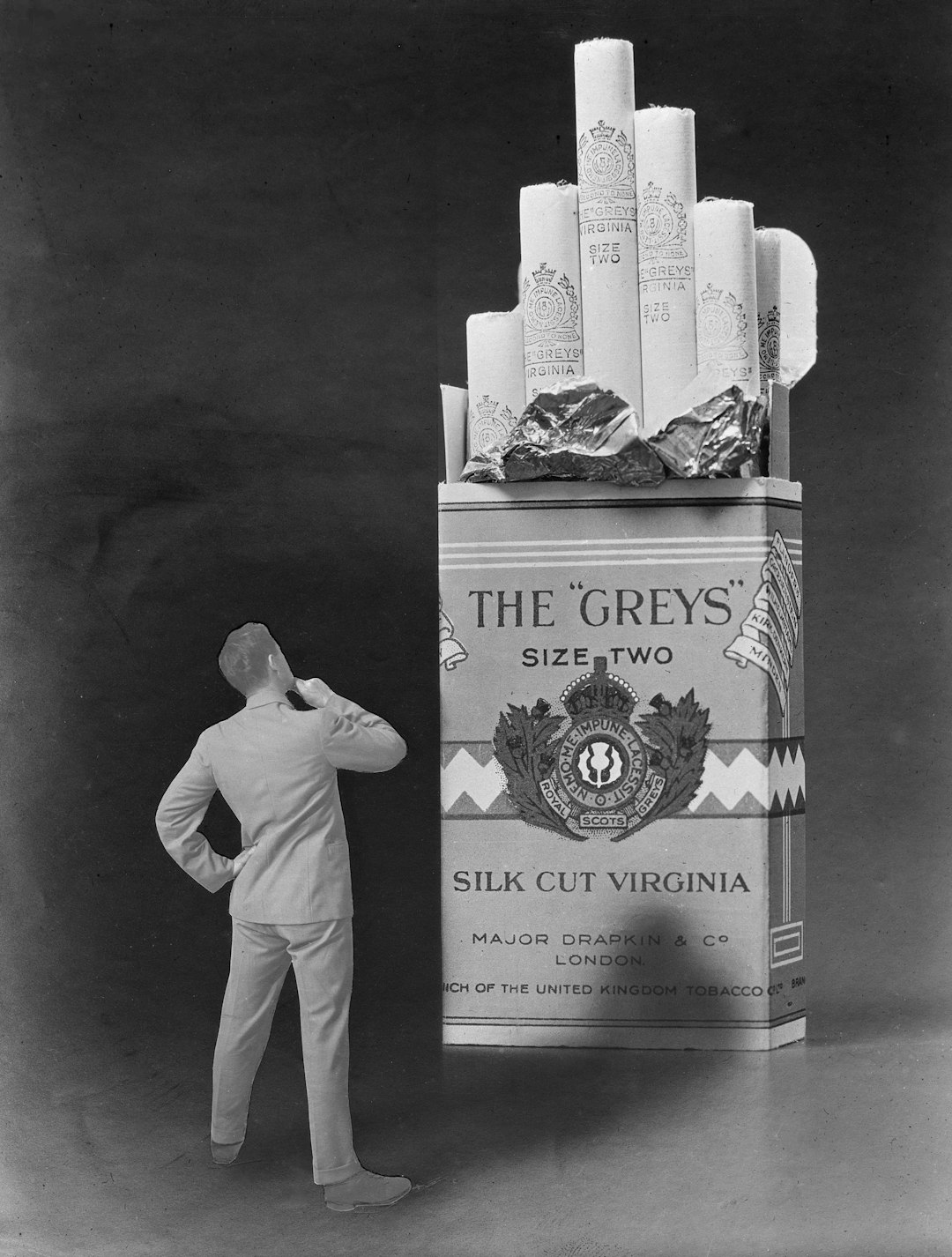
In the 1930s and 40s, tobacco companies would happily tell you it was theirs. Doctors hadn’t yet discovered a clear link between smoking and lung cancer, and a majority of them actually smoked cigarettes. So in cigarette ads, tobacco companies used doctors’ authority to make their claims about their cigarettes seem more legitimate.
20,679 physicians say ‘Luckies are less irritating,” its advertisements proclaimed. The advertising firm that promoted Lucky Strikes had sent physicians free cartons of the cigarettes and asked them whether Lucky Strikes were less irritating to ‘sensitive and tender’ throats. The company claimed that its toasting process made its cigarettes a smoother smoke. Until 1953, JAMA accepted cigarette advertisements that encouraged physicians to recommend certain brands to their patients and that touted health benefits for filtered cigarettes and for brands with less nicotine.
Opium-Based Baby Soothing Syrups
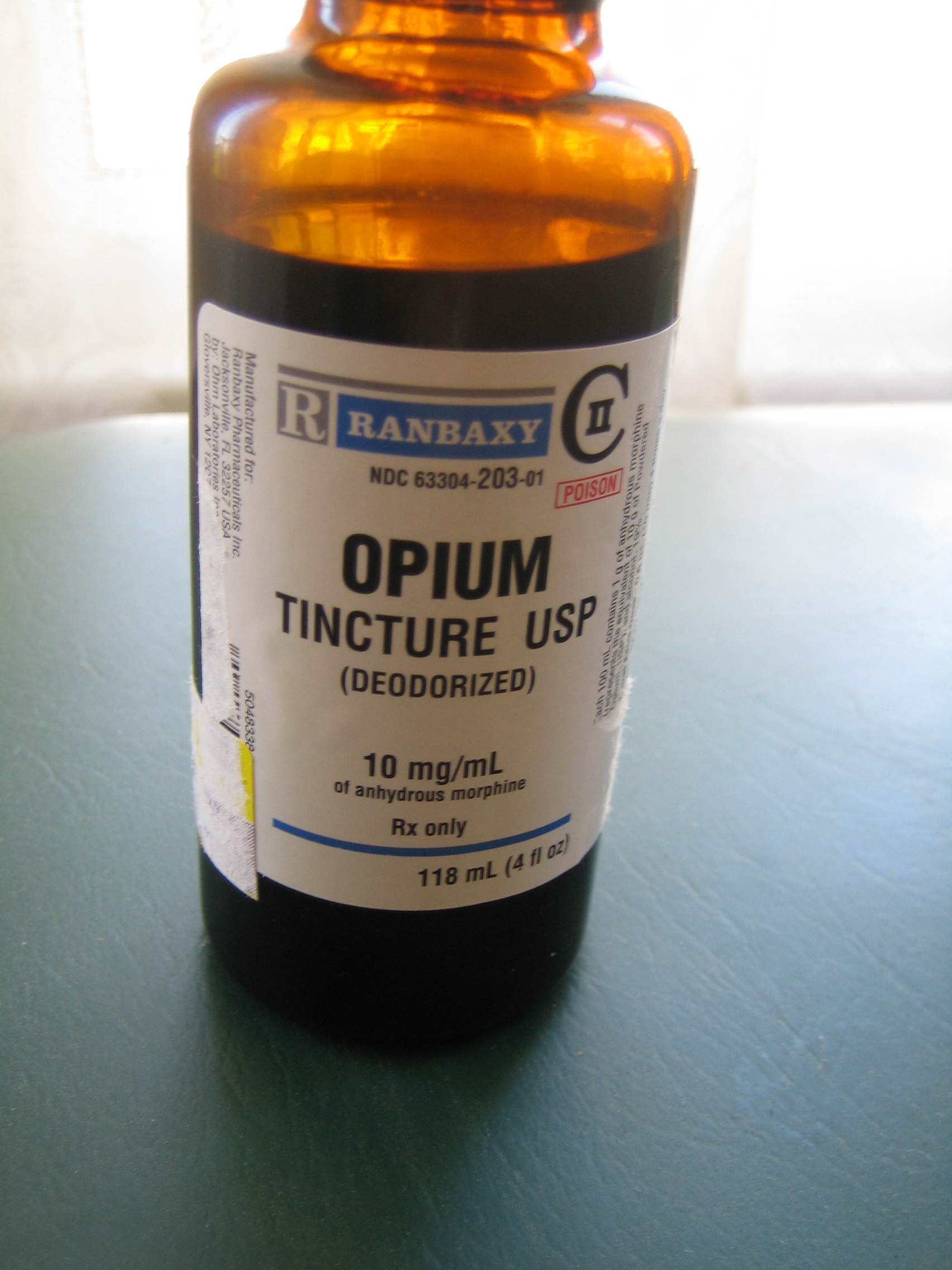
Winslow’s Soothing Syrup became a household name in the 19th century, marketed specifically for teething infants and fussy children. The secret ingredient? Opium – which certainly calmed crying babies yet also led to addiction and overdoses. Parents had no idea they were essentially drugging their children into submission.
But doctors have favored it throughout history, especially to control coughing and diarrhea. “It was regarded as an all-purpose drug. One physician called it ‘God’s own medicine,'” says James C. Whorton, PhD, a medical historian and professor at the University of Washington School of Medicine. Victorian families kept laudanum bottles alongside aspirin, using the opium-based tincture for everything from headaches to crying babies.
Mercury Treatments for Multiple Ailments

Another unusual remedy was using mercury to treat venereal diseases, mainly syphilis. Mercury was effective in treating leprosy (Hansen’s disease) in the Middle Ages – and it was thought that syphilis was related to leprosy. Throughout history, mercury has been used for various medicinal purposes, despite the serious health risks associated with it. In modern times, we understand that exposure to mercury can have severe consequences, including damage to internal organs like the lungs and kidneys, and in some cases, can even be fatal.
Doctors believed mercury could purge the body of disease, not realizing they were essentially poisoning their patients. The toxic metal was prescribed in various forms, from pills to ointments, causing devastating side effects that patients endured believing the cure would eventually work.
Patent Medicines with Hidden Alcohol and Drugs
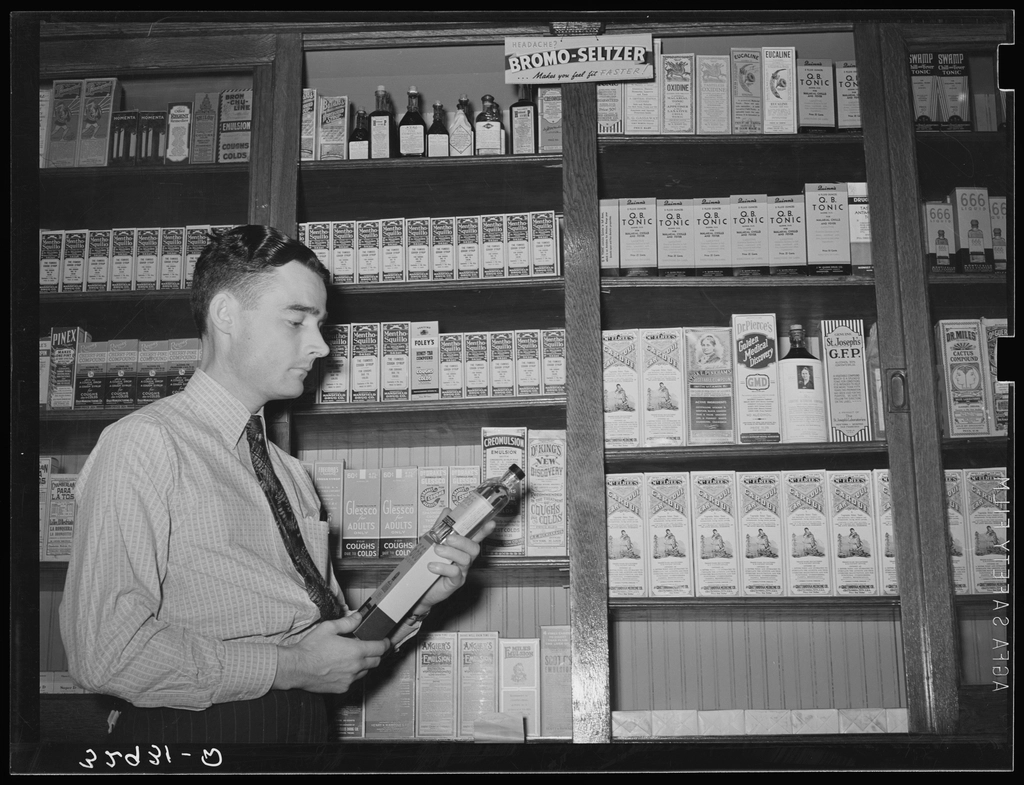
Many of these concoctions contained a blend of vegetable compounds mixed with alcohol, morphine, opium, or cocaine. It wasn’t until the passage of the 1906 Pure Food and Drugs Act that Congress banned the use of dangerous or addictive ingredients in drugs, marking a significant turning point. It is important to realize, however, that before the appearance of the Food and Drug Administration in the United States and similar regulatory government agencies in Europe and the UK, a great many respectable people imbibed narcotics and alcohol in the form of patent medicines and even soft drinks. Coca Cola, after all, has its name because once upon a time it contained a minute amount of cocaine, which was thought to be a healthy stimulant, and many teetotaling women relied on daily doses of tonics that, unknown to them, contained as much alcohol as whiskey or gin.
These miracle cures promised everything from increased energy to eternal youth. Families trusted these remedies without knowing the dangerous ingredients that made them feel temporarily better while slowly creating dependency and long-term health problems.
The transition from these dangerous remedies to evidence-based medicine represents one of humanity’s greatest achievements. These historical mistakes remind us how easily fear, hope, and limited scientific understanding can lead people astray. What do you think future generations will say about our current health trends?