10 Prohibited Foods That Americans Continue to Eat Every Day
Ever wonder what’s actually in your favorite snacks and everyday foods? It’s honestly a little unsettling when you dig into it. While you’re going about your morning routine, grabbing that colorful cereal or biting into a convenient slice of white bread, you might be consuming ingredients that other developed countries have straight up banned. We’re not talking about obscure, rare items here. These are foods sitting on American grocery shelves right now, things you probably ate this week.
The gap between what’s considered safe in the United States versus Europe or Canada is wider than most people realize. I think what makes this really striking is that many of these additives aren’t improving nutrition or even taste, they’re just making food look better or last longer on shelves. Let’s be real, that’s a trade off worth questioning.
Artificial Food Dyes: The Rainbow of Risk
Synthetic food dyes, like Red 40 and Yellow 5, are commonly used in a wide variety of foods and beverages sold in the U.S. Walk down any grocery aisle and you’ll spot them in cereals, candies, drinks, and even some surprising places like sandwich bread. Red No. 40, Yellow No. 5 or Yellow No. 6 – which account for 90 percent of food dyes used in the U.S. are everywhere.
A review of the existing research, published in 2022, found evidence from both animal and human studies that suggested artificial food dyes can affect behavior in children. However, it can cause hyperactivity and might make ADHD symptoms worse. The European Union requires warning labels on foods containing certain synthetic dyes, stating they “may have an adverse effect on activity and attention in children.” Here’s the thing: American kids don’t get that warning.
In January 2025, the U.S. Food and Drug Administration (FDA) announced a ban on the use of Red Dye No. 3 in all foods and ingested drugs, with enforcement scheduled to begin on January 15, 2027, for foods and January 15, 2028, for ingested drugs. Still, that’s years away, and other dyes remain perfectly legal.
Brominated Vegetable Oil: The Soda Secret
In July 2024, the FDA revoked regulations allowing the use of BVO in food, following a proposal made in November 2023, after finding the potential for adverse health effects in humans, including headaches and nervous system damage. Yet for decades before that, Americans were drinking it in citrus flavored sodas and sports drinks. It was used in small amounts to keep the citrus flavoring from floating to the top in some beverages.
BVO leaves residues of bromine triglycerides in body fat and fat in the liver, heart, and brain, and excessive bromine accumulation in the body results in bromine toxicity, which causes damage to the central nervous system, headaches, nausea, memory loss, and loss of coordination. The European Union banned it in the 1970s, but it took the U.S. until 2024 to catch up. The USDA Global Branded Food Products Database lists some 600 products that may still contain BVO.
Though major brands like Coca Cola and PepsiCo reformulated years ago, store brand sodas and regional products might still have old stock floating around. Check those ingredient labels carefully.
Potassium Bromate: The Bread Booster Nobody Talks About

This one hits close to home because bread is such a staple food. Many packaged baked goods are made with flour that may contain potassium bromate, an additive linked to cancer, and the chemical is added to flour to strengthen dough and allow it to rise higher. Sounds useful, right? Except potassium bromate is classified as a category 2B carcinogen by the IARC.
Because of these health concerns, the United Kingdom, Canada, Brazil and the European Union, among other countries, have banned potassium bromate, yet it’s still legal for use in food sold in most of the U.S. Tests in the U.K. found that potassium bromate remains detectable after baking, with all six unwrapped breads and seven out of 22 packaged breads tested found to have measurable levels.
California requires a warning label on products containing it, so most bakers there avoid it altogether. EWG has identified over 200 products that contain potassium bromate, including Gomez flour tortillas, Hy Vee blueberry crisp and Hanover baked sourdough soft pretzels, among others. The fact that it’s been around since 1914 doesn’t make it safer, it just means it got grandfathered into our food system before stricter regulations existed.
Ractopamine: The Growth Promoter in American Meat
In over 100 countries, American made pork has been banned due to the use of substances like ractopamine, which is used to promote growth in pigs. This drug makes animals grow leaner and faster, which is great for producers’ bottom line but questionable for consumers. The animal drug ractopamine, which is administered to animals on U.S. farms to promote lean growth in pigs and cattle before slaughter, is banned in Europe.
The catch? These substances are not required to be listed on labels. You literally can’t tell by looking at a package whether the pork chop you’re buying contains residues from these growth promoters. The EU says ractopamine’s “risks to human health cannot be ruled out.”
If you want to avoid it, look for meat certified by the American Grassfed Association or buy from trusted local farmers who don’t use these additives. It’s hard to say for sure, but many experts believe consumers deserve more transparency about what’s in their meat.
Azodicarbonamide: The Yoga Mat Chemical in Your Sandwich

Here’s where it gets really weird. In some countries, pre processed French fries are banned if they contain azodicarbonamide, a substance added to extend their shelf life, and azodicarbonamide can be harmful to individuals diagnosed with asthma. This chemical is also used in bread dough as a whitening agent and dough conditioner.
When exposed to heat (as in bread baking) azodicarbonamide degrades into semicarbazide, a known carcinogen that has been shown to cause tumors in animal studies.. The truly bizarre part is that this same chemical is used to make yoga mats and shoe soles. Let that sink in for a moment.
The FDA still considers it safe when used at approved levels, though that hasn’t stopped consumer backlash. Several major chains stopped using it after public pressure, though plenty of products still contain it.
Titanium Dioxide: The White Wonder That Worries Scientists
In 2022, the European Food Safety Authority banned titanium dioxide, saying that after reviewing thousands of studies, it could no longer consider the additive safe because it has the potential to damage DNA or cause chromosomal damage. Meanwhile, the FDA still allows it in countless American products. In the U.S., it’s still found in many confections, including Sour Patch Kids watermelon candies, Hostess chocolate cupcakes and Hostess powdered Donettes, Friendly’s cake singles birthday cake ice cream, Zweet sour belts, and Skittles.
This whitening agent makes candies brighter and more appealing to the eye, particularly for kids. “A chemical that builds up in the body and could harm the immune and nervous systems should not be in candies and treats marketed to children,” says Melanie Benesh, vice president of governmental affairs at Environmental Working Group.
California attempted to ban it alongside other additives, though progress has been slow. The disparity between European and American standards here is genuinely striking.
BHA and BHT: The Preservatives That Won’t Quit
BHA and BHT are preservatives and flavor enhancers that face “severe restrictions in Europe.” You’ll find them in everything from cereals to snack foods to meat products, helping food stay fresh longer on store shelves. BHA is listed as a known carcinogen under California’s Proposition 65, and these designations are based on consistent evidence that BHA causes tumors in animals.
The European Union classifies BHA as an endocrine disruptor because at higher doses, it can lower testosterone and affect thyroid hormones. Despite this, the FDA considers both BHA and BHT generally safe for consumption. The amounts used in foods are small, supporters argue, but they accumulate over time with repeated exposure.
Let’s be honest, if you’re eating packaged snacks regularly, you’re probably consuming these preservatives whether you know it or not.
Propylparaben: The Hidden Preservative
Propylparaben is a preservative, shown to potentially disrupt fertility and endocrine function. It’s used in foods like trail mix, baked goods, tortillas, and sausages to prevent microbial growth. Propylparaben is used as an antimicrobial agent for preservation in foods, but linked to health problems such as arthritic inflammation, reproductive issues, and breast cancer.
European regulators have restricted its use based on concerns about hormone disruption, but American food manufacturers continue using it freely. In September 2023, California Governor Gavin Newsom approved a law that would ban the manufacture, sale, and distribution of brominated vegetable oil, along with three other additives (potassium bromate, propylparaben, and Red 3). That law doesn’t take effect until 2027, giving companies years to reformulate.
It’s another one of those ingredients you’d never guess was in your food unless you read every label carefully. Most people don’t even know what propylparaben is, let alone that they’re eating it.
Chlorine Washed Chicken: The Poultry Problem
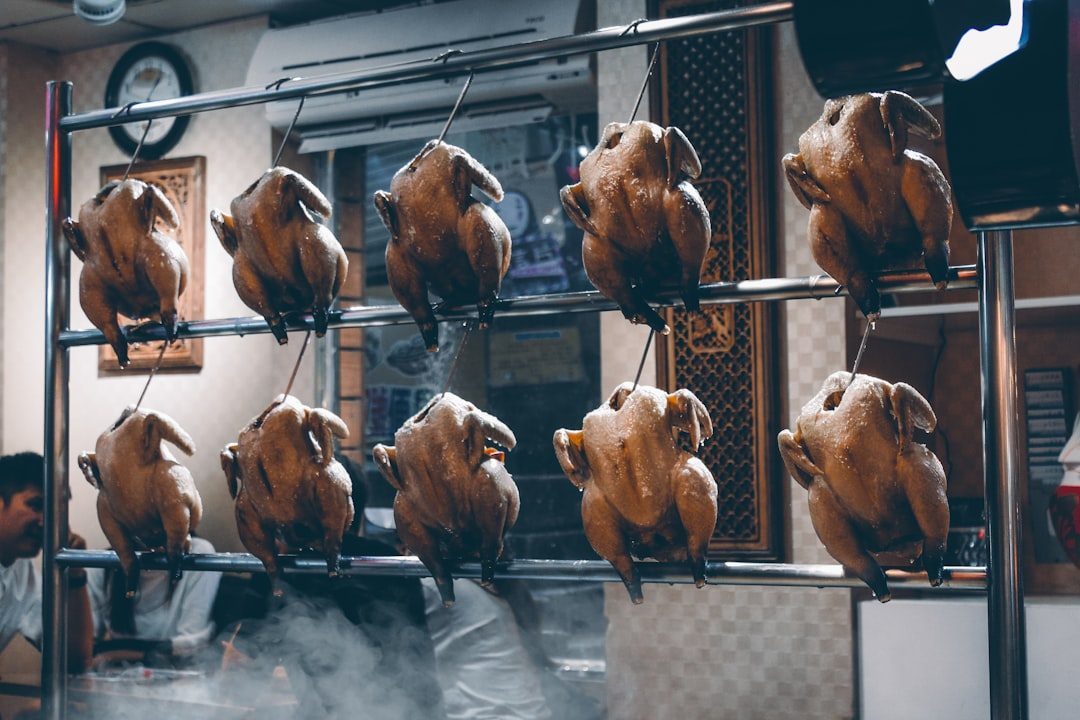
American chicken processing plants commonly use chlorine washes to kill bacteria, a practice banned throughout the European Union. The EU banned chemical bleaching agents, including chlorine, bromates, and peroxides, in the 1990s. The concern isn’t necessarily about chlorine residue on the meat itself, but rather what this practice signals about overall food safety standards.
European regulators argue that relying on chemical washes at the end of processing allows for lower hygiene standards throughout the production chain. They prefer preventing contamination in the first place rather than sanitizing it away at the end. It’s a fundamentally different approach to food safety philosophy.
American regulators maintain that chlorine washing is both safe and effective, pointing out that chlorine is already used to sanitize drinking water. Still, the fact remains that American chicken can’t be sold in Europe because of this practice.
The GRAS Loophole: When Food Companies Police Themselves
According to Thomas Galligan, the principal scientist for food additives and supplements at the Center for Science in the Public Interest, “The food industry is allowed to self determine that a substance is generally recognized as safe,” allowing it to bypass the Food and Drug Administration. This is perhaps the most concerning issue underlying all the others on this list.
Nearly 99% of new chemicals introduced in the U.S. food supply between 2000 and 2021 came through GRAS notices, rather than FDA review. Think about that for a second. Companies are essentially certifying their own ingredients as safe without independent government review. The US doesn’t have a system in place for re evaluation, and the United States has no such process. If something was approved in 1940, there is no process to re evaluate the safety of that ingredient on a regular basis.
In 2022, a company called Daily Harvest started adding a substance called tara flour to its lentil and leek crumbles product, labeling the additive GRAS. That year, nearly 400 people became sick from the product. Some people got so sick that their livers malfunctioned and they had to have their gallbladders removed. The culprit was likely tara flour – yet the FDA has not banned it.
The truth is that our food safety system has some serious gaps. While the FDA is starting to take action on some of these ingredients, change happens painfully slowly. You have to wonder how many more decades it will take to align American standards with the rest of the developed world. In the meantime, reading labels and making informed choices is really the only defense consumers have.