Americans Are Stockpiling Coins – Here’s What Experts Say They’re Worth
Something strange is happening in America’s coin jars, piggy banks, and forgotten drawers. There’s currently over $48 billion in coins sitting idly in more than 128 million American households, while businesses struggle to keep enough change on hand. Banking representatives confirm that Americans are stockpiling pennies instead of circulating them through commercial transactions, creating a phenomenon that’s both perplexing and potentially profitable for those who know what they’re holding.
The Penny Stockpiling Surge Has Created a National Shortage
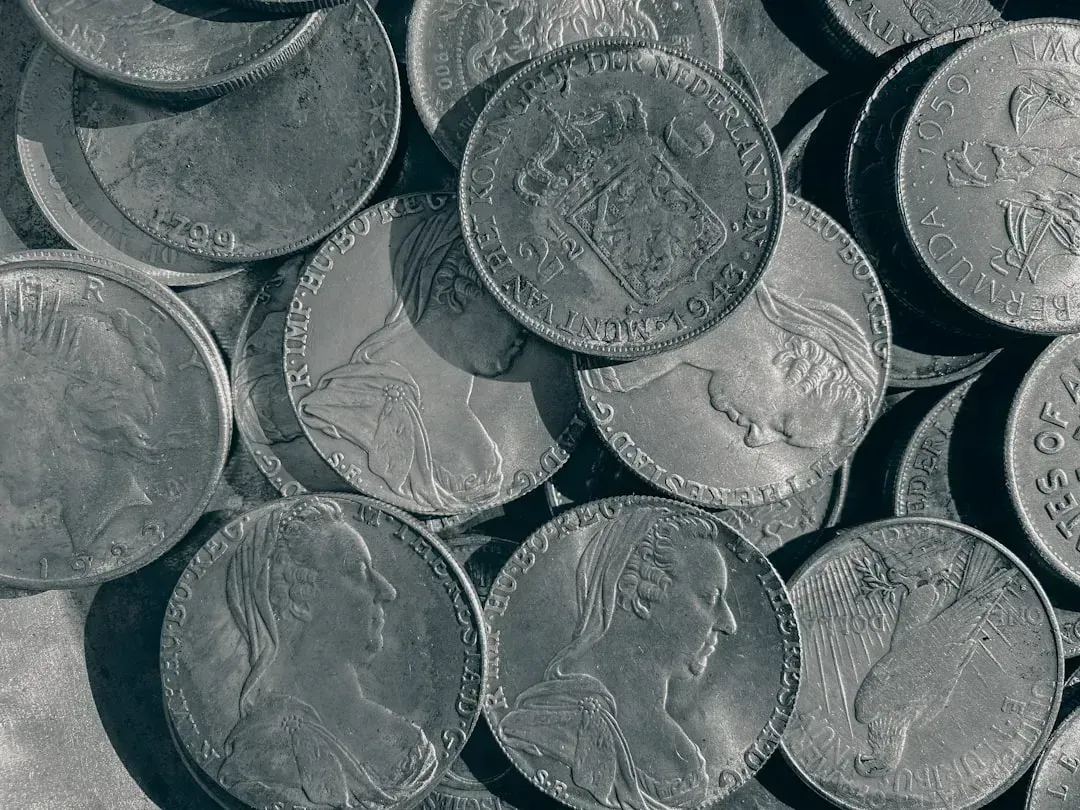
Some businesses have been preparing for months by stockpiling bags of pennies after President Trump announced the penny’s end in February, noting it cost taxpayers about 3.69 cents to make each one. The U.S. Mint stopped producing new pennies in 2025, leading to what industry experts call a circulation crisis rather than a true shortage. Many people stash pennies in jars or drawers, and without new ones being minted, banks and retailers are relying solely on recycled coins. This hoarding behavior has created localized supply issues across the country, particularly affecting cash-dependent businesses like gas stations and convenience stores.
The 1943 Bronze Lincoln Penny Could Net You Millions
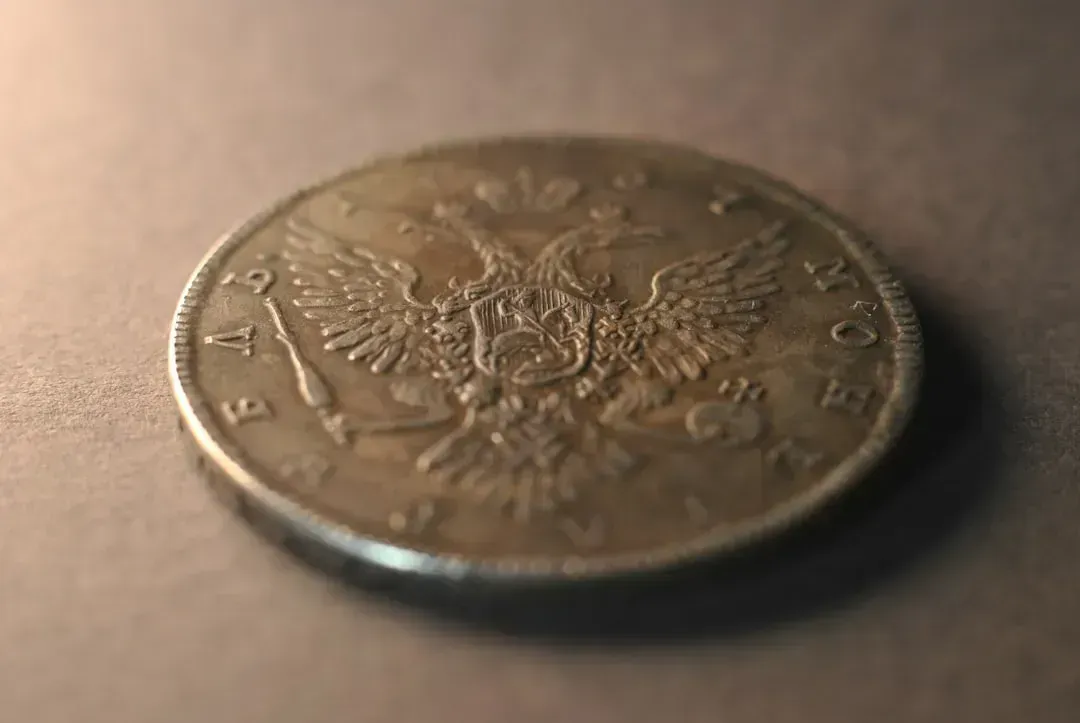
Here’s where things get really interesting. During World War II, a few pennies were mistakenly made of bronze instead of steel, and these are extremely rare and valuable, with one selling for $1.7 million in 2010. Only one copy of the Denver-minted version is known to exist. If you happen to have wheat pennies from 1943 in your collection, you might want to take them to a coin dealer immediately. The bronze composition was an accident that turned these ordinary pennies into extraordinary treasures, and they continue to break auction records.
Rare Coins Are Experiencing Unprecedented Market Growth
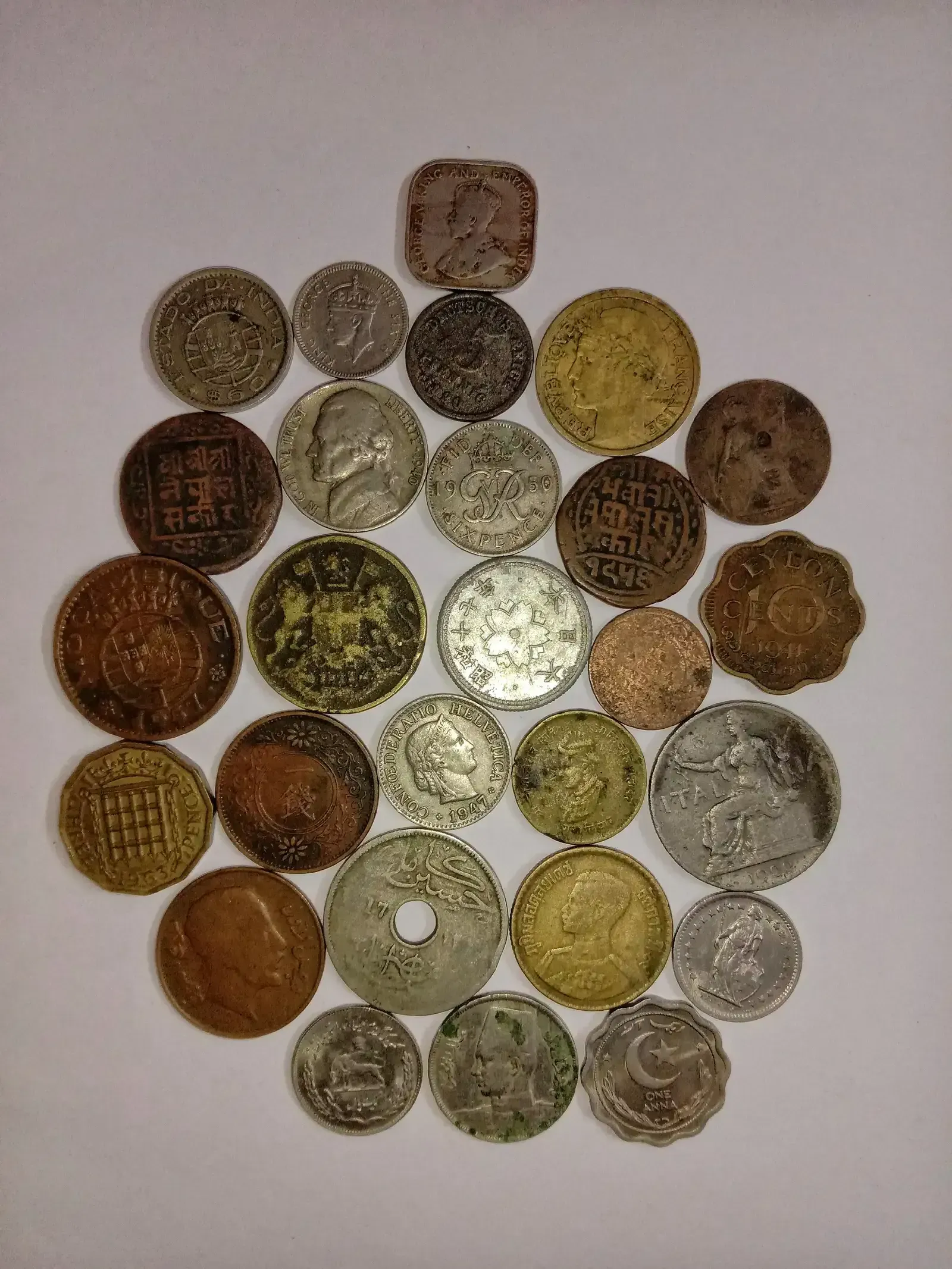
In 2024, the numismatic market surpassed $6 billion in annual total volume, with the global coin collecting market valued at $18.1 billion and projected to climb to $43.9 billion by 2034. That’s roughly an 8.5% annual growth rate, which honestly outpaces many traditional investments. The coin collecting market is projected to grow at 8.08% from 2024 to 2035, driven by increasing digital platforms, rising collector demographics, and enhanced investment interest. This isn’t just a hobby anymore – it’s becoming a legitimate alternative asset class for diversifying investment portfolios.
The 1909-S VDB Lincoln Cent Remains a Top Collector Target
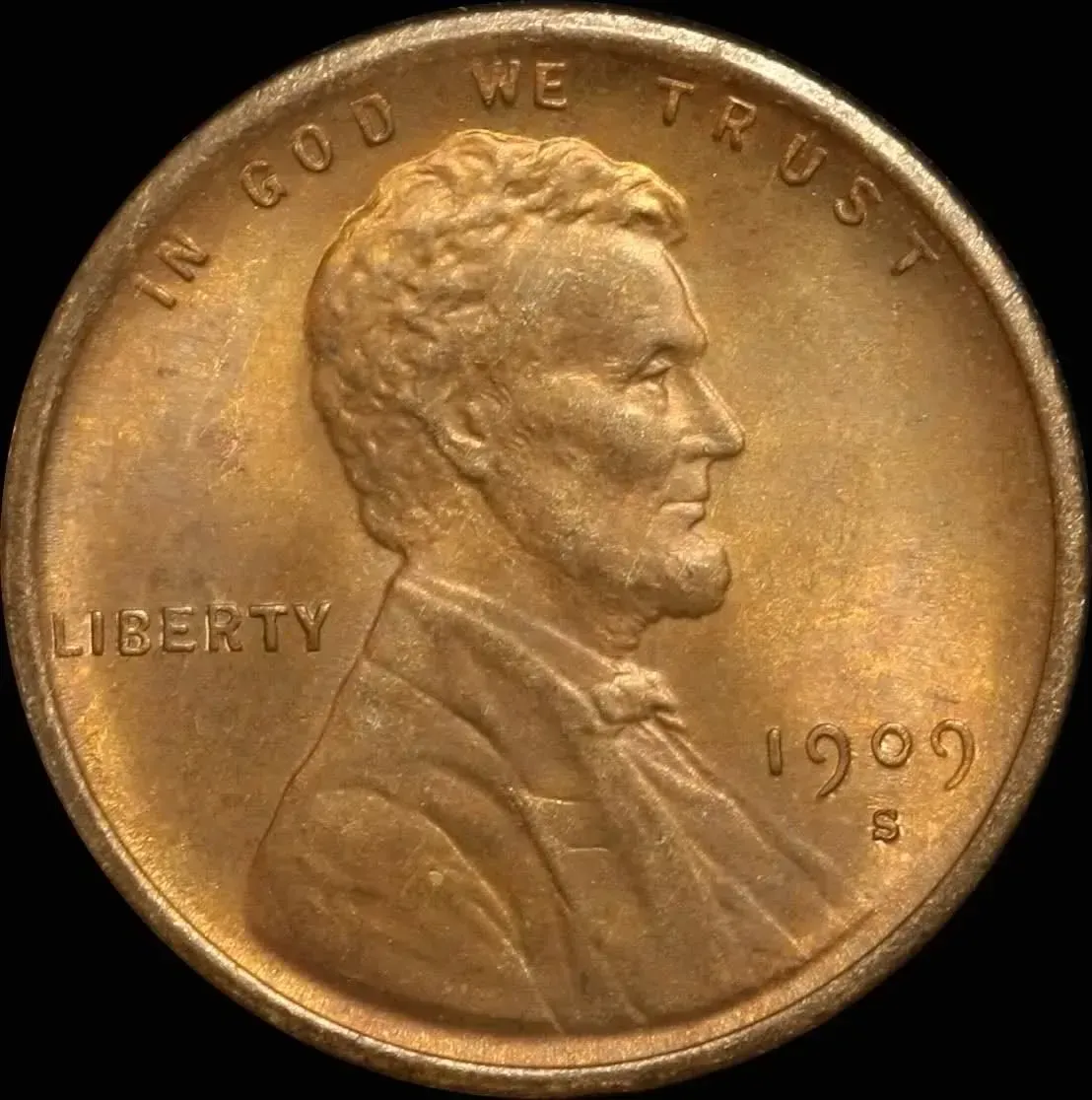
The 1909-S VDB Lincoln cent is one of the most valuable, often worth thousands of dollars due to its low mintage. Victor David Brenner designed this coin with his initials on the reverse, which created public controversy and prompted the Mint to halt production and remove them. This brief production window makes these pennies incredibly scarce. Circulated examples can fetch several hundred dollars, while uncirculated specimens in excellent condition command prices in the thousands. It’s the kind of coin that could be hiding in an old family collection, passed down through generations without anyone realizing its current market value.
Modern Error Coins Can Be Worth Substantial Amounts
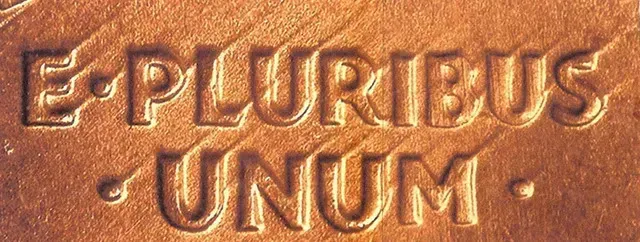
Think only ancient coins are valuable? Think again. The 1999 Abraham Lincoln penny with an error in the letters ‘A’ and ‘M’ within the word ‘America’ could be worth between $5 and $600. Presidential dollar coins from 2007 missing letters on the edges could sell between $50 and $3,000. These modern errors prove that valuable coins aren’t just relics from centuries past. Minting mistakes happen regularly, and when they slip through quality control, they become instant collectibles. The key is knowing what to look for in your everyday pocket change.
Silver Coins Dated Before 1965 Hold Intrinsic Metal Value
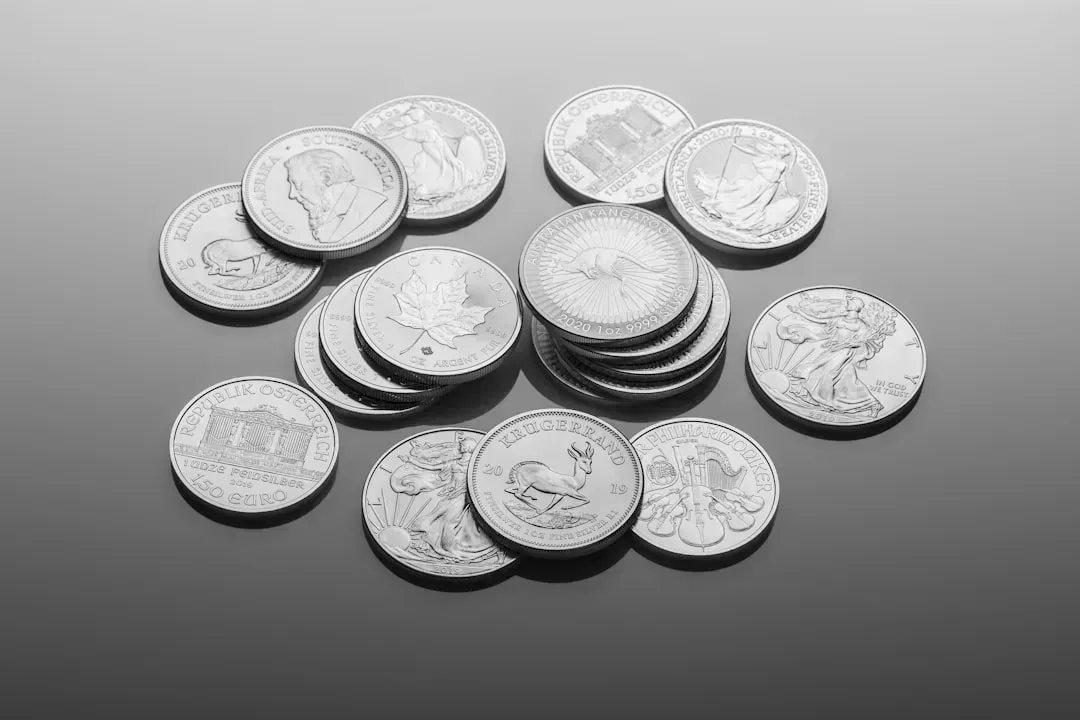
All dimes before 1965 were made of silver and are worth about $2 apiece. The same applies to quarters from that era. This means any pre-1965 dime or quarter you find is automatically worth more than its face value based solely on silver content. War nickels from 1942 to 1945 are made of silver and worth about $1. These aren’t rare finds necessarily, but they represent guaranteed returns. The intrinsic metal value provides a floor price that rises and falls with precious metal markets.
The 1913 Liberty Head Nickel Could Hit $5 Million by 2025
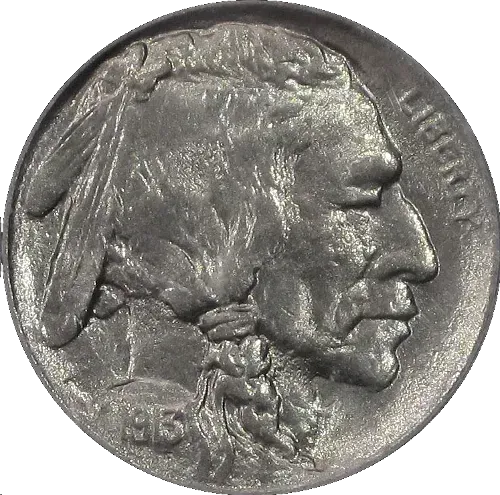
Only five specimens of the 1913 Liberty Head nickel are known to exist, and experts predict that top specimens could bring their value to $5 million or more. In 2010, one of these nickels sold for $3.7 million at auction. The mythical status of this coin among collectors stems from its mysterious origins and extreme rarity. While the odds of finding one in circulation are essentially zero, it represents the pinnacle of what American coinage can be worth. It’s the stuff of numismatic legend.
The 1804 Silver Dollar Commands Multi-Million Dollar Prices
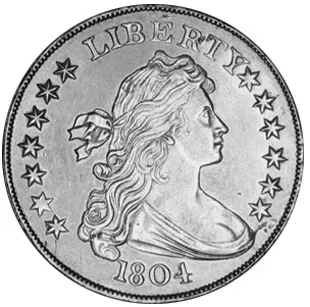
The 1804 silver dollar, often referred to as the ‘King of American Coins,’ has only 15 known specimens, with prices for top-quality examples reaching $7.86 million. According to Ian Russell from Great Collections, this trophy coin is likely to gain even more value. What makes this particularly fascinating is that these coins weren’t actually minted in 1804 – they were struck decades later as diplomatic gifts. The historical intrigue combined with extreme scarcity makes them among the most coveted coins in existence. They rarely come to market, and when they do, wealthy collectors compete fiercely.
Collectors Are Shifting Toward Investment-Grade Numismatics
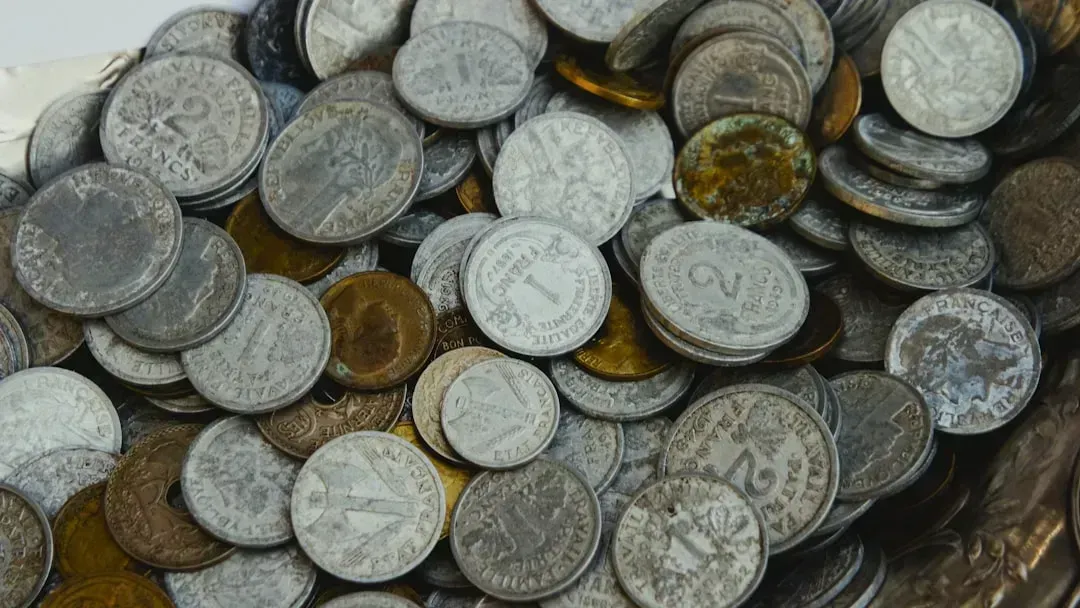
Many people are turning to numismatics as a way to diversify their investment portfolio, with collectible coins increasingly in the mix alongside traditional gold and silver bullion. A report from Blanchard showed that coins had an average annual return of 11.0% between 1979 and 2016, outperforming gold and treasury bonds. This performance data has caught the attention of serious investors looking for alternative assets. The tangible nature of coins, combined with their historical significance and aesthetic appeal, offers something that stocks and bonds simply can’t match – a physical piece of history that can potentially appreciate substantially over time.
Digital Platforms Are Revolutionizing Coin Trading
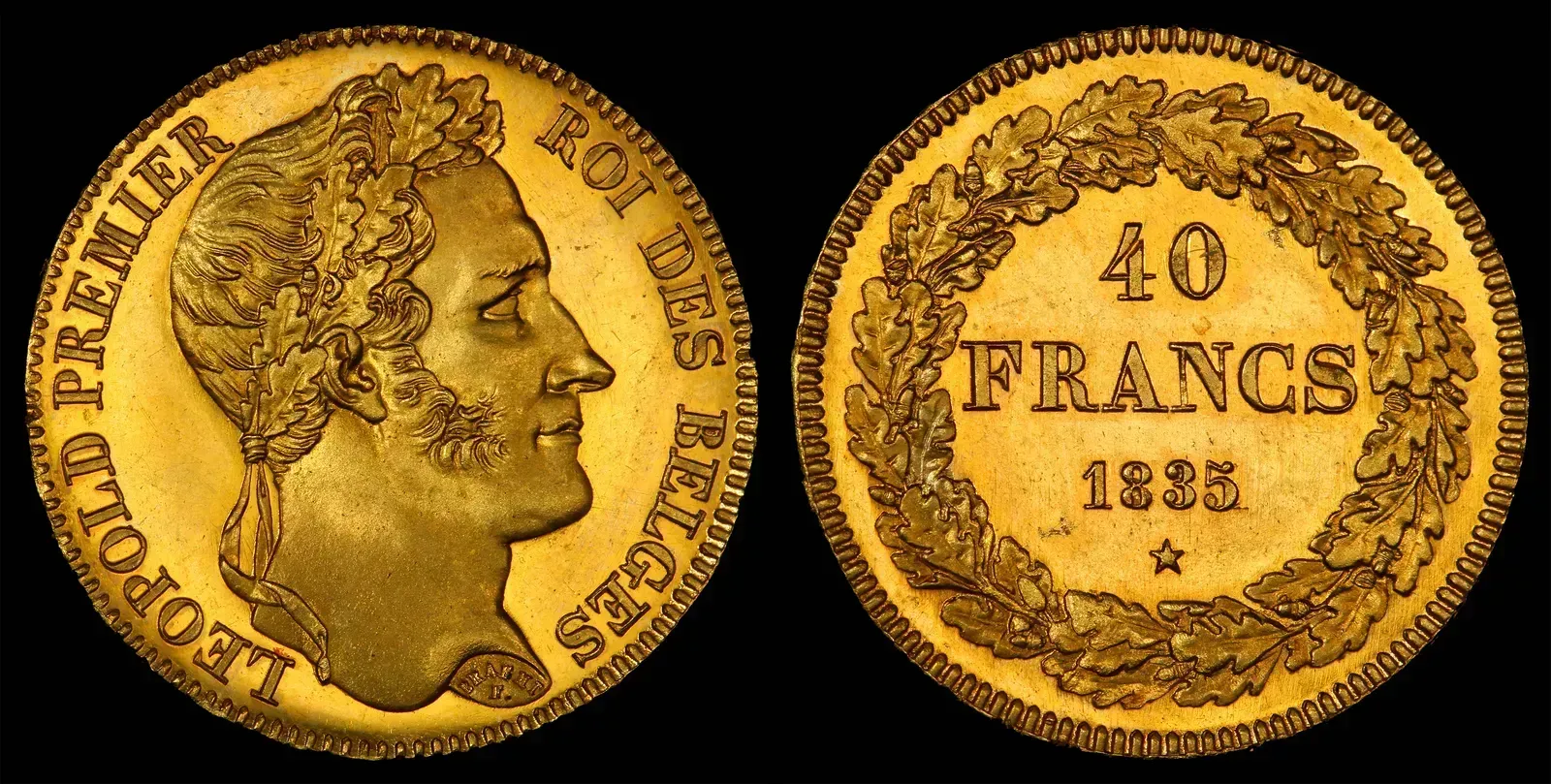
Online auction sales in the coin market have increased by 30% in the last year alone. Technology has democratized access to rare coins, making it easier than ever for collectors to buy, sell, and authenticate their holdings. Mobile apps now offer real-time coin valuation, and blockchain technology is being explored for provenance tracking. This digital transformation has brought younger collectors into the market, particularly millennials and Gen Z buyers who are comfortable with online transactions. The combination of traditional numismatics with modern technology is creating new opportunities for both novice and experienced collectors.
What started as a penny shortage has revealed something much bigger – Americans are sitting on potentially valuable collections without even knowing it. Whether you’re hoarding coins out of habit or deliberately collecting rare specimens, it’s worth taking a closer look at what’s gathering dust in your home. Those seemingly worthless pennies might just be your ticket to an unexpected windfall. Have you checked your change jar lately?