Why That Old Wallet of Yours Could Be Holding a Bill Worth Hundreds
You probably check your wallet every day. Cash for coffee, maybe a ten for lunch, nothing out of the ordinary. Yet, right there in that worn leather fold, between the receipts and the loyalty cards, could be sitting something worth way more than its face value. I know it sounds wild, but countless people across the country are discovering that their everyday dollars aren’t so everyday after all. Some bills are fetching hundreds or even thousands of dollars from eager collectors, and honestly, most of us would never spot them unless we knew exactly what to look for.
Serial Numbers That Could Make You Money
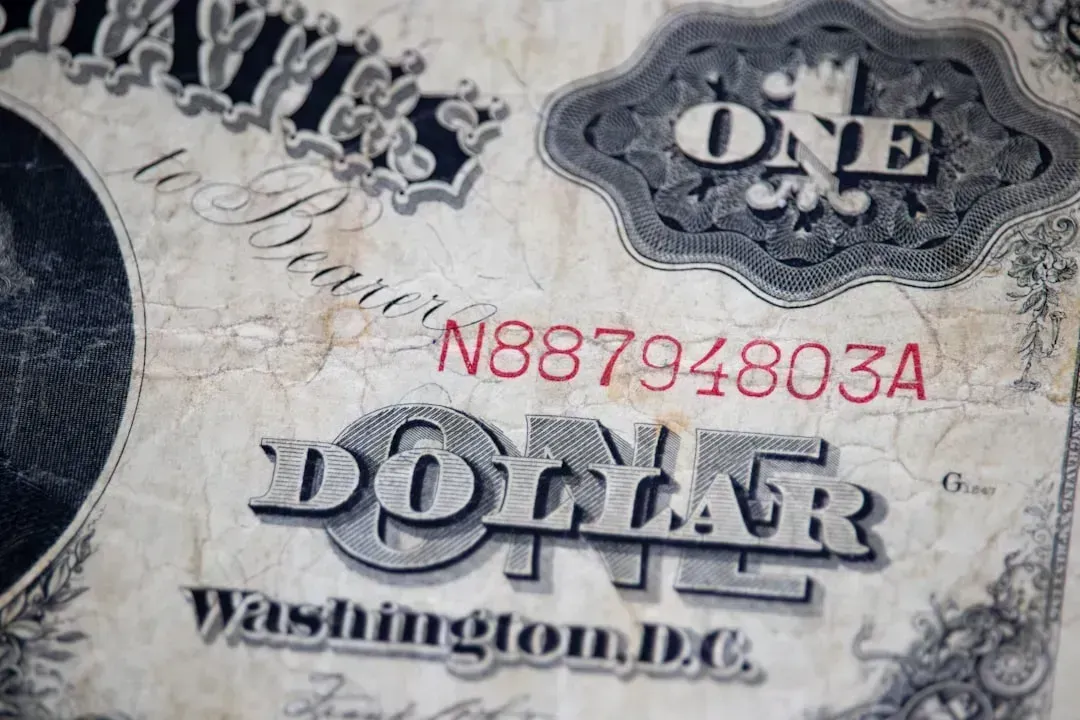
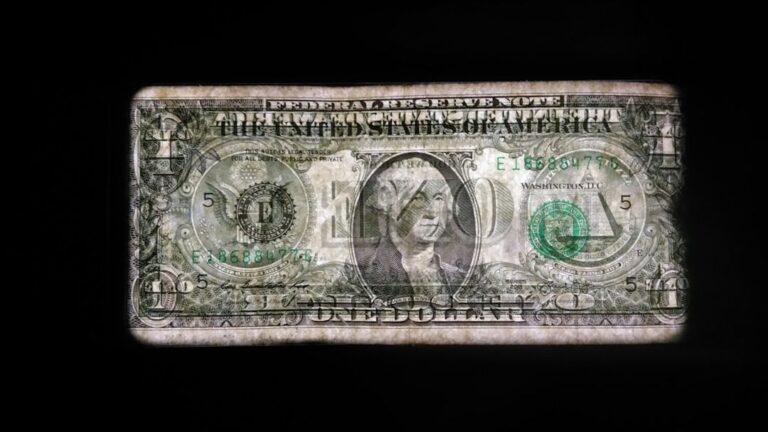
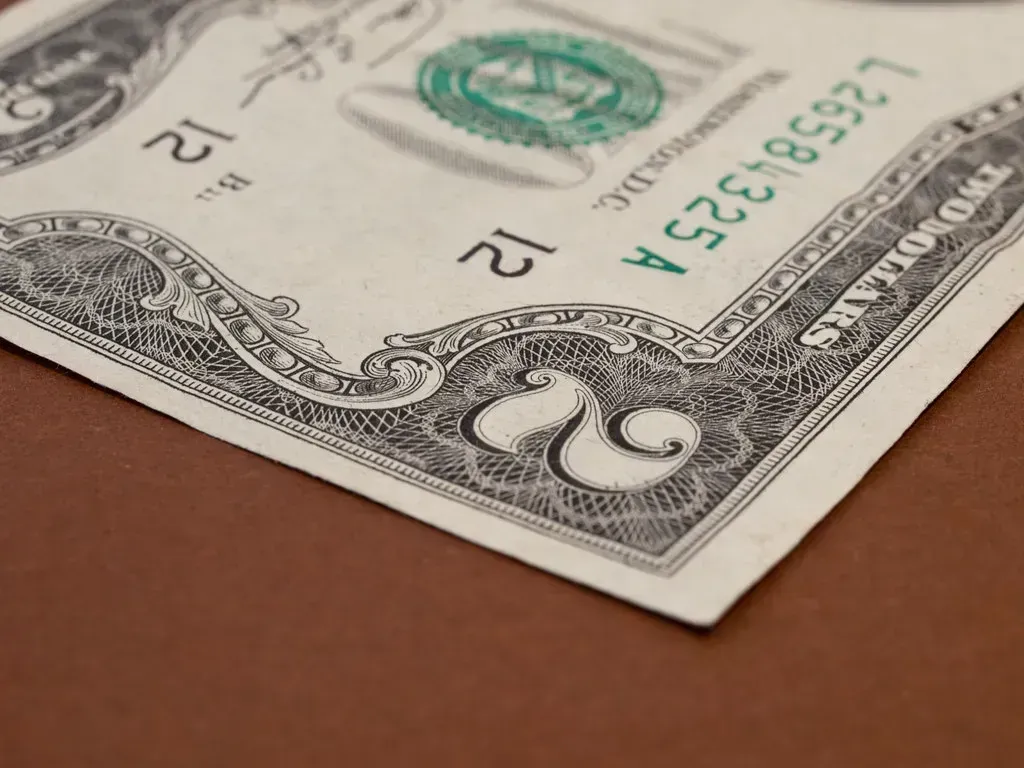
The reason a dollar bill might be worth more than its face value boils down to its serial number. Those dark green numbers on the top-left and top-right corners are serial numbers, and some are more rare than others, and if you happen to have paper money with a unique or interesting serial number, it may be worth much more than face value. Think of it like a license plate. Most are just random combinations nobody cares about, yet specific patterns catch collectors’ eyes. Valuable dollar bills often feature particular and unusual serial numbers, and there are several ways a dollar bill’s eight-digit serial number might stand out.
Low Serial Numbers Command Premium Prices
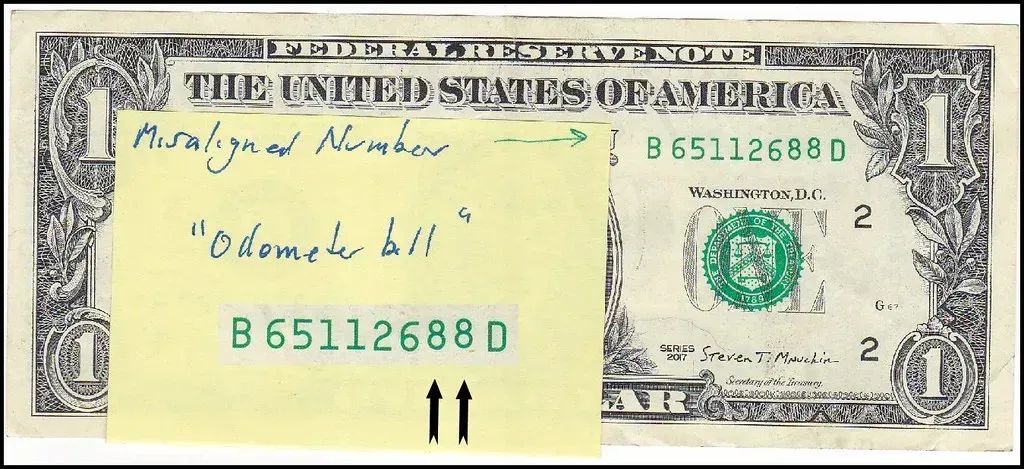
Bills with super low serial numbers are like VIP passes to the currency world. Collectors love bills with low serial numbers, such as those below 1,000 or 100, and a bill with the serial number 00000001 could be worth $15,000, according to SavingAdvice.com. The lower the number, the higher the appeal. A banknote with a serial number in the range 00000001 to 00000009 can fetch between $600 and $3500, depending on its condition, however, as the number approaches 9, the value can decrease significantly. Serial number one is the holy grail, obviously, but even something like 00000045 can get you serious cash if the bill’s in decent shape.
Ladder Bills and Repeating Patterns
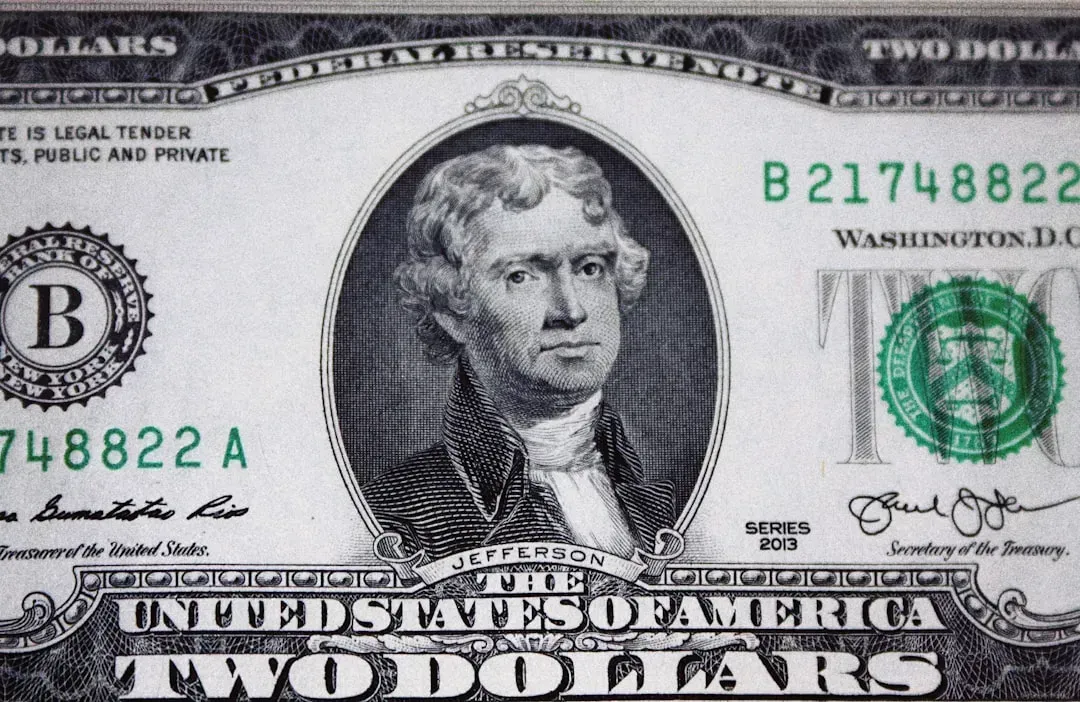
The rarest $2 bill from this year is known as a ladder note, which means its serial number is 12345678, and these notes can be worth thousands of dollars at auctions. Ladder bills climb or descend in perfect numerical order. Picture 12345678 or 87654321 printed right there on a twenty. The value of ladder serial numbers is between $600 and $2,100 depending on factors such as the note’s condition and how ‘fancy’ or unique the number is. Repeating patterns also grab attention, like 12341234 or even 88888888, though solid numbers are exceptionally rare and worth way more.
The 2014 Printing Error Worth Thousands
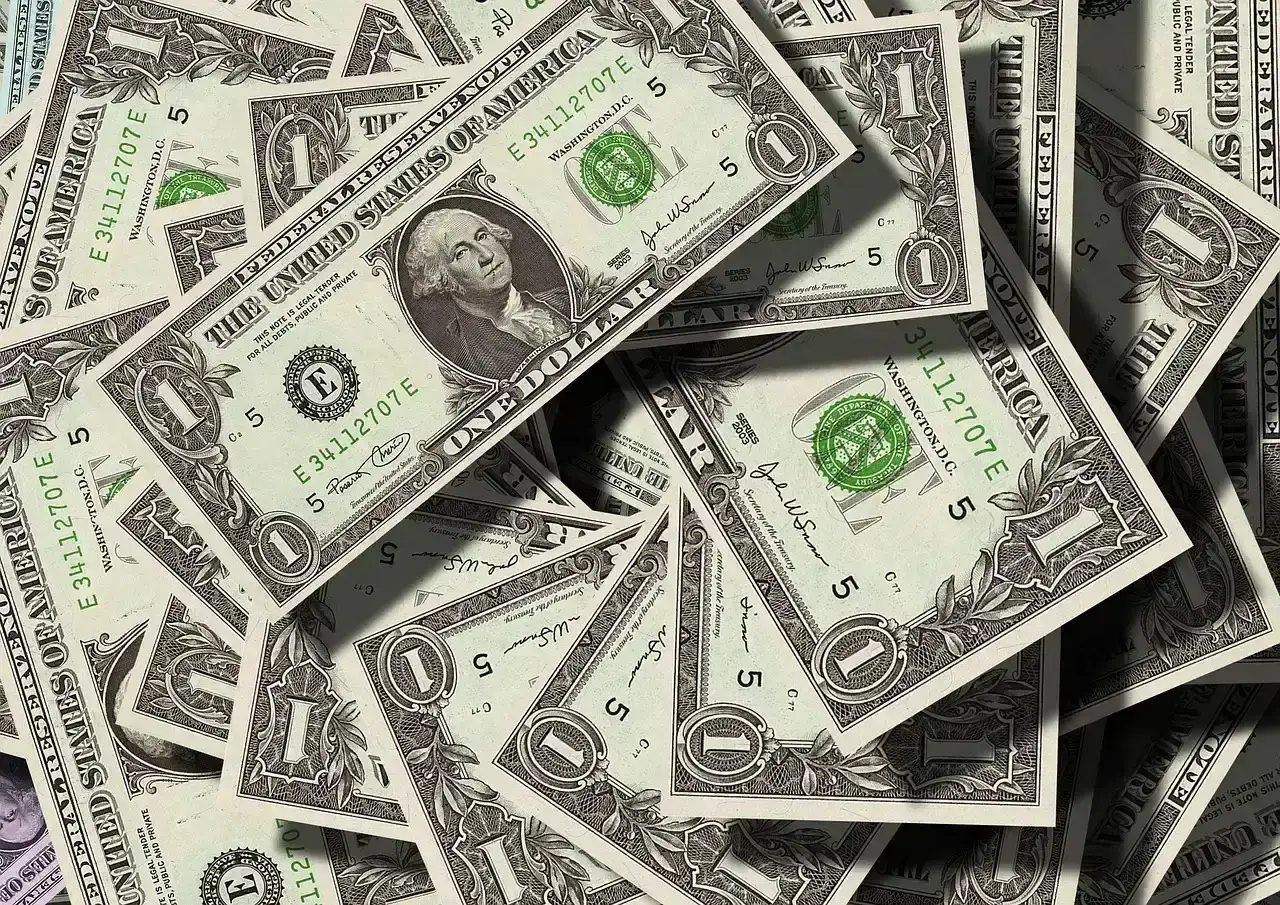
Here’s where things get really interesting. In 2014, the Bureau of Engraving and Printing made a rare printing error that resulted in millions of $1 bills with duplicate serial numbers entering into circulation. There are a little more than six million of these misprinted $1 bills in circulation, and although these special pairs of $1 bills with matching serial numbers were initially printed in Washington, D.C., and Forth Worth, Texas, they could be anywhere in the world after a little more than 10 years in circulation. The catch? If you manage to find a matching pair, you could earn thousands from collectors, and a pair of $1 bills with duplicated serial numbers sold for $2,340 at an auction held by Stack’s Bowers in March.
Star Notes Are Hidden Gems
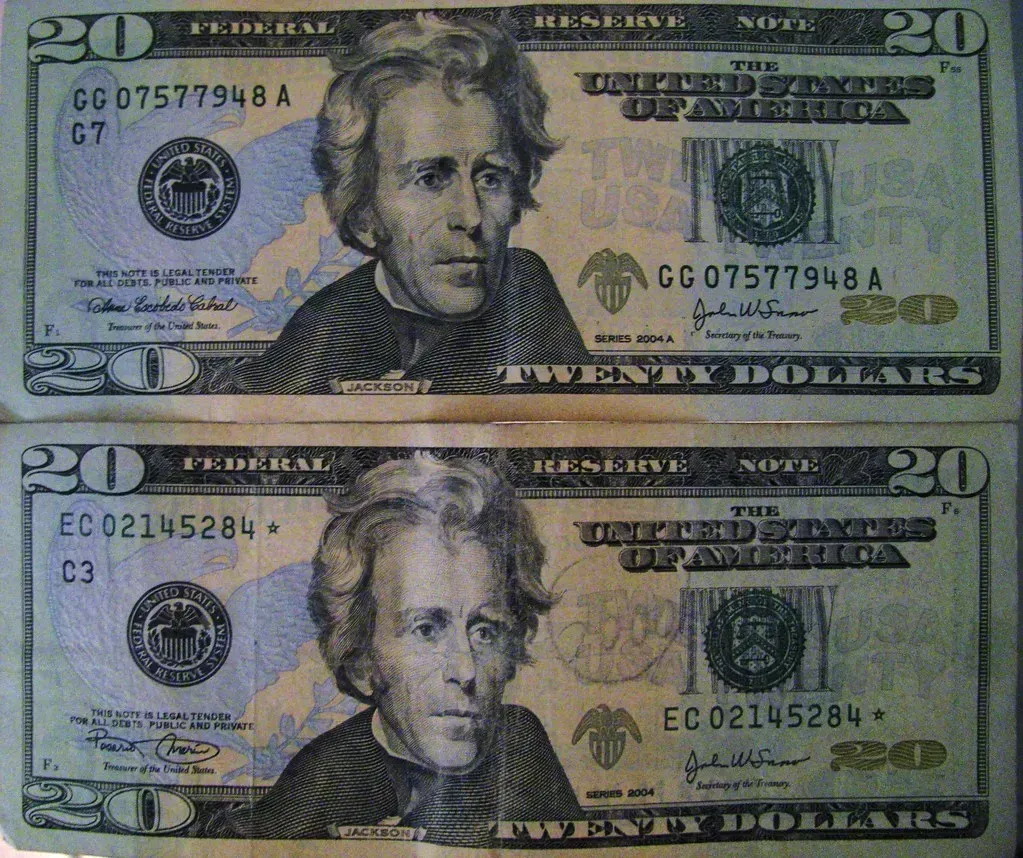
A replacement banknote, commonly referred to as a star note, is a banknote that is printed to replace a faulty one, and since no two serial numbers can be the same, the bill is simply reprinted with a symbol in the serial number, identifying it as a replacement for an error note. Look closely at the serial number on any bill. If there’s a star symbol instead of a letter at the end, you might have something special. By their nature, star notes are more scarce than notes with standard serial numbers and as such are widely collected by notaphilists, and star notes are highly sought after by collectors and are sold for a price exceeding their face value depending on how low the serial number is.
Misprints and Production Errors Add Value
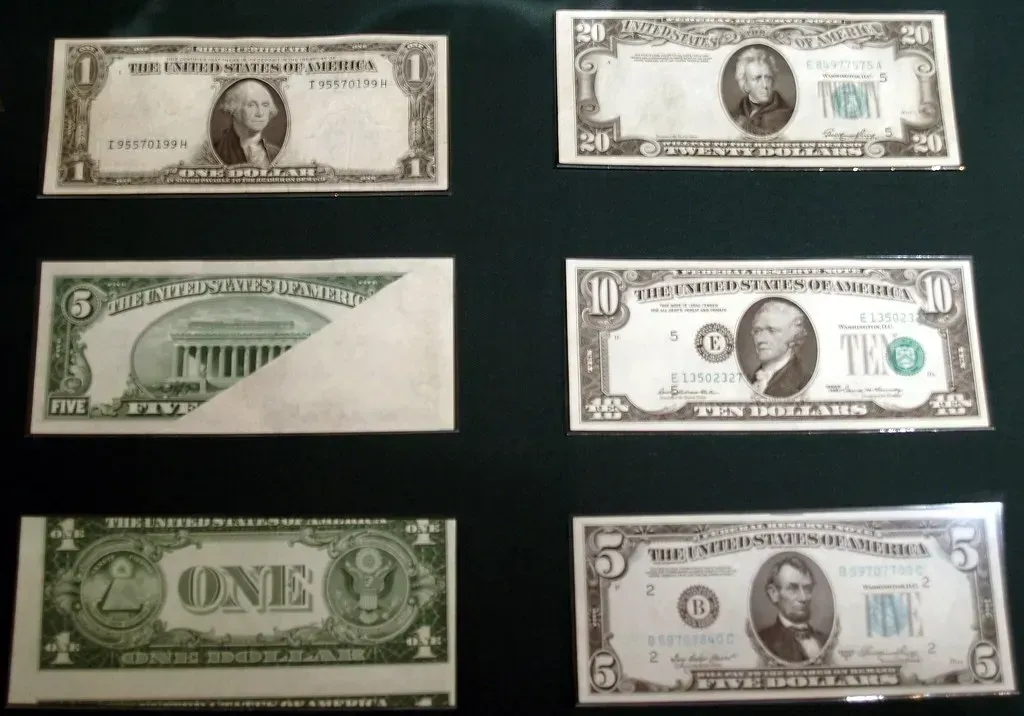
Mistakes during the printing process create some of the most valuable bills out there. Some paper money errors can increase the value and worth of a banknote by dozens or even hundreds of times compared to its face value, and in some cases, bills with errors can be worth a fortune, depending on the condition of the bill itself, the rarity of the error, the historical significance of the bill, and other factors. Usually, the more visually extreme the misprint is, the more money it’s worth, and a $100 bill missing around 30% of its ink commanded a hefty $1,140 price tag. Even something like a misaligned seal or offset printing can bump up value considerably.
That Infamous Del Monte Banana Sticker Bill
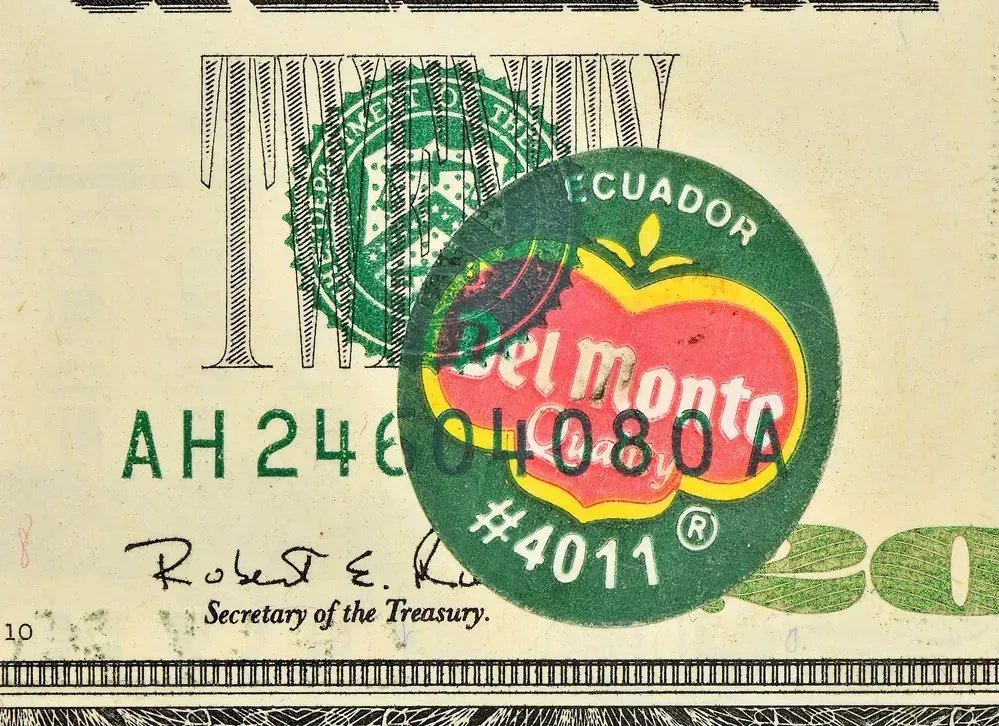
Let’s be real, sometimes the errors are downright bizarre. One of the coolest currency errors, and holds the world record for most expensive, sold for $396,000 in June 2021, and it’s a $20 bill that found itself with a Del Monte banana sticker stuck on in the middle of the printing process. Yeah, you read that right. A fruit sticker made someone nearly four hundred grand. The more dramatic the error, typically, the more value it has, and there are so many different ways that the printing process can go awry that we’ve got a really wide range of mess-ups that we’re able to offer to our collectors.
Condition Matters More Than You’d Think
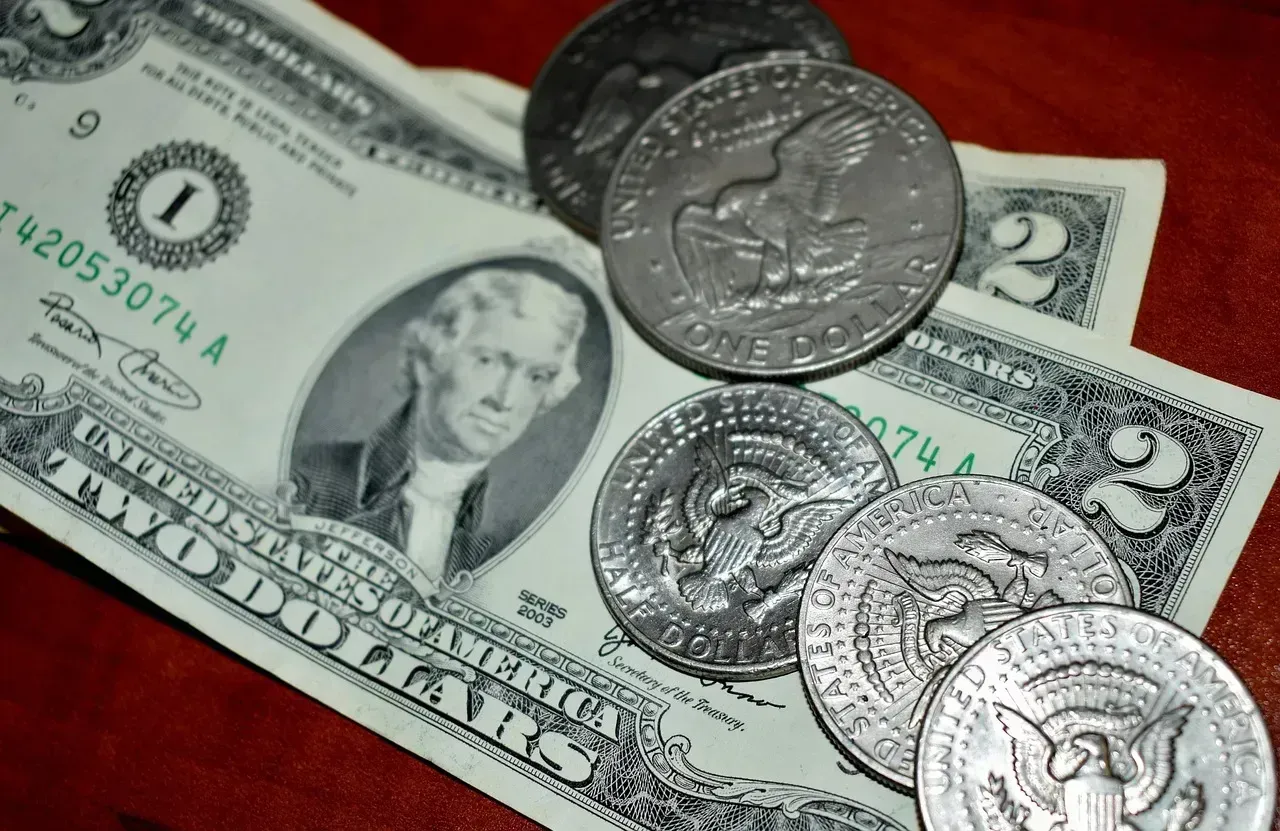
Uncirculated bills are far more valuable (and rare, especially the older they are) than circulated ones, and an uncirculated 1928 red seal $2 bill could be worth over $1,000, while a circulated version may only be worth $5 to $175. Crisp bills that look like they just rolled off the press command top dollar. Folds, tears, stains, or wear reduce the value dramatically. Even a fancy serial number won’t save a bill that’s been through the wash three times. Think of it like selling a car; mint condition always wins.
Where to Sell Your Valuable Bills
So you’ve found something interesting in your wallet. Now what? Many $2 bills are traded via online marketplaces, including eBay, Heritage Auctions and currency dealer websites. Getting a professional appraisal first is smart, especially if you think you’ve stumbled onto something major. The best places to sell valuable dollar bills include coin shops, currency collectors, and trusted online platforms, and before selling, get your bills appraised by an unbiased professional to ensure a fair valuation. Heritage Auctions and Stack’s Bowers are big names in this space and handle serious transactions regularly.
Check Your Cash Today
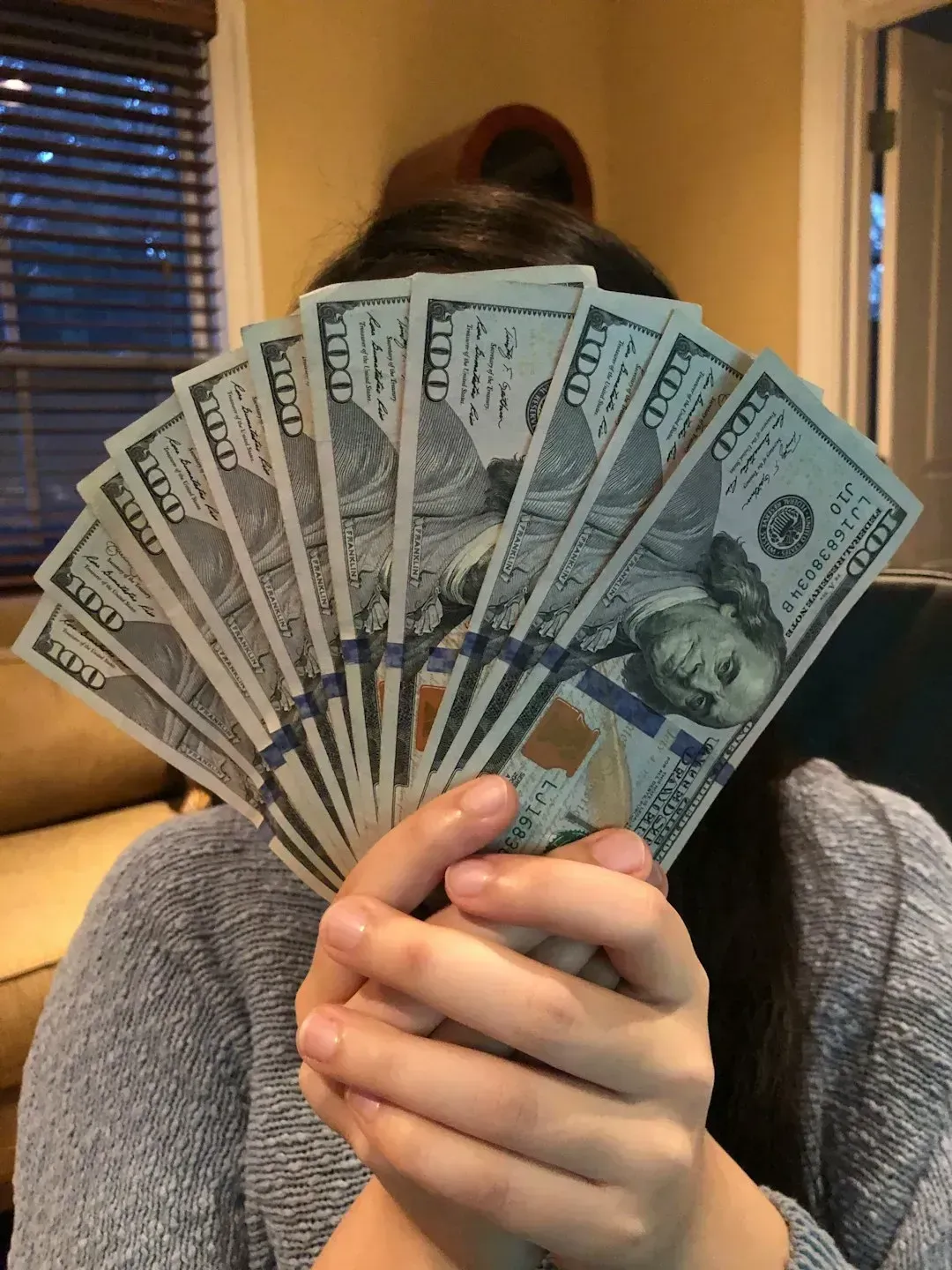
Here’s the thing. Most people never look twice at their bills. We swipe cards, tap phones, and barely touch physical cash anymore. That means potentially valuable notes are just sitting there, ignored and unnoticed. There were about 13.4 billion one-dollar bills in circulation as of 2022, and out of that massive number, millions of those bills could be worth more than their face value. It takes maybe thirty seconds to flip through your wallet and check those serial numbers. Low numbers, repeating digits, star symbols, obvious printing errors. Keep an eye out, because you never know what might be hiding in plain sight.
Did you ever imagine that crumpled five in your pocket could pay for dinner somewhere fancy? It’s worth taking a closer look. What do you think, will you be checking your bills tonight?