7 South American Cities Where $800 a Month Still Covers Rent and Food, Expat Surveys Show
Living comfortably on eight hundred dollars a month might sound like fantasy in most Western cities, yet expat communities across South America prove this budget remains entirely realistic in several surprising destinations. Recent cost of living data from platforms like Numbeo and expat survey reports reveal that while major global cities spiral into unaffordability, certain South American urban centers continue to offer genuine value. These aren’t remote villages or compromises on quality. In Colombia, surveys found that about four out of five expats are satisfied with their financial situation, and nearly all respondents stated that their disposable household income is sufficient to lead a comfortable life.
Here’s the thing: many people imagine scraping by when they hear such modest budgets. Reality looks different on the ground, where that same amount grants access to modern apartments, fresh markets bursting with produce, and vibrant neighborhoods filled with culture.
Medellín, Colombia: The City of Eternal Spring
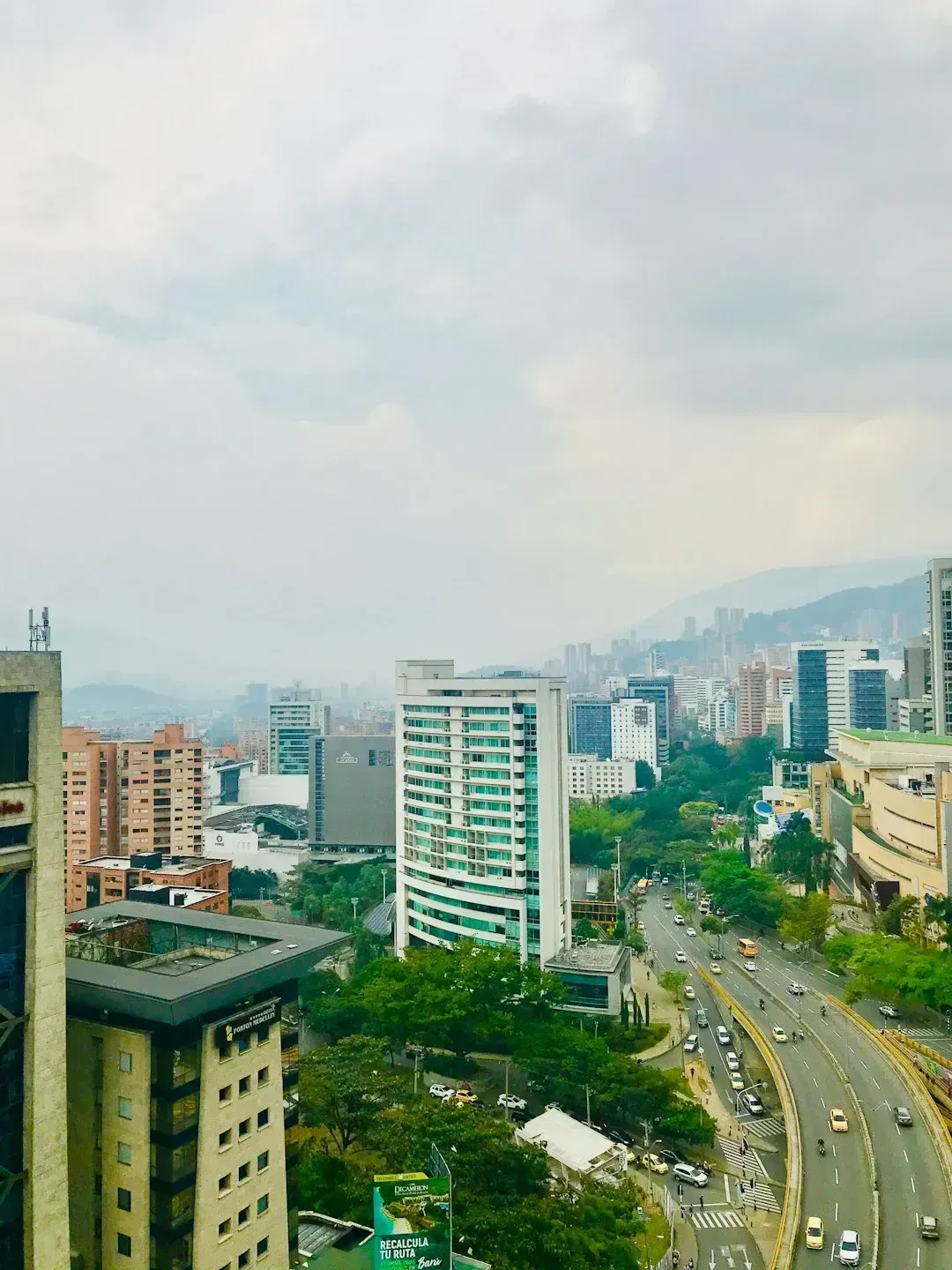
Medellín features a cost of living of around $800 per month for a comfortable lifestyle, and expats point out its dynamic culture and increasing availability of modern amenities. This Colombian metropolis has transformed dramatically over the past two decades. As of October 2024, the estimated monthly budget for living well in Medellín ranges between approximately $1,925 and $2,388 USD on average, though more modest living remains possible at lower costs.
A comfortable lifestyle is possible for $1,600 per month, covering rent, food, and entertainment. The city’s efficient Metro system keeps transportation affordable and reliable. A comfortable monthly cost of living can easily be achieved for between $1,000 and $2,000 USD, with Medellín offering a perfect blend of modern amenities and affordability.
Quito, Ecuador: High Altitude, Low Prices
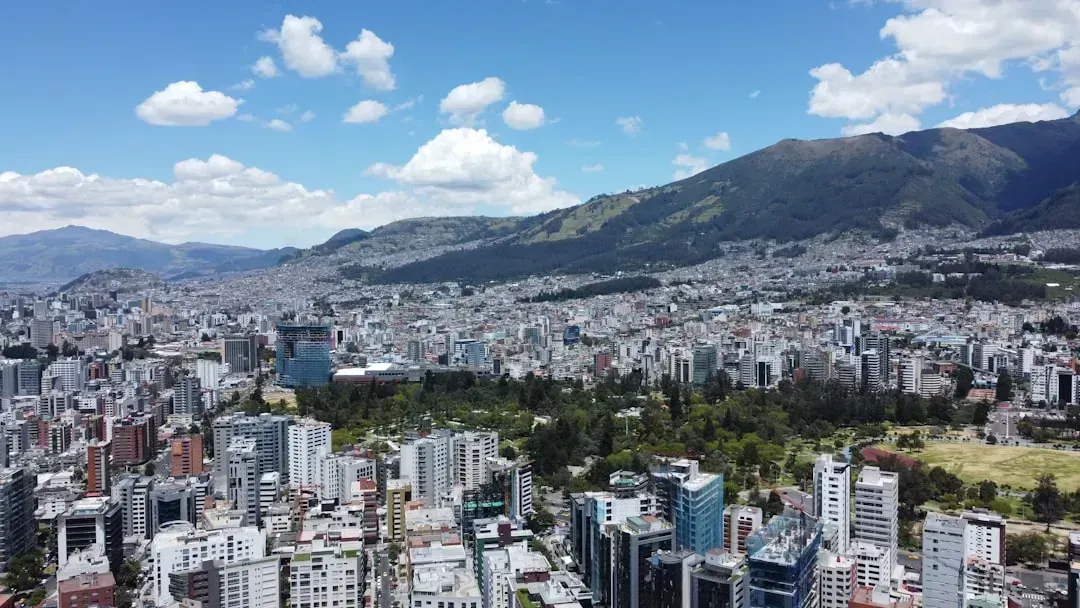
The average monthly cost of living in Quito is between $800 to $900, which is great for a capital city. Ecuador’s capital operates entirely on US dollars, eliminating currency conversion headaches for American expats. Typical rents in Quito range from $500 up to $2,000 a month, from a regular place up to luxury living in a nice part of town.
Rent for a one-bedroom apartment in city centers like Quito or Cuenca averages around $400 to $700 per month. Honestly, the altitude takes some adjustment at over 9,000 feet, but the city compensates with remarkable weather and incredible mountain vistas. One expat spends approximately $1,000 per month to live comfortably, not including rent as they bought an apartment.
La Paz, Bolivia: Rock-Bottom Budget Champion
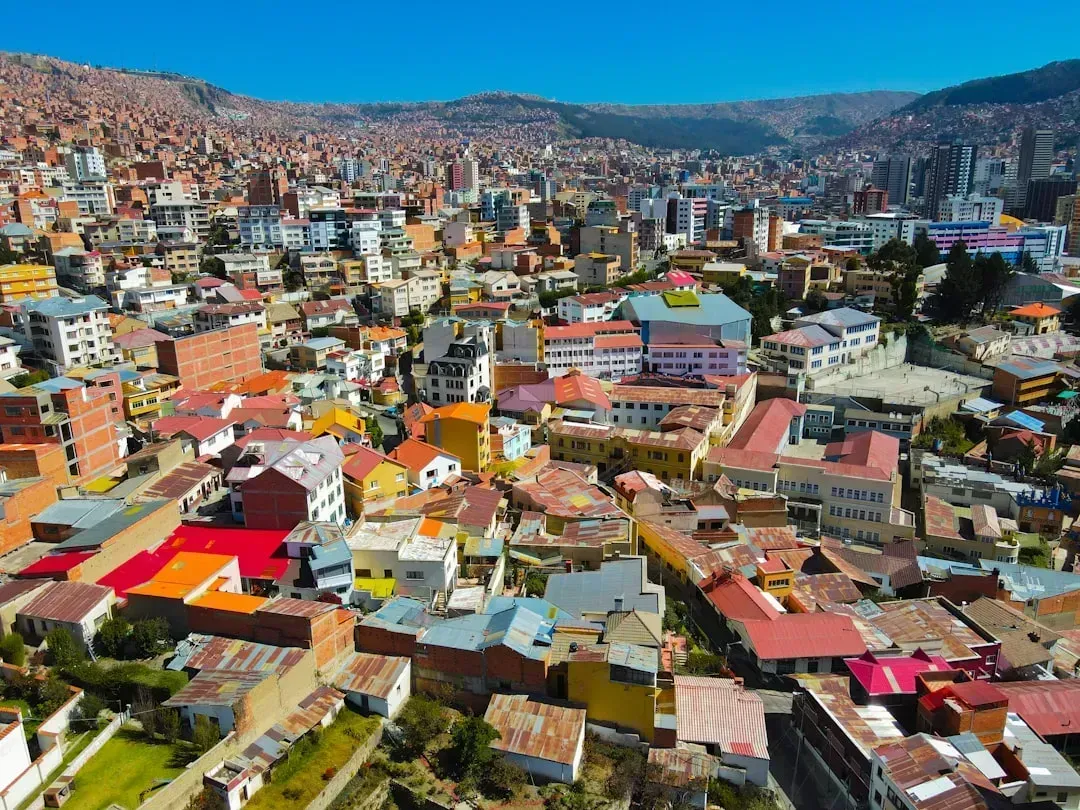
Considered one of the most affordable cities to live in South America, La Paz offers a remarkably low cost of living, with rent for a one-bedroom apartment in the city center as low as $300 to $400 per month. Bolivia’s administrative capital sits at a breathtaking altitude that literally takes your breath away, though locals swear you adapt within weeks. In La Paz, a one-bedroom apartment typically costs $300 to $500 monthly.
A single person costs $651 per month according to recent nomad surveys. One U.S. expat in Bolivia pays $200 a month for his one-bedroom apartment that comes furnished and includes all utilities and cable television. Sure, the city lacks widespread heating and stays chilly year-round, yet that’s reflected in the impossibly low prices.
Córdoba, Argentina: Colonial Charm on a Shoestring
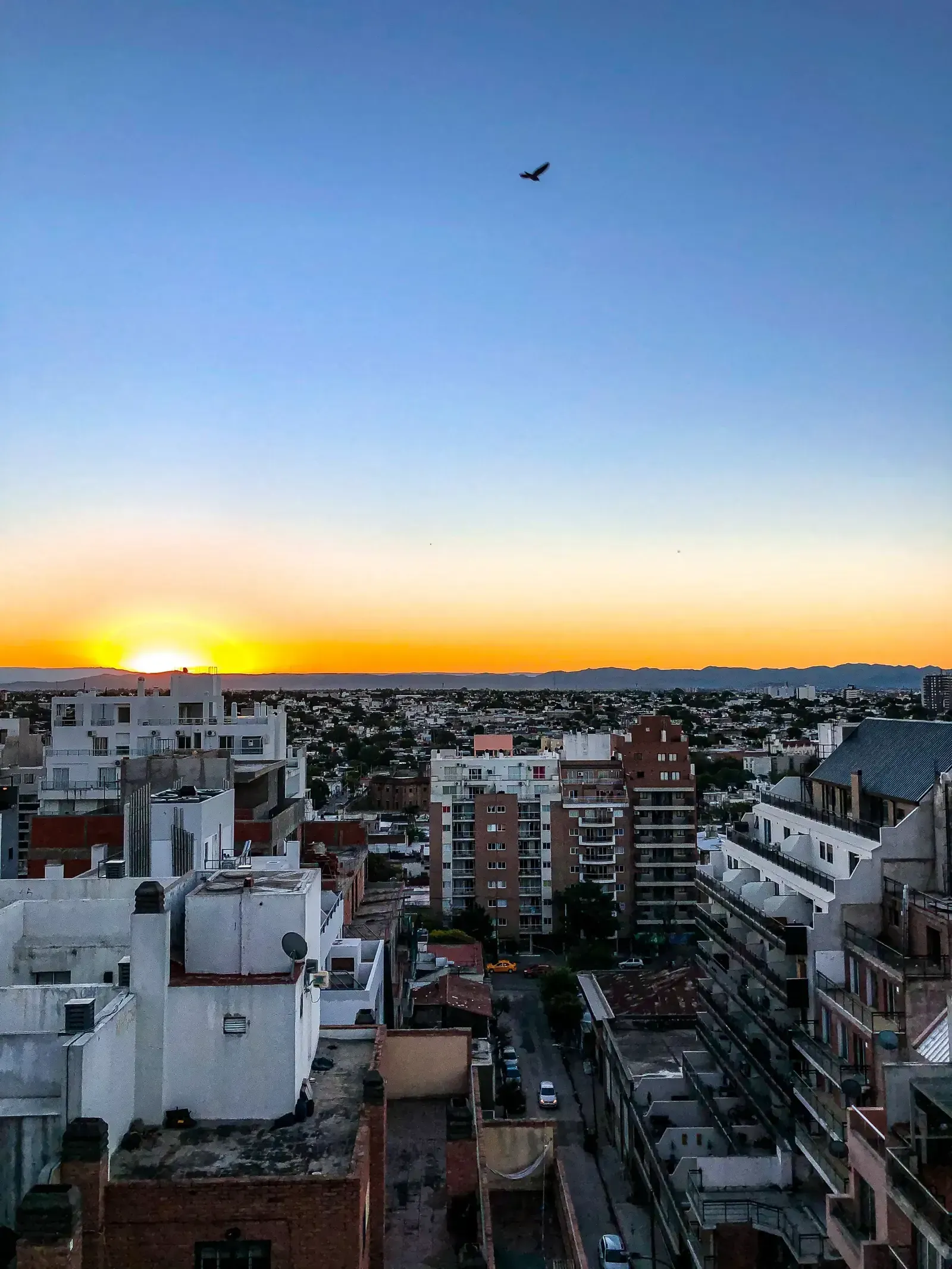
The cost of living in Córdoba averages between $500 to $600 per month, and there’s no shortage of things to do or places to eat out. Argentina’s second-largest city offers a dramatically different vibe from pricey Buenos Aires. WiFi is fairly reliable here, and there are more than half a dozen co-working spaces in the city center alone.
The city blends nineteenth-century European architectural influences with modern infrastructure. Córdoba boasts German, Swiss, and Italian areas with cuisine to match, giving the small city an interesting flair. A single person can live for $604 a month in Argentina, with the average cost of living about 60% lower than in the U.S., and couples can live well on $1,500 a month.
Cuenca, Ecuador: The Expat Favorite
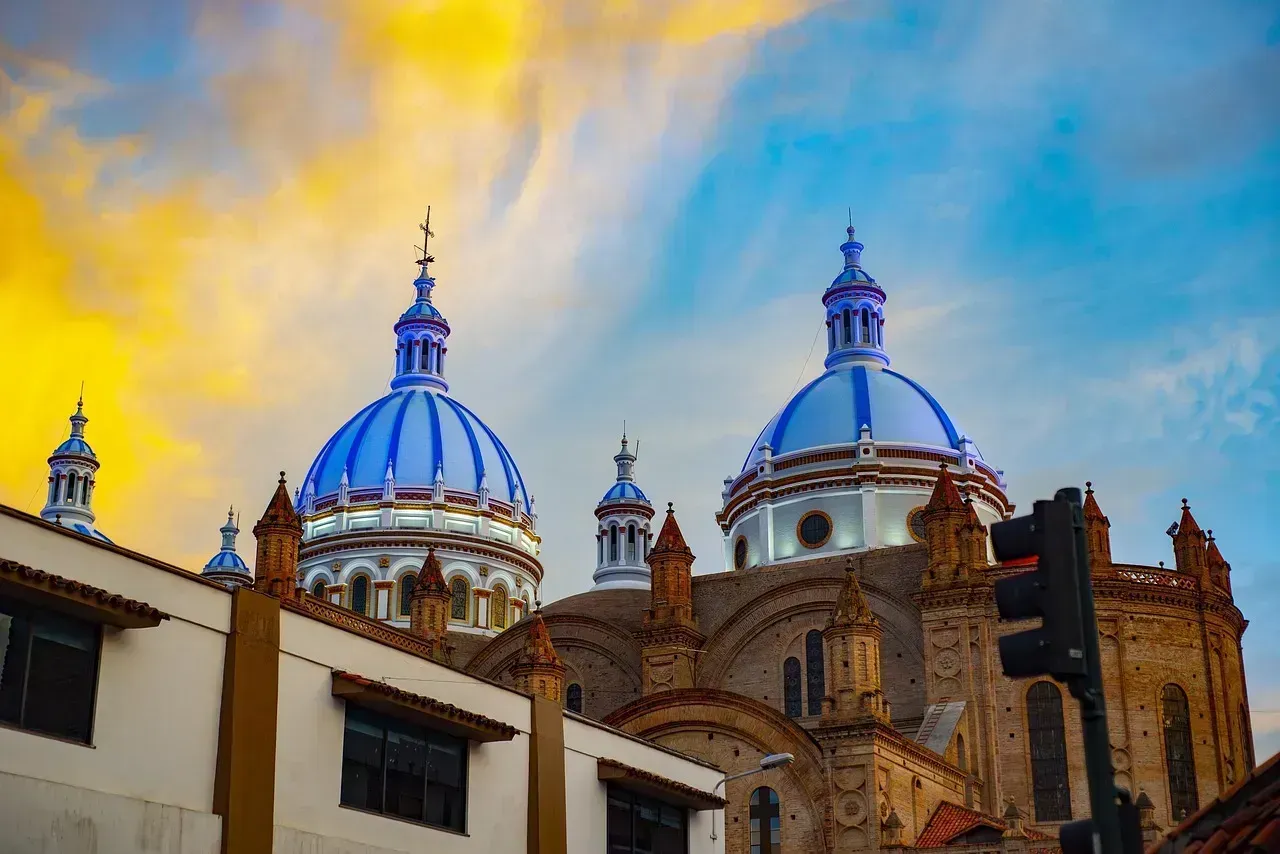
Rent for a one-bedroom apartment in city center costs $448 per month in this charming Ecuadorian highland city. Cuenca has developed into one of Ecuador’s most active expat communities in recent years. Ecuador provides excellent health care services at a low cost, and Cuenca’s infrastructure is improving with a metro line and bus services that cost as little as 25 cents to use.
The main drawback? The only drawback of Cuenca is its sometimes-spotty internet connection. Yet cafes throughout the city offer reliable WiFi, and the growing expat community means landlords increasingly understand remote workers’ connectivity needs. The colonial architecture and temperate climate make it incredibly livable.
Arequipa, Peru: Affordable Andean Elegance
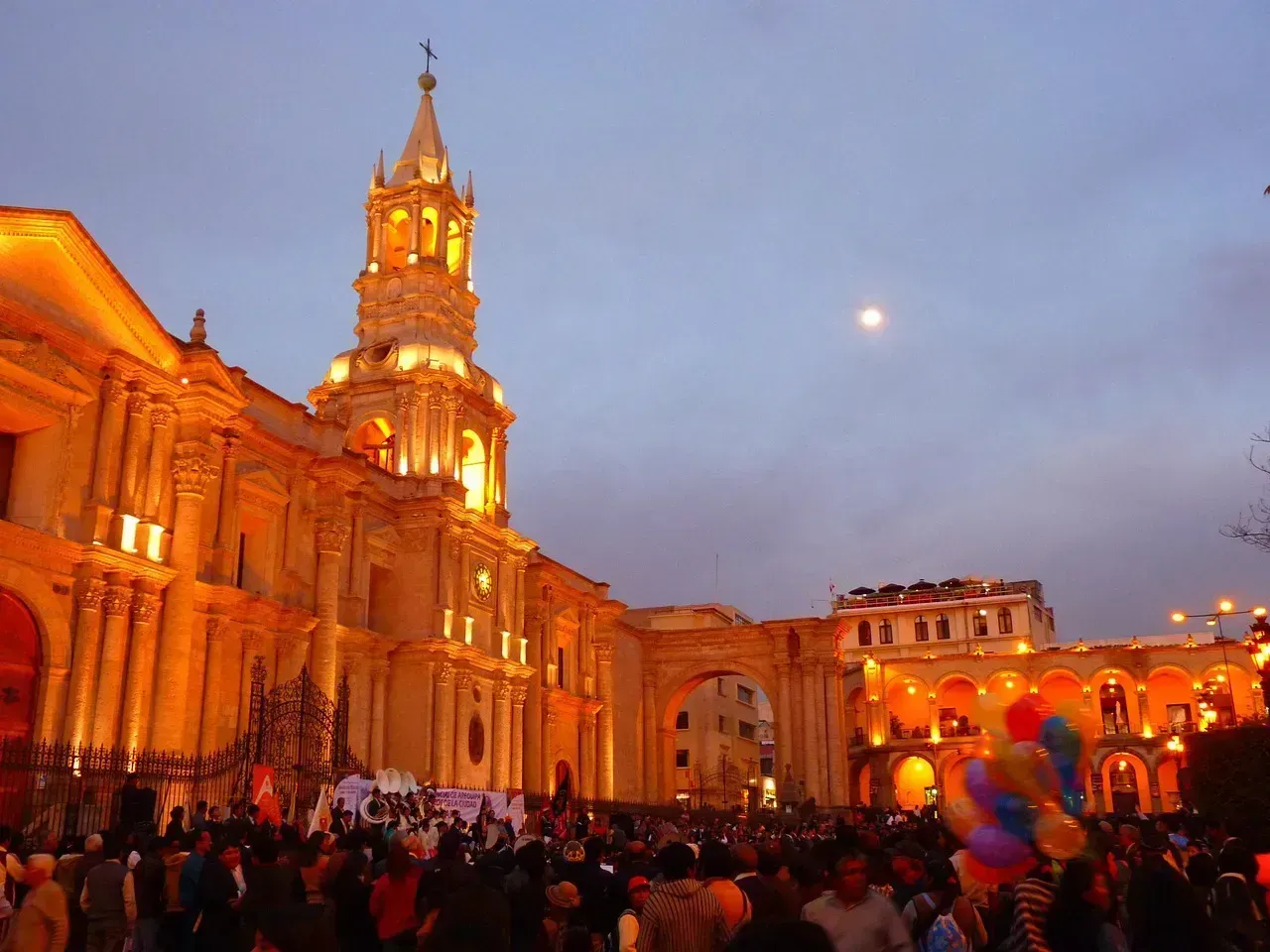
Arequipa in Peru stands out with low living costs, making it especially inviting, and Florianópolis in Brazil also offers charm alongside affordability. Peru’s second city doesn’t receive the tourist attention that Lima or Cusco command, which works in expats’ favor when it comes to pricing. The city nicknamed the “White City” for its volcanic stone architecture offers modern amenities without capital-city costs.
Wages are low in Peru, with minimum wage workers earning just $267 per month and average wages around $509, yet for those earning foreign income, purchasing power stretches remarkably far. Markets overflow with fresh produce at prices that seem implausible to North American visitors.
Sucre, Bolivia: Constitutional Capital Bargain
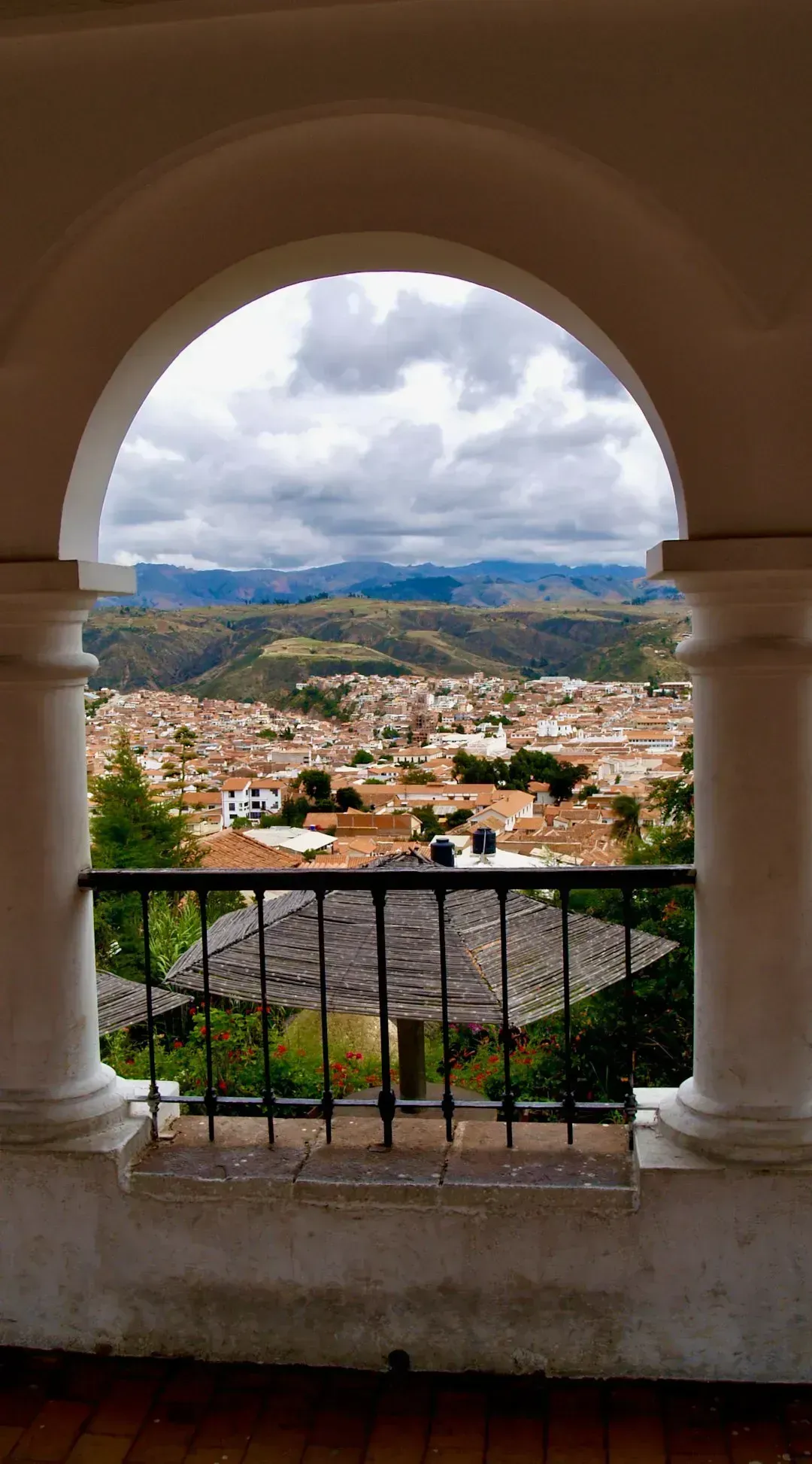
Bolivia is often considered the most affordable, especially in smaller cities like Sucre or Cochabamba, and Sucre offers more affordable options with one-bedroom flats available for $300 to $500. Sucre maintains a slower pace than La Paz while offering better weather and lower altitude that’s easier on newcomers. Steve Nagy migrated from Florida to Bolivia’s breathtaking colonial city of Sucre, joining a small yet growing expat community.
A very comfortable life for a retired couple in Bolivia can be had for around $1,550 per month, though money-conscious couples can live on far less. The city’s UNESCO World Heritage designation means the colonial center remains impeccably preserved. Honestly, walking those whitewashed streets feels like stepping back centuries, yet modern conveniences sit just blocks away.
Let’s be real, eight hundred dollars monthly won’t fund luxury penthouses or nightly fine dining anywhere. Yet these seven cities prove that budget doesn’t mean sacrifice when you choose wisely. What would you prioritize if you could cut your living costs in half tomorrow?