5 “Hidden Gem” Countries Where American Retirees Pay Little or No Tax
Escaping the tax grind while soaking up sun-drenched beaches or nestled mountains? That’s the dream for thousands of American retirees looking abroad. Social Security Administration data reportedly shows that by March 2025, more than 790,000 people were receiving benefits while living outside the US, which is reportedly one of the highest totals on record. The thing is, choosing the right country can mean the difference between watching your nest egg dwindle or stretching every dollar.
Let me be clear though – moving abroad doesn’t erase your U.S. tax obligations entirely. Americans still need to file with the IRS no matter where they hang their hat. Yet certain countries offer such favorable local tax treatment that you could keep vastly more of your retirement income. I’m talking about places that won’t touch your Social Security check, pension, or IRA withdrawals. Think of these destinations as financial safe havens wrapped in exotic landscapes. So let’s dive in.
Panama: The Pensionado Paradise
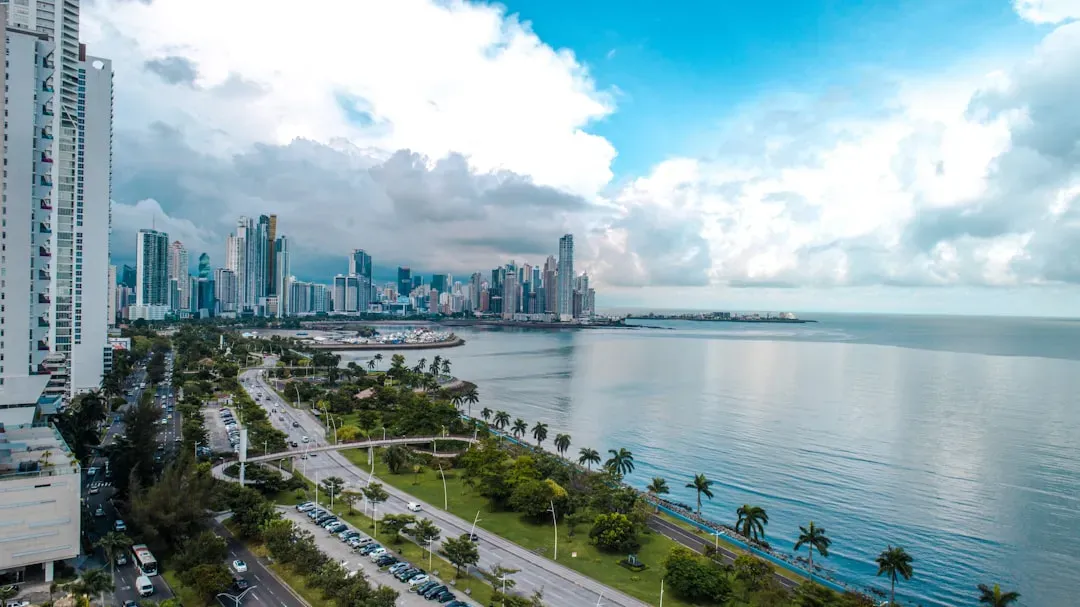
Panama has no inheritance tax and takes a jurisdictional approach to taxation, which means only locally sourced income is taxed. Your U.S. pension, Social Security, and retirement account distributions? Completely untouched by Panama’s tax authority. This Central American hotspot has built an entire visa program around attracting retirees.
Panama offers one of the world’s most attractive retirement programs through its Pensionado visa, requiring just $1,000 monthly pension income for immediate permanent residency. Combined with Panama’s territorial tax system that doesn’t tax foreign income, your retirement dollars will stretch further while your US tax obligations likely disappear. What really sweetens the deal are the discounts. Pensionados get 50% off entertainment, 25% off Copa Airlines, and 25% off restaurant bills on Tuesdays.
Honestly, I’ve heard retirees in Boquete rave about the cool mountain climate and the cost of living. Panama costs about half as much as living in the US. A single retiree lives comfortably on $1,400-$1,700 monthly, while couples need $2,000-$3,000. The lack of local taxation on your foreign income, paired with these everyday discounts, creates a financial cushion that’s hard to beat elsewhere.
Costa Rica: Pura Vida With Zero Foreign Income Tax
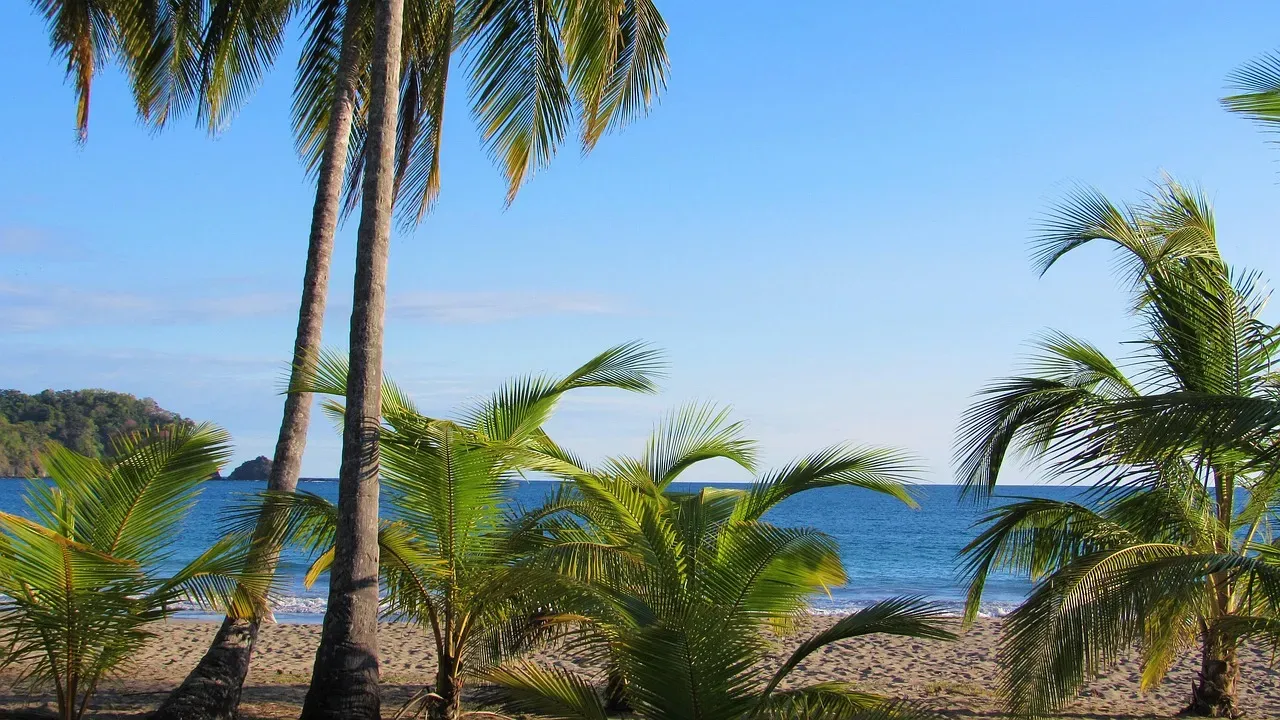
Costa Rica operates under what experts call territorial taxation. Foreign-sourced income (like US Social Security and pensions) is not taxed in Costa Rica. That means your monthly retirement checks from back home arrive intact without Costa Rican authorities taking a cut.
Costa Rica’s Pensionado visa still only requires $1,000/month in pension income – one of the lowest financial requirements in the world for retirees. The country’s national motto, “Pura Vida,” reflects a lifestyle where stress melts away. Beyond the financial perks, roughly 120,000 Americans already live here. They’re drawn by lush rainforests, accessible beaches, and a healthcare system that’s shockingly affordable.
Expats must pay 9-11% of their reported income for public healthcare but often supplement with private insurance for shorter wait times. Still, that’s a fraction of what many pay stateside. The catch? You’ll still file with the IRS annually, but most retirees owe $0 after deductions. It’s hard to say for sure, but the combination of no local tax on foreign income plus low living costs makes Costa Rica seriously competitive.
Malaysia: The MM2H Tax Haven
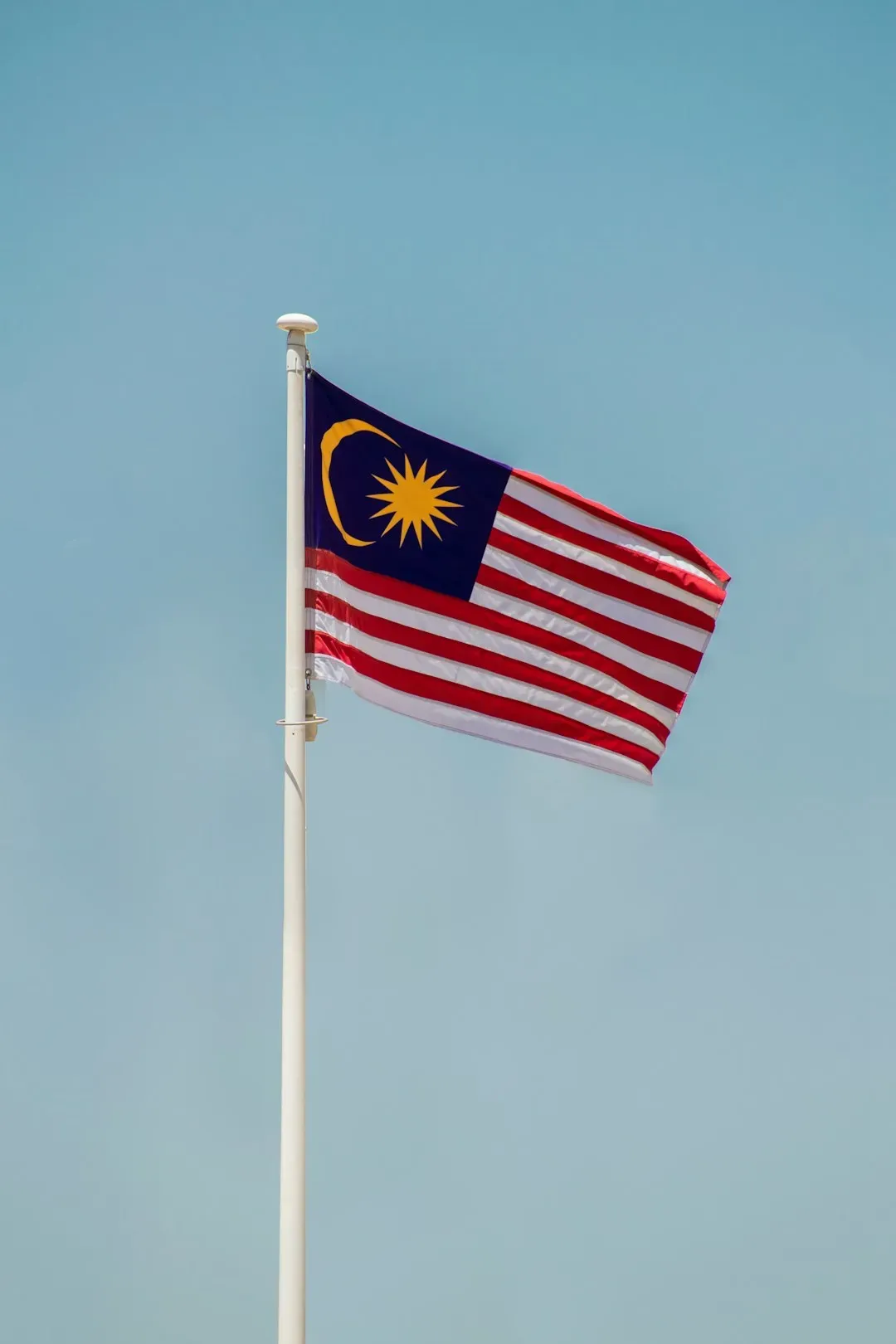
Malaysia’s My Second Home program has undergone revisions recently, but one thing remains constant: There is no tax on foreign income, including pensions. This Southeast Asian nation won’t touch your U.S.-sourced retirement funds. MM2H visa holders are exempted from tax on funds brought into Malaysia from overseas. Although income earned in Malaysia is taxed. On a broader level per the Malaysian Income Tax Act, residents of Malaysia don’t pay tax on foreign sourced income.
Here’s the thing – the updated 2024 MM2H program introduced tiered systems with higher financial thresholds targeting investors rather than just retirees. Minimum Age Requirement: Lowered from 35 to 25 years. Income and Assets: No minimum income required, previously RM40,000 monthly offshore income and RM1.5 million in liquid assets. The Silver tier requires a fixed deposit of RM150,000 (around USD 35,000), while Gold and Platinum tiers demand significantly more. Despite these steeper entry costs, Malaysia delivers a multicultural environment, world-class healthcare at affordable rates, and English is widely spoken.
Living costs stay remarkably low compared to Western standards, and you’re strategically positioned in a booming region. Funds brought into Malaysia from abroad are tax-exempt under the MM2H program. For those who can meet the financial bar, Malaysia represents a genuine tax-minimization opportunity wrapped in tropical paradise.
Belize: Caribbean Comfort With The QRP
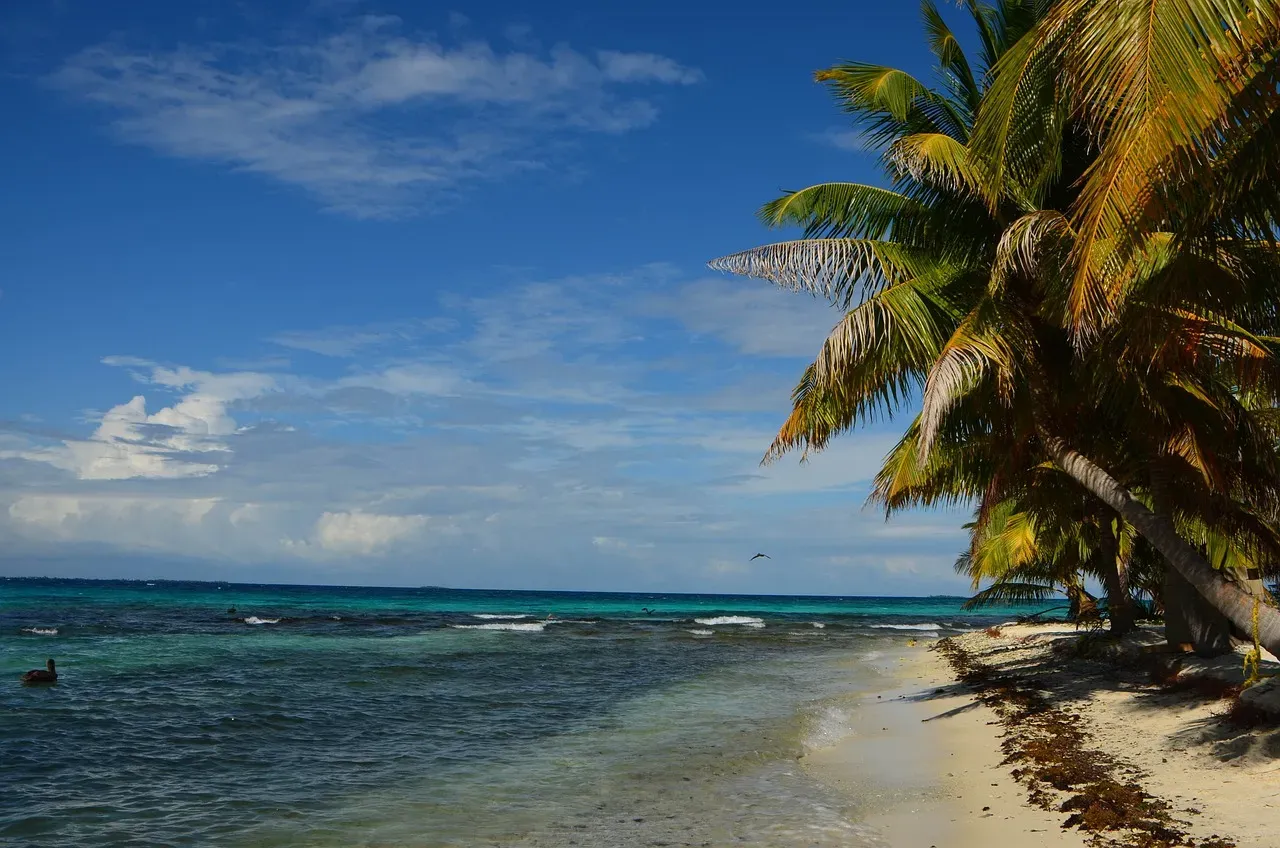
Belize might surprise you. English is the official language, and the country even uses the U.S. dollar. The Qualified Retirement Program, or QRP, offers a number of tax benefits to entice foreign retirees into living permanently here as young as 45. Participants pay zero income tax on foreign income; this includes social security, capital gains, inheritance tax, reverse mortgage, etc.
Let me be real – Belize isn’t as polished as Costa Rica or Panama. Yet for retirees craving Caribbean beaches without the language barrier, it’s a solid pick. The QRP eliminates local taxation on all your foreign income streams, giving you maximum control over your retirement funds. There’s even provisions for buying property and importing your personal vehicle into Belize. With allowances to bring spouses and children under 18 years, this country of just over 400k people is certainly a viable option for American citizens looking to leave the US behind.
Infrastructure can be hit or miss depending on where you settle. Some expats love the laid-back island vibes, while others find the limited healthcare and amenities challenging. Still, zero tax on foreign income is zero tax – hard to argue with that math.
Greece: The 7% Flat Tax For Pension Income

Greece introduced a special regime that’s generating serious buzz. Greece offers a “foreign pensioner’s” tax regime, which applies a flat 7% tax rate for up to 15 years on foreign-sourced income. This rate is significantly lower than the country’s typical personal income rates, which can range from 9% to 44%. While it’s not technically “zero tax,” a flat 7% on your entire foreign pension and retirement income is remarkably low by European standards.
Greece has shot up in popularity with U.S. expats because of its high standard of living and friendly residency and tax policies. Picture yourself on a sun-soaked Aegean island, sipping coffee overlooking ancient ruins, all while paying a fraction of what you’d owe elsewhere. To qualify, you must earn at least $3,660 per month in passive income, maintain health insurance that covers you in Greece and have a clean criminal record.
The Mediterranean lifestyle, rich history, and excellent food make Greece more than just a tax strategy – it’s a genuine quality-of-life upgrade. Sure, you’re paying that 7%, but compared to progressive tax brackets hitting nearly half your income in many countries, Greece’s offer feels generous. What do you think about it? Could you see yourself retiring on a Greek island while keeping nearly all your retirement income?