12 Dishes That Are Surprisingly Cheaper to Eat Out Than Cook at Home
Here’s the thing. We’re always told cooking saves money. Yet when you factor in buying specialty ingredients that you’ll use once, the equipment, and the sheer time investment, sometimes it’s cheaper just to order takeout. That might sound counterintuitive, especially when USDA data shows the cost of food at home rose 1.2% in 2024, while the cost of food away from home rose 4.1%. Still, certain dishes flip this equation completely on its head. Let’s explore which meals surprisingly make more financial sense when someone else does the cooking.
Vietnamese Pho Soup
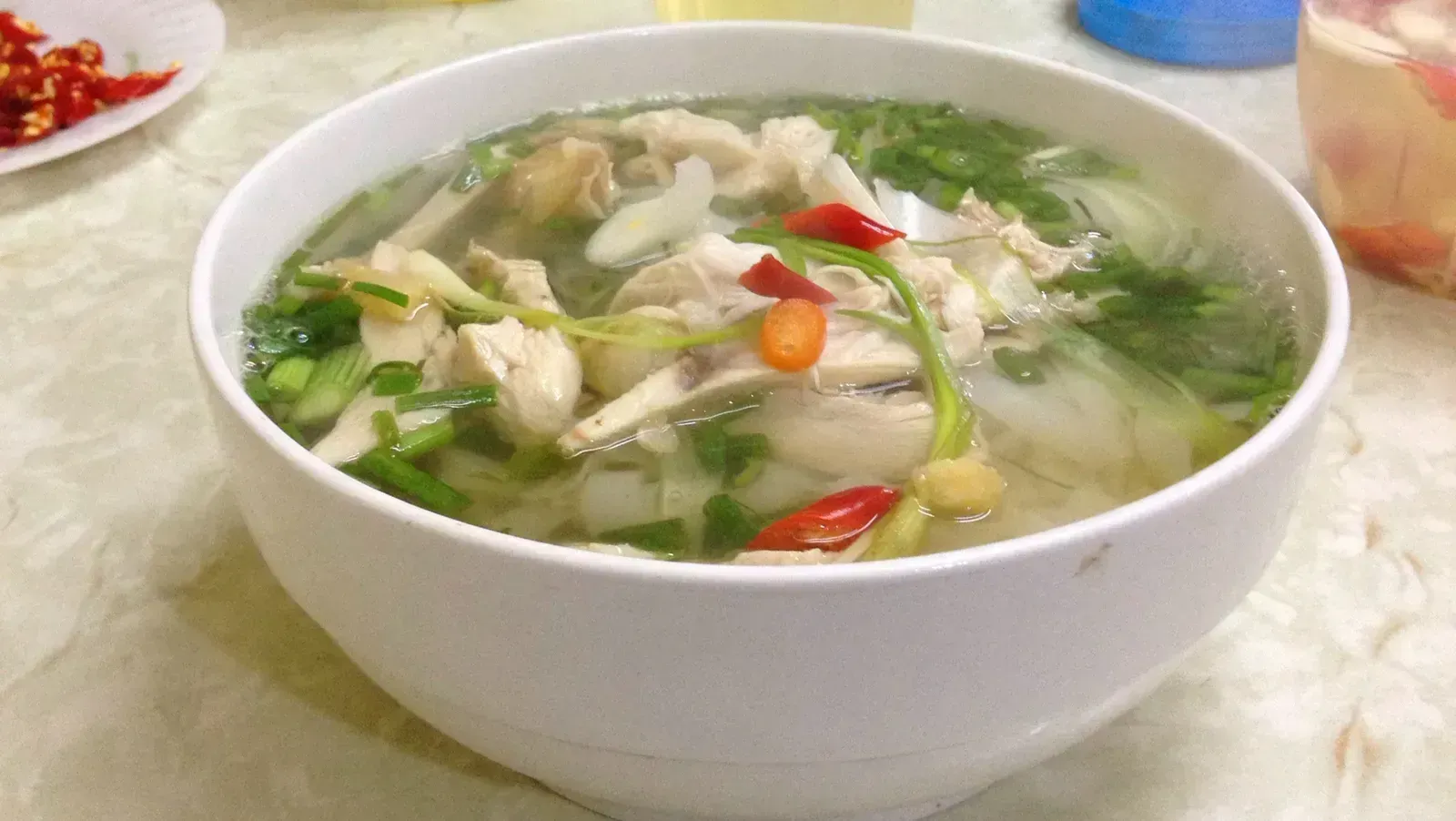
Making authentic pho at home requires an enormous investment in ingredients you might never use again. Home cooked pho costs approximately $3.42 for the ingredients alone, which seems cheap until you consider the shopping trip, the roughly twelve hours of simmering bone broth, and purchasing items like star anise, fish sauce, and proper rice noodles. Meanwhile, pho makes for a hearty, filling, but usually inexpensive light meal at restaurants that specialize in it. The restaurant version typically runs between eight and twelve dollars, yet gives you a massive bowl that often serves as two meals, no cleanup required.
Sushi Rolls
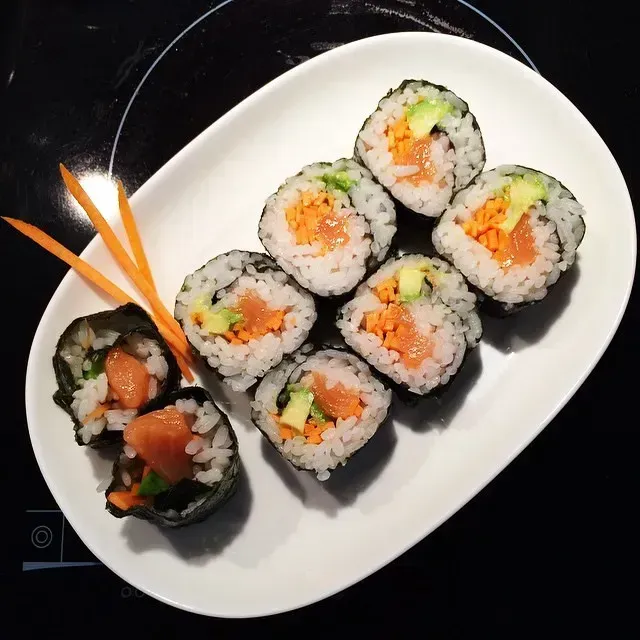
Sushi feels expensive at restaurants, yet making it at home can be even pricier when you’re starting from scratch. A basic homemade sushi meal for two can range from $20 to $50, including ingredients such as sushi rice, nori seaweed sheets, vegetables, seafood or other proteins, and condiments like soy sauce and wasabi, with specialty items like sashimi-grade fish or sushi-grade rice increasing the cost. You also need a bamboo rolling mat, rice paddle, and sharp knife. Unless you’re feeding a crowd regularly or become a sushi-making enthusiast, ordering from your local spot makes more sense financially. Salmon nigiri are often sold for at least $6 a pair, but could be made at home with high quality fish for around $1.50 in supplies, though that assumes you already own all the equipment and other ingredients.
Pizza for Two People
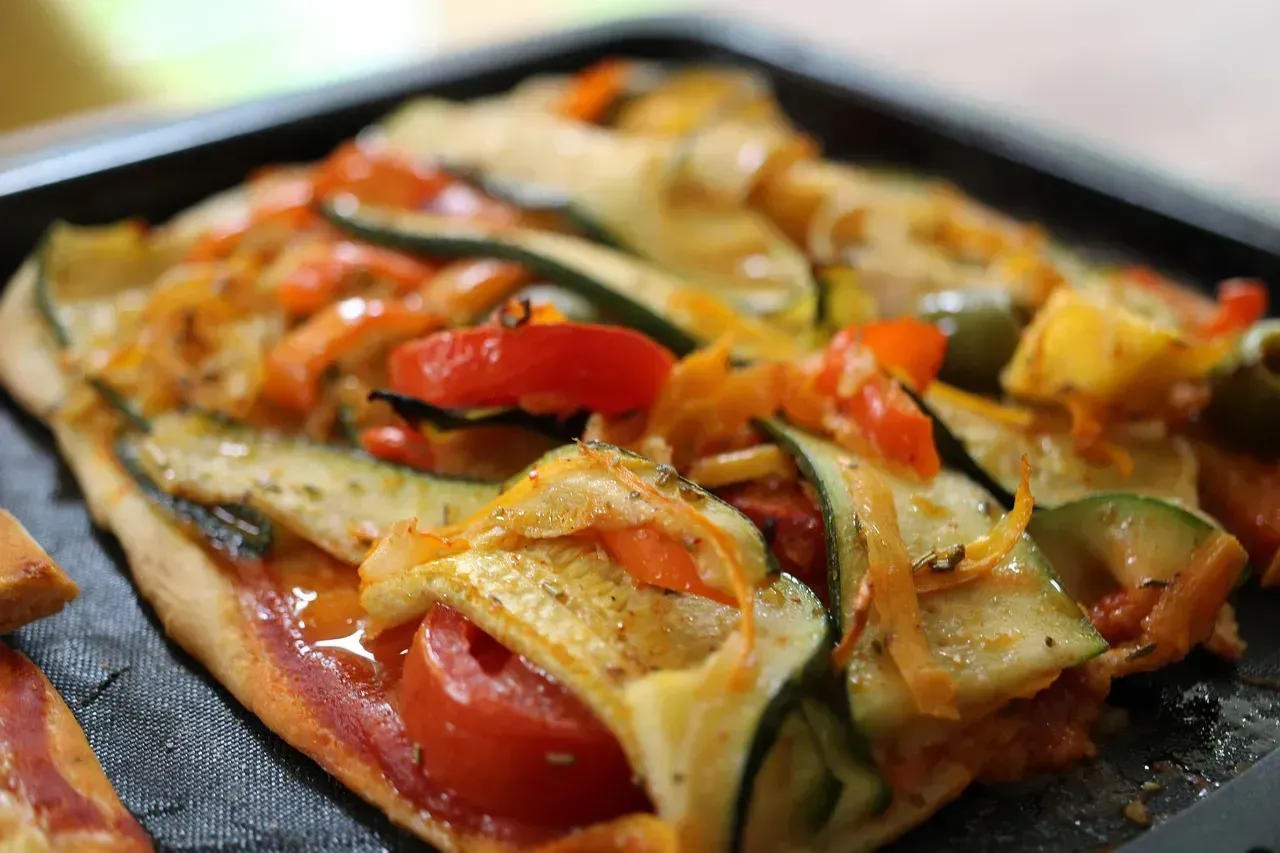
Pizza orders from restaurants can easily reach $20 to $25 for two people, while the cost of ingredients like oil, flour, yeast, cheese and tomato sauce can come in at under $6 for a basic 12- to 14-inch homemade pizza. That math changes quickly, though. The cheap calculation assumes you already have olive oil, dried herbs, and a pizza stone or pan. For someone making pizza once in a while, you’ll buy a large bag of flour, a jar of yeast, and a giant block of mozzarella. Half goes unused and eventually gets tossed. Suddenly that six dollar pizza becomes a twenty dollar experiment.
Single Serve Value Menu Burgers
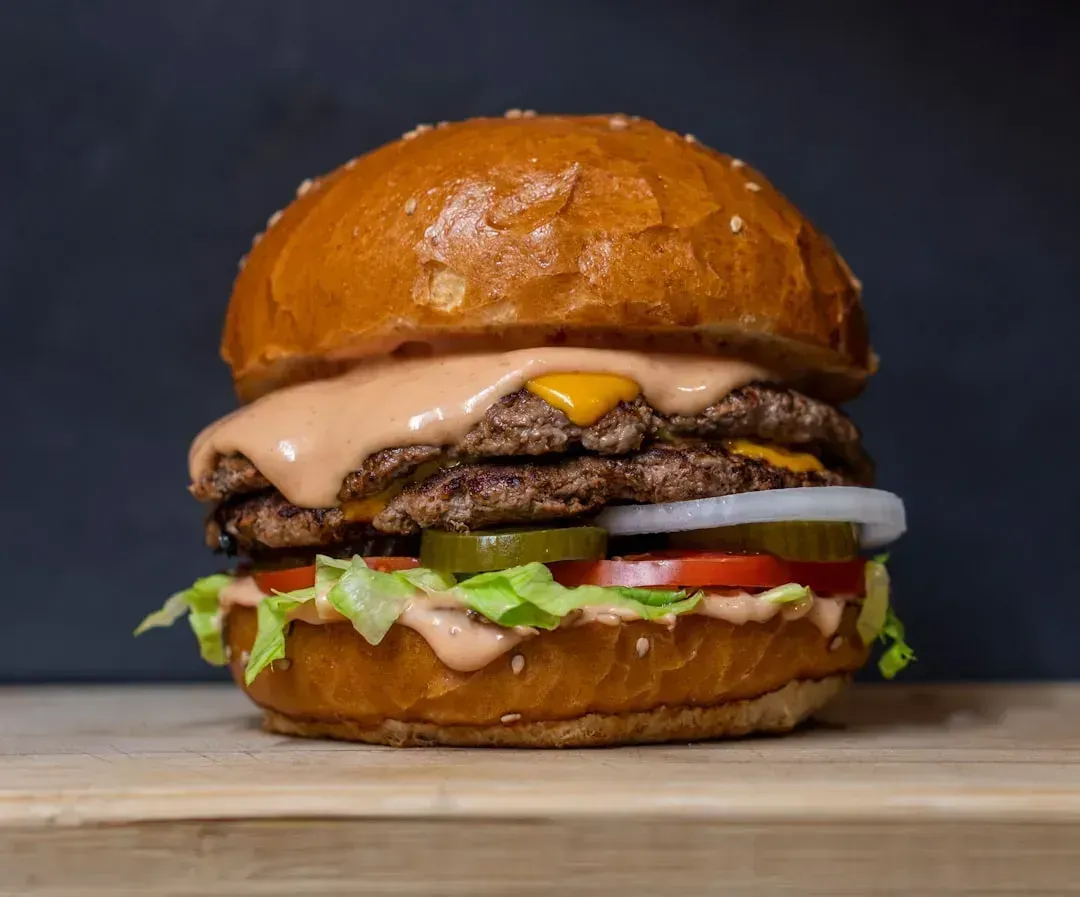
This one might surprise you. The high cost of groceries and the surge in value menu items (such as $1 fast food burgers) support the notion that dining-out and cooking-in prices are converging, as you certainly can’t make a burger at home for $1. When you’re feeding just yourself and craving a quick burger, buying a single hamburger bun package, a pound of ground beef, condiments, lettuce, tomato, and cheese quickly exceeds what two or three value menu burgers would cost. The groceries sit in your fridge waiting to be used again while that dollar burger satisfies immediately.
Small Portion Complex Curries
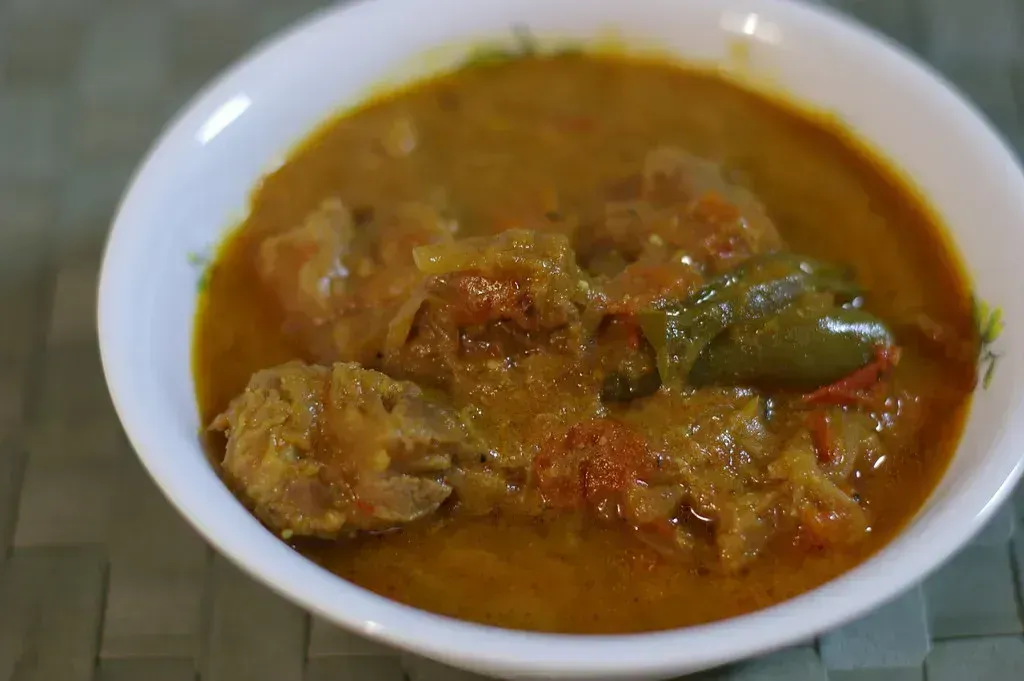
Authentic Thai or Indian curry requires a pantry full of spices most home cooks don’t stock regularly. Think turmeric, cumin, coriander, garam masala, curry paste, coconut milk, and fish sauce. Each ingredient costs between three and eight dollars. By the time you’ve assembled everything for one homemade curry, you’ve spent upwards of forty dollars. Restaurant curries typically cost between twelve and sixteen dollars for a generous portion. The math only favors home cooking if you’re making curry weekly, which most people aren’t.
Ramen with Proper Broth
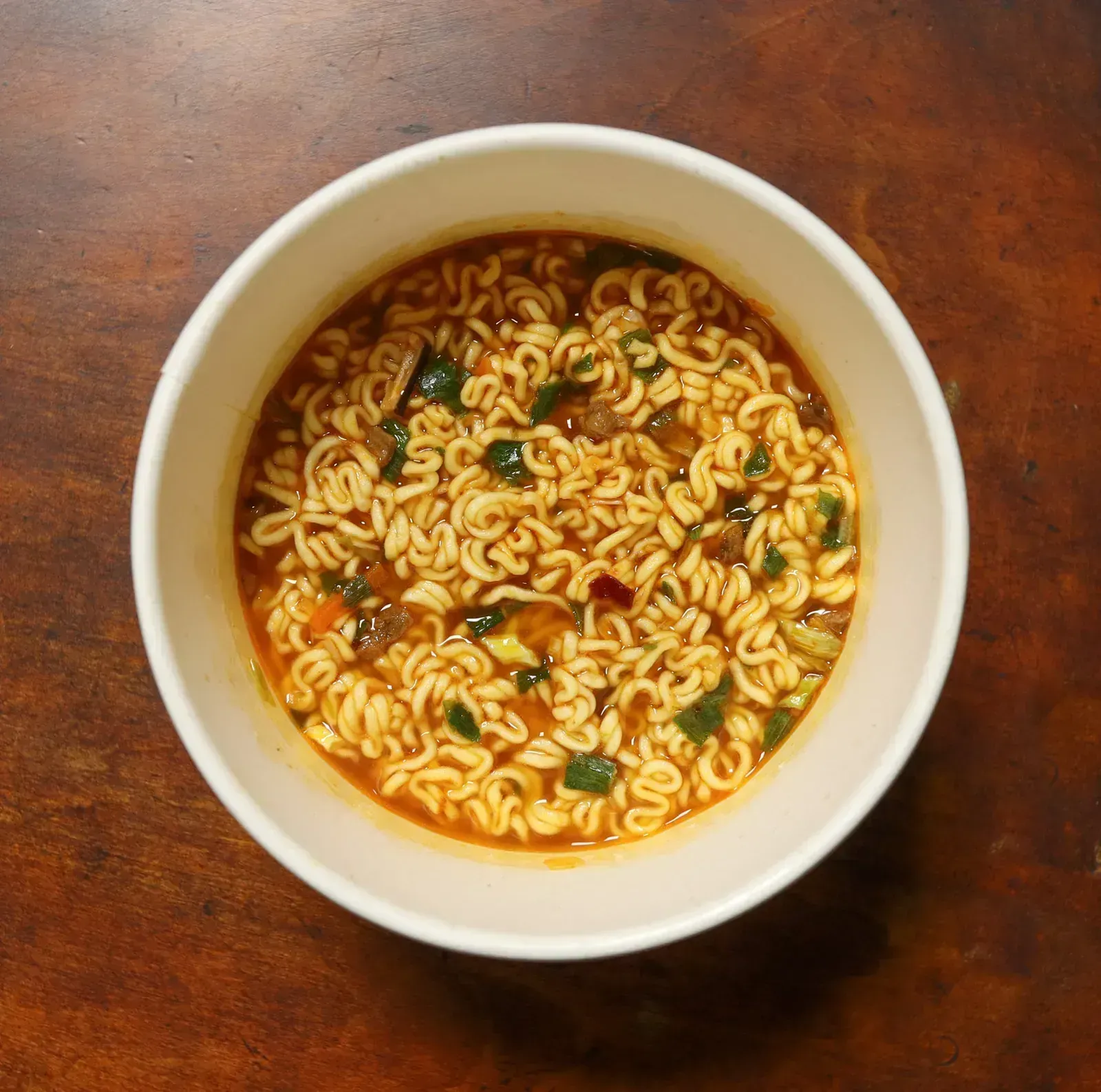
Not the instant packet kind. Real ramen with tonkotsu or miso broth that’s been simmered for hours demands pork bones, kombu, dried shiitake mushrooms, miso paste, and specialty toppings like nori, soft-boiled eggs, bamboo shoots, and chashu pork. The initial investment easily hits fifty dollars, and that’s before factoring in the eight to twelve hours of active cooking and monitoring. A quality ramen bowl at a restaurant costs between ten and fifteen dollars. Unless you’re obsessed with perfecting your technique, eating out wins every time.
Restaurant-Style Steak for One
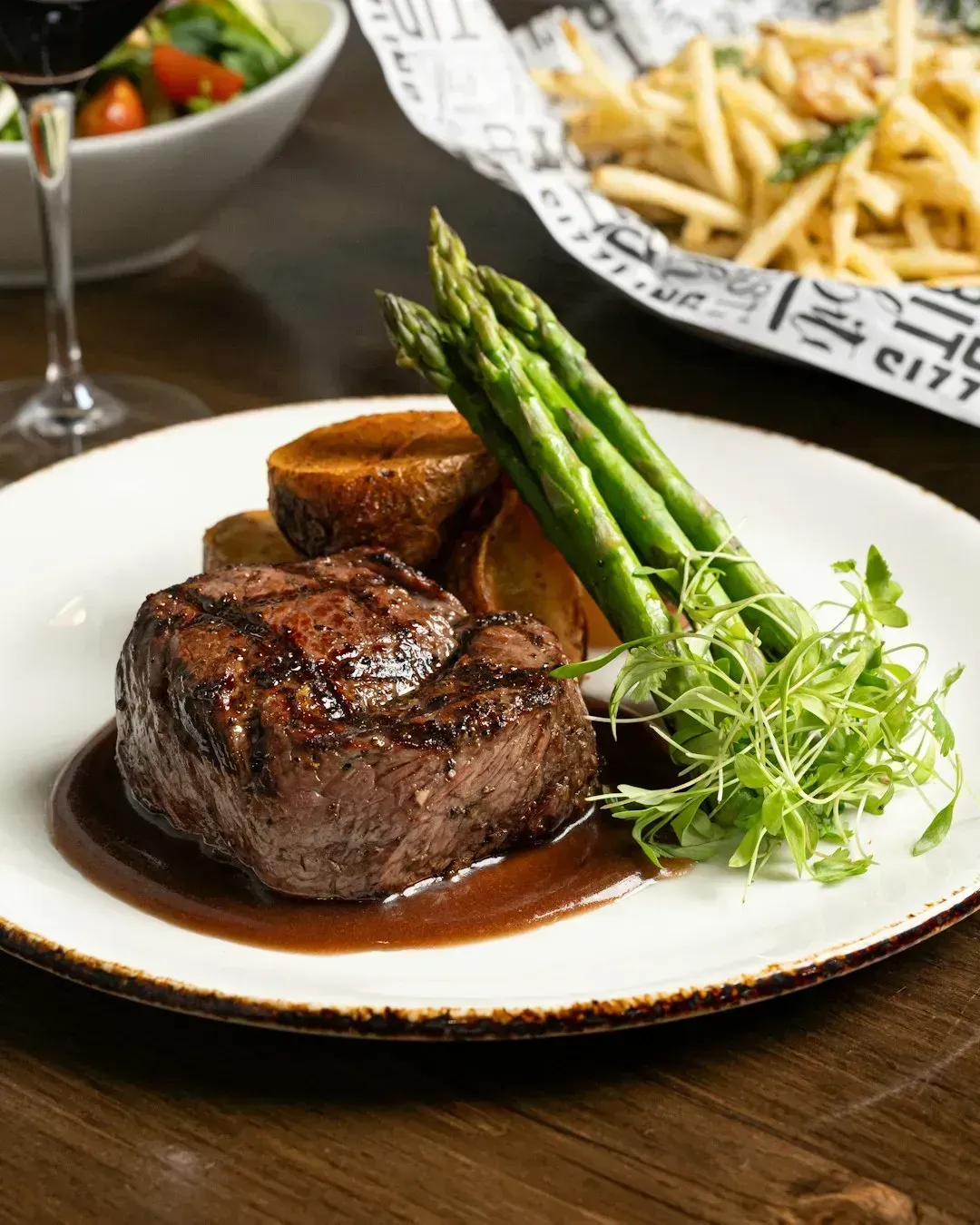
Wait, doesn’t cooking steak at home save money? Not necessarily when you’re dining solo. When it comes to more extravagant meals like steak, there’s typically an extreme premium when eating out, sometimes up to a 300% markup, as you could buy three or four of the same ribeye steak from your grocery store that would be priced at $80 to $100 each at a steak house. That calculation changes dramatically for single portions. A quality eight-ounce ribeye at the grocery store costs roughly fifteen to twenty dollars. Then add potatoes, butter, vegetables, and seasonings. You’ll spend nearly the same as a lunch special at many steakhouses, yet someone else handles the cooking and cleanup.
Bánh Mì Sandwiches
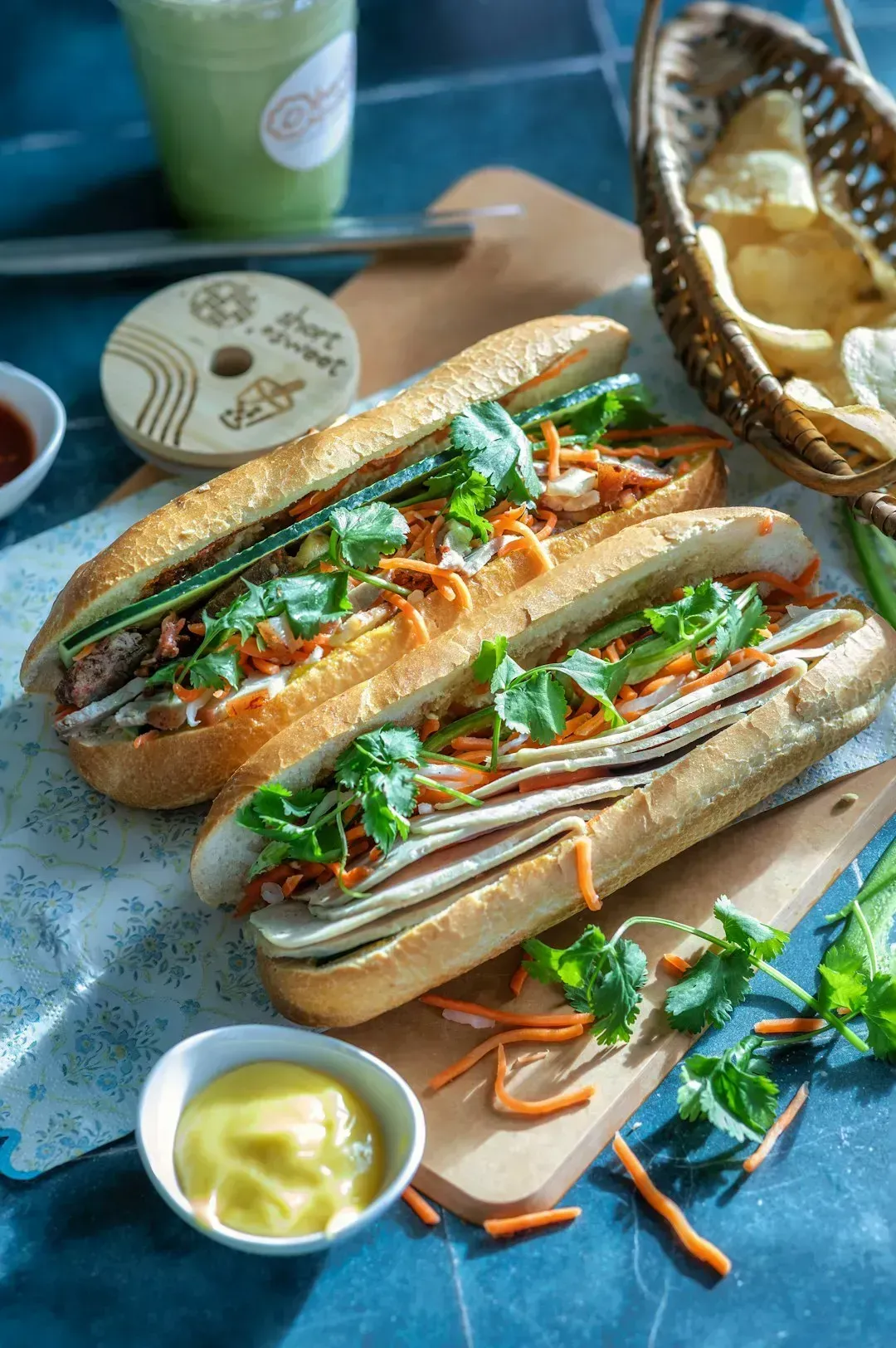
These Vietnamese sandwiches seem simple until you try making them yourself. You need a proper baguette with the right texture, pickled daikon and carrots, cilantro, cucumber, jalapeños, pâté, and your protein of choice, plus mayo and Maggi seasoning. Making pickled vegetables alone requires planning a day ahead. Most Vietnamese bakeries sell bánh mì for between four and six dollars. Replicating that at home for one sandwich costs nearly the same after buying all those components, many of which you won’t finish before they spoil.
Soup Dumplings
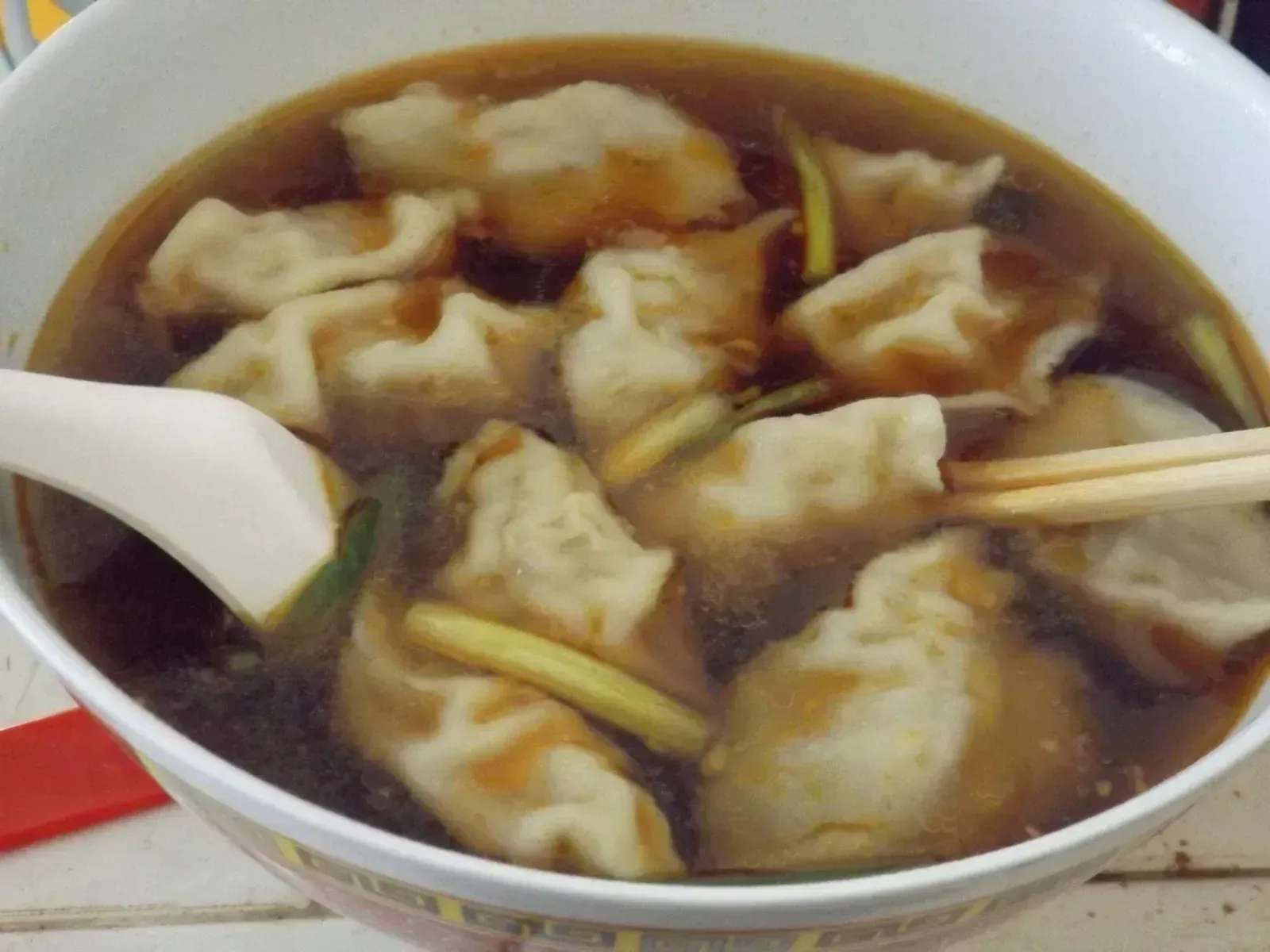
Xiaolongbao, those delicate soup dumplings, require serious skill and specialized ingredients. You need dumpling wrappers thin enough to see through, gelatinized broth that melts inside the dumpling, ground pork, ginger, and a bamboo steamer. The technique takes years to master. Most dim sum restaurants charge between six and nine dollars for an order of eight dumplings. Attempting these at home costs roughly the same in ingredients alone, plus hours of frustrating attempts that likely end in torn wrappers and leaked soup.
Barbecue Brisket
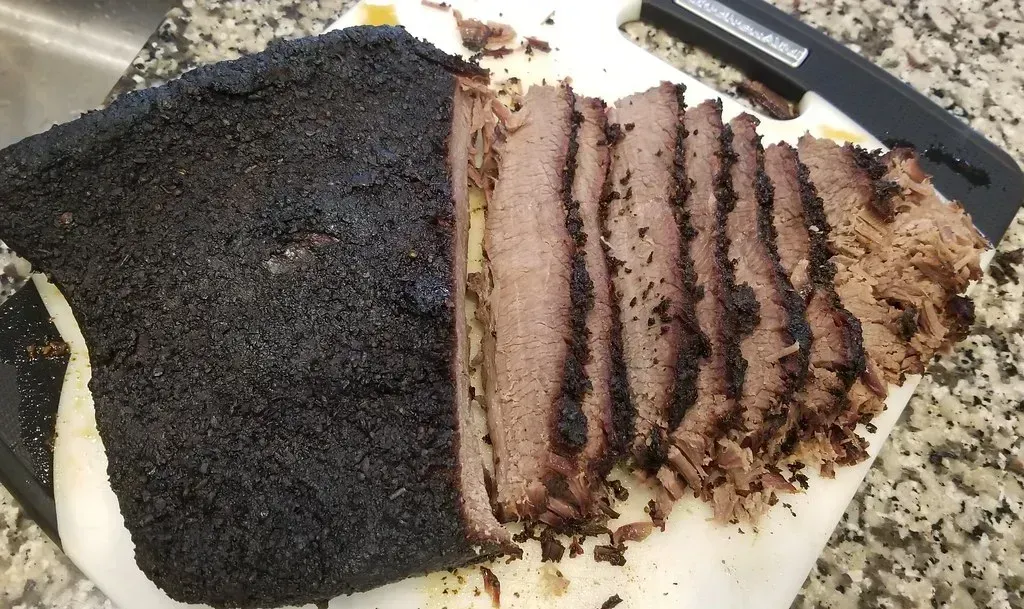
Proper smoked brisket demands a smoker or charcoal grill, a full packer brisket weighing twelve to fifteen pounds, wood chips, and roughly twelve hours of smoking time while monitoring temperature. A whole brisket costs around sixty to eighty dollars. You’ll feed a crowd, sure, yet when you’re craving brisket for just a meal or two, buying it by the pound from a barbecue joint makes infinitely more sense. Most places charge around eighteen to twenty-two dollars per pound. You get exactly what you need without the daylong commitment.
Fancy Coffee Drinks

That oat milk cortado or vanilla sweet cream cold brew seems outrageously priced at five or six dollars. Making it at home requires an espresso machine costing hundreds of dollars minimum, plus a milk frother, specialty syrups, and alternative milk that costs nearly as much as the coffee itself. Unless you’re consuming multiple fancy coffee drinks daily, the home setup never pays for itself. The occasional splurge at a café actually saves money compared to the equipment investment.
Single Serve Fried Rice
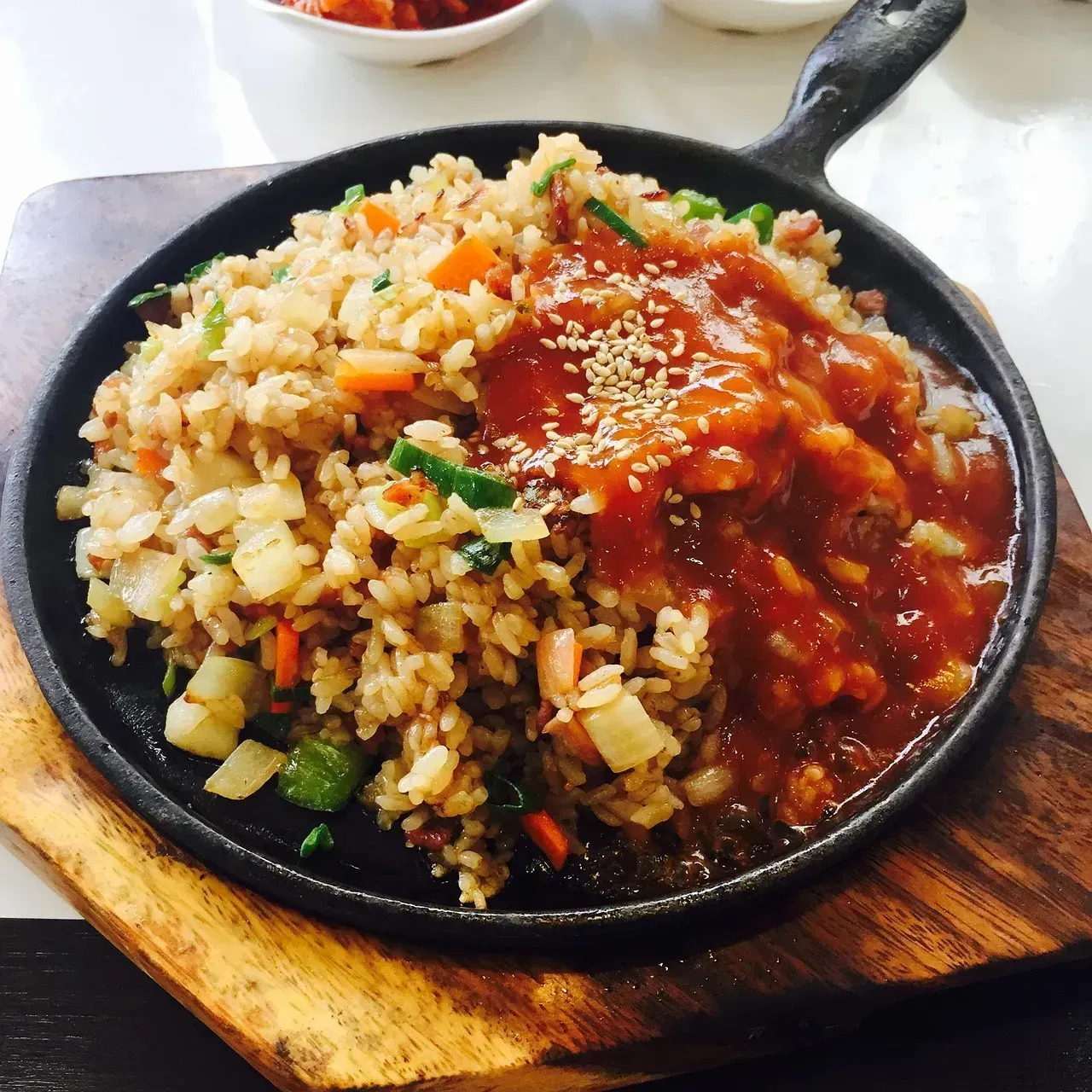
Fried rice feels like it should be the ultimate budget meal to make at home. Here’s the catch for singles or couples: restaurants make incredible fried rice for between eight and twelve dollars that easily serves two meals. Making it yourself requires day-old rice, eggs, frozen vegetables, soy sauce, sesame oil, and your protein choice. When cooking for one or two, you’ll buy a whole bottle of sesame oil you rarely use, a bag of frozen peas bigger than you need, and find yourself with way too much fried rice. The proportions favor restaurants that cook in bulk.
Let’s be real. The conventional wisdom about home cooking being cheaper holds true when you cook regularly and efficiently. Yet for specific dishes requiring specialized ingredients, extensive time investment, or expertise you simply don’t have, eating out becomes the smarter financial choice. The key is recognizing which meals fall into that category rather than assuming everything’s always cheaper at home. Next time you’re tempted to recreate that complex restaurant dish, calculate the true cost including every ingredient, your time, and the equipment. You might be surprised which option actually saves you money. What dishes would you add to this list?