4 Restaurant Meals That Usually Cost Less Than Making Them at Home
Let’s be real here. The old wisdom that cooking at home is always cheaper has been turning on its head lately. With grocery prices climbing and restaurants fighting hard to keep customers through their doors, some surprising deals have emerged. You might walk into a store, see the price of ingredients, do the math in your head, and realize that picking up dinner would actually be the budget-friendly move.
It sounds backwards, especially when everyone keeps telling you to meal prep and stay out of drive-throughs. Still, there are specific scenarios where the restaurant option genuinely wins the price battle.
Rotisserie Chicken
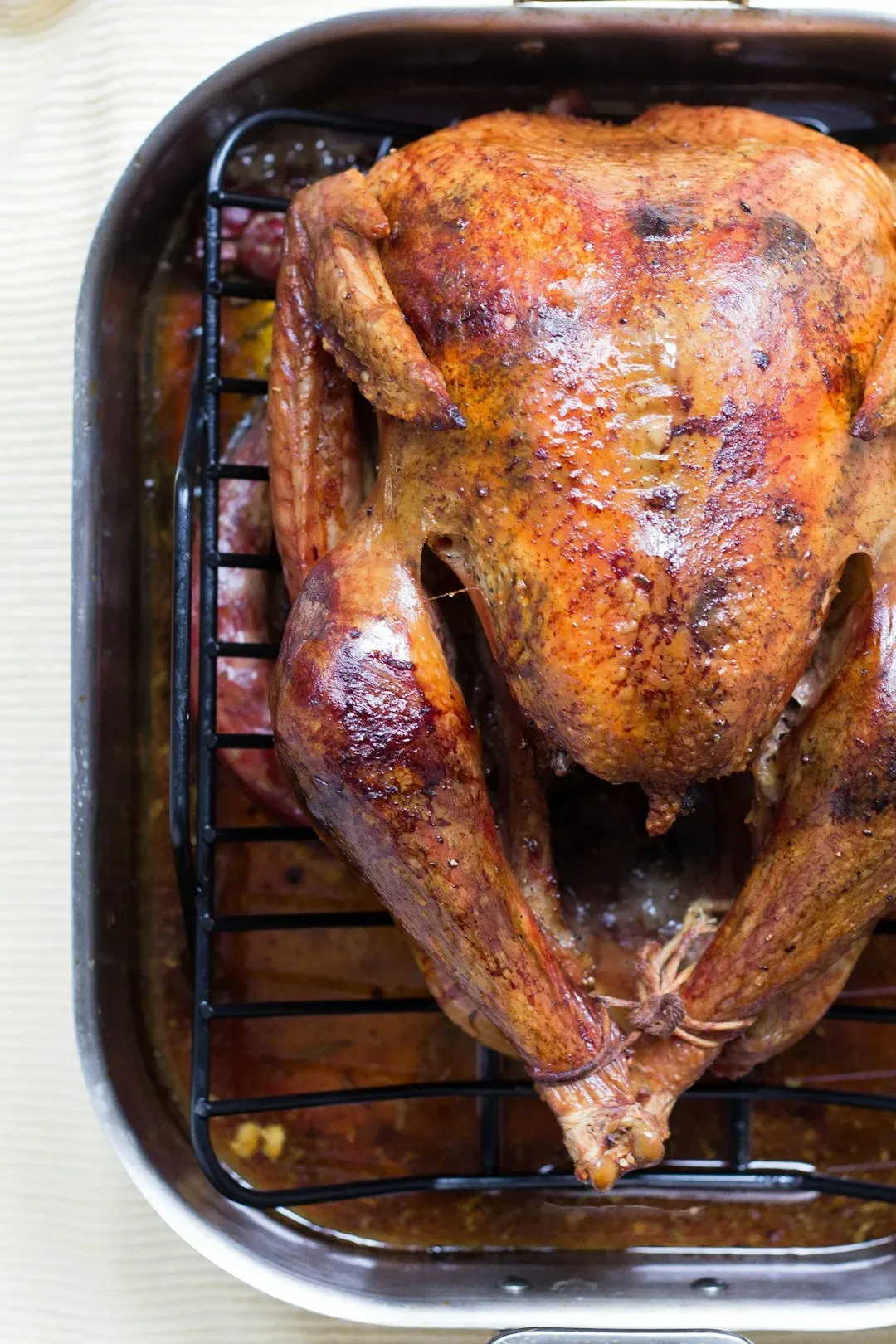
Grocery store rotisserie chickens are actually cheaper than raw chickens, which feels completely counterintuitive when you think about it. A three-pound raw chicken costs roughly six dollars at current grocery store prices, while Costco and Sam’s Club sell fully cooked rotisserie chickens for under five dollars. That’s not even accounting for the electricity you’d burn roasting it yourself or the hour of your time spent prepping and cooking.
The birds usually start out as raw ones that are closing in on their expiration dates but haven’t sold yet, which is why stores can afford to price them so aggressively. They’re known as loss-leaders for brands like Costco, losing money for the company but drawing enough customers to buy other things that they serve as marketing promotions. When you factor in your labor as a cost, the convenience becomes even more obvious.
Value Menu Fast Food Burgers
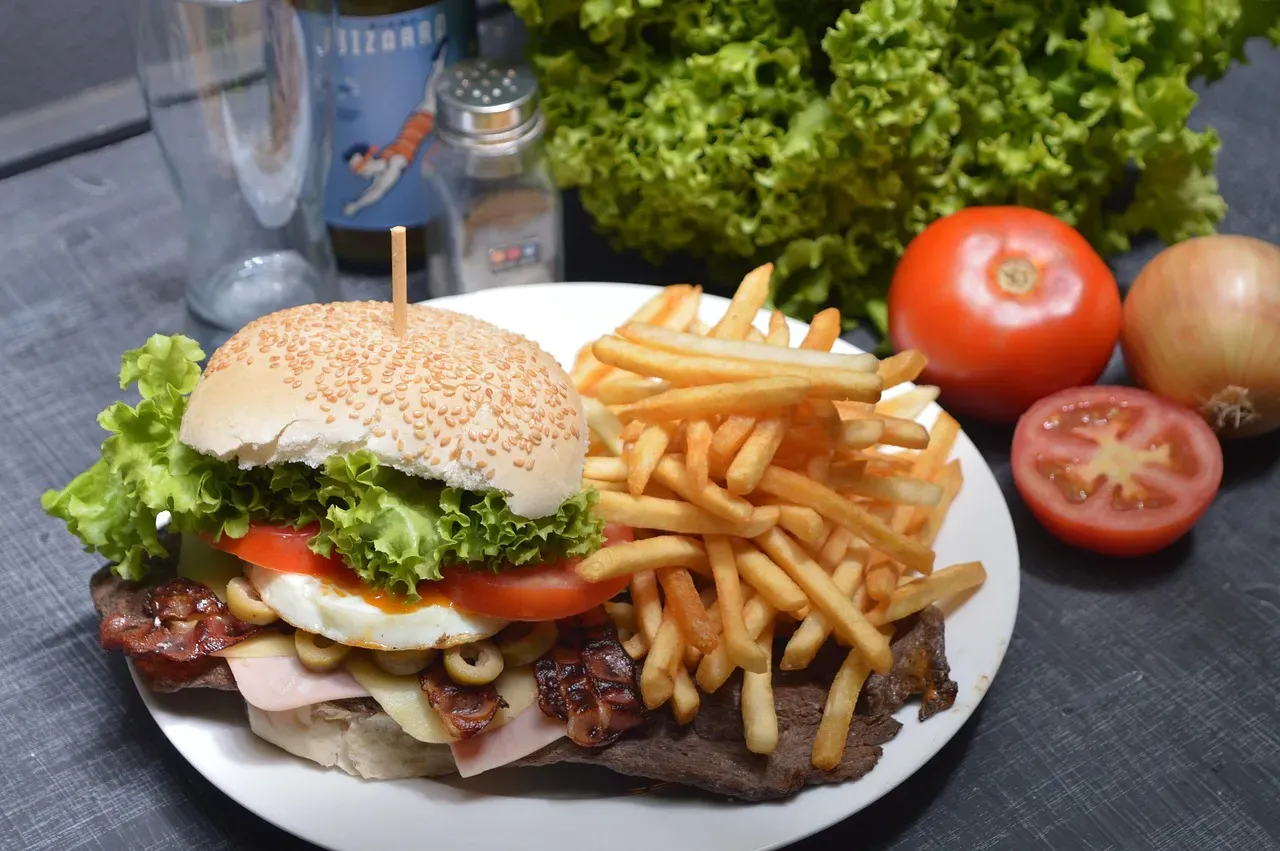
The surge in value menu items such as dollar fast food burgers supports the notion that dining-out and cooking-in prices are converging. You certainly can’t make a burger at home for a dollar when you consider the bun, the patty, condiments, and the energy to cook it.
Fast food has high transportation, packaging, and processing costs which lead restaurants to have roughly a 300 percent markup price, yet their bulk purchasing power and economies of scale still make certain items cheaper than what an individual household can achieve. The thing is, restaurants buy ingredients in massive quantities that drive down their per-unit costs far below what you’ll ever pay at a grocery store. For single-serving situations especially, those value menu options often beat homemade versions on price alone.
Large Pizza Orders
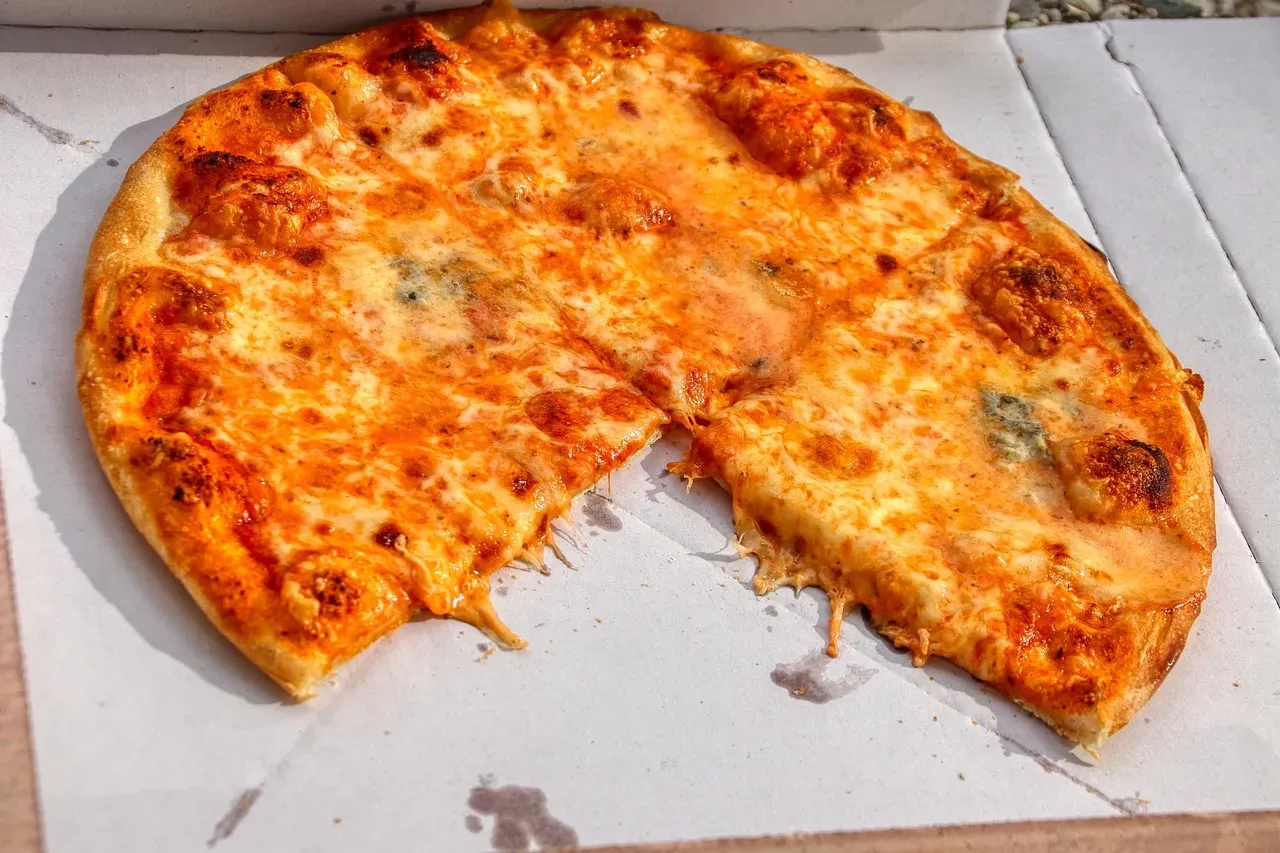
Menu prices rose by 4.1 percent year-over-year compared to grocery prices at 1.1 percent, yet dining out still costs roughly 30 percent more than preparing meals at home on average. However, pizza delivery tells a different story when you’re feeding a crowd. Pizza orders from restaurants can easily reach twenty to twenty five dollars for two people, while ingredients like oil, flour, yeast, cheese and tomato sauce can come in at under six dollars for a basic homemade pizza.
Here’s the thing though. That calculation assumes you already own those ingredients in your pantry and you’re making multiple pizzas to justify buying them in the first place. A family of four might spend thirty to forty dollars on pizza night when ordering delivery but only ten to fifteen dollars when making pizza at home. When restaurants run specials or offer large pizzas for pickup at discounted rates, the gap narrows significantly. If you’re ordering just once and need to buy every single ingredient fresh, the restaurant often wins.
Breakfast Sandwiches From Fast Food Chains
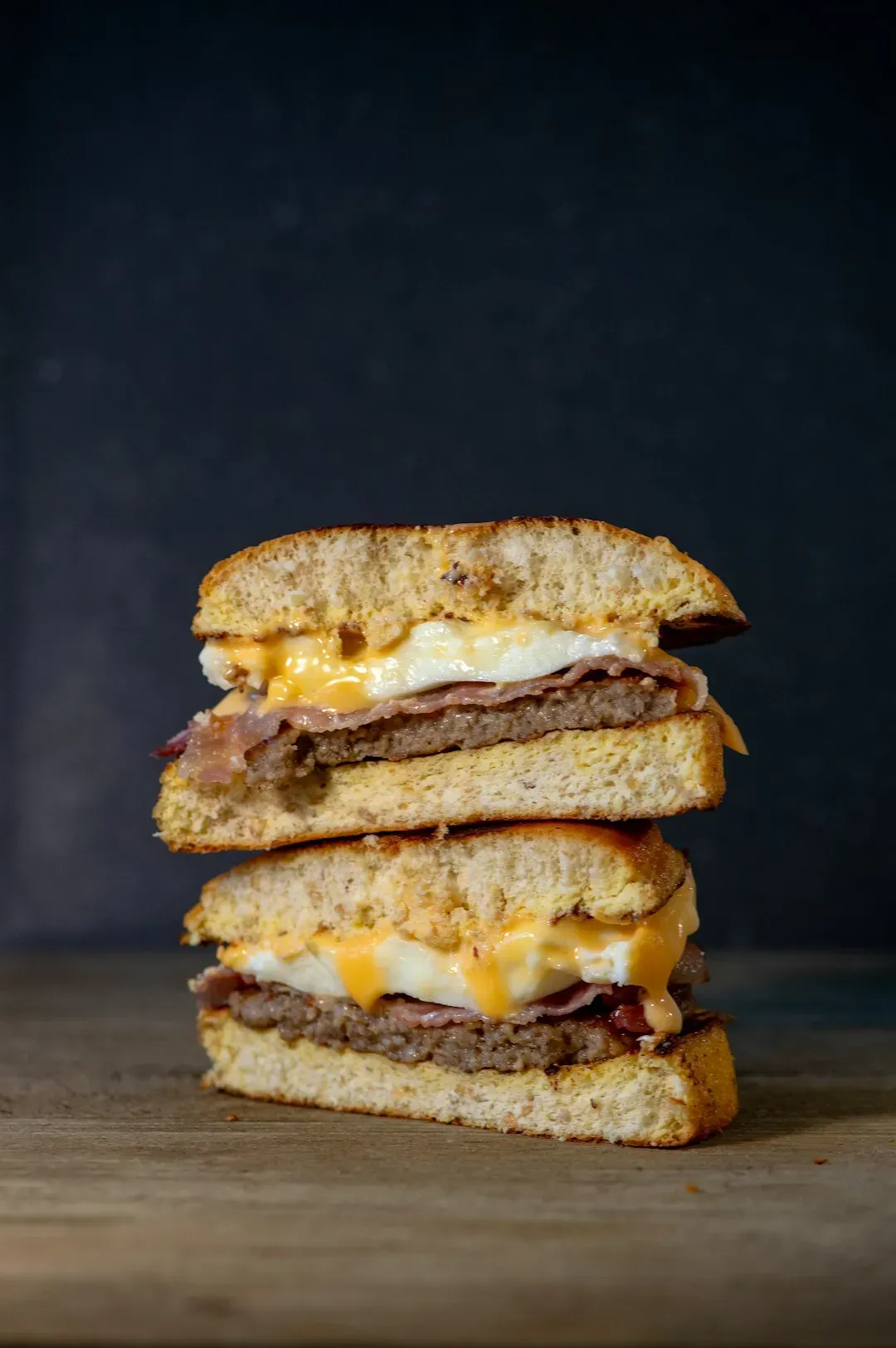
Fast food breakfasts have risen faster than inflation since 2019, up an average of 53 percent, but they’re still surprisingly competitive with homemade versions when you break down the costs. Making a chicken sandwich at home to rival a budget sandwich from chains like McDonald’s or Wendy’s could be difficult, since you’ll likely have to buy ingredients from the grocery store in larger amounts, as items like chicken breast, buns, veggies and sauces rarely come in single-serving sizes.
The breakfast sandwich situation is even more pronounced. You need eggs, English muffins or bagels, cheese, and some kind of meat like bacon or sausage. Buying all those components for a single breakfast will cost you more than just grabbing one from a fast food place. If you’re cooking for yourself alone and you don’t plan to make breakfast sandwiches repeatedly throughout the week, the drive-through genuinely saves you money.