If You Dined Out in the ’60s or ’70s, You’ll Remember These 8 Lost Chains
If you grew up driving along American highways during the era of bell bottoms and disco, certain restaurant names probably still spark a memory. These weren’t just places to grab a meal. They were landmarks, meeting spots, and part of the American experience. Yet most of them vanished, leaving behind only faded photographs and nostalgic recollections. Let’s revisit eight restaurant chains that once dominated the landscape but have since disappeared into history.
Burger Chef: The McDonald’s Rival That Nearly Won
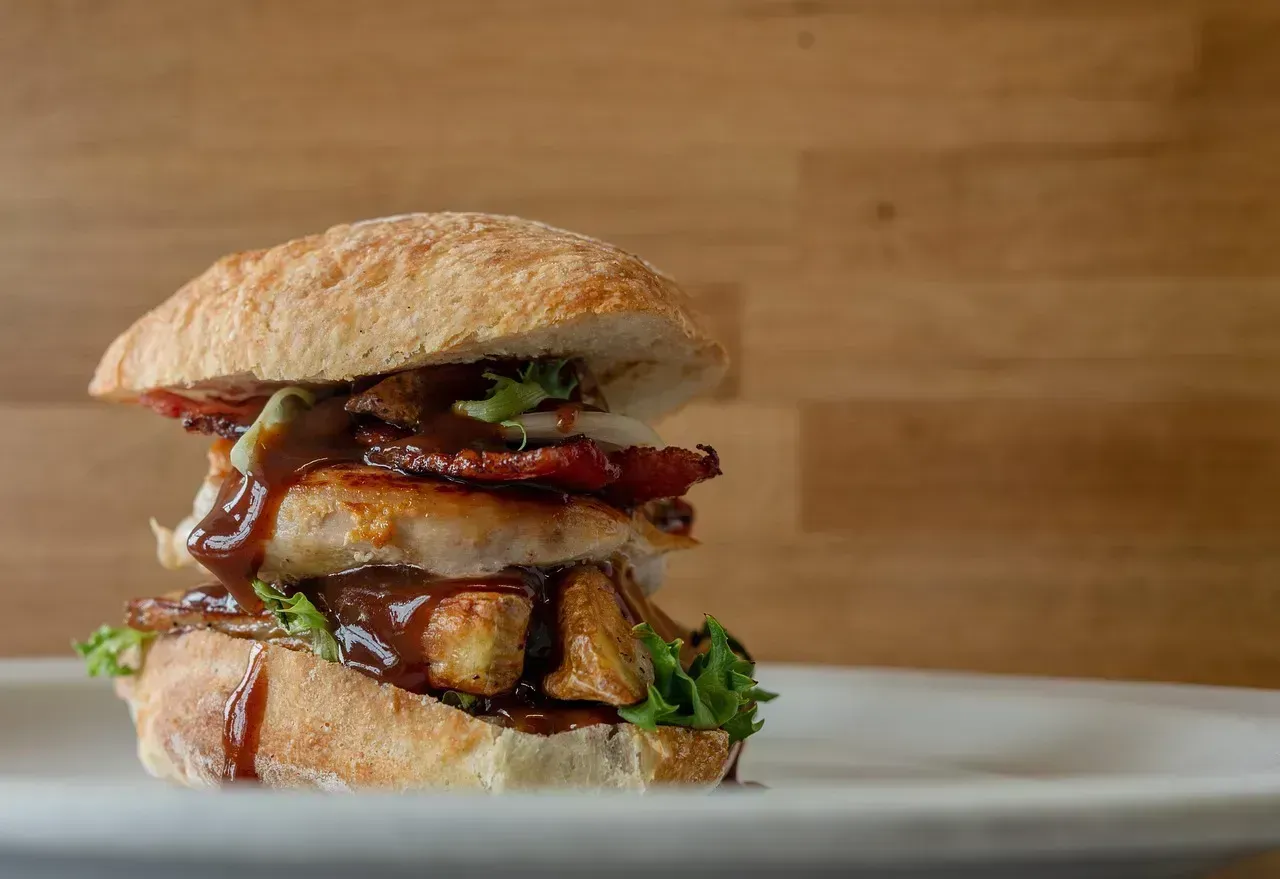
By 1972, Burger Chef had roughly 1,200 locations, surpassed only by McDonald’s with 1,600. Think about that for a moment. In 1972, the chain introduced the Funburger, a hamburger with packaging that included puzzles and a small toy, followed by the Funmeal in 1973, the first kid’s meal that included a burger, french fries, a drink, a cookie, and a small toy. This was years before McDonald’s introduced the Happy Meal. Founded in 1954, Frank and Donald Thomas opened their first Burger Chef in 1957 in Indianapolis, Indiana. In late 1978, four young Burger Chef employees were kidnapped and murdered in Indiana, with news making national headlines. In 1982, General Foods sold Burger Chef to Imasco, which also owned Hardee’s, and converted many locations to Hardee’s restaurants. The final restaurant to use Burger Chef’s branding and signage closed in 1996.
Howard Johnson’s: The Orange Roof That Fed America
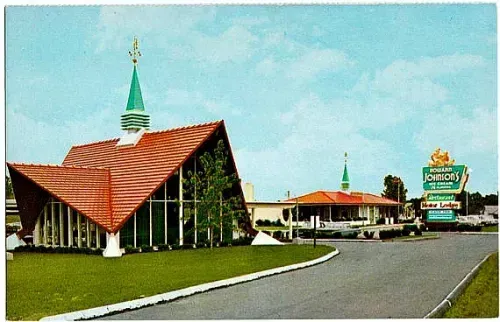
Howard Johnson’s was the largest restaurant chain in the U.S. throughout the 1960s and 1970s, with more than 1,000 combined company-owned and franchised outlets. Families driving cross country knew those orange roofs meant familiar food and reliable service. At its peak in the 1960s and 70s, Howard Johnson’s boasted around 1,000 locations from the Atlantic to the Pacific oceans. With more than 1,000 locations at its peak, HoJo’s was bound to be somewhere on the way, ready to serve its signature fried clam strips, grilled hot dogs and 28 flavors of ice cream. The chain couldn’t keep pace with the speed and low prices offered by newer fast food competitors like McDonald’s. The last North American HoJo restaurant in Lake George, New York closed its doors in May 2022 after 70 years.
Gino’s Hamburgers: Where NFL Stars Served Burgers
Gino’s Hamburgers was founded in Baltimore, Maryland by Baltimore Colts defensive end Gino Marchetti and running back Alan Ameche, along with Joe Campanella and Louis Fischer, in 1957. The connection to professional football gave this chain instant credibility in the sports-mad mid-Atlantic region. By 1972, the number tripled to 330 restaurants. Before the creation of the Big Mac, Gino’s was the first chain to introduce the triple-decker burger in 1966, dubbed the Gino Giant. The chain had 359 company-owned locations when the Marriott Corporation acquired it in 1982, then discontinued the brand and converted locations to its Roy Rogers Restaurants chain. The final Gino’s closed in 1986.
Lum’s: Beer-Steamed Hot Dogs Were the Hook
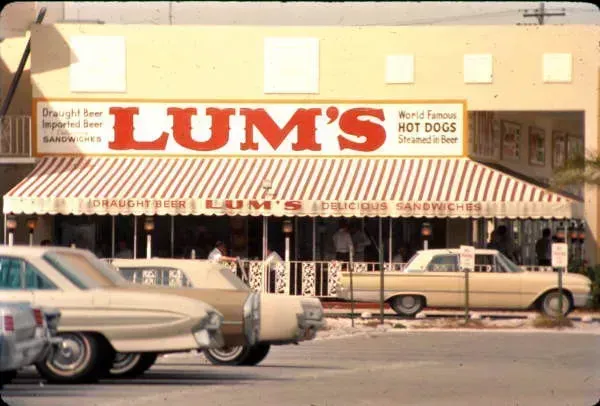
Here’s where things get quirky. Lum’s was founded in 1956 in Miami Beach, Florida when Stuart and Clifford S. Perlman purchased Lum’s hot dog stand for $10,000, opening three additional locations by 1961. The signature item was hot dogs steamed in beer. Honestly, it sounds strange until you try it. At Lum’s height in the 1970s, there were more than 400 locations across the United States and in Europe. In 1978, Wienerwald Holdings purchased the chain, but overextended itself and was forced to file for bankruptcy in 1982, forcing 70 Lum’s locations to close. The Bellevue, Nebraska location closed on May 28, 2017, marking the end of an era.
Red Barn: The Building Was Part of the Brand
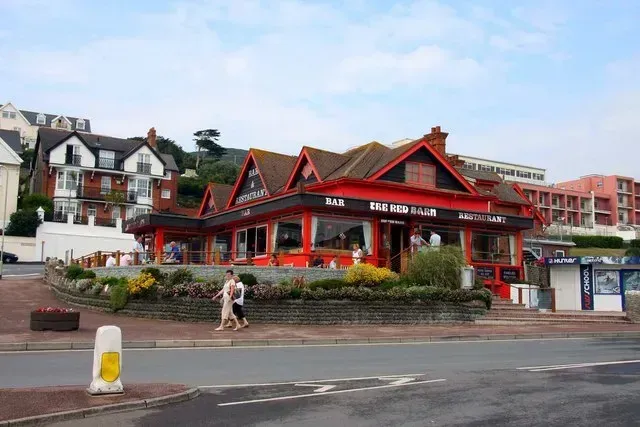
Red Barn started in Dayton, Ohio, circa the 1960s. The restaurants were designed to look exactly like their name suggests. The chain grew to over 300 locations across 19 states and even in parts of Canada and Australia. The chain swelled to 400 locations in the ’60s and ’70s, offering items that direct competitors did not such as fried chicken, fish sandwiches and a salad bar. The novelty of dining inside a barn-shaped building couldn’t compete with chains that had deeper pockets and faster service. The brand became utterly defunct after its last locations closed in 1988.
Henry’s Hamburgers: The Drive-In That Beat McDonald’s
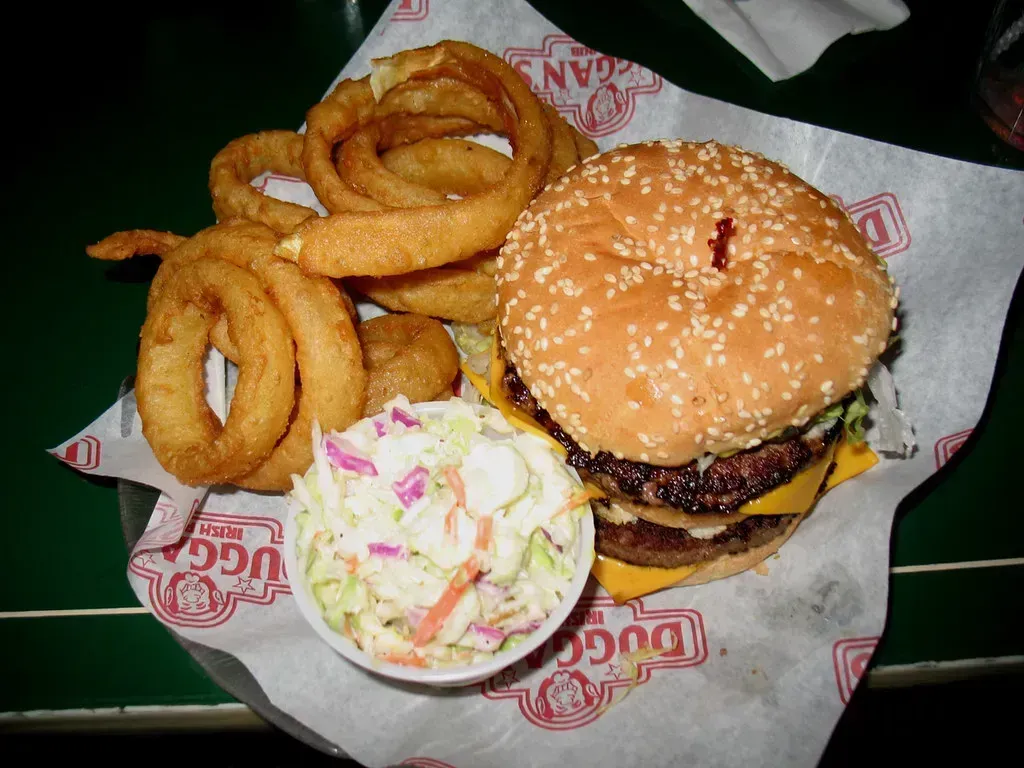
The first Henry’s opened in 1959 in Benton Harbor, Michigan, and by the end of the 1960s there were more than 200 Henry’s Hamburgers open, which at one point was more than McDonald’s could operate. Let that sink in. The 1960s-era chain’s Brown Bag Special was a double cheeseburger, fries, and a Pepsi, responsible for 50% of the fast-food restaurant’s sales. The chain attracted crowds of customers with its menu of 15-cent burgers, 29-cent fish sandwiches, and 10-cent fries. Financial restructuring at the parent company led to Henry’s slow decline during the 1970s. Now just one Henry’s Hamburgers lives on in its origin city of Benton Harbor, Michigan.
Sambo’s: The Controversial Pancake House
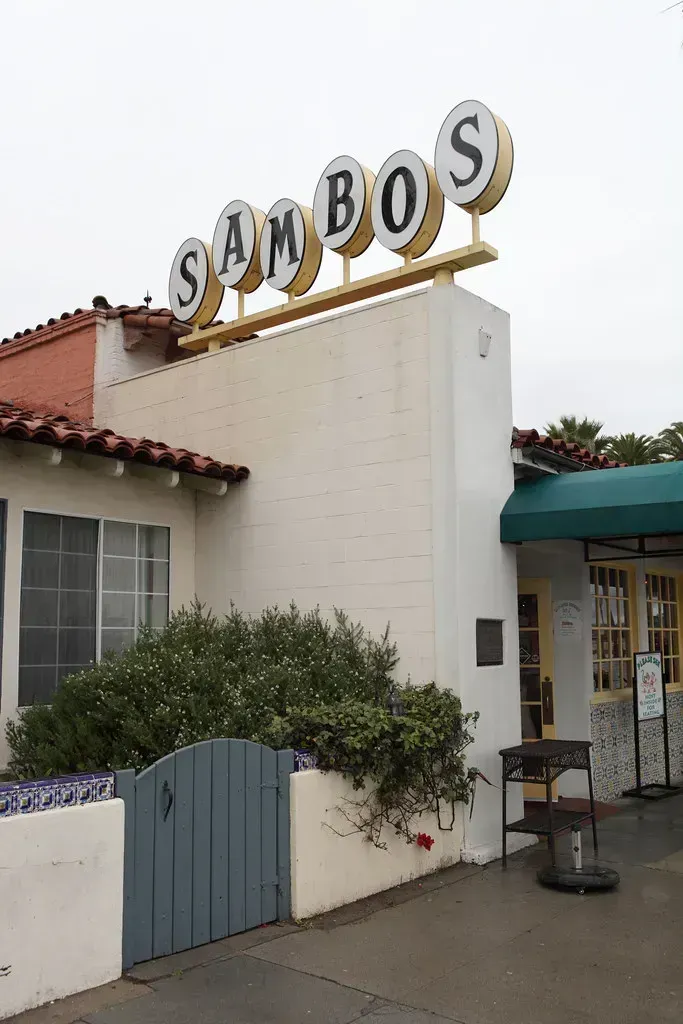
Named after owners Sam Battistone, Sr. and Newell Bohnett, Sambo’s was a pancake house that had over 1,100 different locations by the late 1970s. The name, which coincided with a controversial children’s book, became a lightning rod for criticism. By the 1970s, multiple black communities opened lawsuits against the restaurant chain due to the obvious tie to the racial slur in the company’s name, and many communities refused to grant permits or allow them to continue business. The company tried renaming some locations, though it was too little, too late. After 2001, the last remainder of the Beefsteak Charlie’s chain closed. The brand serves as a reminder of how cultural attitudes shift over time.
White Tower: The Castle That Copied
White Tower no-frills diners numbered 230 in the chain’s heyday, the 1950s, with the concept born in Milwaukee in 1926 mimicking close competitor White Castle. The restaurants looked like miniature medieval castles. Both emphasized square, steam-cooked burgers smothered in onions and sold by the sack, and architecture that made small-box stores look like medieval castles. Past the 1950s, White Tower, its restaurants mostly relegated to urban areas, began to fade away as it never made the move to the more lucrative suburbs like many fast-food competitors did in the late 1960s and 1970s. The few locations that survived eventually closed or converted to other concepts.
These eight chains represent more than just food history. They’re snapshots of different eras, business models, and American eating habits. Some failed because they couldn’t adapt to changing tastes, others because they expanded too quickly, and a few due to factors beyond their control. The memories remain vivid for those who experienced them, even if the restaurants themselves are long gone. What would you order if you could visit one of these places again?