12 Old-Fashioned American Foods That Are Now Hard to Find
Ever notice how certain dishes just vanish from our tables? Foods that once filled kitchens across America now barely get a mention. Some disappeared because tastes changed, others because we started caring more about what goes into our bodies.
What’s wild is how quickly these shifts happen. A dish beloved by grandparents becomes something their grandchildren find bizarre, even laughable. The story of American food isn’t just about what we love now, it’s also about what we’ve quietly left behind.
Jello Salads with Vegetables and Meat
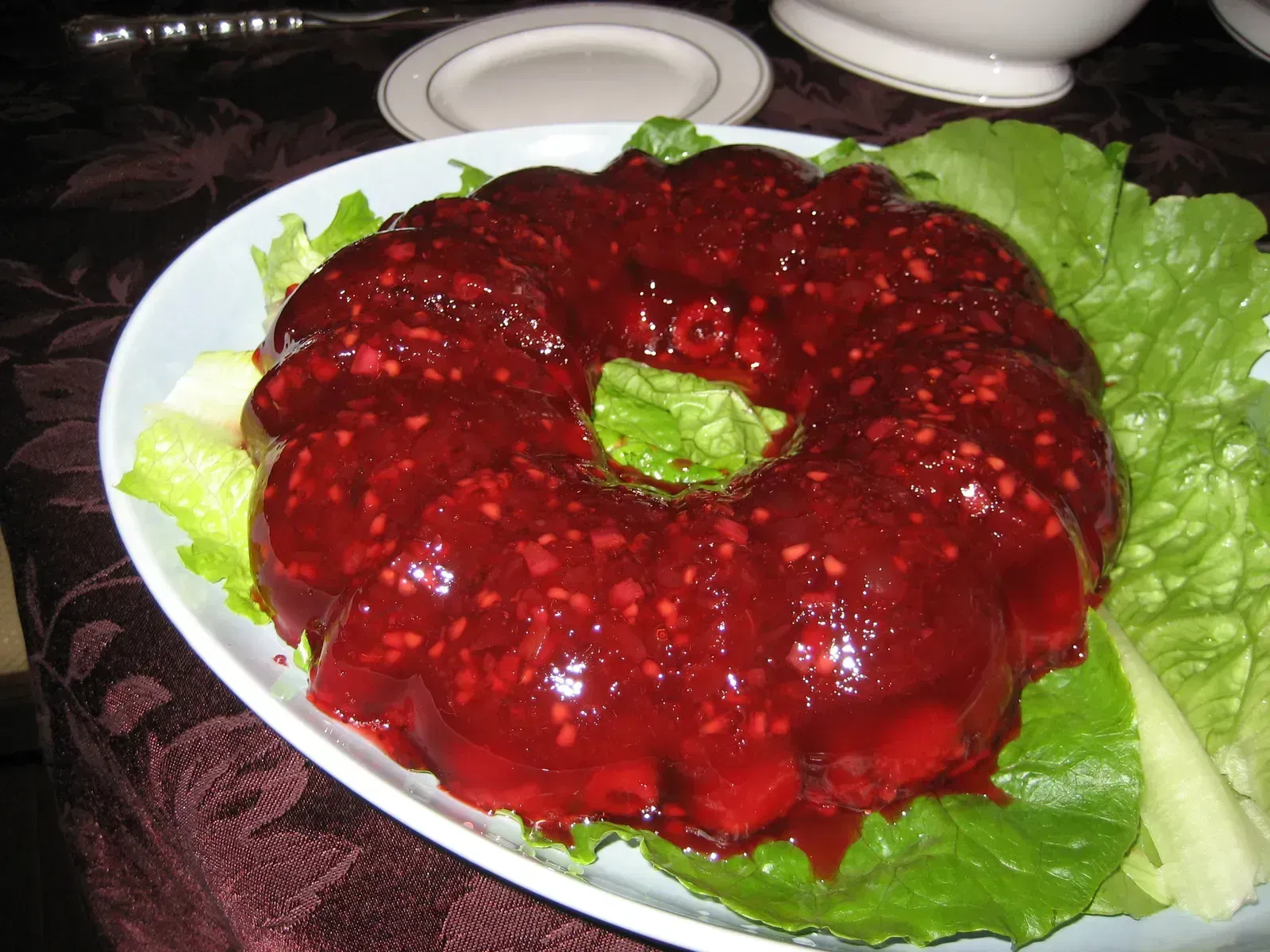
These gelatin molds appeared as a traditional side on American tables after Jell-O was invented in the late 1800s, with the first jello mold appearing in Pennsylvania in 1904. Think grated carrots, cottage cheese, pretzels, and sometimes even meat suspended in shimmering gelatin. In the early 1950s refrigerators were expensive, and preparing a Jell-O mold was something of a status symbol since gelatin needs refrigeration to set. The jello salad became popular in the 1950s but declined in popularity in the 1960s and 70s. The rise of Julia Child and the popularization of French cooking made the jello salad appear less elegant, and dieting trends eventually turned against sugary food like Jell-O.
Ambrosia Salad
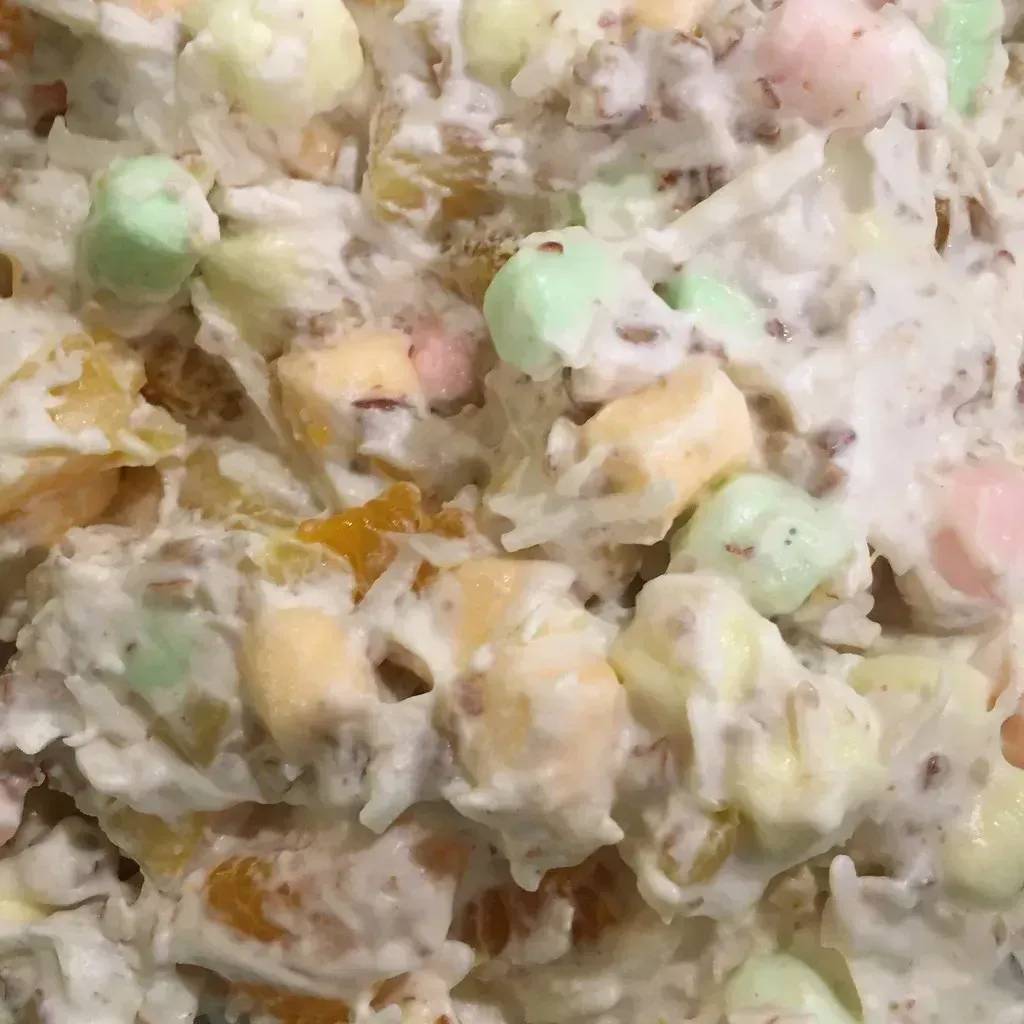
Ambrosia is an American variety of fruit salad originating in the Southern United States, with most recipes containing canned pineapple, mandarin orange slices, miniature marshmallows, and coconut. The earliest known mention appears in the 1867 cookbook Dixie Cookery by Maria Massey Barringer. Tropical ingredients like coconut and pineapple were rare in the mid-to-late 1800s because they were expensive to import, making them a luxury food and exotic novelty. This mix of canned fruit, marshmallows and sweetened cream lost popularity as Americans reduced sugar intake, with dietitians reporting that a single serving often exceeds recommended daily added sugar limits. Nowadays you might only see it at regional potlucks or very traditional holiday gatherings.
Liver and Onions
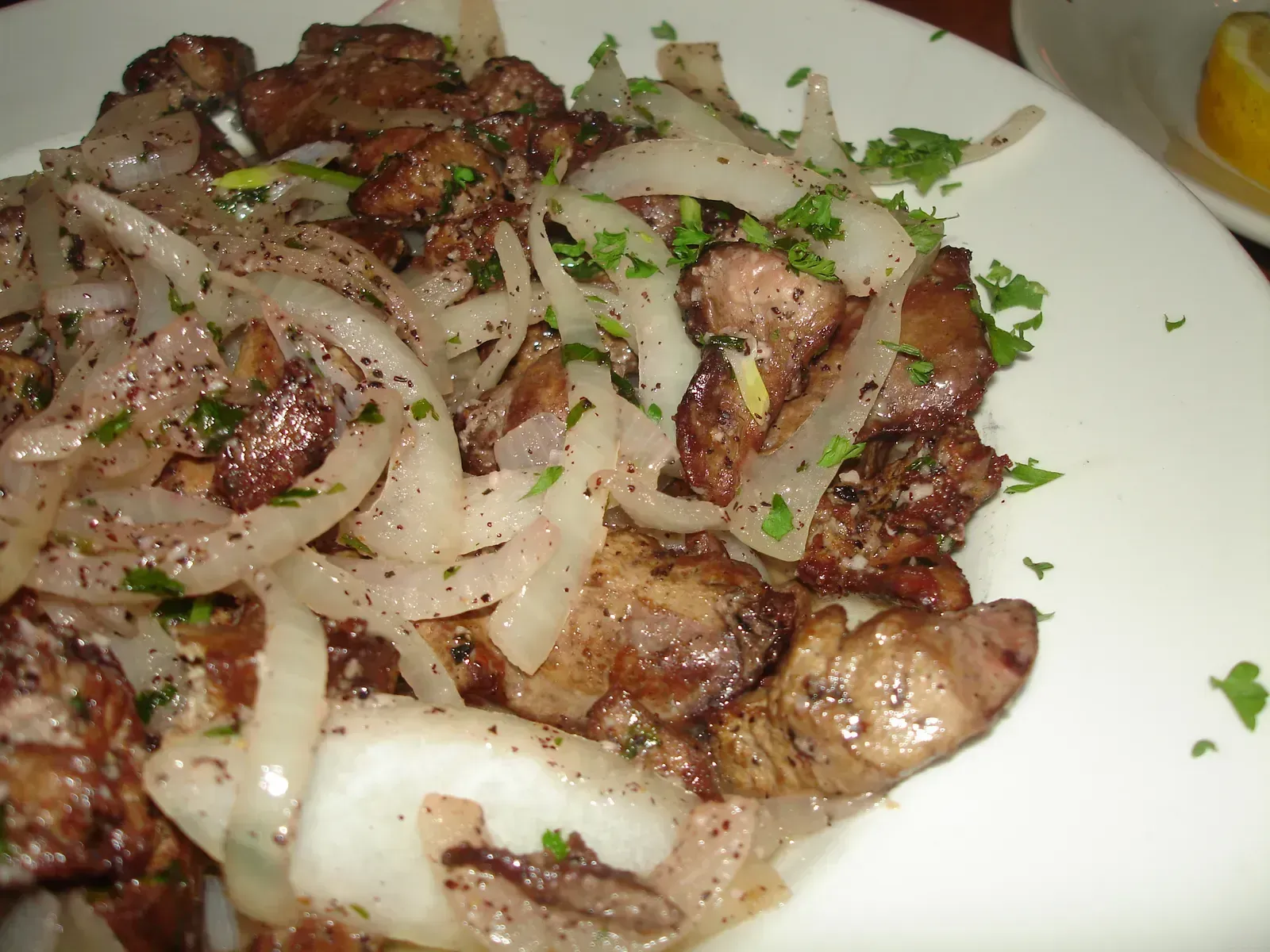
Once a common American comfort food, liver and onions have fallen out of favor due to changing preferences and perceptions about offal, with the strong flavor and texture many find unappealing contributing to its decline. Nutrition experts warned about high cholesterol and toxin accumulation in organ meats, and USDA surveys show that per capita liver consumption dropped significantly after the 1970s. Restaurants removed it from menus due to low demand among younger diners. Let’s be real, the younger generation just isn’t interested in what their great-grandparents considered a nutritional powerhouse.
Salisbury Steak
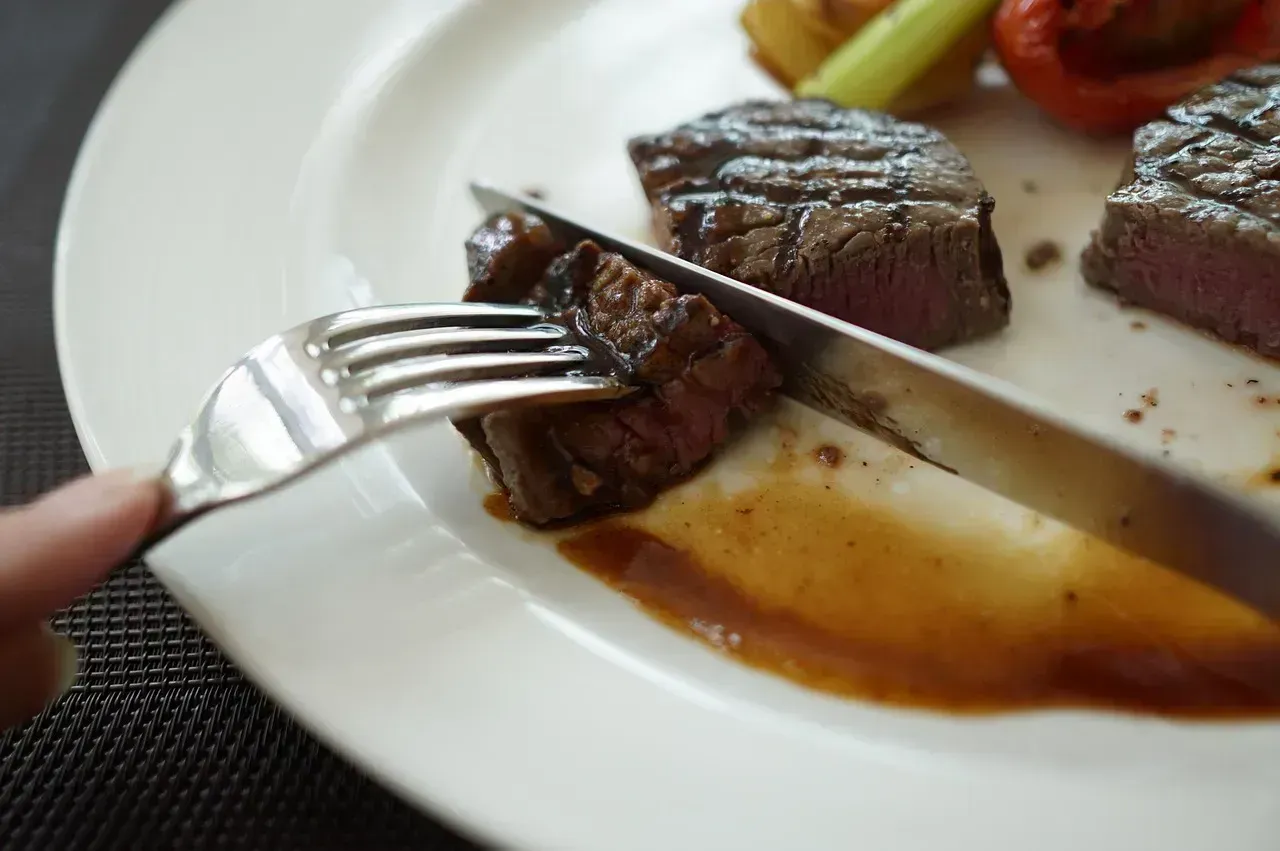
Originally developed by Dr. James Salisbury in the late 19th century, Salisbury steak is made from ground beef and other ingredients shaped to resemble a steak and served with gravy. It was a diner staple for decades. Its presence has dwindled in home kitchens and restaurants as diners seek healthier and more gourmet meat options, with the dish now primarily surviving in frozen meal form. Finding it on an actual restaurant menu these days? That’s becoming a rarity, unless you’re dining at a retro-themed establishment trying to capitalize on nostalgia.
Tomato Aspic
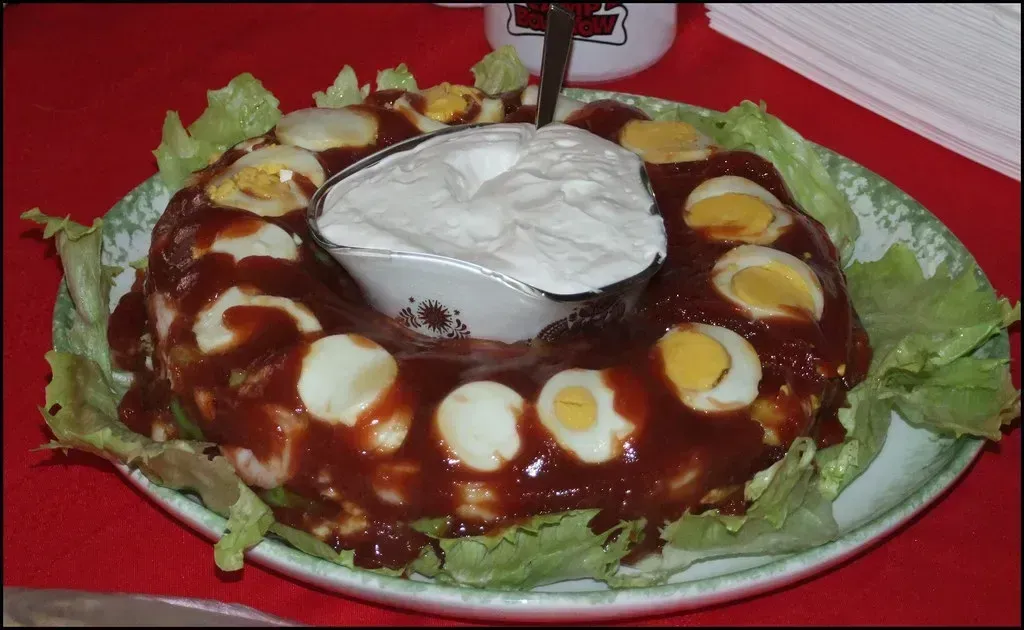
Tomato aspic, a savory gelatin mold flavored with tomato juice and vinegar, fell out of favor as tastes shifted toward fresher salads, with culinary researchers noting that gelatin based savory dishes struggled to survive as refrigeration technology improved and raw vegetables became more accessible nationwide, while restaurants phased it out due to consistently low order rates. These savory jellies felt sophisticated in their time, representing culinary achievement. Now they mostly exist as curiosities in vintage cookbooks and social media posts mocking midcentury food trends.
TV Dinners
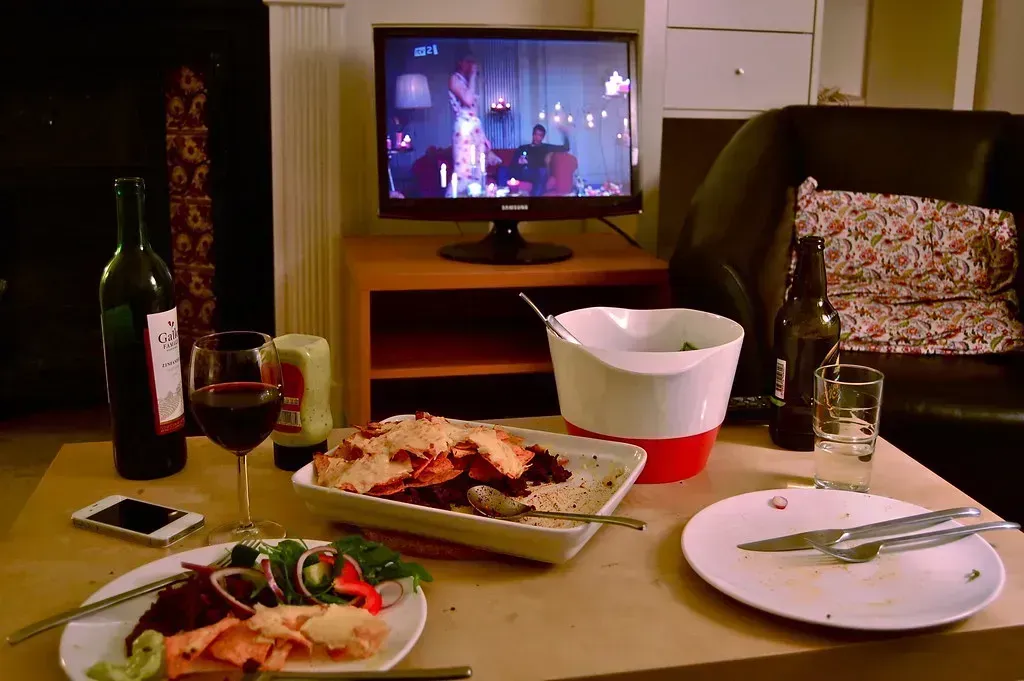
Introduced in the 1950s, TV dinners revolutionized American eating habits by providing pre-cooked, frozen meals that only require reheating, but as fast food chains expanded and home cooking saw a resurgence, the allure diminished due to their processed nature and lack of freshness. The trend towards organic and fresh homemade meals continues to overshadow the once-celebrated TV dinner. Sure, frozen meals still exist, but the classic aluminum tray TV dinner with its compartmentalized meat, vegetables, and dessert has largely disappeared from freezer aisles. People want either genuinely convenient fast food or actual home cooking, not this awkward middle ground.
Chipped Beef on Toast
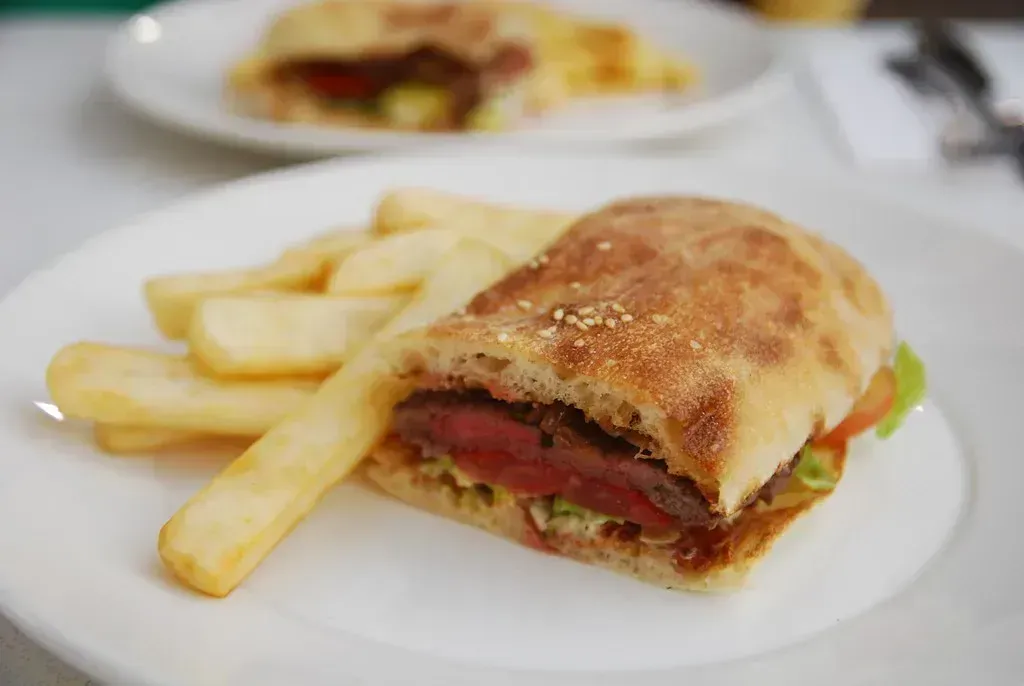
Chipped beef on toast, known as SOS in military slang, was once a staple due to its long shelf life and affordability, but defense food researchers highlight that high sodium levels and heavily processed beef contributed to its decline after the 1970s, as civilian diners moved away from the dish when healthier breakfast options emerged. The military connection couldn’t save this one from obsolescence. What worked in mess halls during wartime just doesn’t cut it when people have access to fresh eggs, avocado toast, and açai bowls.
Tuna Casserole
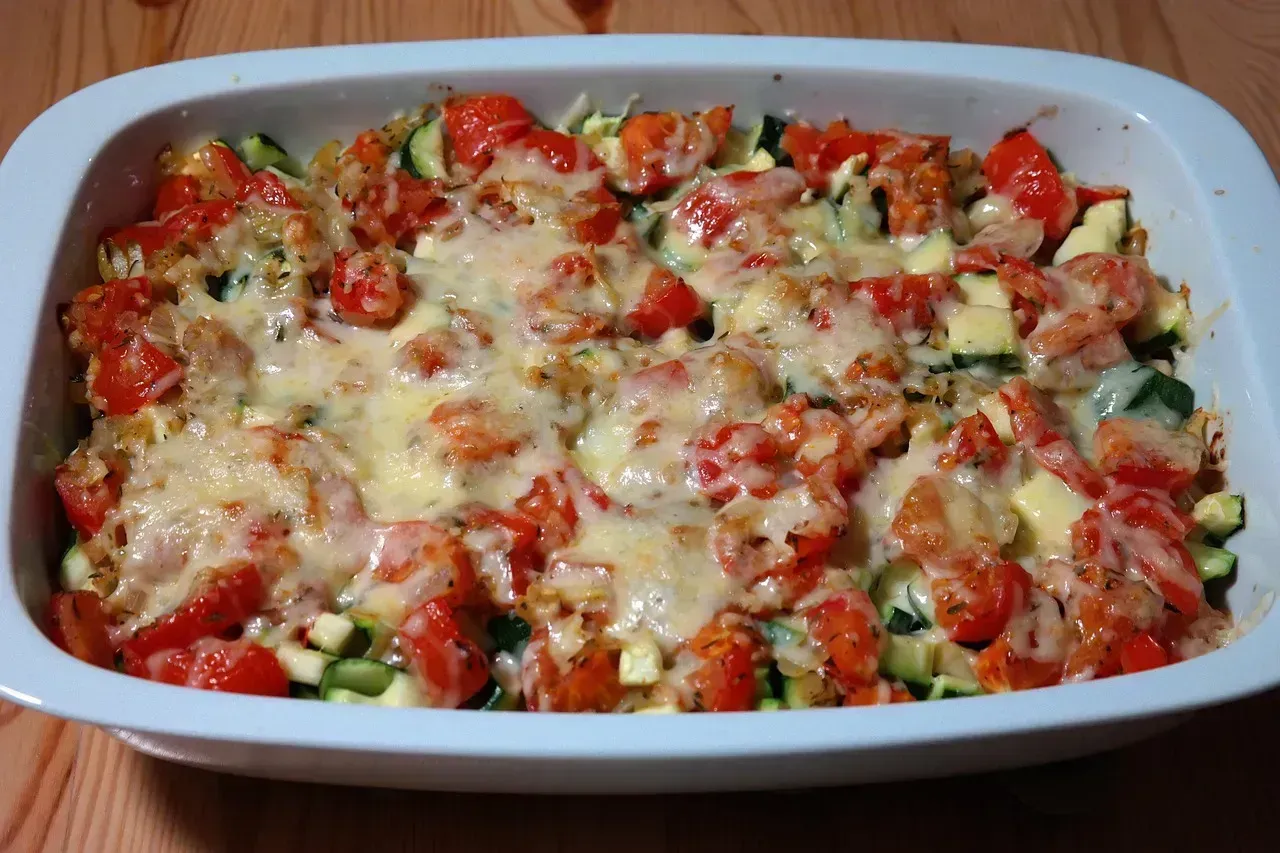
Tuna casserole, a product of mid-20th-century convenience cooking, combines canned tuna, cooked pasta, and canned soup, often topped with crushed potato chips or breadcrumbs, but its popularity has waned due to its association with bland, processed flavors and a shift towards fresher, less processed ingredients. However, it remains a nostalgic dish for many. Honestly, this one represents everything modern eaters try to avoid: canned everything, cream of mushroom soup as the base, and a general mushiness that doesn’t photograph well on Instagram.
Ovaltine and Malted Milk

Originally founded in Switzerland in 1904 and sold in the U.S. market as early as 1915, Ovaltine is a chocolate powder made from whey, malt, cocoa, and sugar that became a household staple for taste and nutritional benefits, containing 12 vitamins and minerals, but was acquired by Nestle in 2007 and isn’t as popular in American pantries as it once was. After the Horlick brothers created malted milk powder in the 1870s, it was relied on regularly during the Great Depression, but malted milk options are not regularly seen on grocery shelves anymore. Chocolate milk powder just became easier and trendier.
Green Bean Casserole
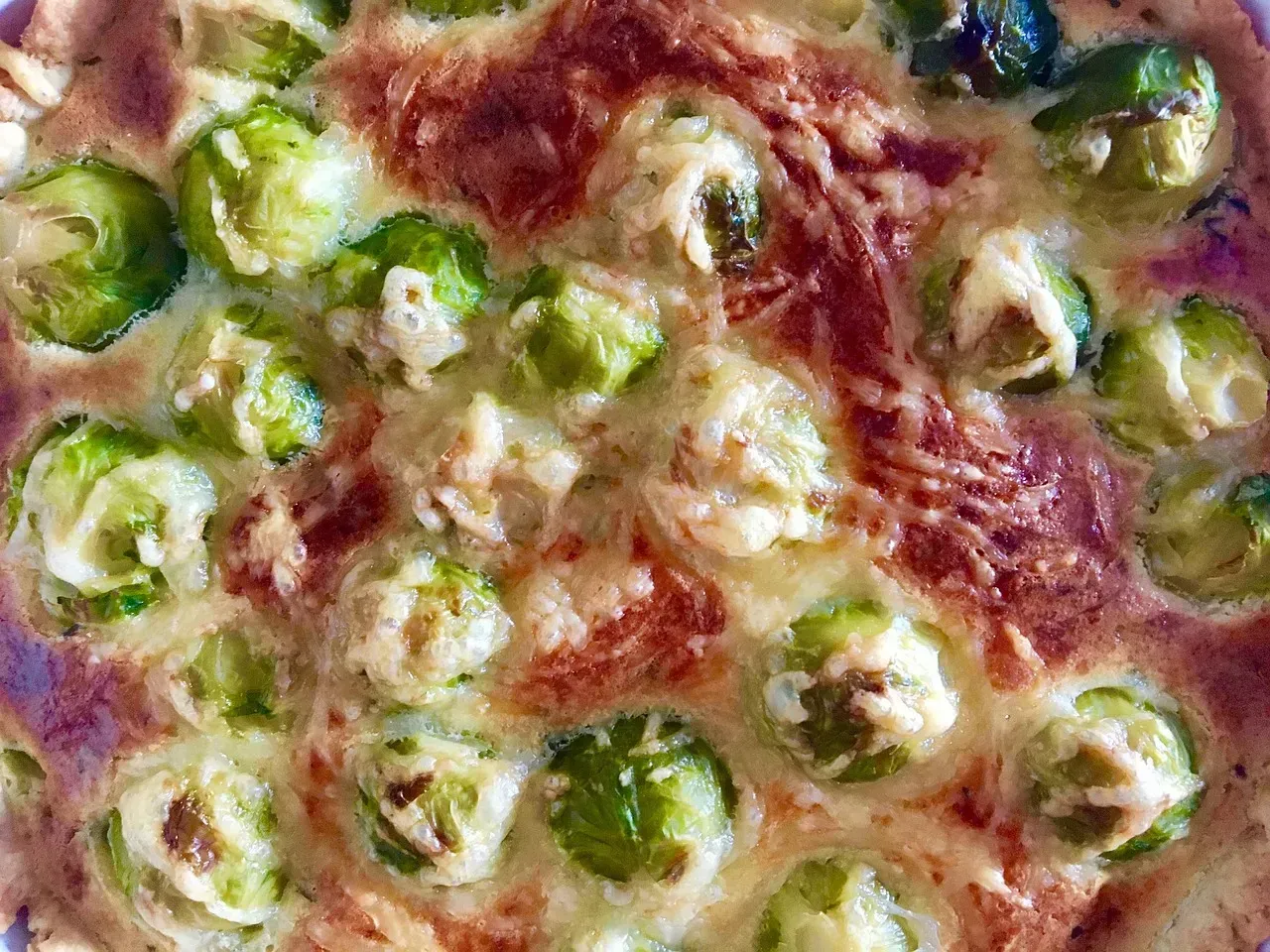
This casserole, made from green beans and cream of mushroom soup topped with crispy fried onions, is a traditional Thanksgiving side in many households, but its popularity has diminished as people opt for fresher, lighter vegetable dishes, with the casserole now sometimes viewed as overly heavy and reliant on processed ingredients. It hasn’t completely vanished from Thanksgiving tables, especially in certain regions, but younger hosts are definitely replacing it with roasted Brussels sprouts or fresh seasonal vegetables. The shift reflects a broader movement away from canned convenience foods.
Chicken a la King
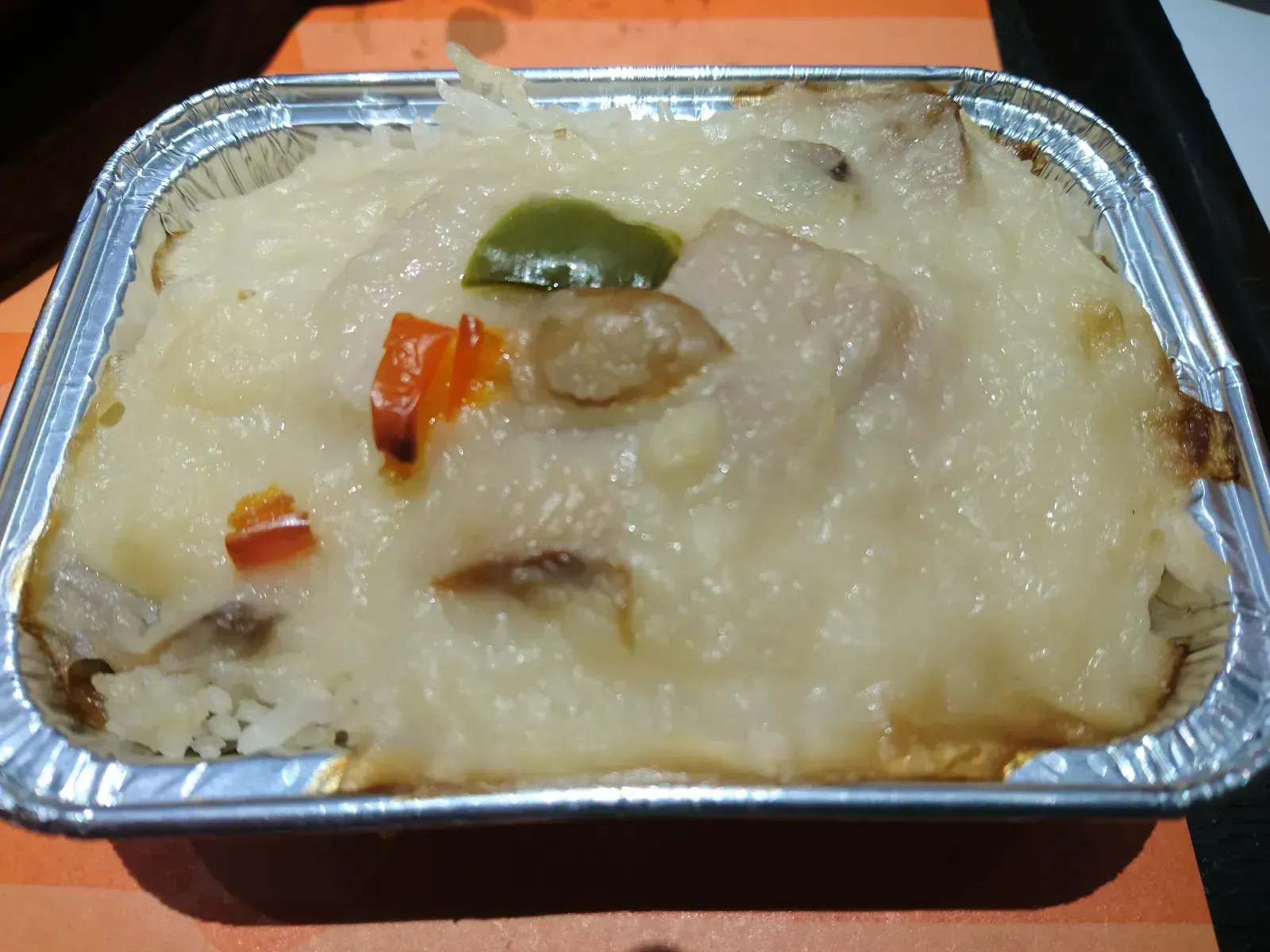
Chicken a la King, made with cream sauce, pimentos and mushrooms, was a restaurant favorite in the early 20th century, but as consumer preferences shifted toward lighter meals, the heavy cream base became less appealing, while food service analysts also report that labor intensive preparation made it impractical for modern kitchens. This used to be fancy dining, the kind of dish served in hotel restaurants and upscale cafeterias. Now it feels dated and unnecessarily rich for contemporary palates that prefer cleaner flavors and lighter preparations.
Mock Apple Pie
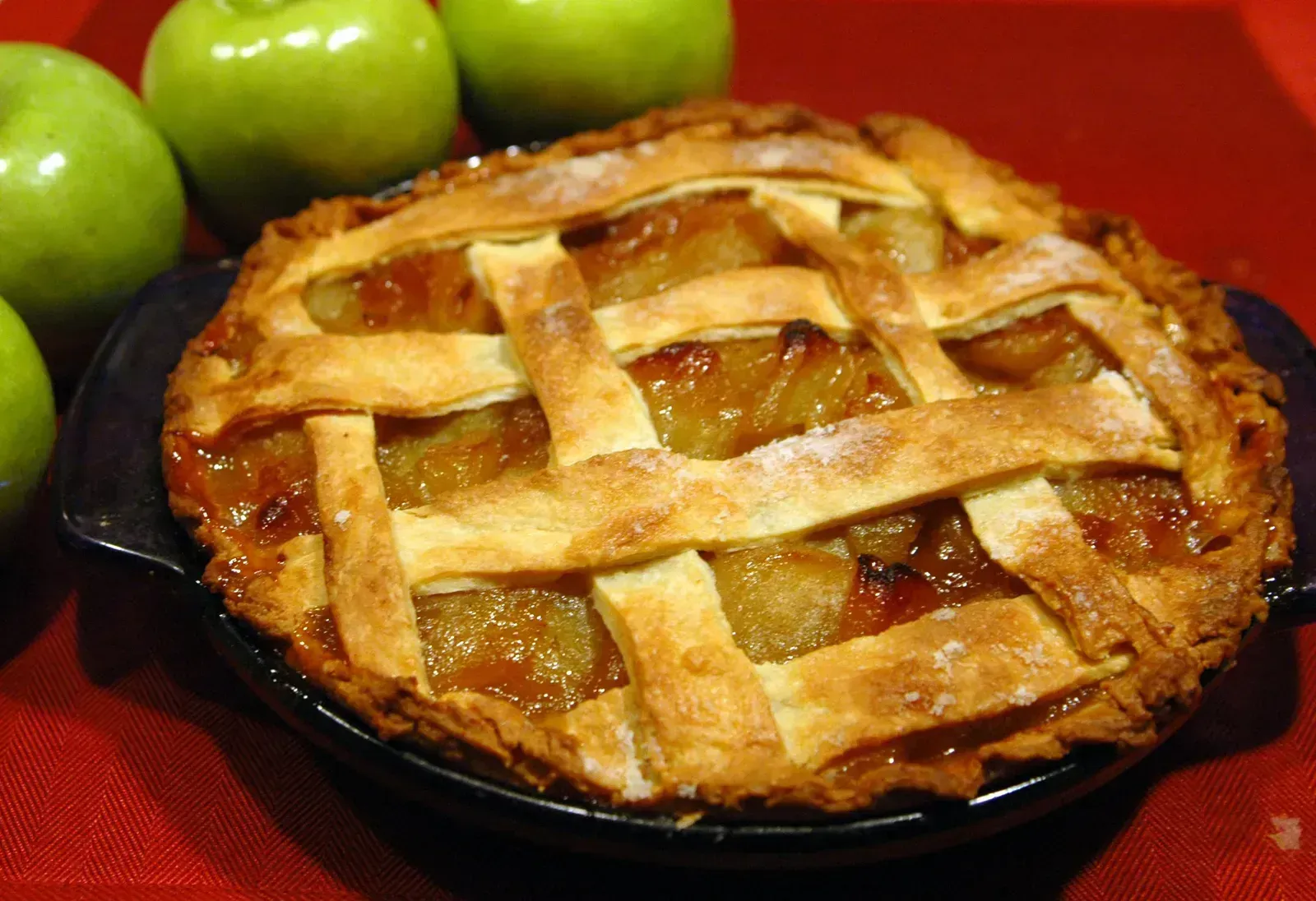
Mock apple pie, made with crackers instead of apples, became popular during the Great Depression when fresh fruit was expensive, but as reliable refrigeration and nationwide produce distribution improved, the dish became unnecessary. Food historians confirm that demand disappeared completely as real apples became inexpensive and widely available. It’s hard to imagine why anyone would choose crackers over actual apples today, unless they’re doing it ironically for a vintage cooking blog. This dish represents resourcefulness born from necessity, not genuine culinary preference, and once the necessity vanished, so did the pie.