6 Things You Should Never Feed Your Dog (But Most Owners Still Do)
1. Grapes and Raisins: Tiny Snacks, Huge Kidney Risk
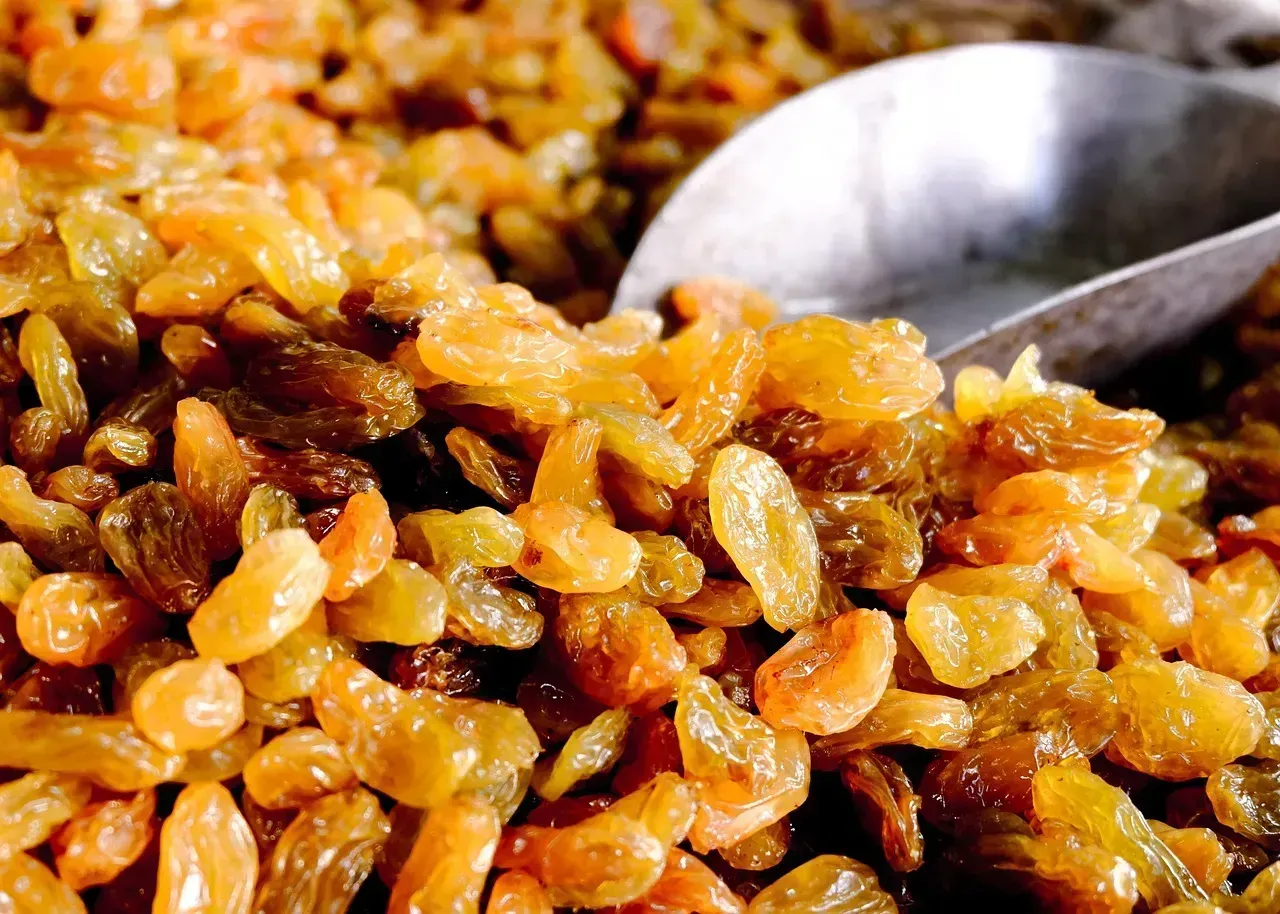
It shocks a lot of people to learn that even a small handful of grapes or raisins can trigger sudden kidney failure in some dogs. Veterinarians still do not fully understand the exact toxic compound, but since the early 2000s there have been numerous case reports of dogs developing vomiting, lethargy, and acute kidney injury after eating relatively small amounts. Between 2010 and 2020, poison control hotlines in the United States recorded thousands of calls each year about grape and raisin exposure in dogs, and specialists have continued to warn about this risk in more recent summaries published after 2023. The scary part is that some dogs seem unaffected while others react severely to just a few pieces, so you cannot safely “test” how your dog will respond.
2. Xylitol in Sugar-Free Gum and Snacks: Silent Threat to Blood Sugar and Liver

Many owners still did not realize that xylitol, a sugar substitute used in sugar-free gum, candies, baked goods, and even some peanut butters, could be life-threatening to dogs. Veterinary toxicology centers in North America reported a steady rise in xylitol-related calls since the mid-2010s, and data through 2024 showed that this trend continued as more products switched from sugar to sugar alcohols. In dogs, xylitol caused a rapid release of insulin, leading to a sharp crash in blood sugar – often within an hour or two – and at higher doses, it could also result in severe liver damage. What makes it especially dangerous is that the ingredient label might look harmless to a human shopper who is used to seeing “sugar-free” as a good thing, so a lot of exposure happens simply because people do not think to check for it before sharing a bite.
3. Cooked Bones: Fractures, Blockages, and Emergency Surgeries
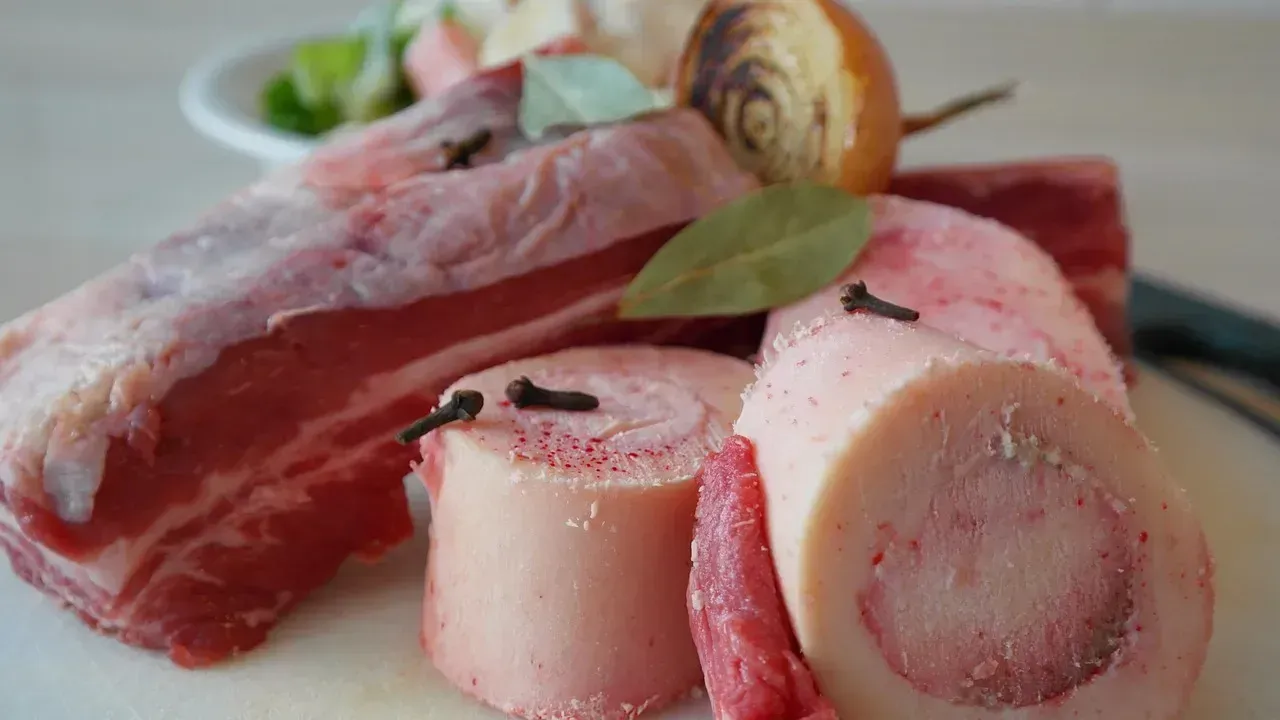
Many people grow up thinking it is normal to toss a dog a leftover chicken bone or pork chop bone, but cooked bones can splinter into sharp fragments that tear the mouth, esophagus, stomach, or intestines. Emergency veterinary hospitals regularly report serious complications from cooked bone ingestion, including perforations and blockages that require expensive surgery, and these case numbers have remained a steady part of emergency caseloads in summaries published through the early 2020s. Large studies from referral clinics have shown that foreign bodies in the intestine are a common reason for emergency abdominal surgery in dogs, and bones are consistently listed among them. Raw, appropriately sized bones may be handled differently by some veterinary dentists and nutritionists, but cooked bones from the dinner table are widely discouraged by major veterinary organizations because the risk of splintering is so high.
4. Onions, Garlic, and Other Allium Vegetables: Slow Damage to Red Blood Cells
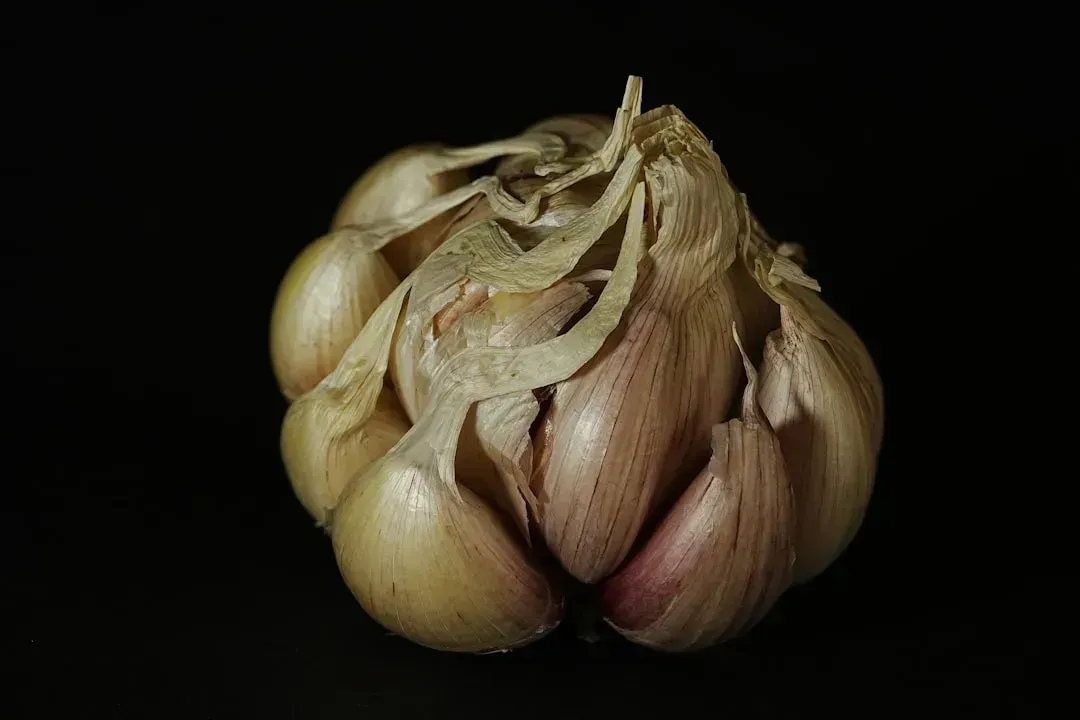
Onions, garlic, leeks, and chives belong to the allium family, and they contain compounds that can damage a dog’s red blood cells, leading to anemia. Research going back decades has confirmed this effect, and toxicology reviews published after 2023 still cite allium vegetables as a leading cause of oxidative damage–related anemia in dogs worldwide. The danger is not only from obvious sources like sautéed onions but also from onion powder in soups, sauces, gravies, and baby food, which can be concentrated and easy to overlook. Because the harmful effects may not show up immediately and can develop over a few days as red blood cells break down, owners sometimes miss the connection between sharing “just a little” seasoned food and their dog later becoming weak, lethargic, or having pale gums.
5. Alcohol and Rising “Dog-Friendly” Social Habits
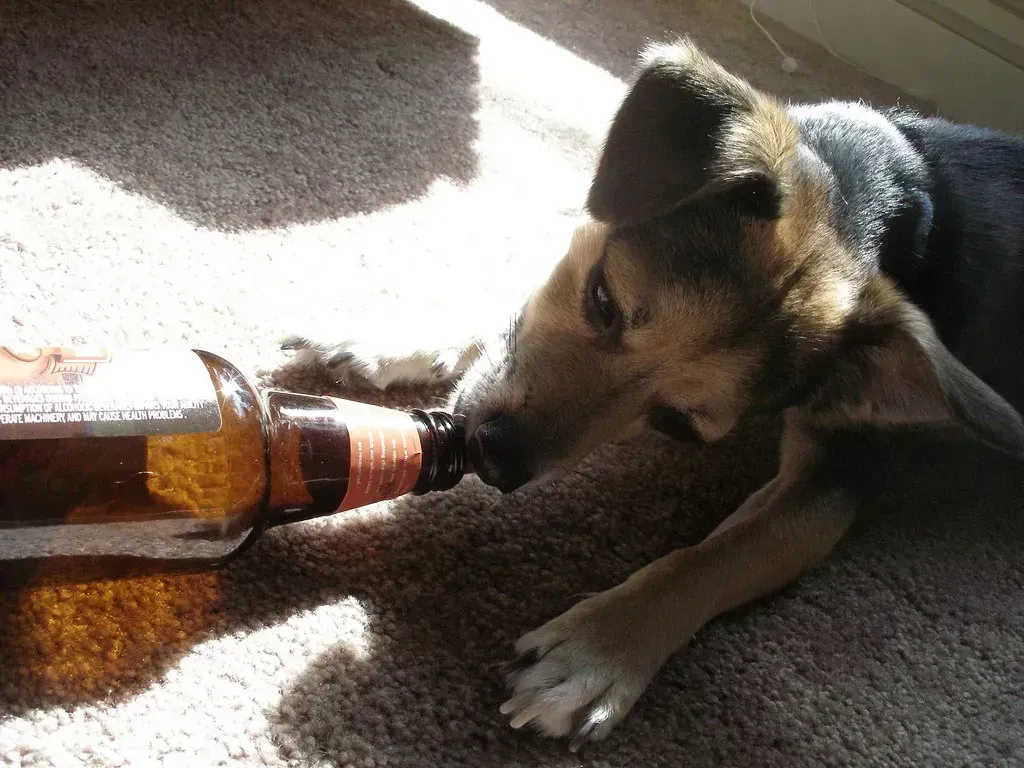
More restaurants, breweries, and outdoor events in the United States now welcome dogs, which has led to more chances for accidental alcohol exposure from spilled beer, cocktails, or hard seltzers. Veterinary reports and poison control data over the last few years have noted that even relatively small volumes of alcoholic drinks can cause signs like disorientation, vomiting, unsteady movement, and low body temperature in dogs, because they are much smaller than humans and process alcohol differently. Some pet owners even think it is amusing to let a dog lick foam from a beer glass, but ethanol and certain other alcohols are central nervous system depressants that can be dangerous, especially in small breeds or puppies. As social trends continue to normalize dogs in human spaces through 2023–2025, toxicology experts have repeated the advice that no amount of alcoholic beverage is considered safe or beneficial for them.
6. High-Fat Table Scraps and the Link to Pancreatitis
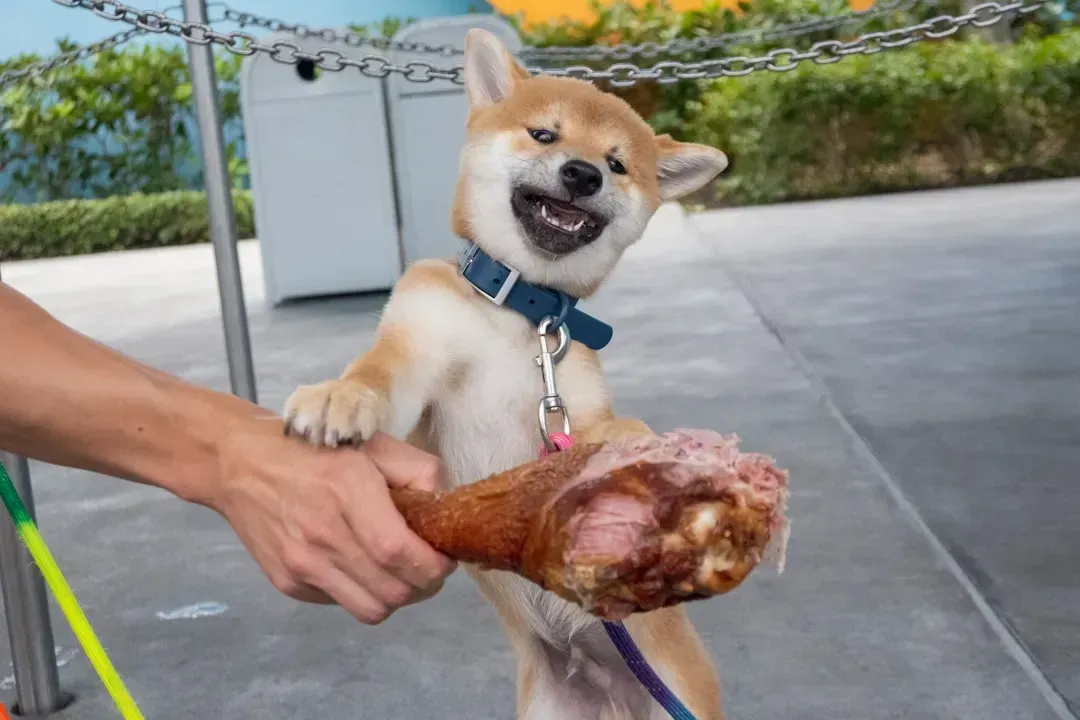
Rich, fatty leftovers such as bacon grease, fried chicken skin, or large pieces of cheese are still some of the most common “guilty pleasures” people share with their dogs, especially around holidays. However, veterinary studies and hospital statistics through at least 2024 continued to show a strong association between sudden access to high-fat foods and episodes of acute pancreatitis – an inflammatory condition of the pancreas that can cause severe abdominal pain, vomiting, and hospitalization. Some research has also connected repeated high-fat snacking and obesity in dogs with a higher lifetime risk of pancreatitis and other metabolic problems. Even though many dogs beg intensely for these foods, specialists consistently recommend avoiding them altogether and using healthier, dog-safe treats in moderation to protect both immediate comfort and long‑term health.