The Most Dangerous Vacation Spots to Avoid in 2025, According to Data
Paradise doesn’t always mean peace. Picture this: you’re scrolling through tropical beaches and ancient ruins, daydreaming about your next adventure, when reality checks in. Research from security analysis firms Safeture and Riskline concluded that the “security situation has deteriorated in 77 countries” around the globe. We’re living through an unusually volatile period for global travel, with risks popping up in destinations that once felt untouchable. Crime is spiking, cartels are expanding their reach, and even some popular resort zones aren’t the safe havens they used to be. The world in 2025 looks different from just a few years ago, and travelers need to know which destinations carry genuine risks. These aren’t just government warnings collecting dust on some website. They’re based on real incidents, measurable crime statistics, and escalating dangers that could turn your vacation into a nightmare.
South Africa’s Crime Crisis Reaches Tourist Destinations
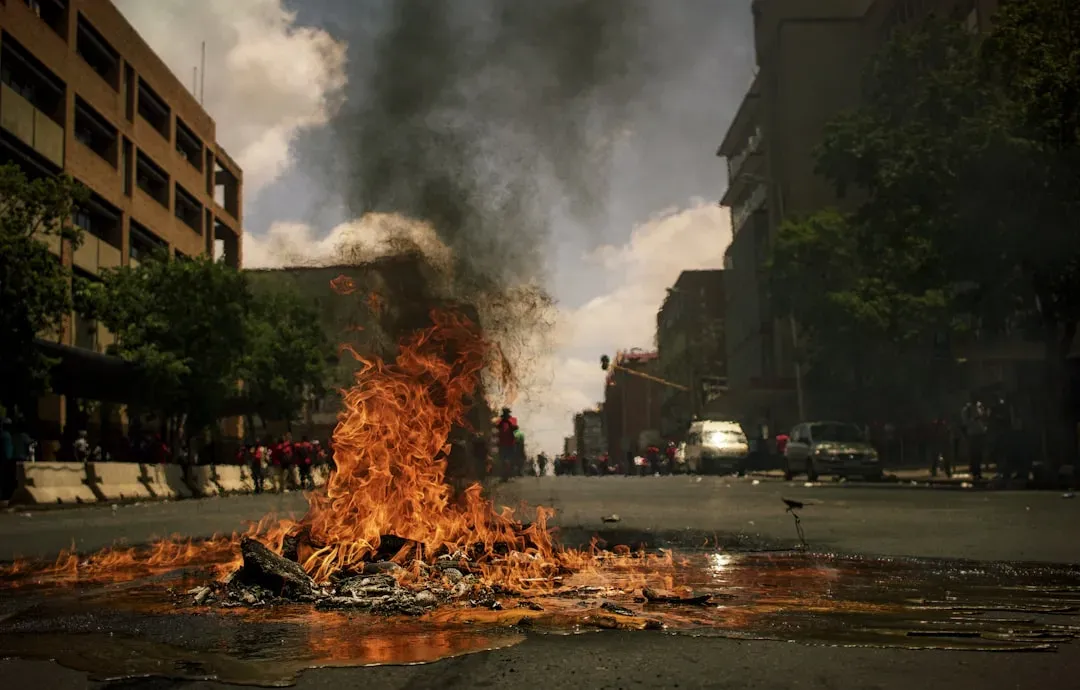
South Africa, with an alarming Travel Danger Score of 76, is top of the list of perilous destinations. The country’s safety concerns are multifaceted, presenting a perfect storm of risk factors for international visitors. It’s heartbreaking because this country has so much to offer. Safaris, stunning coastlines, vibrant culture. Yet the numbers tell a sobering story. Murder, rape, assault, and muggings occur frequently in the parts of South Africa popular with visitors. Cape Town and Johannesburg, magnets for tourists, rank among the most dangerous cities globally. The country also reports a high rate of traffic-related deaths at 15.5 per 100,000. Even the drive from the airport carries risk. Let’s be real: this destination demands extreme vigilance, not relaxation.
Mexico’s Resort Areas Face Cartel Violence

Once upon a time, Mexican beach towns were essentially off-limits to cartel violence. Not anymore. Mexico’s picturesque resorts along an 80-mile stretch of the Caribbean coast – once safe for tourists – have become a battleground for four warring drug cartels. The violent cartels are vying for control of the area’s lucrative tourism revenue, reported to be upwards of $30 billion. Places like Cancún and Tulum, which millions flock to annually, now see cartel activity spilling into tourist zones. With over 25,000 homicides in 2024, much of it tied to cartel wars, even traditionally safe vacation spots like Cancún and Tulum are no longer immune to violence. The rules have changed, according to security experts. Home to Mexico’s famous tourist hotspots such as Cancún and Playa del Carmen, Quintana Roo has seen a sharp rise in violence in recent years. With a homicide rate of 40.1 per 100,000 people in 2024, the state’s situation is dire. This isn’t about avoiding back alleys at midnight. Violence has erupted on beaches, near resorts, and in areas travelers consider safe.
Haiti’s Complete Collapse Into Gang Control

Haiti – the poorest country in the Western Hemisphere – is a failed state, marred by near-constant violent social upheaval and extreme gang violence. The situation on the ground has severely deteriorated over the last four years. I think calling it dangerous almost understates what’s happening there. Violent crime is rampant in Haiti, especially in Port-au-Prince, where the expansion of gang, organized crime, and terrorist activity has led to widespread violence, kidnappings, and sexual assault. The escalation of clashes between armed groups has led to a rise in sporadic gunfire incidents. The U.S. State Department maintains a Level 4 “Do Not Travel” advisory. Gangs are the primary stakeholders in the country with ties to political and security elements. Despite a Haitian-led intervention force, police have not yet regained meaningful control of the capital. There’s virtually no tourism infrastructure left. Emergency services don’t function. Kidnapping is widespread. U.S. citizens have been victims and have been hurt or killed. Haiti represents an extreme example of state failure impacting traveler safety.
Brazil’s Urban Violence Targets Tourists Directly

Rio de Janeiro embodies contradictions. Stunning beaches meet shocking crime rates. Brazil’s safety concerns are diverse, with 27.9 sexual assaults per 100,000 population and a high crime index of 65.6. The country also grapples with 15.7 traffic deaths per 100,000 and a human trafficking score of 5.0. The data doesn’t lie, though the postcards do. Rio’s stunning beaches have become increasingly dangerous for tourists, with violent crime rates in popular areas like Copacabana and Ipanema reaching levels that have prompted multiple travel warnings. Beach robberies happen in broad daylight. Armed assaults occur where families vacation. Gang violence in favelas sometimes spills into tourist zones. Rio de Janeiro, the largest city in Brazil, and a popular tourist destination is also one of the least safe in the country. There are reports of tourists being kidnapped, carjacked, and even murdered while visiting Rio and other parts of Brazil. The country’s beauty can’t be denied, yet visitors face genuine threats that statistics confirm year after year.
Venezuela’s Economic Collapse Fuels Tourist Dangers
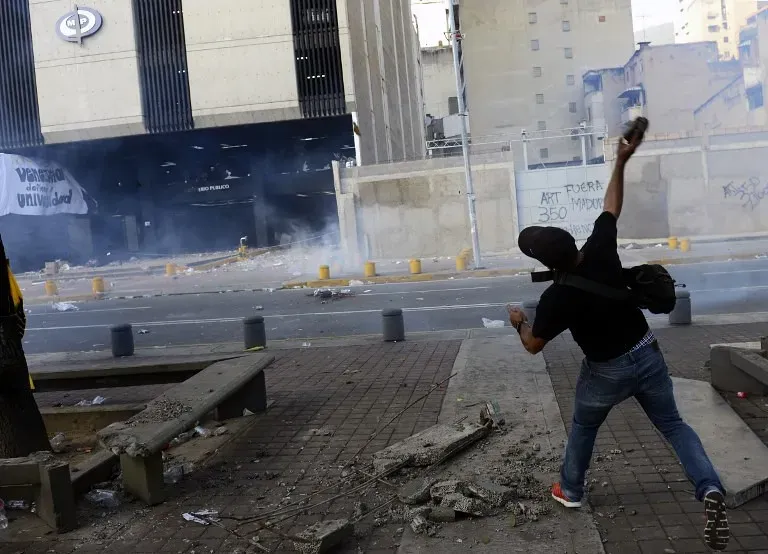
Venezuela was rated the world’s most dangerous country, with a dismal safety score of 19.3. The U.S. State Department has issued a Level 4 “Do Not Travel” advisory for Venezuela, citing risks including homicide, armed robbery, kidnapping, and civil unrest. The collapse here goes beyond typical crime. Country-wide shortages of food, water, medicine, electricity, and other basic goods have led to violence and looting. Caracas, the capital, has become a focal point for violence. The capital city of Caracas is a focal point for violent demonstrations, organized crime, robbery, kidnapping, and homicide. Most kidnappings are “express” and last less than 48 hours, frequently targeting people leaving hotels, traveling in taxis, or walking in wealthier areas. Political instability adds another layer of unpredictability. Foreign tourists stand out, making them targets in a country where desperation drives crime. Emergency services barely function, healthcare is unreliable, and government assistance for foreigners remains extremely limited.
The data paints an uncomfortable picture. Travel remains possible to nearly anywhere on Earth, yet certain destinations carry risks that outweigh the rewards in 2025. Security experts, government advisories, and crime statistics all point to the same troubling locations. South Africa’s violent crime epidemic, Mexico’s cartel expansion into tourist areas, Haiti’s gang-controlled chaos, Brazil’s urban dangers, and Venezuela’s state collapse all represent measurable threats backed by recent incidents and rising homicide rates. Smart travelers check advisories, understand local conditions, and sometimes make the hard choice to postpone dreams until situations stabilize. Did the severity of these risks surprise you?