10 Home Upgrades That Are Actually Against the Law (Yet Most Homeowners Still Do Them)
You spot your neighbor putting up a gorgeous privacy fence one weekend. The next month, you see him scrambling to tear it down after code enforcement stops by. Turns out, that upgrade was technically illegal. Surprising, right? Here’s the thing. Most of us assume we can do whatever we want with our own properties. After all, we own them. The reality is far messier. Across America, thousands of homeowners unknowingly break the law every year with renovations they thought were perfectly harmless.
Some violations seem minor, like changing a light fixture. Others involve major structural work done without permits. What many people don’t realize is that around 40 to 50 percent of homes might have some form of unpermitted work, according to real estate professionals working in the field. Let’s explore the most common illegal home upgrades that people continue doing, even when they absolutely shouldn’t.
Doing Your Own Electrical Work Without a Permit
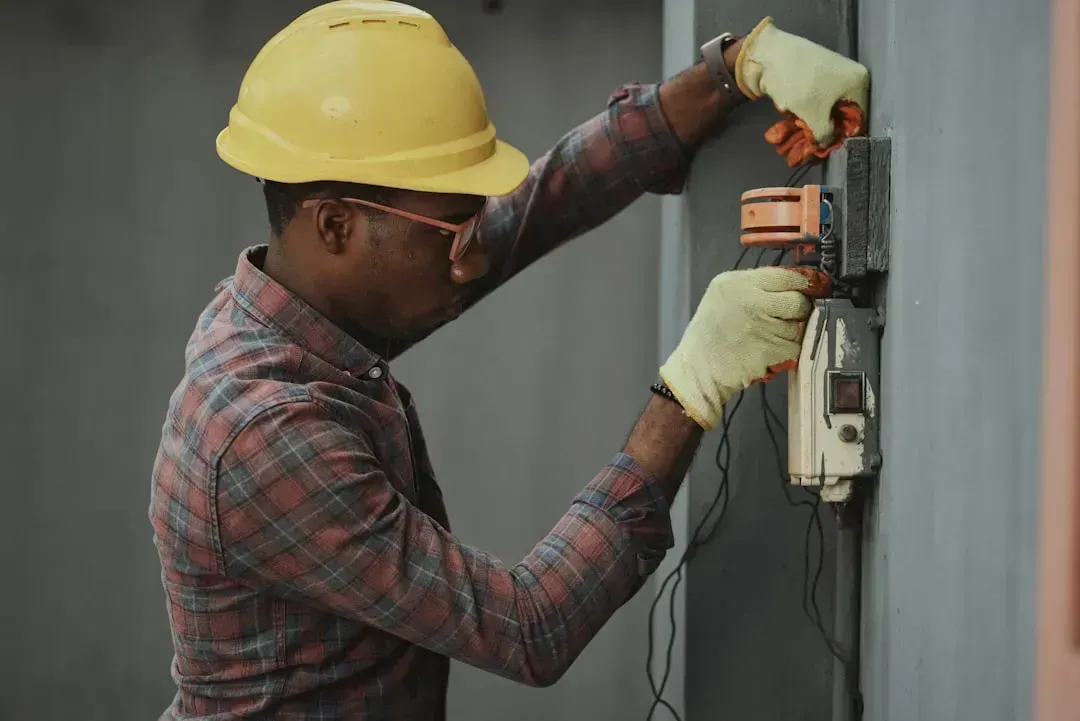
Installing a new outlet might seem like a quick Saturday project. Swap some wires, tighten a few screws, done. However, if electrical work is performed without a permit, the owner of the building, as well as the individual who performed the illegal work, may be subject to violations, summonses, court appearances and fines. Electrical work done without a permit can result in fines, and it’s also a safety hazard.
Even seemingly minor electrical projects like adding circuits or upgrading outlets generally require permits in most jurisdictions. Performing electrical work without a permit is illegal in Texas and can result in fines or other legal consequences. The same applies across numerous states. Your insurance provider may refuse to compensate for any damage resulting from unlawful electrical work. If a fire started from unpermitted work, the insurance adjuster could deny a claim outright.
The risks go beyond legal trouble. Unpermitted electrical work poses dangers to occupants and property. Improper wiring, overloaded circuits, or faulty connections increase the risk of electrical fires, causing property damage and threatening lives. Licensed electricians understand codes that exist specifically to prevent these disasters. Yet homeowners continue doing DIY electrical projects to save money, unaware they’re creating a ticking time bomb.
Building Fences That Violate Height Restrictions
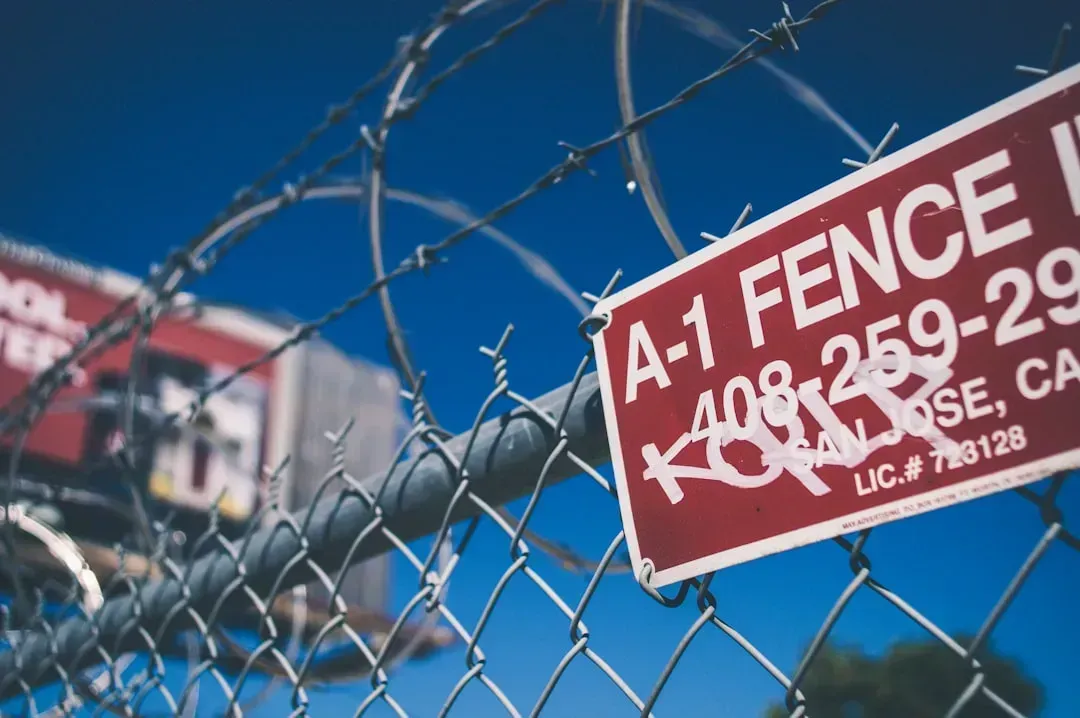
Privacy matters. Especially if you live close to your neighbors. So when homeowners want more seclusion, they often build taller fences without checking local regulations. Generally, an artificial fence has a height limit of 4 to 6 feet, depending on the property’s location. Front Yard: Fences in front yards are usually limited to 3–4 feet tall to maintain visibility and avoid obstructing sightlines for drivers and pedestrians. Backyard: Backyard fences often allow for greater height, generally up to 6 feet, for added privacy and security.
HOAs often have stricter guidelines than city laws, covering everything from fence height and placement to color and material. Violating these rules can lead to hefty fines – or being forced to tear the whole thing down. Homeowners associations don’t mess around when it comes to enforcement. Under California’s Building Code, you must obtain a permit before building a fence that will be over 6 feet tall unless the top 2 feet of the fence will be barbed wire. For a front yard fence, the maximum height is 42 inches.
The consequences aren’t just monetary. If you go above these restrictions, you could be hit with significant fines or, worse, have to pull your fence down together. Imagine spending thousands on materials and labor, only to dismantle everything because you didn’t check the local zoning code first. It happens more often than you’d think.
Replacing Windows Without Proper Permits
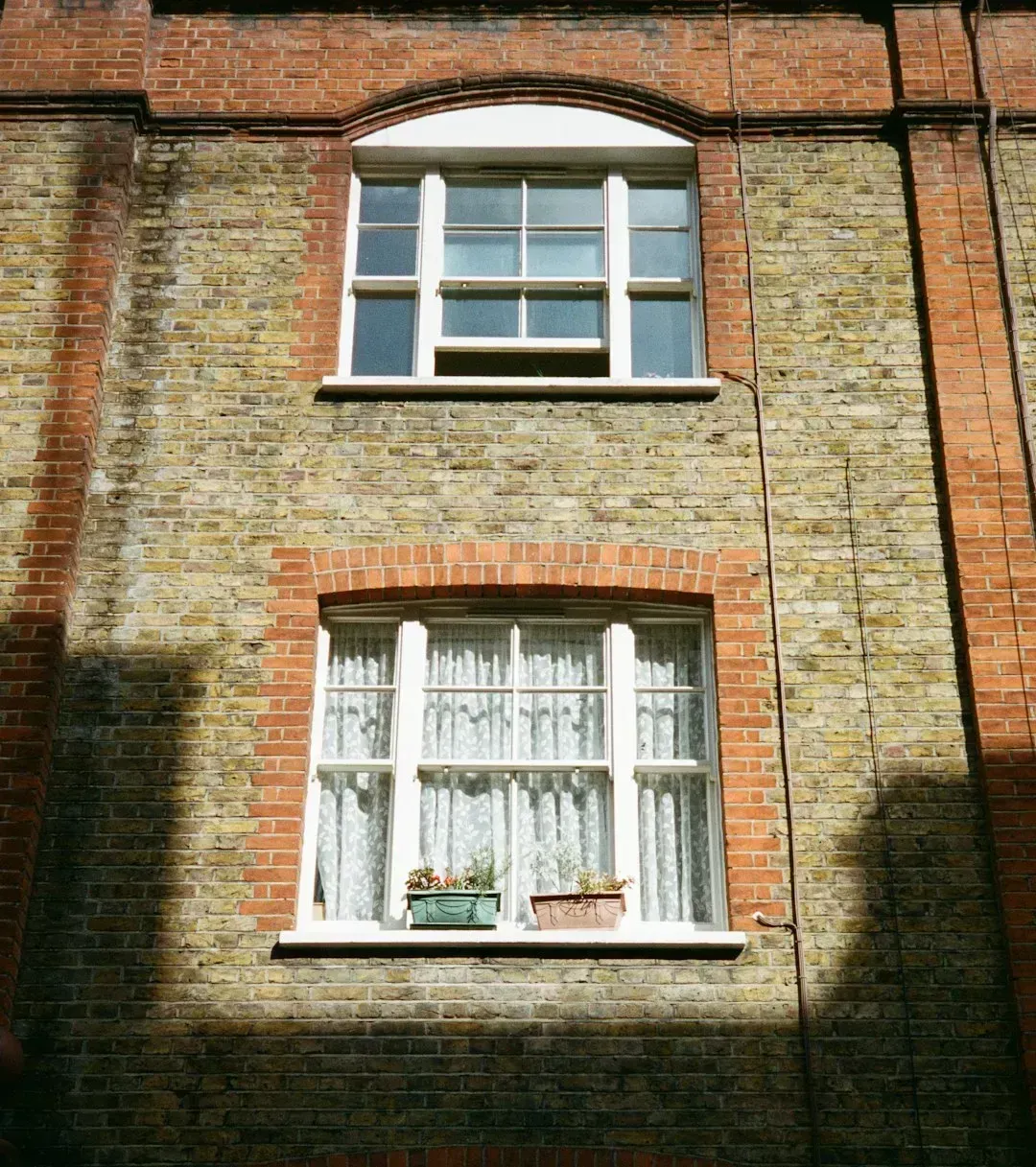
Windows seem straightforward enough to replace. Old ones out, new ones in. But many municipalities actually require permits for window replacements, particularly when multiple windows are involved or structural changes occur. In most cases, yes, you need a permit to replace windows – even if you are truly just replacing windows without enlarging or otherwise changing them.
Yes, all window replacements on existing structures require a building permit. To obtain a window replacement permit you will need to provide all of the items listed on the window replacement checklist. This applies in places like Santa Ana, California, and numerous other cities. The reasons are safety related. Windows serve as potential escape routes in emergencies. Permits help ensure that new windows meet egress requirements and fire code regulations, which are crucial for occupant safety.
Replacing a window without a permit risks voiding insurance, incurring fines, or receiving notifications from the local municipality. Ignoring building codes can lead to legal issues and financial liabilities. Failing to obtain a permit can result in costly delays, legal action, or removal of completed work. Yet plenty of homeowners skip this step entirely, figuring nobody will notice. Until they try to sell the house, and unpermitted work surfaces during inspection.
Finishing Basements Without Inspections
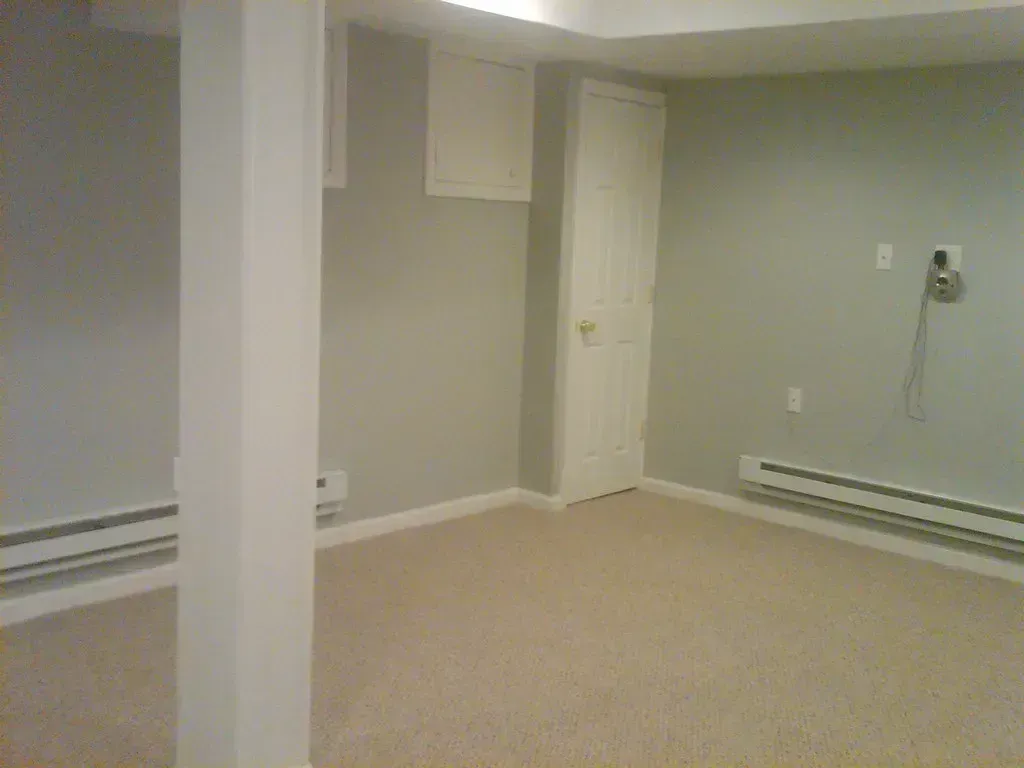
Turning an unfinished basement into a family room or rental unit is incredibly common. It adds usable square footage without the expense of building an addition. The problem? Converting attics into usable spaces without permission is another common example of unpermitted changes. The same principle applies to basements, which require permits for electrical, plumbing, and structural modifications.
Inspection Limitations: Home inspectors can’t issue permits or open concealed work – meaning many issues may go unnoticed until after purchase. When someone finishes a basement without permits, future buyers inherit serious risks. Electrical wiring might not meet code. Plumbing could be inadequate. Egress windows might be missing, creating a death trap during fires.
Some jurisdictions may even fine you each day while the construction is in progress. If they discover the work after it’s completed, they will still fine you and require you to apply for the proper permits. The financial penalty keeps mounting until you fix the violations. In some cases, you may be required to remove any unpermitted work and bring your home up to code. In other cases, you may be subject to fines and penalties, which can range from a few hundred dollars to thousands of dollars per violation.
Installing Decks and Patios Without Permission
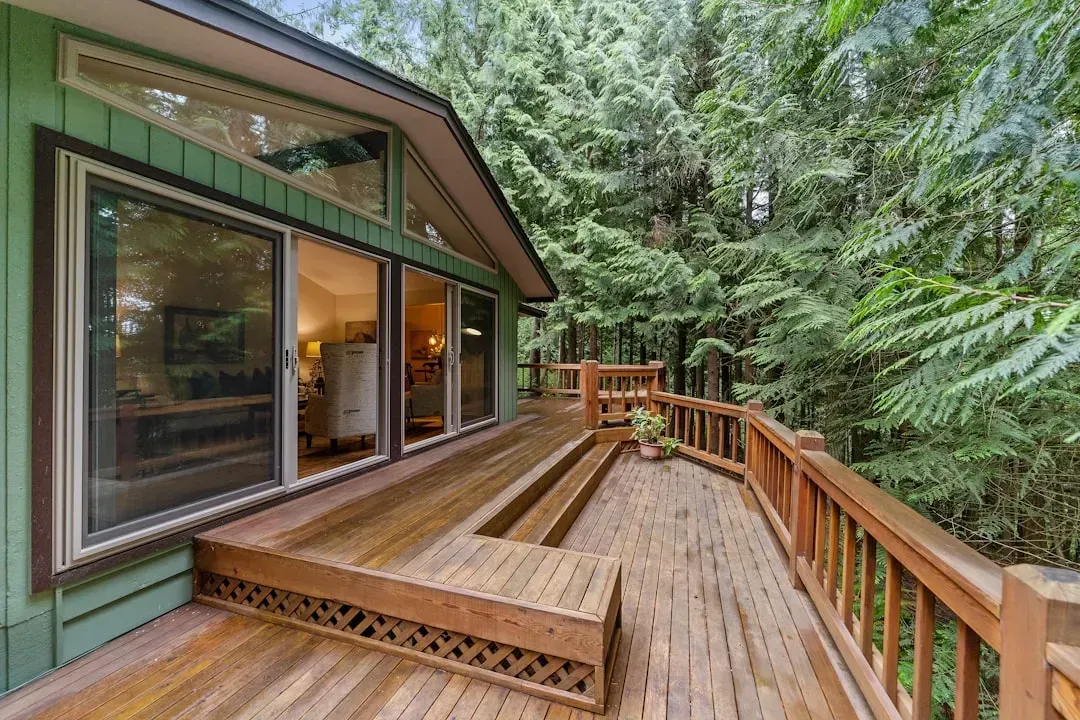
Outdoor living spaces boost property value and quality of life. Who doesn’t want a nice deck for summer barbecues? Decks and patios built without a sufficient license might also cause complications during the sale because they may not meet safety regulations. Structural integrity matters tremendously with elevated decks, especially those attached to houses.
Permits ensure that footings go deep enough to prevent frost heave. They verify proper ledger board attachments to prevent catastrophic collapse. They confirm railings meet height and spacing requirements to protect children. All these safety measures get bypassed when homeowners build decks illegally. You can run into significant trouble if you violate zoning, such as building a garage over the lot line. Cities and towns can come down hard on someone who doesn’t want the hassle of heading to the building permit office.
The consequences extend beyond immediate safety concerns. Future Resale Headaches: You may be forced to legalize or remove the unpermitted work before selling, delaying your transaction and lowering resale appeal. Real estate deals fall through regularly because of unpermitted decks discovered during inspection. Buyers walk away or demand massive price reductions to account for bringing everything up to code.
Upgrading Plumbing Fixtures and Systems Illegally
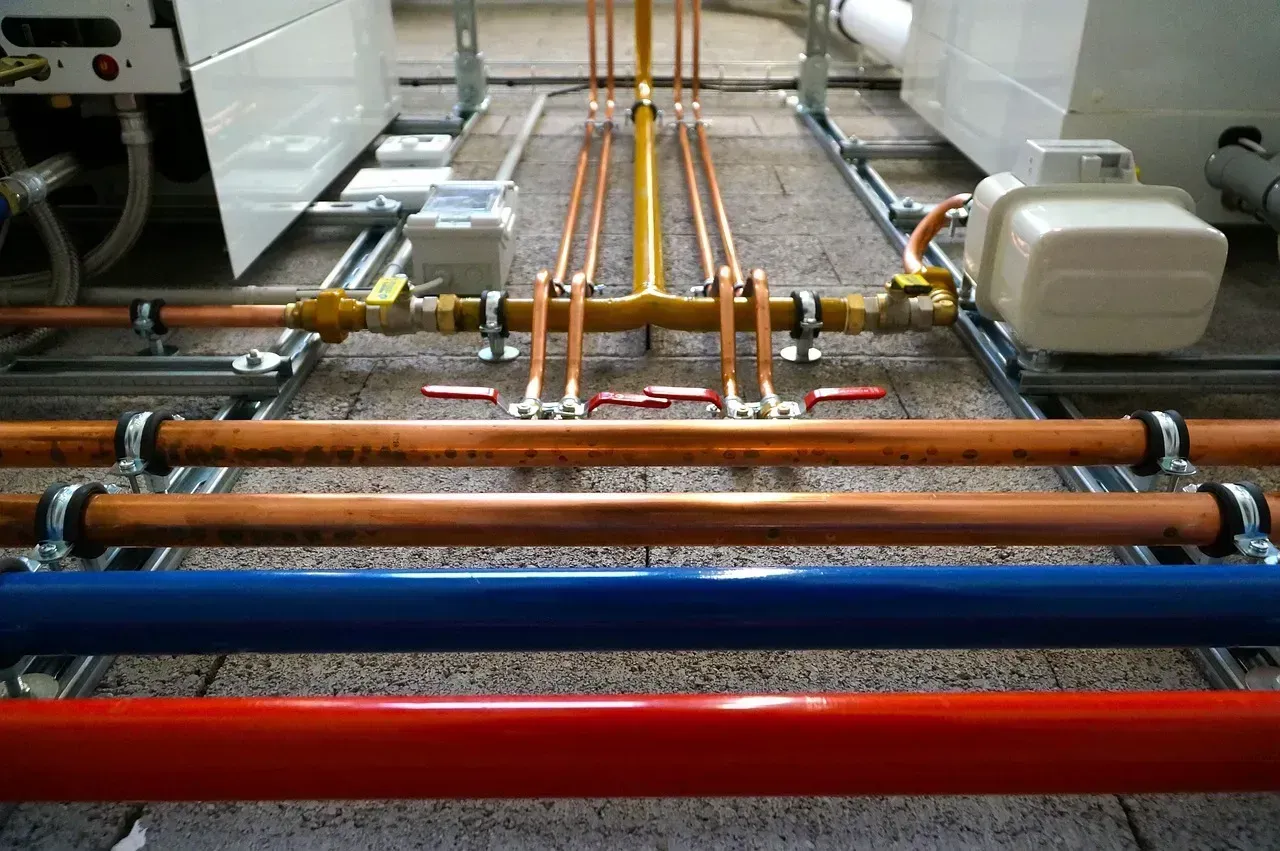
Upgrades to kitchens and bathrooms, such as installing new plumbing fixtures or electrical wiring, can lead to code violations. Replacing a faucet is one thing. Relocating pipes or adding new drains requires permits in most areas. The distinction confuses many homeowners who assume all plumbing work falls under routine maintenance.
Water damage from improper plumbing installations can cost tens of thousands to repair. Mold grows in walls. Structural wood rots. Ceilings collapse. Yet people continue hiring cheap, unlicensed plumbers or attempting DIY plumbing to save a few hundred dollars. Homeowners insurance may deny claims related to unpermitted work (e.g., fire caused by unapproved electrical wiring). The same logic applies to plumbing disasters.
Utility Connection Issues: Certain systems (e.g., HVAC, plumbing, or sewer) may not be legally tied into municipal services without permits. This creates nightmares when city inspectors discover illegal connections during routine maintenance or emergency repairs. Suddenly homeowners face mandatory upgrades, permit fees, and potential disconnection of essential services until violations are corrected.
Removing or Altering Load-Bearing Walls
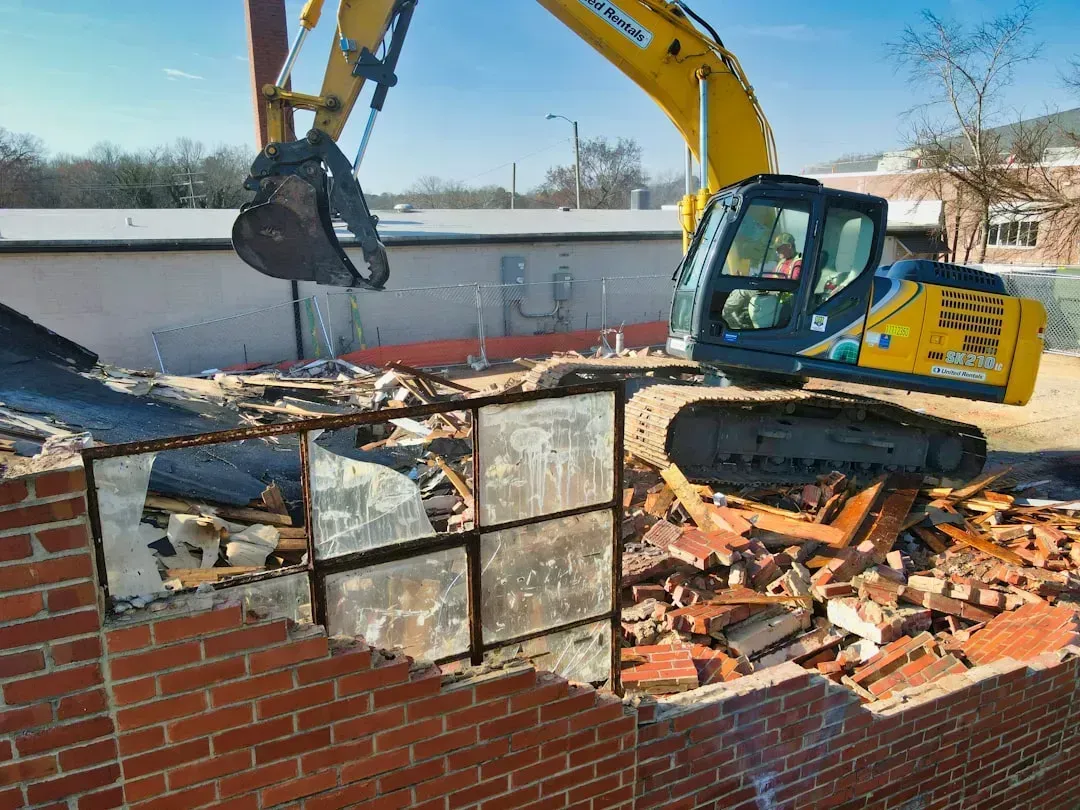
Open floor plans remain incredibly popular. Knocking down walls creates spacious, airy interiors perfect for modern living. The catch? Some walls hold up your house. Literally. Removing load-bearing walls without proper structural support causes sagging floors, cracked walls, and potentially total collapse. It’s the latent problems in houses that create issues, not the things that you can see. And when you have non-permitted work you just don’t know what’s behind the walls and you are not going to start ripping out your brand new kitchen to find out.
Structural modifications always require permits and often need engineer approval. The permit process includes inspections to verify that temporary supports are installed before removal, and that proper beams replace the load-bearing capacity of the removed wall. Skip this process, and you’re gambling with your family’s safety. The hazards extend beyond physical safety too: unlicensed renovations could contaminate your home with harmful substances like asbestos unnoticed until long-term health issues arise.
Unpermitted changes to your property increase the risk of forced removal. This is no small matter, as any illegal renovations or unlicensed remodeling might demand expensive and inconvenient deconstruction efforts. Imagine tearing out your beautiful new kitchen because the renovations compromised your home’s structure. The emotional and financial toll is staggering.
Adding Rooms Without Updating Septic Systems
Another problem occurs when a previous owner does unpermitted construction, adding rooms and making the septic system too small for the property. This situation is what’s referred to as bedroom count misrepresentation with a septic system. Septic systems are designed based on bedroom count, which determines wastewater volume. Add bedrooms without upgrading the septic, and you risk system failure.
Septic violations carry serious consequences. Health departments get involved because failed systems contaminate groundwater. Code requirements can be violated when your septic design no longer matches the number of bedrooms. Fixing these violations means expensive septic system upgrades, often costing twenty thousand dollars or more. Meanwhile, the property might be declared uninhabitable until corrections are made.
A common question is whether you can sue the previous owner for nonpermitted work. A home buyer often feels duped when a seller doesn’t disclose unpermitted work. A buyer thinks I bought a house without legal permits. Now what? When a seller knowingly doesn’t disclose they didn’t pull permits for required work, they could open themselves up to a lawsuit. Depending on the state, a seller could be sued for misleading real estate practices. Legal battles are expensive, stressful, and time consuming, even if you ultimately win.
Converting Garages Into Living Space Illegally

Garage conversions offer tempting opportunities to add bedrooms or rental units without major construction. Cities across America have recognized this trend, with some jurisdictions streamlining approval for accessory dwelling units. Legal conversions follow specific codes regarding ceiling height, windows, insulation, and electrical systems. Illegal conversions ignore these requirements entirely.
The fact of the matter is that skipping a home inspection during the buying process is impossible, so unpermitted renovations will be discovered during the selling process. Converted garages are particularly obvious to trained inspectors. Missing permits for electrical panels, HVAC installations, and structural modifications stand out immediately. When a potential buyer discovers that unpermitted renovations may either alter the value of a home or require major renovations, it could turn off the buyers and kill the deal instantly. If unpermitted renovations are discovered by the code enforcement authorities before the sale is closed, your sellers may be responsible for paying the permits and penalties. Fixing the issues could require your sellers to make minor changes, or it may require a partial tear-down of the home and a costly rebuild.
Parking regulations add another layer of complexity. Many municipalities require one or two off-street parking spaces per dwelling unit. Converting your garage eliminates parking capacity, potentially violating local codes. Getting caught means expensive fines and mandatory restoration of the garage, destroying all your renovation investment.
Installing HVAC Systems Without Licensed Contractors
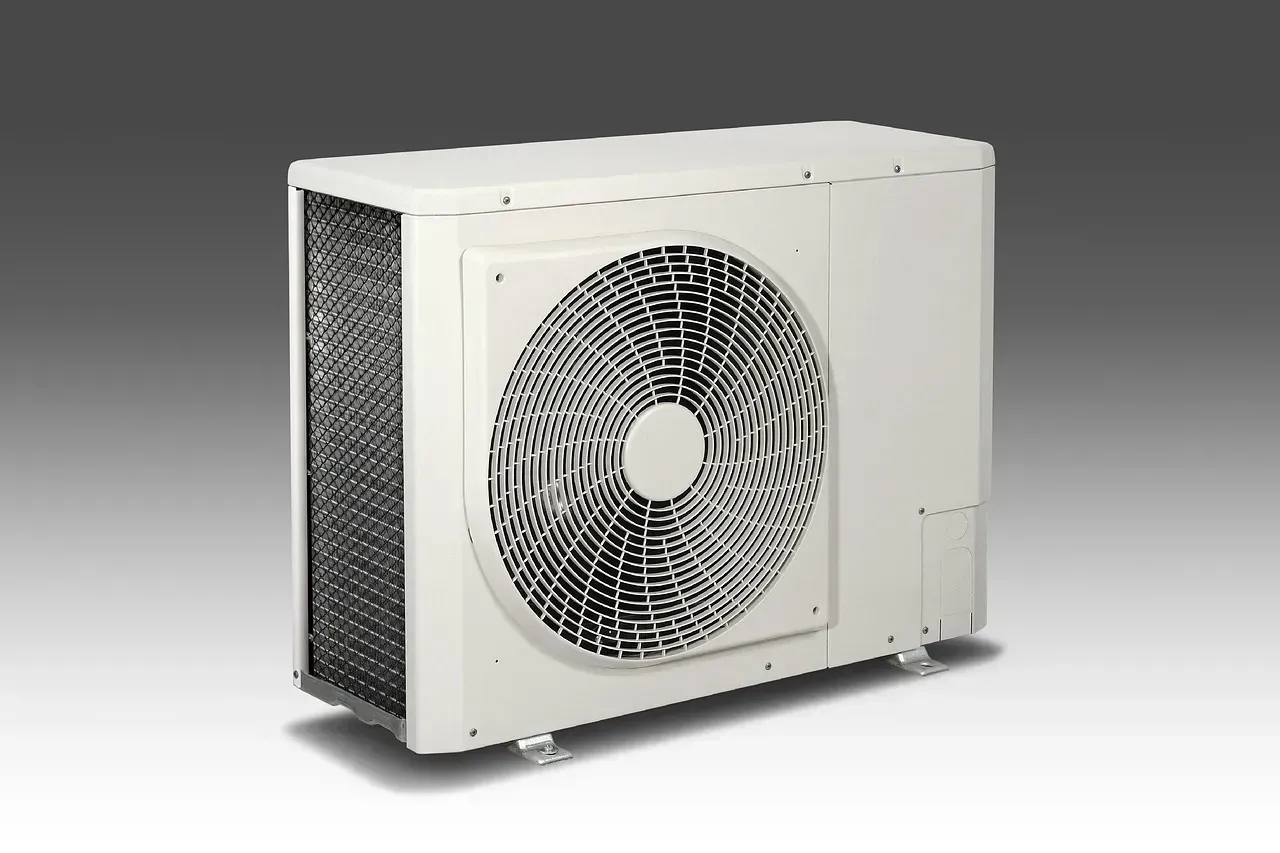
Homeowners may install or upgrade HVAC systems without proper approval, leading to efficiency and safety concerns. Heating and cooling systems involve complex calculations for proper sizing, ductwork design, and refrigerant handling. Incorrectly sized units waste energy and fail to maintain comfortable temperatures. Improper refrigerant connections leak harmful chemicals and create fire hazards.
Licensed HVAC contractors pull permits and coordinate inspections. They understand load calculations, duct sealing requirements, and energy efficiency standards. Utility Connection Issues: Certain systems (e.g., HVAC, plumbing, or sewer) may not be legally tied into municipal services without permits. Illegal HVAC installations also void manufacturer warranties, leaving homeowners completely exposed when expensive equipment fails prematurely.
Insurance may deny claims for noncompliant renovations. Unsafe construction risks accidents and property damage. House fires caused by improperly installed furnaces or air conditioning units happen regularly. When fire investigators determine the HVAC system was installed without permits by unlicensed individuals, insurance companies deny claims worth hundreds of thousands of dollars. Suddenly you’re homeless with a mortgage on a burned-out shell.