13 Classic American Recipes That Have All But Vanished From Modern Menus
Walking into a diner today, you’ll find plenty of burgers, tacos, and maybe some artisanal avocado toast. These are the dishes that define American dining right now. Yet somewhere along the way, an entire generation of recipes simply disappeared.
I’m talking about the meals that once crowded restaurant menus from coast to coast, dishes your grandparents ordered without a second thought. They represented celebration, comfort, and a certain kind of culinary ambition that’s all but extinct. Let’s dive into the forgotten favorites that deserve another moment in the spotlight.
Beef Wellington
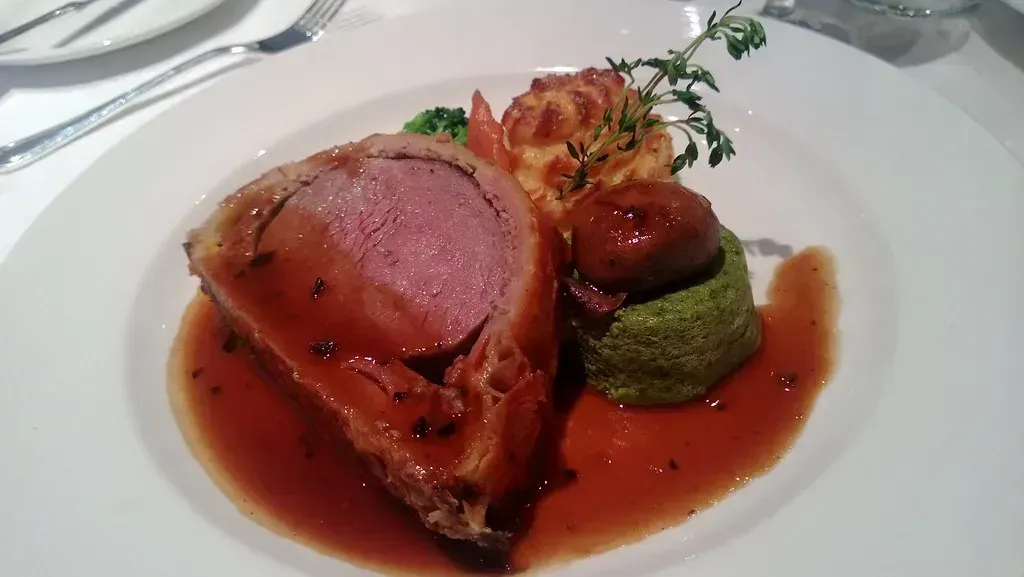
Beef Wellington may even have a closer connection to America than to the UK, with many of the earliest references to ‘Beef Wellington’ coming from the US, including ‘Fillet of beef, a la Wellington’ in the Los Angeles Times in 1903. Through the 1980s, Beef Wellington was the pièce de résistance of dinner parties throughout America, turning the dish into a competitive main course for the most ambitious home chefs. The entrée’s popularity exploded in the 1960s, thanks to Julia Child’s cooking show. This labor-intensive creation featured beef tenderloin wrapped in mushroom duxelles and puff pastry, then baked to golden perfection.
Yet today, outside of Gordon Ramsay restaurants, this labor-intensive pastry-wrapped beef has largely disappeared from casual dining, relegated to special-occasion status at best. The entrée’s popularity exploded in the 1960s, thanks to the Kennedy White House and Julia Child’s cooking show. It seems the complexity that once made it prestigious now makes it impractical.
Chicken à la King
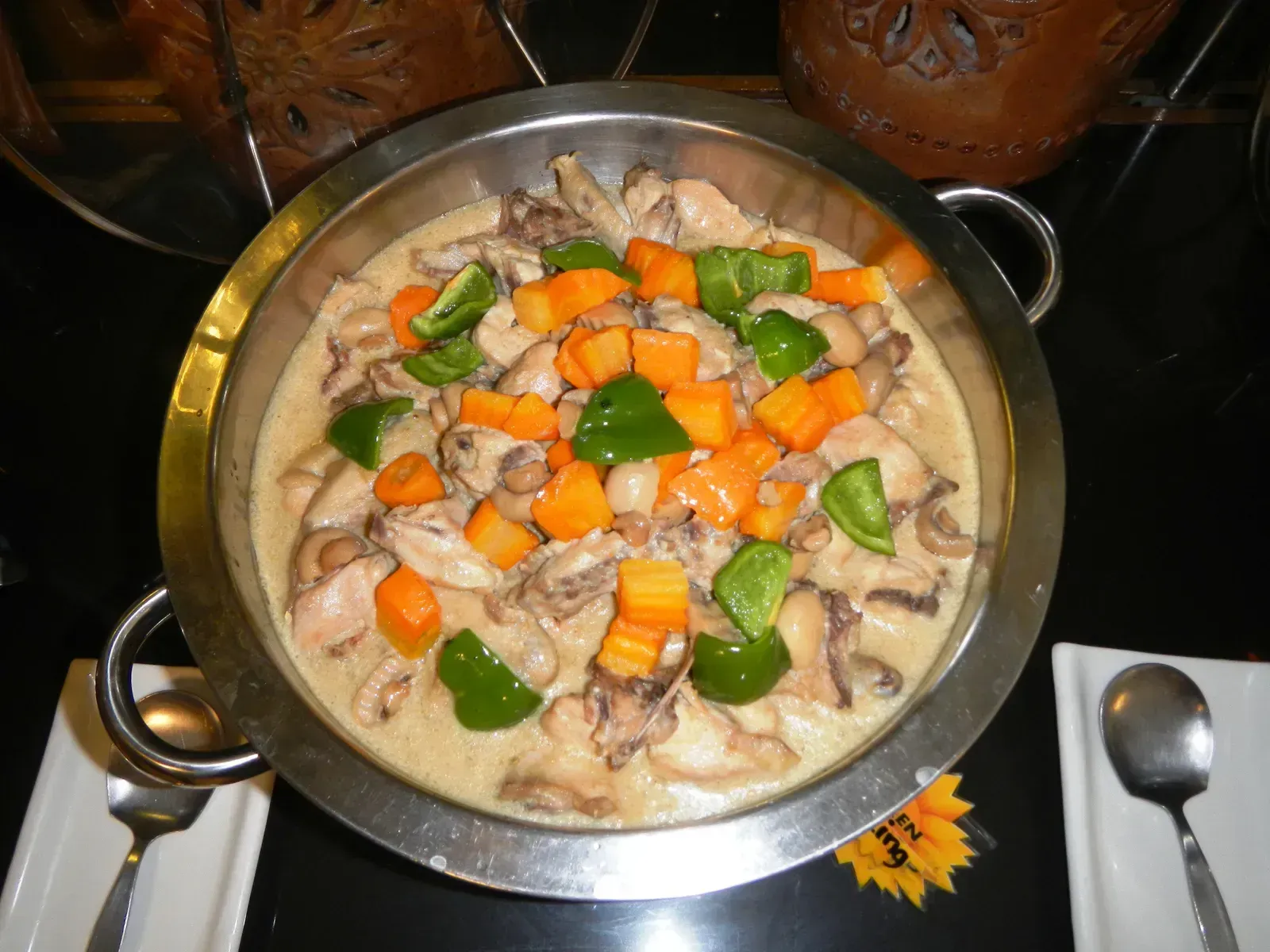
Chicken à la King became a mainstay of upscale hotels and had its heyday in the 1950s and 1960s, but just a few years later the dish had fallen out of favour. This creamy concoction of diced chicken in a velvety sauce with mushrooms and pimentos was the height of sophistication when served over toast points or in pastry shells. Restaurants like the Waldorf-Astoria and the Plaza Hotel featured Chicken à la King as a signature dish, solidifying its status as a culinary icon of the time.
There was a time – in the 1950s, say, when the whole country seemed to be awash in chicken à la king. During those years, the dish was a regular fixture at wedding receptions, in banquet halls, and at other fancy (or faux-fancy) events. Here’s the thing: somewhere between the elegant restaurant versions and the canned soup shortcuts, Chicken à la King lost its way. By the time James Beard wrote American Cookery in 1972, chicken à la King had traveled the arc from its invention at the turn of the century to a downfall in the seventies, no doubt in part a product of supposed shortcut versions that employed cans of condensed soup. But as Beard notes, it “really is quite good if done with care and fine ingredients.”
Lobster Thermidor
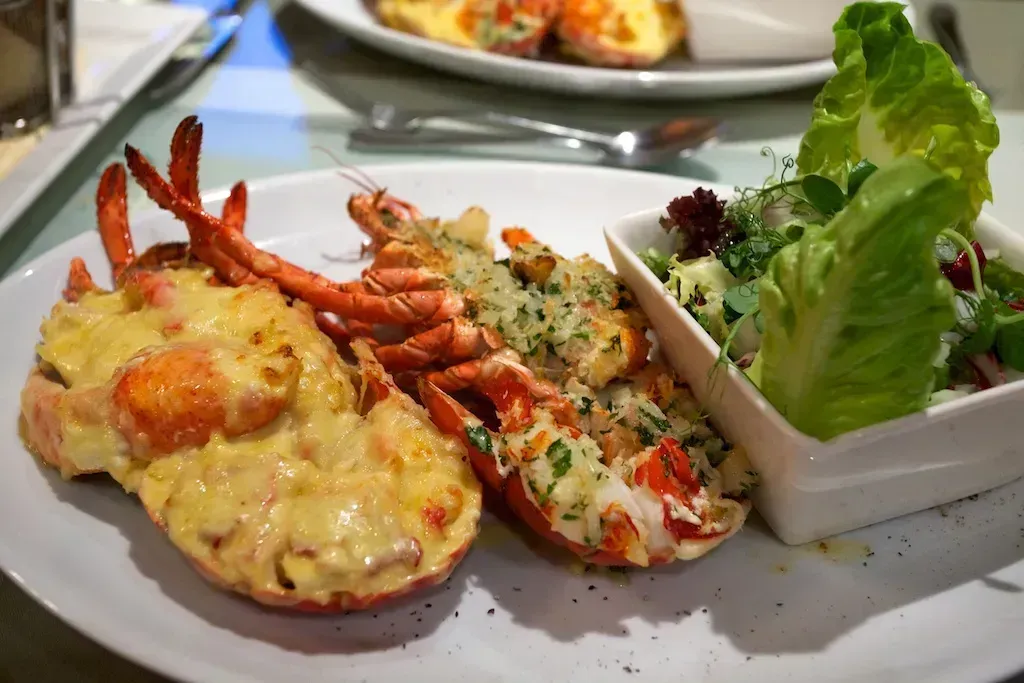
Once the absolute pinnacle of luxury dining, lobster thermidor showcased creamy lobster meat mixed with egg yolks, cognac, and mustard, stuffed back into the shell and broiled until golden. This French-inspired dish became synonymous with American fine dining during the mid-twentieth century, gracing white-tablecloth restaurants from coast to coast. The drama of the presentation alone made it worth ordering.
This French-inspired dish became synonymous with American fine dining during the mid-twentieth century, gracing white-tablecloth restaurants from coast to coast. The preparation demanded skill, time, and expensive ingredients, making it a true showstopper. As dining trends shifted toward simpler preparations and the farm-to-table movement gained momentum, thermidor’s heavy cream sauces and elaborate presentations fell out of favor. Today you’d be hard-pressed to find it outside of the most traditional seafood establishments, and even there it’s become a rarity. Honestly, that’s a shame for anyone who never experienced its rich decadence.
Steak Diane
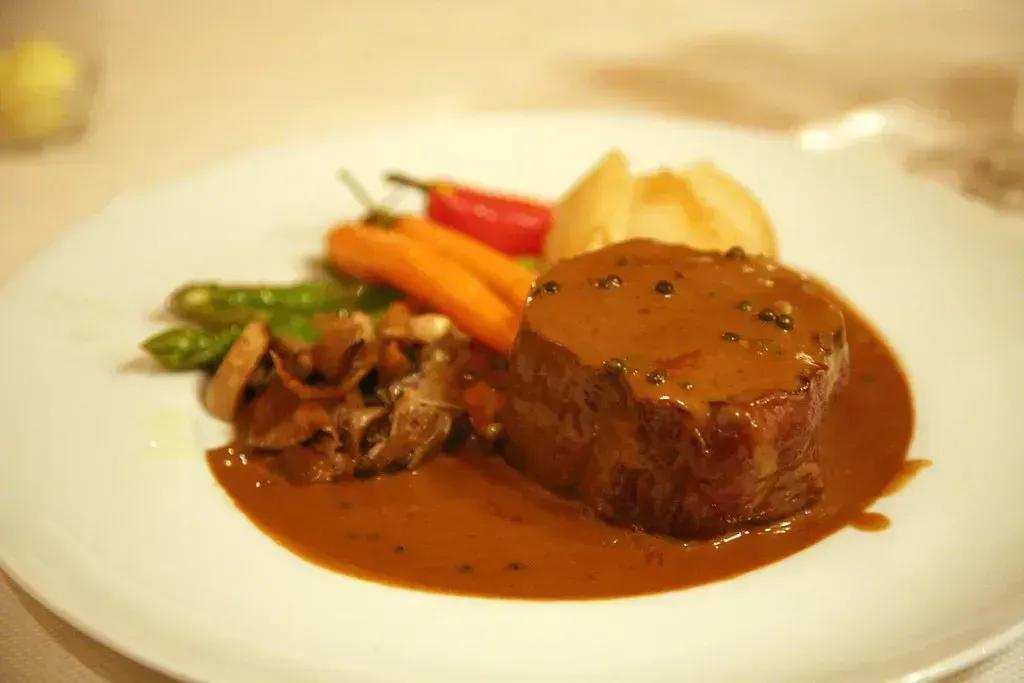
Tableside service used to be theater, and steak Diane was one of its greatest performances. Waiters would dramatically flambé thin beef medallions in a cognac and cream sauce right at your table, the flames leaping up as diners watched in awe. The combination of butter, shallots, Worcestershire sauce, and brandy created an intensely savory experience that made regular steak feel plain by comparison.
Tableside service gradually disappeared as labor costs rose and dining became more casual. Now steak Diane exists mainly in culinary history books and the memories of those who experienced fine dining’s golden age. The spectacle that once defined upscale restaurants feels almost foreign in today’s dining landscape, where open kitchens have replaced tableside pyrotechnics.
Welsh Rarebit
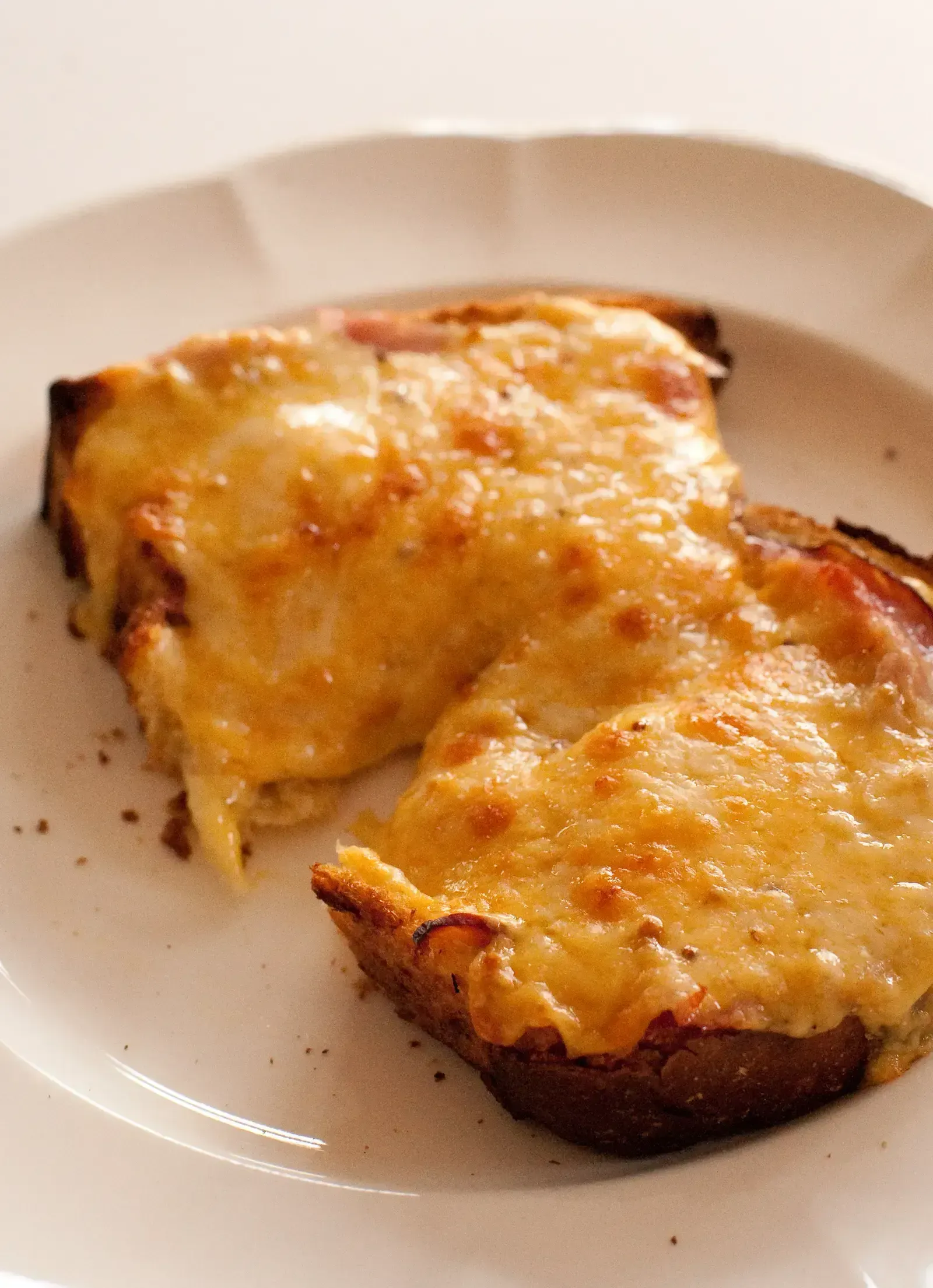
This forgotten cheese sauce sandwich was popular back in the 1940s and 50s when lunch counters across America served this hearty open-faced sandwich topped with a rich cheese sauce made from beer, Worcestershire, and hot sauce. It sounds almost impossibly simple, yet the dish carried an air of refinement that made it a staple of respectable dining establishments. The tangy, beer-spiked cheese sauce bubbled over toasted bread in diners from New York to California.
The aspiring American middle class embraced Welsh Rarebit as a centerpiece of late-night chafing-dish trends, with 19th century cookbooks including recipes for this ale-cheese concoction that could be brought right to the table. The decline happened gradually as American eating habits changed, and when meat became more affordable and accessible in the post-war era, people started choosing heartier sandwiches with actual protein. Sometimes the simplest explanation is the right one.
Waldorf Salad
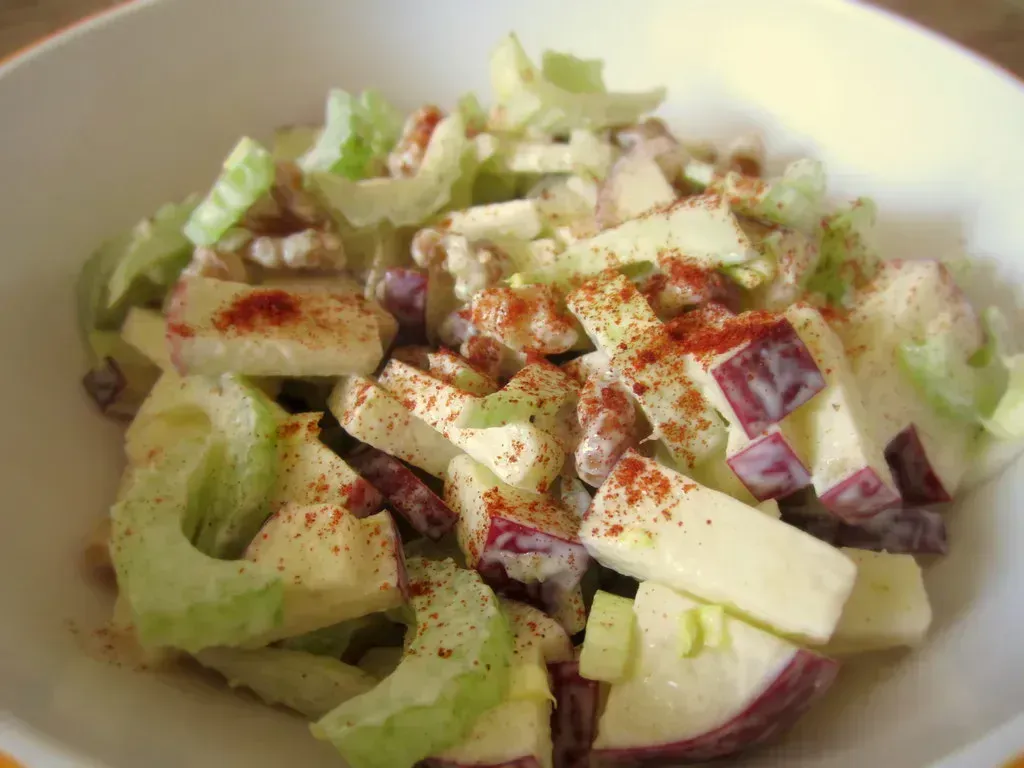
Created at New York’s Waldorf Hotel in the 1890s, this combination of apples, celery, walnuts, and mayonnaise became an American standard for decades. It appeared at ladies’ luncheons, holiday tables, and respectable restaurants throughout the country, representing a certain kind of refined, old-fashioned elegance. The original version contained only apples, celery, and mayonnaise, with walnuts added later, and numerous variations emerged over the years.
As American palates evolved toward lighter vinaigrettes and more diverse salad ingredients, the mayonnaise-heavy Waldorf began to feel dated and heavy. While some traditional establishments still serve it, and home cooks occasionally revive it for Thanksgiving, Waldorf salad has largely disappeared from contemporary restaurant menus, remembered more as a historical curiosity than a living dish. It’s hard to say for sure, but the sheer weight of all that mayo probably didn’t help its case in our health-conscious era.
Oysters Rockefeller
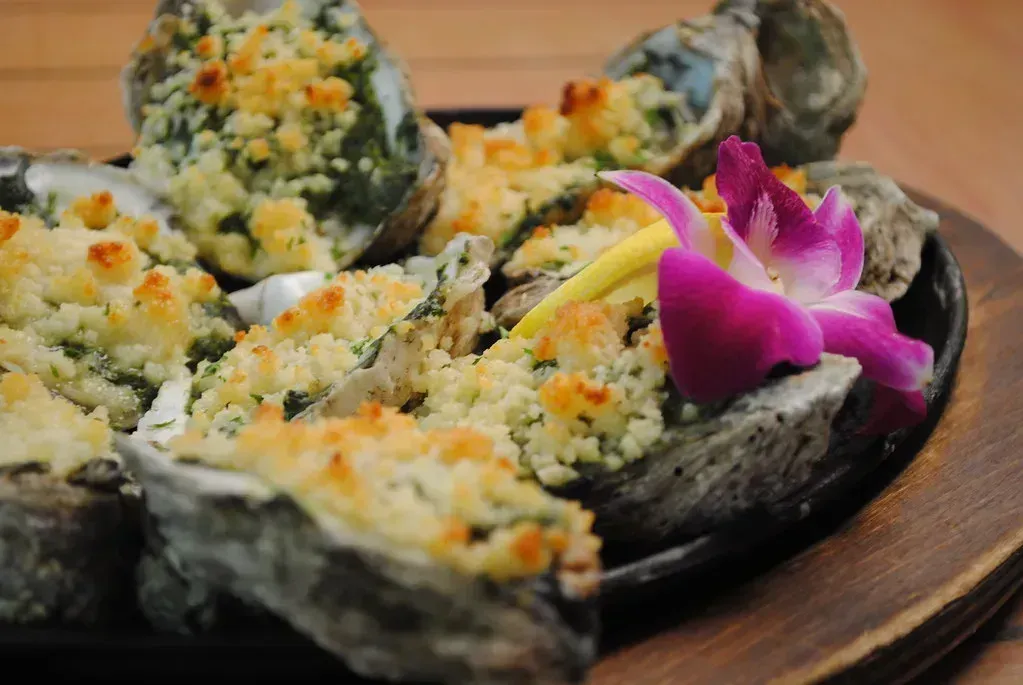
Named for the richness that rivaled John D. Rockefeller’s fortune, this New Orleans creation featured oysters topped with a green sauce of herbs, butter, and breadcrumbs, then baked until bubbling. The original recipe from Antoine’s Restaurant remains a closely guarded secret, though countless interpretations emerged across American restaurants throughout the twentieth century. These oysters represented indulgence itself, appearing on special occasion menus and celebration dinners.
What’s remarkable is how a dish born in one city spread nationwide, becoming shorthand for luxury dining. Yet today, finding genuine Oysters Rockefeller requires hunting down traditional establishments or traveling to New Orleans. The elaborate preparation and fresh oyster requirement make them impractical for most modern kitchens, where speed often trumps spectacle.
Savory Gelatin Molds and Aspics

Perhaps nothing defines mid-century American dining quite like savory gelatin molds filled with vegetables, seafood, or even meat suspended in shimmering aspic. These creations appeared at potlucks, holiday gatherings, and restaurant buffets throughout the 1950s and 60s. The emergence of convenient gelatin products made these dishes accessible to home cooks, while their impressive appearance made them popular centerpieces. Tomato aspic, perfection salad, and countless other variations graced tables across America.
Then tastes changed, and what once seemed sophisticated suddenly appeared bizarre. The texture of savory gelatin, once considered refined, began to strike most diners as unappetizing. Today, jellied salads exist mainly as objects of fascination or horror, depending on your perspective, in vintage cookbooks and retro dinner parties thrown ironically rather than earnestly. Let’s be real: jiggly meat was never going to survive the test of time.
Sole Véronique
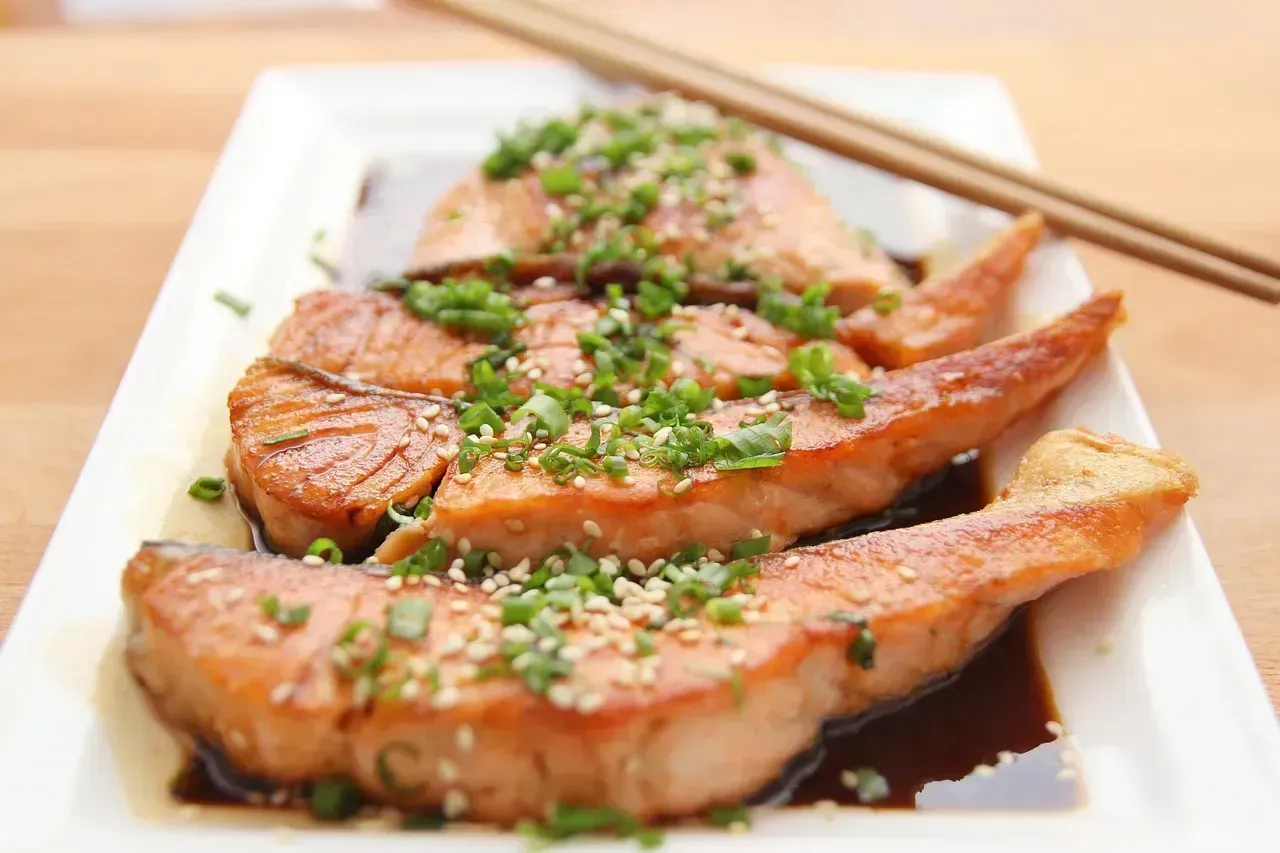
This delicate French preparation featured sole fillets poached in white wine and served with a cream sauce studded with seedless grapes. The combination sounds unusual to modern ears, but sole Véronique represented refined continental cooking that American restaurants eagerly adopted during the mid-twentieth century. The dish required the lightest touch, proper technique, and quality ingredients to succeed, making it a testament to a restaurant’s culinary sophistication.
As fish preparations moved toward simpler grilling and more aggressive seasonings, this gentle, subtle dish fell out of favor. The sweet grapes in savory sauce struck newer generations as odd rather than elegant. Finding sole Véronique today requires seeking out the most traditional French restaurants or the occasional retro menu revival. The flavor combination genuinely works, but convincing diners to try grapes with fish has become an uphill battle.
Baked Alaska
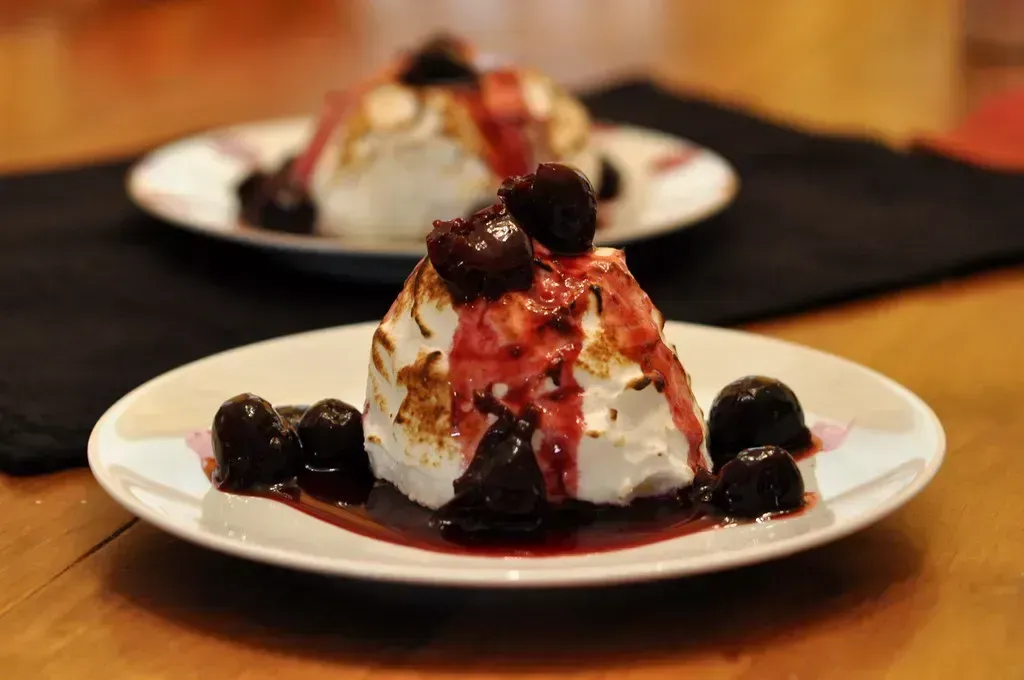
This engineering marvel of dessert-making combined ice cream and cake covered in meringue, then briefly baked so the meringue browned while the ice cream stayed frozen. The dramatic presentation, often flambéed tableside, made it a celebration centerpiece throughout the mid-twentieth century. Restaurants used baked Alaska to showcase their pastry chefs’ technical skills and create memorable dining experiences.
The dessert demanded precise timing, proper equipment, and considerable expertise to execute correctly. As dining became less formal and dessert trends moved toward simpler presentations, baked Alaska’s complexity worked against it. You might still encounter it at special events or retro-themed restaurants, but its days as a common menu item have long passed. I know it sounds crazy, but a dessert that’s simultaneously frozen and on fire was probably doomed from the start in our risk-averse restaurant culture.
Oyster Stew
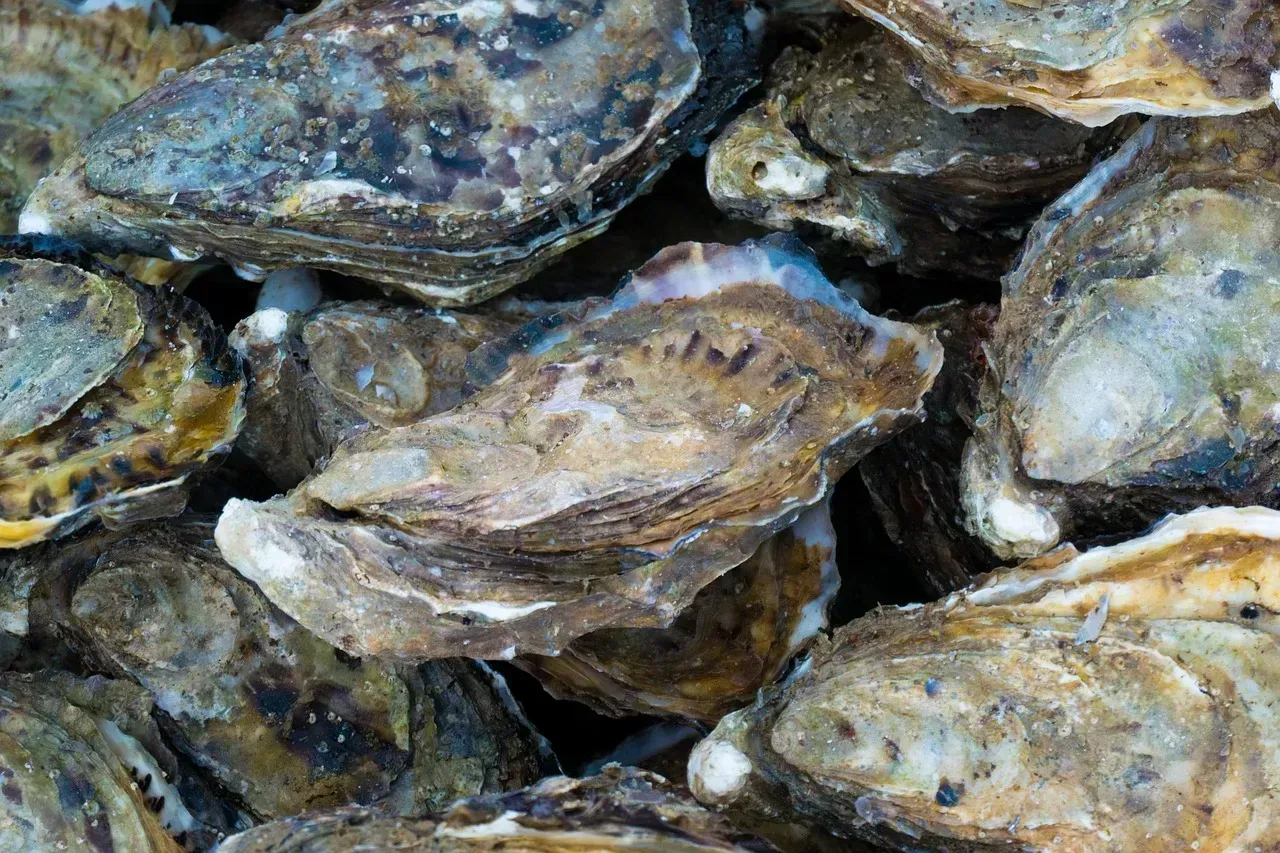
This tradition came over with the Irish immigrants in the mid-1800s and was particularly popular on Christmas Eve in Southern United States cuisine, with Irish Catholic immigrants adapting their traditional dried ling stew recipe for oysters. The rich, creamy oyster stew became a treasured Christmas Eve ritual for many American families, especially those with Irish Catholic heritage. The simplicity belied its depth of flavor.
That’s because there were tons of oysters available to all classes of people 300 years ago. But now that they have become a rather expensive delicacy, those oysters are often replaced with mushrooms in stuffing. The tradition declined as oysters became pricier and less accessible. What was once an affordable holiday staple transformed into a luxury item. Economics changed this dish’s trajectory more than taste ever did.
Creamed Onions
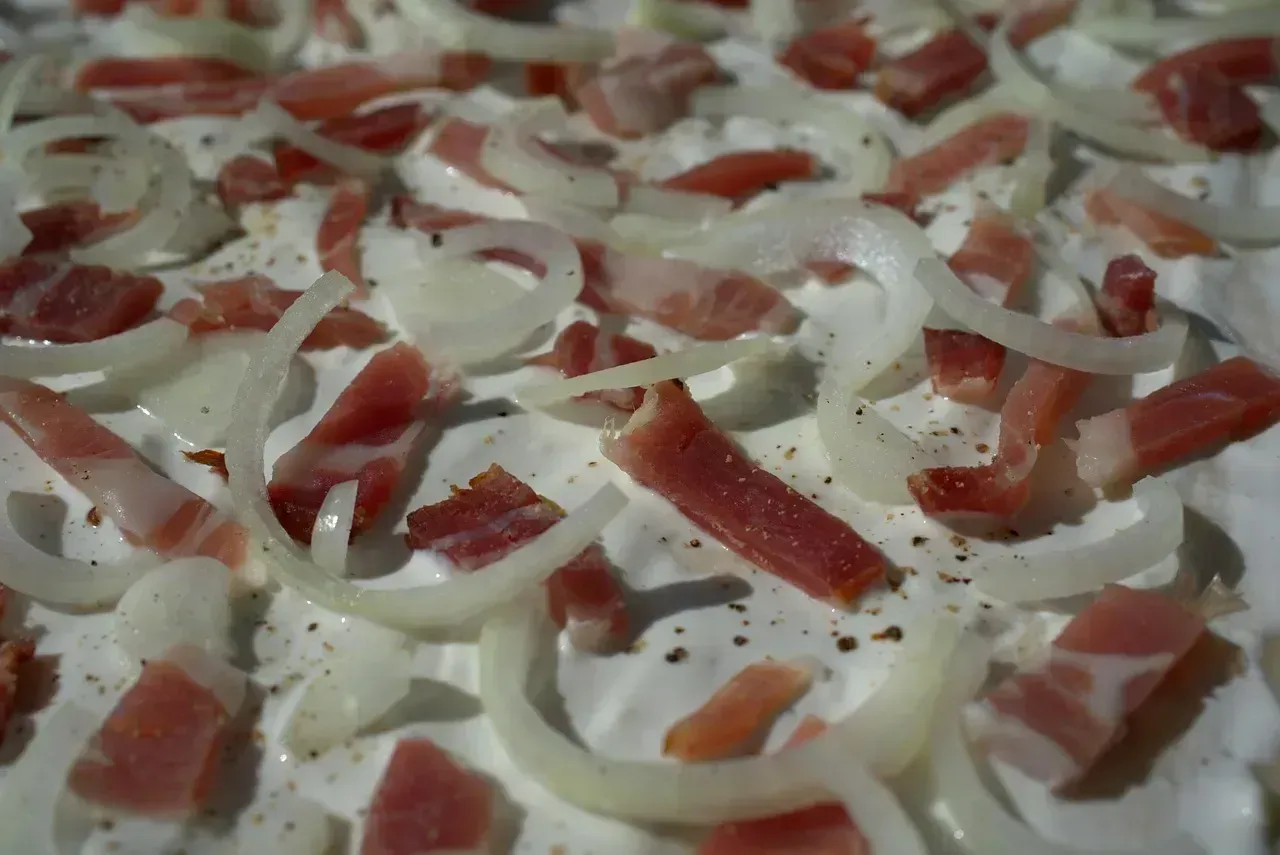
Once a staple of Christmas dinners across the Northeast and Midwest, creamed onions were traditionally served alongside roast beef or ham as a rich, celebratory side, along with their close cousin, creamed celery. These pearl onions swimming in silky cream sauce represented holiday abundance and old-fashioned comfort.
The dish fell out of favor because peeling pearl onions is labor-intensive and American tastes leaned away from boiled vegetables. As tastes shifted, entertaining grew more casual and time became a luxury, many of these classic sides quietly faded from Christmas menus. Nobody wants to spend hours peeling tiny onions anymore when roasted Brussels sprouts take ten minutes.
Mincemeat Pie (With Real Meat)
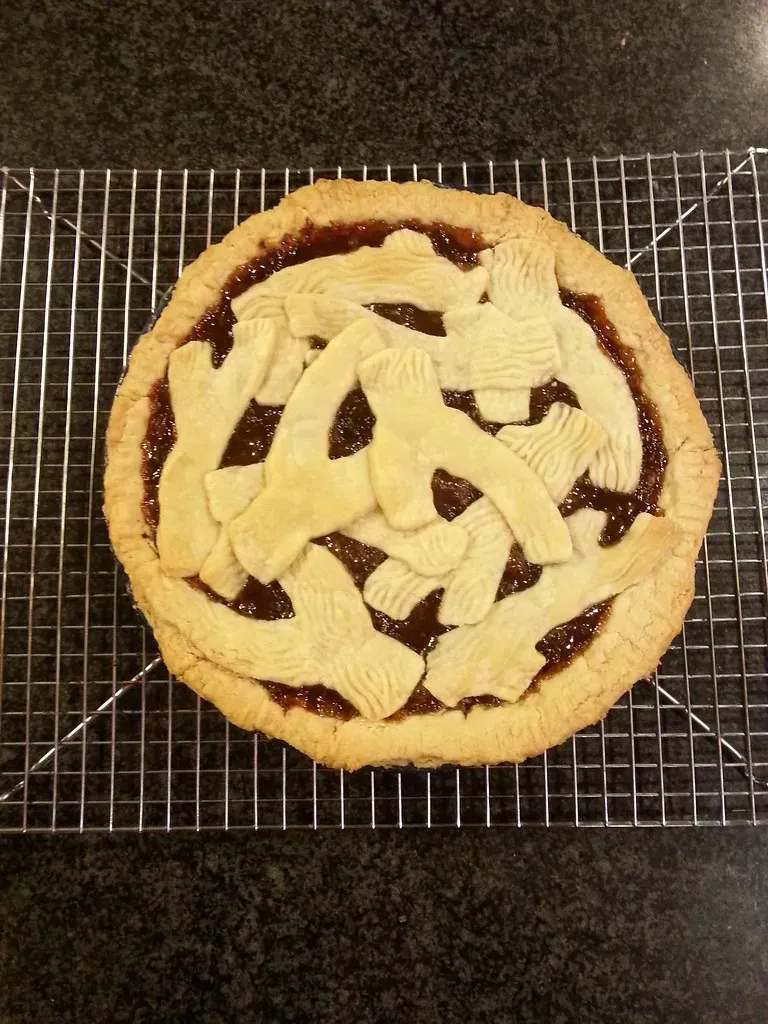
Unlike today’s fruit-filled versions, traditional mincemeat actually contained minced meat, typically beef or venison, mixed with suet, fruits, and spices. This medieval holdover remained a holiday staple in American homes well into the twentieth century, combining savory and sweet elements in ways that confuse modern palates.
Tastes changed, and the labor involved in preparing real mincemeat from scratch became less appealing as pre-made options flooded markets. The meat content gradually disappeared, leaving only the name and a pale shadow of the original recipe. Despite its popularity, the pie was believed by haters and lovers alike to cause indigestion, nightmares, disordered thinking, hallucinations, and occasionally death. That last part probably didn’t help its survival chances, even if it was mostly superstition.