These 5 Disappeared Pizza Chains Defined Childhood for a Generation
There was something magical about being a kid in the 1980s and 1990s when pizza night meant piling into the family station wagon and heading to that special place where cheese strings stretched a mile long and arcade games beeped in the background. For millions of Americans who grew up during those decades, certain pizza chains weren’t just restaurants. They were where birthday parties happened, where little league teams celebrated wins, and where families made memories that would last a lifetime.
These weren’t the delivery-focused chains that dominate today’s landscape. These were destinations, complete with buffets, live entertainment, and a sense of occasion that made every visit feel like an event. Yet one by one, these beloved chains vanished from neighborhoods across America, leaving behind only nostalgia and the occasional online forum where people swap stories about the good old days.
Shakey’s Pizza – America’s First Pizza Chain Faded Into Obscurity
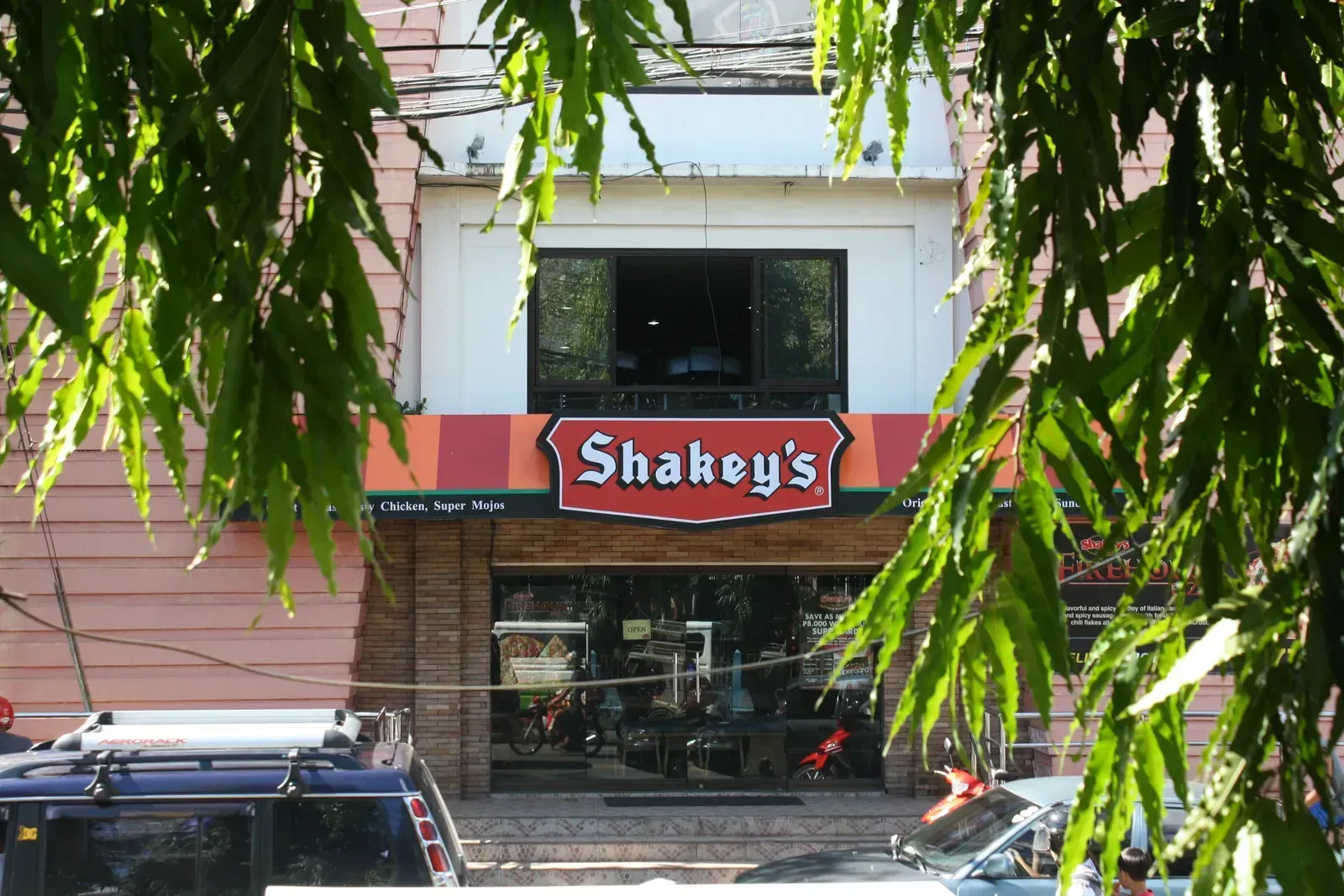
Shakey’s Pizza was America’s first national pizza chain, founded in Sacramento by Sherwood “Shakey” Johnson and Ed Plummer in 1954. Long before Pizza Hut or Domino’s existed, Shakey’s was pioneering the concept of pizza as family entertainment, complete with Dixieland jazz bands, player pianos, and a lively atmosphere that made it the place to be on Friday nights. At its peak in 1968, Shakey’s had 342 stores throughout the United States.
What made Shakey’s truly special was the open kitchen concept. Kids could press their noses against the glass windows separating the dining area from the kitchen, watching as pizza makers tossed dough, ladled sauce, and slid pies into massive ovens. The thin-crust pizza had a distinctive cornmeal dusting that created a satisfying crunch with every bite, and the Mojo potatoes became legendary among regulars.
By the time Inno-Pacific Holdings of Singapore purchased the chain in 1989, the number of franchises had declined to 221, and most of the remaining U.S. stores closed during their ownership. Competition from bigger chains like Pizza Hut and Domino’s proved too fierce, especially when those companies could undercut Shakey’s on price and offer faster delivery service.
As of 2025, Shakey’s Pizza Parlor operates just 43 locations in the United States, 42 in California and a single outpost in Washington state. Interestingly, while Shakey’s disappeared from most of America, the chain thrived internationally, particularly in the Philippines, where it became the most popular pizza brand with over 300 locations still operating today.
ShowBiz Pizza Place – The Rock-afire Explosion That Exploded Too Quickly
Picture this: it’s 1983, and you’re sitting in a darkened restaurant watching animatronic animals perform rock and roll while you devour pepperoni pizza. ShowBiz Pizza Place was an American family entertainment center and pizza chain founded in 1980 by Robert L. Brock after a separation between Brock and owners of the Chuck E. Cheese franchise. The centerpiece was the Rock-afire Explosion, a sophisticated animatronic band featuring Billy Bob, a hillbilly bear, along with other musical characters that performed for packed audiences.
ShowBiz was born from a business dispute, but it quickly became Chuck E. Cheese’s biggest competitor. While it once had more than 200 locations in the U.S., these all disappeared when it merged with its biggest competitor, Chuck E. Cheese. The merger happened after Chuck E. Cheese’s parent company filed for bankruptcy in 1984, and ShowBiz actually bought out its former rival.
Following a severing of ties with Creative Engineering in 1990, most ShowBiz Pizza locations were rebranded as Chuck E. Cheese locations over several years. The beloved Rock-afire Explosion characters were retrofitted to become Chuck E. Cheese characters in a process called Concept Unification. By the early 1990s, ShowBiz Pizza Place had vanished entirely from the American landscape, absorbed into the Chuck E. Cheese empire that still struggles today.
Pizza Haven – The Seattle Original That Couldn’t Compete
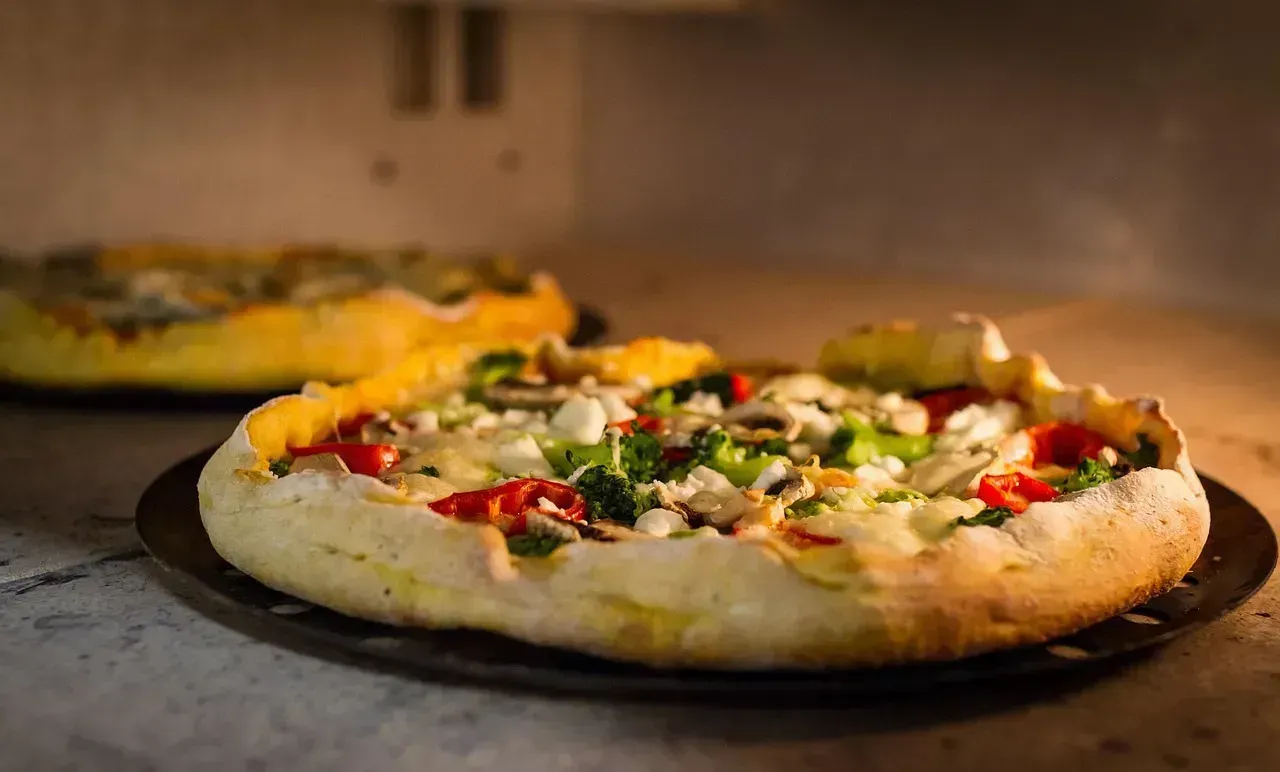
Pizza Haven originated in Seattle in 1958, operating as a once-revolutionary dial-a-pizza format that made it one of the first on the market for such a brand. This was revolutionary stuff for the 1950s when most people still thought of pizza as exotic foreign food. Pizza Haven made the concept accessible, loading up pies with generous toppings and pioneering delivery service before it became the industry standard.
Unfortunately, a missed tax payment by the Pizza Haven owner led to the company’s involuntary bankruptcy in 1998, with the final location in Seattle’s Center House closing for good in 2012. What’s remarkable is that at its height, Pizza Haven had expanded far beyond Seattle, operating 42 locations across the Pacific Northwest and even internationally in places like Russia and the Middle East.
Former customers still remember Pizza Haven’s chicken bisque soup as much as the pizza itself. The restaurant featured classic arcade games like Ms. Pac-Man and an all-you-can-eat buffet that made it a weekend destination for families. As mammoth companies like Pizza Hut and Domino’s emerged, Pizza Haven couldn’t keep up. The chain simply didn’t have the resources to match the aggressive expansion and marketing budgets of its corporate competitors.
Eatza Pizza – The Buffet Concept That Grew Too Fast

Eatza Pizza first opened doors in Scottsdale, Arizona, in 1997 with an all-you-can-eat buffet of pizza, pasta, a salad bar, and dessert, with arcade games at all locations for entertainment, rapidly expanding to 108 locations in 14 states and Puerto Rico. The concept was brilliant in its simplicity: families could eat their fill without worrying about ordering enough food, and kids could burn off energy in the game room while parents relaxed over a second or third slice.
The self-serve buffet model required minimal staffing and proved wildly popular in the early 2000s. Eatza Pizza seemed poised to become a major national chain. Then reality hit hard. In 2006, it was sold to a private equity group, but after getting sued by a restaurant supply company, there were mass closures and a Chapter 7 bankruptcy filing, with all locations closed.
The chain faced severe lawsuits that left the company barely staying afloat, and while these lawsuits were at their worst, the brand was also sold to a private equity group, leaving the restaurant strapped for cash and unable to pay its legal fees. The combination of overexpansion and legal troubles proved fatal. By 2025, Eatza Pizza had become nothing more than a memory.
Godfather’s Pizza – The Mobster-Themed Chain That Lost Its Territory
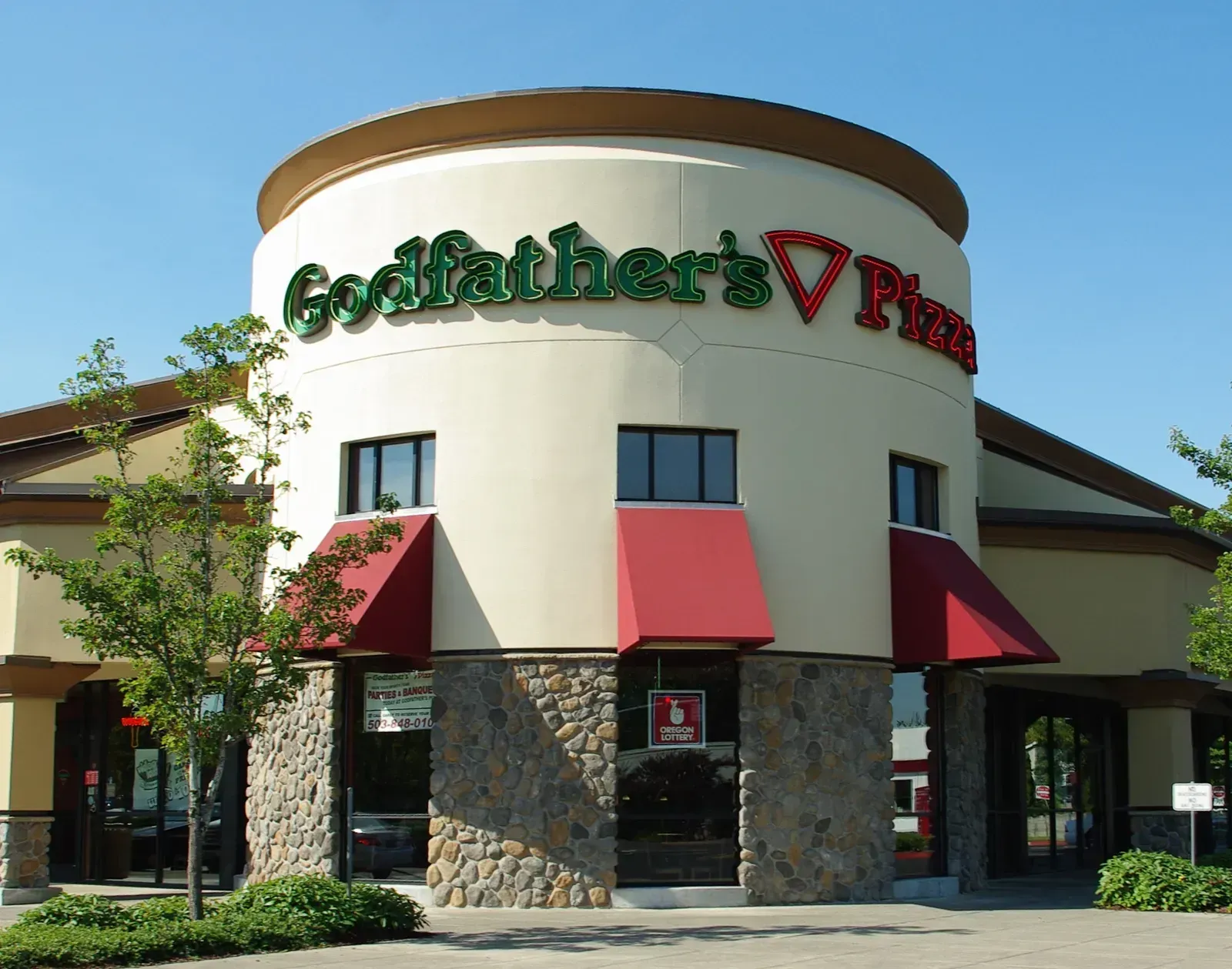
Godfather’s Pizza was founded in Omaha, Nebraska, in 1973, and was named the fastest growing franchise by the National Restaurant Association in 1977, 1978 and 1979, reaching close to 1,000 locations nationwide at the peak of its growth. The chain’s marketing was unforgettable, featuring a character styled after The Godfather movies who promised customers “a pizza you can’t refuse.” The commercials were campy, memorable, and everywhere during the 1980s.
What happened to Godfather’s is a story of corporate ownership changes and aggressive cost-cutting. Under Herman Cain’s leadership after a 1990 leveraged buyout, Godfather’s closed approximately 200 restaurants and eliminated several thousand jobs, and by doing so returned to profitability. The problem was that closing stores to save money also meant losing market presence and mind share among customers.
Unlike the other chains on this list, Godfather’s hasn’t disappeared entirely. The chain operates its standalone stores mostly in its traditional stronghold area of the Midwestern United States, particularly Nebraska, Iowa, Minnesota, and South Dakota, with 453 locations in the U.S. as of August 2016. However, many of these are now express locations inside gas stations and convenience stores rather than the full-service restaurants that defined childhood memories. Individual franchise locations continue closing, with recent shutdowns reported in Frisco, Cedar Falls, and Enid due to rising operational costs and competition from larger chains.
The nostalgia for these vanished pizza palaces runs deep. Online forums are filled with people sharing memories of birthday parties at ShowBiz, after-game celebrations at Shakey’s, and weekend buffet visits to Eatza Pizza. These weren’t just pizza restaurants; they were community gathering places that helped define what childhood felt like for millions of Americans. Their disappearance reflects broader changes in how we eat and socialize, with convenience and delivery trumping the experience of dining out as a family event.
What do you think about these lost pizza chains? Did you have a favorite spot that’s no longer around? The memories may fade, but for those who were there, these restaurants will always represent a slice of childhood that can’t be replicated.