If You Grew Up in the ’60s or ’70s, You’ll Remember These 8 Lost Chains
There’s something about nostalgia that hits differently when you’re talking about food. Maybe it’s the smell of fried clams wafting from under an orange roof, or the satisfying crunch of a burger wrapped in paper that actually stayed warm. If you came of age during the ’60s or ’70s, you didn’t just eat at restaurants. You experienced them.
The highway culture of those decades created dining institutions that felt as permanent as the asphalt itself. Families piled into station wagons and knew exactly where to stop. These weren’t just pit stops; they were destinations that shaped road trip memories for an entire generation. Then, one by one, they vanished, leaving behind only faded signs and the occasional loyal customer still mourning their loss.
Howard Johnson’s
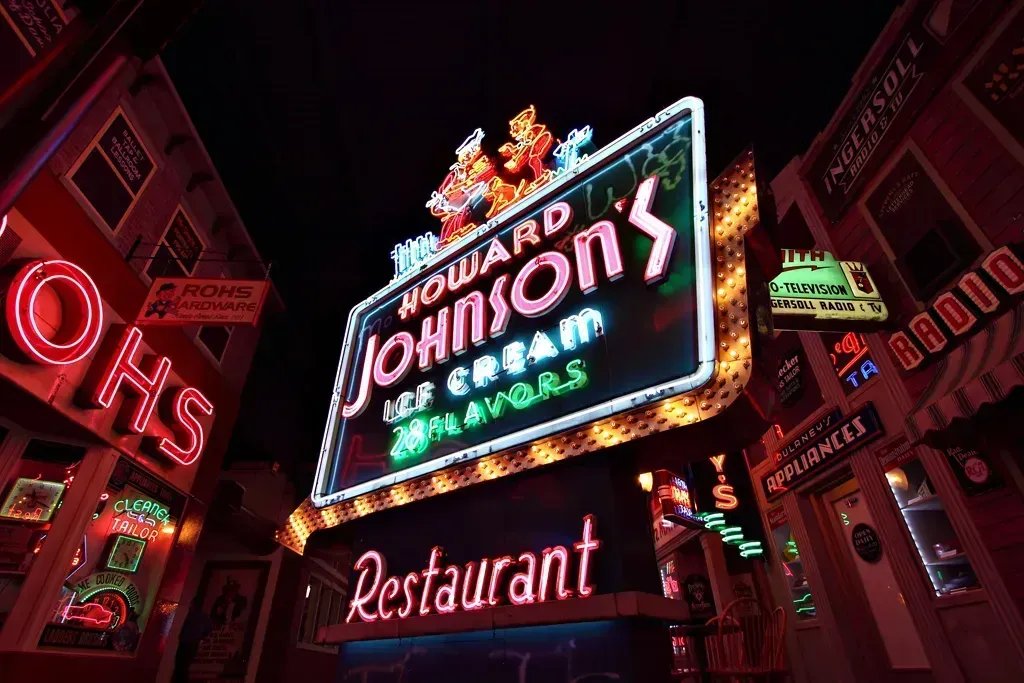
Howard Johnson’s is synonymous with 1950s and ’60s dining, and honestly, if you didn’t stop at a HoJo’s during a family road trip, did you even have a childhood? The longtime roadside staple had about 1,000 restaurants in the 1960s and 1970s, and it was once America’s largest restaurant chain. That distinctive orange roof became a beacon for hungry travelers who knew they could count on consistency no matter which state they were passing through.
It was launched by entrepreneur Howard Johnson in the 1920s as a soda fountain and lunch counter, and by 1954 there were 400 outposts in 32 states. The menu featured everything from fried clam strips to hot dogs, but the real draw was those famous ice cream flavors. Twenty-eight of them, to be exact, each one seemingly better than the last.
The company peaked in the mid-1970s, but business fell off after that. Fast food chains like McDonald’s could deliver food faster and cheaper, while casual dining spots like Applebee’s offered more variety. The last restaurant, in Lake George, New York, closed in 2022. Nearly a century of American dining history, gone.
Burger Chef
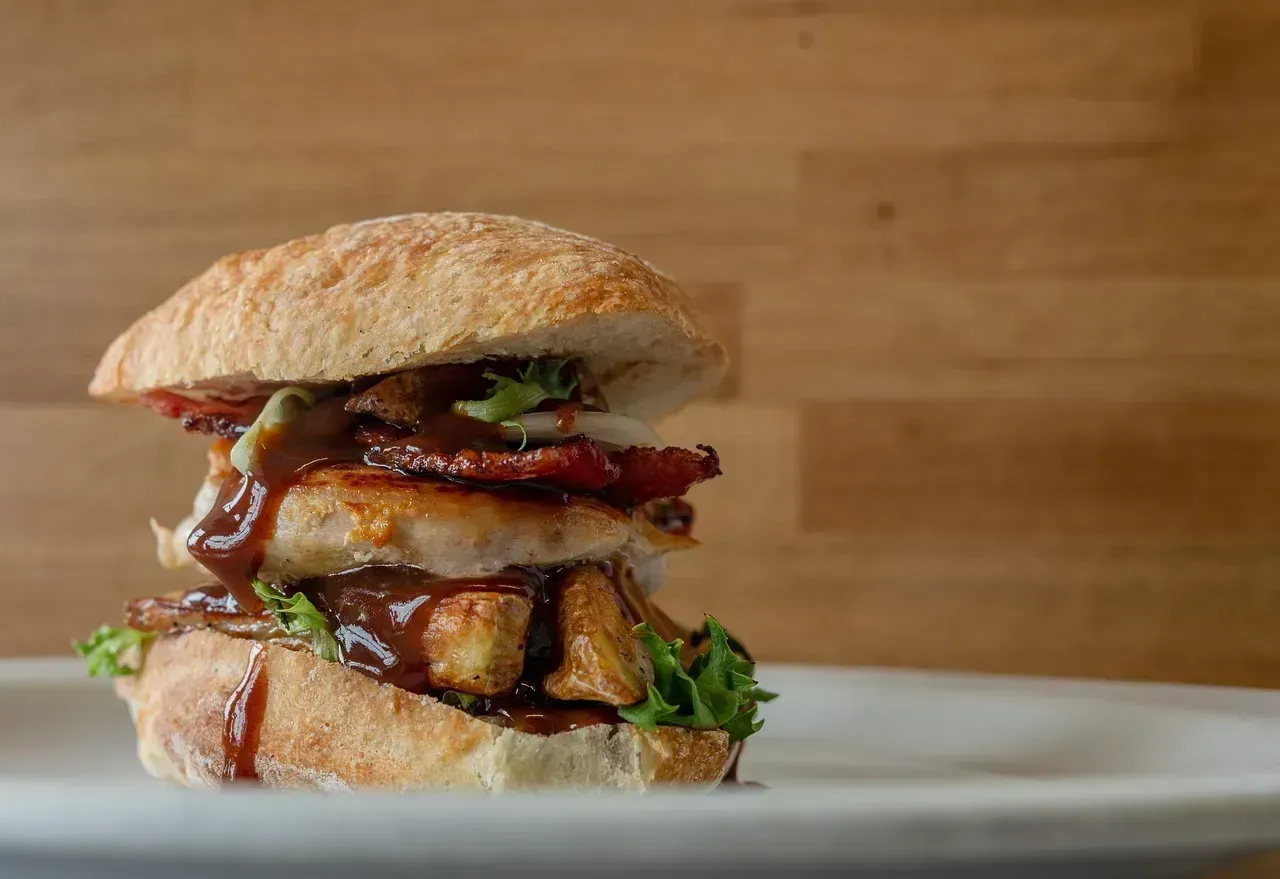
Let’s be real, Burger Chef was more than just another burger joint. There was a time when Burger Chef was the second most popular fast-food chain in America, with only McDonald’s boasting more locations throughout the United States. That’s right, the second most popular. Think about that for a second.
In 1964, it introduced the “Big Shef,” a double burger with cheese, lettuce, sauce, and a hamburger bun between the patties. Burger Chef launched a kid-sized “Fun Meal” in 1973. Sound familiar? McDonald’s didn’t roll out the Happy Meal until six years later, basically borrowing the entire concept.
At its peak, in 1972, Burger Chef operated 1,200 restaurants, slightly behind McDonald’s at 1,600. The company changed ownership several times throughout the ’70s and ’80s, losing its identity along the way. By the time Hardee’s acquired Burger Chef in 1981, the chain’s ownership had changed a few times over. For over a decade, Burger Chef locations were converted into Hardee’s restaurants or closed. Burger Chef folded completely in 1996.
Gino’s Hamburgers
The hamburger joint was founded in 1959 when Colts captain Gino Marchetti joined forces with owners Joe Campanella, Louis Fisher, and Alan Ameche. The #dreamteam went on to found 359 locations. Sports celebrities running restaurants wasn’t exactly common back then, which made Gino’s feel special, almost like eating at a friend’s place who just happened to be famous.
The chain’s signature hamburger was the Sirloiner, made from sirloin steak. Not your average fast food fare. By the 70s, he had over 300 locations. Marchetti sold the chain to Marriott in the early 1980s, and the hotel chain quickly turned all the Gino’s into Roy Rogers. Just like that, an entire brand disappeared.
But Marriott Corporation scooped up the chain in 1982 and rebranded the locations into Roy Rogers Restaurants. The final Gino’s closed in 1986. There’s been a small revival with a couple of locations in Maryland today, but it’s not quite the same as the empire that once dominated the East Coast.
Stuckey’s
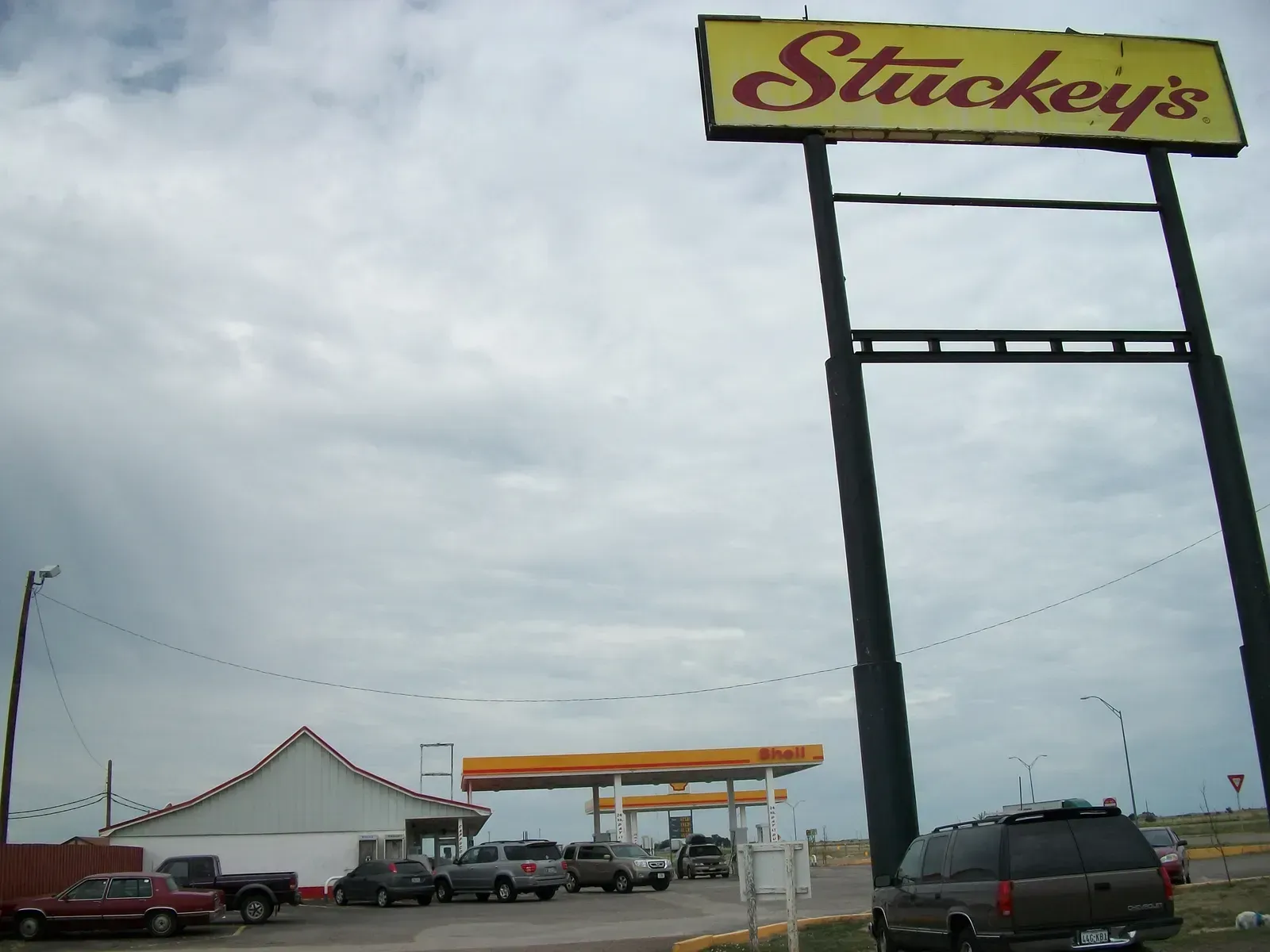
Uploaded by xnatedawgx, CC BY-SA 2.0, https://commons.wikimedia.org/w/index.php?curid=12809406)
In the early 1960s, with over 368 stores across the country now filled with candy, novelty toys, and kitschy souvenirs, the franchise became larger than Stuckey could himself handle. Those teal blue roofs were everywhere, promising clean restrooms, pecan log rolls, and tchotchkes your grandmother absolutely didn’t need but bought anyway.
Throughout the 1960s and 1970s, travelers would seek out our teal blue roof and grew to love our souvenirs, clean restrooms, and delicious breakfast. Road trips weren’t complete without a Stuckey’s stop. It’s hard to say for sure, but those pecan candies might’ve prevented more than a few family meltdowns in the backseat.
W.S. Stuckey Sr. died in 1977, after which the chain’s parent company began closing Stuckey’s stores across the country. By the end of the decade, only 75 original stores remained. The brand has made something of a comeback in recent years under the founder’s granddaughter, but those glory days of hundreds of roadside stops are long gone.
Sambo’s
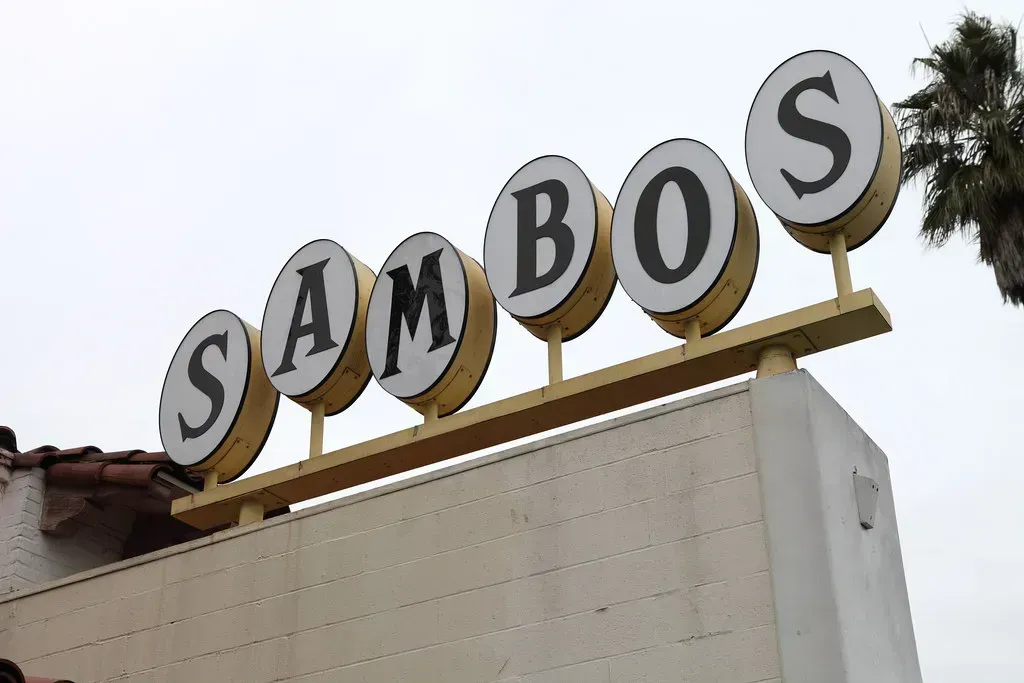
At its peak in 1979, Sambo’s had an incredible 1,117 restaurants in 47 states. The pancake house chain grew explosively throughout the ’60s and ’70s, serving breakfast to families who didn’t yet understand why the name was problematic. Founded in 1957, the restaurant claimed its name came from combining the founders’ names, Sam Battistone and Newell Bohnett.
The eatery was not without controversy though, as the name is a derogatory slang word used towards African Americans. As the chain opened more and more restaurants, especially in bigger cities, customers began objecting to the tone-deaf marketing. By the late ’70s, protests and lawsuits mounted as communities recognized the racist connotations.
The chain filed for Chapter 11 bankruptcy in November 1981. Neither the name change nor bankruptcy protection reversed this downward trend, and by 1982 all except the original Sambo’s at 216 West Cabrillo Boulevard in Santa Barbara, California closed their doors. The surviving location finally changed its name in 2020 amid nationwide protests following George Floyd’s death.
Lum’s
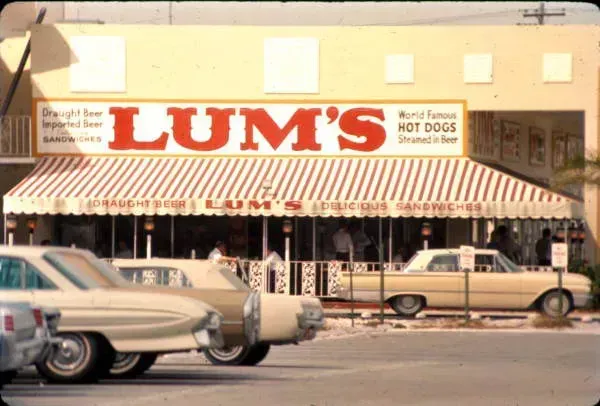
In 1956, the first Lum’s (which launched with an apostrophe) restaurant opened in Miami Beach, Florida and got off to a strong start. The concept was simple but brilliant: beer-steamed hot dogs. Who comes up with that? Somebody who understood what road-weary travelers actually wanted, that’s who.
At its height in the 1970s, Lum’s had 450 restaurants in the U.S. and abroad, and employed comedian Milton Berle for its TV commercials. The chain’s signature item evolved beyond just hot dogs to include the Ollieburger, a thick patty seasoned with an allegedly secret blend of spices that people still talk about decades later.
With Jan in the driver’s seat, Lums filed for bankruptcy in 1982 and over the next several years Lums shuttered locations all over the place. The last Lums associated with the franchise was located in Bellevue, Nebraska. After 49 years in business, it closed in 2017. Another roadside legend, reduced to memories.
Arthur Treacher’s Fish & Chips
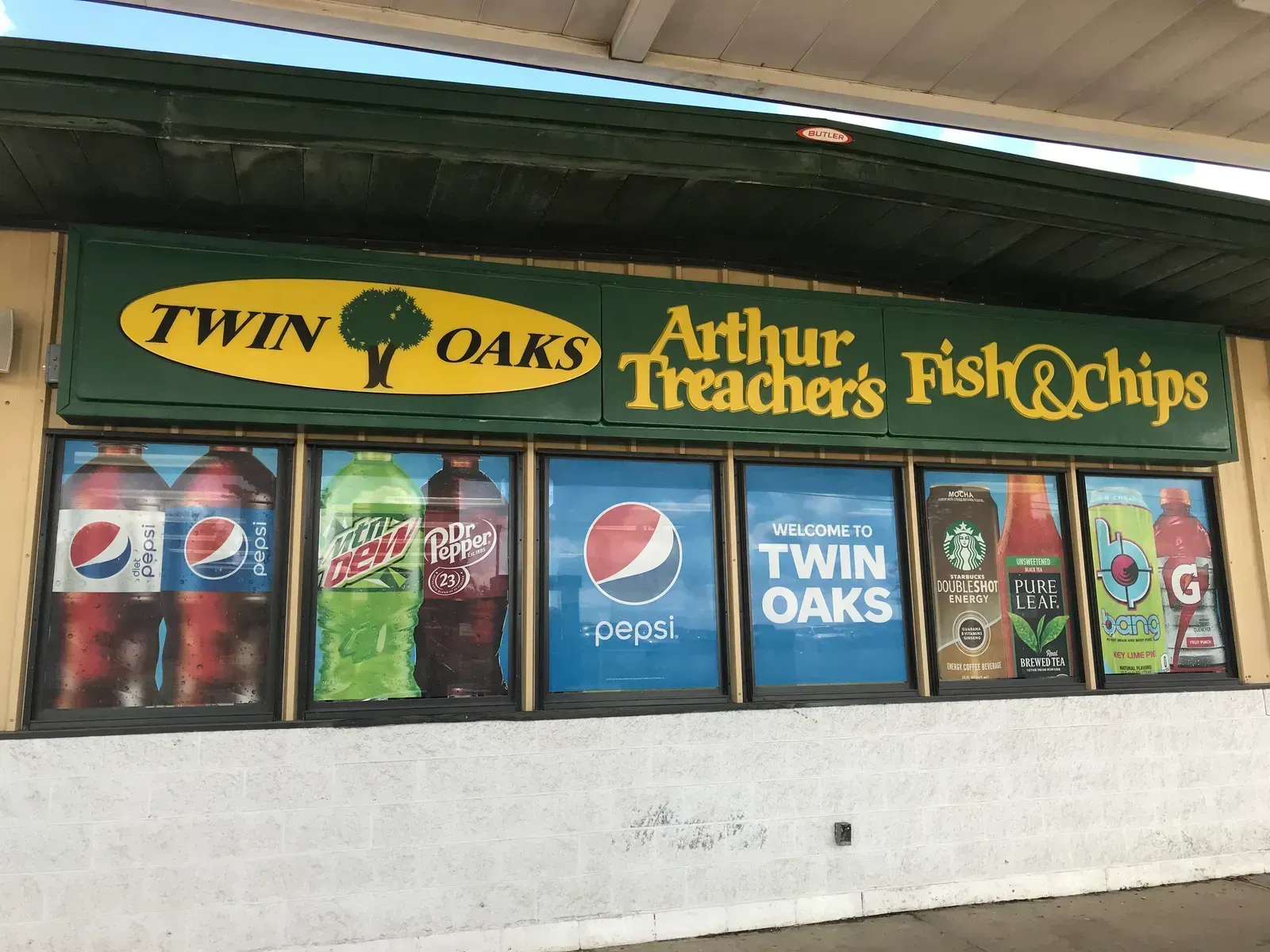
The fast-food chain that wanted to popularize fish and chips in the United States was founded in 1969. (The restaurant’s namesake is the English actor who played the butler in the Shirley Temple films.) Serving up fried chicken, fish, and chips, Arthur Treacher’s peaked with more than 800 stores in the late ’70s. It brought a taste of England to American highways, complete with the crispy batter and vinegar that made it feel authentic.
The whitefish and chips started coming out of the fryers at the first Arthur Treacher’s in 1969, and about 10 years later, it had grown into a gigantic nationwide chain of 826 restaurants. Frozen fish company Mrs. Paul’s Kitchen bought the operation in the late 1970s and sold it to Lumara Foods of America in 1982, which could only keep Arthur Treacher’s above water for two years before a bankruptcy filing. The restaurant stayed in business but with an ever decreasing footprint, shrinking to just one location by 2021, in Cuyahoga Falls, Ohio. From over 800 locations to one. That’s the restaurant business for you.
Henry’s Hamburgers
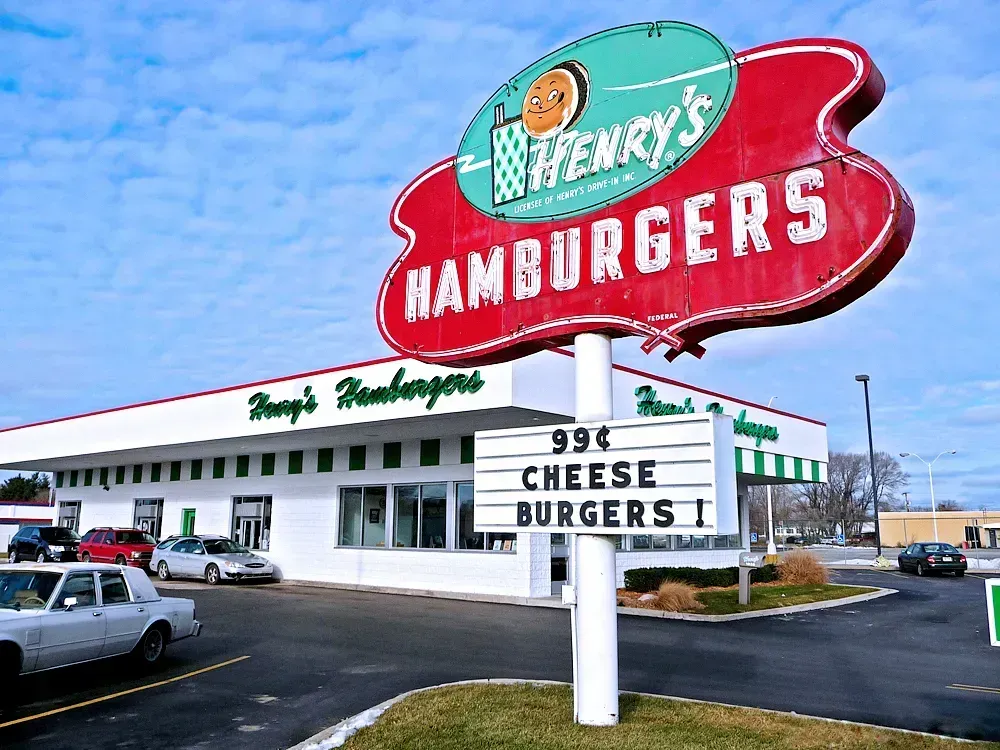
Henry’s was founded in 1954 by the Bresler’s Ice Cream Company as a way to get into the fast food drive-in game, and they modeled the stores on McDonald’s. By 1956, 35 locations had opened in the Chicago area, growing to more than 200 by the 1960s.
The chain attracted crowds of customers with its menu of 15-cent burgers, 29-cent fish sandwiches, and 10-cent fries. Those prices sound like something from a fever dream today. By the 1970s, however, the company was on the decline, and it neglected to keep up with the times as competitors like McDonald’s and Burger King rolled out new menu additions, drive-thrus and national advertising. Today, only one location remains, in Benton Harbor, Michigan.
These eight chains weren’t just restaurants. They were landmarks, meeting places, and reliable stops on journeys that defined an era. The ’60s and ’70s gave us a unique highway culture that felt both adventurous and comforting at the same time. Sure, we’ve got plenty of options today, but there’s something irreplaceable about those places that once dotted America’s roads. Did you have a favorite spot that didn’t make it? Which one do you miss the most?