Food Experts Say You Should Stop Putting Mayo in Tuna Sandwiches – Here’s Why
Let’s be real, the classic tuna sandwich has been a lunch staple for decades. It’s quick, easy, and seemingly harmless. Yet something interesting is happening in kitchens and nutrition offices across the country. Dietitians and food experts are suggesting we rethink that generous dollop of mayonnaise we’ve been slathering on our tuna salad. The reasons might surprise you, and honestly, they make a lot of sense once you dig into the details.
So why the sudden shift away from mayo? It turns out this isn’t just about calories or fat content, though those factors certainly play a role. There are fresher, more nutrient-dense alternatives that can transform your lunch from something mundane into a meal that actually fuels your body properly. Ready to discover what the experts are saying?
Mayo Packs a Surprising Calorie Punch
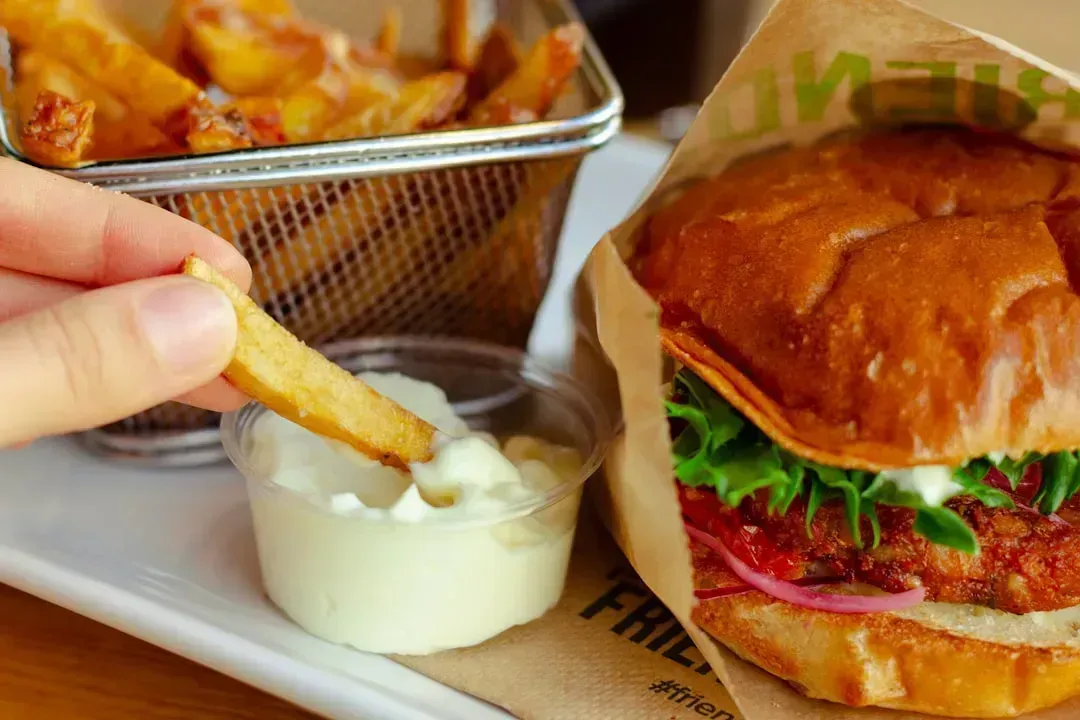
Here’s the thing about mayonnaise that catches most people off guard. A single tablespoon contains around 94 to 95 calories, and the macronutrient breakdown is nearly all fat at 99%. Think about how much mayo you actually use when you’re mixing up tuna salad. Most recipes call for several tablespoons, and suddenly you’re adding hundreds of calories to what should be a lean protein source.
If you’re eating tuna as a traditional tuna salad with mayonnaise, you may be consuming unnecessary calories and fat, with 1 cup of mayo containing more than 1400 calories and about 160g of fat. That’s a staggering amount when you consider tuna itself is incredibly lean. Three ounces of albacore tuna has 20g of protein but only about 100 calories, making it an excellent choice for those watching their weight or trying to build muscle.
The issue isn’t necessarily that mayonnaise is evil. It’s more about proportion and understanding what you’re actually putting into your body. Just two tablespoons of mayonnaise add 190 calories, 175 milligrams of sodium and 22 grams of fat to your sandwich. When you’re trying to make healthier choices, those numbers add up fast.
The Saturated Fat Factor Nobody Talks About
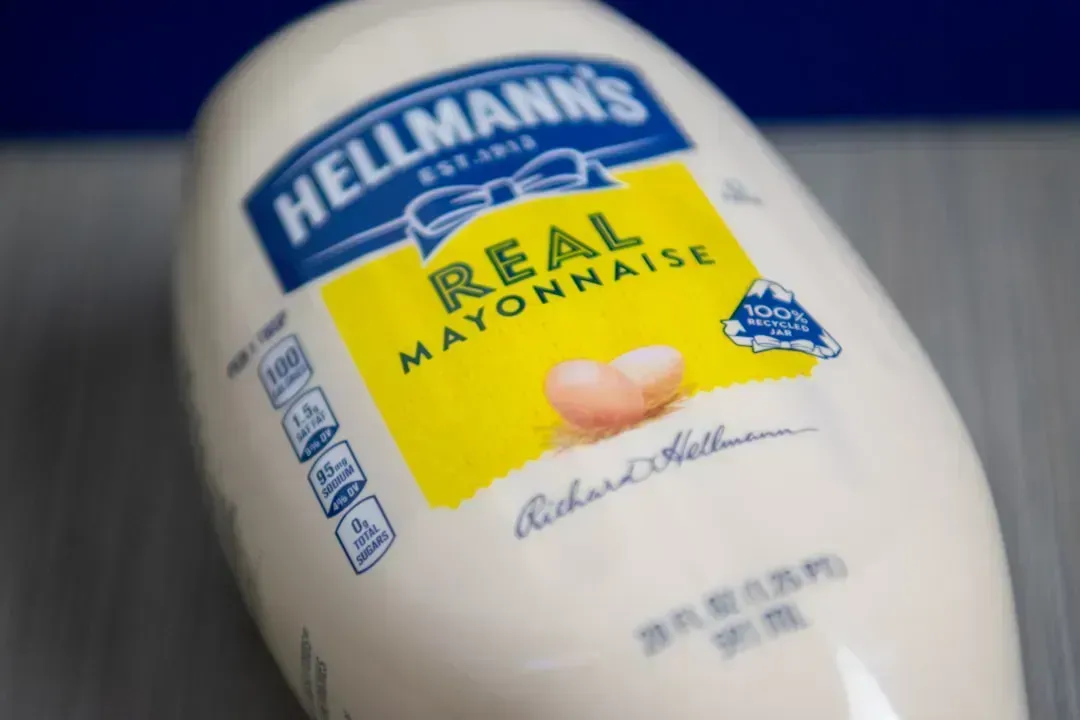
The health benefits can be negated if you load up with mayonnaise because that condiment is high in saturated fat, with about 1.6 grams of this unhealthy fat per tablespoon according to the USDA. While that might not sound like much at first glance, remember you’re probably using multiple tablespoons in a typical serving. Saturated fat has been linked to increased cholesterol levels and potential heart health concerns when consumed in excess.
What makes this particularly frustrating is that tuna itself is actually quite heart-healthy. Canned tuna is a nutrient-dense food and a good source of protein, omega-3 fatty acids, vitamin D, and selenium, with those omega-3 fatty acids being critical for healthy brain function, as well as reducing inflammation and supporting cardiovascular health. You’re essentially taking a superfood and weighing it down with something that counteracts many of its benefits.
The irony isn’t lost on nutrition experts. Mayonnaise and too much of it has given the traditional tuna salad a not-so-great reputation. It’s honestly a bit tragic when you think about how simple it would be to make a better choice.
Greek Yogurt: The Game-Changing Swap
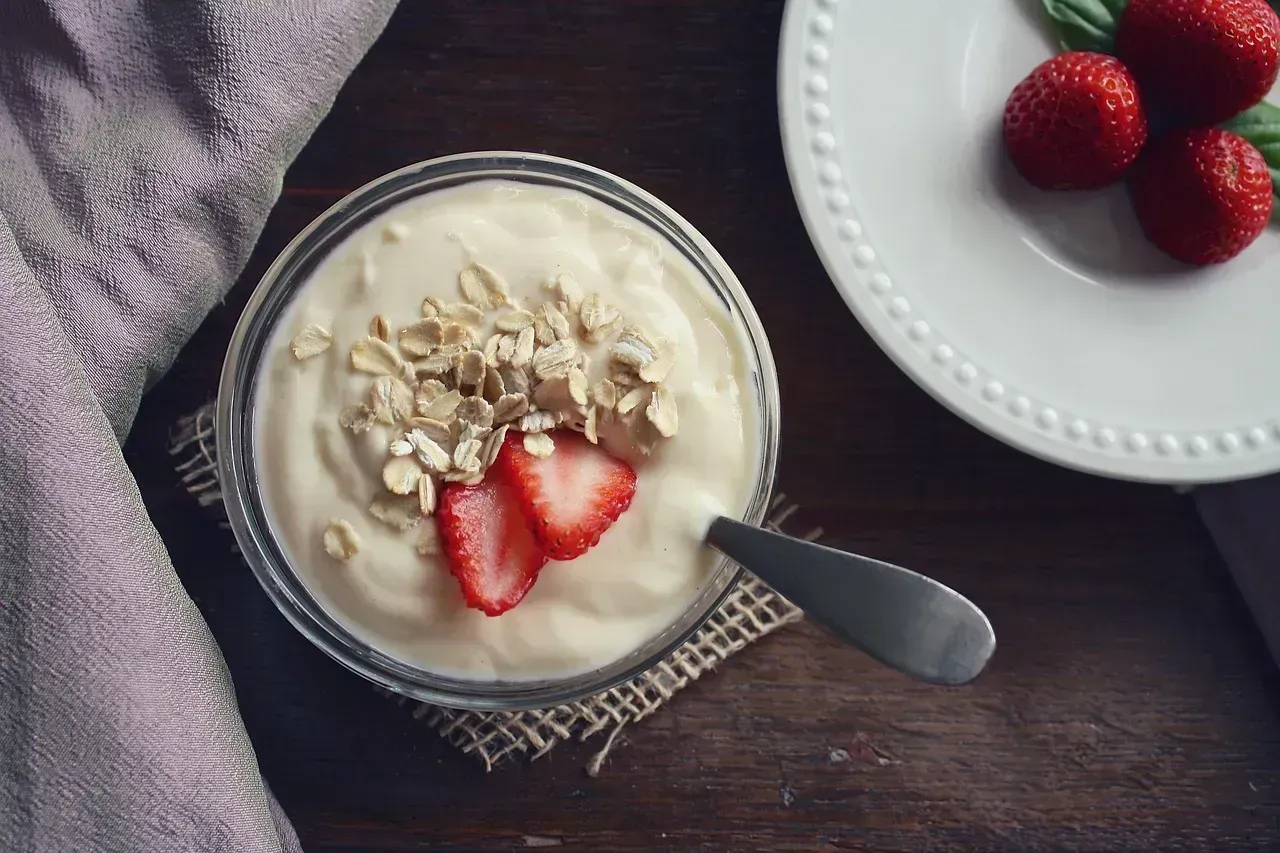
This is where things get exciting. Greek yogurt is used instead of mayo to make tuna more nutrient-dense, as it has significantly less fat and calories than mayonnaise. The texture is remarkably similar, so you won’t feel like you’re sacrificing that creamy consistency everyone loves in tuna salad.
A typical tuna salad recipe contains approximately 375 calories per cup, but by omitting the mayo and using Greek yogurt, the calories drop to approximately 195 per serving. That’s nearly half the calories for essentially the same meal. Even better, Greek yogurt is a great source of protein and probiotics, adding nutritional value rather than just empty calories.
The best part? Most people genuinely can’t tell the difference once they try it. The tangy flavor of Greek yogurt actually complements the tuna beautifully, especially when you add a squeeze of lemon juice and some Dijon mustard. I think it’s one of those swaps that makes you wonder why you didn’t try it sooner.
Avocado Brings Healthy Fats to the Table
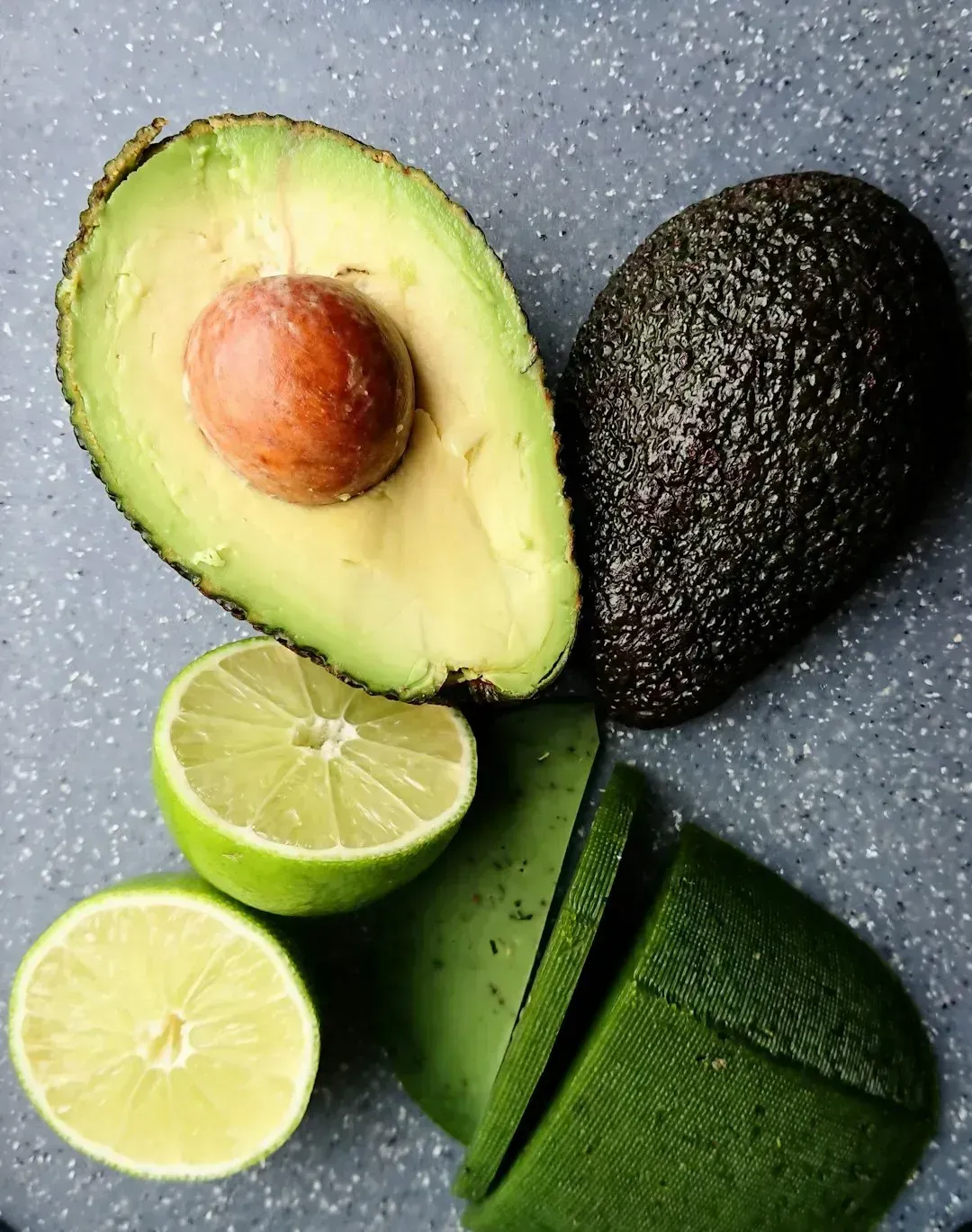
Another brilliant alternative that’s gained serious traction lately is using avocado instead of mayo. Avocados are a nutritional powerhouse, rich in heart-healthy monounsaturated fats, dietary fiber, and essential vitamins and minerals, and are a great source of vitamin E, vitamin K, and several B vitamins. Unlike the saturated fats in mayonnaise, these are the kinds of fats your body actually needs and uses efficiently.
Avocado adds creaminess without being heavy, allowing you to use less mayo than a typical tuna sandwich while adding lots of healthy fats and the delicious and subtle flavor of avocado. The texture is smooth and rich, giving you that satisfying mouthfeel without the guilt. Plus, avocados help keep you fuller longer thanks to their fiber content.
Some people worry avocado might be too heavy or calorie-dense, but it’s actually quite balanced when you consider the nutritional benefits. Avocado is rich in monounsaturated fats which can help lower bad cholesterol levels and reduce the risk of heart disease, and these healthy fats also promote satiety, helping you feel fuller for longer.
Olive Oil and Lemon Create a Mediterranean Twist
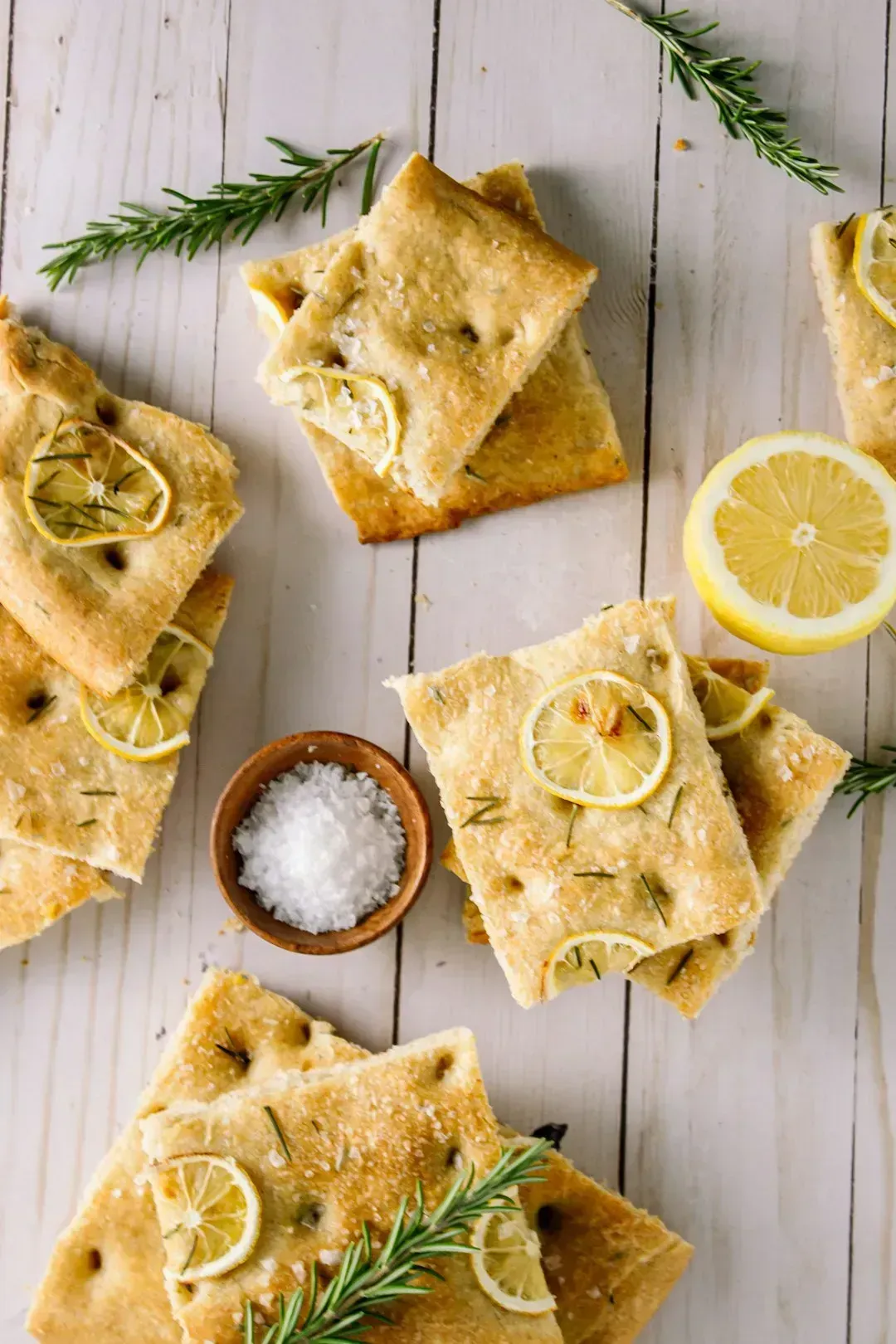
If you’re looking for something even lighter, consider going the Mediterranean route with olive oil and fresh lemon juice. Instead of using mayonnaise in your tuna salad, you can use a simple olive oil based dressing that uses lemon juice and Dijon mustard. This approach keeps things fresh and vibrant while adding beneficial fats from the olive oil.
The beauty of this method is how it allows the actual flavor of the tuna to shine through. Mayo can be quite heavy and tends to mask other flavors, but a light vinaigrette lets everything breathe. You get the richness from the olive oil without the processed ingredients and excess calories.
Plus, there’s something undeniably elegant about this preparation. It feels more sophisticated, more intentional. You’re not just slapping together a sandwich, you’re creating something that tastes fresh and thoughtfully made.
Hummus Offers Unexpected Creaminess
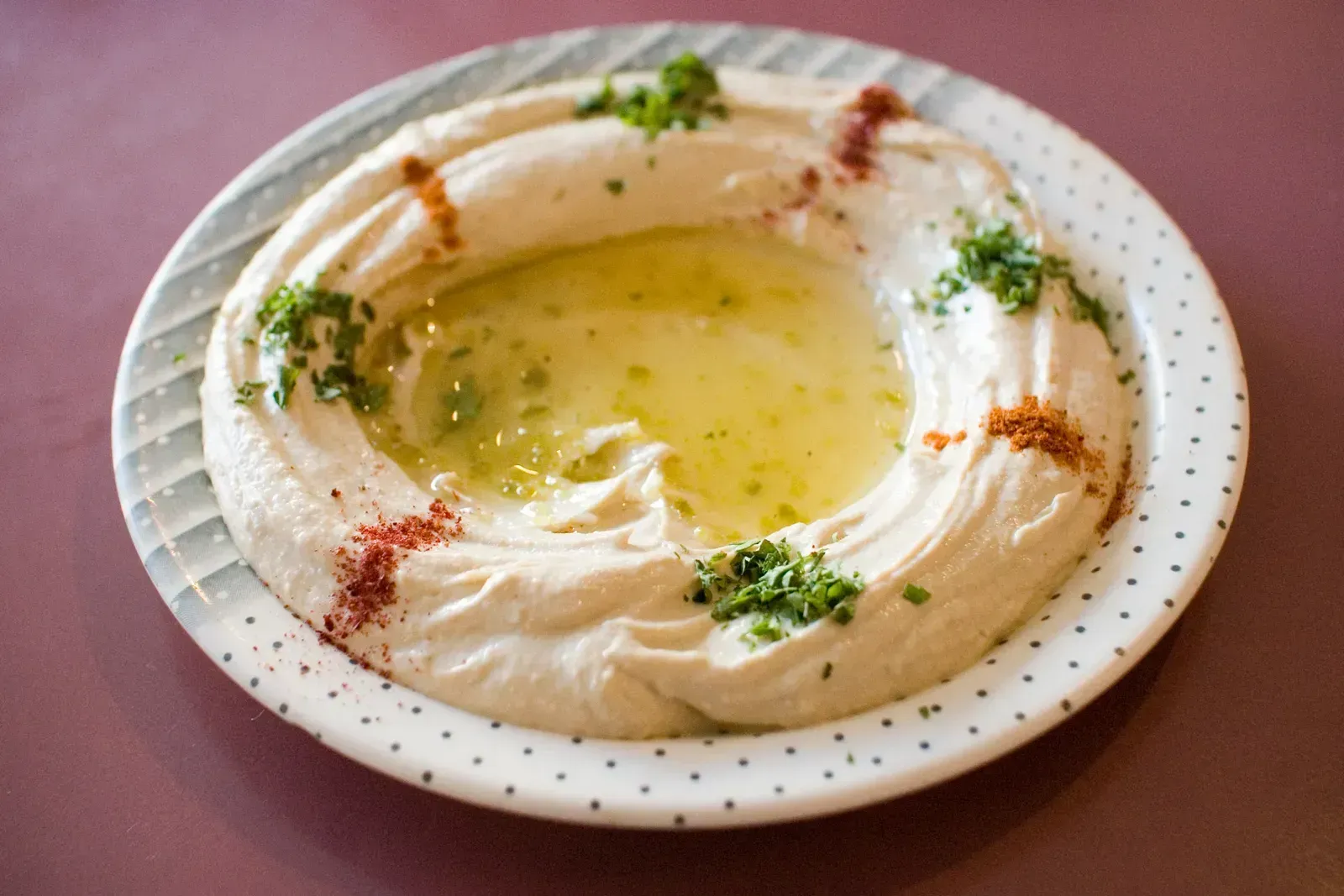
Here’s something you might not have considered. Tuna and white bean salad is a classic lunch combo, so the bean-based Mediterranean spread hummus also pairs well with canned tuna, and you can combine canned tuna with hummus, chopped cucumber, cherry tomatoes, and chopped fresh parsley to keep the salad light and fresh.
Hummus brings its own protein and fiber to the party, making your tuna salad even more nutritionally complete. The chickpea and tahini spread has a nutty, tangy flavor that’s worth appreciating in its own right plus protein and fiber to keep you full. The consistency works surprisingly well as a mayo replacement, especially if you choose a smooth, creamy variety.
The flavor combination is definitely different from traditional tuna salad, but different doesn’t mean bad. It’s more of a Middle Eastern spin that adds depth and complexity you won’t get from plain mayonnaise.
Fresh Vegetables Add Crunch and Nutrition
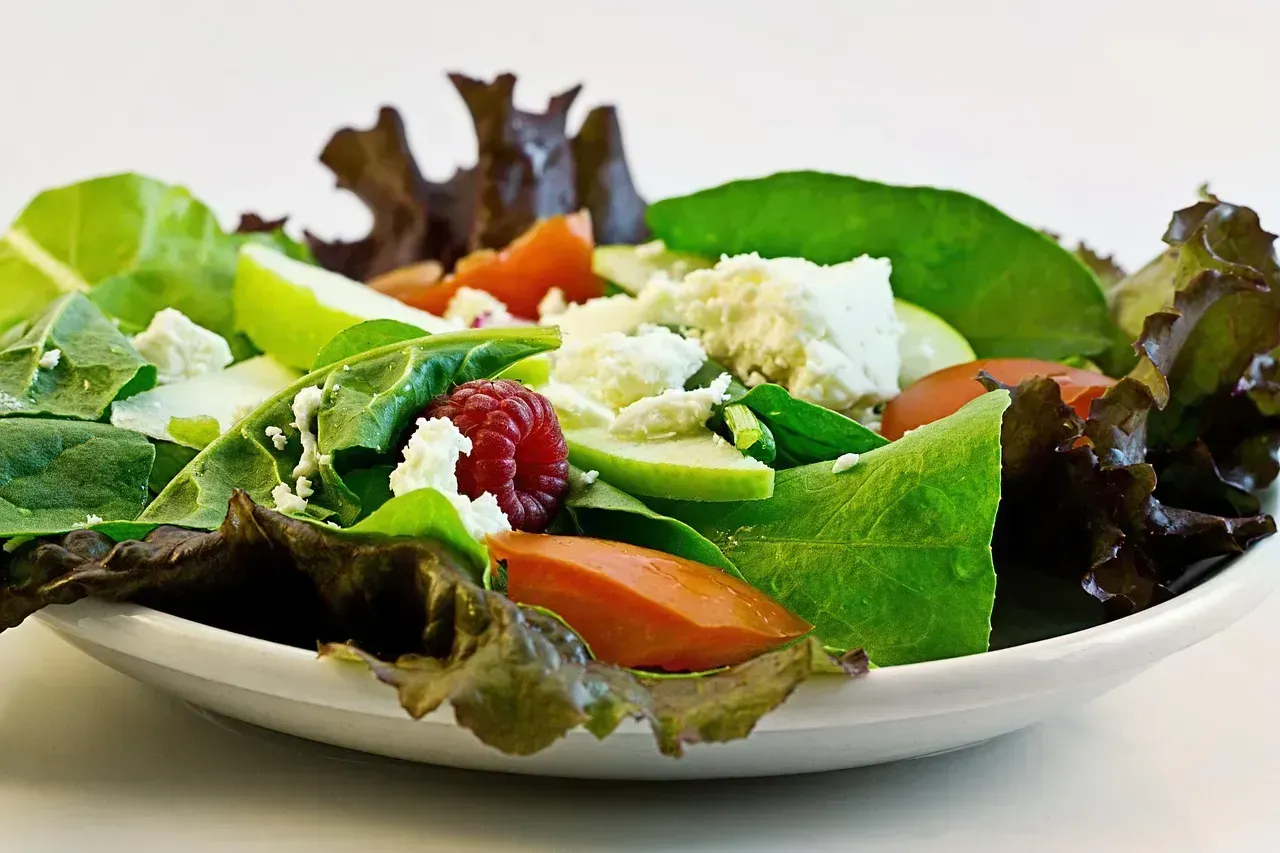
One strategy experts recommend is loading up your tuna salad with so many fresh vegetables that you simply need less binder overall. Finely diced celery, red onion, cucumber, and bell peppers all add texture and moisture naturally. This means you can get away with using just a tiny amount of mayo or none at all.
The vegetables themselves bring vitamins, minerals, and fiber that mayo simply can’t provide. You’re transforming a basic protein source into a complete, balanced meal. Celery adds crunch and hydration, red onion brings a sharp bite, cucumbers contribute freshness and cucumber offers that satisfying snap with every bite.
Honestly, once you start piling on the veggies, you realize how much the traditional mayo-heavy version was just filler. The real stars are the tuna and all those colorful, crisp vegetables that make each bite interesting.
Mustard and Pickle Juice Pack Flavor Without Calories
A 1.5-teaspoon serving of yellow mustard contains virtually no sugar and only adds five calories to your sandwich. That’s an enormous difference from the calorie load of mayonnaise. Dijon mustard, whole grain mustard, or even spicy brown mustard can add tang, depth, and complexity without any of the downsides.
Pickle juice is another secret weapon that food enthusiasts swear by. It adds moisture and a tangy, briny flavor that complements tuna beautifully. You get that creamy, well-mixed consistency without needing nearly as much mayo, if any at all.
These flavor boosters are all about working smarter, not harder. Why rely on heavy, calorie-dense mayonnaise when you can build complexity through multiple lighter ingredients that actually enhance the overall taste?
The Protein Benefits Get Amplified
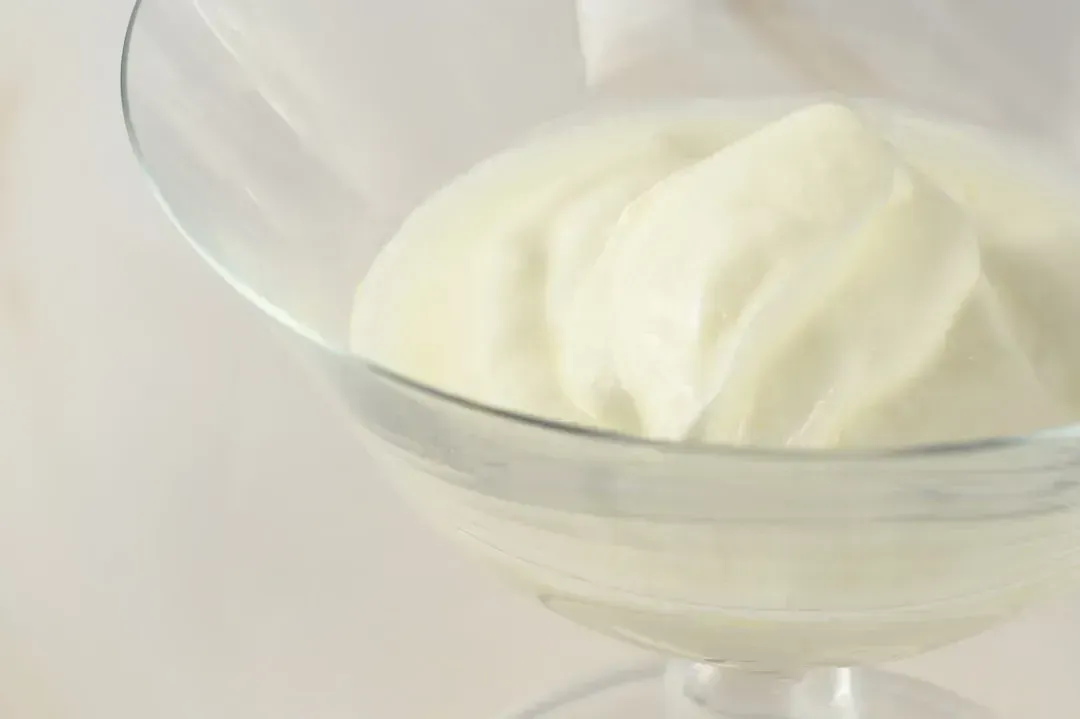
When you swap mayo for Greek yogurt, you’re not just cutting calories. You’re actually adding more protein to an already protein-rich meal. By using Greek yogurt instead of mayo, you’re opting for a lower-calorie, higher-protein alternative that also offers beneficial probiotics.
This matters especially if you’re active, trying to build muscle, or simply want to stay full between meals. Protein is incredibly satiating, and it helps stabilize blood sugar levels so you don’t experience that mid-afternoon crash. Tuna already provides excellent protein, but why not boost it even further with Greek yogurt rather than diluting it with empty mayo calories?
The combination creates a powerhouse lunch that genuinely fuels your body. You’re not just eating to fill your stomach, you’re eating to nourish yourself properly. That’s a meaningful distinction.
Taste Testers Can’t Tell the Difference
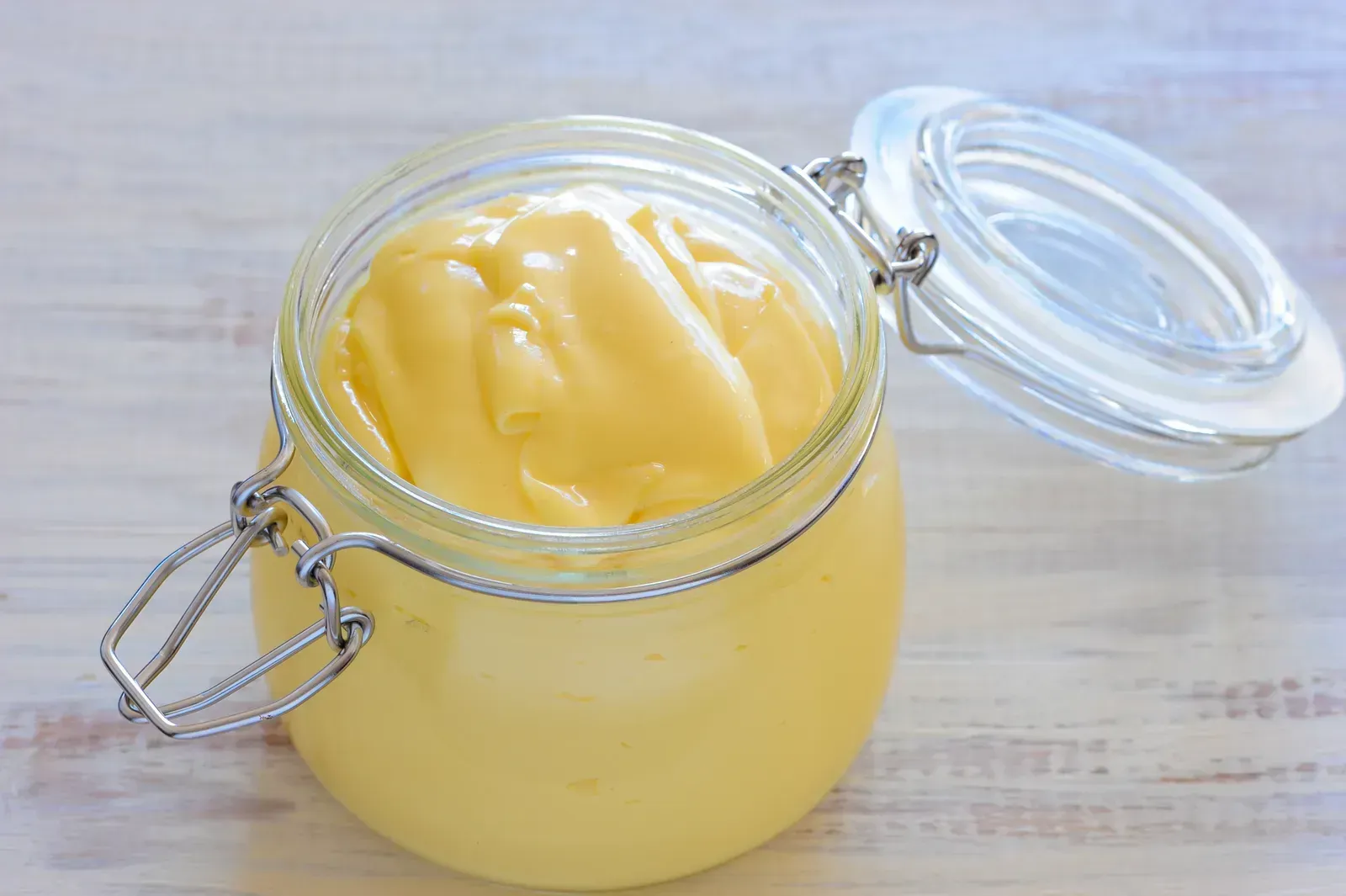
Perhaps the most compelling argument for ditching mayo is that most people genuinely don’t miss it once they try the alternatives. Numerous recipe comments and testimonials confirm this. People express surprise at how creamy and delicious tuna salad can be without traditional mayonnaise.
The key is proper seasoning and not being afraid to experiment. A good squeeze of lemon, a dash of garlic powder, fresh herbs like dill or parsley, a bit of Dijon mustard. These elements create layers of flavor that mayo alone could never achieve. You’re building something more interesting, more dynamic.
Some folks even report preferring the lighter, fresher versions to the heavy mayo-based salads they grew up with. Once you adjust your palate, you might find the old way tastes greasy and one-dimensional by comparison. Hard to say for sure, but it’s worth trying to find out for yourself.