5 Menu Red Flags Chefs Say Mean You Should Leave Immediately
You walk into a restaurant, hungry and ready for a good meal. The host smiles, hands you a menu, and suddenly something feels off. Maybe it’s the sheer size of the thing, or perhaps a detail you can’t quite put your finger on. Here’s the thing: your gut might be onto something. Chefs and restaurant pros have been revealing the subtle warning signs hidden in plain sight on menus that signal trouble ahead, and honestly, once you know what to look for, you’ll never unsee them.
These aren’t just nitpicky observations from food snobs. They’re legitimate indicators that the kitchen might be cutting corners, the ingredients aren’t fresh, or the management simply doesn’t care enough about what ends up on your plate. Let’s be real, nobody wants to waste money on a subpar meal, especially when you could have avoided it by spotting these red flags before you even ordered.
The Menu That Goes On Forever
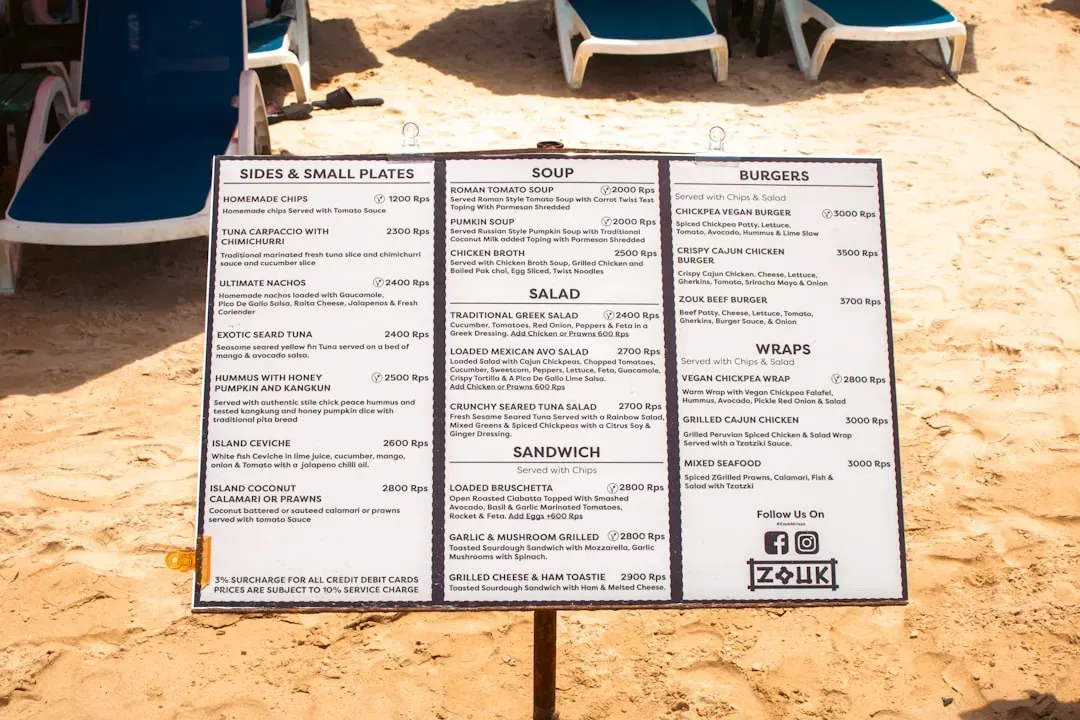
One of the best ways to identify if a restaurant is truly not worth going to is by looking at the length of its menu, as an excessively long menu can indicate a lower quality of the food you’re about to receive. Think about it: when a restaurant offers everything from sushi to burgers to pasta to tacos, how can they possibly excel at all of them? Chefs emphasize that it’s hard to perfect a certain set of dishes in a restaurant environment, and if you spread yourself too thin without focusing on a core menu, it’s easy to produce subpar food and requires cutting corners.
The lengthy menu red flag has to do with more than just the breadth of skill of the cooks; it also has to do with the freshness of the ingredients, as when a restaurant takes on too many dishes, certain items fall through the cracks of diners’ choices, and when a menu item isn’t ordered often, food sits in the fridge for a long time. A bloated menu increases prep time, expands inventory requirements, puts pressure on kitchen staff to master too many recipes, increases errors, slows down service, and creates inconsistent dish quality. That massive leather-bound tome might look impressive, yet it’s actually screaming that frozen ingredients and mediocrity are about to hit your table.
Multiple Cuisines Under One Roof
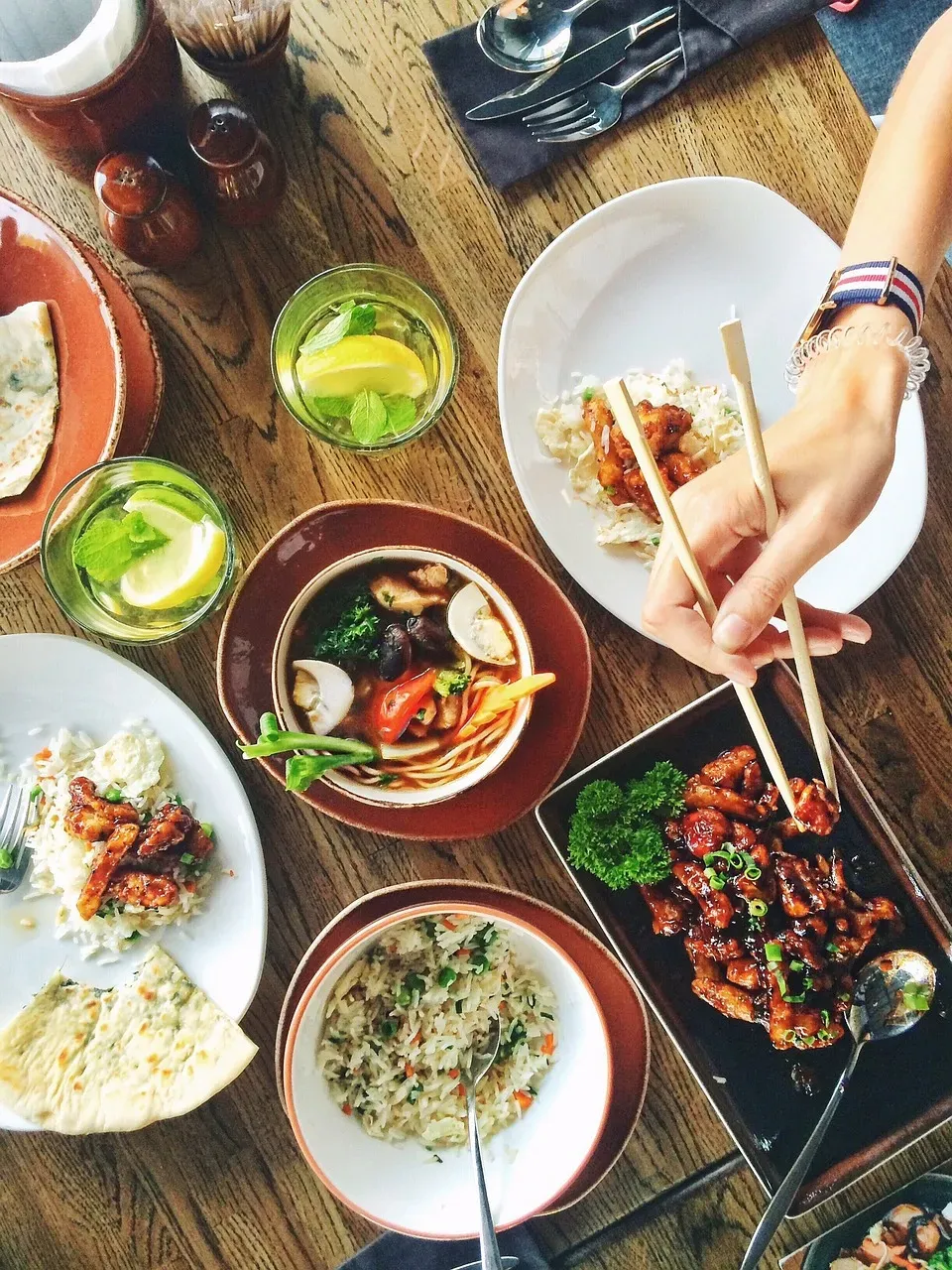
Dishes that don’t seem like they belong on the menu can be a red flag, as if you go to an Italian restaurant and see that they also serve Indian dishes, you might wonder how authentic both cuisines are. I think we’ve all been to that restaurant that claims to do it all. Chinese food next to Greek salads, with a side of Mexican enchiladas and American comfort food thrown in for good measure. Chefs list pitfalls having to do with chefs looking like jacks of all trades, masters of none, which is exactly what happens here.
Some restaurants try to cater to as many demographics and tastes as possible, but lengthy menus are often a bad sign because what often happens is that the quality of food suffers. The more eclectic the menu, the more difficult it will be for customers to discern what the restaurant is and what it is trying to be, and trying to have too broad of an appeal can do more damage than good, making it difficult to establish a niche. If a place can’t commit to a culinary identity, how can you trust them to nail any single dish?
Overly Aggressive Daily Specials
You may notice your server pushing the chef’s special with unusual enthusiasm, which could be suspicious, as while specials are genuine chef creations, it could also be a way to dispose of ingredients that are about to expire, so if your server is overly insistent, consider ordering something else. Specials can be wonderful when they showcase seasonal ingredients or a chef’s creativity. However, when your server practically begs you to order it, alarm bells should ring.
The specials may seem enticing, but they could be made with ingredients that are a little less than fresh, as in a bad restaurant, these dishes may be composed of seafood that chefs have to throw out in the next few days and contain ingredients that mask any off-putting flavors. You often pay more for the privilege of eating them, which adds insult to injury. Sure, not all specials are suspect, yet when the enthusiasm feels forced or the description seems designed to hide rather than highlight the dish, trust your instincts and order from the regular menu instead.
Dirty or Worn Physical Menus
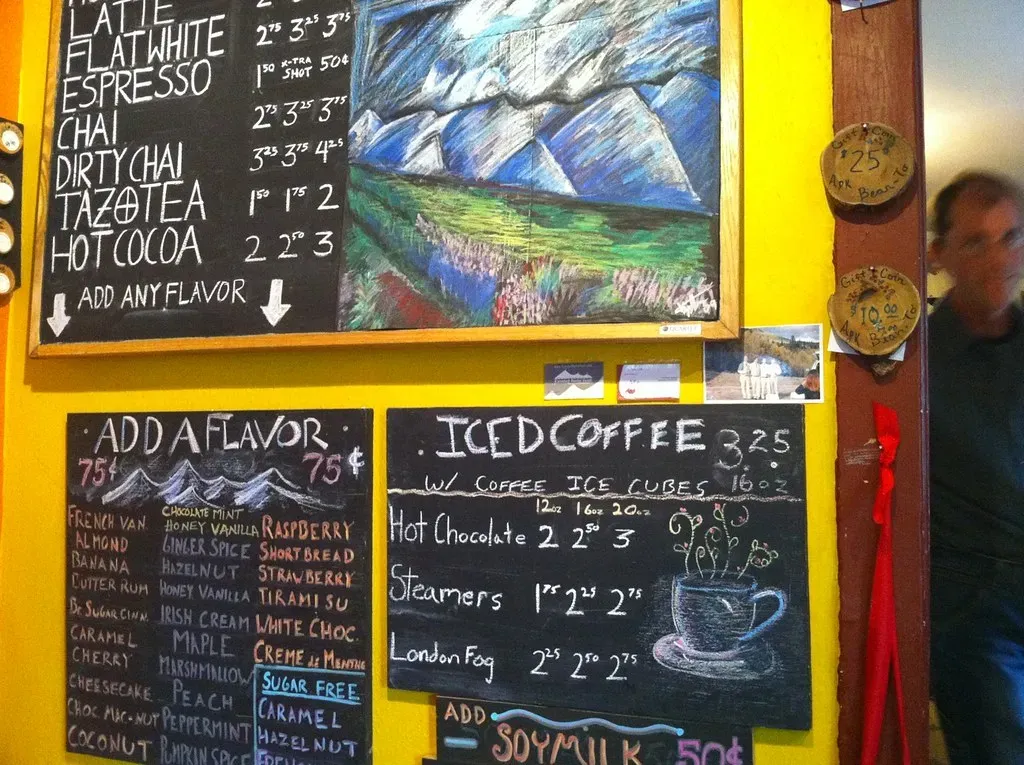
Executive chefs always check the menus to see if they’re clean and cared for or reused without a second thought to their appearance, as dirty or beaten-up menus are a bad sign. It might seem like a small thing, something you’d think wouldn’t matter much. Yet if a restaurant can’t be bothered to keep their menus clean, what does that say about the kitchen you can’t see?
Chefs say they always take a look around at the common areas, noting that floors, menus, and waiting areas matter because if those look cared for, the rest usually falls in line. When silverware or glassware isn’t completely clean, with heavy water marks and lack of polishing rather than actual food residue, it might not bode well for the quality of the restaurant, as both restaurant pros list dirty flatware and glasses as warning signs. Think of the menu as a preview of the attention to detail throughout the entire operation. Sticky pages and food stains suggest neglect that likely extends to food safety and quality standards.
Intentional Menu Misspellings
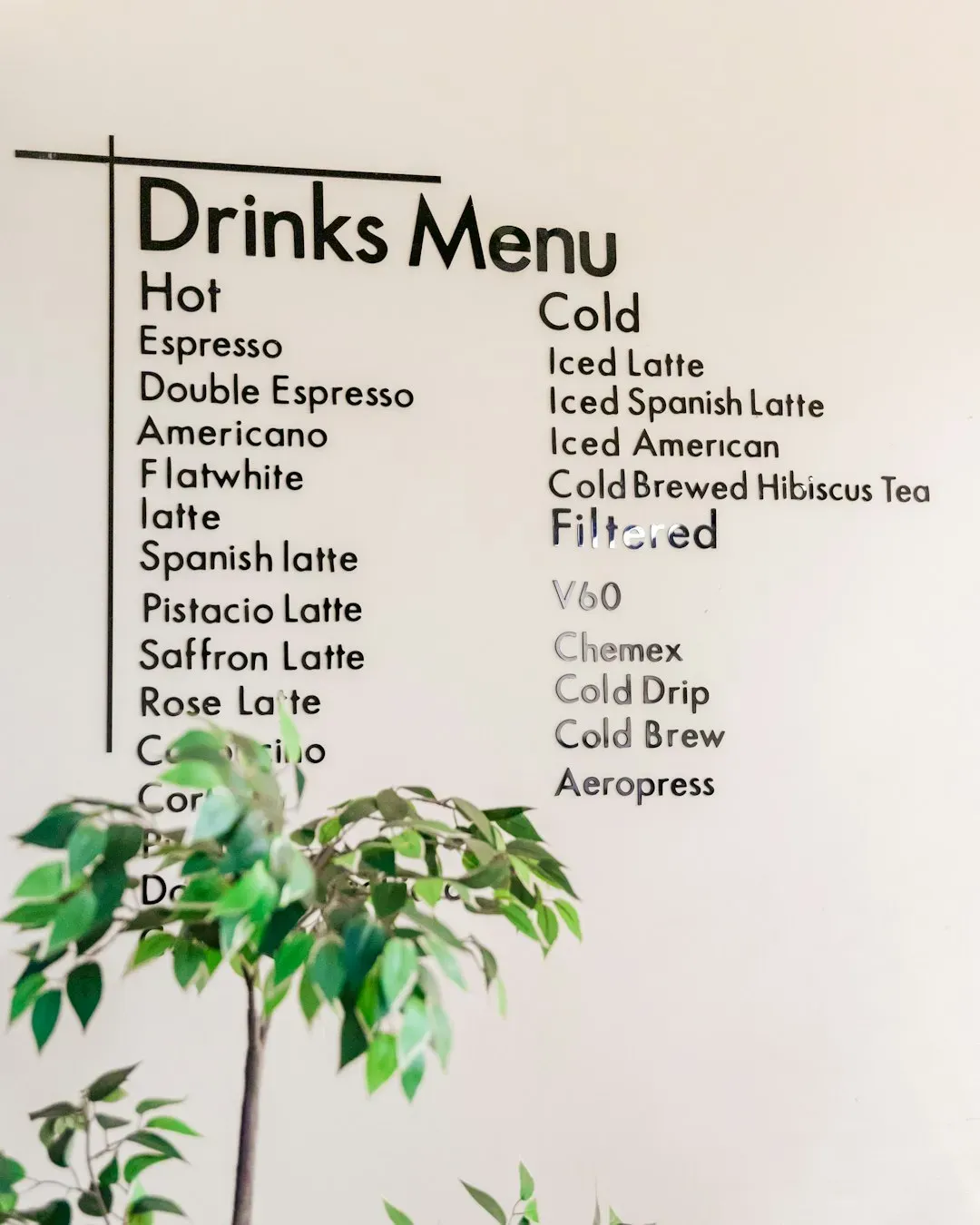
Reddit users point out that menu misspellings may actually be intentional, writing that if it’s misspelled on the menu, that’s on purpose, with a prime example being krab cakes, which likely refers to cakes made with something other than actual crab. deliberate misspellings tell a different story entirely.
These aren’t typos or honest mistakes from a busy chef typing up the menu late at night. They’re calculated attempts to deceive you about what you’re actually getting. If you see “krab,” “chiken,” or other suspiciously creative spellings, the restaurant is likely using imitation ingredients or lower-quality substitutes while hoping you won’t notice. It’s a clever legal workaround that protects them from false advertising claims, yet it should send you running for the door. Your money deserves real crab, not processed seafood sticks masquerading as the genuine article.