Don’t Book Yet: The 15 Countries U.S. Tourists Regret Visiting Most
Picture this. You’ve saved up for months, scoured Instagram for the perfect destination, packed your bags with excitement. Then you arrive and realize you’ve made a terrible mistake. The reality looks nothing like the filtered photos, the locals seem hostile, or you’re hemorrhaging money faster than you can blink.
It happens more often than you’d think. While travel can be transformative, some destinations consistently leave American tourists wishing they’d chosen differently. Let’s dive into the countries where dreams of adventure turn into expensive regrets.
Morocco: Where Instagram Dreams Meet Aggressive Reality
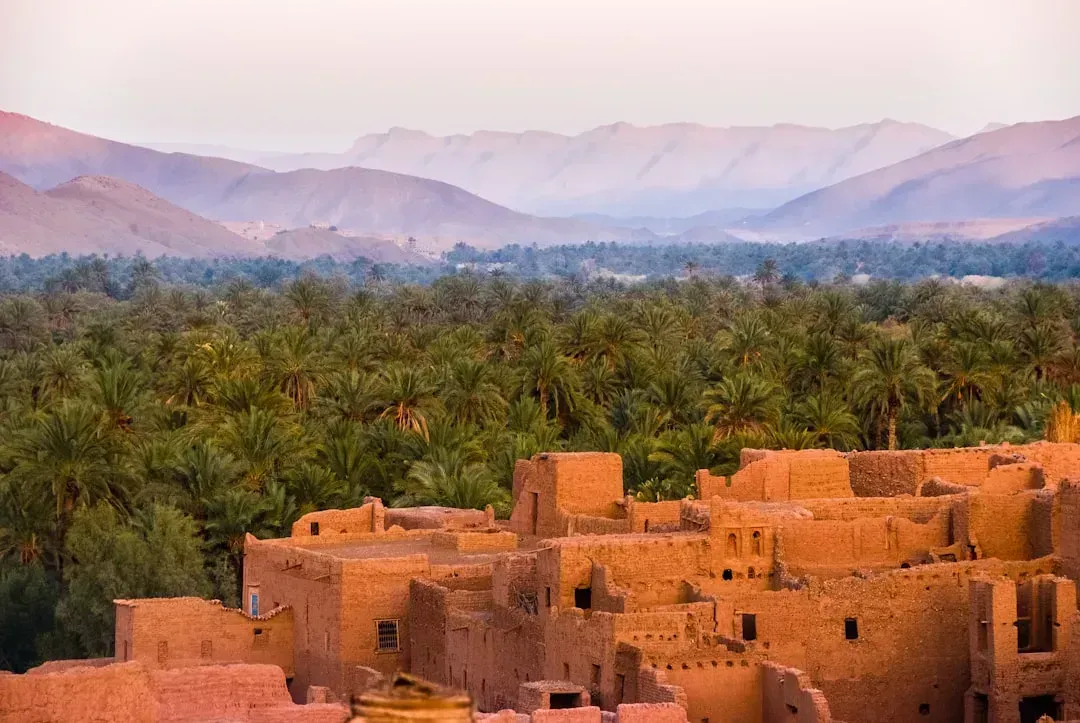
Out of almost 70 countries visited by experienced travelers, Morocco was identified as the most hostile environment faced as a visitor, being the only place where travelers reported being screamed and shouted at for resisting a scam. Those gorgeous riads and colorful markets flooding your social media feed? They come with a hefty dose of persistent harassment. American tourists frequently report feeling overwhelmed by aggressive vendors who won’t take no for an answer, fake tour guides demanding payment, and constant pressure to buy overpriced goods. The romantic vision of wandering through ancient medinas quickly dissolves into an exhausting game of dodging scams. Many travelers describe Morocco as beautiful but stressful, where the relentless hustle makes it nearly impossible to relax and enjoy the country’s undeniable cultural treasures.
Egypt: Pyramids Surrounded by Persistent Hassle
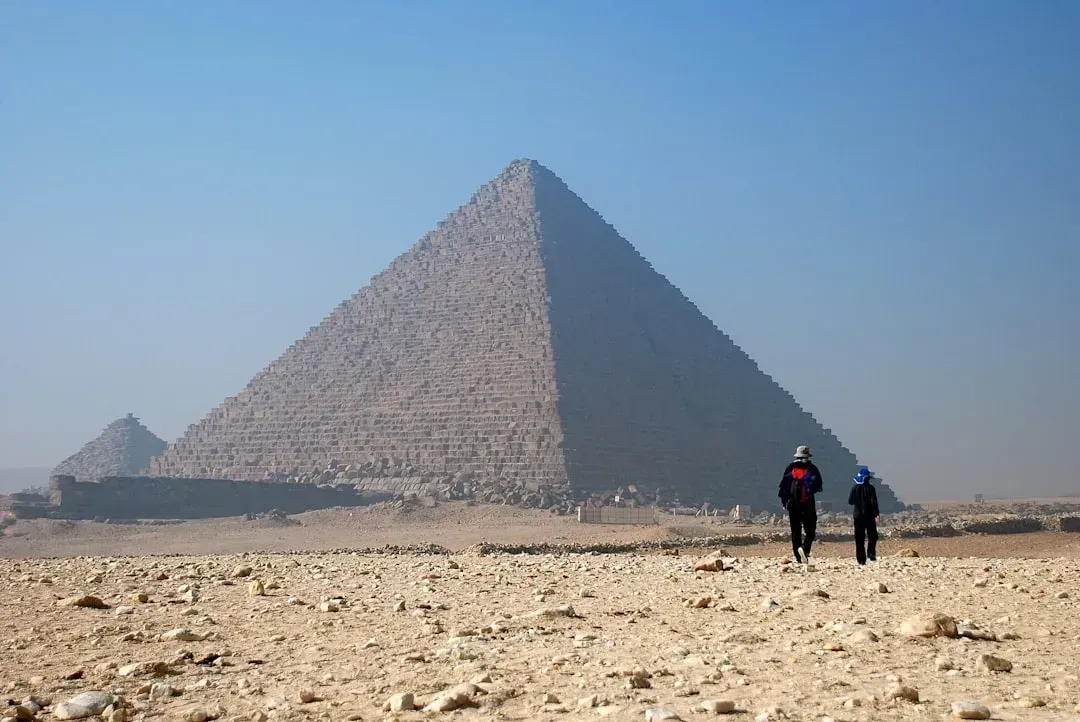
The Pyramids of Giza represent one of humanity’s greatest achievements, yet getting to actually enjoy them proves remarkably difficult. Egypt is quite bad when it comes to scams, with constant tourist harassment making the experience less than amazing, despite the pyramids, Red Sea, desert, and everything being fairytale-like. American visitors consistently complain about relentless scammers at every major attraction. At the Pyramids, camel handlers offer rides at bargain prices, but once you’re on the camel, they demand extra money to let you off. Fake tour guides, inflated prices, counterfeit souvenirs, and aggressive touts create an atmosphere where you spend more energy defending your wallet than appreciating ancient wonders. The harassment starts the moment you step off the plane and rarely lets up.
India: Sensory Overload With Sanitation Struggles
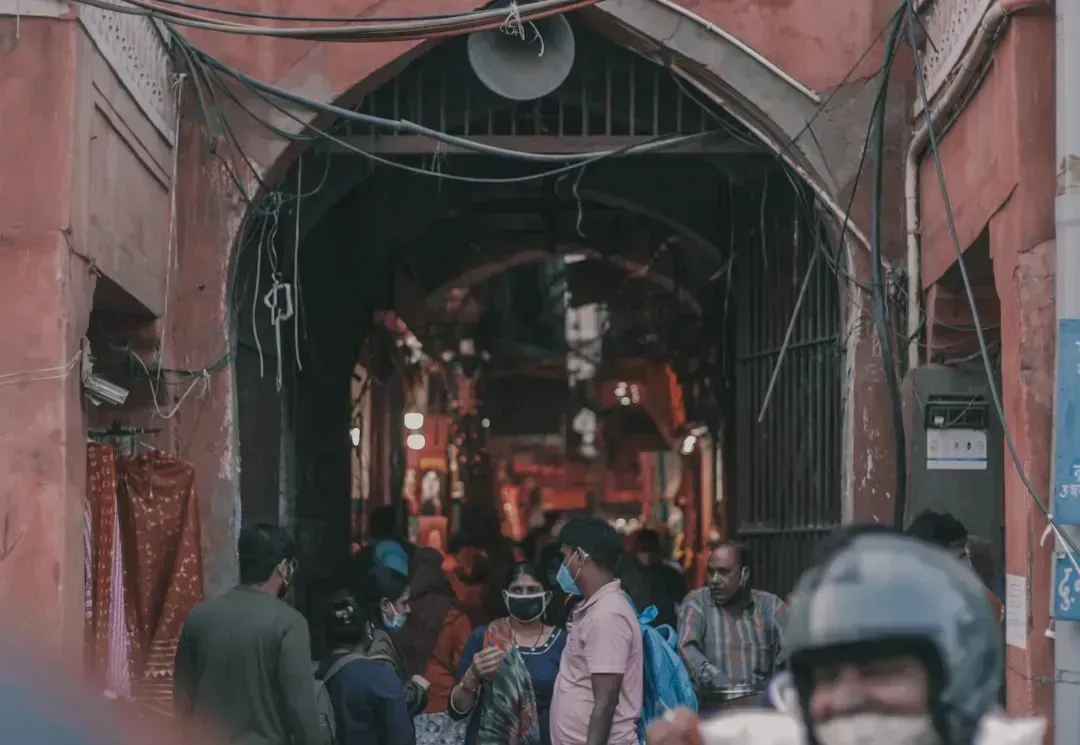
India divides travelers like few other countries. While some fall deeply in love with its vibrant culture and spirituality, many Americans find themselves completely overwhelmed. The extreme poverty, challenging sanitation standards, and intense crowds prove too much for tourists expecting an Eat Pray Love experience. Food safety becomes a constant concern, with travelers reporting severe gastrointestinal issues that can ruin entire trips. The pollution in major cities reaches levels that literally make it difficult to breathe. Scams targeting foreigners run rampant, from rigged taxi meters to fake travel agencies. For those unprepared for the intensity, India can feel less like an adventure and more like an endurance test where you’re counting down days until departure.
China: Commercialized Nature and Overwhelming Crowds
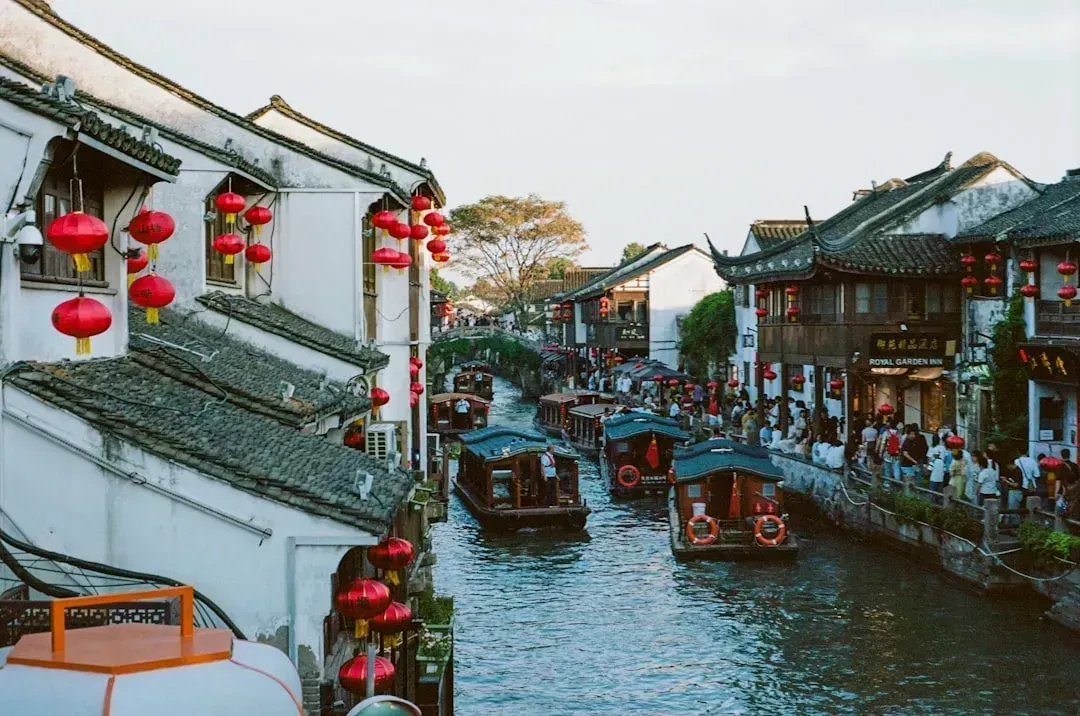
China features some of the most incredibly beautiful places on earth, but it feels like they want to commercialize everything, including nature, making it one of the worst tourist countries in the world. Natural wonders get fenced off with steep admission fees, supposedly serene locations are overwhelmed by massive crowds, and authentic experiences get replaced with plastic versions designed for mass tourism. The pollution in major cities can become so severe you struggle to see street signs a block away, and language barriers combine with restricted internet access to create frustrating navigation challenges. American tourists find the constant pushing in queues, surveillance, and heavy government hand in tourism particularly jarring. Internet restrictions mean your normal apps don’t work, leaving you isolated and confused.
Greece: Santorini Sunsets Can’t Hide the Chaos
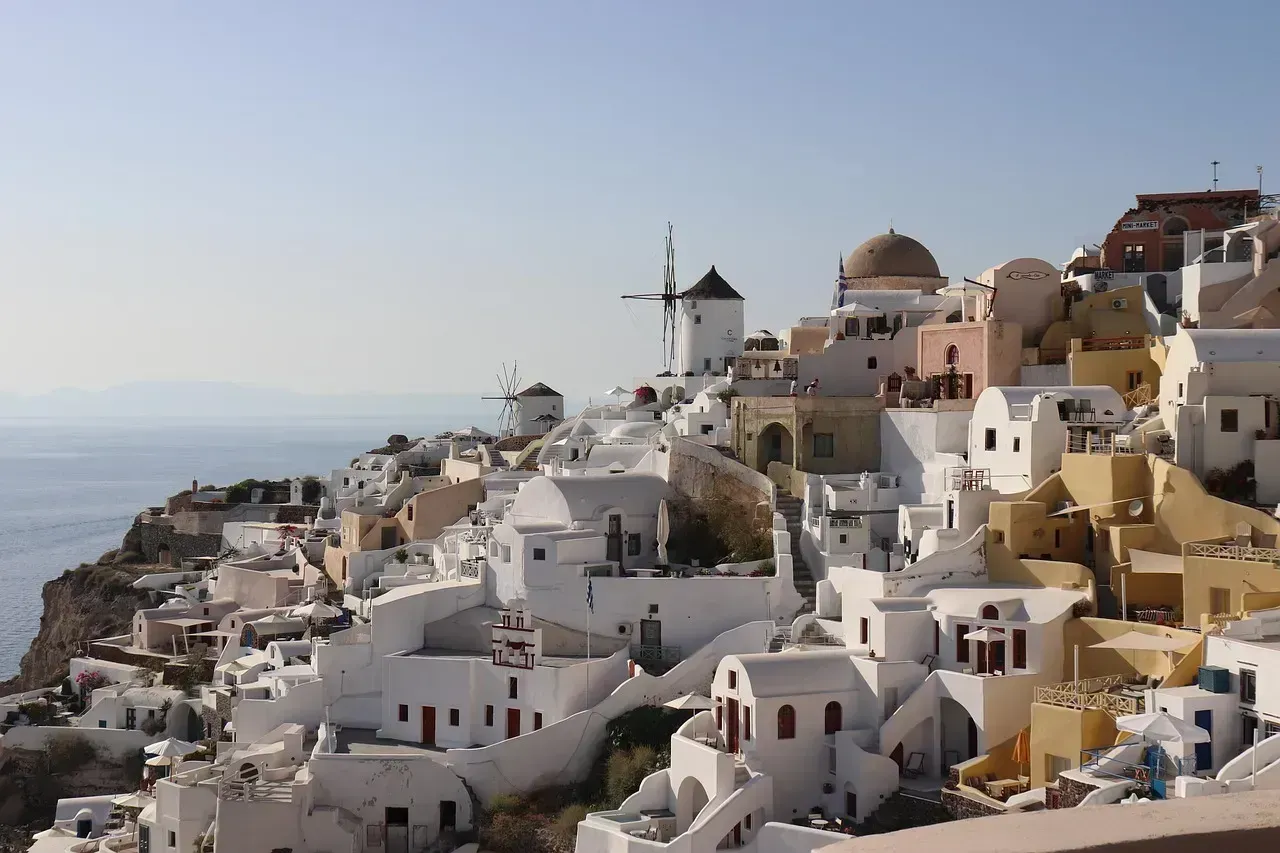
What travel bloggers don’t show about Santorini is that it has become so overcrowded that locals are literally begging their government to limit visitors, with donkeys hauling tourists up steep paths collapsing from exhaustion and heat. Those whitewashed buildings tumbling down cliffsides look magical in photos, but the reality hits different when you’re shoulder-to-shoulder with cruise ship passengers fighting for that perfect Oia sunset shot. Santorini topped 3.4 million visitors in 2024. Athens disappoints many Americans who expect ancient glory but instead find graffiti covering surfaces and aggressive street vendors. The islands have become so expensive and overrun that finding any authentic Greek experience requires significant effort. What was once a dream destination now feels more like an overcrowded theme park with inflated prices.
Dubai: Artificial Paradise With No Soul
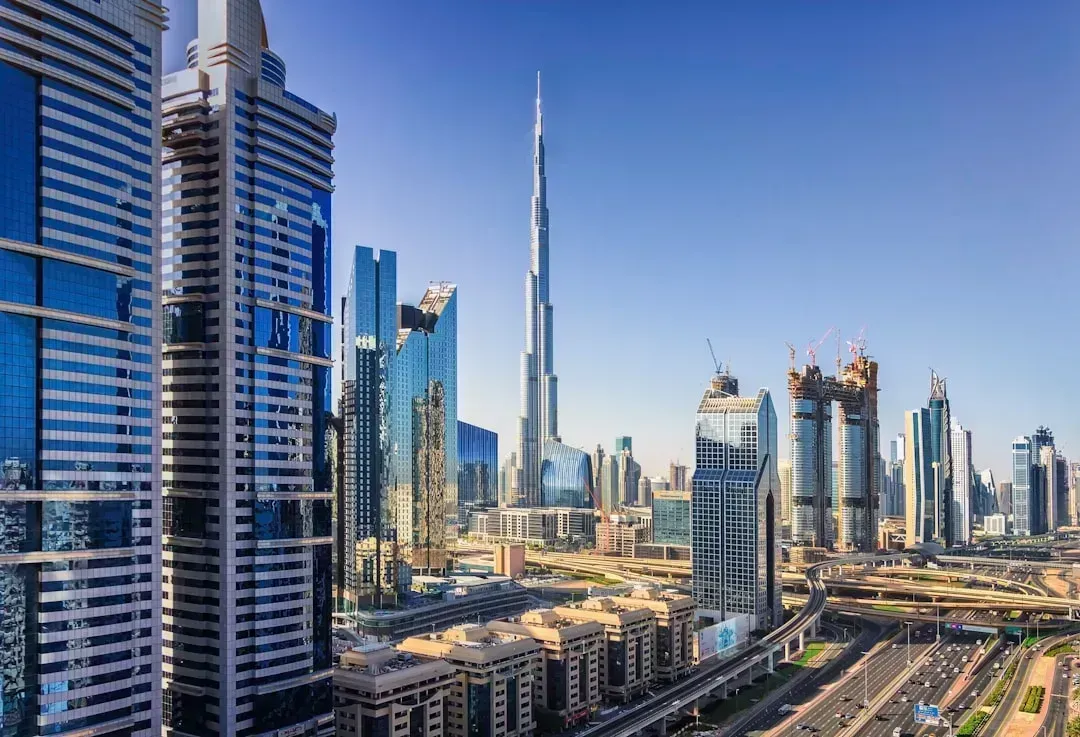
Everything about Dubai feels manufactured for show rather than substance. The glittering skyscrapers, artificial islands, and luxury shopping malls create an impressive facade, but many American tourists leave feeling hollow. Finding affordable accommodation that isn’t overrun with Instagram influencers or outrageously expensive proves nearly impossible. The oppressive heat, lack of walkability, and absence of genuine local culture leave travelers wondering why they paid premium prices to experience what essentially amounts to a shopping mall with sand. The strict cultural restrictions surprise many Westerners, particularly regarding alcohol, dress codes, and public displays of affection. For the money you’ll spend, you could visit multiple countries with actual culture and history.
Costa Rica: Eco-Paradise or Overpriced Disappointment?
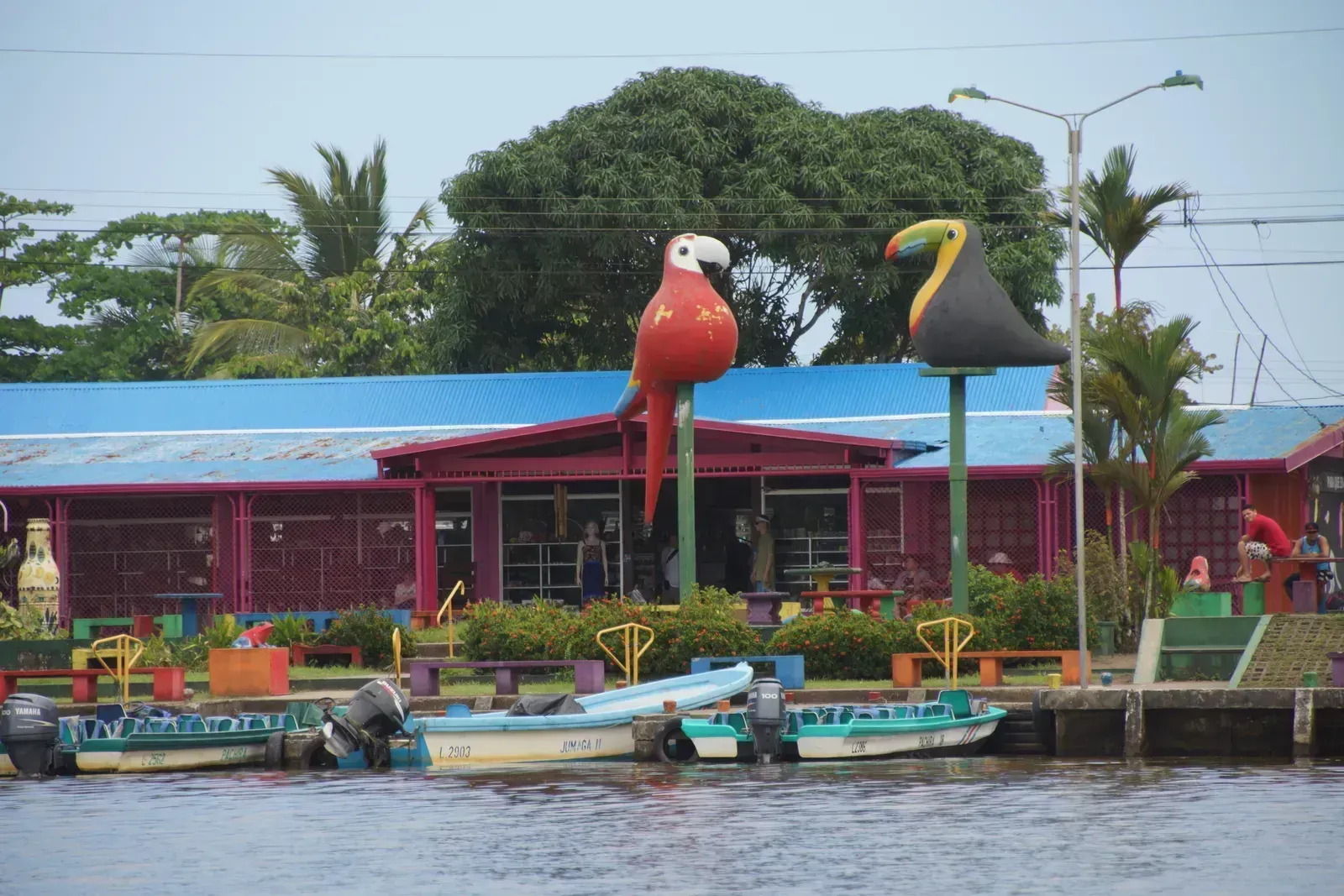
Costa Rica is called an overrated Instagram hyped destination full of American tourists, with the country’s popularity driving prices to levels comparable with or exceeding the United States. Budget travelers discover their money evaporates frighteningly fast, with accommodations, food, activities, and transportation all carrying premium price tags without necessarily premium experiences. The promised pristine nature often comes packaged in commercialized tours surrounded by other foreigners, and many beach towns have lost their authentic character, transforming into Americanized resort zones, with finding genuine local culture requiring extensive effort. What’s marketed as an eco-paradise increasingly feels like any other overcrowded tropical destination where Americans pay California prices for a watered-down version of Central American culture.
Bali: Overcrowded Spiritual Paradise Lost
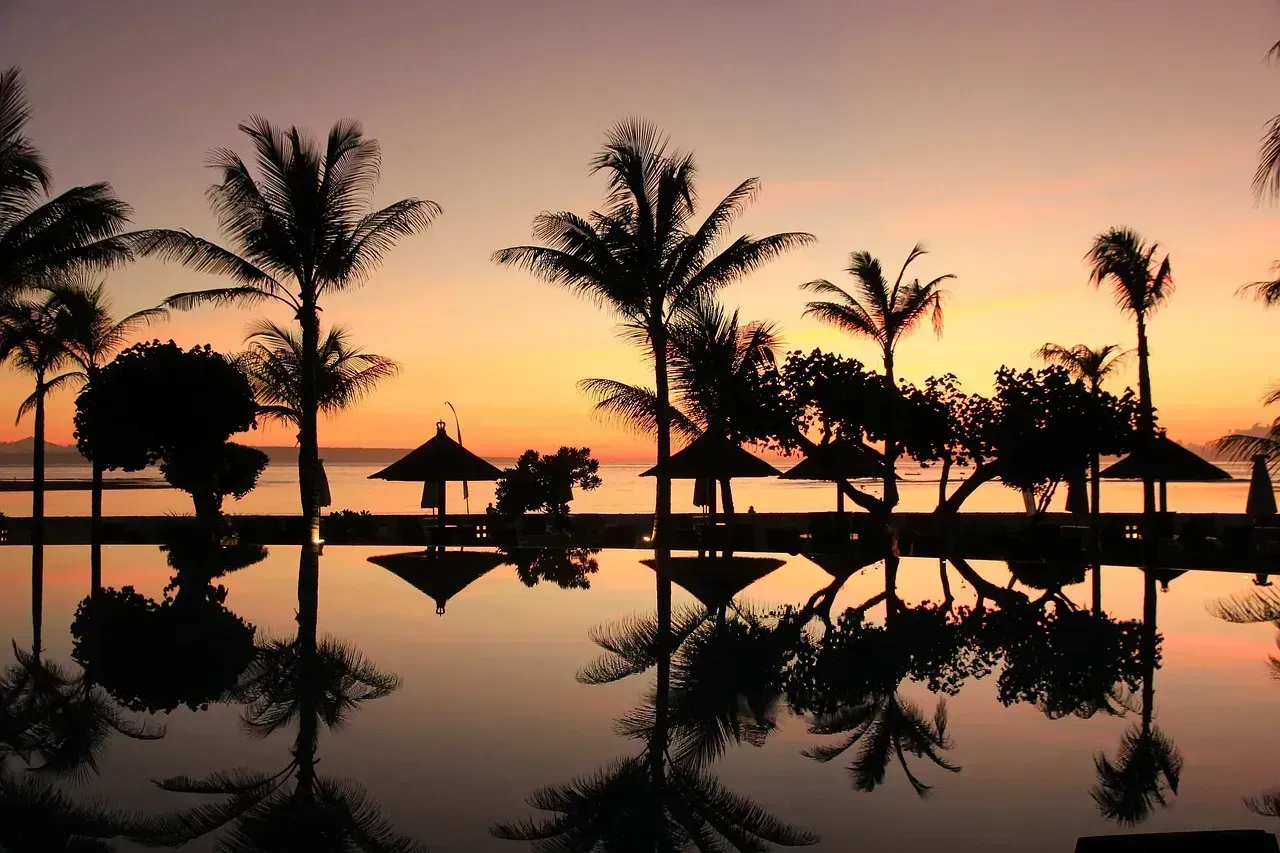
Kuta, a resort town in southern Bali, is described as the worst, completely and utterly ruined by tourists, overrun with young drunk party bros, causing travelers to flee as fast as possible. Bali’s reputation as a spiritual paradise and digital nomad haven has backfired spectacularly. The island’s infrastructure buckles under the weight of millions of visitors, with traffic jams, pollution, and endless development destroying the tranquil vibe that made it famous. Popular spots like Ubud have become tourist circuses where authentic Balinese culture takes a backseat to yoga retreats and overpriced smoothie bowls. The beaches are crowded, the temples are overrun, and the prices keep climbing. What was once an affordable paradise now costs nearly as much as staying home, with far more hassle and far less charm.
Thailand: Victims of Their Own Success
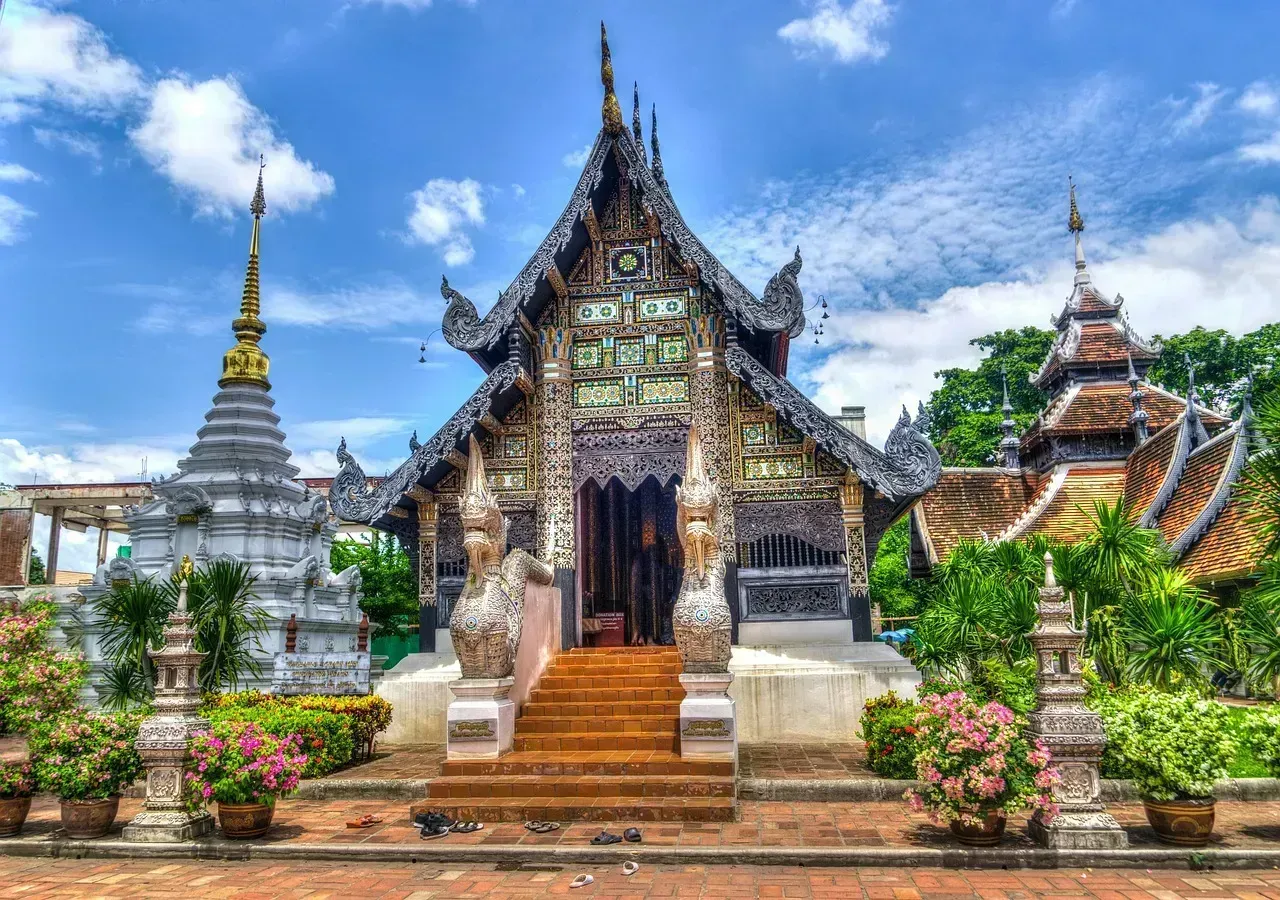
Thailand, once one of Southeast Asia’s most popular destinations, went through a difficult 2025, with international arrivals falling during the January-to-October period. Popular destinations like Phuket and Bangkok have become so overrun with tourists that they’ve lost much of their authentic appeal. Scams targeting tourists, particularly in high-traffic areas, have been a source of concern, alongside rising competition from neighboring countries like Vietnam and Indonesia, with reports of tourists being scammed or subject to unfair treatment by local businesses tarnishing the country’s reputation. The famous Full Moon Parties have devolved into trashy gatherings of drunk backpackers. Prices have skyrocketed in tourist areas, and finding authentic Thai experiences requires venturing far off the beaten path. Many travelers now see Thailand as overdeveloped, overpriced, and over it.
Cuba: Economic Crisis Meets Tourism Collapse
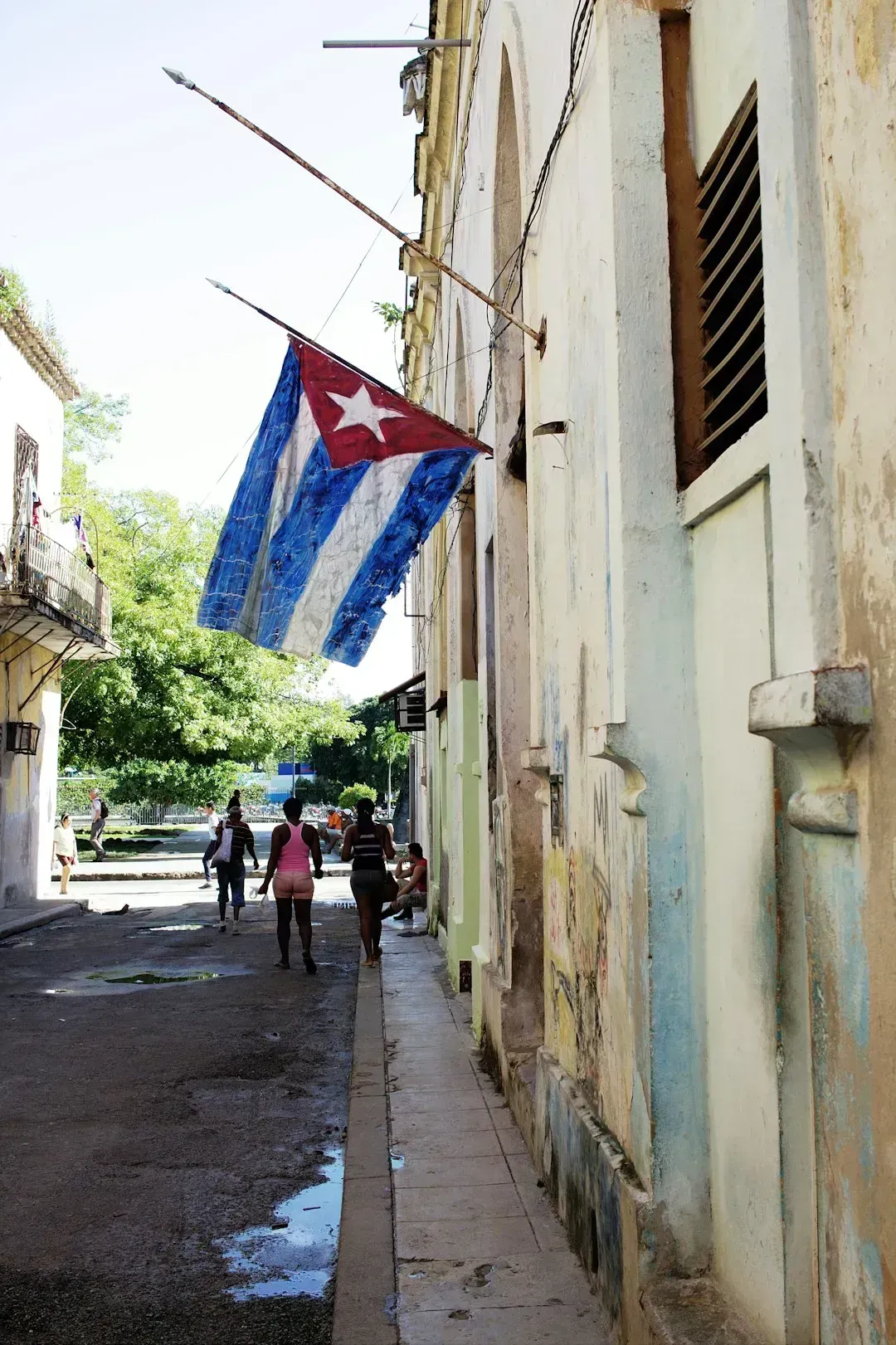
Cuba saw a massive drop in international arrivals in the first quarter of 2025 compared to the previous year, highlighting the economic crisis facing the island nation, as well as issues related to its energy shortages and limited air connectivity. What was once a fascinating time capsule of vintage cars and colonial architecture has become a destination plagued by infrastructure failures and economic hardship. Economic hardships and an ongoing crisis have led to an environment that feels less welcoming to foreign visitors, with international tourist numbers expected to continue declining as the Cuban government grapples with its economic challenges. Power outages are frequent, food shortages common, and basic amenities unreliable. The romantic vision of dancing salsa in Havana streets clashes with the reality of a country struggling to meet tourists’ basic needs. Many Americans leave feeling they’ve witnessed a beautiful culture being slowly strangled by circumstances beyond anyone’s control.
Russia: Suspicion, Restrictions, and Hostility
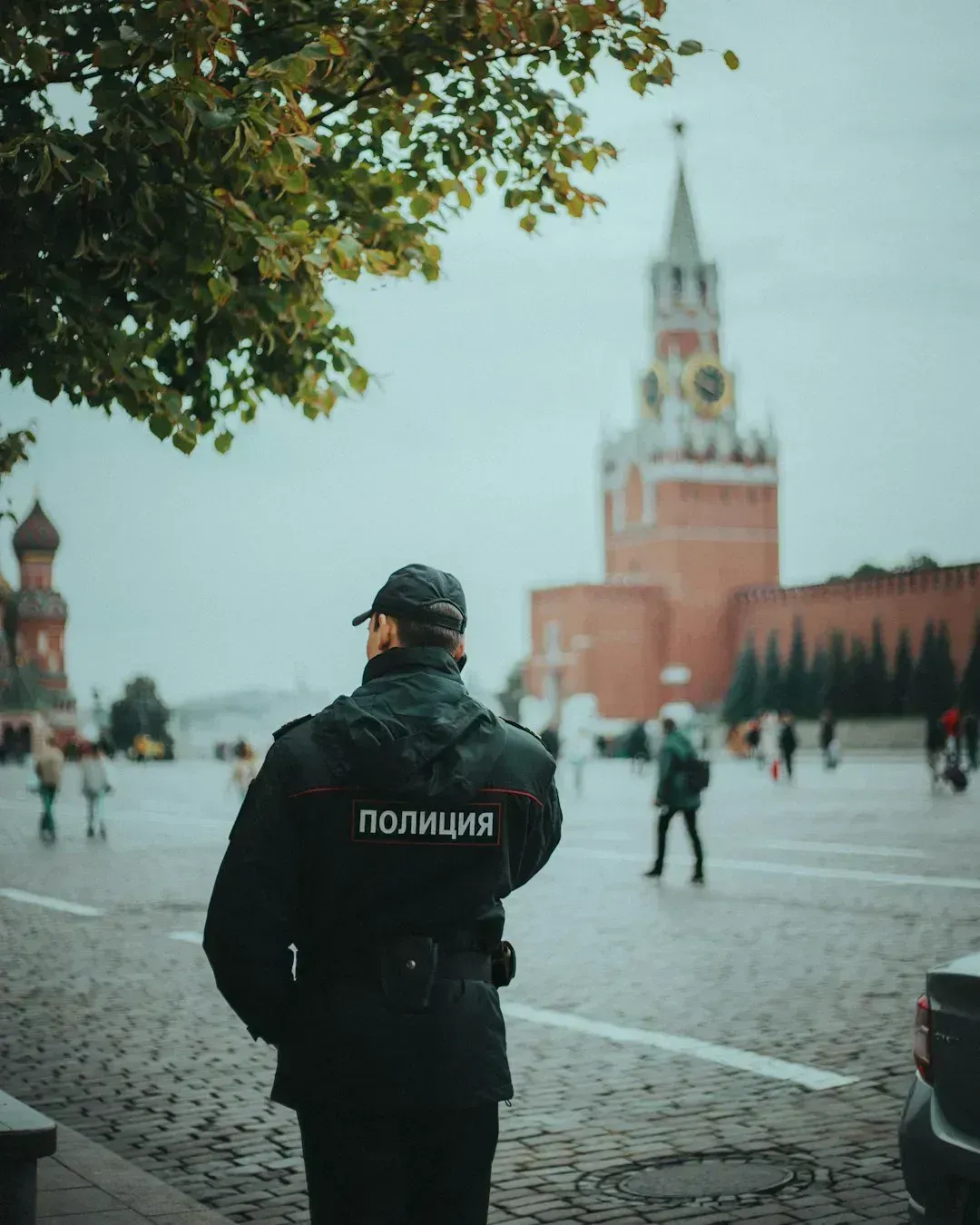
Since Russia’s invasion of Ukraine in early 2022, visiting Russia has become more dangerous and logistically challenging for international travelers, with travel in and out of the country extremely limited, US credit cards no longer working, and Russian law enforcement officials known to target US citizens and arbitrarily levy harsh punishments. Americans face extra scrutiny and suspicion thanks to ongoing political tensions, with some tourists reporting being followed or questioned by authorities for doing nothing more suspicious than taking photos of buildings. Language barriers prove absolutely crippling since almost nobody speaks English and even basic signs aren’t translated. Infrastructure outside major cities is shockingly poor, and corruption is so blatant that officials openly demand bribes at border crossings. Most Americans realize too late they’ve spent thousands of dollars to visit a place where they’re clearly not wanted.
Venezuela: Beautiful But Dangerous and Desperate
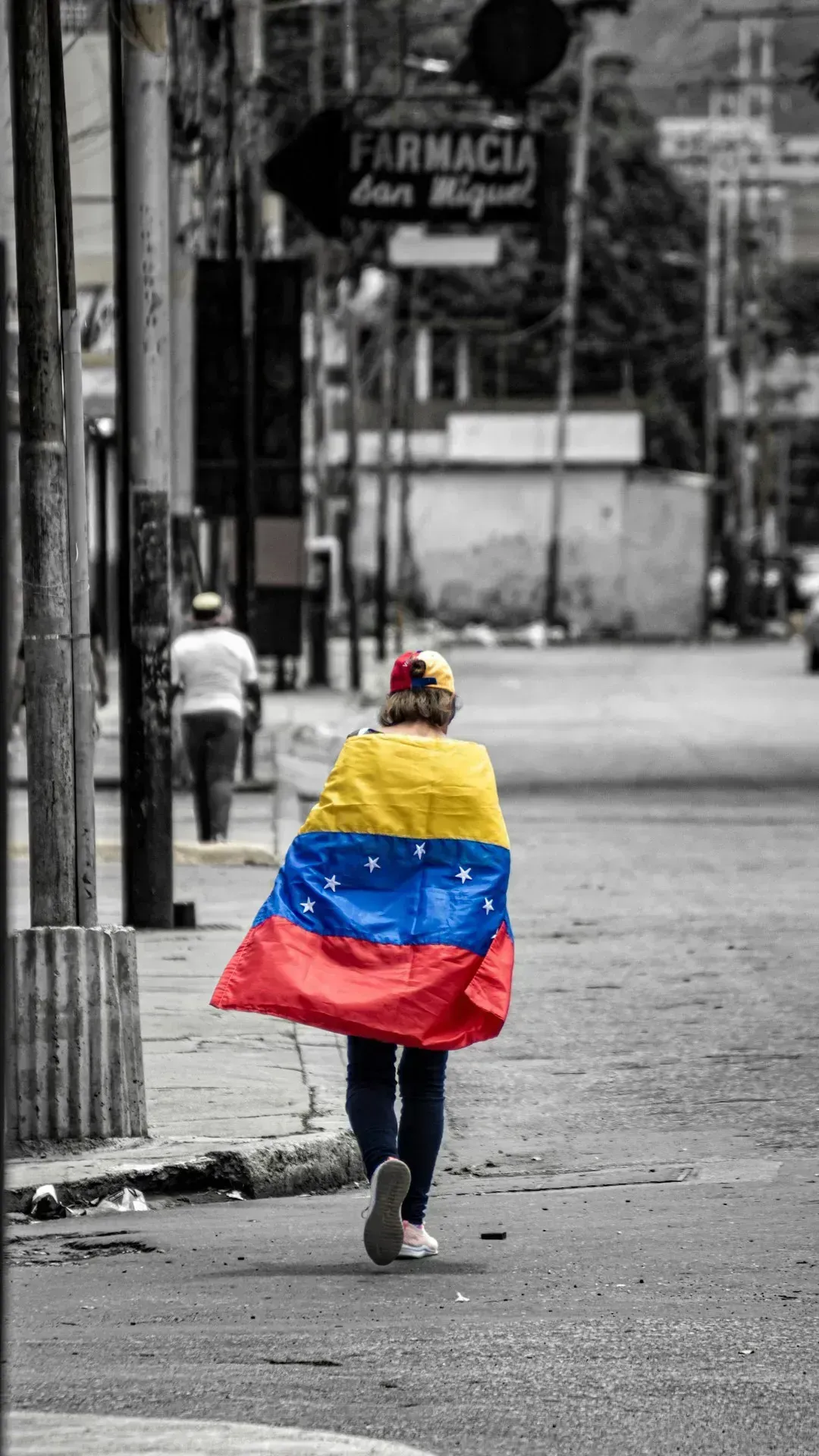
This South American country was once considered a gem with lush rainforests and friendly people. However, the ongoing political turmoil and economic collapse have made it one of the most regrettable destinations. Food is scarce, violence is common, and desperation has taken hold across the population. American tourists risk becoming targets for robbery and extortion simply because they’re perceived as wealthy foreigners. The infrastructure has crumbled, basic services are unreliable, and the situation shows no signs of improving. While Venezuela possesses natural beauty that could rival any South American destination, the current crisis makes it one of the most dangerous and disappointing places Americans can choose to visit. Most travel advisories recommend avoiding the country entirely.
Bangladesh: Survival Mode Instead of Vacation Mode
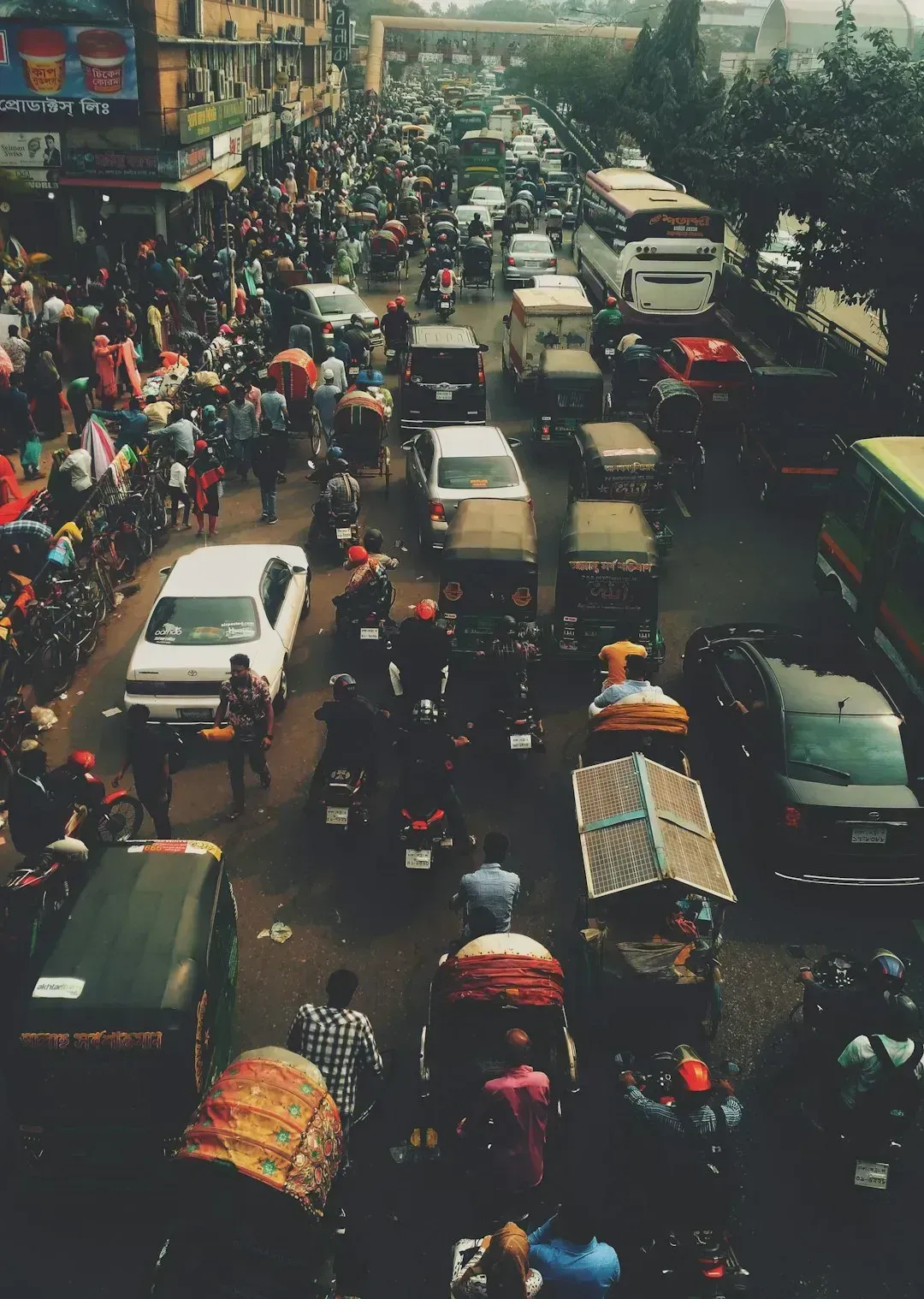
Bangladesh rarely appears on American bucket lists, and those who do visit often regret it immediately. The few historical sites that exist are poorly maintained and surrounded by garbage. Food safety standards are terrifying, with travelers reporting the worst gastrointestinal distress of their lives. The oppressive heat and humidity make you feel like you’re breathing through a wet blanket. Unlike other challenging destinations that at least reward you with incredible sights, Bangladesh offers mainly the realization that some places just aren’t ready for tourism. You’ll spend your entire trip just trying to survive rather than actually enjoying anything. The lack of tourist infrastructure means you’re essentially on your own, navigating a country that wasn’t built with visitors in mind.
Nigeria: Lagos Traffic and Security Paranoia
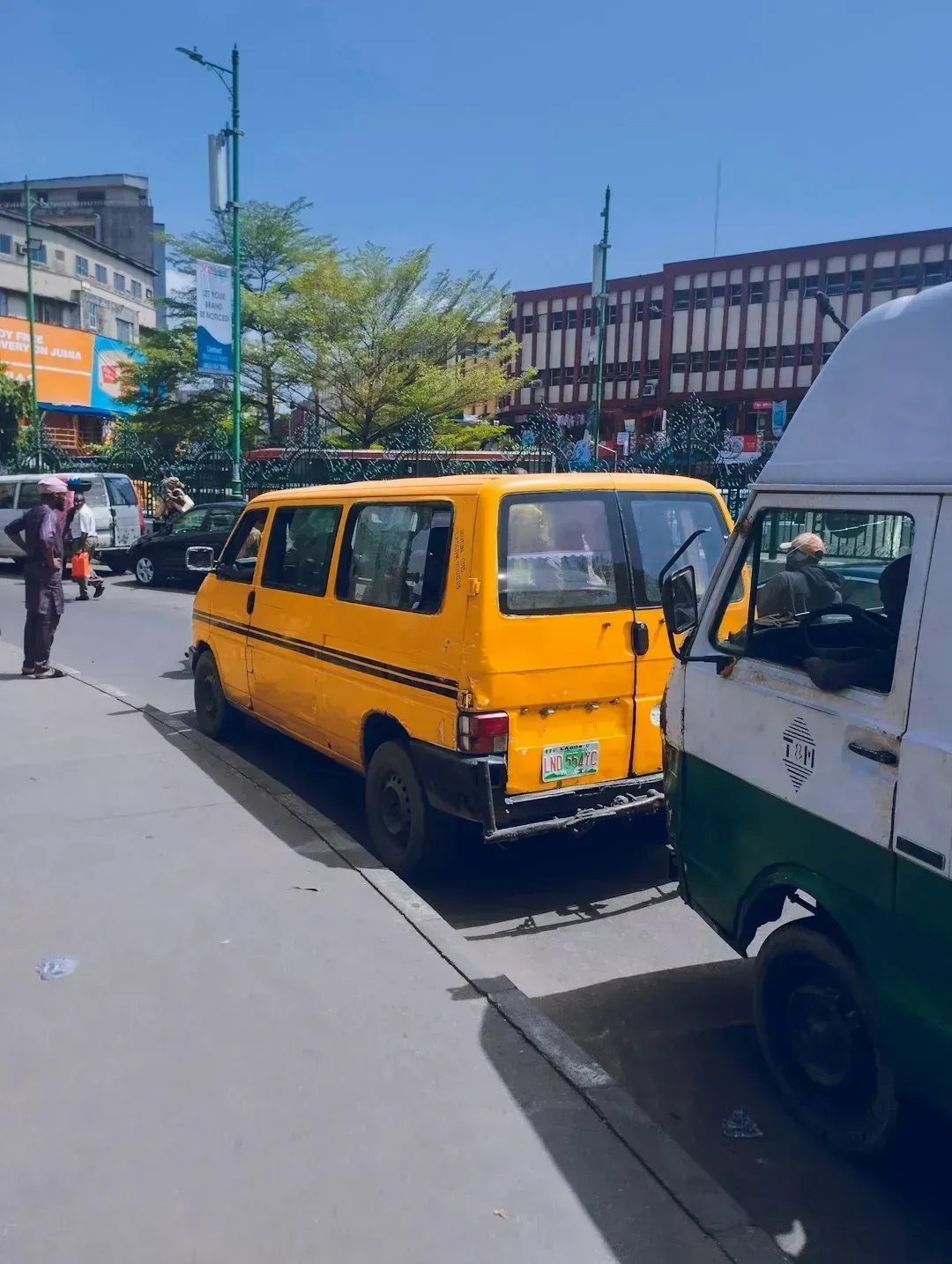
Nigeria doesn’t attract many American leisure travelers, and the few who do make the journey quickly discover why. Lagos traffic is legendary for all the wrong reasons, with commutes that can take hours to travel mere miles. Security concerns dominate every decision, with travelers spending fortunes on private drivers because public transportation is considered too dangerous for foreigners. You’ll stay in expensive gated compounds because nowhere else feels safe, and still feel anxious every time you venture out. The infrastructure is crumbling with power outages happening multiple times daily, internet that barely functions, and water you absolutely cannot drink under any circumstances. While Nigeria has rich culture and warm people once you break through the initial barriers, most American tourists find themselves counting down days until they can leave rather than exploring.
Mexico’s Tourist Zones: Americanized and Overcrowded
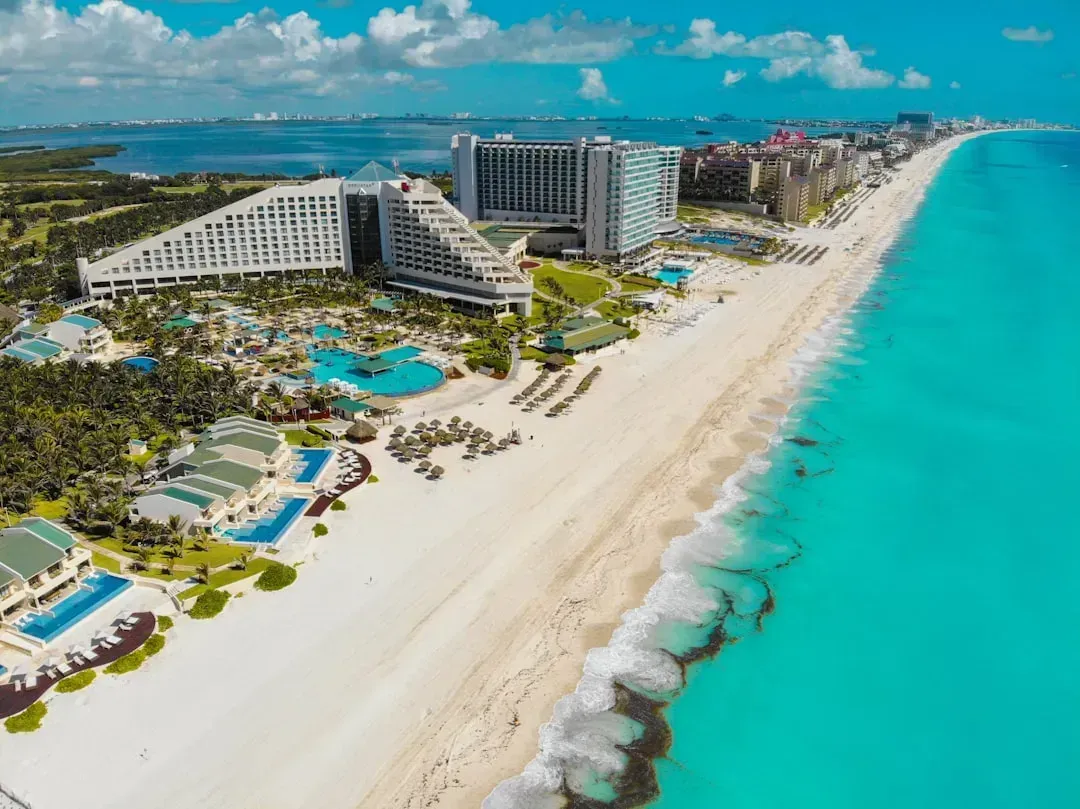
Areas are overrun by tourists in places like Cancún, Tulum, and Cabo, with many areas feeling more Americanized than authentically Mexican, with tourists paying premium prices for watered down culture surrounded by fellow Americans. Cabo had massive ships blocking the horizon, panhandlers standing in front of you so you couldn’t see the ocean, and hordes of people getting in the way at every snorkeling spot, with beach chairs packed like sardines. Popular coastal destinations have become so developed for American tastes that you might as well have stayed in Florida. Finding authentic Mexico requires venturing into areas that carry genuine safety concerns, creating an impossible choice between tourist traps and potential danger. The beautiful beaches get overshadowed by aggressive timeshare salespeople and overpriced everything.
The world remains full of incredible places waiting to be explored. These destinations might work beautifully for some travelers, but they consistently disappoint Americans expecting something different. Sometimes the most viral destinations turn out to be the biggest letdowns, while the places nobody talks about become your favorite memories. Research matters, expectations matter, and honestly, sometimes staying home and saving your money for a destination that truly calls to you matters most. What’s your take on these controversial picks?
When Social Media Hype Ruins Real Travel
Here’s the brutal truth nobody wants to admit: Instagram has absolutely destroyed some of the world’s most beautiful places, and we’re all partly to blame for it. That secret beach in the Philippines you saw with 50,000 likes? Yeah, it’s now packed with 500 people all trying to get the exact same photo, complete with a line forming for the “perfect spot.” The algorithm rewards stunning visuals, so everyone flocks to the same five locations, turning once-peaceful gems into chaotic photo studios where you spend more time waiting for strangers to move than actually enjoying the view. Travel influencers have created unrealistic expectations that real destinations simply can’t live up to, especially when you arrive during peak season with ten thousand other people who saw the same viral post. The saddest part is watching locals who once welcomed tourists now roll their eyes at yet another person asking them to take 47 versions of the same jumping photo. We’ve turned authentic experiences into content creation factories, and honestly, it’s making travel worse for everyone involved.