The Truth Behind the “Clean Label” Myth: What “Natural Flavoring” Really Contains
The Clean Label Boom Is Exploding Worldwide
The global clean label ingredients market is projected to grow from USD 57.3 billion in 2025 to USD 212.4 billion by 2035, with natural flavors holding the largest product segment share at 32.1% in 2025. Honestly, those numbers tell us something powerful about where consumer preferences are heading right now. When asked about the fastest-growing consumer demand in food products, 50% of industry professionals identified clean label ingredients as the leading trend. The movement is real, it’s massive, and it’s reshaping grocery aisles across the planet.
Nearly half of consumers globally purchased more fresh, unprocessed foods over the past year, while around 30% are reducing processed foods and 27% are trying to limit products or ingredients perceived as bad for them. People want transparency. They crave simplicity.
What FDA Regulations Actually Say About Natural Flavors
Natural flavors are defined in the United States under FDA Regulation 21 CFR 101.22. Here’s where things get interesting. The FDA defines “natural flavors” as chemical flavor compounds extracted directly from plants, animals or plant and animal products as found in nature. Notice the word “animals” in there? Yeah, that’s going to matter in a moment.
In the U.S., natural flavors can be derived from a much broader range of sources including fruits, vegetables, dairy, meat, seafood, and fermentation products, and a strawberry-flavored product may contain little or no actual strawberry, as long as the components come from natural sources. The label doesn’t have to disclose whether the natural flavor comes from a fruit, a spice, a dairy product, or even an animal extract. So that raspberry yogurt you’re enjoying? Could be flavored with something completely unrelated to raspberries.
Chemical Processing Is Still Allowed Under Natural Label
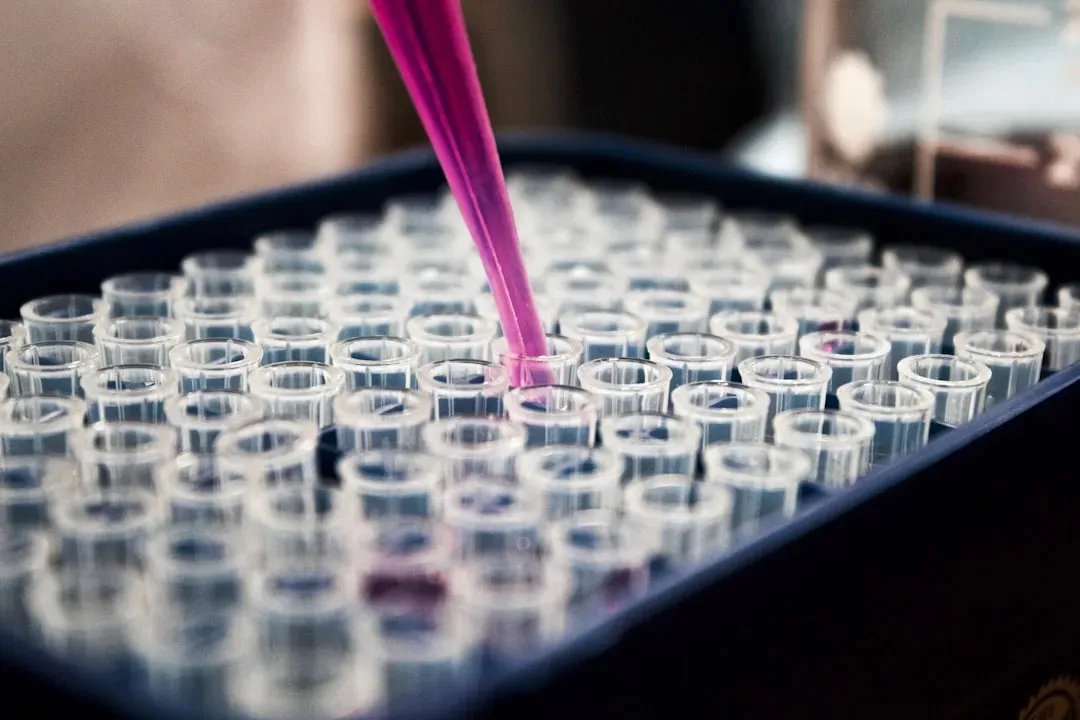
Manufacturing processes for declaring flavors as natural have minimal restrictions, and chemical transformation of natural flavors using inorganic catalysts still fulfills the US natural flavor requirement. Let’s be real here – that doesn’t sound very “natural” at all, does it? The public imagines natural flavors as crushed berries and vanilla beans, not laboratory chemical reactions with catalysts.
When you take a natural flavor off the shelf to incorporate it into your product, that flavor is contained in some kind of solvent, with certain additives for functionality, and the solvent and additives are not required to be in any way natural. Flavors are complex mixtures that sometimes comprise more than 100 chemicals, and in addition to flavors themselves, these mixtures contain chemicals that have other functions, with solvents, emulsifiers, flavor modifiers and preservatives often making up 80 to 90 percent of the mixture.
Natural and Artificial Flavors Are Chemically Identical
There is little substantive difference in the chemical compositions of natural and artificial flavorings. I know it sounds crazy, but the molecules are often exactly the same. If a consumer purchases an apple beverage that contains an artificial flavor, she will ingest the same primary chemicals that she would take in if she had chosen a naturally flavored apple beverage.
Many artificial flavors are chemically identical to natural ones, and in many cases, the only difference is where they come from. Chemically processed wood pulp can be used to create flavor molecules that are chemically identical to those in vanilla, and there’s no real difference with how they interact with the body because the body can’t tell if something is a natural or artificial flavor.
The Castoreum Secret Hidden in Plain Sight
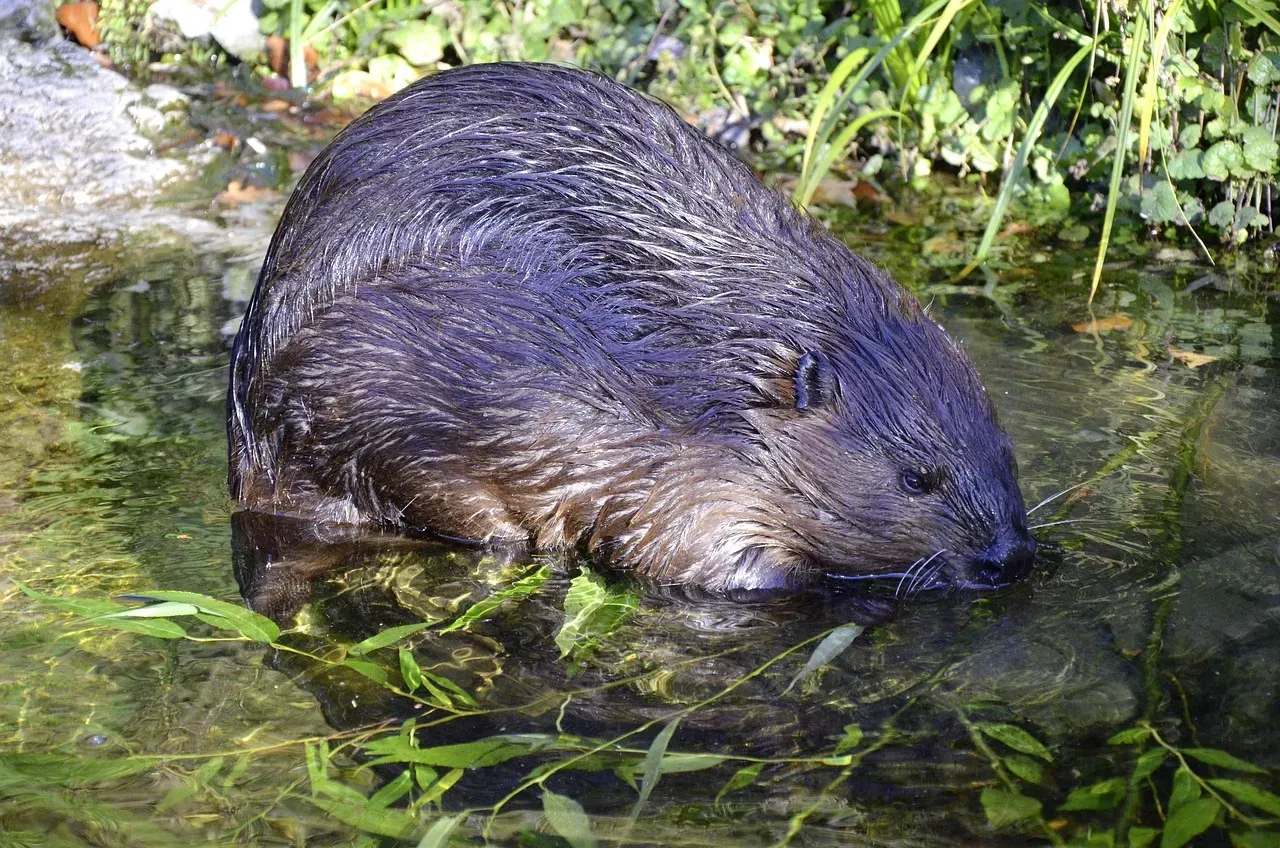
Here’s the thing nobody wants to talk about at dinner parties. Castoreum is extracted from the anal castor sacs of beavers and has been publicly lampooned in recent years. The FDA considers it to be generally recognized as safe. The flavor profile, akin to vanilla, strawberry, or raspberry, worked particularly well in ice cream, fruit-flavored drinks, yogurt, and gelatin.
Castoreum is just included in the broad term “natural flavorings” on food labels. Due to the inconvenience and expense of harvesting castoreum from live beavers, the annual industry consumption is very low – around 300 pounds – whereas the consumption of natural vanillin is over 2.6 million pounds annually. Still, the fact it exists at all under the “natural” umbrella makes you wonder what else is hiding there.
The GRAS Loophole Lets Companies Self-Certify Safety
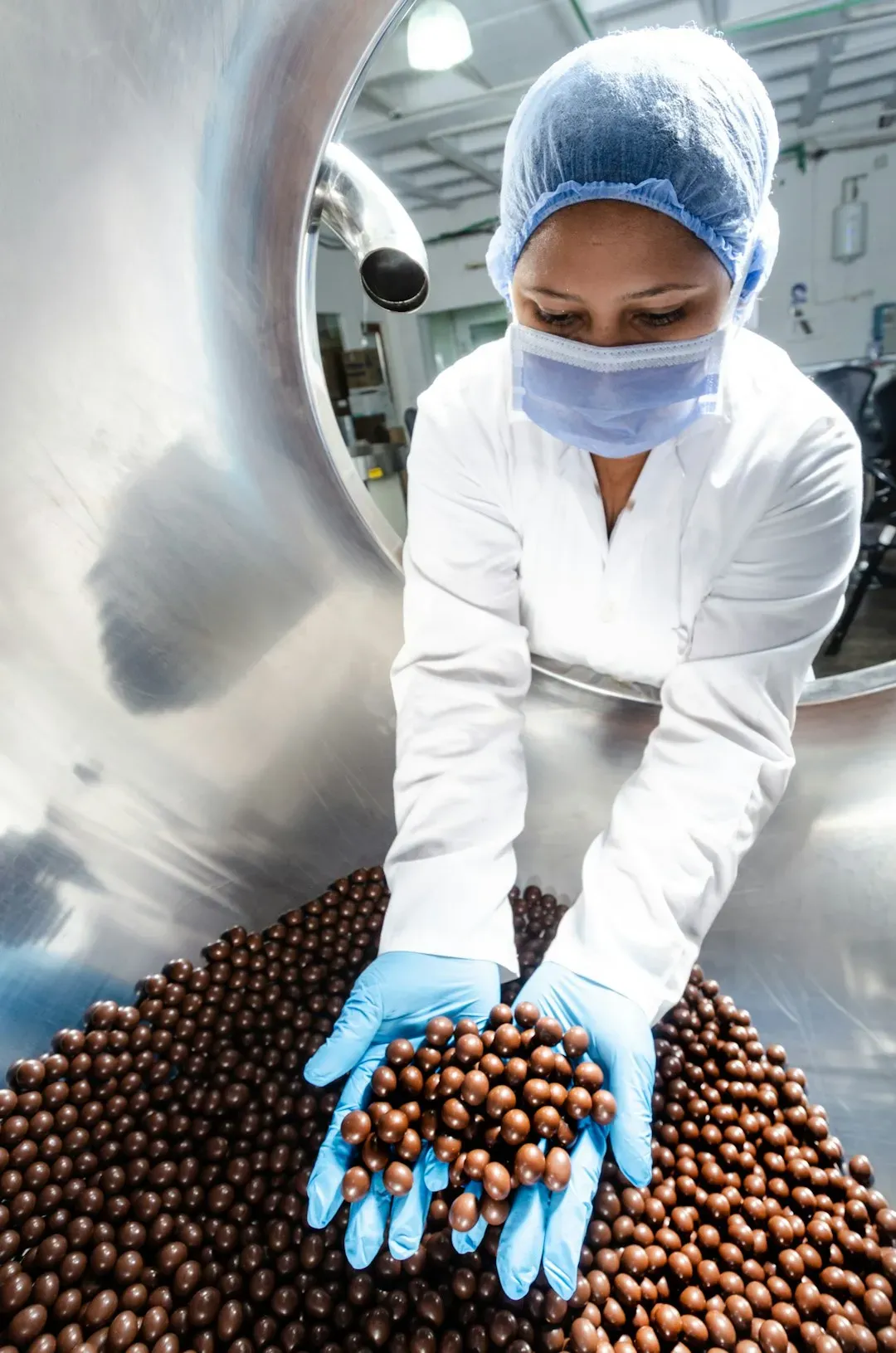
Flavor is a $14 billion global industry with powerhouse trade groups that can declare a substance is generally recognized as safe, or GRAS, and bypass FDA approval for new food chemicals, and food companies do not even have to notify the FDA of their GRAS determinations before or after adding the substances to foods. That’s a massive regulatory gap right there.
According to an Environmental Working Group analysis, almost 99 percent of new food chemicals introduced in the U.S. since the year 2000 have entered the market via the GRAS loophole, and when GRAS flavor substances are listed as natural flavor or artificial flavor, only the manufacturer knows what chemicals are present in food. This means countless untested compounds are slipping into our food supply without proper oversight.
Why Companies Choose Natural Over Artificial Labeling
From a food manufacturer’s perspective, the difference between a natural and artificial flavor often comes down to cost and consumer preference, with natural flavors almost always costing much more, yet food makers are often willing to pay because they know that some consumers prefer natural flavors. It’s purely marketing psychology at work here.
Flavor blends are often treated as trade secrets, and by grouping them under natural flavors, companies can comply with FDA labeling laws without revealing the exact recipe, while a single natural flavors listing can represent dozens of oils, extracts, or distillates, keeping ingredient panels shorter and easier to fit on packaging. Ironically, natural flavors often looks cleaner to shoppers than a long list of technical-sounding extracts, even though it hides far more detail.
Europe Has Stricter Natural Flavor Standards Than America
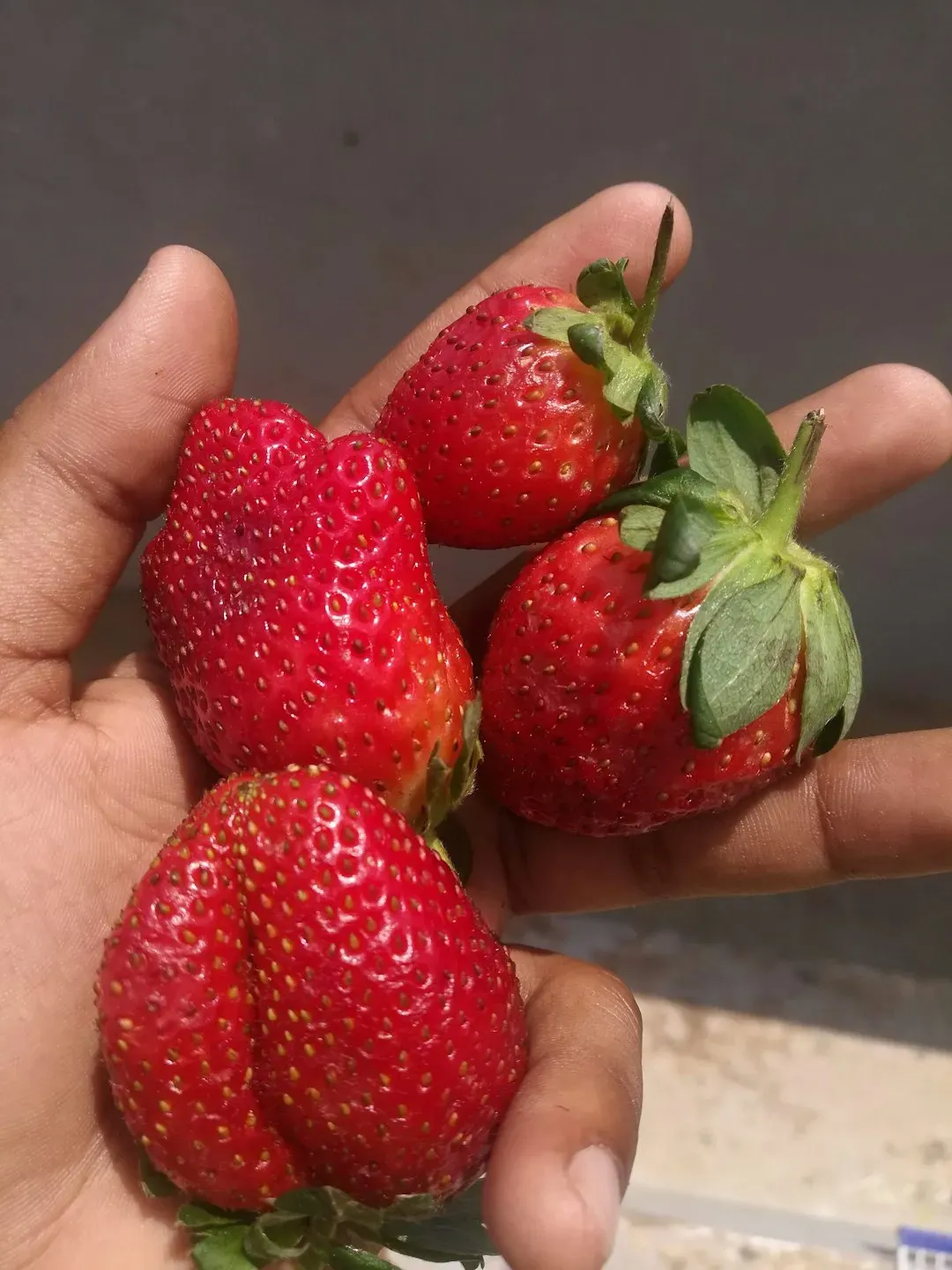
If a product is labeled as natural strawberry flavor in the EU, at least 95% of the flavoring components must come from strawberries. The EU mandates that natural flavors be produced solely through traditional food preparation processes, such as heating, cooking, cutting, grinding, pressing, distillation, recrystallization, solvent extraction, enzymatic processes, and fermentation, while synthetic and inorganic catalysts are prohibited.
American regulations are far more lenient by comparison. In the EU, if flavoring comes from a mix of sources, companies must call it natural flavoring with other natural flavorings, whereas in the U.S., a strawberry-flavored product may contain little or no actual strawberry, as long as the components come from natural sources. The difference is stark and honestly quite telling about regulatory priorities.
Clean Label Movement Faces Real Cost Challenges
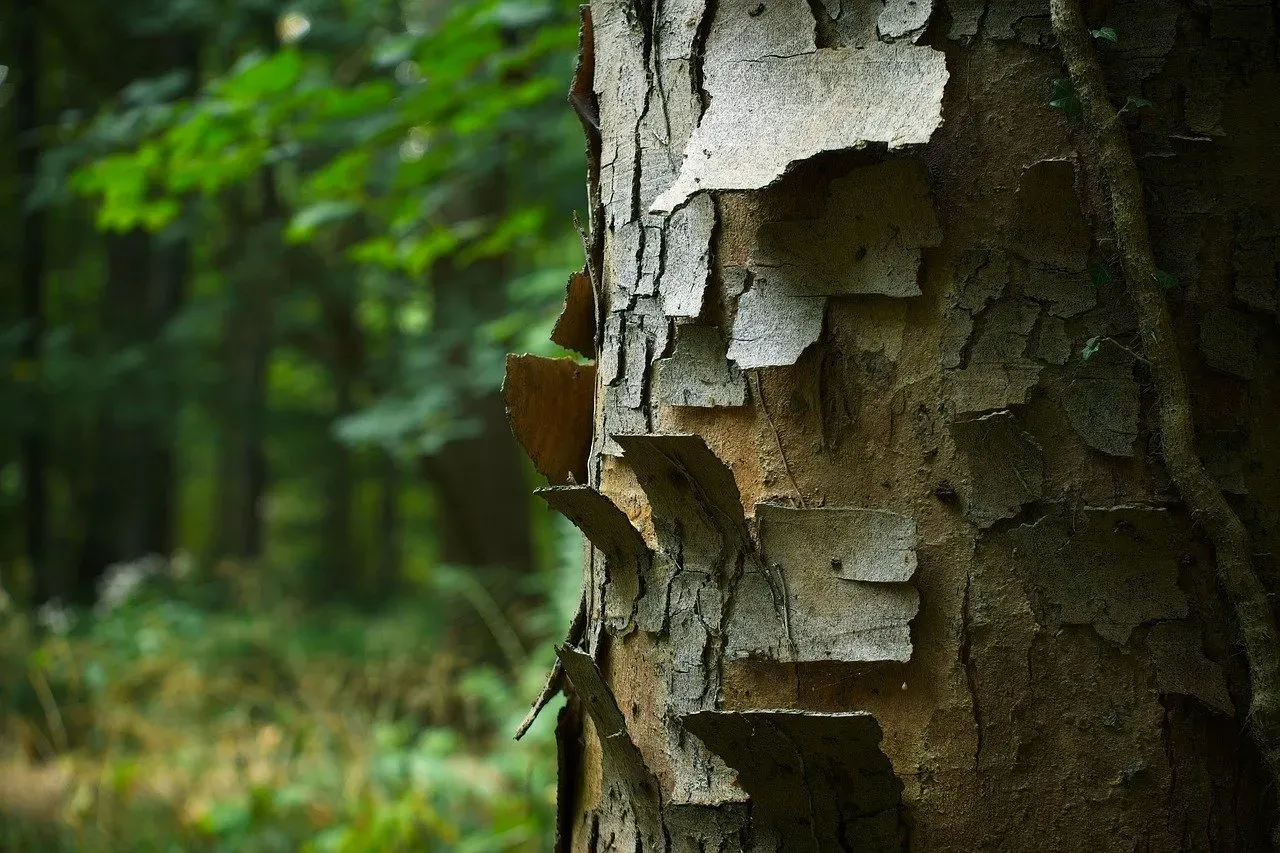
The search for natural sources of chemicals often requires that a manufacturer go to great lengths to obtain a given chemical, such as massoya lactone from the bark of the Massoya tree in Malaysia, where collecting this natural chemical kills the tree because harvesters must remove the bark and extract it to obtain the lactone, and the process is costly. Nature doesn’t always provide convenient or sustainable solutions.
Food processors may use artificial flavor chemicals because they are less expensive, as the process of extracting natural flavors is often long, difficult, and requires heavy processing, while the artificial route can be less time consuming, involve less processing, and reduce environmental concerns and costs. Sometimes artificial might actually be the more ethical choice environmentally speaking.
Consumer Awareness Drives Market Transformation
Eighty-one percent of shoppers say it’s important to purchase clean label food products, according to the 2024 Clean Label Insights Study from Acosta Group. More than one in four consumers look to clean label as an indicator for health, and 41% of consumers have now heard of clean label, with 78% finding it appealing when provided a definition. The demand is undeniably shifting industry practices.
The market for natural and organic products is expected to exceed $300 billion in 2024 – triple 2007 sales, according to data from Nutrition Business Journal. Companies are listening because their bottom lines depend on it. They’re reformulating products and investing heavily in cleaner ingredient sourcing, even if the “clean” label sometimes obscures a more complicated chemical reality.
What does this all mean for you as a consumer? The truth is messy and doesn’t fit neatly into marketing slogans. Natural flavoring isn’t necessarily better, safer, or more wholesome than artificial flavoring. The real issue is transparency – or the lack of it. Reading labels more carefully, choosing whole foods when possible, and questioning what “natural” really means can help you make informed decisions. What do you think about the natural flavoring industry now?