Why Food Safety Experts Say You Should Stop Rinsing Raw Chicken
The Splash Zone You Can’t See
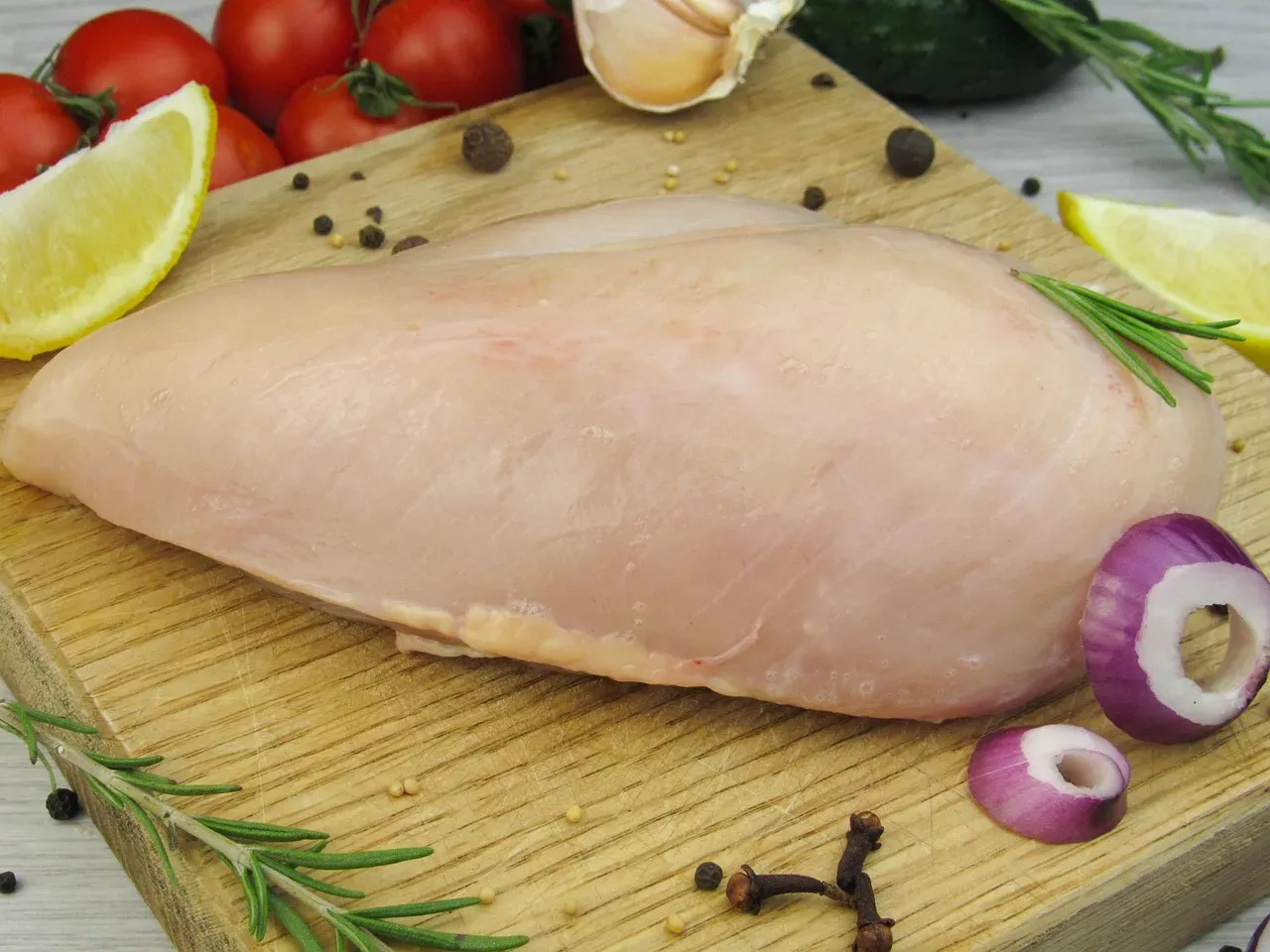
Rinsing raw chicken under the faucet causes the raw chicken juices and water to splash onto other surfaces including countertops, sponges, foods in the vicinity, hands, clothes, and other hard or soft surfaces around the sink. What’s truly alarming is that these droplets are invisible to the naked eye. These droplets, which the naked eye cannot detect, contain bacteria that will grow and can cause illness, called campylobacter poisoning. Think of it like this: every time water hits that chicken, you’re essentially creating a bacteria-loaded mist that settles everywhere within reach.
The USDA says bacteria on raw chicken, like salmonella, ride misting water droplets out from the sink in a process known as “aerosolization,” splattering the food-prep area in a 2-3 foot radius. That salad you’re about to serve? The cutting board for your vegetables? The bottle of olive oil sitting near the sink? All potential targets for bacterial contamination that you can’t even see happening.
The Shocking Statistics Behind Kitchen Contamination
60% of participants contaminated the inner sink after washing raw chicken, and 26% of salads were then contaminated by those participants that washed the chicken. Let that sink in for a moment. More than half of people who washed chicken ended up with bacteria lingering in their sink. According to a USDA study, 1 in 7 people who cleaned their sink after washing chicken still had germs in the sink.
According to 2018 estimates shared by the US Centers for Disease Control and Prevention, about one in every 25 packages of chicken at the grocery store was contaminated with Salmonella. This isn’t a rare occurrence. Every year in the United States about 1 million people get sick from eating contaminated poultry. The risks are real, and they’re lurking in kitchens across the country every single day.
What Actually Happens When You Wash Chicken
Here’s the thing most people don’t realize: washing chicken doesn’t remove bacteria at all. Washing, rinsing, or brining meat and poultry in salt water, vinegar or lemon juice does not destroy bacteria. Many folks believe they’re being extra careful by rinsing their poultry with water, vinegar, or even lemon juice before cooking. Some grew up watching family members do it, making it feel like a necessary step.
This provides the first experimental evidence that washing raw chickens can lead to significant cross-contamination in a home kitchen. Research from food safety studies used fluid experiments combined with microbiology to demonstrate that viable populations of bacteria transfer from chicken surfaces to kitchen areas through droplet splashing. Washing raw chicken does risk pathogen transfer and cross-contamination through droplet ejection, and changing washing conditions can increase or decrease the risk of splashing.
The Bacteria You’re Really Dealing With
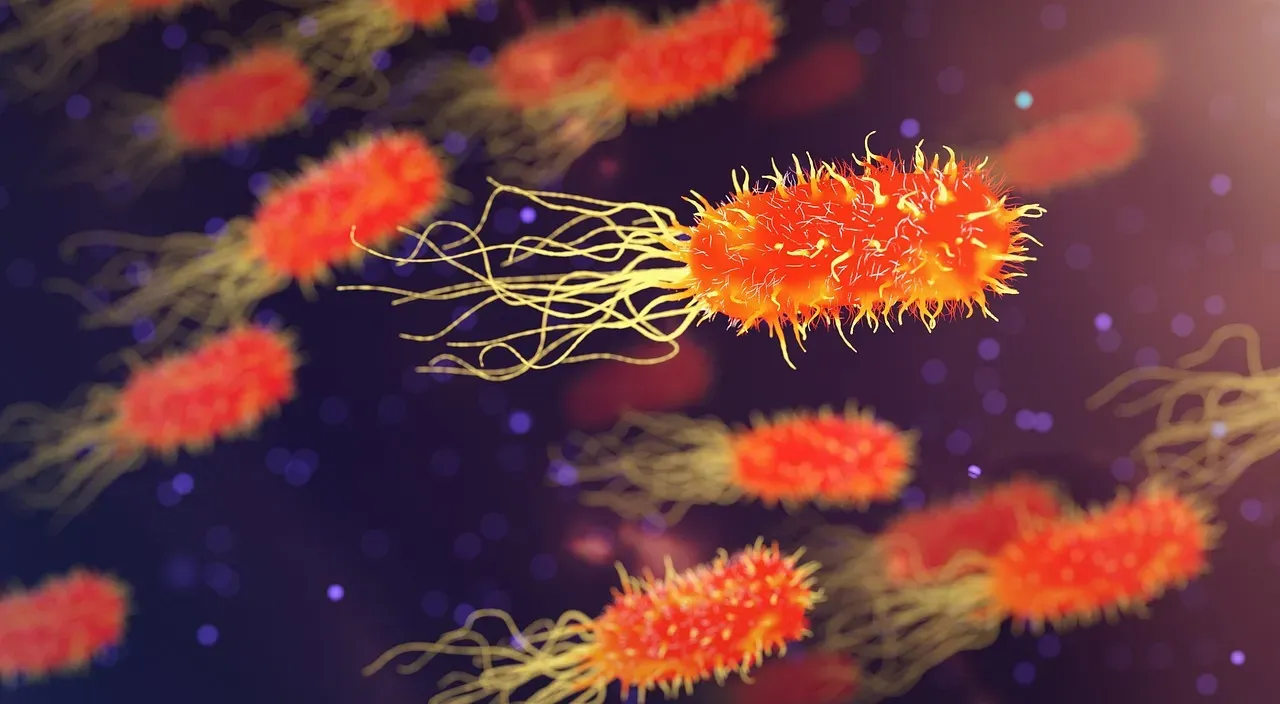
Raw chicken can be contaminated with Campylobacter, Salmonella, or Clostridium perfringens germs. These aren’t minor inconveniences. CDC estimates that Salmonella causes more foodborne illnesses than any other bacteria, and chicken is a major source of these illnesses. Campylobacter is equally troublesome and incredibly common on raw poultry.
Pathogens such as Campylobacter and salmonella can survive on surfaces such as countertops for up to 32 hours, according to the USDA Food Safety and Inspection Service. That’s more than a full day that dangerous bacteria can hang around your kitchen, waiting to contaminate your next meal. It’s honestly scary when you think about how long these microscopic invaders can persist on seemingly clean surfaces.
Why Cooking Is Your Only Real Defense
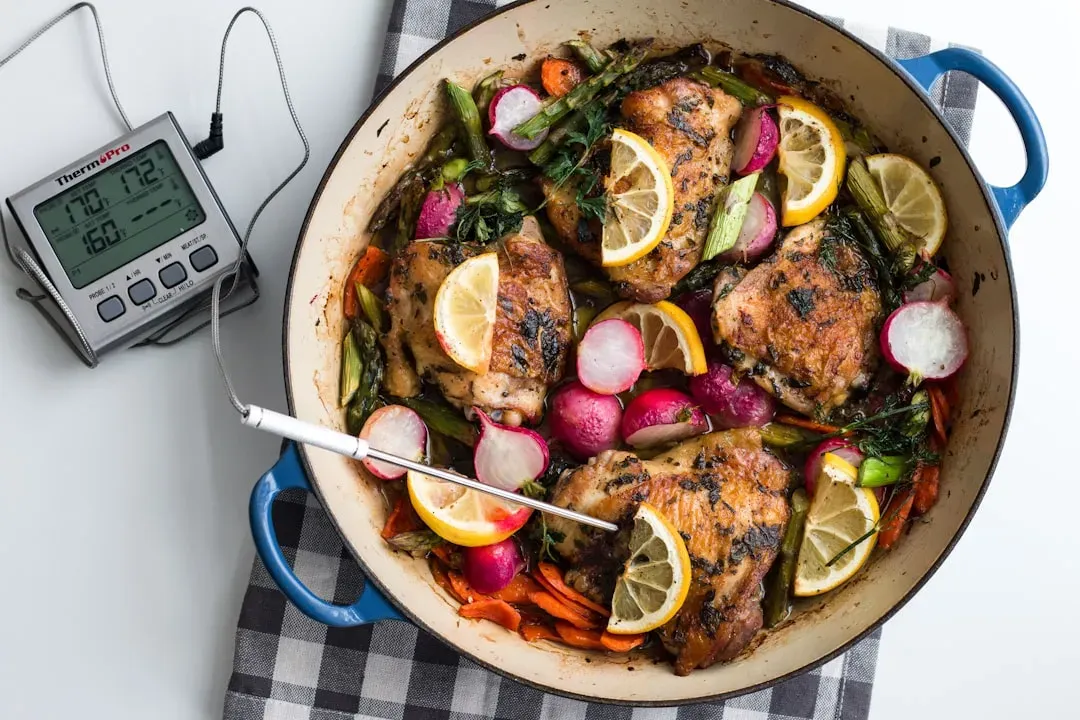
Cooking chicken to a minimum temperature of 165 degrees Fahrenheit – the proper internal temperature for fully cooked chicken set by the United States Department of Agriculture – kills any bacteria present and eliminates the risk of foodborne illness, making it unnecessary to wash raw poultry. This is your foolproof method. No amount of rinsing, soaking, or scrubbing will do what proper cooking accomplishes.
The only way to kill these potentially dangerous bacteria is to cook the chicken to an internal temperature of 165 degrees Fahrenheit. Use a food thermometer, not guesswork. The color of the meat isn’t reliable, and neither is cooking time alone. Only temperature truly matters when it comes to killing harmful pathogens.
The Cross-Contamination Problem Gets Worse
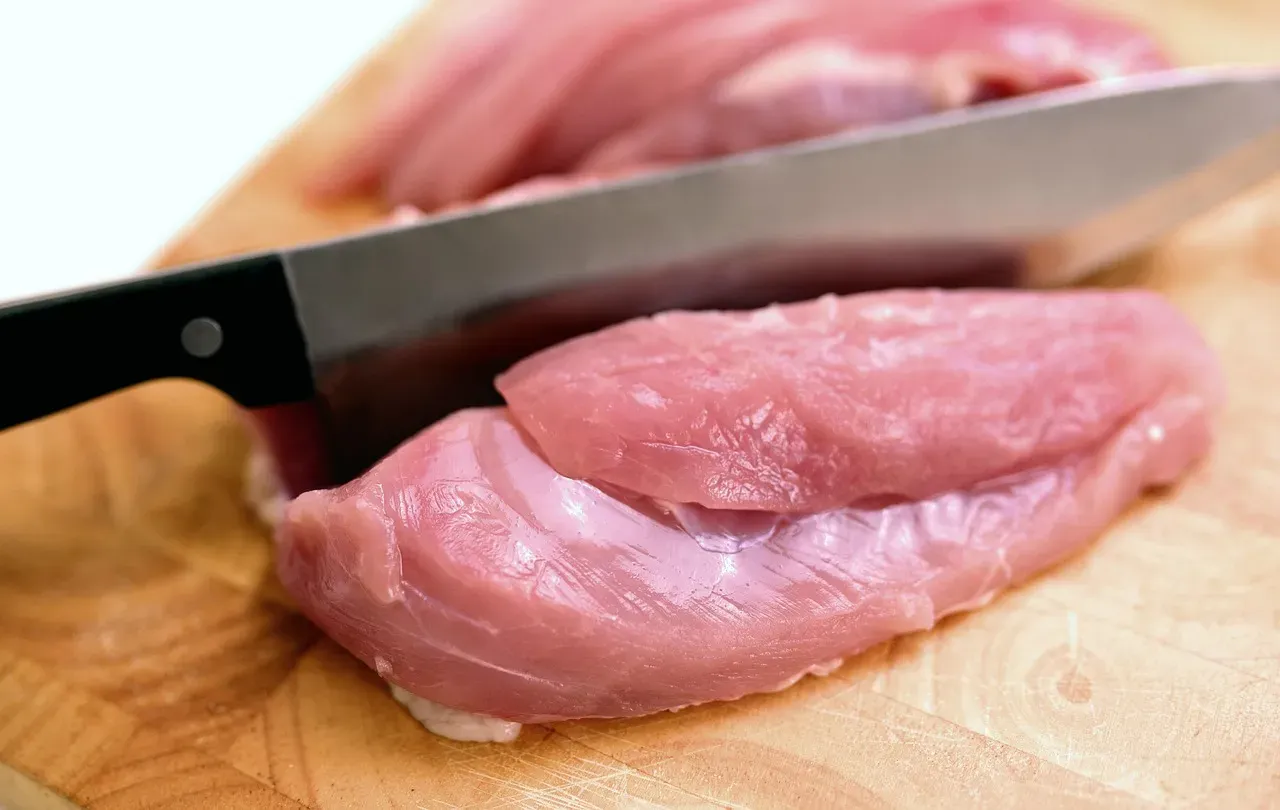
Even people who don’t wash their chicken face contamination risks, but washing makes it exponentially worse. Of the participants that did not wash their raw poultry, 31% still managed to get bacteria from the raw poultry onto their salad lettuce, likely due to a lack of effective handwashing and contamination of the sink and utensils. The key difference? Washing actively spreads bacteria through water spray.
High levels of E. coli were detected in the sink and on the salad, suggesting that the bacteria were transferred from the chicken, its packaging, and contaminated hands. Research from North Carolina State University found that hands were actually a more significant source of cross-contamination than many suspected. Research has shown that over 80% of people – that’s 8 out of 10 – forget to wash their hands properly after handling raw minced meat or chicken.
Restaurant Kitchens Aren’t Immune Either
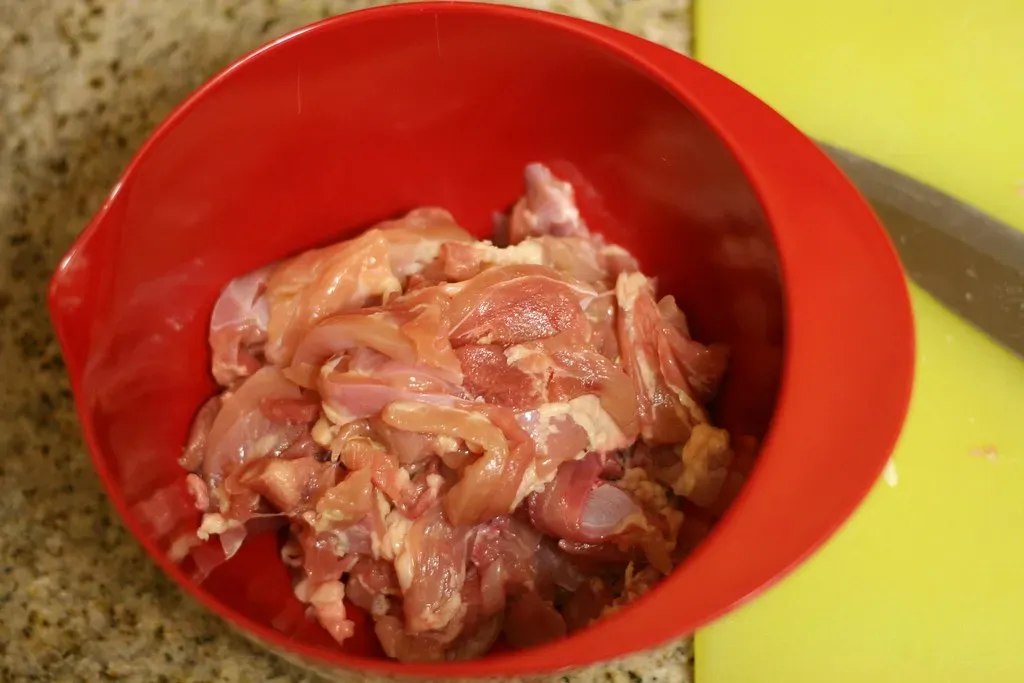
Forty-two percent said that raw chicken was often or always washed or rinsed before preparation. This statistic comes from restaurant kitchen managers, showing that even professional settings struggle with outdated practices. Forty percent said that they never, rarely, or only sometimes designated certain cutting boards for raw meat only.
Over half of managers said that thermometers were not used to determine the final cook temperature of chicken. If trained kitchen staff in commercial settings are making these mistakes, imagine how widespread the problem is in home kitchens. The issue spans from backyard barbecues to bustling restaurant kitchens, affecting food safety across all cooking environments.
What Food Safety Experts Actually Recommend
Chefs, health experts, and food safety experts like those at the Centers for Disease Control and Prevention agree that washing chicken increases the risk of foodborne illness and harmful bacteria growth. This isn’t controversial among professionals. The guidance is clear and consistent across major health organizations.
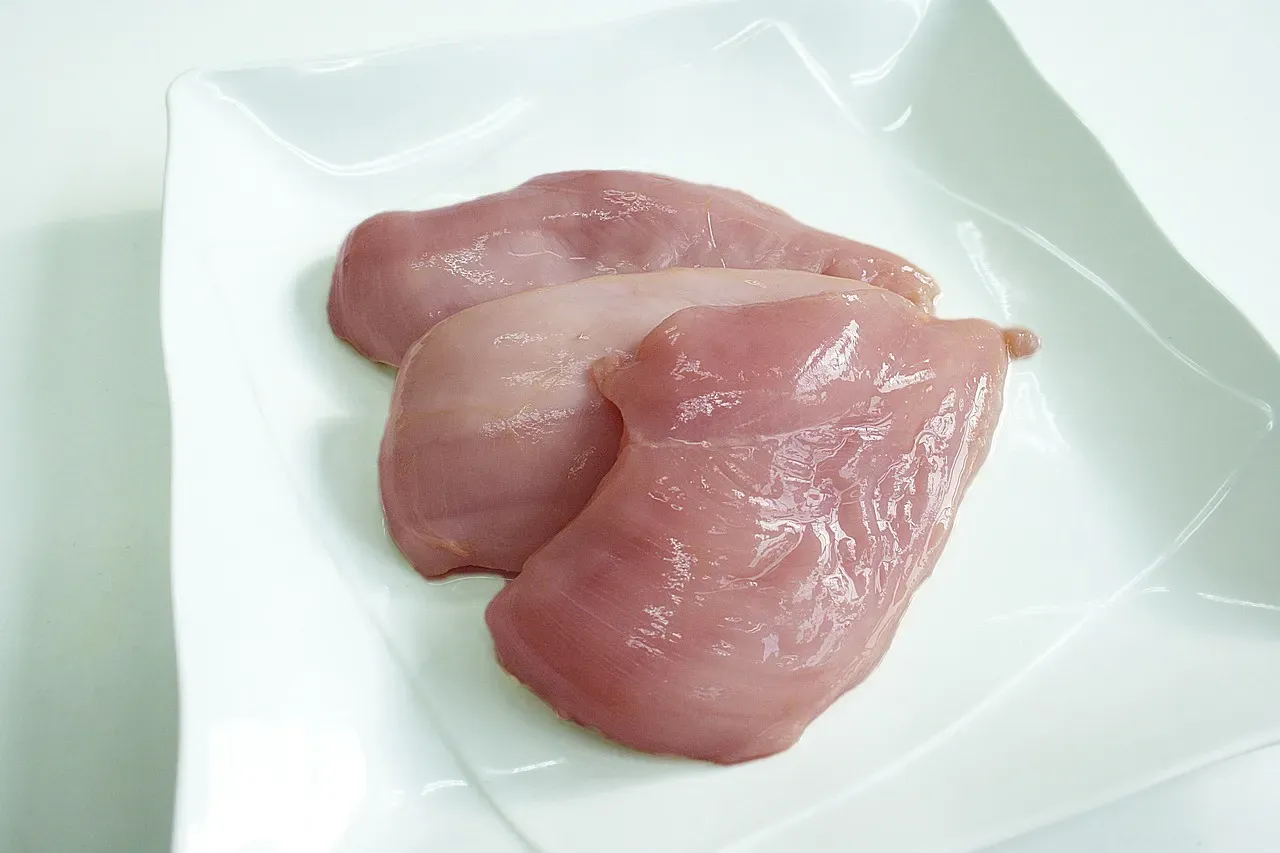
Raw chicken is ready to cook and doesn’t need to be washed first. If you’re concerned about the slimy texture sometimes found on raw chicken, you can gently pat it dry with paper towels instead. Just make sure to throw those towels away immediately and wash your hands thoroughly afterward. Keep raw chicken away from ready-to-eat foods at all times during storage and preparation.
The Cultural Practice That Needs to Change
Let’s be real: changing long-held kitchen habits is tough. Food safety researcher Dr. Jennifer Quinlan, an associate professor at Drexel University, helped develop the “Don’t Wash Your Chicken” campaign, where knowing family members explain to well-intentioned home cooks that the common practice of rinsing raw poultry before cooking is actually unsafe. Many people wash chicken because they trust a family member who always did it, or because it feels like the hygienic thing to do.
Rinsing chicken in sinks was common in three countries, and washing vegetables in the same sink was also usual. This practice varies by culture and region, but the science remains consistent regardless of tradition. The good news is that education works – studies show that when people receive proper information about the risks, they’re willing to change their behavior to protect their families.
Creating Safer Kitchen Habits Moving Forward
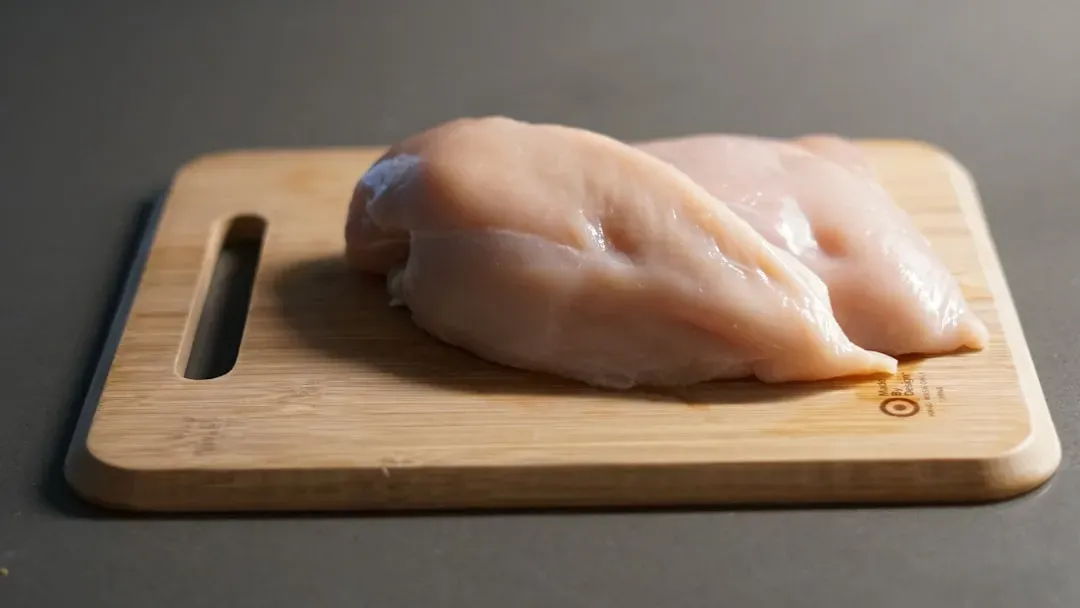
So what should you do instead? First, assume all raw chicken is contaminated and handle it accordingly. Use separate cutting boards for raw meat and produce. Significantly decrease your risk by preparing foods that will not be cooked, such as vegetables and salads, BEFORE handling and preparing raw meat and poultry. This simple sequence change can prevent so much contamination.
Wash your hands with soap and warm water for at least twenty seconds before and after handling raw chicken. Clean and sanitize all surfaces that touched raw poultry with hot soapy water, then apply a sanitizer. Keep your food thermometer handy and use it every single time. These aren’t complicated steps, but they require mindfulness and consistency. The payoff? Keeping yourself and the people you feed safe from preventable foodborne illness. What would you rather risk – a slightly different kitchen routine, or a week of severe food poisoning?