Europe’s New ETIAS Fee: Why Trips to Italy in 2026 Will Require Pre-Approval
Picture yourself dreaming about that perfect Italian vacation. Rolling vineyards in Tuscany, Renaissance art in Florence, maybe a sunset over the Amalfi Coast. You’ve booked the flight, reserved the hotel, and mentally prepared your appetite for endless pasta. Then you discover there’s one more step before you can even board that plane: a digital travel authorization that didn’t exist the last time you visited Europe.
Starting in the last quarter of 2026, this new requirement becomes reality. Welcome to the era of ETIAS.
What Exactly Is ETIAS and Why Should You Care
Let’s be real, another travel requirement is the last thing anyone wants to hear about. ETIAS stands for European Travel Information and Authorization System, and it’s essentially Europe’s answer to America’s ESTA program. Think of it as a digital screening process that happens before you leave home.
Here’s the thing that catches most people off guard: ETIAS will be required for entry by land, air and sea to 30 European countries, including the 29 member states of the Schengen Area, as well as Cyprus. That means Italy, France, Spain, Germany and nearly every major tourist destination on the continent. The authorization applies to short-term stays of up to 90 days within any 180-day period.
The European Commission developed ETIAS for the identification of security, irregular migration or high epidemic risks posed by visa-exempt visitors, though it is not actually a visa and does not guarantee entry. Unlike traditional visas, you won’t be visiting any consulates or attending interviews. The entire process happens online.
The Fee That Nearly Tripled Before Launch
Originally, European officials proposed a modest fee for this new system. The European Commission initially planned an ETIAS fee of seven euros, but has now raised it to 20 euros. That’s nearly triple the original amount, which understandably caused quite a stir in the travel industry.
The fee has been set at 20 euros instead of the previous seven euros, taking into account the rise in inflation since 2018 and additional operational costs related to new technical features integrated into the system. At current exchange rates, that translates to roughly around twenty-three dollars for American travelers.
The silver lining? Travelers under 18 or over 70 will be exempt from the fee, although they will still need to have ETIAS approval. So while your teenager and your grandmother still need authorization, at least you’re not paying for theirs. A US family of four with two minors will spend 40 euros on ETIAS authorization, and for repeat travelers or businesspeople crossing the Atlantic multiple times a year, the added cost builds quickly.
How the Application Actually Works
The good news is that applying for ETIAS isn’t complicated. Most of the process mirrors what you’d experience booking a flight or hotel online. The application typically takes about ten minutes to complete, and you can do it from your phone, tablet, or computer.
You’ll need a few basic things ready: a valid passport with at least three months remaining after your planned departure date, an email address where your approval will be sent, and a payment method for the fee. You’ll complete an online form that collects basic personal details, travel plans, and security questions.
The vast majority of ETIAS applications – about ninety-five percent – receive approval within minutes of submission with an email notification, however some applications require additional review and can take up to four days, and if additional documentation is needed, processing can extend to four weeks. That’s why experts strongly recommend applying well before your departure date.
Once approved, your ETIAS authorization remains valid for three years or until your passport expires, whichever comes first, meaning you won’t need to apply before every trip. During that time, you can make unlimited trips to covered European countries, as long as each stay respects the ninety-day limit.
The Bigger Picture: EES and Border Changes
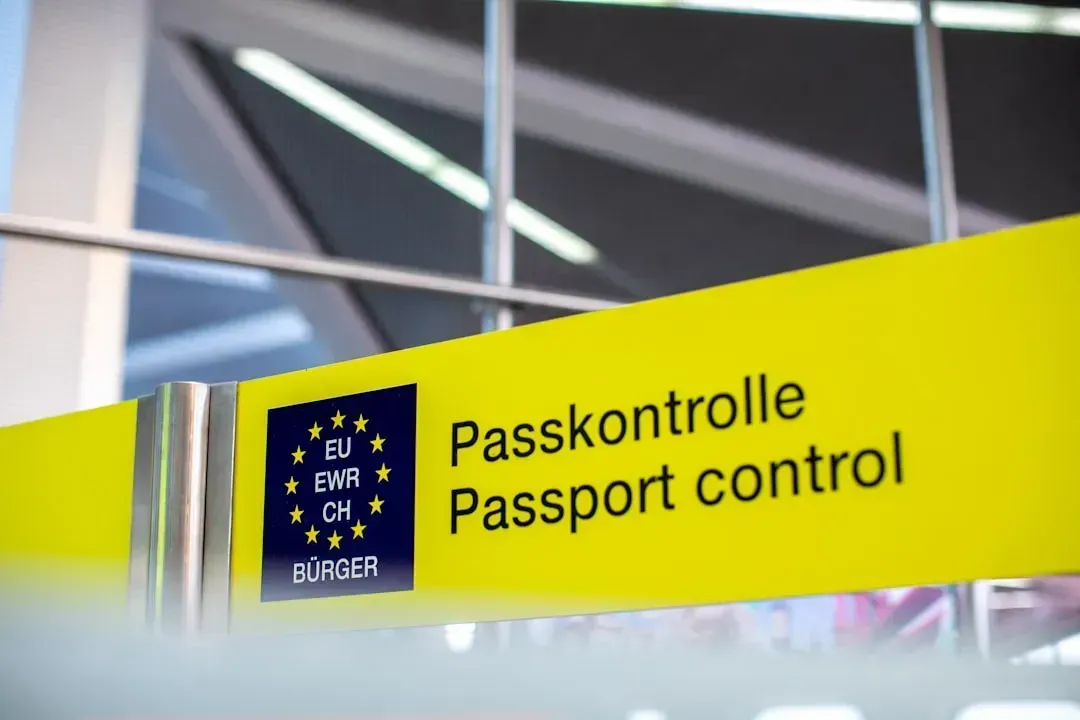
ETIAS doesn’t exist in isolation. It’s part of a broader digital transformation happening at European borders. The European Union launched its Entry/Exit System on October 12, 2025, which will replace passport stamps with biometric registration and will roll out gradually across 29 European countries over six months.
What does this mean practically? All non-European-Union travelers are required to submit facial scans and fingerprints upon initial entry, and that data is generally stored for at least three years after your exit. It might sound invasive, but honestly, many countries already have similar systems in place. Australia, New Zealand, the UK, and yes, the United States have all implemented comparable measures.
EU authorities have confirmed that ETIAS will begin only after the EES is fully implemented, meaning any delays to the EES timeline will directly impact the ETIAS launch. There’s also a transitional approach built in. ETIAS will include a six-month transitional period during which travelers may still enter without authorization if they meet other entry conditions, followed by a six-month grace period where only first-time arrivals since the transitional phase ended may be permitted entry without ETIAS approval.
What This Means for Your Italian Adventure

So how does all this affect that dream trip to Italy? The short answer: it adds one more item to your pre-travel checklist. An estimated hundreds of millions of people who currently enjoy visa-free access to Europe will need to apply for ETIAS once the system launches.
Once approved, your ETIAS authorization will be electronically linked to your passport and recognized by border authorities across all participating European countries, including Italy, Spain, France, and Germany. You won’t need to print anything or carry additional documents. When you arrive at passport control in Rome or Milan or Venice, the border officer’s system will automatically verify your authorization.
The reality is that ETIAS won’t stop most people from visiting Italy or elsewhere in Europe. It’s more of an administrative hurdle than a genuine barrier. Similar to how Americans adapted to removing shoes at airport security or dealing with liquid restrictions, travelers will simply incorporate ETIAS applications into their trip planning routine. Apply a few weeks before departure, pay the fee, answer the questions honestly, and you’ll likely have approval sitting in your inbox before you’ve even finalized your restaurant reservations.
What remains to be seen is how smoothly the system operates during those crucial first months. Technical glitches, overwhelmed servers, or confusion among travelers who don’t know about the requirement could all create headaches at airports. The European Union has clearly learned from past implementations, hence the gradual rollout and grace periods. Time will tell whether that preparation pays off when millions of travelers start flooding the system with applications in late 2026.