Everything You Were Told About “Healthy” B12 Foods Is Wrong: The Real Deficiency Truth
Think you’re getting enough B12 from that spinach smoothie or those organic eggs? Here’s a reality check that might just shake everything you believed about vitamin B12 and where it really comes from. Vitamin B12 deficiency affects between three percent and forty-three percent of older adults, yet most people remain convinced they’re covered by eating a few “healthy” foods.
What if the foods you’ve been relying on aren’t delivering what you think they are? Let’s unpack the uncomfortable truth about B12 absorption that nutrition gurus rarely mention.
Your Body Might Not Be Absorbing B12 Even From “Ideal” Sources
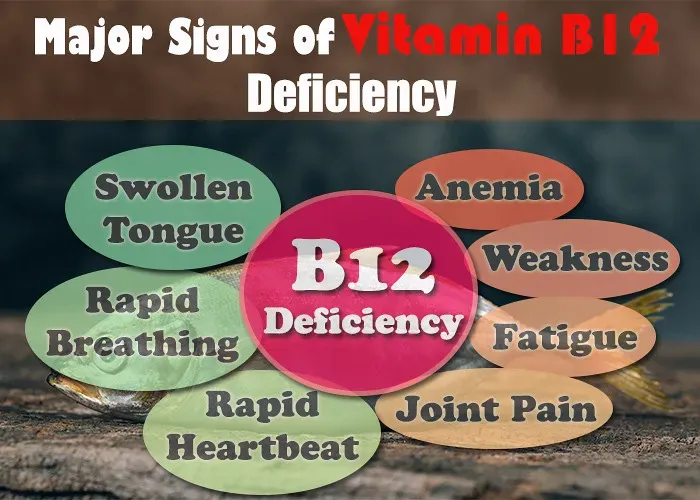
The whole “just eat meat and dairy” advice completely ignores a critical step in B12 absorption. The body absorbs vitamin B12 from food in a two-step process. First, hydrochloric acid in the stomach separates vitamin B12 from the protein that it’s attached to. Second, the freed vitamin B12 then combines with a protein made by the stomach, called intrinsic factor, and the body absorbs them together. Without sufficient stomach acid or intrinsic factor, you could be eating B12-rich foods all day long and still become deficient.
An estimated ten to thirty percent of adults over the age of fifty have difficulty absorbing vitamin B12 from food. That’s not a small number. People over fifty should get most of their vitamin B12 from fortified foods or dietary supplements because, in most cases, their bodies can absorb vitamin B12 from these sources. So much for that perfectly grilled steak being your nutritional savior.
The Egg Myth Nobody Wants to Discuss

Eggs are often touted as the ultimate protein powerhouse, loaded with nutrients including B12. Here’s what researchers actually found when they measured bioavailability. Vitamin B12 in eggs seems to be poorly absorbed, less than nine percent, relative to other animal food products. Let that sink in. Less than nine percent absorption means you’d need to consume massive amounts of eggs to get meaningful B12 levels.
Compare that to other animal sources. The bioavailability of vitamin B12 in healthy humans from fish meat, sheep meat, and chicken meat averaged forty-two percent, fifty-six to eighty-nine percent, and sixty-one to sixty-six percent, respectively. The difference is staggering. Those morning omelets might not be doing what you think they are.
The Spirulina Scandal and Plant-Based B12 Deception
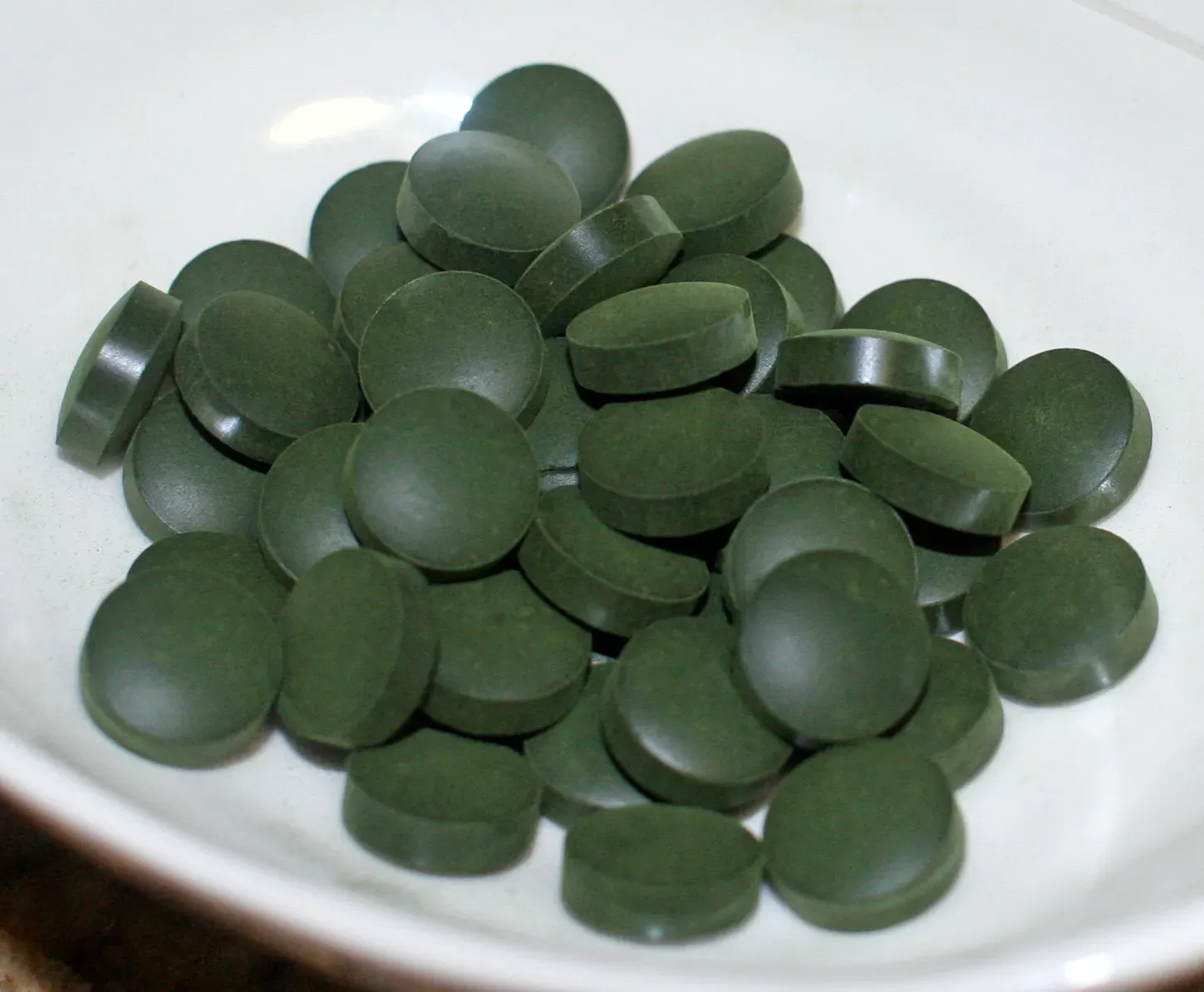
Walk into any health food store and you’ll see spirulina marketed as a miracle superfood, often with claims about its B12 content. The reality? Most of the edible blue-green algae used for human supplements predominantly contain pseudovitamin B12, which is inactive in humans. The edible cyanobacteria are not suitable for use as vitamin B12 sources, especially in vegans.
This pseudo-B12 doesn’t just fail to work. Pseudo-B12 is an analog of the actual cobalamin molecule so it will unfortunately inhibit B12 utilization in the body. It competes with the active B12 and binds itself to the receptor, yet the pseudo-B12 has no active component so the body cannot use it. You’re not just wasting money on ineffective supplements; you might actually be blocking real B12 from doing its job. Chlorella products contained mainly physiologically active cobalamin, while pseudo-vitamin B12 was the prevailing form in Spirulina-labeled nutritional supplements.
Common Medications Are Quietly Stealing Your B12
Roughly millions of people take proton pump inhibitors for acid reflux or heartburn. What most don’t realize is the connection between these medications and B12 deficiency. They can interfere with vitamin B12 absorption from food by slowing the release of gastric acid into the stomach and thereby lead to vitamin B12 deficiency. That little purple pill might be solving one problem while secretly creating another.
Metformin, an antihyperglycemic agent used as first-line treatment for prediabetes and diabetes, might reduce the absorption of vitamin B12 and significantly reduce serum vitamin B12 concentrations. If you’re diabetic and taking metformin, which millions are, your B12 status deserves immediate attention. It has been reported that, on average, six to thirty percent of patients receiving metformin are deficient in B12, and it has been found that B12 levels are inversely related to the duration and use of metformin.
The Fortified Food Advantage Most People Miss
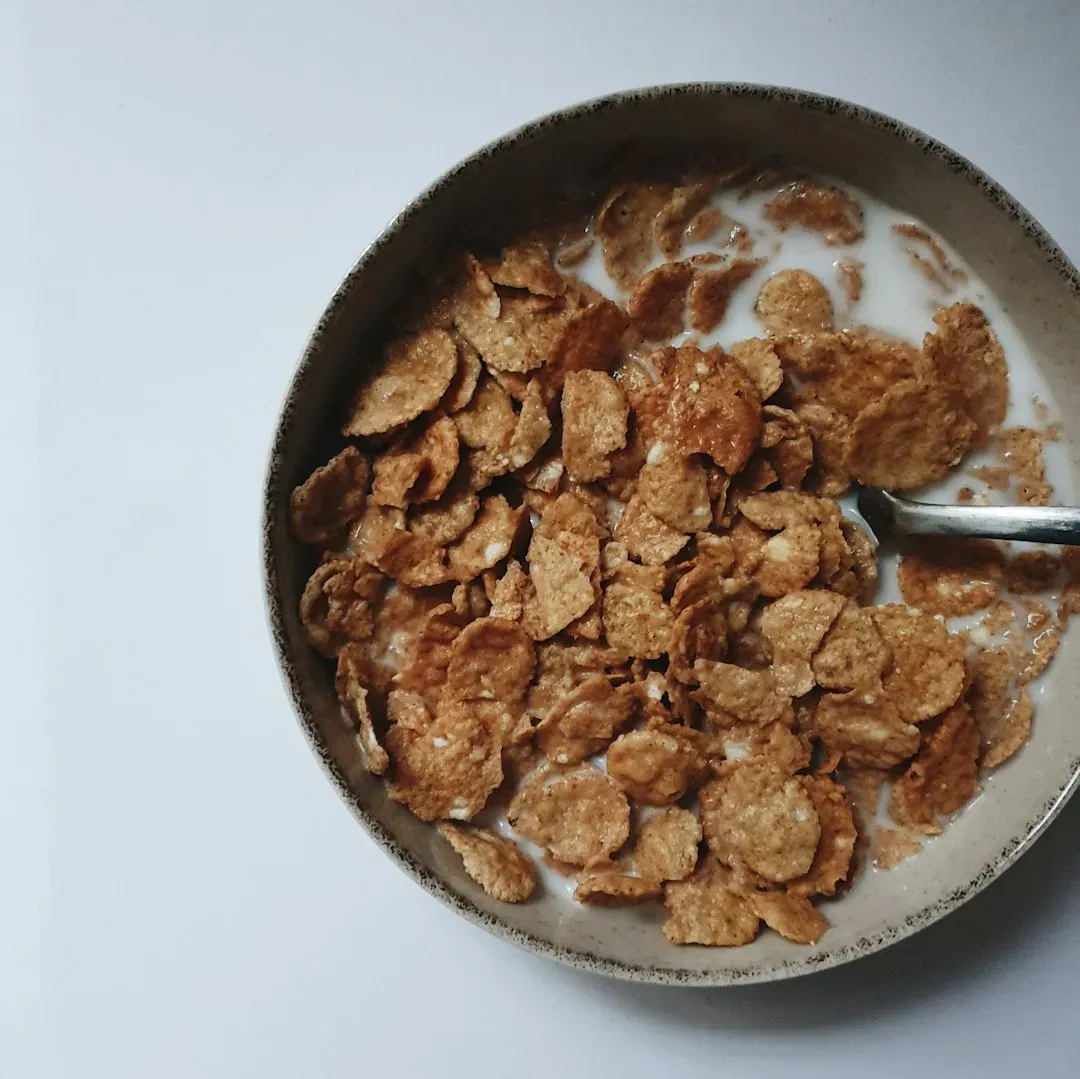
Here’s where things get interesting. B12 from fortified breakfast cereals and dairy products was associated with better B12 status than was B12 intake from red meat, poultry, and fish, leading the researchers to suspect that the B12 from meat might be damaged by cooking. The B12 in animal foods tends not to be cyanocobalamin, the form used in fortified foods, that is more stable during cooking.
Fortified breakfast cereals are a particularly valuable source of vitamin B12 for vegans and elderly people. The irony is thick here. Those processed cereals nutrition purists love to hate might actually deliver B12 more effectively than your grass-fed organic beef. Vitamin B12 in dietary supplements isn’t attached to protein and doesn’t require the first step of the absorption process, making it easier for your body to use.
At a low dose of 2.3 micrograms, the mean bioavailability was forty-six percent. At a higher dose of 18.3 micrograms, the mean bioavailability was seven point six percent. This demonstrates something crucial: more isn’t always better when it comes to B12 absorption. Your body has limits.
The Real Prevalence Nobody Talks About
Low or marginal vitamin B12 status without these symptoms is much more common, at up to forty percent in Western populations, especially in those with low intakes of vitamin B12-rich foods. Forty percent. That’s nearly half the population walking around with suboptimal B12 levels, completely unaware because classic deficiency symptoms haven’t appeared yet.
Approximately six percent of those aged sixty or older are vitamin B12 deficient, with the prevalence of deficiency increasing with age. Closer to twenty percent have marginal status in later life. The aging process itself makes B12 absorption progressively more difficult, regardless of diet quality. It is estimated that up to fifteen percent of the general population has a vitamin B12 deficiency.
So what does all this mean for you? The comfortable narrative about getting B12 from a balanced diet breaks down when you examine absorption rates, medication interactions, age-related changes, and the pseudo-B12 problem in popular supplements. Fortified foods and properly chosen supplements might actually be more reliable than the steak everyone assumes is the gold standard. Did you expect that?