Everything You Were Taught About Fast-Food Soda Is Wrong: Why Stations Are Disappearing
Think you know everything about grabbing a quick fountain Coke at your favorite burger spot? Let’s be real, the fast-food world you thought you knew is changing faster than you can say “refill.” That iconic self-serve soda station you’ve been using for the past two decades is vanishing, and the reasons behind it might surprise you.
The shift is already happening at locations across the country. What was once a staple of the fast-food experience is being quietly dismantled, replaced by something fundamentally different. It’s not just about convenience anymore.
The End of an Era: McDonald’s Leads the Charge
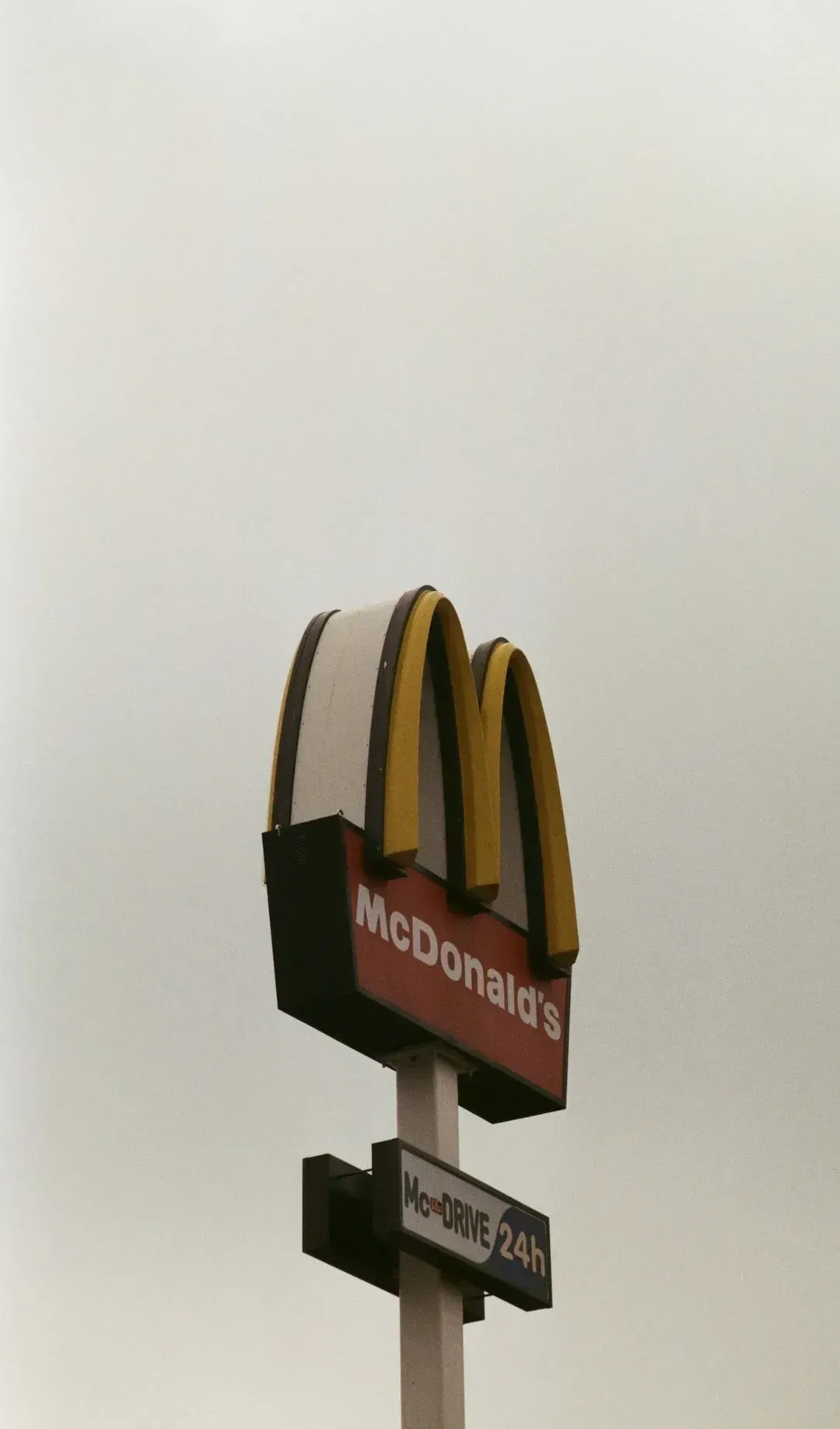
McDonald’s announced in 2023 that it plans to eliminate self-serve soda machines at its U.S. restaurants by 2032, marking a dramatic departure from what customers have come to expect. Decades after McDonald’s first introduced self-serve soda machines, the company is reversing course entirely. Some locations have already made the switch, with employees now pouring every drink behind the counter.
McDonald’s tends to be a leader in the industry, and when they make big changes, other restaurants follow suit. Here’s the thing: this isn’t just one chain making an isolated decision. Industry experts predict this will become the new standard across fast food. Some restaurants at mall food courts in Western New York and Pennsylvania have been putting their soda machines behind the counter, and it’s a move that will likely become more widespread.
Theft Is a Bigger Problem Than Anyone Wants to Admit
Franchise owners interviewed mentioned theft prevention, food safety and fewer dine-in customers as contributing factors for getting rid of the stations. I know it sounds crazy, but unauthorized soda consumption has become a genuine financial drain. Self-serve stations created opportunities for customers to take beverages without paying, with some people bringing their own containers, using cups from previous visits, or simply filling drinks without purchasing them.
The financial impact of beverage theft adds up significantly across thousands of locations, with restaurant owners struggling with customers who would purchase small drinks but fill large containers, or who would share purchased drinks among multiple people. Moving drinks behind the counter eliminates this problem entirely. It might seem like a minor issue, but when you multiply it across millions of daily transactions, the losses become staggering.
Digital Orders Changed Everything About Dining Rooms
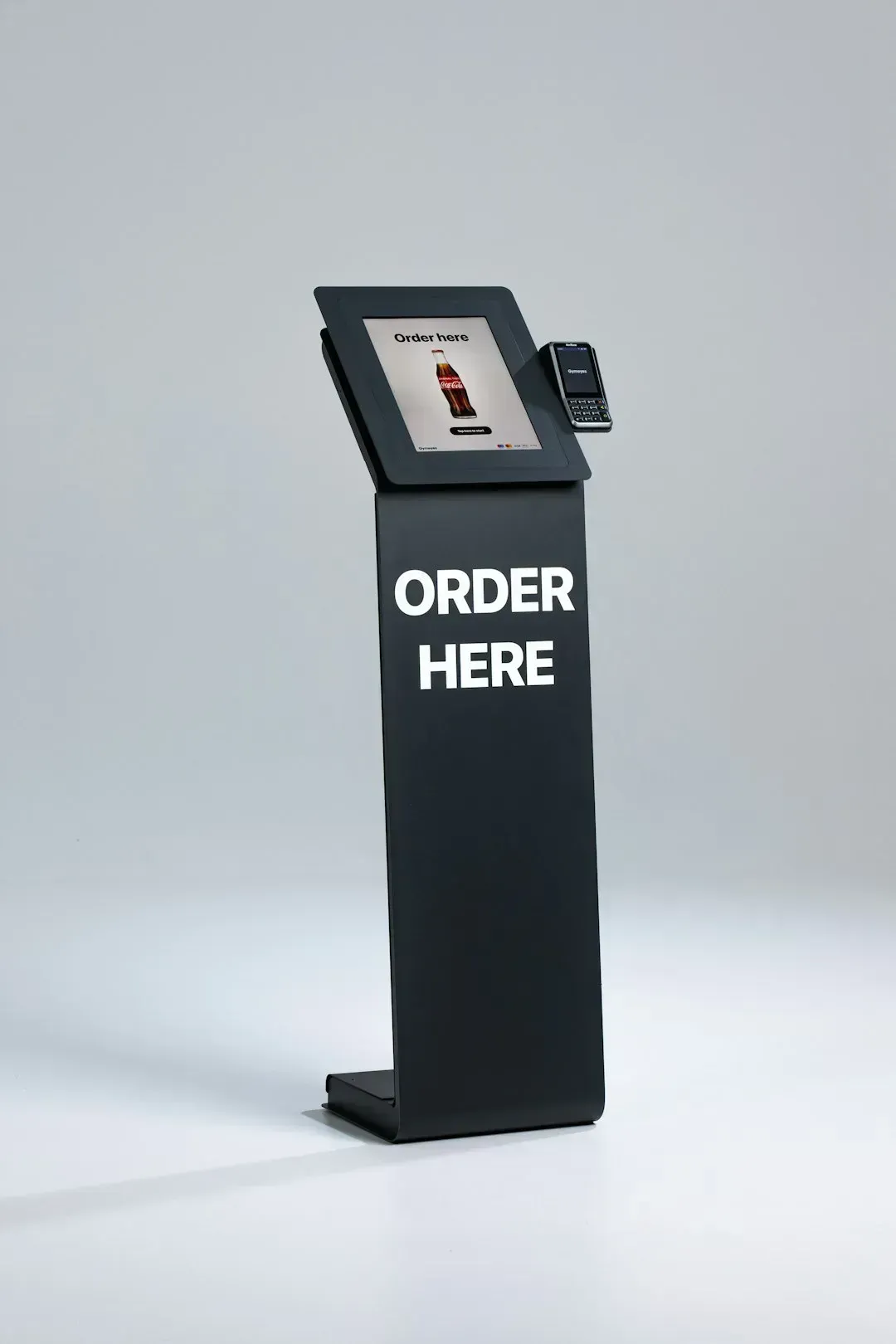
Nearly 40% of McDonald’s U.S. sales now come from digital orders, fundamentally reshaping how people interact with fast-food restaurants. Analysts have pointed to changes in consumer behavior since the 2020 pandemic, including an uptick in digital and online delivery sales among fast food restaurants. Delivery drivers and drive-thru customers never touched those dining room soda machines anyway.
The rise of drive-thru orders, delivery services, and mobile ordering has dramatically reduced the number of customers who actually sit down to eat inside McDonald’s locations, with many people grabbing their food and leaving. From a business perspective, maintaining bulky self-serve stations for a shrinking group of dine-in customers no longer makes sense, reflecting a broader industry move away from in-store perks and toward speed, automation, and efficiency. The numbers don’t lie about where customers actually are.
Hygiene Concerns Accelerated the Transition
The coronavirus 2020 pandemic prompted the shutdown of self-serve food and beverage stations across the country. McDonald’s points to health and cleanliness concerns, especially after the 2020 pandemic, as a reason to move away from shared, customer-touched drink stations. Think about it: dozens or even hundreds of people touching the same buttons, grabbing ice, pushing levers throughout the day.
Self-serve food and drink areas tend to be crowded spots where social distancing can prove difficult, so some health experts say that temporarily shutting these areas and machines down could be a beneficial preventative measure. What started as a 2020 pandemic precaution is now becoming permanent policy. The crew pour system uses automated beverage systems to mechanically fill drink orders, minimizing human contact and eliminating theft while emphasizing a new focus on creating a more relaxed dine-in experience.
What This Really Means for Your Wallet and Wait Time
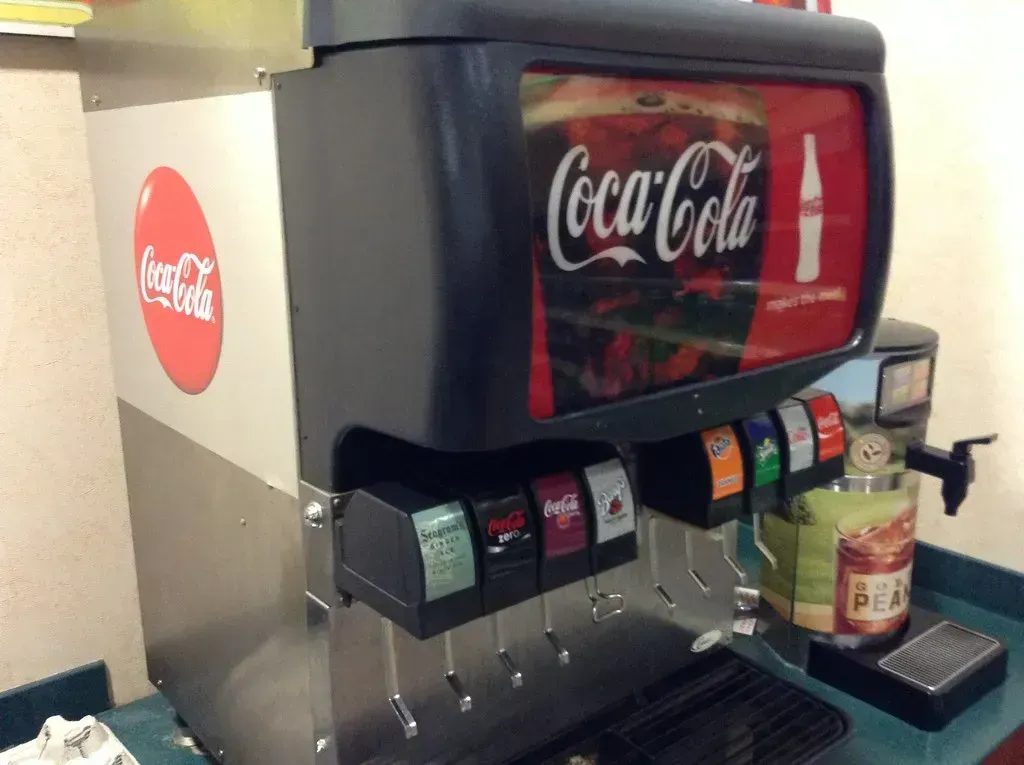
An Uber Eats delivery driver spotted a McDonald’s location in Pittsburgh that no longer offered self-serve machines and charged customers for refills, though individual McDonald’s restaurants can decide whether or not to charge for beverage refills. Franchise owners have confirmed that complimentary refills will continue under the new system, with customers simply needing to ask a crew member for another drink instead of walking to the fountain themselves, though this process might take longer than self-service.
Customers at locations without self-serve fountains report longer waits for refills, with what once took 30 seconds now requiring flagging down an employee, waiting behind other orders, and hoping staff aren’t overwhelmed. Honestly, for many people, the wait might discourage that second or third refill altogether. Asking for a refill could generate more trash, as many locations won’t refill your existing cup for sanitary reasons and instead hand you a new cup with a fresh drink. The environmental impact of this policy shift deserves more attention than it’s getting.
The fast-food soda fountain as we knew it is fading into history. What felt like an unchangeable part of American dining culture is actually just another business model adapting to new realities. Whether you see this as progress or loss probably depends on how often you’re still eating inside these restaurants. Did you expect the humble soda fountain to become a relic of the past?