6 Psychological Tactics Cult Leaders Use to Draw In Ordinary People
You might think it could never happen to you. Honestly, most people do. The truth is that nobody joins a cult believing they’re joining one. Cult leaders use proven techniques to recruit new members, employing persuasive methods and exploiting emotional vulnerabilities. People from all walks of life get pulled in, ranging from idealistic college students to professionals searching for something more meaningful. Research from Rousselet and colleagues in 2017 found that personal development and life dissatisfaction were among the most common reasons individuals joined cults. What makes these groups so dangerous is their systematic approach to psychological manipulation, which can ensnare just about anyone during the right vulnerable moment. Let’s dive into six tactics cult leaders rely on to transform everyday people into devoted followers.
Overwhelming Affection That Feels Too Good to Be True

Love bombing involves long-term members flooding recruits with flattery, verbal seduction, affectionate touching, and lots of attention to their every remark. Think about the last time someone made you feel truly special. Now multiply that feeling by ten. The term originated in the 1970s with the Unification Church, whose founder Sun Myung Moon coined it to describe how his followers welcomed new recruits. Throughout history, notorious cult leaders like Jim Jones, Charles Manson, and David Koresh weaponized love bombing to manipulate followers into following orders that included mass suicide and murder. What’s particularly insidious is how this tactic plays on our basic human need for connection and belonging, creating an emotional bond so intense that it clouds judgment almost immediately.
Cutting You Off From Reality and Alternative Viewpoints

Cults isolate members from friends and family, control access to information, and create dependency on the group, preventing members from questioning beliefs by limiting exposure to outside perspectives. It doesn’t happen overnight. Leaders convince followers they are superior to those outside the cult, fostering an us versus them mentality that ultimately leads to social isolation from friends and family. Isolation produces intense introspection, confusion, loss of perspective and a distorted sense of reality. Here’s the thing: when you’re cut off from everyone who might question what’s happening, your sense of normal gets completely warped. In completely closed communities, members have no way of testing what the leader says against other sources. Your family might notice the red flags, your old friends might raise concerns, but if the cult has successfully isolated you, those warnings never reach you.
Making You Question Everything You Once Believed
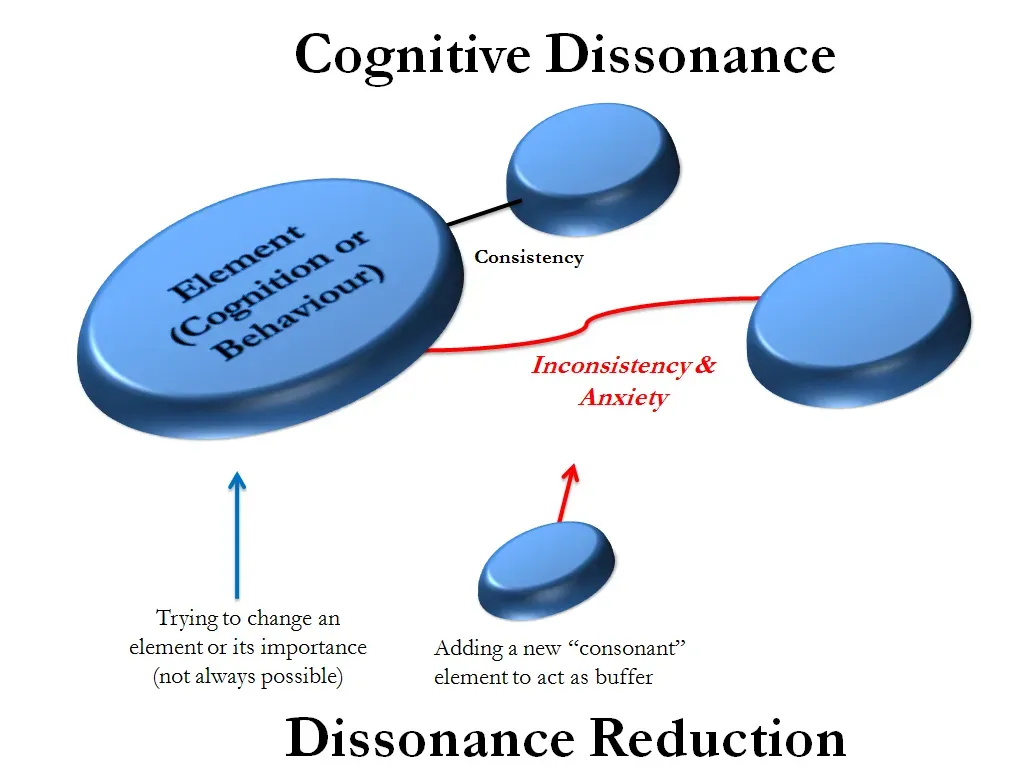
Cognitive dissonance manifests itself in the tendency to overvalue anything in which people have invested too much, whether money, time, or emotional energy. Cults become a source of cognitive dissonance as they introduce new beliefs to members, which perpetuates membership as individuals rely on and become more devoted to the group to reduce this dissonance. Let’s be real, it’s incredibly uncomfortable to admit you’ve been fooled. Keech’s adult followers had invested so much that their cognitive dissonance was so great, the majority not only believed her failed doomsday prediction, they became even more devoted to these beliefs, proselytizing her message like never before. Cognitive dissonance is systematically leveraged, requiring members to rationalize increasingly extreme behaviors and beliefs to maintain psychological equilibrium, with cults employing gradual escalation of commitment. The more you’ve sacrificed, the harder it becomes to walk away.
Installing Phobias About Life Outside the Group

Singer described six conditions of cultic control which included creating a sense of powerlessness, fear and dependency within a closed system of logic. Fear works. Simple as that. High-control groups use threat narratives including apocalyptic prophecies, threats of damnation, claims that only the group holds truth, and promises of shunning or eternal loss if one disobeys. Cult leaders convince victims that groups, their families, or the government are out to get them, but that the cult can provide safety, leading members to conclude their families and country cannot keep them safe. Almost all doomsday cults inspire fear at the smallest level through fear of ostracization, as cults deliberately ensure members believe there is nowhere else they can live. It’s hard to say for sure, but the manufactured terror becomes so real in members’ minds that leaving feels like certain doom.
Projecting Irresistible Charisma and Unquestionable Authority

Cult leaders typically present themselves as infallible, confident and grandiose, and their charisma draws people in. Charismatic leaders with psychopathic traits exhibit a charming and superficially engaging demeanor that conceals a profound disregard for the well-being of others, using their charisma to mask darker inclinations. Think of that person everyone seems magnetically drawn to at parties. Now imagine that magnetism paired with claims of divine knowledge or special powers. Experts say cult leaders have narcissistic and authoritarian streaks and are motivated by money, sex or power, perhaps all three. The leader makes all rules and has undue influence over all aspects of members’ lives including finances, relationships, and living situations, all without any sort of accountability. Members stop questioning because questioning the leader feels like questioning reality itself.
Controlling Information and Reshaping Your Thought Patterns

Thought reform involves systematically reshaping members’ beliefs, attitudes and identities to align with the group’s ideology through information control, thought-stopping techniques, repetition, and peer pressure that erodes critical thinking. Information control and censorship maintain the bubble of isolation, with cults restricting access to outside information and labeling it as dangerous or impure. Cults use loaded language carrying strong emotional weight designed to elicit specific responses, such as the outside world is evil or only we hold the truth. Cults use intense group activities and rituals including chanting, singing, and repetitive activities that create a trance-like state making members more susceptible to suggestion. Before you know it, you’re speaking in the group’s jargon, thinking in their frameworks, and your old independent thoughts seem distant and wrong.
Given the right circumstances, almost anyone is vulnerable to psychological and situational pressures, with scholars emphasizing that knowledge of how this process of control works and how leaders deploy brainwashing methods of isolation, engulfment and fear is the way to protect ourselves. Understanding these tactics isn’t just academic curiosity. It’s survival knowledge for the modern world. Research suggests hundreds of thousands of people have committed to thousands of cults operating around the world because they provide meaning, purpose and belonging. Cults prey on universal human needs, the desire to belong, to have purpose, to feel special. Nobody is immune when they’re at their most vulnerable. What do you think? Could you spot these tactics before it was too late?