The 7 Habits of People Who Keep a Clean House Without Cleaning All Day
Ever notice how some people’s homes always look spotless, yet they never seem to be drowning in endless cleaning marathons? It’s not magic, though it might feel that way when you’re staring at your own cluttered countertops. The truth is, folks with consistently clean homes aren’t necessarily cleaning more than you. They’re just doing things differently. Let’s be real, nobody wants to spend their precious weekends scrubbing baseboards when they could be doing literally anything else. The secret lies in small, strategic habits that prevent messes from spiraling out of control in the first place.
They Clean as They Go Throughout the Day
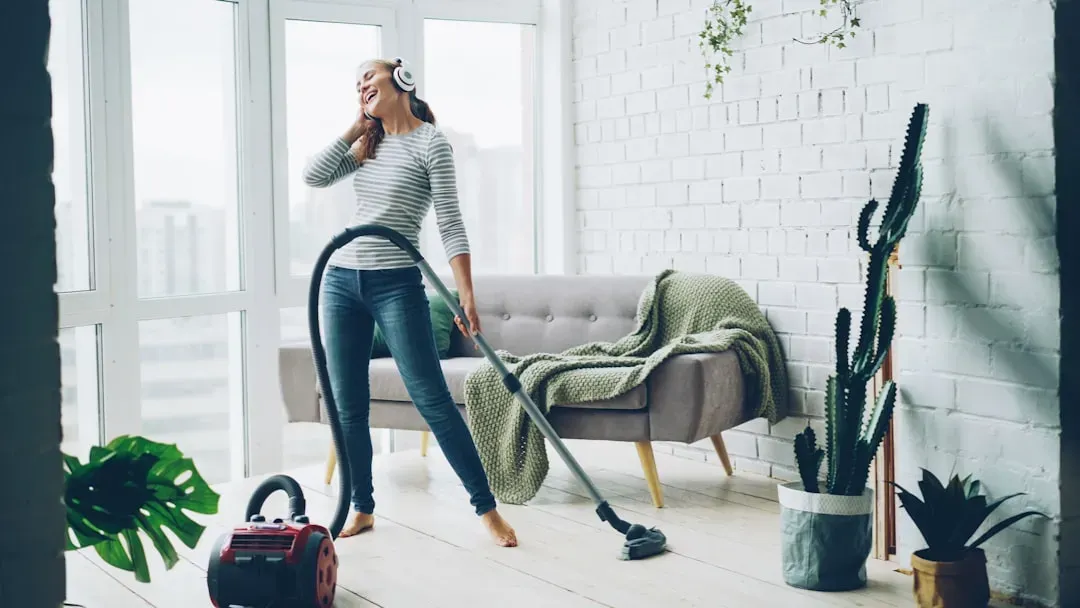
Here’s the thing: people with clean homes don’t set aside marathon cleaning sessions every Saturday. Instead, they tackle tiny tasks in the moment, which sounds simple but requires a real mindset shift. Think about wiping down the bathroom sink right after brushing your teeth or loading dishes into the dishwasher immediately after meals rather than letting them pile up in the sink.
Daily cleaning tasks keep things manageable, stopping dirt and mess from building up and creating a calmer and more inviting home. According to cleaning experts, this approach transforms cleaning from a never ending list of chores into simple maintenance. You’re essentially staying one step ahead of chaos, and honestly, that’s the entire game.
Making it a habit of loading the dishwasher and running it every night after dinner, and unloading it as your coffee brews the following morning is one practical example. When everyone in the household knows dirty dishes go straight into the dishwasher, the sink stays clear and mornings feel less overwhelming.
They Declutter Ruthlessly and Regularly
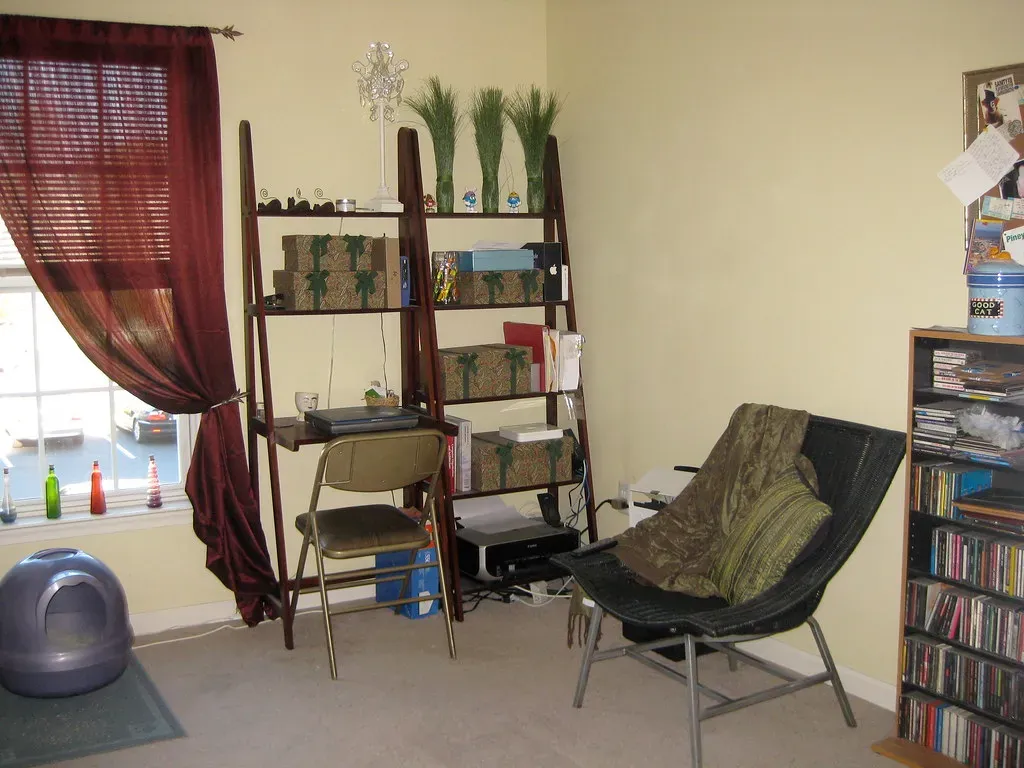
You can’t have a perpetually clean home if you’re drowning in stuff. People who maintain tidy spaces understand this fundamental truth, and they’re not sentimental about items that no longer serve them. Decluttering and simplifying the home and lifestyle was a popular New Year’s resolution in America in 2024, as people became more ruthless than ever about which items deserve a spot in their homes.
The approach is surprisingly straightforward. If something doesn’t bring value or joy, it goes. Period. This doesn’t mean living like a minimalist monk, but it does mean being honest about what you actually use versus what’s just taking up precious real estate in your drawers and closets. Dedicating a place for every item in your house can avoid mess as you habitually put them right back where they belong.
Regular decluttering sessions prevent the slow creep of clutter that makes cleaning feel impossible. Some people schedule monthly purges, others do it seasonally. The frequency matters less than the consistency.
They Stick to a Nightly Reset Routine

At the end of the night, doing a quick walk through of your house, stashing the kids’ dolls and trucks in the toy bins, tucking sneakers and boots in the shoe rack, and sticking those remotes on the coffee table where they belong, with anything that didn’t get put in its proper place going there now, creates small resets to have your space looking instantly tidy. This habit takes maybe ten minutes but makes a massive difference.
Waking up to a tidy home sets the entire tone for your day. Nobody wants to start their morning navigating last night’s mess or searching for car keys buried under yesterday’s mail. The nightly reset is like hitting a refresh button on your living space.
Before going to bed, looking through the house and cleaning the apparent mess means once you become habitual with daily cleaning, a weekly cleaning routine will be less daunting. It’s fascinating how this tiny habit compounds over time, making deeper cleaning sessions far less painful.
They Focus on High Impact Areas First
Not all cleaning tasks are created equal, and smart cleaners know this instinctively. Kitchens are the most frequently cleaned part of the home, with Americans reportedly cleaning their kitchens around 20 times per month, as high traffic and the need for hygiene in food preparation spaces drive frequent cleaning. The kitchen is the heart of most homes, so keeping it clean makes the entire house feel cleaner.
Bathrooms rank high on the priority list too. According to a survey, nearly half of participants said cleaning hard-to-reach places was a dreaded task, while 38 percent said filthy areas like bathrooms and vents topped their avoid list. Yet people with clean homes tackle these spaces regularly because they know neglecting them creates bigger headaches later.
The strategy is simple: identify the rooms and surfaces that make the biggest visual and functional impact, then prioritize those. A clean kitchen and bathroom will make your whole home feel more put together, even if the guest room closet is still a disaster zone.
They Embrace the Two Minute Rule

If a task takes less than two minutes, do it immediately. This deceptively simple rule prevents small tasks from accumulating into overwhelming to do lists. Hanging up your coat when you walk in, wiping toothpaste splatters off the mirror, putting away shoes instead of kicking them off randomly… these micro actions add up.
Even if it’s just a small stain or even a single candy wrapper, throwing it into the trash can and cleaning it immediately, and if you’re moving from one room to another, looking for any spills and wiping down surfaces you’ve used with a damp paper towel keeps messes from becoming permanent fixtures. It’s honestly liberating once it becomes automatic.
The beauty of this habit is that it eliminates decision fatigue. You don’t have to think about whether to deal with something now or later because the rule makes the decision for you. Things that take longer than two minutes? Those can wait for your designated cleaning times.
They Involve the Whole Household

Let’s be honest, maintaining a clean home shouldn’t fall on one person’s shoulders. A survey found that 70 percent of women reported handling the majority of household chores, while 20.8 percent of men said their partner or roommate does the majority, compared with just 8.8 percent of women. This imbalance is exactly what people with sustainably clean homes work to avoid.
Everyone who lives in the space should contribute to keeping it clean, period. That means age appropriate chores for kids and equal distribution of tasks between partners. When cleaning is truly shared, it doesn’t feel like a burden to any one person.
Creating systems that make it easy for everyone to participate helps tremendously. Labeled bins for toys, accessible hooks for coats, clearly assigned responsibilities. The goal is making tidiness the path of least resistance for everyone in the household.
They Schedule Short Focused Cleaning Sessions
Instead of vague intentions to “clean the house this weekend,” people who maintain clean homes schedule specific, time limited cleaning sessions. Encouraging twenty to twenty five minute sessions of cleaning one area at a time prevents things from becoming overwhelming if you feel every room must be cleaned by the end of the day, and instead dedicating a small amount of time to one space allows you to truly feel accomplished and intentional about how you are spending your energy.
The average respondent is more likely to keep a regular cleaning streak after doing so for four weeks in a row, which shows that consistency matters more than intensity. Short, regular sessions build momentum and make cleaning feel less like a dreaded obligation.
According to the Bureau of Labor Statistics’ American Time Use Survey, Americans spend an average of 22 minutes per day on household activities. Breaking that time into smaller chunks throughout the month rather than one exhausting marathon makes it far more manageable and sustainable. When you know you only need to focus for twenty five minutes at a time, suddenly cleaning doesn’t seem so terrible after all.
The reality is that people with consistently clean homes aren’t superhuman or obsessed with perfection. They’ve simply developed habits that prevent messes from taking over in the first place. These practices aren’t about achieving magazine worthy perfection but about creating a comfortable, functional living space without sacrificing all your free time to cleaning. Start with just one or two of these habits and build from there. You might be surprised how quickly your home transforms when you work smarter instead of harder. What small habit could you start implementing today?