Why Americans Are Skipping These 13 Famous National Parks in 2025
Not every national park gets the love it deserves. While millions flock to places like Yellowstone and the Grand Canyon, a surprising number of stunning protected lands remain almost completely empty. It’s a strange paradox happening right now across America’s public lands.
1. Gates of the Arctic National Park, Alaska
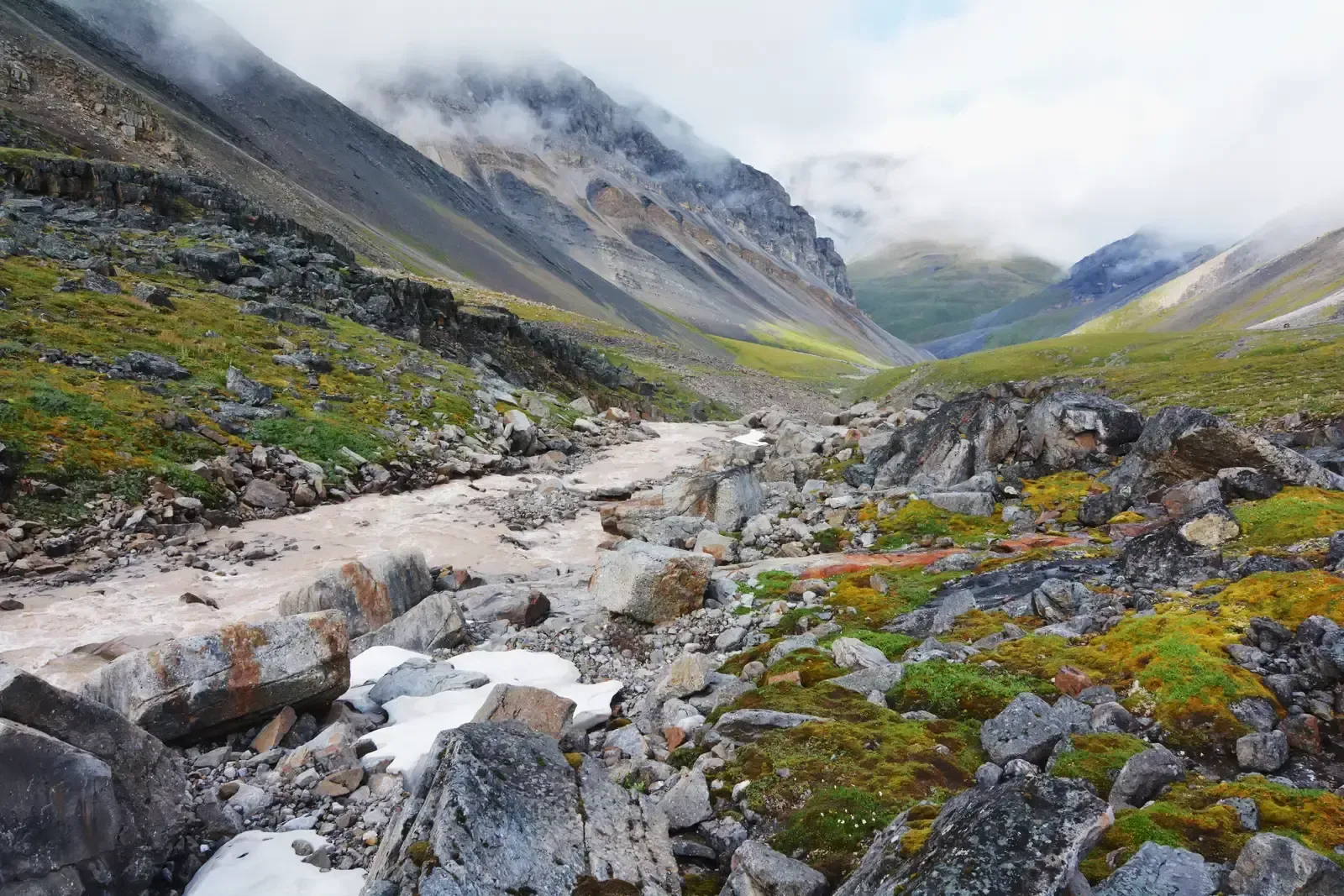
Gates of the Arctic National Park in Alaska is the least visited national park within the 50 U.S. states, with only 11,045 visitors in 2024. Let’s be honest, getting there requires serious commitment. With no roads, no trails, and no visitor center, Gates of the Arctic is the most remote of all U.S. parks, located entirely above the Arctic Circle, it had around 10,000 annual visitors in recent years. The journey demands multiple flights, hiring experienced guides, and budgeting thousands of dollars just for access. Located entirely north of the Arctic Circle, this vast wilderness area has no roads or trails, offering true backcountry adventure for those willing to charter a bush plane to reach its boundaries, and visitors are rewarded with pristine mountain scenery, the aurora borealis, and a landscape virtually untouched by human development.
2. National Park of American Samoa
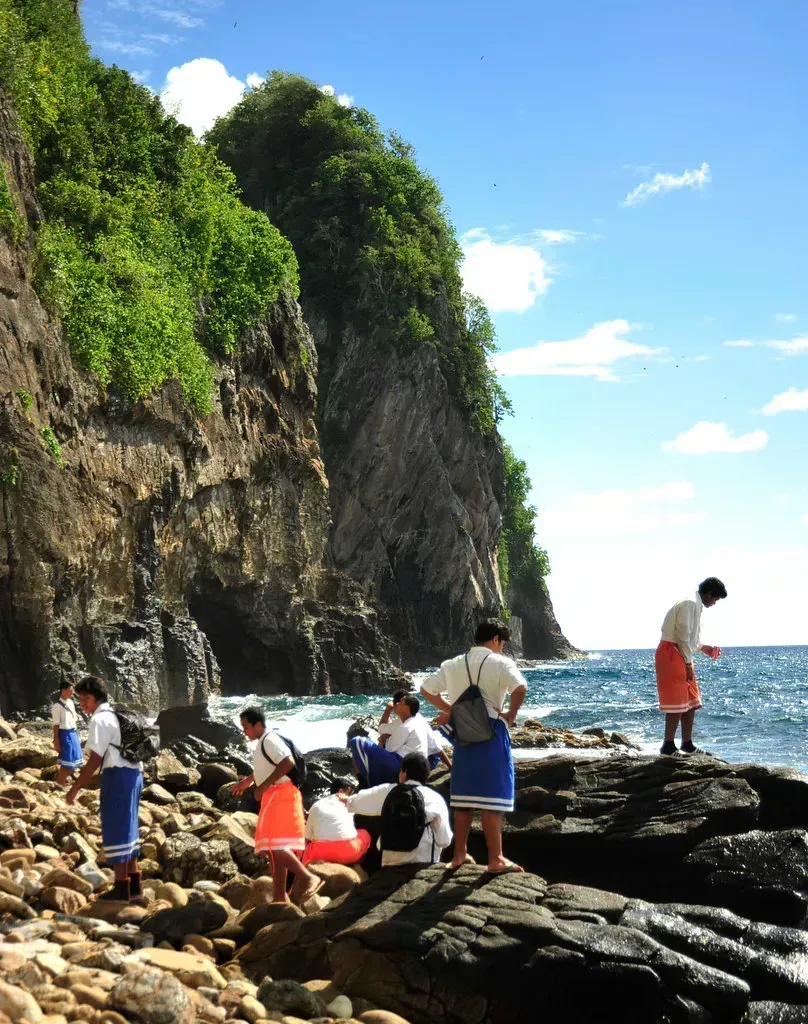
Located in the South Pacific, this is the only national park south of the equator, and its isolation leads to very low visitor numbers, but those who make it are rewarded with rainforests, coral reefs, and Samoan culture. The geographical reality is brutal. It takes 14 hours to get here from California or 5.5 hours from Hawaii, and you have to really want to see the National Park of American Samoa to make that journey. Most Americans simply can’t justify the time or expense for a park that requires crossing an ocean. The park’s recent visitor numbers have been affected by ongoing pandemic-related travel restrictions that lingered longer in this territory than elsewhere.
3. Lake Clark National Park and Preserve, Alaska
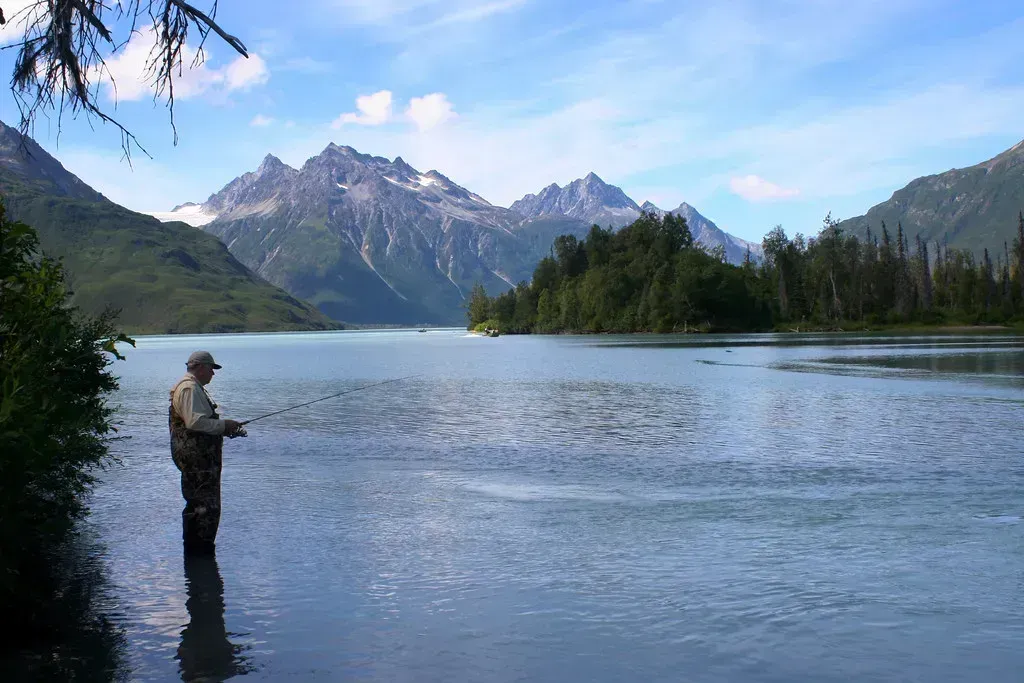
With 18,406 visitors in 2024, Lake Clark preserves a stunning landscape where the Alaska Range meets the Aleutian Range, and the park offers remarkable diversity, from smoking volcanoes and glacier-carved valleys to wild rivers and the namesake turquoise lake, with wildlife viewing opportunities including brown bears, wolves, and one of the world’s largest sockeye salmon runs. The challenge? With no roads into or within the park, visitors must travel by small plane or boat taxi, and even the visitor center is inaccessible by car and can only be reached by watercraft. For the average family planning a road trip, this level of logistical complexity becomes an immediate dealbreaker.
4. Kobuk Valley National Park, Alaska
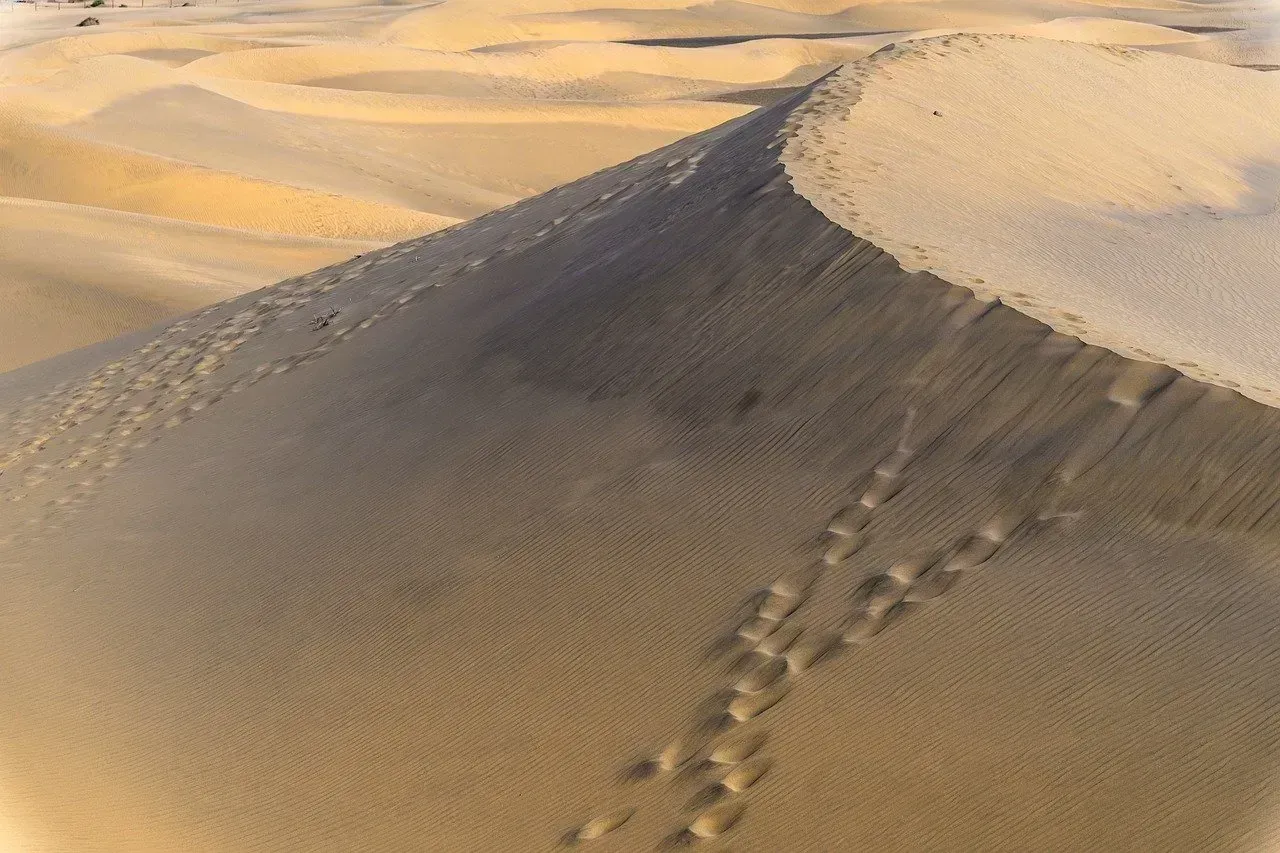
Alaska dominates this list for a reason, honestly. Home to the iconic Great Kobuk Sand Dunes, this Arctic park received just 19,340 visitors in 2024, and the massive 25-square-mile sand dune system is the largest in Arctic North America and contrasts dramatically with the surrounding boreal forest and tundra, where visitors might witness the migration of the Western Arctic Caribou Herd, which can number over 200,000 animals. The park sits entirely within the Arctic Circle and can only be reached by bush plane, snowmobile, or river float. Most Americans simply don’t have the wilderness skills or resources for such an expedition.
5. North Cascades National Park, Washington
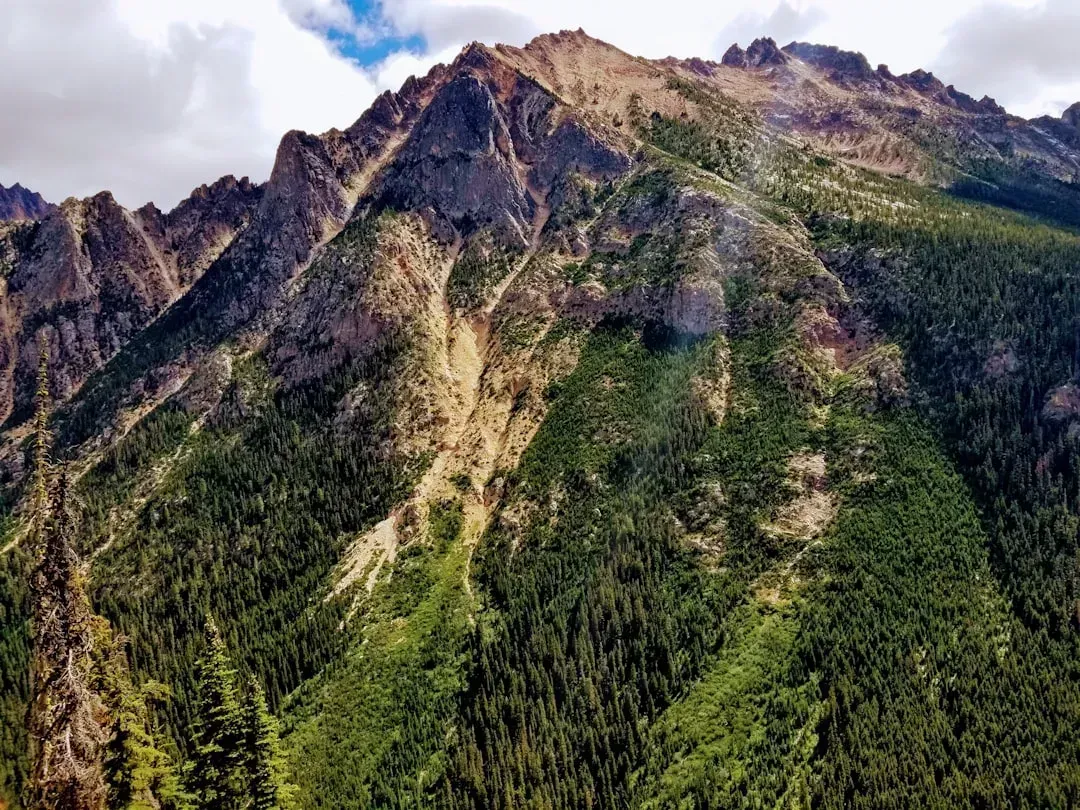
Here’s where things get truly perplexing. Despite being just hours from Seattle, North Cascades saw just over 40,000 visitors in 2023, and is often regarded as one of the most beautiful national parks – think glacier-covered peaks and over 300 pristine alpine lakes. Despite being just a three-hour drive from Seattle, North Cascades National Park welcomed only 30,627 visitors in 2024, and is often called the “American Alps,” featuring over 300 glaciers, jagged mountain peaks, and vibrant alpine meadows. The park lacks the iconic viewpoints and well-developed infrastructure that other parks offer, making it less appealing to casual tourists seeking Instagram-worthy moments without much effort.
6. Isle Royale National Park, Michigan
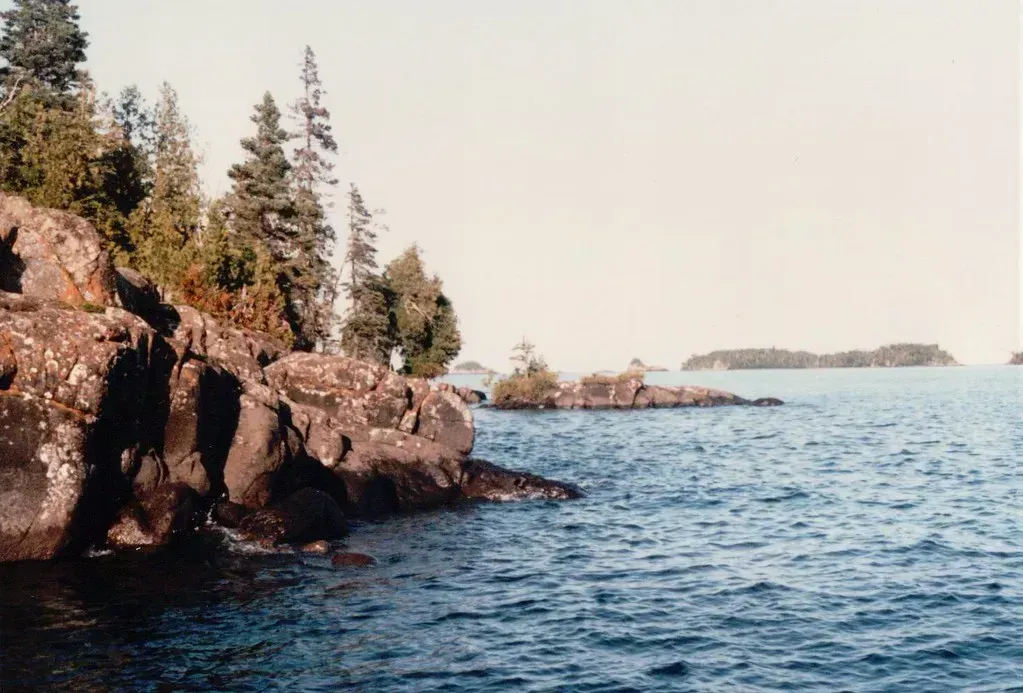
Located in the middle of Lake Superior, this island park is only open part of the year and must be reached by boat or seaplane, and Isle Royale National Park typically has under 30,000 annual visitors, even though it offers incredible hiking, canoeing, and even shipwreck diving. The seasonal access window is narrow, and the remote island location in cold Lake Superior waters limits the appeal. Getting to Isle Royale is no simple task, as the park is only accessible by boat or seaplane, and it is only open to visitors from mid-April through October, with travel strictly on foot or by water once inside, as there are no roads and minimal infrastructure. Most Michigan residents don’t even realize they have a national park in their own state.
7. Dry Tortugas National Park, Florida
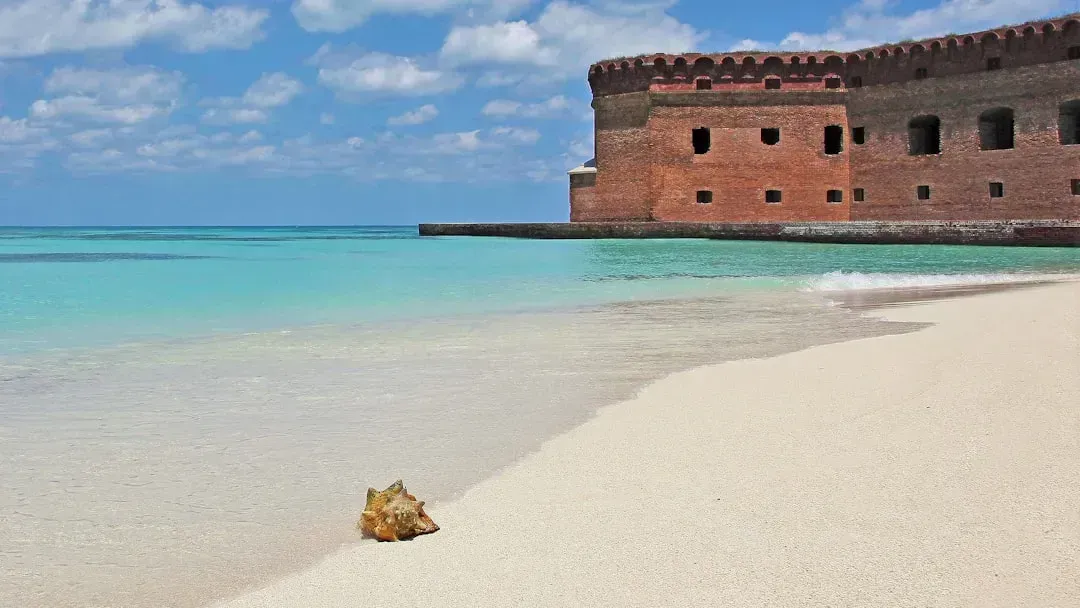
Roughly 70 miles from Key West, Dry Tortugas is only accessible by boat or seaplane, and its remote location explains the low visitation – less than 85,000 visitors in 2023. The park sits so far offshore that it feels more Caribbean than Floridian. While the turquoise waters and historic Fort Jefferson are spectacular, the cost and time required to reach this tiny cluster of islands keeps crowds away. Ferry tickets alone run over one hundred dollars per person, and the journey takes several hours each way, limiting day-trip appeal for budget-conscious families.
8. Katmai National Park and Preserve, Alaska
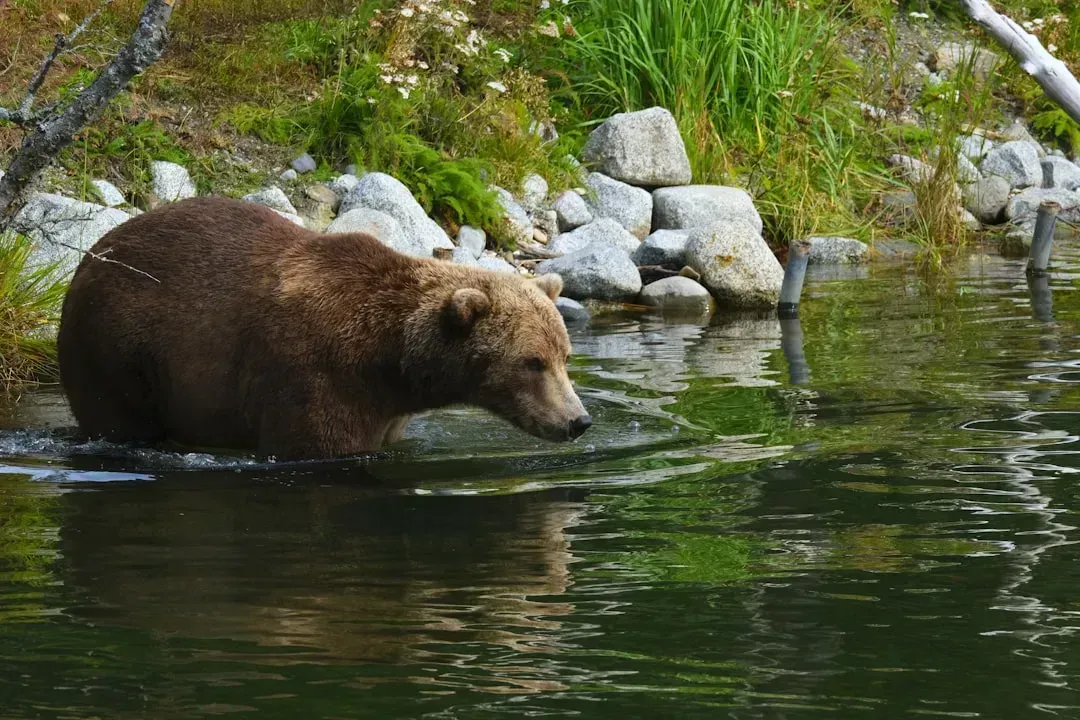
Katmai National Park is one of the best places in the world to see brown bears, and the southern Alaska park is difficult to reach, but thousands make the effort because more than 2,000 bears live in the park. Yet thousands is still a tiny fraction compared to other parks. The Park Service allows a vendor to run the price up of accommodations, which is so far out of reach of average Americans, and this does not include the unbelievable costs of getting to and from these locations. Accommodations at Brooks Lodge can cost several thousand dollars for just a few nights, pricing out the majority of American families who might otherwise make the trek.
9. Wrangell-St. Elias National Park and Preserve, Alaska
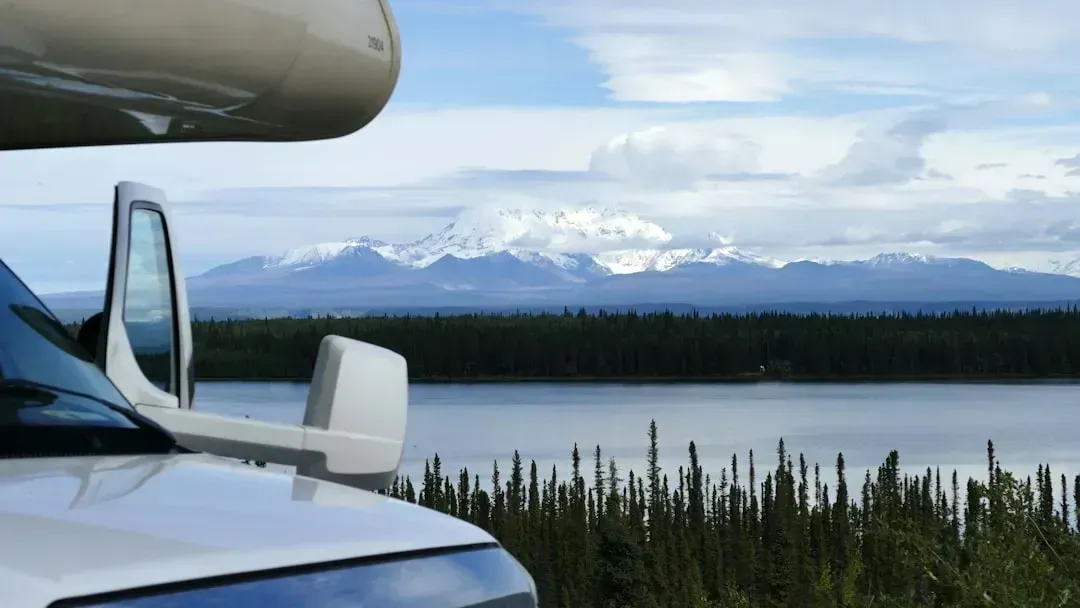
If Wrangell were a state, it would be larger than Connecticut, Delaware, and Rhode Island, and the drive is a bit of a trek – 5 hours from Anchorage – to get to McCarthy, Alaska where visitors can access the historic Kennecot Mine and Root Glacier. Despite being America’s largest national park, Wrangell-St. Elias remains relatively unknown. The sheer size works against it, ironically. With such vast wilderness and limited road access, visitors don’t know where to start or what to prioritize. The park lacks the concentrated iconic features that draw millions to smaller, more focused destinations.
10. Great Basin National Park, Nevada
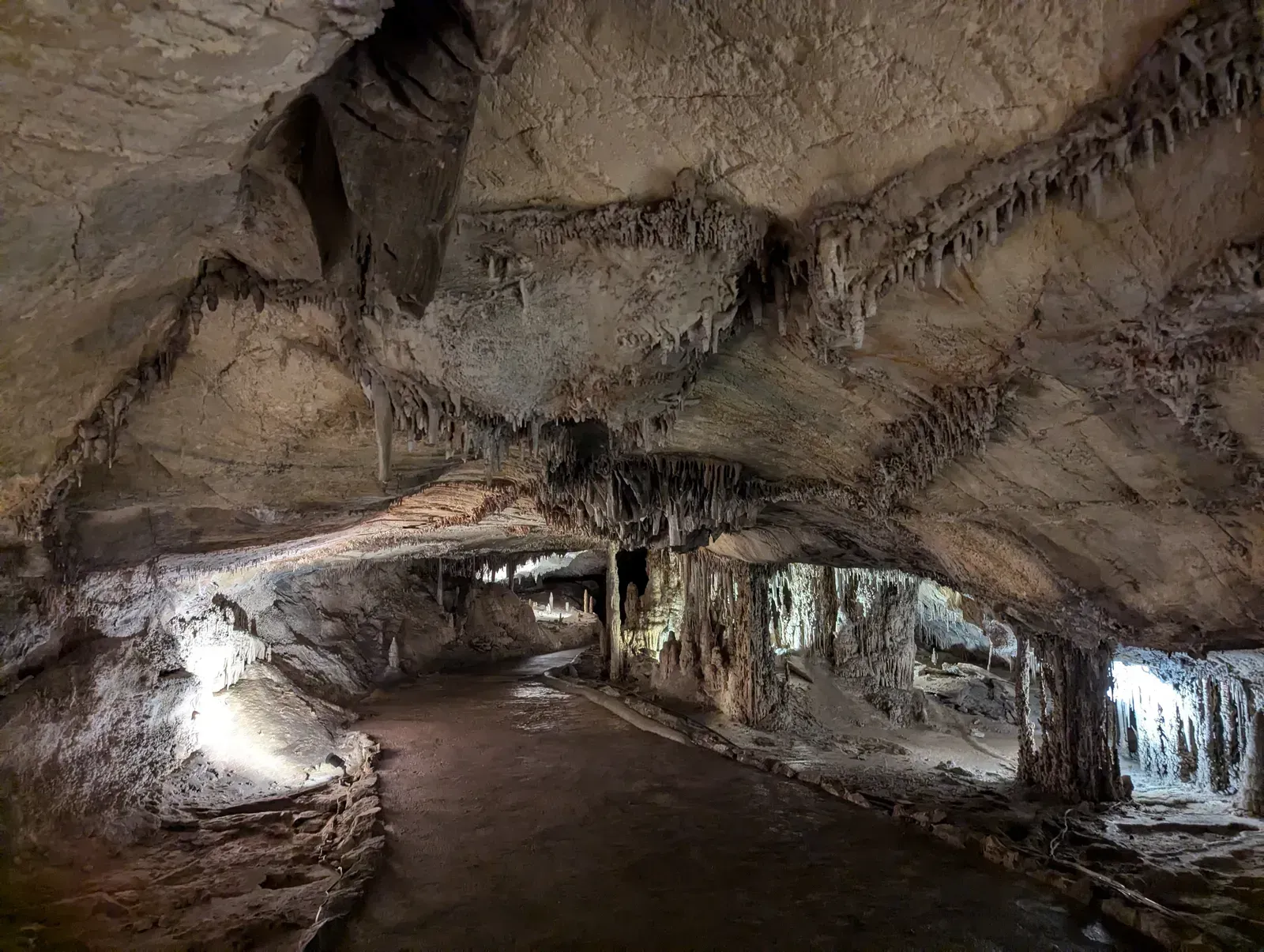
Great Basin National Park recorded just over 140,000 visits in 2023, making it a peaceful alternative to busier parks, and the park offers ancient bristlecone pines, starry skies, and the towering Wheeler Peak, with its low visitation making it a peaceful alternative to more visited national parks. Located five hours north of Las Vegas in the middle of the Nevada desert, Great Basin suffers from its position far from major population centers. Nobody expects there to be an amazing national park tucked into the Nevada desert, but Great Basin is one of the most underrated parks in America, where in the span of a day, you can explore beautiful Lehman Caves, hike to the top of the 13,000-foot Wheeler Peak, and see a bristlecone pine. Most tourists passing through Nevada head straight to the bright lights of Las Vegas or Reno without realizing this hidden gem exists nearby.
11. Congaree National Park, South Carolina
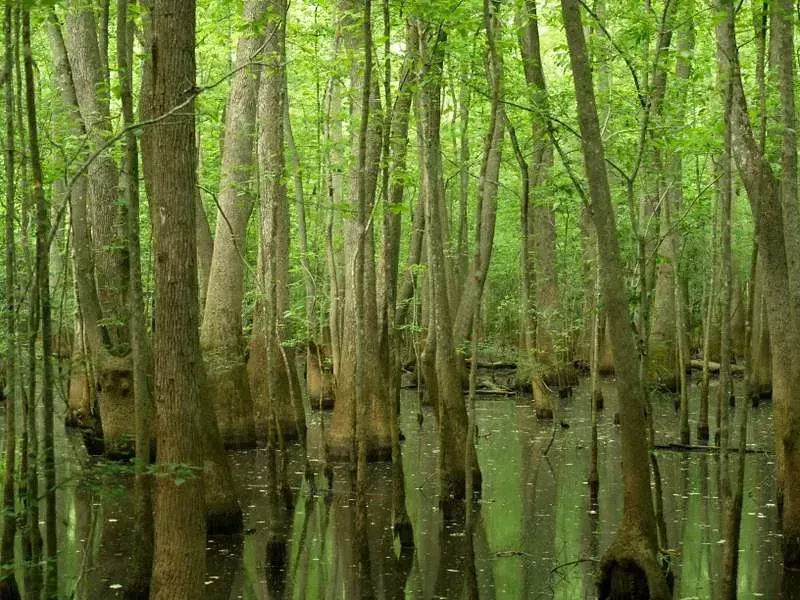
This swampy wonderland in the southeastern United States features towering trees and biodiverse wetlands, and with around 250,000 visitors each year, Congaree offers quiet boardwalk hikes and canoe trails. The park protects the largest intact expanse of old-growth bottomland hardwood forest in the United States, yet remains largely unknown even to South Carolina residents. Mosquitoes, heat, and humidity during summer months deter many potential visitors. The park lacks dramatic vistas or recognizable landmarks, making it harder to market compared to the Grand Canyon or Yosemite Valley.
12. Guadalupe Mountains National Park, Texas
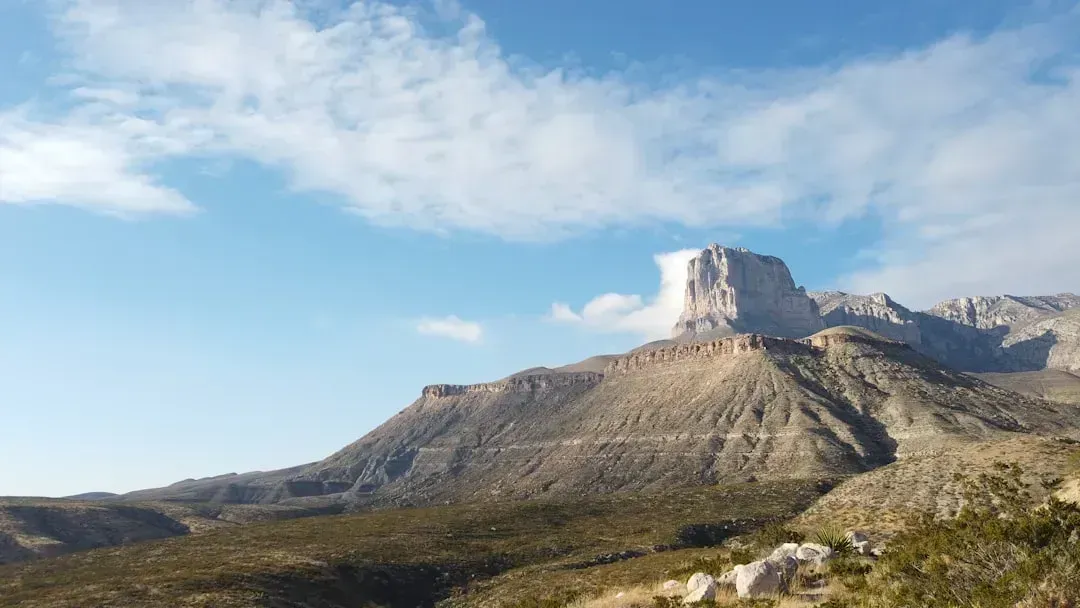
Located near the extensive Permian fossil reef, Guadalupe Mountains saw about 225,000 visitors in 2023 – far fewer than popular parks like Big Bend, which saw over 500,000 in the same year, and it features dramatic cliffs and some of the highest peaks in Texas. The park’s remote location in far west Texas, hours from any major city, limits accessibility. Big Bend is the most well-known national park in Texas, while the much smaller Guadalupe Mountains NP tends to get overlooked, and there aren’t many places in Texas to see alpine forest, so this place is unique in that regard, and it’s only a 30 minute drive from Carlsbad Caverns NP in New Mexico. Many Texans don’t even know it exists, overshadowed by the more famous Big Bend.
13. Voyageurs National Park, Minnesota
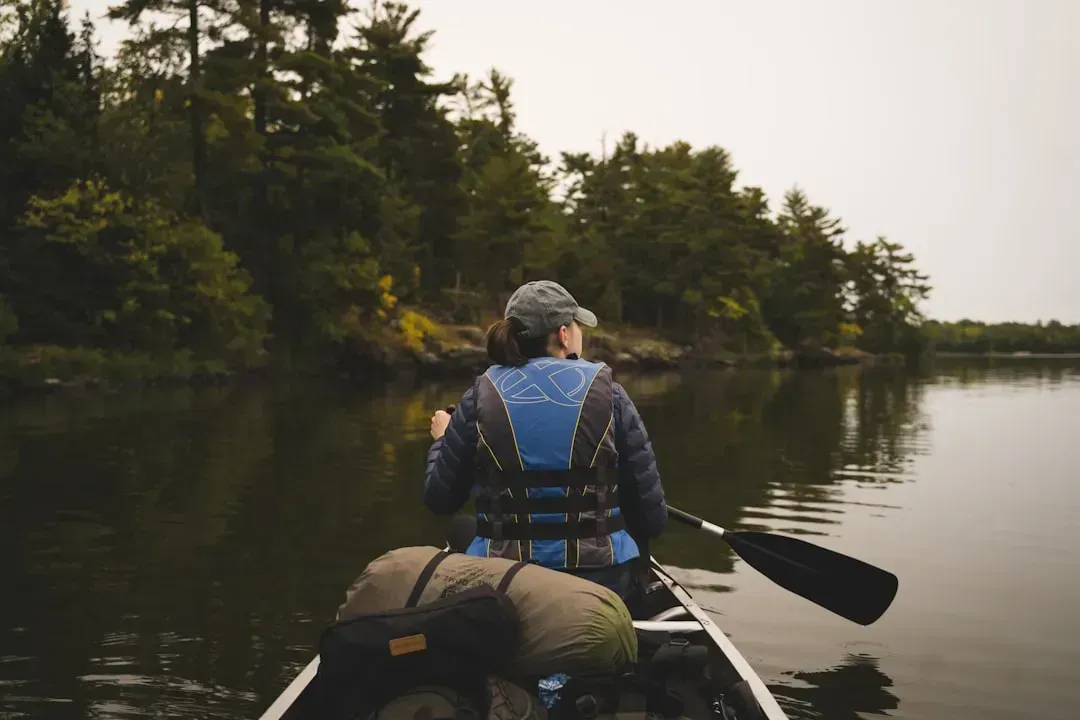
Voyageurs welcomed 220,825 annual visitors, and those into boating and bald eagle-watching should consider visiting this national park in northern Minnesota along the Canadian border, where there’s some hiking and camping, but much of the park is not accessible by car. The water-based nature of the park creates a barrier for traditional hikers and road-trippers. More than a dozen bald eagles can be spotted, and a whopping 1300 eagle pairs live in the park. Most visitors expect to drive into a park, walk to viewpoints, and snap photos. Voyageurs demands boats, canoes, or kayaks, limiting its appeal to those without watercraft or paddling experience.
The irony running through all of this is clear. In 2024, the National Park Service notched a record-high 332.5 million recreation visits at more than 400 sites across the country, a number that beats the previous record of 330.9 million recreation visits in 2016. Yet even as overall visitation surges to historic levels, these thirteen magnificent parks remain quiet, almost forgotten. Visitation to national parks this summer already is shaping up for another record year, as Yellowstone National Park reported this May as its busiest on record with 566,363 recreational visits, an 8% increase from a year ago and nearly a 20% increase from May 2021, and Glacier National Park also experienced its busiest May on record, up 12%.
Perhaps that’s exactly as it should be. These parks offer something increasingly rare in our crowded world: genuine solitude, untouched wilderness, and the chance to experience nature without waiting in line. They require effort, planning, and sometimes significant expense. That natural filter ensures only the most dedicated visitors arrive. What do you think – should these parks remain hidden gems, or do they deserve more attention?