Property Line Nightmares: 6 Common Fences and Sheds That Can Trigger Costly Neighbor Lawsuits
Let’s be real. You never think something as simple as putting up a backyard fence or assembling a storage shed will land you in court. These structures seem harmless enough until your neighbor shows up with a survey map and a lawyer’s business card. Turns out, the invisible lines that separate your property from theirs can become the flashpoints for expensive legal battles that drain both your wallet and your sanity.
Over 6 million Britons were involved in boundary disputes in 2022, and recent research reveals that 11 million UK homeowners have been involved in property boundary disputes. Here in the States, the situation looks just as grim. Property line fence disputes are among the most emotionally charged and expensive neighbor conflicts in California, and unlike simple payment disagreements, these disputes can cloud property titles, affect home sales, and cost tens of thousands in legal fees if handled wrong.
So let’s dive in to what can go wrong.
The Fence That Crosses the Line by Just a Few Inches
You’d think a couple of inches wouldn’t matter much. Think again. One of the most common issues is the placement of the fence, and neighbors may disagree about where the property line is, leading to accusations of encroachment. Even small encroachments can create massive headaches. In one Texas case, a contractor quoted $14,720 to remove debris and $6,720 to build a new fence, equating to a total cost of $21,440 just to fix a fence that crossed onto a neighbor’s land. What started as a minor boundary mistake turned into a legal nightmare.
Here’s the thing most people miss. Encroaching fences can create adverse possession claims if left unaddressed, property owners may lose land through boundary by acquiescence if they don’t object, encroachments can complicate property sales and title insurance, and some encroachments violate setback requirements and building codes. That little two-inch mistake? It could mean you lose part of your yard permanently if you don’t challenge it in time.
The Spite Fence Built to Block Your View

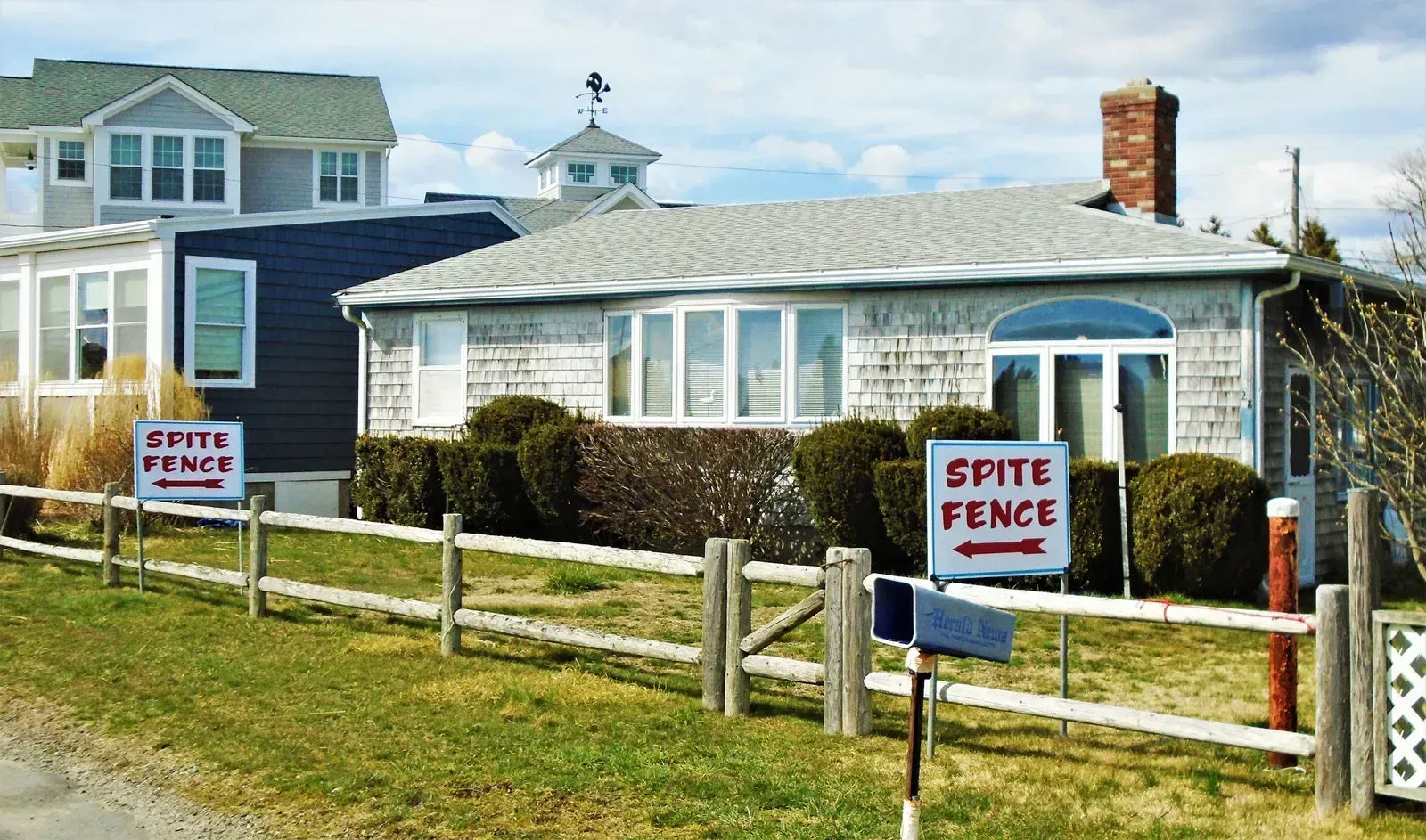
Spite fences are exactly what they sound like: structures erected purely to annoy your neighbor. California Civil Code defines a spite fence as any fence or other structure in the nature of a fence unnecessarily exceeding 10 feet in height maliciously erected or maintained for the purpose of annoying the owner or occupant of adjoining property, and it’s considered a private nuisance. Honestly, these things can get wild. I’ve read about neighbors planting rows of trees just to block someone’s mountain view out of pure pettiness.
The California Court of Appeals ruled that trees planted parallel to a property line, to purposely block a neighbors’ view, constitutes a spite fence and a private nuisance, and is illegal under California Civil Code Section 841.4. The court doesn’t mess around with these cases. If you can prove your neighbor built something tall and ugly just to harass you, you’ve got legal grounds to force them to take it down. Still, proving malicious intent is tricky and often requires documentation of the ongoing feud.
The Storage Shed Sitting on the Wrong Property
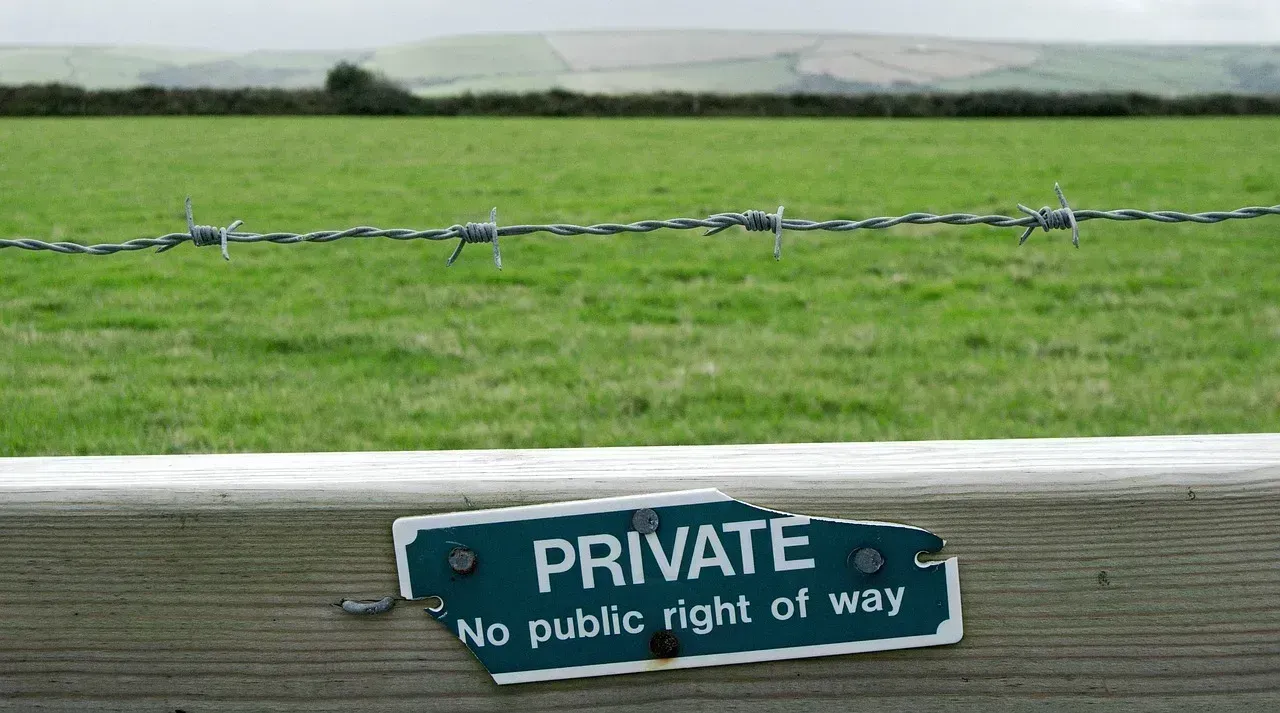
Picture this: you buy a house, and the previous owner left a nice shed in the backyard. Years later, you discover it’s actually sitting three feet onto your neighbor’s land. Structures like garages, sheds, decks, building additions, or even parts of a main house that extend onto neighboring land are classic encroachment nightmares. In one case, both parties agreed to split the cost of a boundary survey conducted by a licensed surveyor, and the results confirmed the garage encroached on the homeowner’s property by five feet.
The financial hit can be staggering. Land surveys typically cost $500 to $2,500, but can range from $475 to $25,000, depending on the size of your property, the type of survey, and the availability of property records. That’s just to confirm the problem exists. Then comes the actual cost of moving or demolishing the shed, potential legal fees, and the emotional stress of dealing with an angry neighbor who might claim they’ve been using that land for years.
Fences Built Without Proper Surveys

Skipping the survey to save a few hundred bucks upfront? That’s a gamble that rarely pays off. Property line claims should always be backed by a professionally staked boundary survey, and paper location drawings showing pin placement and distances do not hold the same authority as physical stakes. I know it sounds crazy, but without those professional stakes in the ground, you’re building on hope and guesswork.
A property survey for fence placement is recommended to avoid disputes, as it ensures your fence is within your boundary lines and complies with property line rules. The cost of getting it right the first time is minimal compared to the alternative. A 2024 UK boundary dispute involved legal costs over £300,000 for disputed land measuring approximately two to five meters in depth, highlighting just how disproportionate legal expenses can become when boundaries are unclear.
The Shared Boundary Fence Nobody Wants to Maintain
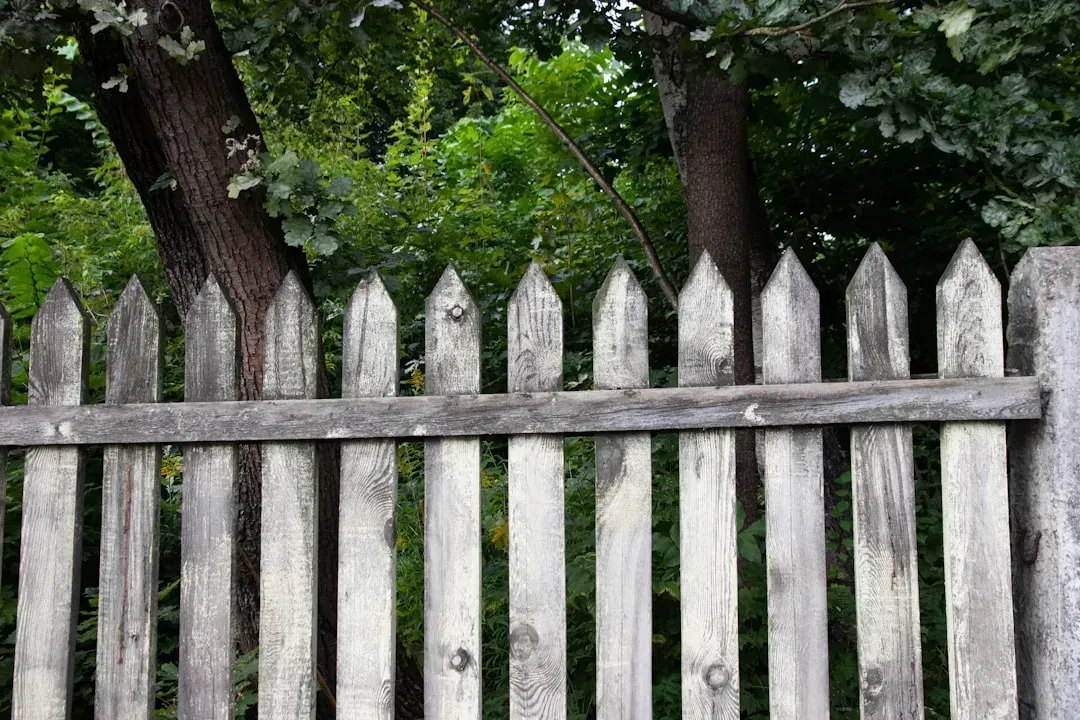
Shared fences create unique problems because both neighbors technically own and must maintain them. If one neighbor builds a fence, the other may be reluctant to share the costs, even though California law generally mandates equal financial responsibility. These cost-sharing battles can escalate quickly when one side refuses to chip in for repairs or replacement.
Under the Good Neighbor Fence Law California, adjoining property owners are presumed to equally share the cost of constructing and maintaining a boundary fence, and California law requires a 30-day written notice before building or repairing a good neighbor fence. The law tries to create fairness, yet disputes still erupt over design choices, materials, and who owes what. Some neighbors get petty about the nice side of the fence facing their yard versus yours, turning what should be a simple repair into a drawn-out argument.
A De Pere property owners’ association and homeowner were locked in a five-year saga over a fence, and the neighbors ended up on the hook for a federal lawsuit settlement that ensued. It’s not often a simple backyard fence can lead to so much trouble, but for one family and their neighbors, it’s turned into a five-year struggle that ended in federal court. In this case, court records show 56 homeowners have paid $1,350 since late October, with one paying $2,700 because they own two plots. That’s how quickly shared fence disputes can multiply costs across entire neighborhoods.
Adverse Possession Claims From Long-Standing Encroachments
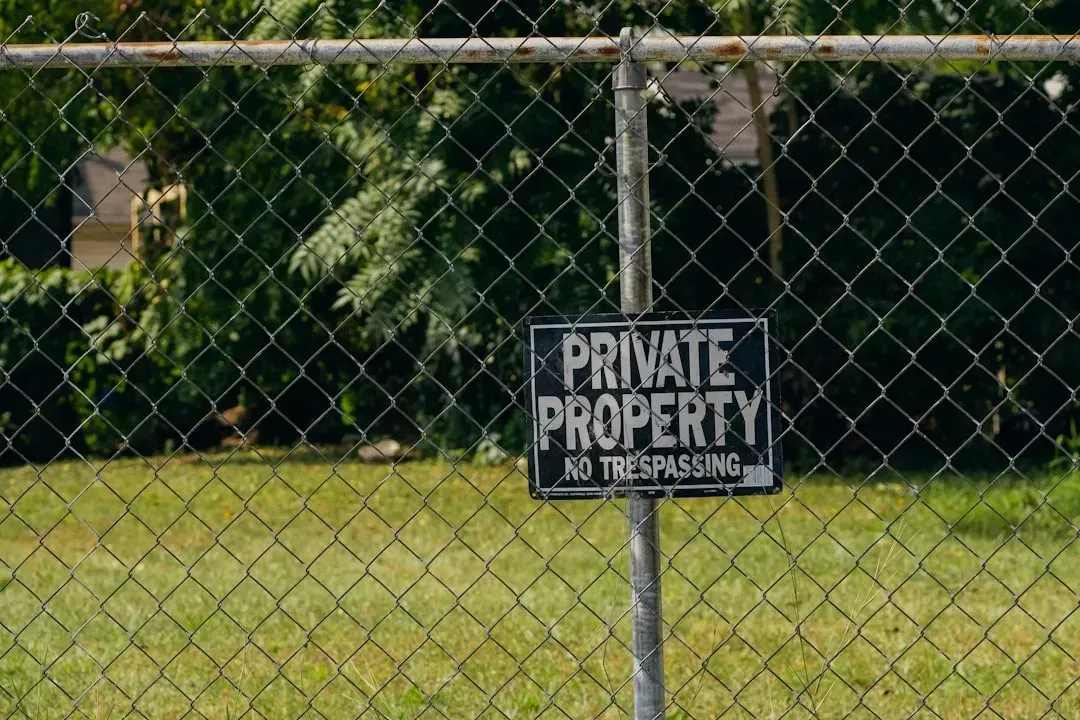
Here’s where things get genuinely unsettling. If you ignore an encroaching fence or shed long enough, your neighbor might actually claim legal ownership of that strip of your land. Over time, a neighbor may claim ownership of land where a fence has stood if they’ve used it exclusively and openly for a statutory period, typically 10 years in Missouri. Different states have different timeframes, yet the principle remains the same: use someone’s land long enough without objection, and it could become yours.
Michigan law allows for adverse possession under certain conditions, and if someone occupies and uses part of another person’s land openly, continuously, and without permission for 15 years or more, they may be able to claim legal ownership of that land. It’s hard to say for sure how many property owners have lost land this way, yet the legal doctrine exists precisely because these situations happen more often than you’d expect.
The scary part? You might not even realize it’s happening until you try to sell your house or refinance. Common triggers for these disputes include a new neighbor moving in and getting a property survey, refinancing or sale requiring updated title work, neighbor planning construction and discovering boundary issues, or HOA or city inspector raising questions during permit processes. By then, the damage is done, and reversing an adverse possession claim requires expensive litigation with no guaranteed outcome.