5 Home Features That Were Once Trendy But Today’s Buyers No Longer Want, Realtor Surveys Reveal
Have you ever wondered why the dream home features of a decade ago suddenly feel like design mistakes? The real estate market has always been a reflection of how we live. What seemed cutting edge just a few years back can start feeling outdated surprisingly fast. Honestly, I think it’s fascinating how quickly our priorities shift when it comes to what makes a house feel like home.
Recent research from John Burns Research and Consulting and Pro Builder magazine shows that nearly 80% of designers working on new home communities report certain features have become significantly less important over the past year. Meanwhile, Realtor.com’s 2025 Home Trends Report reveals that efficiency, sustainability and nature-inspired design are on the rise, while more opulent or space-heavy features are losing ground. So which once-beloved features are homebuyers actively avoiding now? Let’s dig into what the latest surveys tell us.
Formal Dining Rooms With Built-Ins
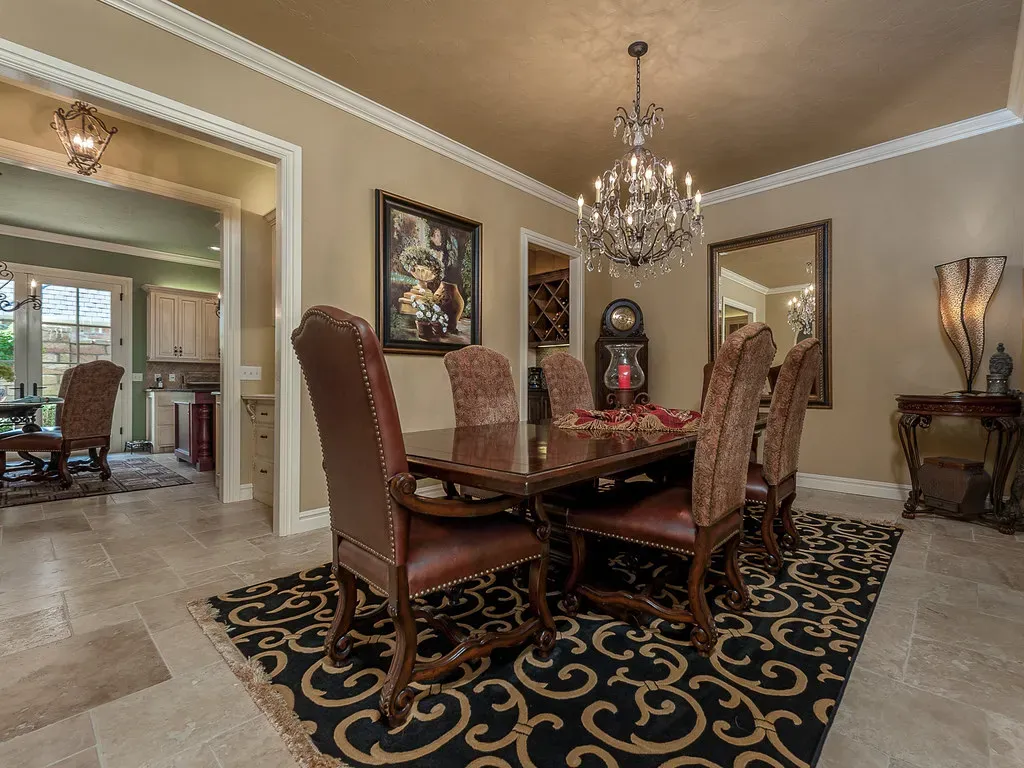
Nearly 80% of designers working on new home communities report that dining rooms have become significantly less important, with one designer noting that “formal dining rooms have almost been eliminated from our design vocabulary”. It’s not hard to understand why. Most families simply don’t use these spaces the way previous generations did. Research from the University of California at Los Angeles used cameras to record how 32 dual-income families actually lived in their homes, and the results showed that the kitchen and family room areas were used the most, with very little use of formal areas.
Formal dining rooms with built-ins saw a notable decline of 25.3% in listing mentions according to Realtor.com’s analysis. The report suggests ornate design details like built-in storage are no longer being featured in homes, as homeowners want to make every space as multipurpose as possible with freestanding furniture providing freedom that permanent fixtures cannot. The traditional dining room is rapidly losing its relevance as homeowners seek more functional, versatile spaces, with the idea of dedicating a whole room to something used only a few times a year feeling wasteful, especially with rising housing costs.
Wall-to-Wall Carpet in Main Living Areas
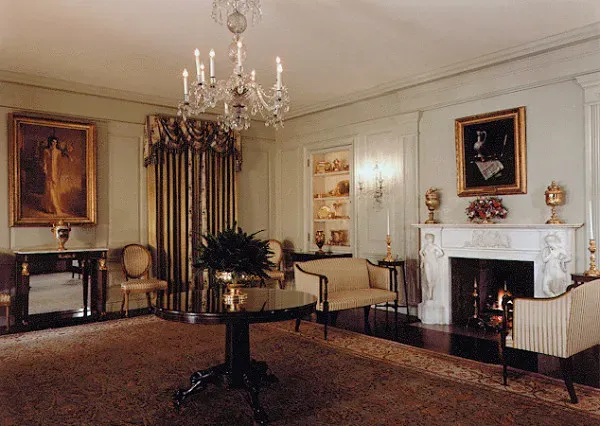
While carpet itself isn’t completely disappearing from homes, its role has dramatically changed. Linoleum floors were once a popular choice for homeowners, but they are now widely considered outdated, with a staggering 88% of buyers expressing no interest. Similarly, outdated carpet in the wrong spaces turns buyers away. Here’s the thing: carpet technology has actually improved massively, but buyers still associate wall-to-wall carpeting with dated homes.
Carpet is a popular option for secondary spaces, answering consumers’ need for a sense of comfort and warmth into the home while staying within budget. Despite the rise in hard surface floors, there’s still a place for carpet, especially in bedrooms where it offers unparalleled softness and warmth underfoot. The shift isn’t about eliminating carpet entirely – it’s about strategic placement. Living rooms, kitchens, and main hallways with carpet? That’s a hard pass for most buyers in 2025.
Completely Open Floor Plans
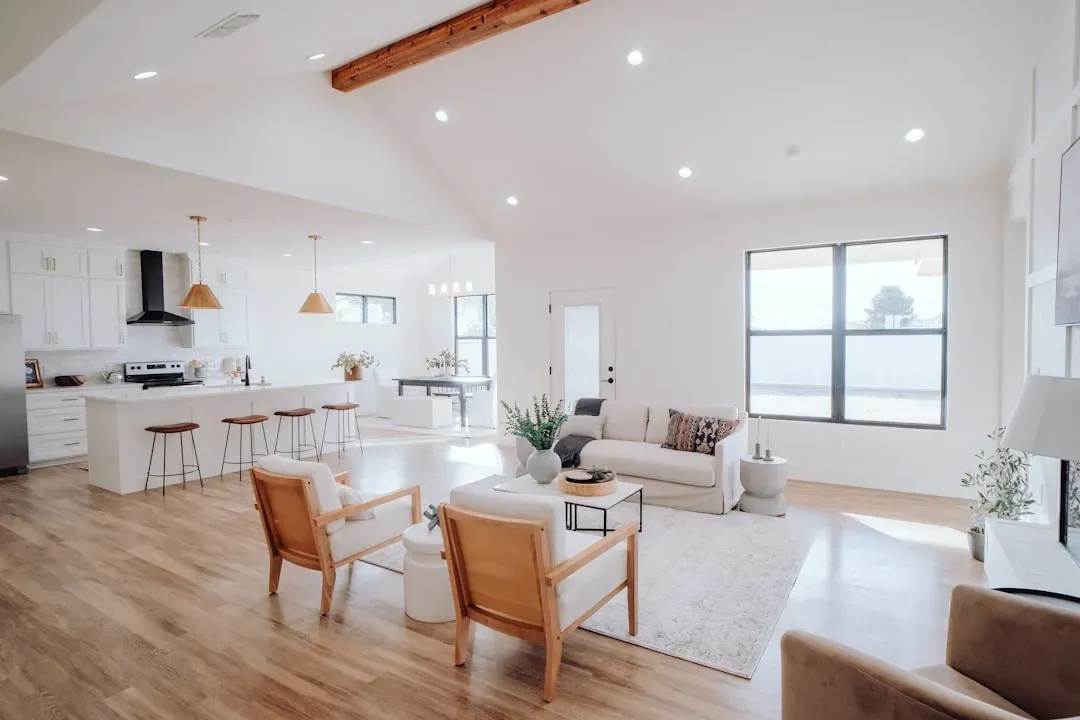
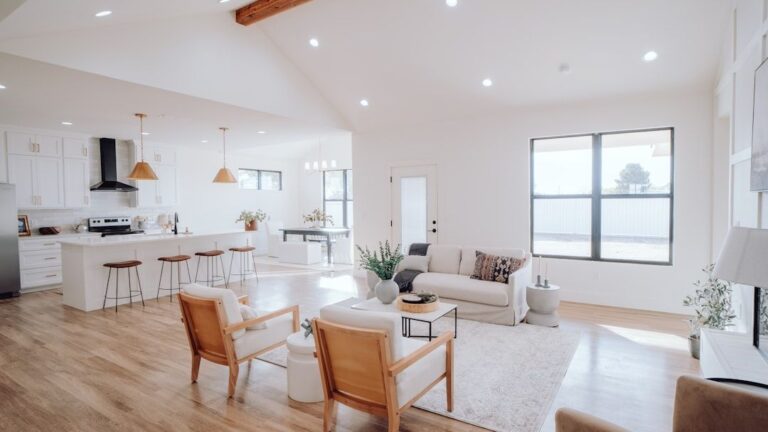
This one might surprise you. Open floor plans dominated new construction for decades, praised for their spaciousness and modern vibe. Yet homeowners and designers are seeking a balance between openness and defined zones, with growing acknowledgment of drawbacks including noise pollution, lack of privacy, and difficulty maintaining distinct functional areas. The pandemic changed everything. The pandemic reshaped how we use our homes, leading to a renewed interest in defined living areas, with more people working and studying from home creating increased need for distinct, quiet spaces.
Open floor plans are being replaced by cozy, private spaces that suit a post-pandemic lifestyle, with gray tones losing favor as warmer shades like cream and beige take over. I know it sounds crazy, but people are actually craving walls again. The lack of walls means less privacy and sound insulation, which can be challenging in busy households or for those working from home, while heating or cooling large open areas is less efficient and noise travels more easily.
Gray Everything – Floors, Walls, and Fixtures
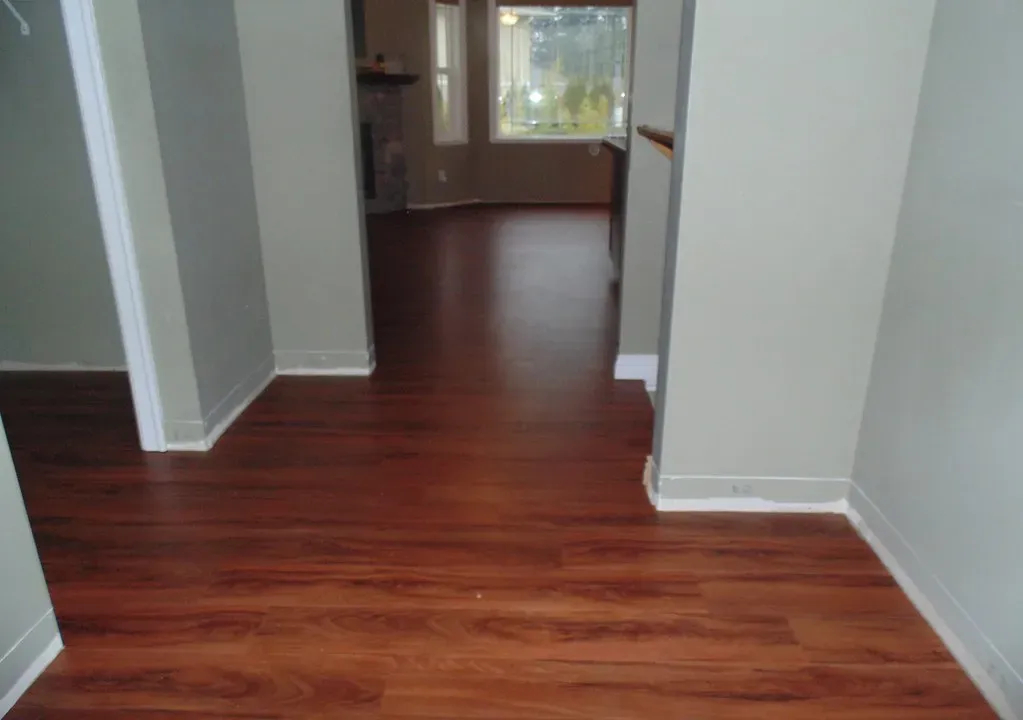
Gray dominated interior design for what felt like forever. Gray wood floors, gray walls, gray cabinets – everything was gray. The tide has turned dramatically. Gray walls are definitely a trend that’s over, making spaces look drab. Flooring with cool tones are way outdated now, and instead we will continue to see more wide plank wood floors in warm tones.
The crisp white and gray color palette that have been all the hype in recent years has fallen, and color is coming back strong. One of the top flooring trends is a return to warm, earthy tones including various shades of brown, tan, beige, greige, taupe, and terracotta, which draw inspiration from natural elements and never go out of style. Let’s be real – the gray trend made homes feel cold and sterile. Buyers want warmth and character, not spaces that resemble hospital corridors.
Jacuzzi Tubs and Tile Countertops
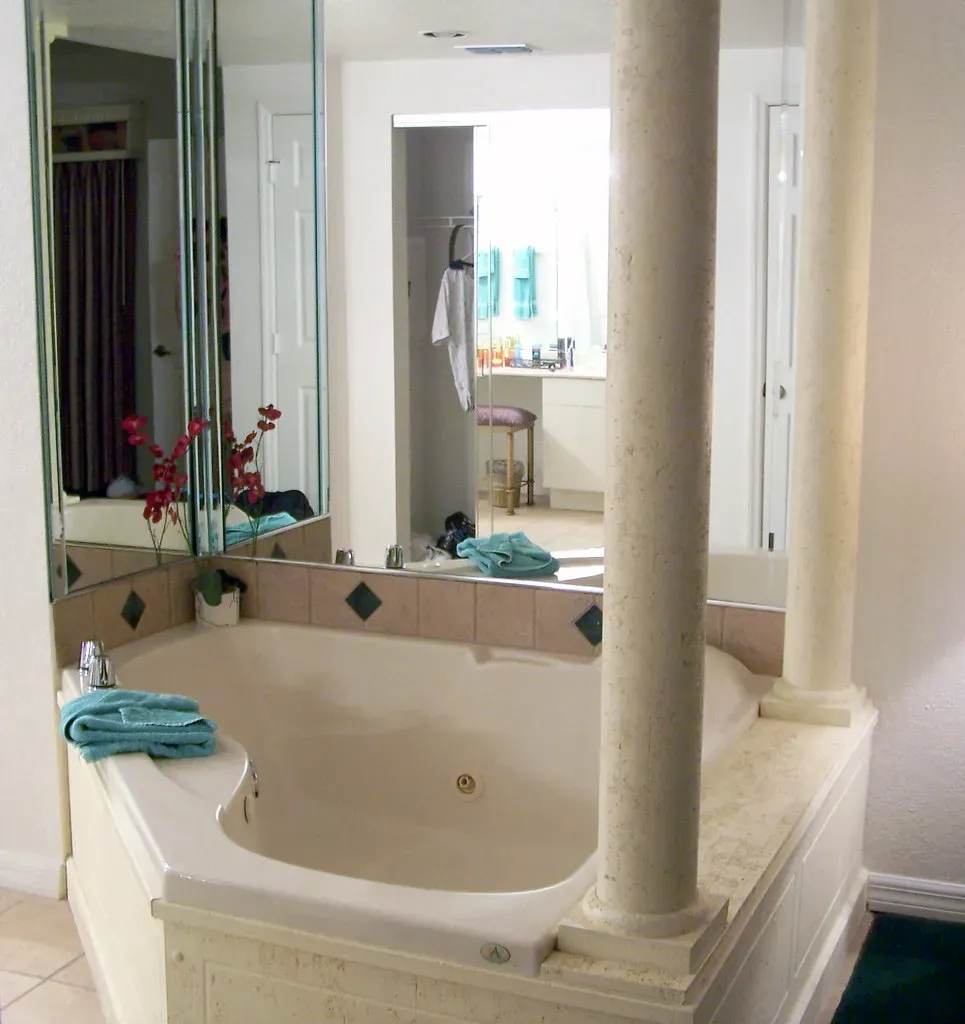
Once a symbol of luxury, the Jacuzzi tub has fallen out of favor with many modern buyers, and with its larger size and impracticality for those who prefer showers, it may be time to remove your Jacuzzi tub and opt for a more modern shower design. These space-hogging fixtures are maintenance nightmares that rarely get used. Similarly, tile countertops were a popular option in the 90s and early 2000s, but now have significantly fallen out of favor.
Modern buyers expect modern conveniences, and outdated appliances can create a negative impression, with Premier agents reporting that 31% of buyers won’t even make an offer if the appliances are outdated. It’s hard to say for sure, but these features scream “fixer-upper” to buyers who want move-in ready homes. The grout lines in tile countertops are impossible to keep clean, while jetted tubs collect grime and take up valuable bathroom real estate that could house a stunning walk-in shower instead.
Conclusion
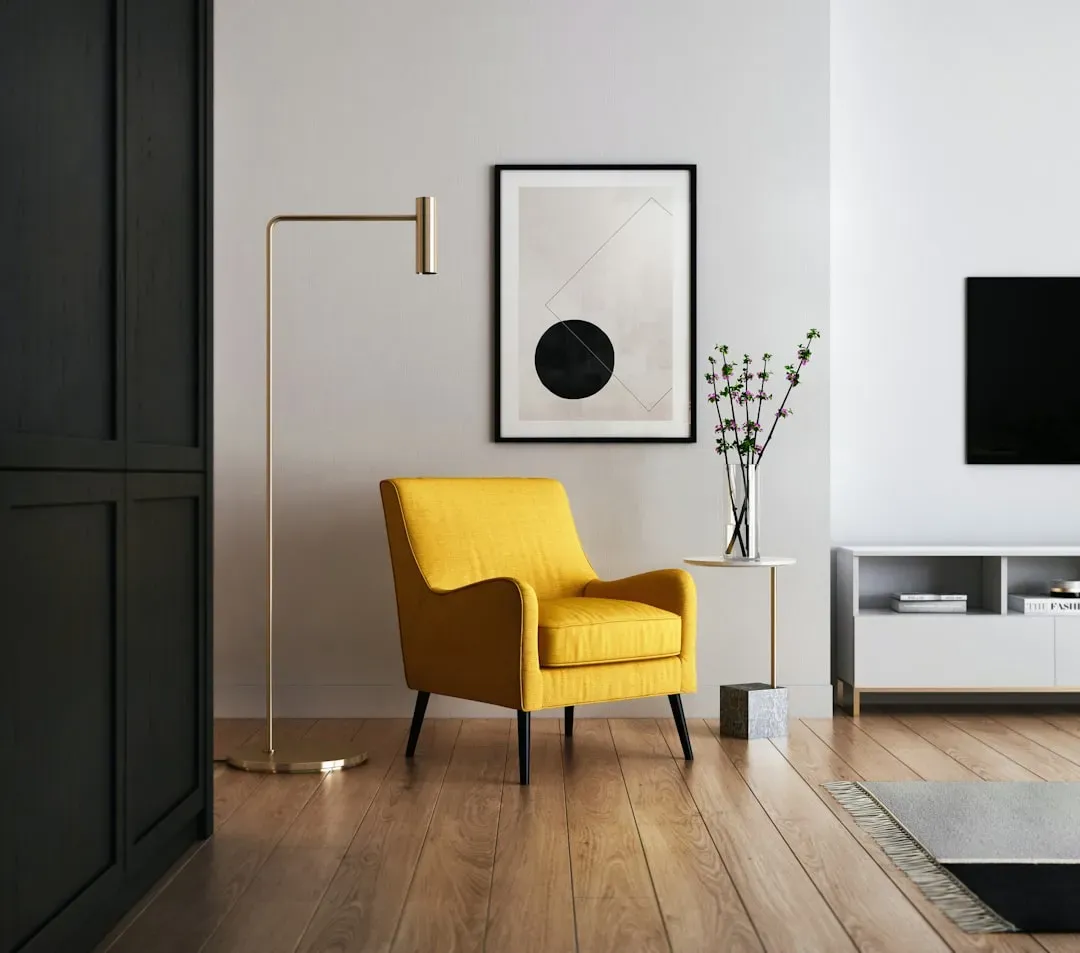
The housing market tells us something important about how we actually live versus how we think we should live. Home buyers are looking for homes around 2,070 square feet, compared to 2,260 square feet 20 years ago, showing that bigger isn’t always better anymore. What matters now is functionality, flexibility, and spaces that genuinely enhance daily life rather than collect dust.
These shifts reflect deeper changes in our lifestyles – remote work, sustainability concerns, and a desire for homes that feel warm rather than showroom-perfect. The features buyers want today prioritize comfort, efficiency, and authentic living over outdated notions of luxury. If you’re planning to sell or renovate, understanding these trends could save you from expensive mistakes. What surprises you most about these changing preferences?