5 Red Flags Fine Dining Servers Notice the Moment You Walk In
Walking into a fine dining restaurant can feel like stepping onto a stage. Everything from the lighting to the carefully curated wine list is designed to make you feel special. There’s an elegance to the whole experience that pulls you in, making you think the evening revolves entirely around you.
What most people don’t realize is that the staff is sizing you up within seconds of your arrival. Guests notice everything within seconds of arriving, and studies show that first impressions stick, influencing satisfaction, return visits, and recommendations. Servers trained in fine dining are observing your body language, your tone, and yes, even your clothes. They’re making snap judgments that will determine how the rest of your night unfolds. Let’s dive in.
Your Body Language Screams Impatience
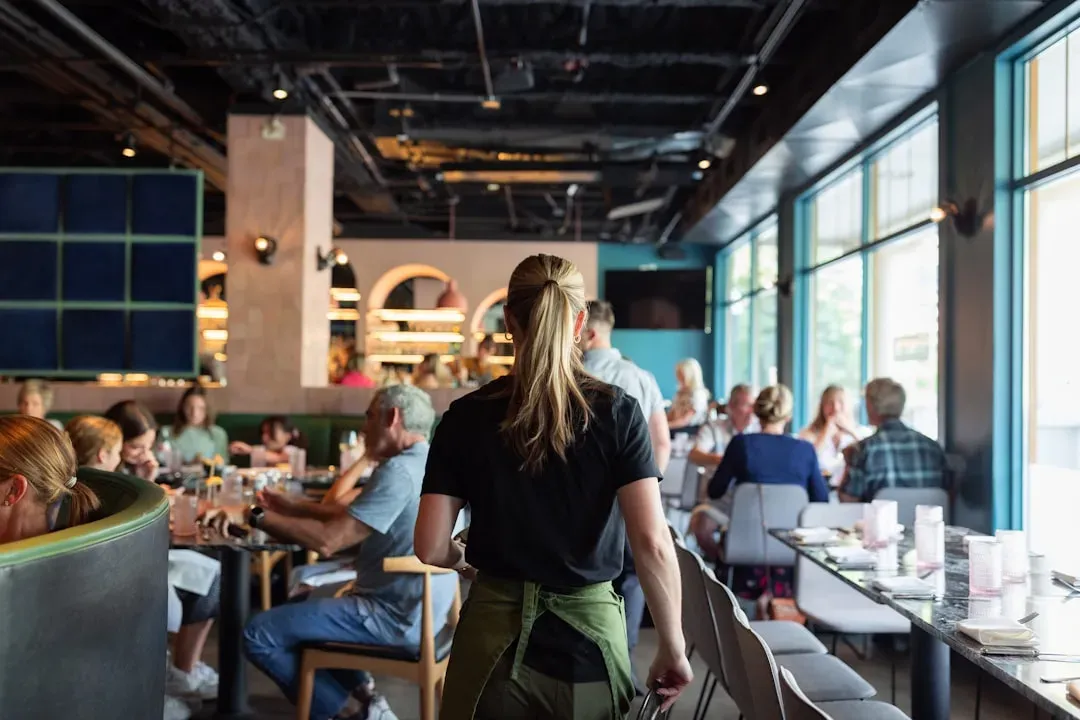
Fine dining servers can read you like a book the moment you walk through that door. Your facial expression, body language, and tone of voice all influence the server’s initial opinion of you, and eye contact, a smile, and keeping your body language open and friendly ensure it’s positive. If you’re checking your watch before you’ve even been seated or sighing loudly while waiting for the host, the staff knows exactly what kind of evening this will be.
Crossed arms, tapping feet, and scanning the room impatiently are all signals. In fine dining, guests are keen observers, attuned to every interaction among staff, and their perception of the restaurant experience heavily relies on consistent and positive behavior from staff members. Servers notice when diners act entitled or dismissive right from the start. It sets the tone for everything that follows.
At least eight in 10 Americans say it is unacceptable for diners to snap their fingers to get the waiter’s attention. Honestly, demanding behavior before you’ve even looked at a menu tells servers all they need to know. It’s hard to say for sure, but that kind of vibe doesn’t usually result in stellar service.
You’re Glued to Your Phone
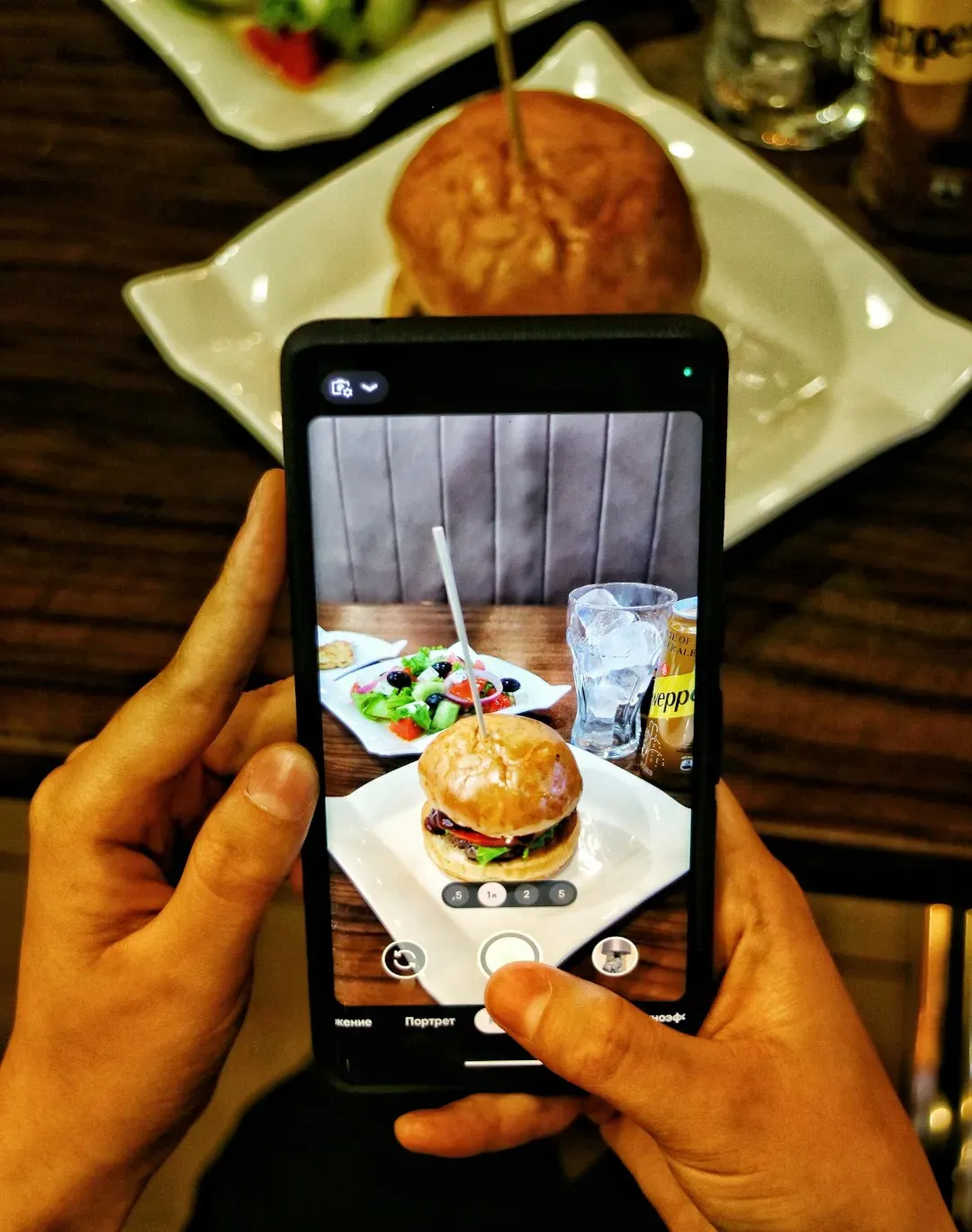
Let’s be real, everyone has their phone with them. That’s just how we operate nowadays. The difference is whether you’re checking it briefly or treating the table like your personal office space. Don’t be deep in conversation when the server is taking orders, and if you cannot pause your conversation at the time, ask the server for a minute or two before you order, as your attention is needed during order-taking to ensure your server will relay it to the kitchen correctly.
Servers pick up on this immediately. When you walk in with your eyes glued to a screen, or worse, keep scrolling while they’re trying to greet you, it’s a sign you’re not fully present. A guest’s first impression of a fine dining restaurant is more than just a moment, as it’s the foundation of their entire experience, and from the very first interaction, waitstaff have the power to set the tone for an evening of elegance, comfort, and exceptional service. Ignoring that first greeting or making zero eye contact sends a clear message.
Fine dining is supposed to be an experience. It’s about savoring the moment. When someone treats it like a place to multitask, servers notice. That distracted energy affects how they approach your table, and whether they’ll go the extra mile for you later.
Mismatched Expectations About Reservations
Some guests will try to bypass restaurant rules or reservation limits by booking a reservation for four, only to show up with a group of eight, expecting accommodation, or they’ll make multiple reservations for smaller groups and assume tables can be combined when they show up. Servers and hosts spot this behavior instantly.
The front-of-house team has already planned the entire evening based on reservations. Table arrangements, staff assignments, even kitchen timing. When someone shows up and expects an entirely different setup, it throws everything off. While every restaurant is different, it’s best to avoid this practice, as it’s not that easy for restaurants to adjust your table size.
If you’re debating party size or trying to game the system, servers can tell. Reservation dishonesty is a huge red flag. It suggests you either don’t respect the restaurant’s policies or think the rules don’t apply to you. Neither bodes well.
Overly Demanding Before You’ve Even Sat Down
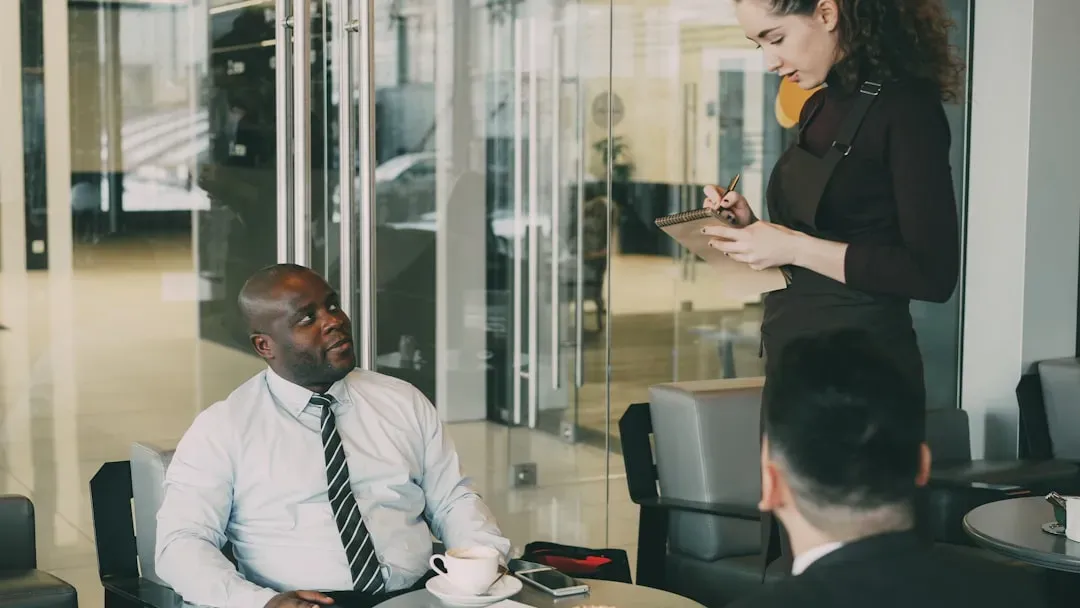
Asking for a specific table is fine. Politely requesting accommodations because of an allergy or special occasion is expected. Demanding three table changes, insisting on adjustments before you’ve even seen the menu, and treating the host like your personal assistant? That’s different.
Don’t be demanding, as servers are there to bring your food and drinks and assist you during your meal, so politeness should rule the day. Servers exchange glances when a guest walks in with a long list of complaints or requirements right away. It immediately signals high maintenance.
Here’s the thing. Fine dining staff want to accommodate you. They genuinely do. Personalization is at the heart of exceeding customer service in fine dining, as staff members are adept at recognizing individual preferences, dietary restrictions, and special occasions, going the extra mile to tailor each dining experience accordingly, and by reading the table, staff can suggest dishes perfectly suited to guests’ tastes. When someone enters with unreasonable demands from the get-go, it creates tension and makes the entire team wary.
Your Attitude Toward the Host or Staff
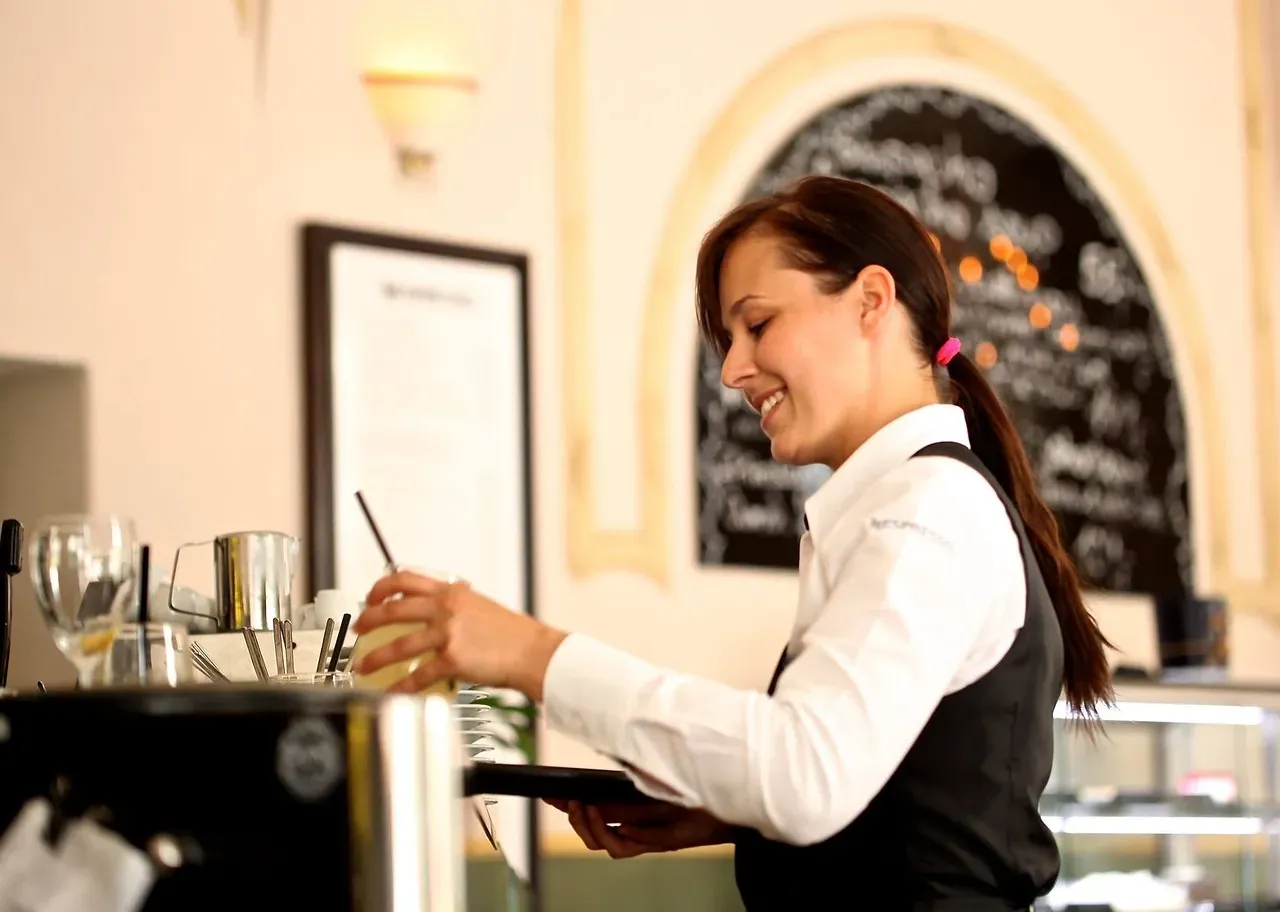
This one is massive. How you treat the host or greeter sets the entire tone. Most restaurant servers undergo rigorous training on greeting customers, with a common rule to welcome guests within 30 seconds of their arrival, even during peak periods, and there is no reason why this effort shouldn’t be reciprocated, as a warm greeting can humanize the interaction and set the mood for the meal to come.
Servers notice if you’re rude or dismissive to anyone on staff. Condescending tones, ignoring introductions, or acting superior are instant red flags. Working in the restaurant industry is like a study in human behavior, and it sometimes seems that as soon as people walk into a restaurant or bar, they forget how to be good human beings, but throughout time as a hostess, server, and bartender, one thing remains consistent regardless of style: the people.
Staff talk. They notice patterns. If someone walks in and treats the entire team poorly, word spreads fast. The kitchen knows, the sommelier knows, and yes, your server absolutely knows. First impressions matter immensely in fine dining, thus servers or waiters should look and act professionally, as being presentable and poised allows the diners to feel the elegance of your dining establishment. Respect goes both ways.
Conclusion
Fine dining servers are trained to read people quickly. Perception is an extremely crucial element in the first impression, as it enables others around us to perceive and judge based on what they saw, heard, and felt from us, and basically, how we are perceived usually affects how others treat and relate to us. Your demeanor, your phone habits, how you handle reservations, and your interactions with staff all shape how your evening plays out.
Next time you step into an upscale restaurant, remember that first impressions aren’t just about what you’re wearing. They’re about how you carry yourself, how you treat others, and whether you’re truly present for the experience. What do you think? Did any of these red flags surprise you?