The Nutrition Illusion: 10 “Healthy” Food Labels That Are Perfectly Legal – and Misleading
You trust the packaging when you reach for that “natural” granola or grab the “multigrain” bread. Why wouldn’t you? These labels look so official, so reassuring. They practically whisper promises of health and wellness into your shopping cart. What if I told you that most of those comforting claims are smoke and mirrors, perfectly legal loopholes designed to make you feel good while manufacturers profit?
The perception of healthfulness drives food purchases for most people, which means companies know exactly what buttons to push. The problem isn’t that you’re gullible. The problem is that the rules governing food labels are confusing, inconsistent, and in some cases, nonexistent.
1. “Natural” Means Absolutely Nothing
Here’s the thing about “natural” food labels: the FDA has considered the term “natural” to mean that nothing artificial or synthetic has been included in, or has been added to, a food. Sounds reasonable enough, right? Here’s where it gets messy.
Both the USDA and FDA’s regulation of the word “natural” allows foods to be genetically modified and produced with pesticides, which contradicts what most shoppers assume when they see that friendly green label. Even worse, this policy was not intended to address food production methods, such as the use of pesticides, nor did it explicitly address food processing or manufacturing methods. Your “natural” cereal could be swimming in pesticides and processed beyond recognition, and technically the label isn’t lying.
Foods containing highly processed high fructose corn syrup can also be labeled “natural” since the synthetic materials used aren’t incorporated into the final product. Essentially, “natural” is marketing gold dust with no regulatory teeth behind it.
2. “Multigrain” Sounds Healthy But Rarely Is
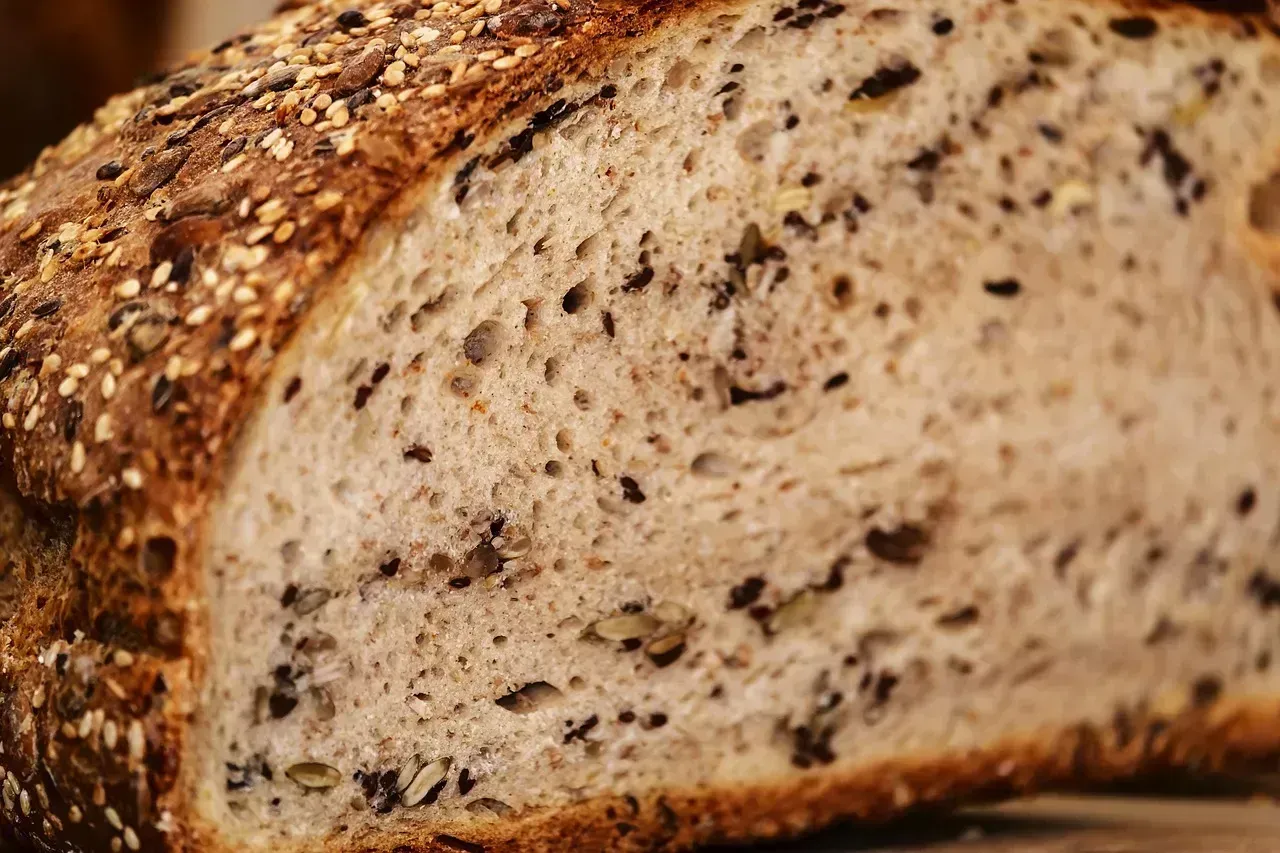
Multigrain simply means that the product contains more than one grain, and those grains are likely to be refined grains, which are not as healthy as whole grains. So when you’re holding that rustic-looking multigrain loaf with seeds artfully sprinkled on top, you might actually be getting refined white flour masquerading as health food.
Multigrain means that a food contains more than one type of grain, although none of them may necessarily be whole grains. The bread aisle tricks us into thinking multiple grains equal superior nutrition, which simply isn’t true unless those grains are whole.
Many multigrain products have had the bran and the germ removed from the grain during the manufacturing process, and by removing these parts the grain is no longer a whole grain. You’ve essentially paid extra for nutritionally stripped bread with a better story.
3. “Sugar-Free” Doesn’t Mean Healthy or Low-Calorie
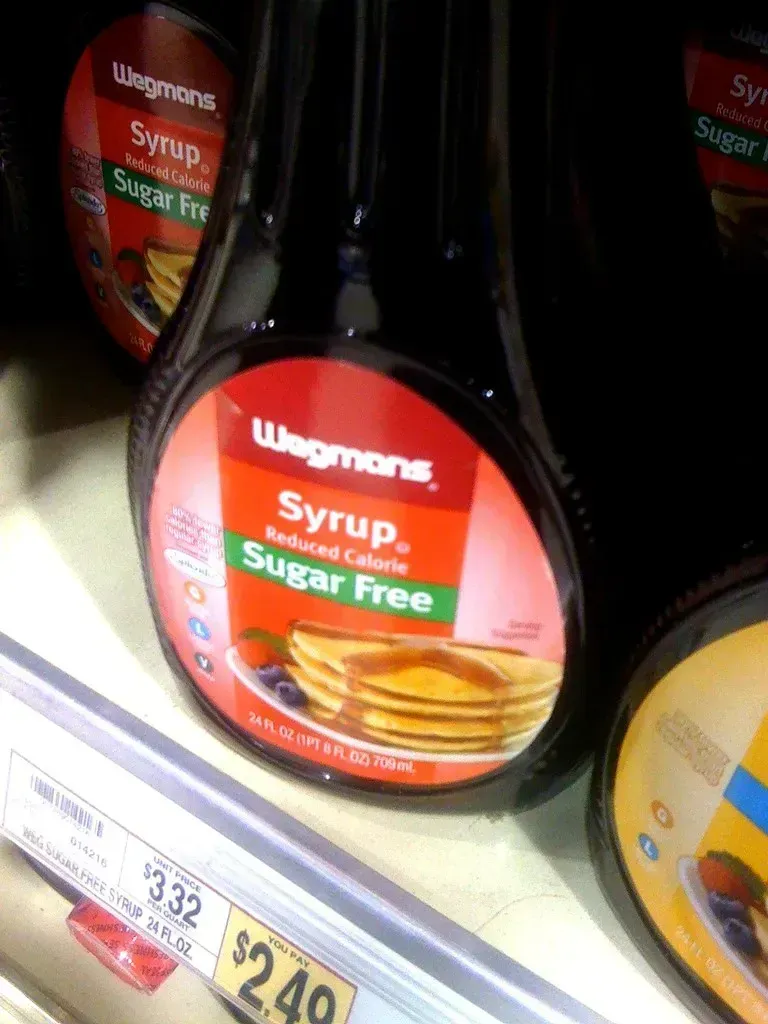
Sugar-free means there are less than 0.5 grams of sugar per serving, which is technically accurate but wildly misleading. Here’s the problem: manufacturers replace that sugar with artificial sweeteners, which come with their own baggage.
Daily consumption of diet drinks was associated with a 36% greater risk for metabolic syndrome and a 67% increased risk for type 2 diabetes according to the Multiethnic Study of Atherosclerosis. Let that sink in. The very diseases these sugar substitutes are supposed to prevent might actually be more likely when you consume them regularly.
Seeing “sugar-free” on a label might make you automatically think the food is healthy or low in calories, but some foods like fruit or plain Greek yogurt have more than 0.5 grams of naturally occurring sugars and are very nutritious foods. The label creates a false hierarchy where genuinely healthy foods get penalized.
4. “Made With Whole Grains” Is a Tiny Technicality
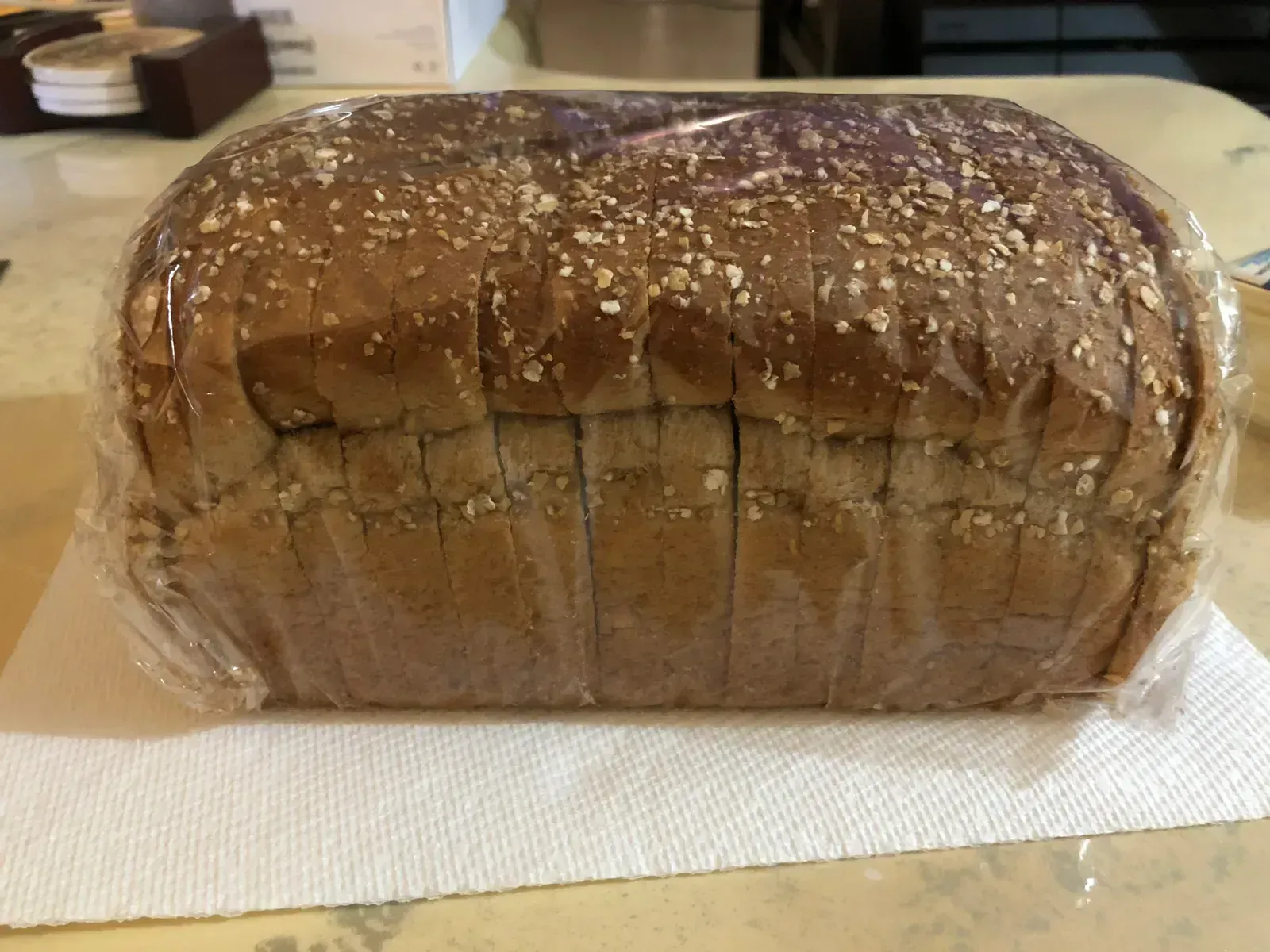
Made with whole grains may mean a negligible amount, unless they appear at the top of the ingredients list or the packaging says “100 percent whole grain”. Companies love this phrasing because it sounds impressive while committing to almost nothing.
Think about it. A product could contain ninety-eight percent refined white flour and two percent whole wheat flour and still legally claim it’s “made with whole grains.” Sometimes it will say ‘whole grain’ on the label and it is the last ingredient in a tiny amount which is deceptive and misleading, according to nutritionist Jennifer Adler.
The takeaway? Unless the first ingredient explicitly states “whole grain” or the package boldly declares “100% whole grain,” you’re probably getting played. Manufacturers count on you not flipping the package over to check.
5. “Enriched Wheat Flour” Sounds Fancy But Is Just White Flour
If the ingredients list says enriched wheat flour, you are not buying a whole wheat product. This is one of the sneakiest tricks in the book because “enriched” and “wheat” both sound wholesome and nutritious.
Here’s what actually happens: manufacturers strip away the nutritious bran and germ from wheat, leaving behind refined white flour. Then they add back a handful of synthetic nutrients and call it “enriched.” Some nutrients are added back in, but the fiber is not replaced. You’re getting a nutritionally inferior product with a vocabulary upgrade.
The word “wheat” is particularly devious because all flour comes from wheat unless otherwise specified. Calling something “wheat bread” is like calling water “hydrogen oxide beverage.” It’s technically true but intentionally misleading.
6. “No Cholesterol” On Plant Foods Is Stating The Obvious
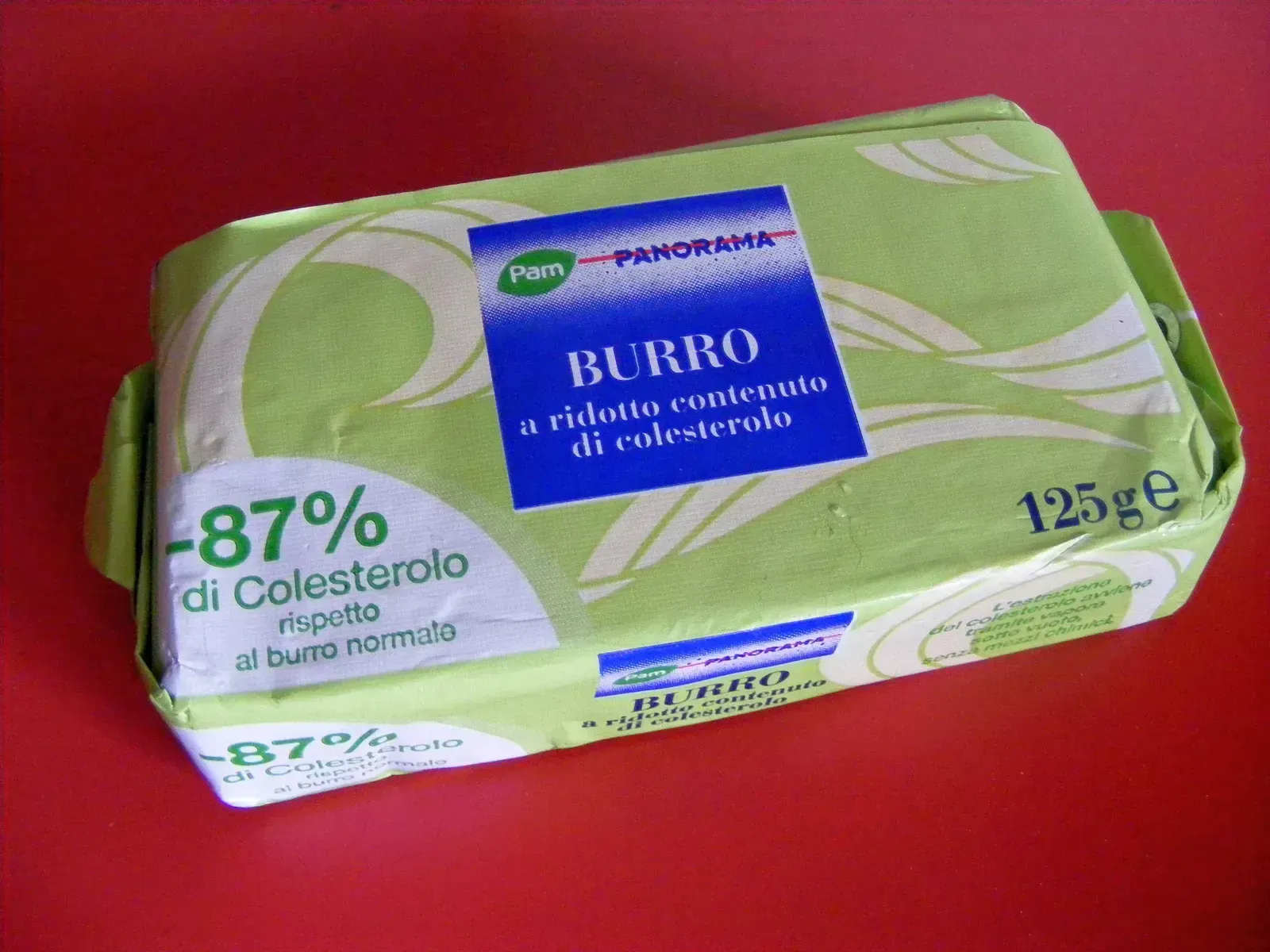
Cholesterol is found only in animal products, so seeing “no cholesterol” on a plant-based food like peanut butter or vegetable oil is stating the obvious, but it’s there to make you think it’s healthier. This is brilliantly manipulative marketing.
Cholesterol is only found in animal products, and plant-derived food never has cholesterol. Yet manufacturers slap “cholesterol-free” labels on products that could never contain cholesterol in the first place, banking on consumer confusion about nutrition.
The label creates a health halo around products that might still be terrible for you. Your cholesterol-free chips could be fried in inflammatory oils and loaded with sodium, but hey, no cholesterol! It’s misdirection at its finest.
7. “Healthy” Might Still Contain Harmful Chemicals
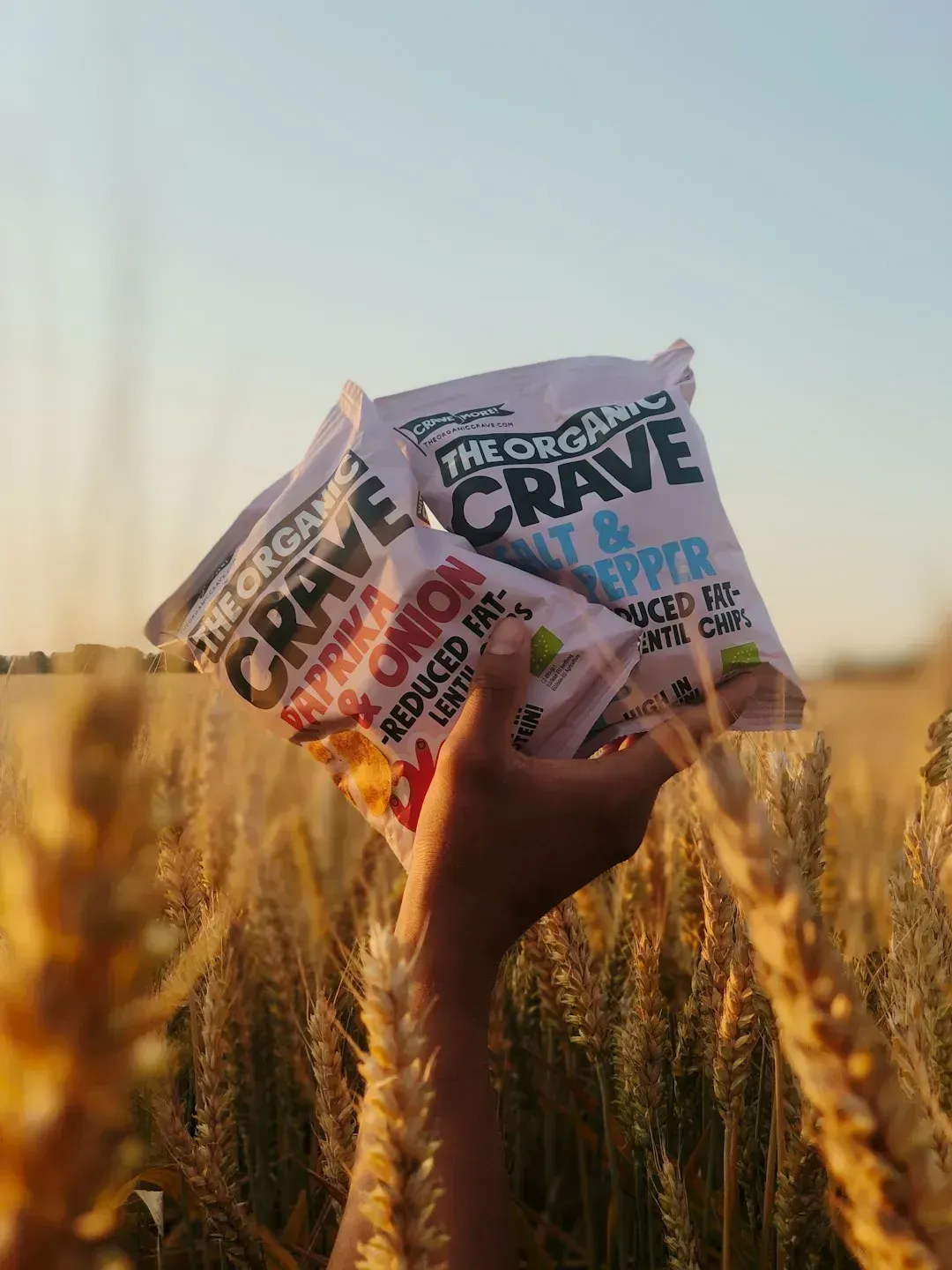
In December 2024, the FDA changed the way food companies can claim their products are “healthy”, but here’s the frustrating part: the FDA’s new rule still falls short, particularly in allowing food products with harmful food chemicals and ultra-processed ingredients to be labeled as “healthy”.
For far too long, consumers have been misled by outdated and inconsistent standards that allowed sugary cereals and processed snacks to be labeled as ‘healthy’. The updated definition is better than nothing, but it’s hardly the consumer protection victory it’s being sold as.
Honestly, when a regulatory update still permits ultra-processed foods loaded with additives to wear a “healthy” badge, you have to wonder whose interests are really being protected here.
8. “Light” Or “Lite” Doesn’t Automatically Mean Lower Calorie

Light products are processed to reduce either calories or fat, and some products are simply watered down. The term is so vague that it borders on meaningless, yet it works like a charm on shoppers seeking healthier options.
A “light” product might have reduced fat but added sugar to compensate for flavor loss. Or it could mean the color is lighter. Or the texture. The FDA regulates the term to some degree, but you should check carefully whether anything has been added instead, like sugar.
Companies aren’t technically lying when they use “light,” but they’re definitely not telling you the whole truth either. That light salad dressing might save you some fat grams while dumping in sodium and corn syrup.
9. “Good Source Of” Can Mean Very Little
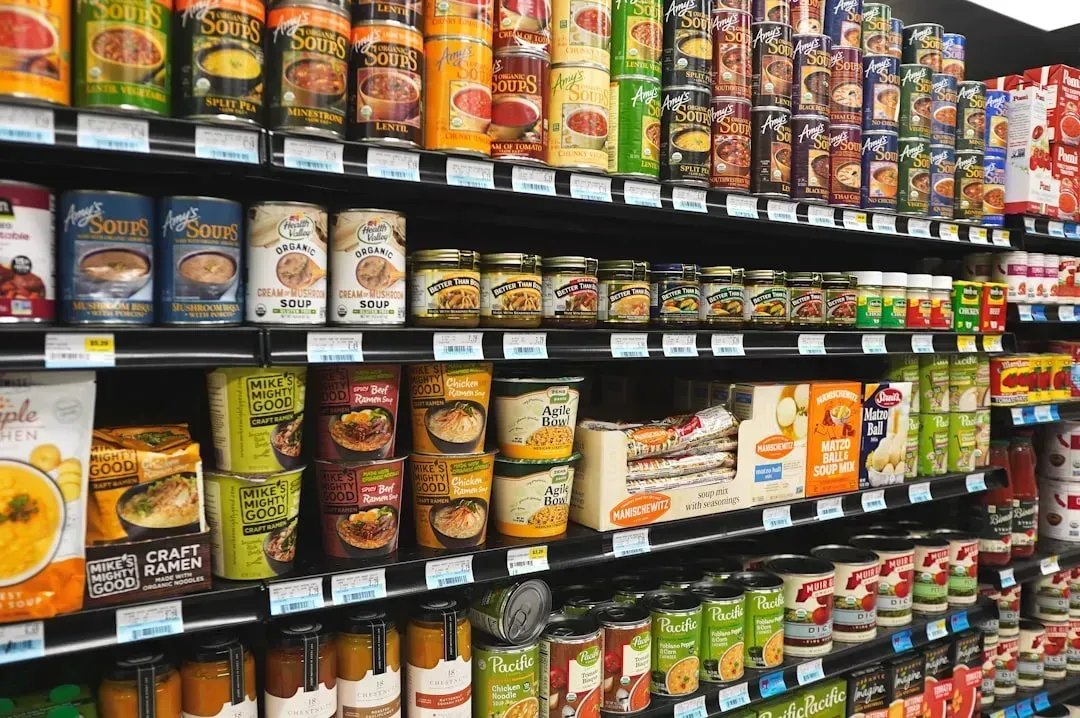
When a food states it’s a good source of something, it means it meets 10 percent or more of the daily value for that particular nutrient. Ten percent. That’s the bar for earning a “good source” claim that makes products look nutritionally impressive on store shelves.
Let’s be real: if you ate ten servings of something that’s a “good source” of vitamin C, you’d finally hit your daily needs while also consuming whatever junk came along for the ride. It’s technically accurate but practically misleading.
More than half of foods in U.S. grocery stores had nutrient claims like “High Fiber” and “Low Sodium” according to an FDA study from 2006-2007. These claims remain common today, creating an illusion of nutritional virtue on products that might be nutritionally bankrupt otherwise.
10. “Made With Real Fruit” Means Almost Nothing
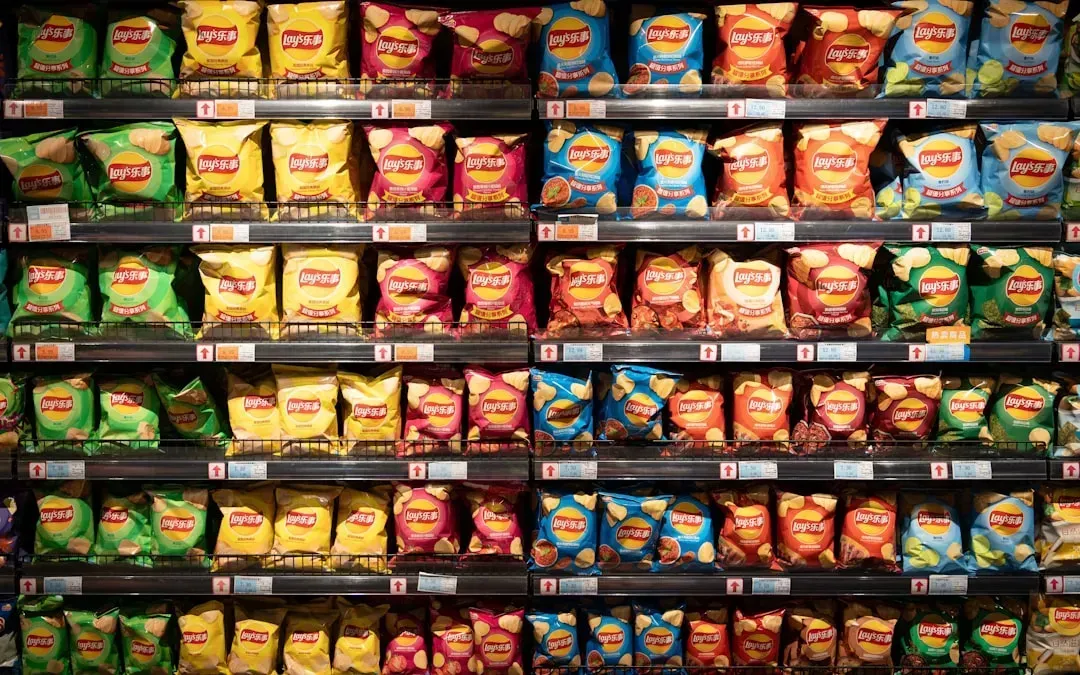
In the case of Simply Lay’s Veggie Poppables which proclaim “made with real veggies,” the only vegetables in them are spinach and tomato powders listed 10th and 11th in the ingredients list. This is laughably deceptive yet entirely legal.
Welch’s Fruit Snacks correctly state that “fruit is our 1st ingredient,” but second and third in line are corn syrup and sugar, effectively negating any real benefits from the fruit. Your kids’ “fruit” snack is basically candy with a virtuous-sounding name.
The amount of actual fruit or vegetables in these products is so minuscule it’s almost insulting. Manufacturers know parents want to feed their children wholesome foods, so they sprinkle in some fruit powder and slap on a label guaranteed to ease parental guilt.