What’s Really Going On With “Coyote Hybrids” Spreading Along the East Coast
For the past several hundred years, eastern wolves and coyotes have been interbreeding more frequently, and now their hybrids are widespread from the Great Lakes region to the east coast. What most people see trotting through suburban backyards or prowling city parks isn’t your typical western coyote. These creatures are something else entirely, and their story is unfolding right under our noses in some of the most populated areas of North America.
These hybrids are thought to number in the millions, quietly thriving in environments where wolves once roamed. The thing is, most folks don’t realize they’re looking at one of the most successful evolutionary adaptations happening in real time. As one research professor noted, this is “an exciting new type of coyote in the midst of an amazing evolutionary transition.”
They’re Not Quite Coyotes, Not Quite Wolves
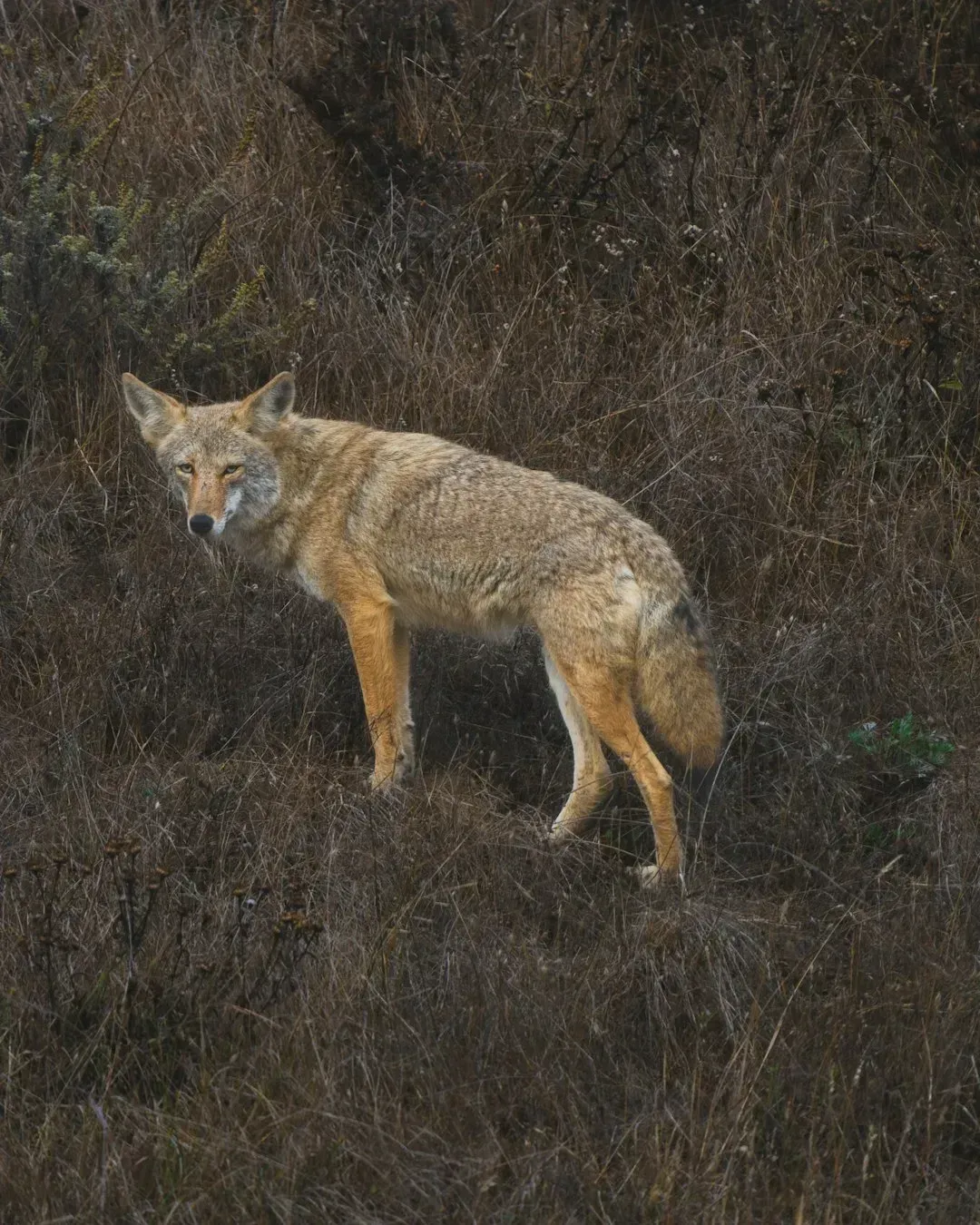
New genetic tests show that all eastern coyotes are actually a mix of three species: coyote, wolf and dog, with percentages varying dependent upon exactly which test is applied and the geographic location of the canine. A 2016 meta-analysis of 25 genetics studies from 1995 to 2013 found that the northeastern coywolf is 60% western coyote, 30% eastern wolf, and 10% domestic dog. Think about that for a second. We’re dealing with a three-way genetic mashup that’s been cooking for about a century.
Adult eastern coyotes are larger than western coyotes, weighing an average of 20-25 kilograms (45-55 lb), with female eastern coyotes weighing 21% more than male western coyotes. The size difference isn’t subtle. Western coyotes measure 3-4 feet in length and weigh 20-45 pounds, while eastern coyotes measure 4-5 feet in length and weigh 30-55 pounds. Honestly, when you see one of these animals in person, the difference becomes obvious pretty quickly. They’ve got longer legs, bigger jaws, smaller ears, and a bushier tail than their western relatives.
How This Hybrid Came to Be
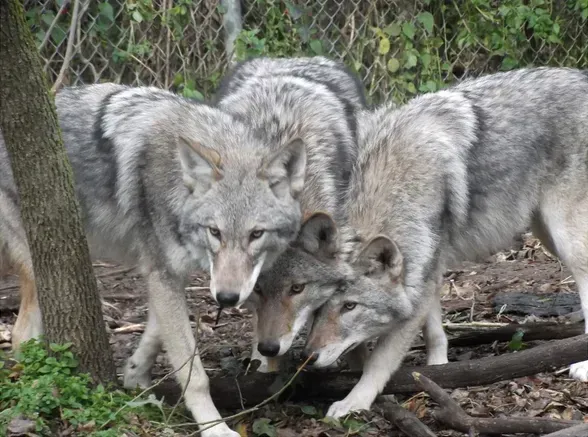
The origin story here is pretty fascinating, if a bit tragic for wolves. Prior to the western expansion in the 1800s-1900s, wolves occupied most of eastern North America, but as settlers began to move westward, wolves were hunted to or near extinction in much of the continental United States, and wolves thrived in forested areas and were impacted by deforestation due to the conversion of forests into agricultural land.
Coyotes moved into the northeast after they began to hybridize with wolves between 154 and 190 years ago. Here’s the thing: when wolf populations crashed, the few remaining females couldn’t find suitable wolf mates. A century ago, wolf populations in the Great Lakes were so low that some females couldn’t find a wolf companion and had to settle with a coyote. What started as desperation became an evolutionary advantage. The first eastern coyote or coywolf appeared around 1919 in Ontario, Canada.
They’re Better Hunters and Surprisingly Adaptable
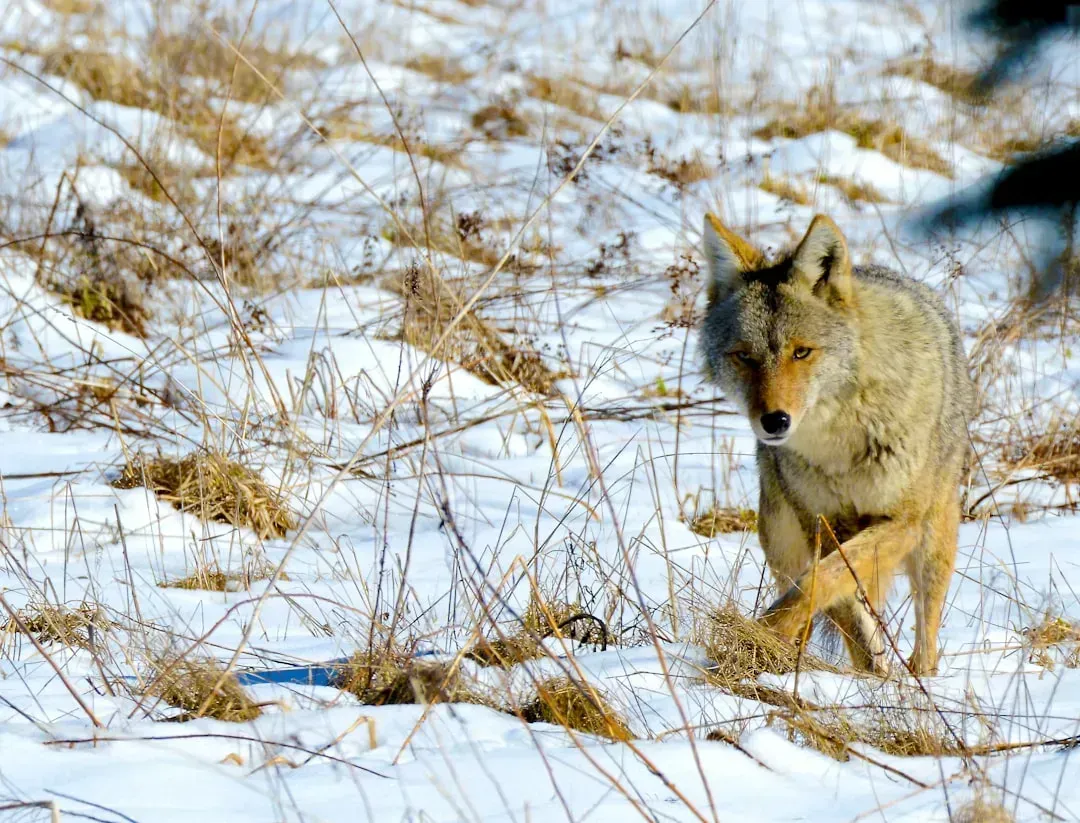
Hybrids use conditions intermediate to wolves and coyotes, and this may make them well suited for living in human-disturbed areas. Let’s be real, these animals are remarkably flexible. Like wolves, they hunt in packs; like coyotes, they can survive in open plains; like dogs, they are not scared of humans. That combination is what makes them so successful.
Unlike the western coyote, the eastern coyote will sometimes go after larger mammals such as deer, and researchers believe the larger size of eastern coyotes allows them to partially fill the niche wolves once held in the eastern United States. Coyotes are more genetically wolf-like in areas where a high deer density exists, supporting the theory that introgression from wolves allowed genetic adaption to this food source. The wolf genes gave them the size and strength to take down bigger prey, while coyote genes kept them adaptable and opportunistic.
They’re Thriving in Cities and Suburbs
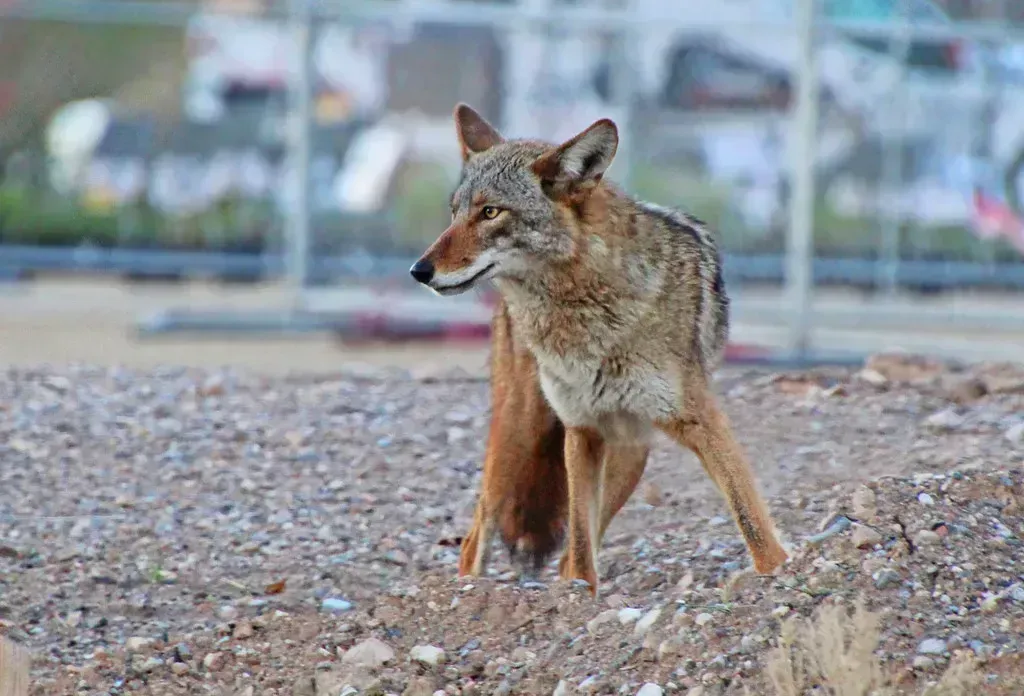
These behaviors may help explain why coywolves are thriving in urban areas – even in cities like New York and Boston. At least 20 now live in New York City, and others have been spotted in Washington D.C., Boston and Philidelphia. The dog DNA in their genetic makeup might be the secret ingredient here. The dog DNA might even include some tolerance for the noise of cities.
Wildlife ecologists at Ohio State University studied coyotes living in Chicago over a seven-year period and found that coyotes have adapted well to living in densely populated urban environments while avoiding contact with humans, tend to live longer than their rural counterparts, kill rodents and small pets, and live anywhere from parks to industrial areas, with researchers estimating that there are up to 2,000 coyotes living in the Chicago metropolitan area. Results from behavioral tests indicate that urban coyotes are bolder and more exploratory than rural coyotes.
The Future of Coywolves on the East Coast
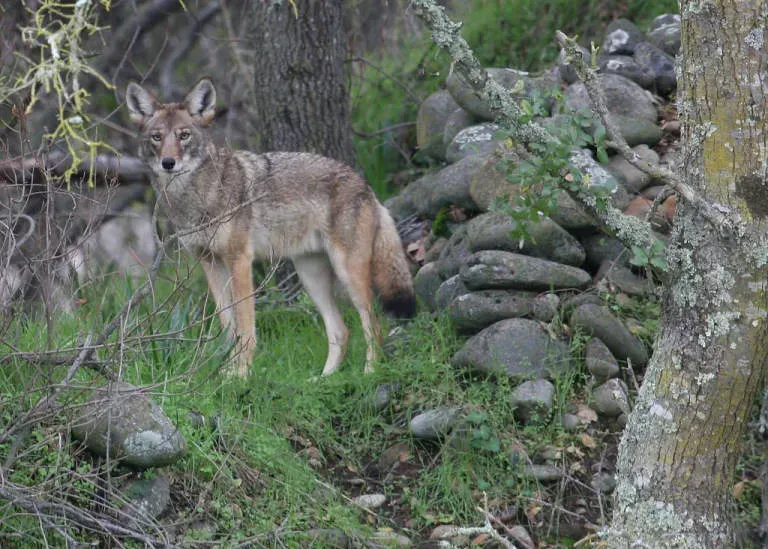
Despite being one of the least protected species throughout the United States, the coyote population has grown rapidly, and coyotes now inhabit every state besides Hawaii. Eastern coyotes range from New England, New York, New Jersey, Pennsylvania, Ohio, West Virginia, Maryland, Delaware, and Virginia, and their range also extends into the Canadian provinces of Ontario, Quebec, New Brunswick, Nova Scotia, Prince Edward Island and Newfoundland and Labrador.
The reality is that these hybrids are here to stay. Researchers have proposed recognizing the eastern coyote as a separate species due to its morphologic and genetic distinctiveness, and it has bred with other northeastern coyotes across the majority of its range, without further hybridization with any of the parent species except for on the edges of this range, with its range including areas where the western coyote would find it difficult to survive. Whether we call them eastern coyotes, coywolves, or something else entirely, they represent one of the most remarkable examples of rapid evolution and adaptation happening right now in North America. The combination of wolf, coyote, and dog DNA has created an animal uniquely suited to thrive in the 21st century landscape, from deep forests to city streets. It’s hard to say for sure, but this might just be evolution’s answer to the world we’ve created.