8 Common Coins in Your Change Jar That Could Be Worth 500x Their Face Value
1943 Copper Penny: The Wartime Wonder
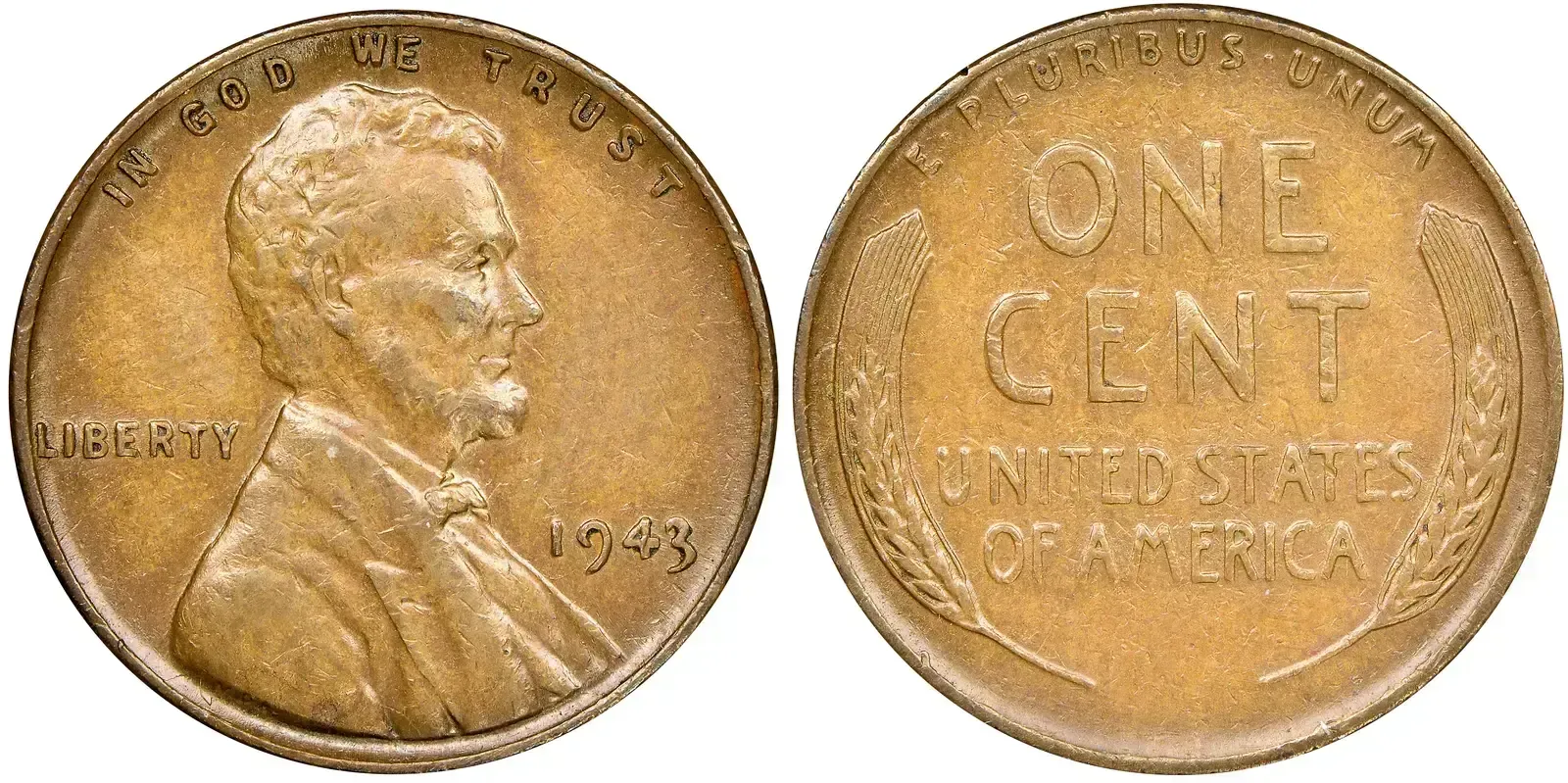
During World War II, the U.S. Mint produced pennies made of steel coated with zinc to conserve copper, yet a very small number of pennies were mistakenly struck on leftover copper planchets from the previous year. As of 2024, there were approximately 20 to 30 known examples of the 1943 copper penny. Circulated examples have sold at auction in the past two years, bringing between $240,000 and $336,000. The all-time record price for a 1943 bronze cent is $1.7 million, paid for the only known example of a 1943-D copper penny graded MS64BN by Professional Coin Grading Service.
Honestly, finding one of these is the dream scenario for any coin enthusiast. To determine if a 1943 penny is copper, perform a simple magnet test – a genuine 1943 copper penny will not be attracted to a magnet due to its copper composition, while the common 1943 steel penny will stick to a magnet because of its steel core.
1955 Doubled Die Obverse Penny: Double Vision Jackpot
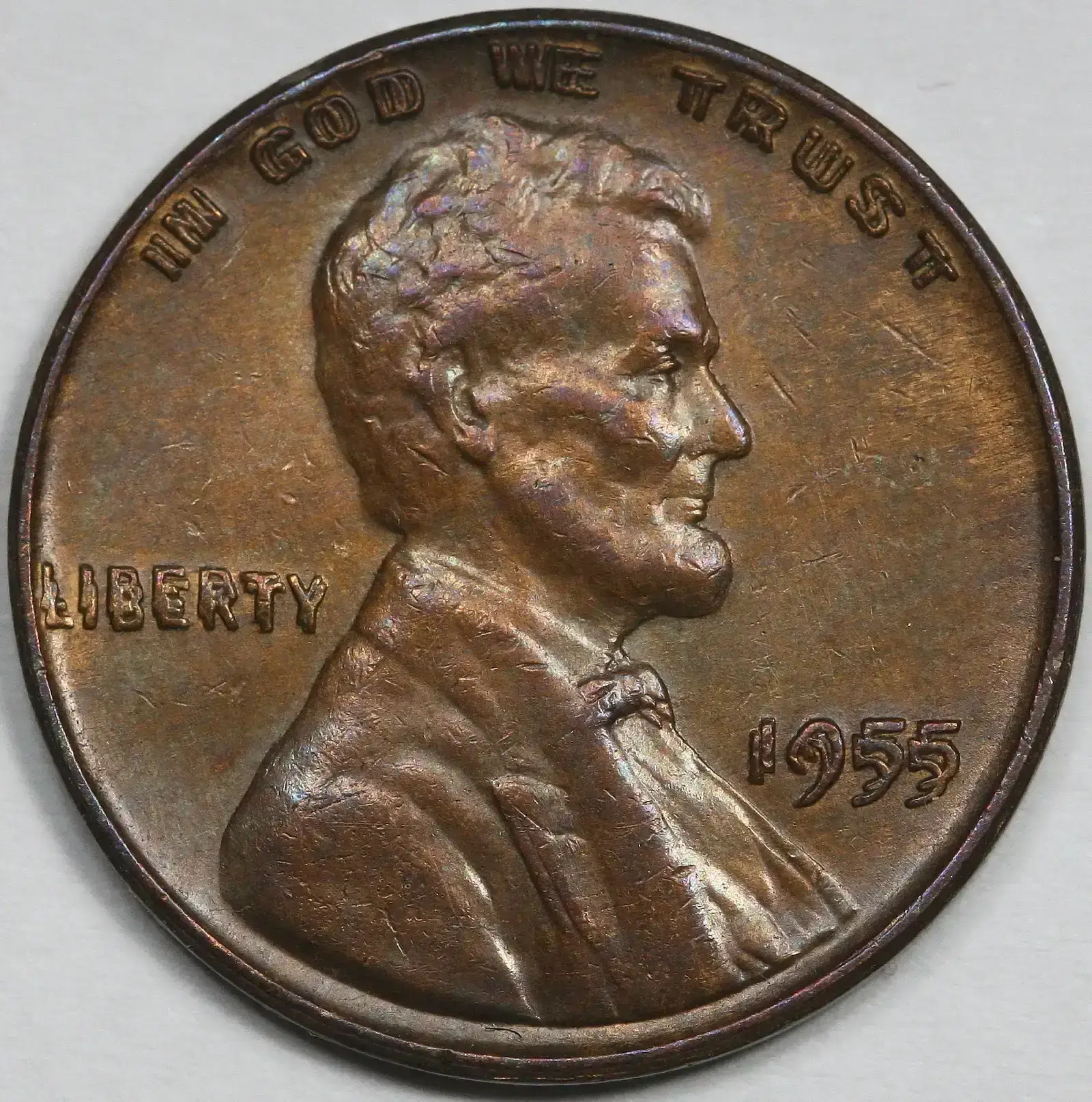
Doubling is easily seen with the naked eye in the date, inscription LIBERTY and motto IN GOD WE TRUST, and it is believed that more than 20,000 doubled die Lincoln cents were made in 1955, though perhaps just 10,000 to 15,000 survive. During die creation, one working die became misaligned on the second blow from the working hub, creating a doubled image that affected approximately 20,000 to 24,000 coins produced during a single night shift, and the Mint was aware of these error coins but chose to release them rather than destroy the entire production lot.
Let me tell you, this coin gets collectors seriously excited. The NGC Price Guide estimates the current retail value of a 1955 Doubled Die Lincoln cent at a range from $1,000 in worn “About Good” condition to $85,000 in Mint State 66 with original mint red color. A very rare 1955 penny which was struck with a doubled die sold for a world record price of $124,875 at an unreserved auction by GreatCollections in March 2020, and the auctioned coin is the finest known of the famous U.S. error and was graded MS-65+ RD by PCGS.
1969-S Doubled Die Obverse: The Secret Service Target
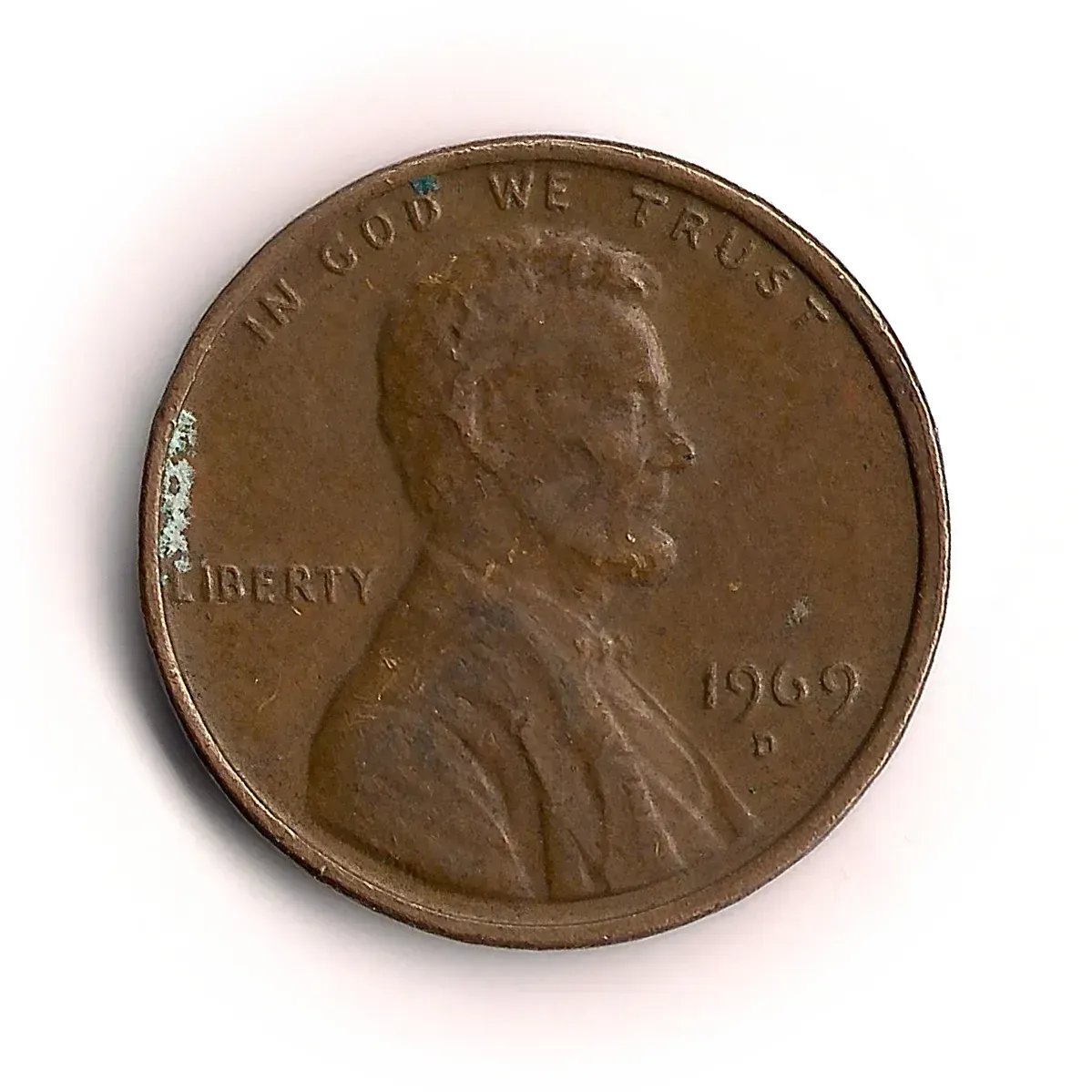
The 1969-S Doubled Die Obverse is an extremely desirable variety having an estimated population of 40 to 50 pieces based on combined certification service statistics, though experts at PCGS CoinFacts opine “about 30 known,” and the doubling on this variety is very dramatic, fully matching the spectacular appearance of the well-known 1955 and 1972 Doubled Die Obverse varieties, but in the case of the 1969-S, perhaps 100 times rarer. The Secret Service automatically assumed that some of these 1969-S Doubled Die cents were fake and ordered them to be destroyed, making a rare coin even rarer.
Here’s the thing: this coin has one of the wildest backstories in numismatics. A 1969-S Doubled Die Obverse in MS64RD grade sold for $126,000 at Stack’s Bowers. The doubling on the 1969-S is prominent in the date on the coin and in all obverse lettering, including the motto IN GOD WE TRUST and the inscription LIBERTY.
2004 Wisconsin State Quarter: The Extra Leaf Mystery
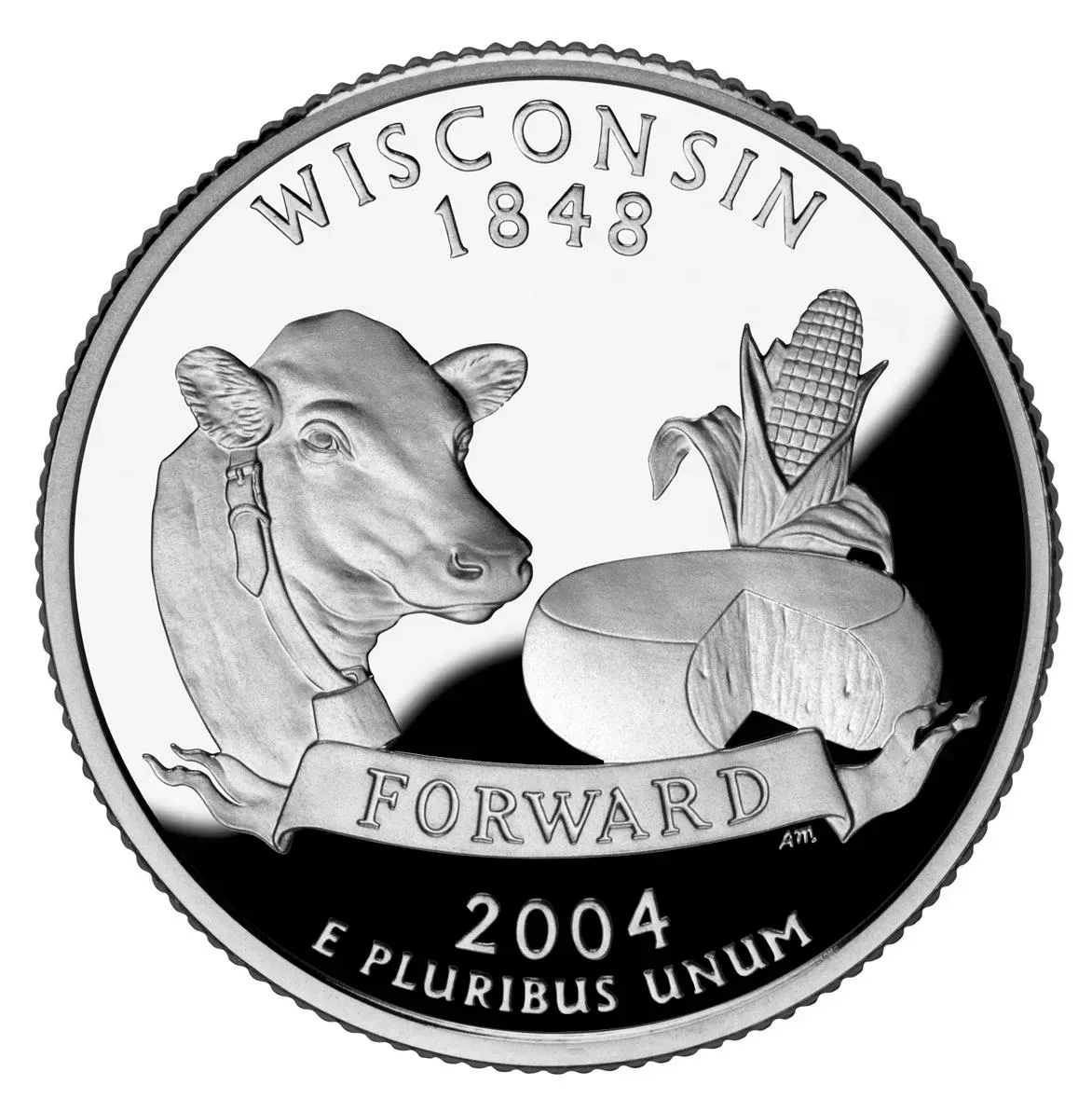
The 2004 Wisconsin State Quarter has an extra leaf hanging from an ear of corn. The 2004-D Wisconsin State Quarter with an Extra Leaf can fetch $6,000 based on PCGS record auction pricing. These coins could be worth between $5 and $600.
The value varies wildly depending on the grade and which variety you have – there’s actually an “extra leaf high” and “extra leaf low” version. Some numismatists believe these errors happened when someone at the mint manually added the leaf to the die, though that remains just speculation. Still, checking your state quarter collection could seriously pay off.
1982 No Mint Mark Roosevelt Dime: The Missing Letter
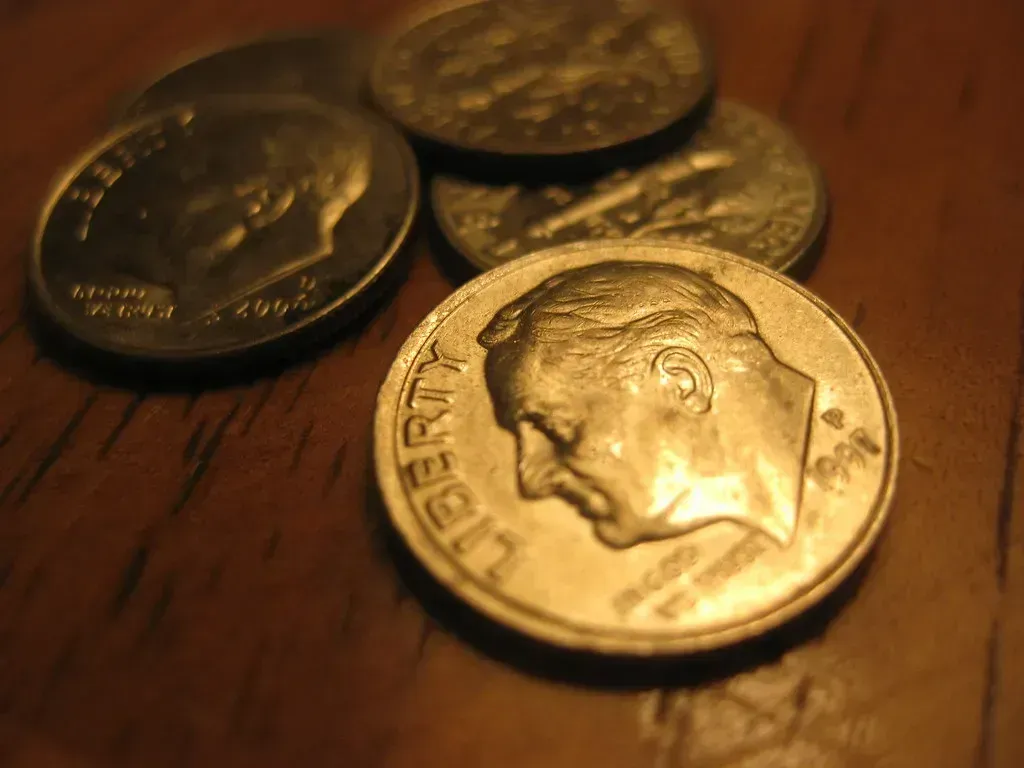
The 1982 Franklin D. Roosevelt dime is missing the mint marking – for example, those minted in Philadelphia must have the letter “P” while those printed in Denver the letter “D” – and these coins could be worth between $30 and $50. A mint mark is a letter that identifies where a coin was made; for example, if a coin was minted in Philadelphia, it would display a “P,” while if it was minted in New Orleans it would display an “O,” and coins that have these identifying letters missing make them rarer and hence more appealing to collectors.
I know it sounds crazy, but something so simple as a missing letter creates enormous value. It’s hard to say for sure, but finding one in mint condition could push that value even higher. Keep checking those dimes sitting in your pocket.
1992 Close AM Penny: The Spacing Error
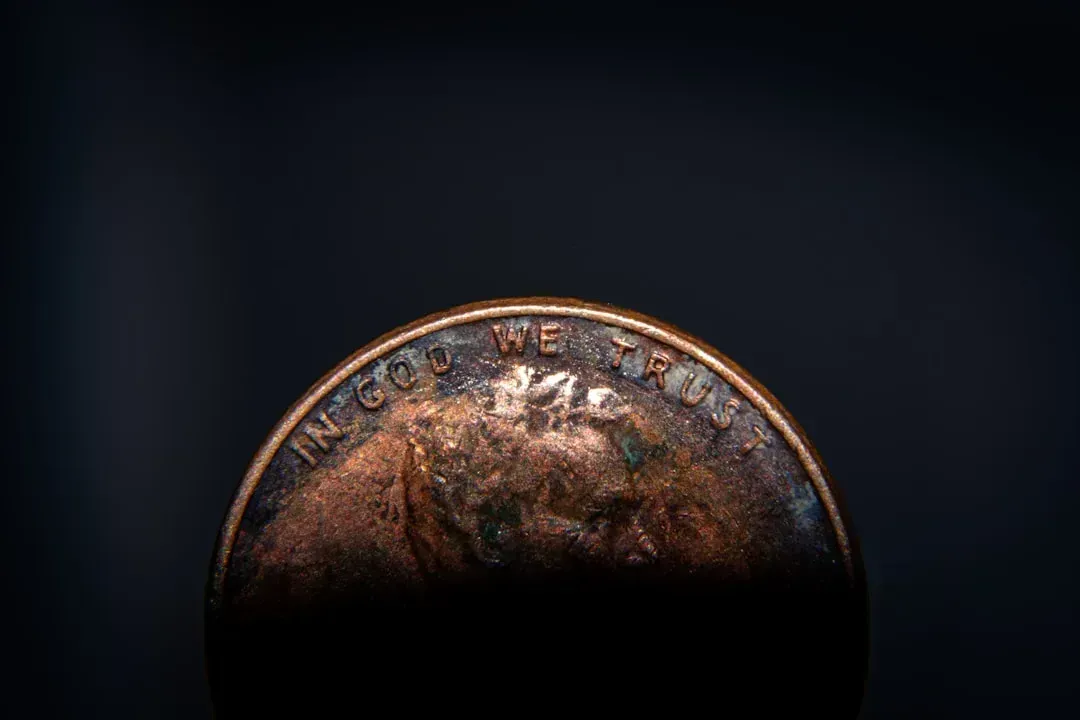
The 1992 Abraham Lincoln penny has an error where the letters “A” and “M” in “AMERICA” The 1992 Close AM penny features a similar minting anomaly where the letters “A” and “M” in “AMERICA” on the reverse are closer together than they should be. On regular pennies from this era, there’s a visible gap between these letters, making this spacing error highly collectible.
Roughly about two dozen authenticated examples exist, according to numismatic sources from recent years. These coins can command prices ranging from several hundred to a few thousand dollars depending on condition. Let’s be real, most people would never notice this tiny detail without magnification.
Pre-1965 Silver Quarters: The Hidden Silver Stash
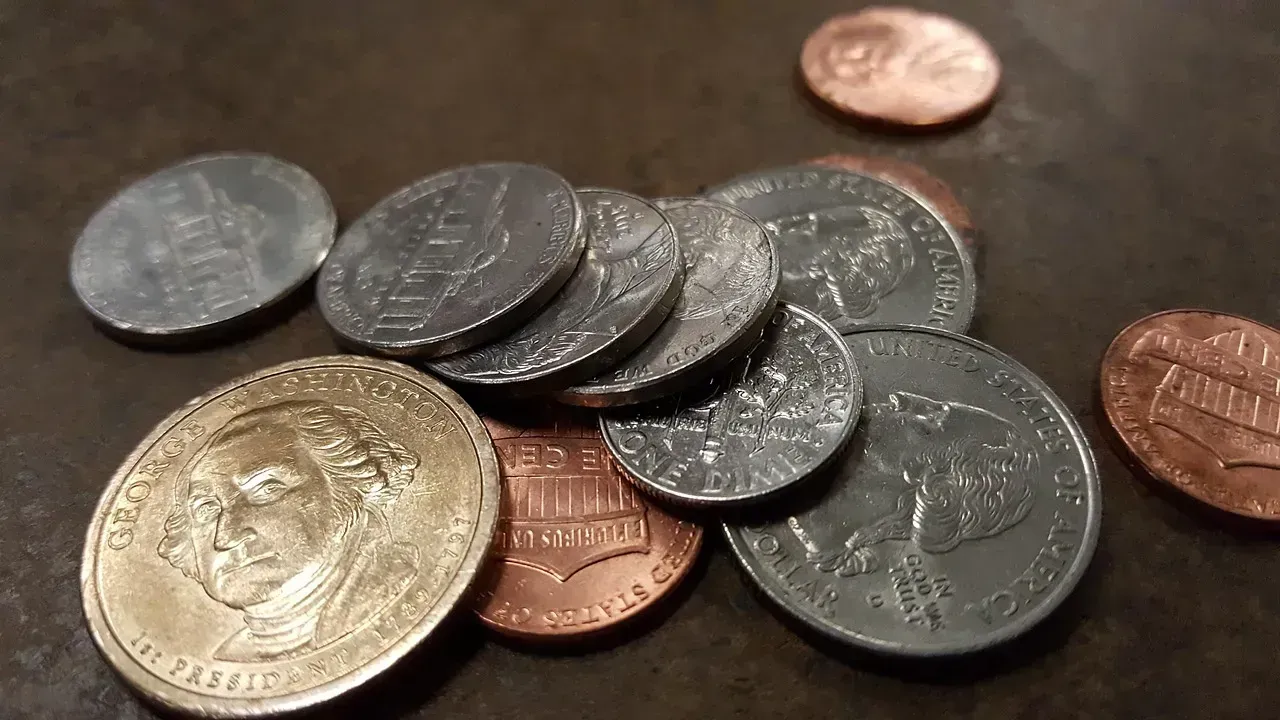
You can find silver quarters in your pocket change, and they’re worth at least 15 times face value: $3.75 or more apiece. For example, at silver prices around $23 per ounce (as in late 2023), a junk silver dime is worth about $1.70, a quarter $4.20, and a half dollar $8.40.
These aren’t necessarily rare in the traditional sense. They’re valuable purely for their silver content. Any quarter minted before 1965 contains roughly ninety percent silver, and with silver prices fluctuating, these coins maintain intrinsic value well beyond their face value. The vast majority of them were pulled from circulation decades ago, yet they still occasionally surface in change jars and old collections.
2007 Presidential Dollar Coins: The Missing Edge Letters
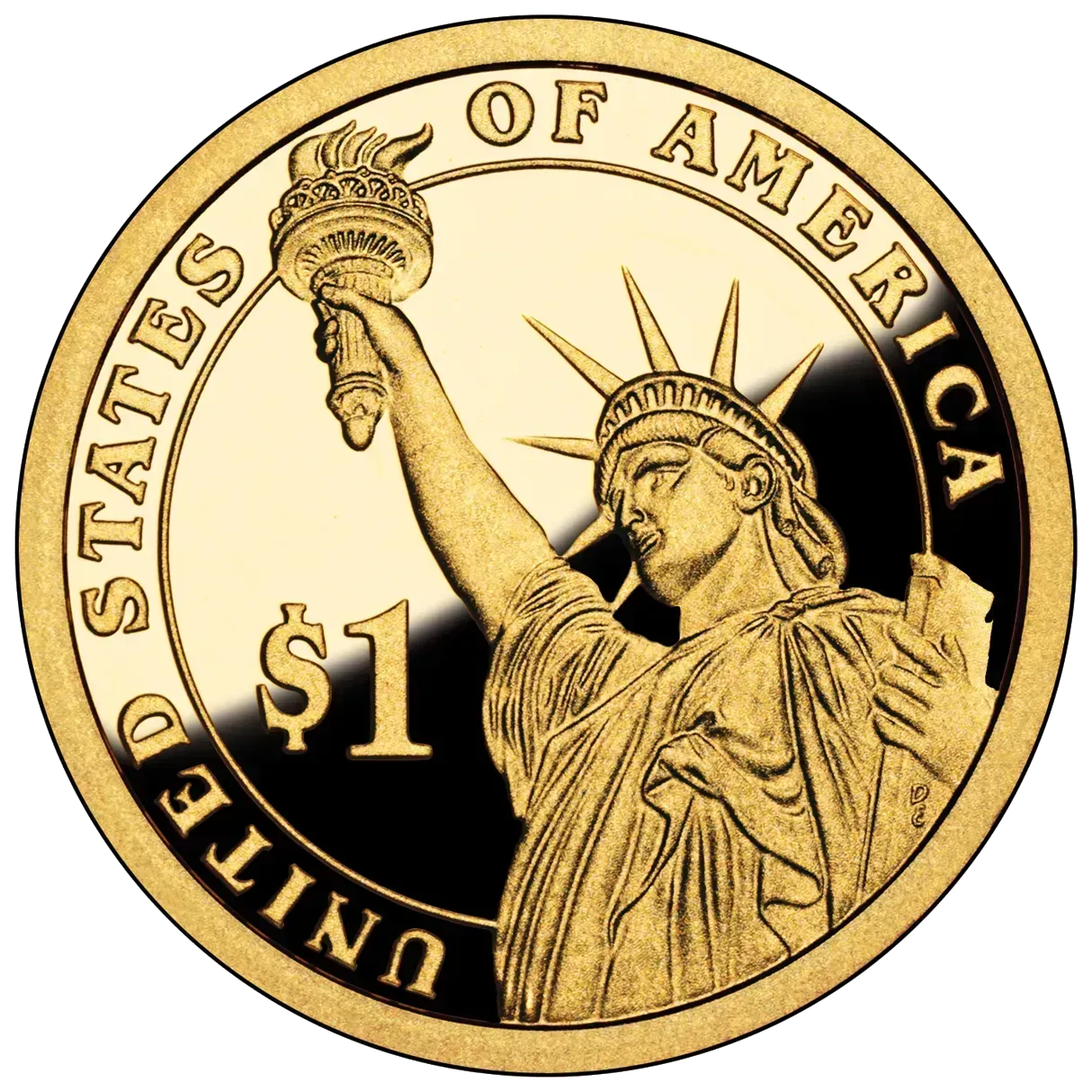
The 2007 one dollar coin, known as a Presidential coin, is missing the letters on the edges and could sell between $50 and $3,000. According to The Spruce Crafts, a site specializing in hobbies and coin collecting, coin collectors are willing to pay up to $25,000 for coins minted with errors such as missing letters, double printing, etc.
These coins should have inscriptions like “IN GOD WE TRUST” and the year stamped on the edge. When the minting process malfunctioned, some coins were released completely smooth on the edges. What would you have guessed? That a simple missing phrase could turn a dollar into hundreds, sometimes thousands? The error rate was high enough during the first year of production that thousands likely entered circulation, making this one of the more realistic finds on this list.