10 Details Buyers Notice Instantly but Sellers Often Miss
Selling a house isn’t just about listing it online and waiting for offers to roll in. There are subtle yet powerful details that can make or break a buyer’s decision, often within seconds of stepping through your door. These are things you’ve probably stopped noticing because you see them every day.
The problem? Buyers were incredibly cautious back then, with only about 28 out of every 1,000 U.S. homes changing hands in 2025, marking the lowest turnover rate in at least 30 years. Roughly 56,000 home purchase agreements were canceled in August 2025, equal to 15.1% of homes that went under contract, up from 14.3% a year earlier and the highest August rate on record since 2017. Let’s be real, that meant buyers were pickier than ever. So what were they seeing that you weren’t?
Unpleasant Odors

Here’s the thing: your nose lies to you. Most houses have some detectable odor, but because of olfactory adaptation, you become more oblivious to smells left in your home from pets, cooking, soccer practice, garbage cans, sink drains, and laundry bins. Buyers, though, notice immediately.
The negative impacts on the marketability of residential properties caused by odors from pet dander, feces, and urine can be significant factors in the price a buyer is willing to pay. A bad odor in a home can easily kill a potential sale, as bad smells indicate a problem with the property and are also a major turnoff for potential buyers. One real estate professional even noted that cigarette smoke led to a significant financial hit during a home sale. Whether it’s last night’s fish dinner or your beloved cat’s litter box, these smells create an instant negative impression that’s hard to shake.
Poor Curb Appeal

Homes with strong curb appeal, such as well-maintained landscaping and exteriors, sell for an average of 7% more than similar properties in the same area. Think about that for a second. That’s thousands of dollars left on the table simply because you didn’t mow the lawn or paint the front door.
According to REALTOR Magazine, a study revealed that homes with an appealing exterior sell, on average, for 7% more than comparable homes with a rundown appearance. The price premium increases to 10 to 11% in slower markets. Honestly, if the outside looks neglected, buyers assume the inside is a disaster waiting to happen. They might not even bother scheduling a showing.
Clutter and Personal Items Everywhere
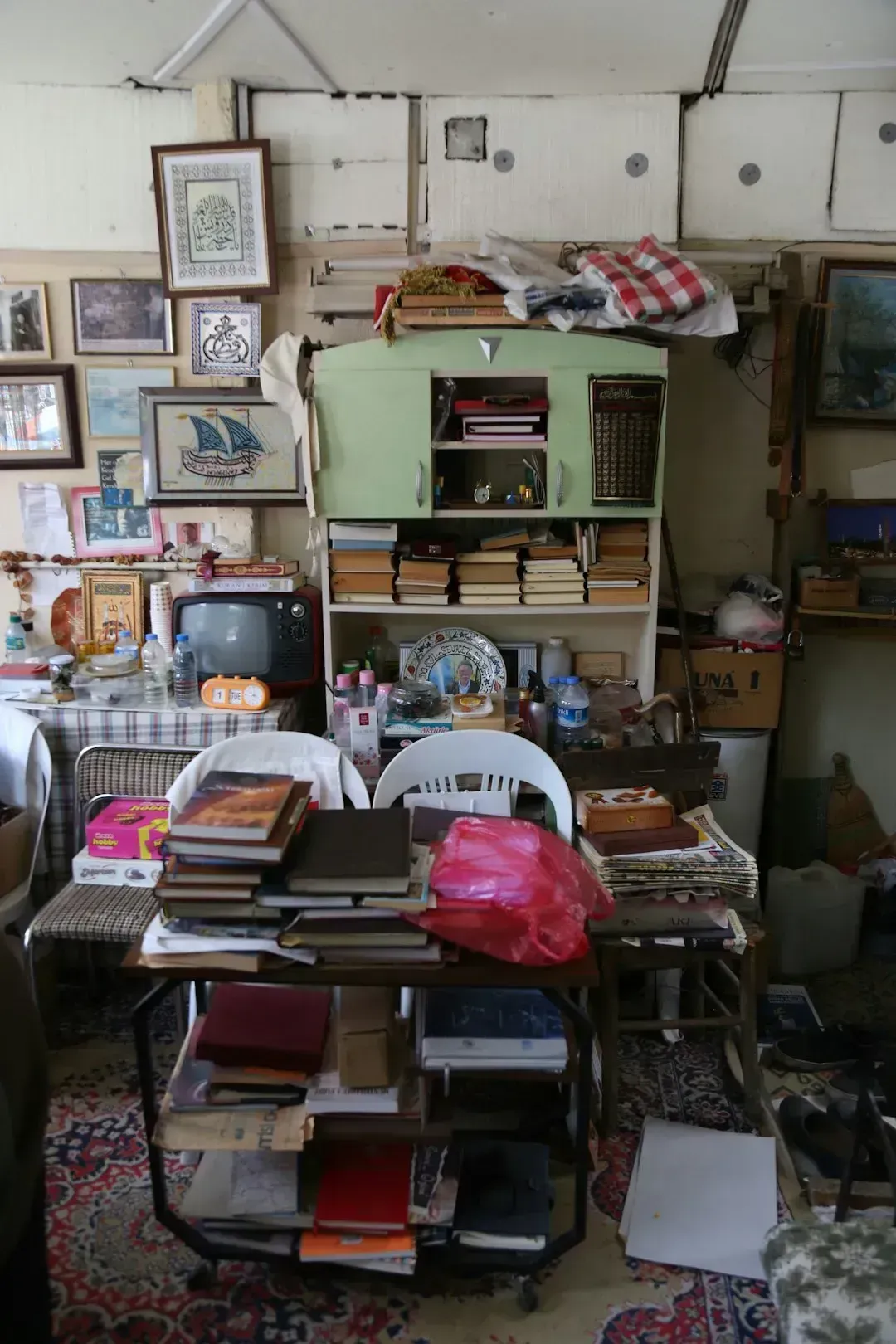
Family photos, kid’s artwork on the fridge, your collection of ceramic frogs. These things mean the world to you, but they’re instant turnoffs for buyers. Clutter can become a major obstacle to selling a home, as it instills fears in many homebuyers beyond where to pile the laundry, making them wonder if the home is being maintained properly or what might be hidden with clutter.
Personal photos on walls, knick knacks, collectibles, and too much furniture can all be distracting and make it difficult for buyers to imagine themselves living in the home, so decluttering and neutralizing decor is essential. They need to envision their own life unfolding in your space, not feel like they’re intruding on yours. Pack away those personal touches now or risk losing potential offers.
Deferred Maintenance Issues
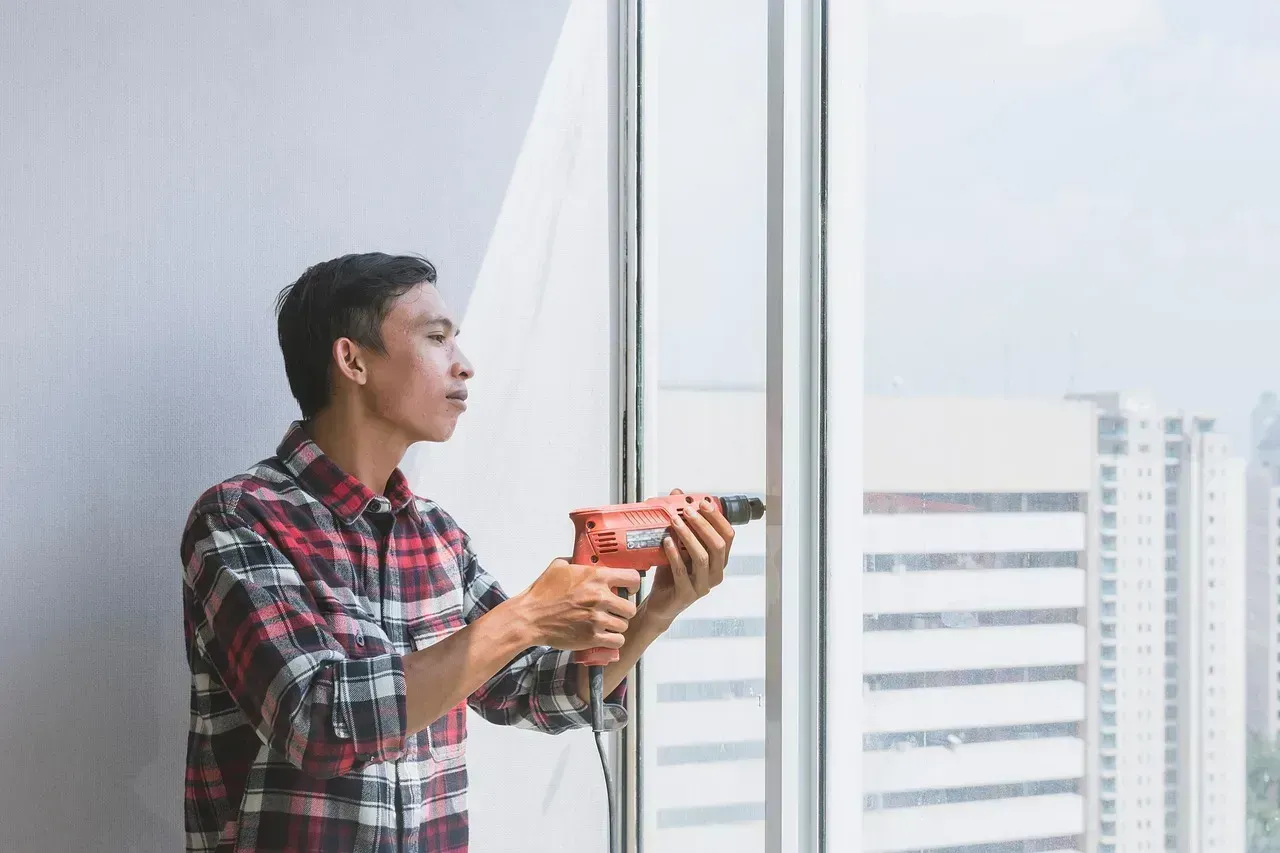
Sticking drawers, leaky faucets, chipped paint, loose railings. You’ve been meaning to fix them for months, maybe years. Your agent can’t get you the price you want unless your home is in pristine move-in condition, meaning no sticking drawers in the kitchen, no leaning fences, and no rust-stained plumbing fixtures.
Deferred maintenance is a polite euphemism for letting your home fall apart; things wear out and it’s your job as a homeowner to keep your home repaired, because buyers really want a home that’s been well-maintained and don’t want to wonder what needs to be fixed next or how much it will cost. In a September survey of 443 real estate agents who dealt with deal cancellations in the past three months, 70.4% said home inspection or repair issues caused deals to fall through. That’s a sobering statistic.
Outdated Fixtures and Finishes
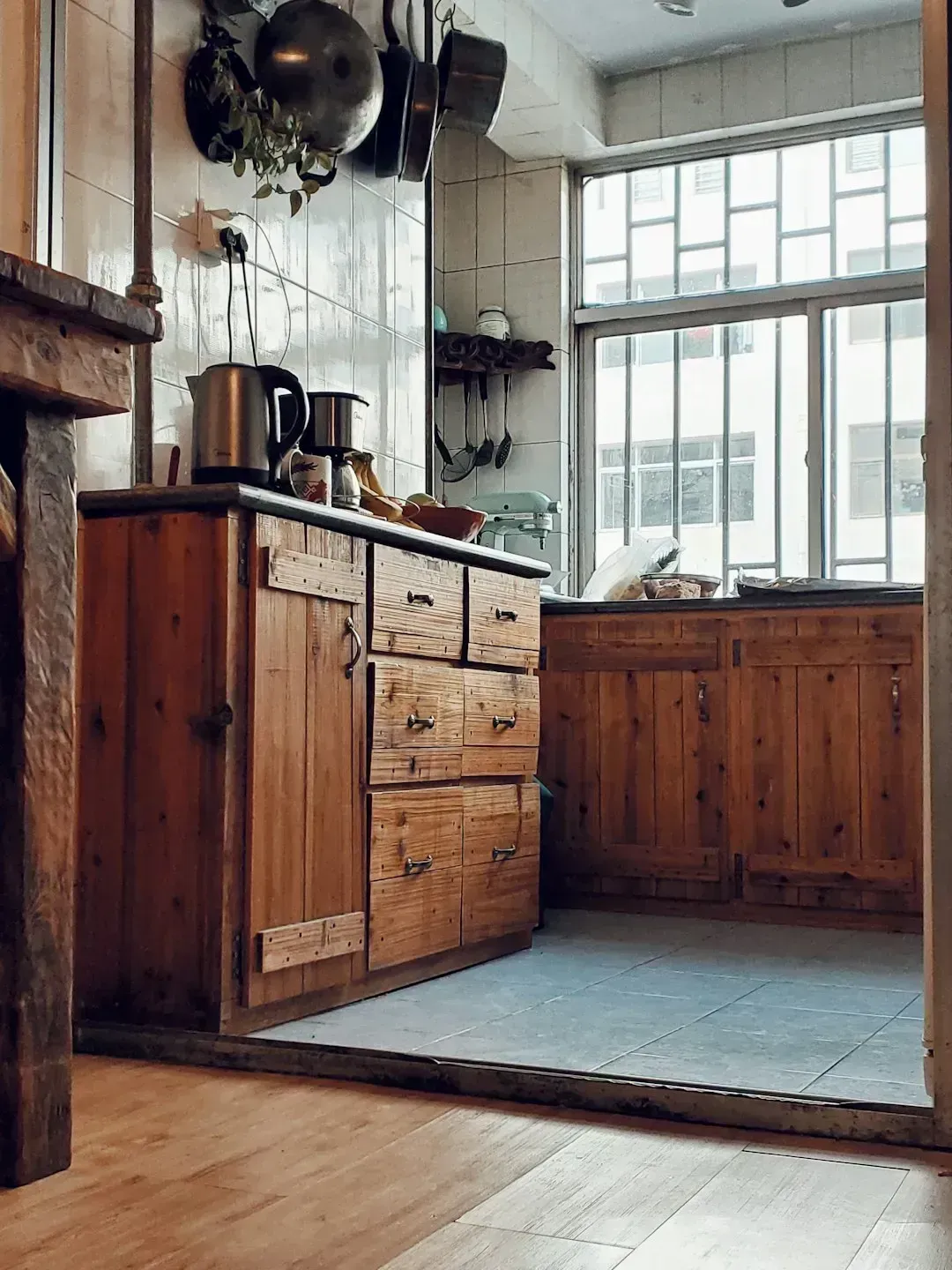
Brass doorknobs from 1987. Popcorn ceilings. Harvest gold appliances. Look, I get it, they still work. When you’re behind the times, buyers don’t want to join you; they want to be perceived as savvy and cool, and they want a home that looks updated even if it’s from a different era.
You don’t need to gut the entire kitchen, but small updates can make a massive difference. Replace those ancient light fixtures. Swap out dated cabinet hardware. Of all the rooms in a house, the kitchen and bathroom are the most crucial among homebuyers and will significantly impact their buying decision, as buyers don’t want kitchens or bathrooms that look like they will require a lot of renovation.
Lack of Professional Staging
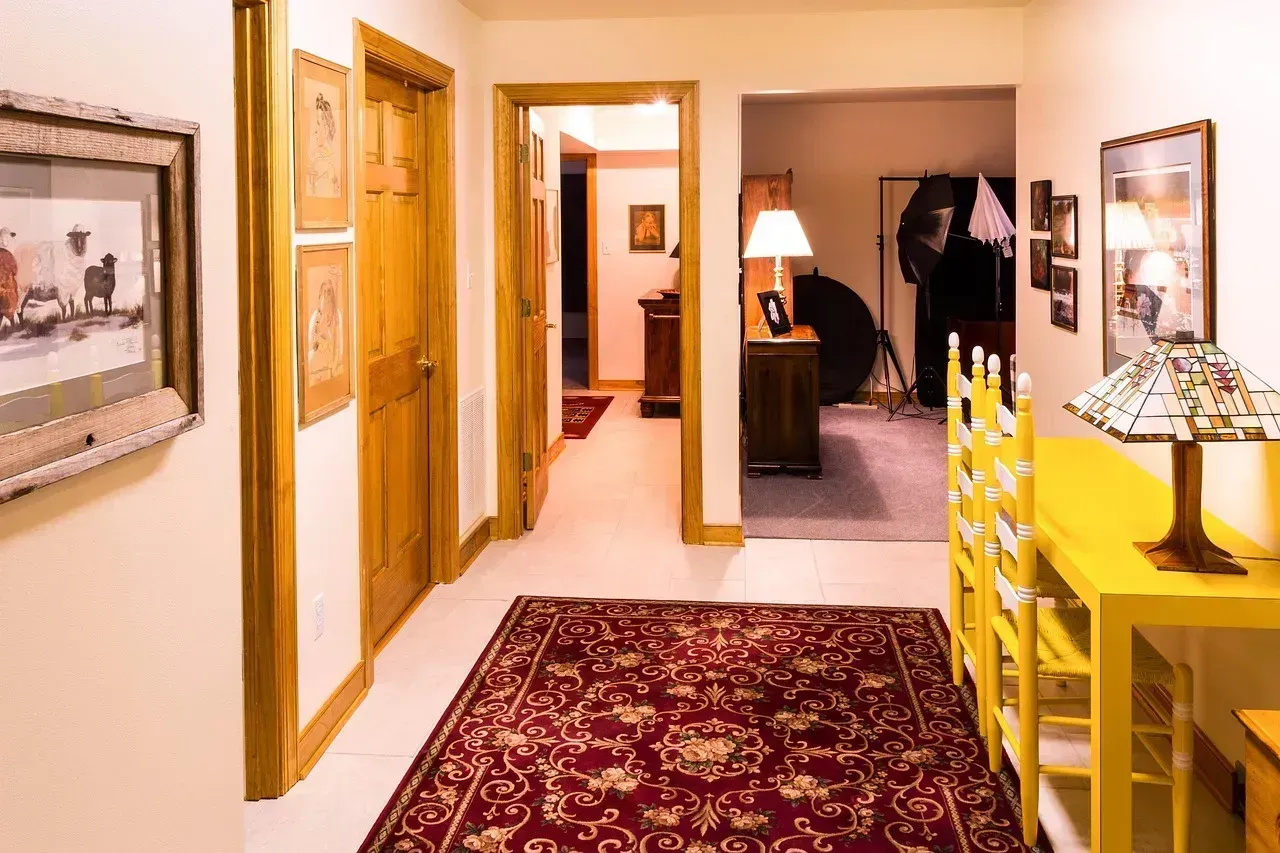
You might think your furniture arrangement is fine, but buyers disagree. Staging a home led to a 1% to 5% increase in the home’s dollar value compared to similar unstaged homes, as reported by 20% of sellers’ agents in 2023, and staged homes attract more buyers, sell faster, and often sell for higher prices.
Staged homes sell up to 3 times faster than non-staged homes according to the Real Estate Staging Association, and 82% of buyer’s agents reported that staging helped their clients better visualize the property as their future home per the NAR 2024 report. 96% of realtors believe that home staging positively influences a buyer’s decision, and 31% of buyers claimed staging their home increased their offer on a home. Even simple rearrangements or rentals can transform how buyers perceive your space.
Poor Online Photos
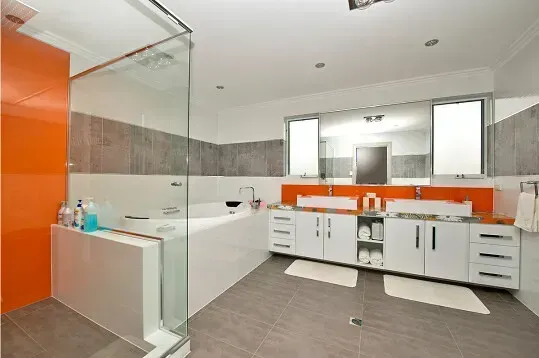
Nearly 100% of home buyers view a property online before deciding whether to even set foot inside of it, with the Northern Virginia Association of Realtors reporting that over 97% of homebuyers previewed homes online. If your listing photos are dark, blurry, or poorly composed, you’ve already lost half your potential buyers.
Listings with no pictures at all are the biggest deal breaker, as buyers will assume the house has serious issues and click right on by. Invest in professional photography. 40% of homebuyers were more inclined to visit a staged home they initially viewed online. Those photos are your first and sometimes only chance to hook a buyer. Don’t blow it.
Overpricing
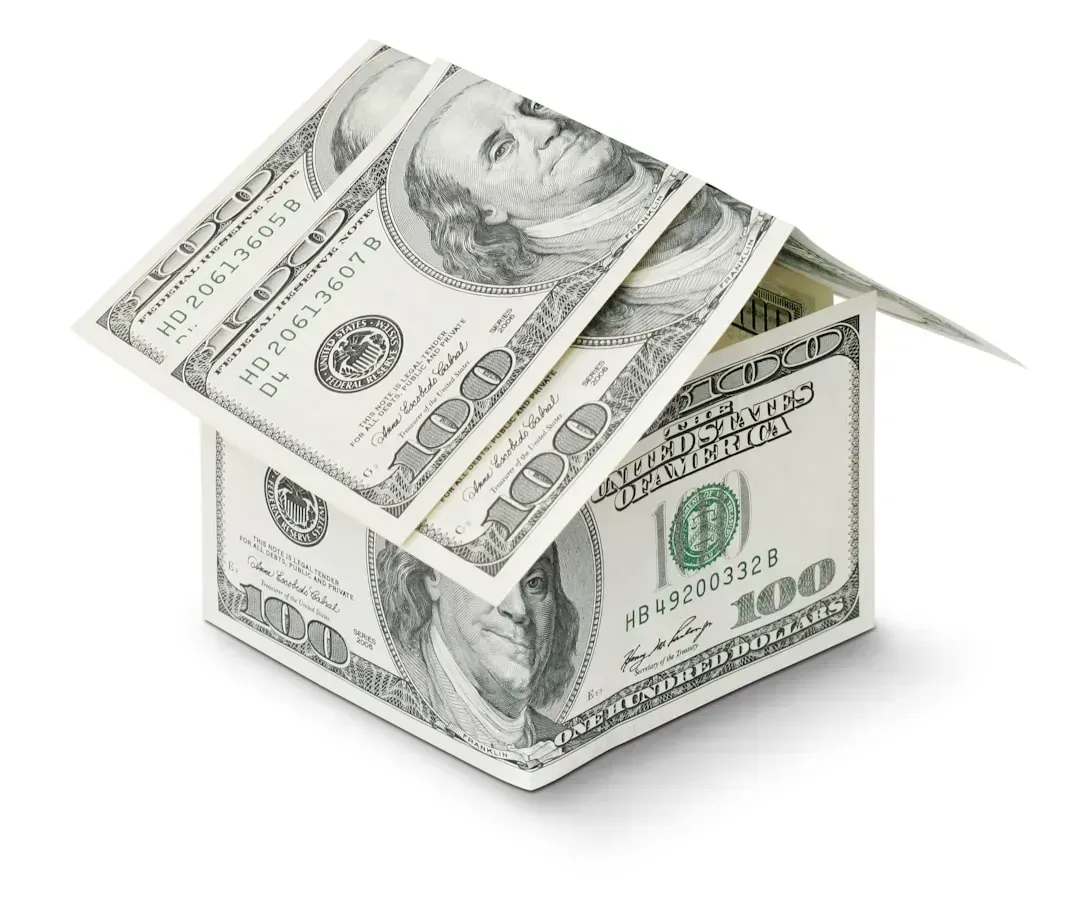
You’re emotionally attached to your home. You remember every penny you put into it. None of that matters to buyers. Overpricing your home is like trying to crash the country club without a membership; if you ignore your agent’s advice and list at a higher price than recommended, you’re going to get negative feedback from buyers, and the worst feedback is silence, which could include no showings and no offers.
One of the biggest turnoffs for homebuyers is an overpriced property, as listing your property for significantly more than the expected market value can indicate that the seller is unrealistic about the value of their property or unwilling to negotiate, which can instantly turn a buyer away. Buyers are more discerning now, and overpricing can lead to longer days on market.
Neglected Outdoor Spaces
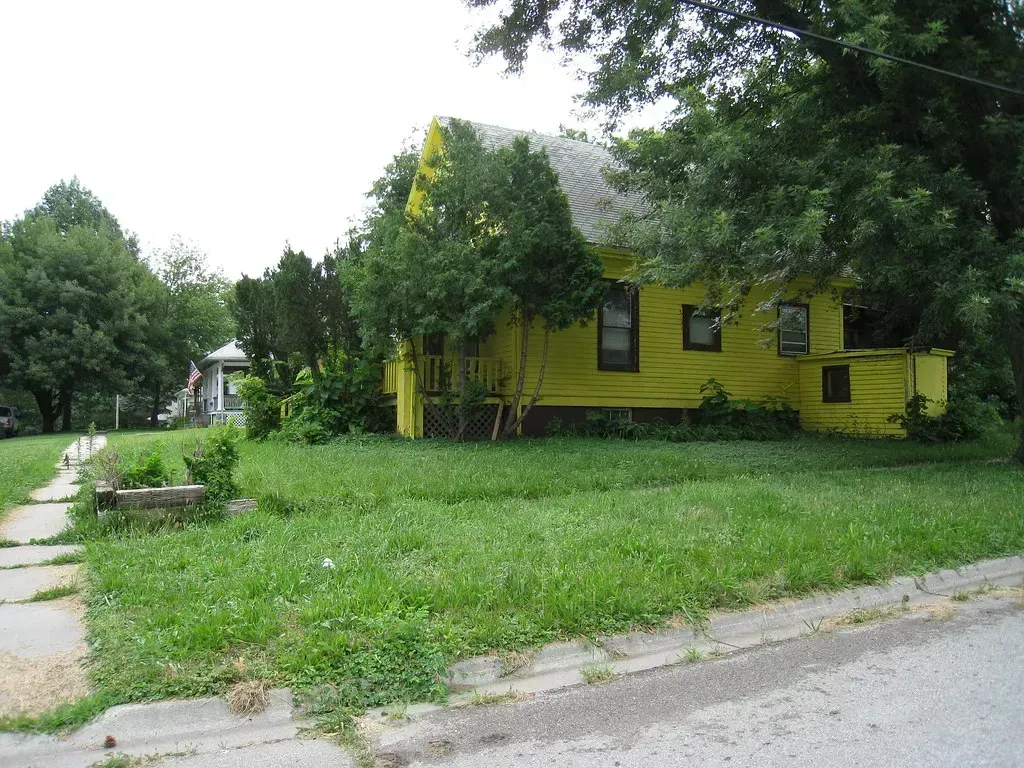
If you don’t have much of a patio and haven’t done much with your yard, you can lose major points with homebuyers, as many people think of outdoor areas as an extension of the living room and want to utilize exterior space as livable areas for entertaining or relaxing.
Nowadays, potential buyers are looking for functional outdoor spaces when touring houses, so in addition to staging your home’s interior, you should pay attention to the outdoor spaces. A messy backyard, broken fence, or overgrown garden signals neglect. Even if you rarely use your outdoor space, buyers want to see potential. Add some seating, clean up debris, and make it look inviting.
Limited Natural Light
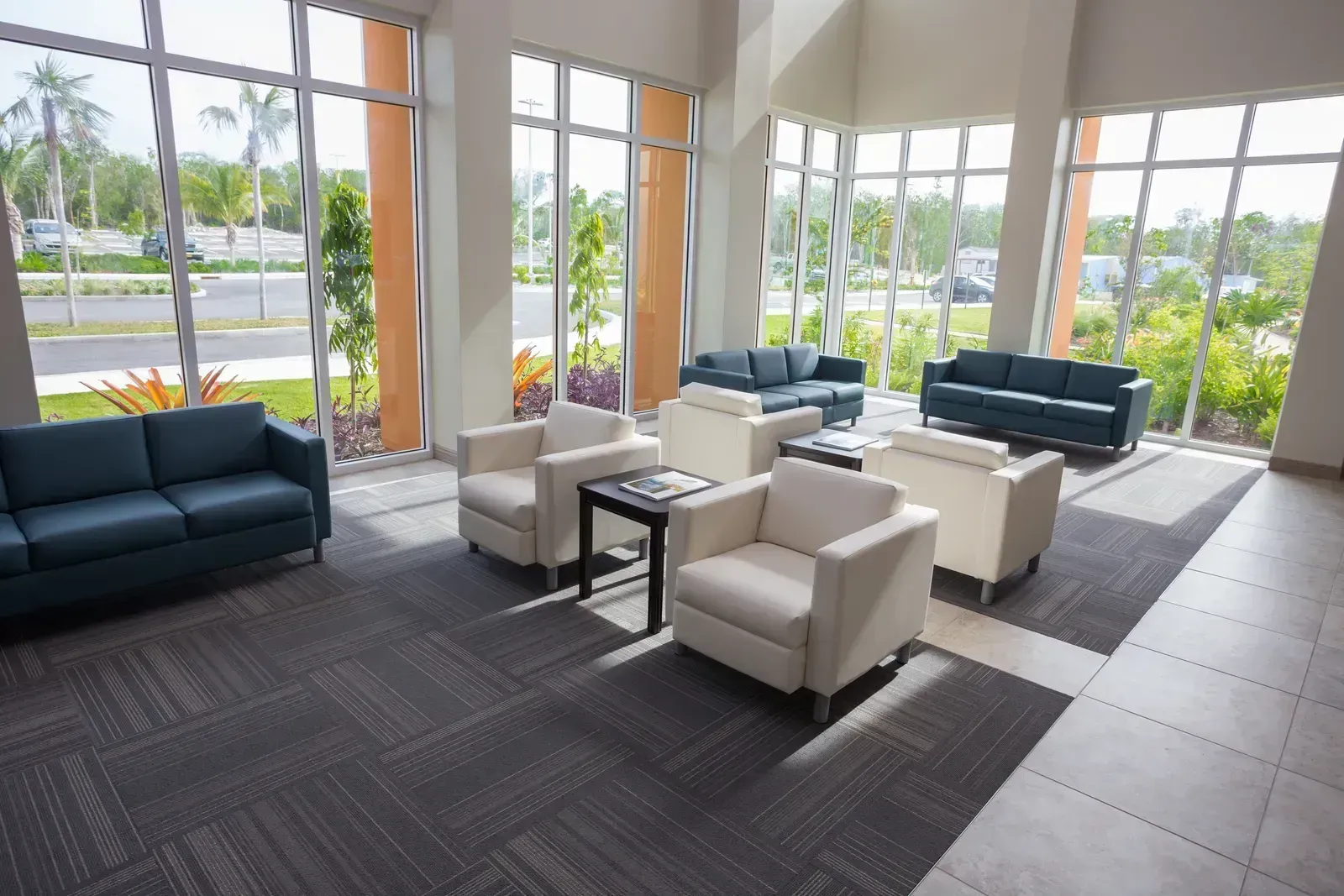
Dark, cave-like rooms are instant mood killers. You can have a well-staged home, but without good lighting, your efforts might be in vain; nowadays, buyers love homes with good natural lighting because it makes a room feel spacious and is an energy-efficient feature that many homebuyers look for.
Open those curtains. Replace heavy drapes with sheer ones. Add mirrors to reflect what little light you have. Professional stagers swear by layered lighting for homes that don’t have the luxury of natural light, including the use of ambient lighting, accent lighting, and task lighting to create a cozy atmosphere. Bright, airy spaces feel larger and more welcoming. Dark rooms feel claustrophobic and depressing.
The reality is that selling a home in 2026 requires more attention to detail than ever before. Buyers are cautious, inventory is slowly improving, and competition remains fierce. The small things you’ve learned to overlook, like that faint pet smell or the chipped paint on the front door, can derail your entire sale. Take a step back and see your home through fresh eyes, or better yet, ask a brutally honest friend or your real estate agent to give you the truth. Fix what needs fixing, stage what needs staging, and price it right. What do you think? Are there any deal breakers we missed?