Top 5 Cheapest Countries to Live Well on $1,000 a Month
Ever scrolled through social media and seen those videos of people living their dream life on a beach somewhere, sipping coffee for pennies and renting gorgeous apartments for what you’d pay for a parking spot back home? It sounds too good to be true, right? Turnsewhat if I told you it’s completely possible in 2026, and you don’t need to be a millionaire or sacrifice quality of life to make it happen? The world has some incredible pockets where your dollar stretches further than you ever imagined.
With inflation biting hard in Western countries and the cost of everything from groceries to healthcare spiraling out of control, more people are asking themselves a simple question: why stay? A survey conducted by Monmouth University found that one third of Americans wanted to settle in another country, which is a massive shift in mindset. Remote work, digital nomad visas, and early retirement dreams have opened doors that simply didn’t exist a decade ago. So let’s dive into five countries where living well on one thousand dollars a month isn’t just doable, it’s genuinely comfortable.
Vietnam: Southeast Asia’s Best-Kept Budget Secret

Vietnam has quietly become one of the absolute champions for affordable living without cutting corners on experience. Vietnam is one of the most affordable countries in Southeast Asia with an average cost of living of $500-700 per month. Think about that for a second. You could cover rent, food, transport, and entertainment for less than what many people spend on rent alone in a Western city.
Even in these two places, a couple can enjoy a comfortable, middle-class lifestyle for less than $1,300 per month, according to International Living’s data on Ho Chi Minh City and Hanoi. Street food culture here is legendary. Two people can enjoy a full local-style meal of rice or noodles, meat, vegetables, and a couple of draft beers for less than $5. That’s not backpacker food either, we’re talking fresh, delicious meals that locals eat every day.
Housing remains shockingly cheap by Western standards. Rent costs – $200-350 per month – make Vietnam extremely attractive for those looking to cut their expenses. You get modern apartments with amenities, often in cities with blazing fast internet and a thriving expat community. Healthcare? It’s affordable and surprisingly good quality. Plus, Vietnam gives you incredible natural beauty, from Halong Bay to the Mekong Delta, all while your bank account actually grows instead of shrinking every month.
Thailand: The Classic Choice That Still Delivers
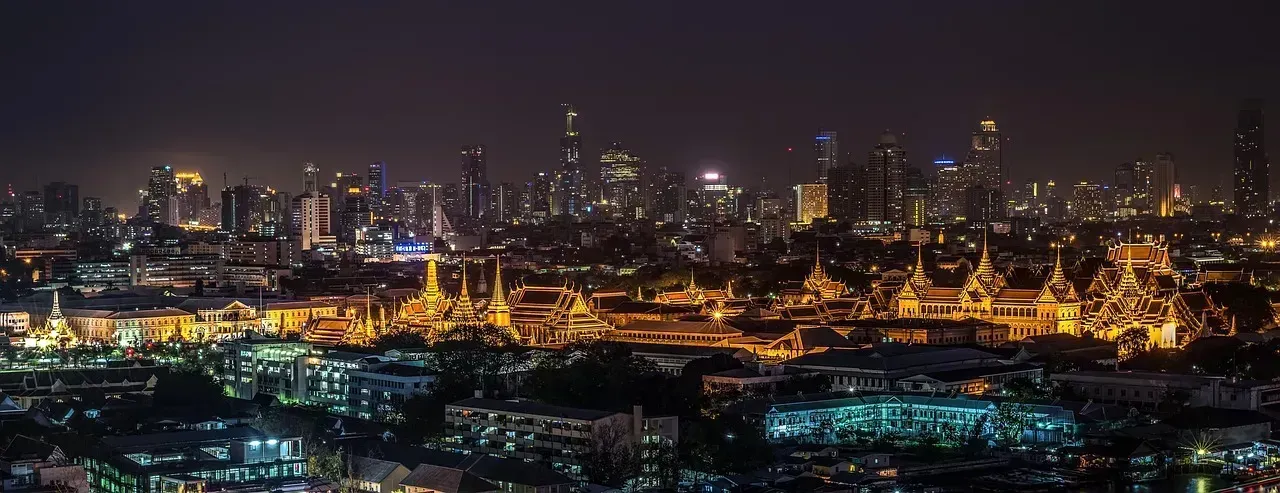
Thailand has been on budget traveler and expat lists forever, yet it still delivers serious value in 2025. Thailand is one of the top rated countries for the cheapest living, with an average cost of around $600–900 per month. Sure, it’s gotten a bit pricier than Vietnam, but you’re getting something extra for that money: infrastructure that just works.
In Thailand’s major cities, a comfortable lifestyle is possible on $1,500-$2,500 per month, including rent. Bangkok’s city center apartments average around 22,000 THB ($660) per month for a one-bedroom, while similar accommodations outside the center drop to half that amount. Move to Chiang Mai, the digital nomad haven in the north, and you’re looking at even better deals while enjoying cooler weather and mountain views.
Food remains incredibly cheap. Food is very cheap here, thanks to a wide selection of street food, where a dish costs $1–3. Thailand also launched an exciting new option in 2024. Thailand launched its Destination Thailand Visa (DTV) in 2024, offering five-year access with 180-day stays per entry for just 10,000 THB ($291), making long-term stays easier than ever for remote workers and digital nomads. Healthcare quality? World-class hospitals that cost a fraction of what you’d pay in the States.
Mexico: Your Affordable Neighbor with Familiar Comforts

Let’s be real, Mexico makes the move abroad easier for Americans than almost anywhere else. You’re close enough that friends actually visit, flights home are cheap, and the cultural adjustment is way less jarring than moving to Asia. Mexico in 2025 continued to hold the position of a country with a moderate cost of living – $800–1,000 per month. This was about half the average cost of living in major US cities such as New York or Los Angeles.
A family of four spends an average of $2,402 USD monthly living in Mexico, according to Numbeo. A single person can live comfortably on a budget of $664 USD. Housing varies wildly depending on where you land. A one-bedroom apartment in Puerto Vallarta, Cabo, or Mexico City typically runs $400-$900 USD per month. Upscale neighborhoods or trendier districts can easily climb into the $1,000-$1,500 range. Head to interior cities like Querétaro or Guadalajara, though, and you’ll find even better value.
Food is a major highlight. A hearty lunch at a comida corrida costs $4 to $8 per person, while dinners at most nice restaurants are $20 or less. Healthcare costs are dramatically lower too. A typical doctor’s visit costs between $30-$50 out of pocket, compared to $150-$300 in the US. Prescription medications can be 50-70% cheaper. Mexico lets you keep one foot in North American culture while slashing your expenses and upgrading your quality of life.
Portugal: European Charm Without the European Price Tag

Portugal stands out as Western Europe’s most affordable option, which honestly sounds impossible until you see the numbers. Portugal offers the lowest cost of living in Western Europe, where a couple can live nicely on $2,500 to $3,000 a month outside of the major cities. Yes, that’s for a couple, meaning a single person can absolutely hit that thousand-dollar target outside Lisbon and Porto.
Updated estimates from December 2024 suggested that Portugal remained approximately 13% below the EU average in 2025, giving it a significant cost advantage over neighboring Spain, France, and Italy. In Portugal’s interior, expats can find rents starting from as low as $450 for a two-bedroom, furnished, older home packed with Portuguese charm. In Lisbon, it may be possible to find a furnished one-bedroom for under $1,000 close to amenities and public transport. That’s for a European Union country with excellent healthcare, safety, and sunshine.
Healthcare deserves special mention. Healthcare in Portugal is some of the best in the world. Private health insurance policies start at around $50 per person, which is laughably cheap compared to American insurance costs. Portugal also offers gorgeous beaches, world-class wine that costs next to nothing, and a welcoming expat community. The 2024 Global Peace Index, a yearly report produced by the Institute for Economics and Peace, puts Portugal in the 7th place of the world’s safest countries.
Albania: Europe’s Hidden Balkan Bargain

Albania might surprise you as the dark horse on this list. Most people couldn’t find it on a map a few years ago, but expats in the know have been quietly building lives there for a fraction of European costs. Total Monthly Cost 500–900 euros covers budget to mid-range living, according to Zenith Travel’s 2025 data. That puts you well under a thousand dollars even at mid-range spending.
A studio apartment for one or two people can be around 150-250 $ monthly, while a family will need to pay a higher price for a bigger flat. The location of the flat also plays an important role, as those away from city centers are always cheaper. Food costs are incredibly low. A meal at a local restaurant costs around €5–€8, while dining at a mid-range restaurant with drinks can go up to €15–€20 per person. Coffee? You can enjoy your cappuccino for just 1.27$ or have a decent meal for 5.54$.
Public transportation in Albania is highly affordable. Buses & Furgons: City buses in Tirana cost €0.40 per ride, while intercity furgons (minibuses) vary depending on distance, typically €5–€15 for longer routes. Albania offers stunning coastlines along the Adriatic and Ionian seas, fascinating history, and incredibly welcoming locals. In all, we truly enjoyed our 10+ weeks in Albania. We’ll likely return, as it’s a ‘non-Schengen’ European nation with an extremely welcoming free 1-year tourist visa extended to U.S. citizens, making it perfect for extended stays.