10 European Cities People Say Feel Like a Dream
Prague, Czech Republic
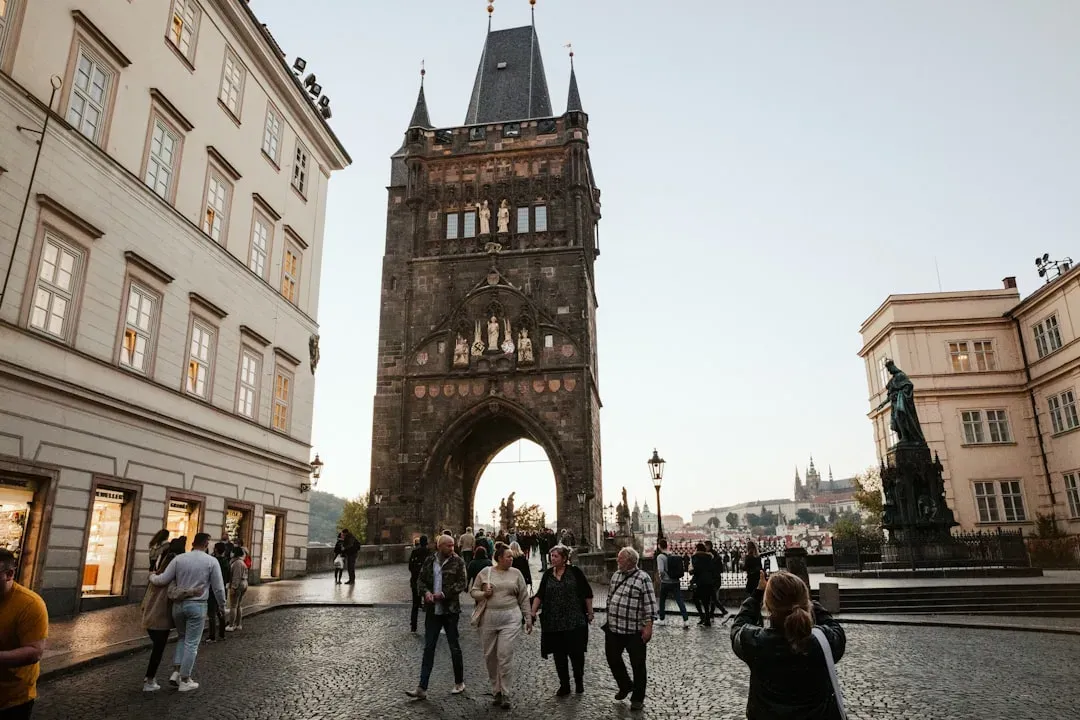
Around 8.1 million tourists visited Prague in 2024, marking a 9 percent increase from the year before. The Czech capital feels lifted straight from a fairytale, honestly. Walking through cobbled alleyways lined with Gothic cathedrals and Baroque buildings, you can’t help but sense history whispering from every corner. Charles Bridge sees more than 5 million pedestrians annually, and it’s easy to understand why. Travelers from Germany, the United States, and the United Kingdom lead visitor numbers, with Slovakia, Italy, and Poland also contributing significantly to the city’s tourism influx.
Dubrovnik, Croatia
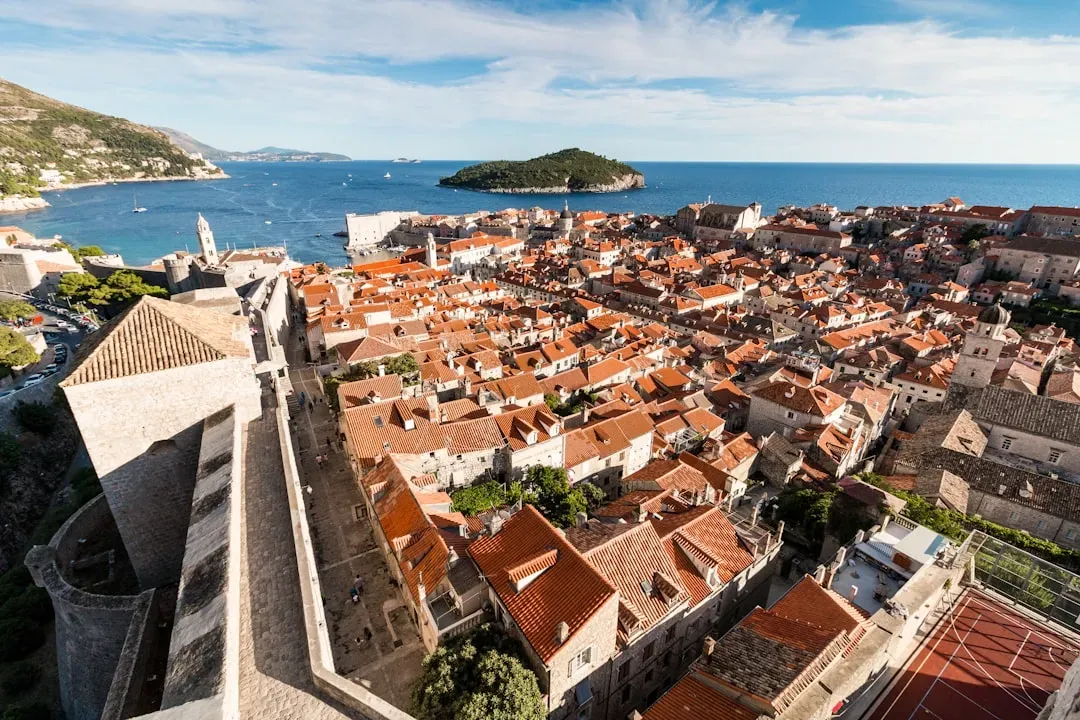
The Croatian coastal city welcomed 1.35 million visitors and generated over 4.2 million overnight stays by December 2024, representing a 9 percent rise in arrivals and a 10 percent increase in overnight bookings compared to 2023. Those terracotta rooftops cascading down to the Adriatic Sea create scenes that seem almost too perfect to be real. Dubrovnik recorded the highest number of tourist nights among Croatian destinations in 2024 with 4.2 million nights, an increase of just over 10 percent compared to the previous year. International visitors primarily came from the United Kingdom, United States, France, Germany, and within Croatia itself.
Bruges, Belgium
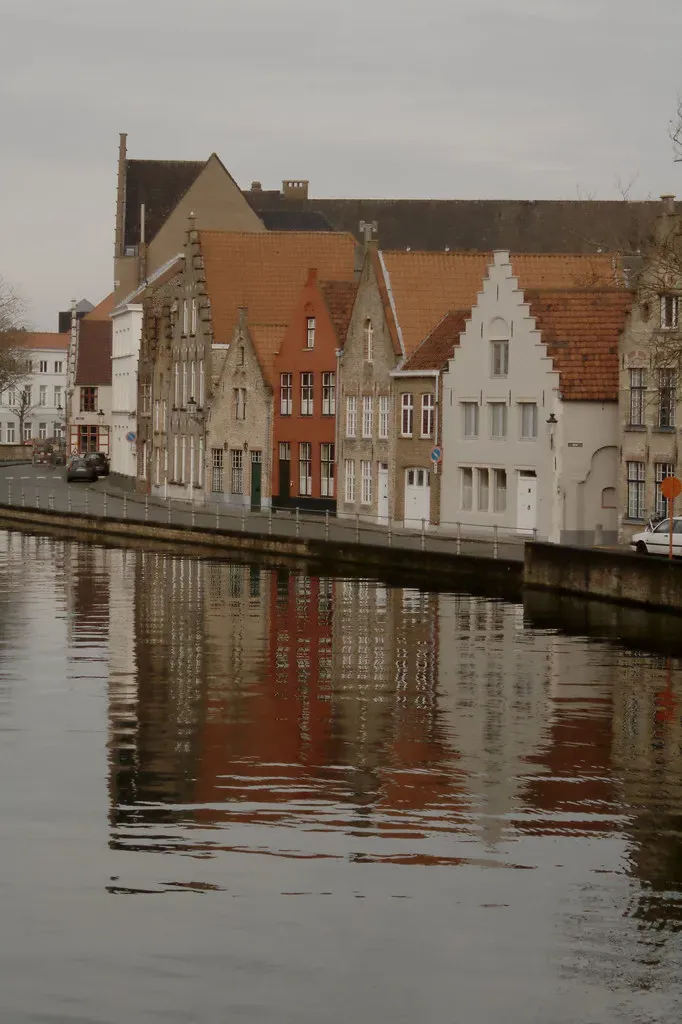
In 2024, Bruges welcomed eight million day and overnight tourists in the historic city center, receiving an average of 27,000 visitors every day. Let’s be real, this place looks like someone painted a medieval town and forgot to add the modern world back in. Canals wind through cobblestone streets, and gabled houses seem frozen in time. The city’s beauty has become so overwhelming that authorities implemented restrictions on new hotels and short-term rentals to manage the crowds. Among Flanders’ most visited destinations, Antwerp, Bruges, and Ghent proved particularly popular with tourists.
Santorini, Greece
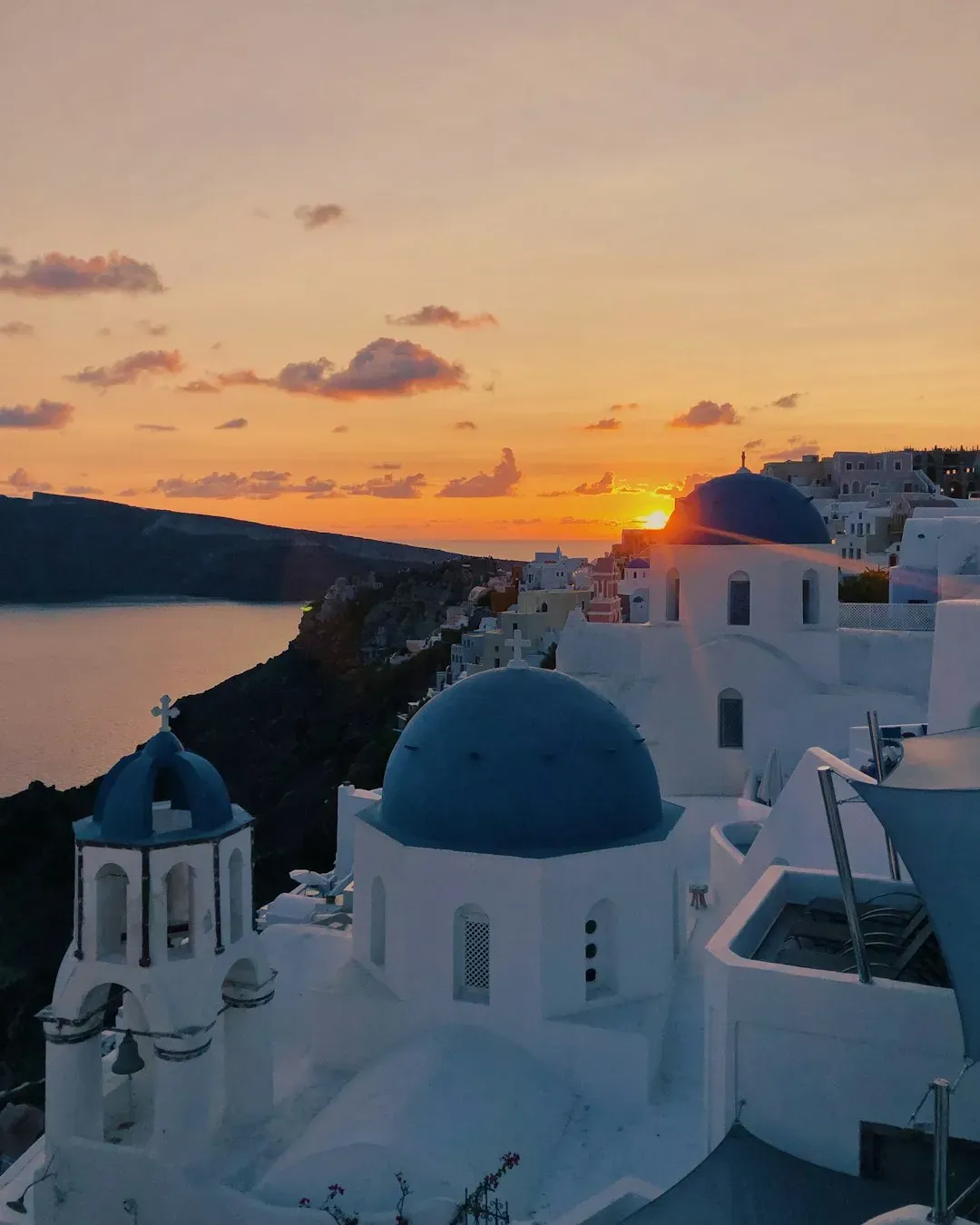
The whitewashed buildings perched on volcanic cliffs above impossibly blue waters make Santorini look like something conjured in a dream. This Greek island draws visitors seeking that perfect sunset view from Oia, where the sky explodes into shades of pink and orange each evening. The Cycladic architecture with its smooth curves and bright white facades creates a striking contrast against the deep azure of the Aegean Sea. Tourism here peaks during summer months when travelers flock to experience the island’s unique volcanic beaches and cliffside villages that seem to defy gravity.
Venice, Italy
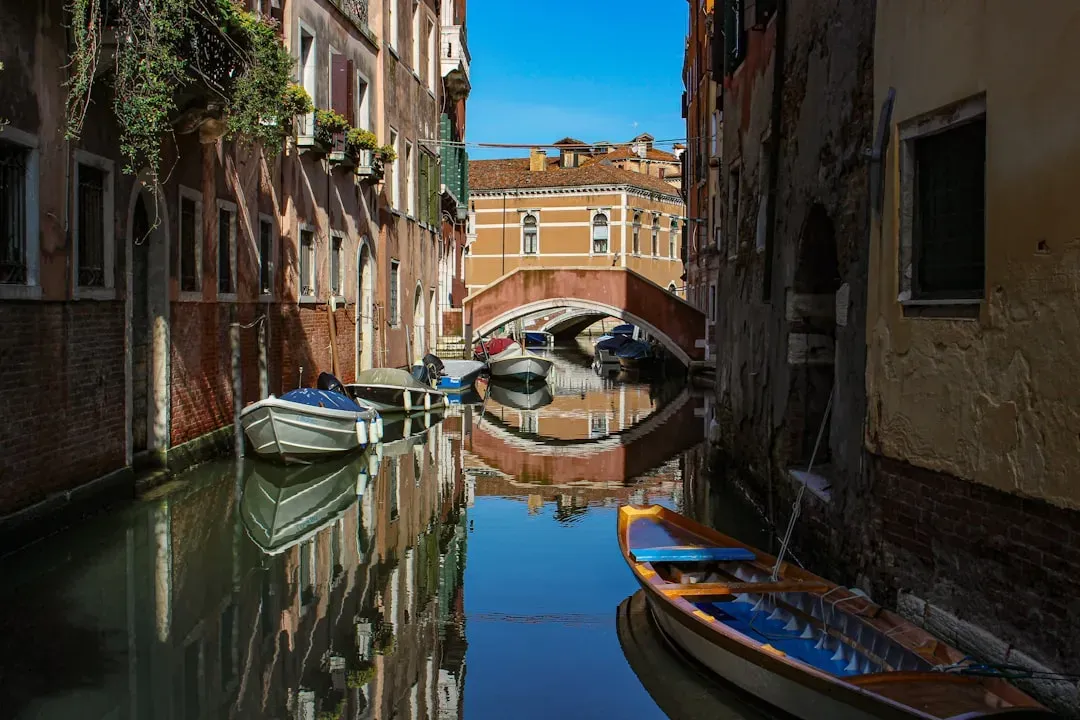
Venice welcomed 5.7 million visitors in 2023, and straining under the weight of these numbers, the ancient port trialed a tourist tax and introduced a cap of 25 people per tour group. There’s something surreal about a city where streets are water and cars don’t exist. Gondolas glide silently through narrow canals, passing beneath ancient stone bridges while centuries-old palazzos rise from the lagoon. The entire city feels like stepping into another era, though the challenge now is preserving that magic amid massive visitor numbers. In 2024, the city even introduced a day-tripper fee to help manage overcrowding during peak periods.
Edinburgh, Scotland
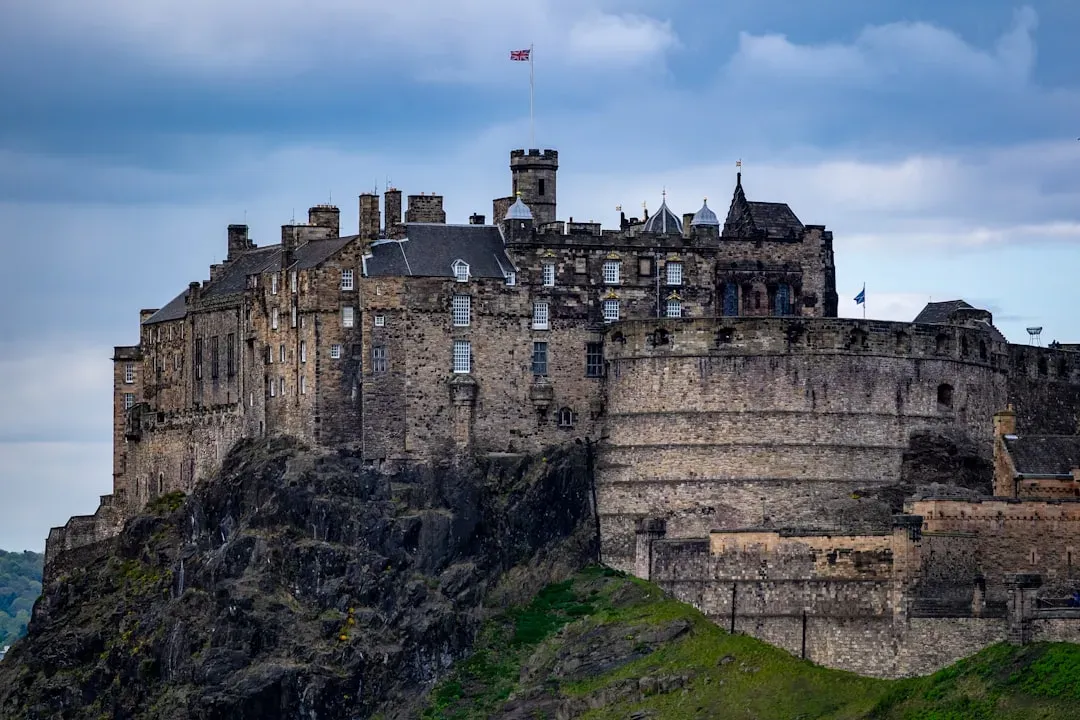
The Scottish capital looks like someone pulled it from the pages of a gothic novel. Edinburgh Castle looms dramatically over the city from its volcanic perch, while medieval Old Town streets twist and climb in shadowy layers. The Royal Mile connects ancient fortifications to the modern Scottish Parliament, creating a journey through centuries in a single walk. During summer, the city transforms into a cultural powerhouse during the Edinburgh Festival Fringe, attracting performers and visitors from across the globe who pack the atmospheric streets and historic venues.
Hallstatt, Austria
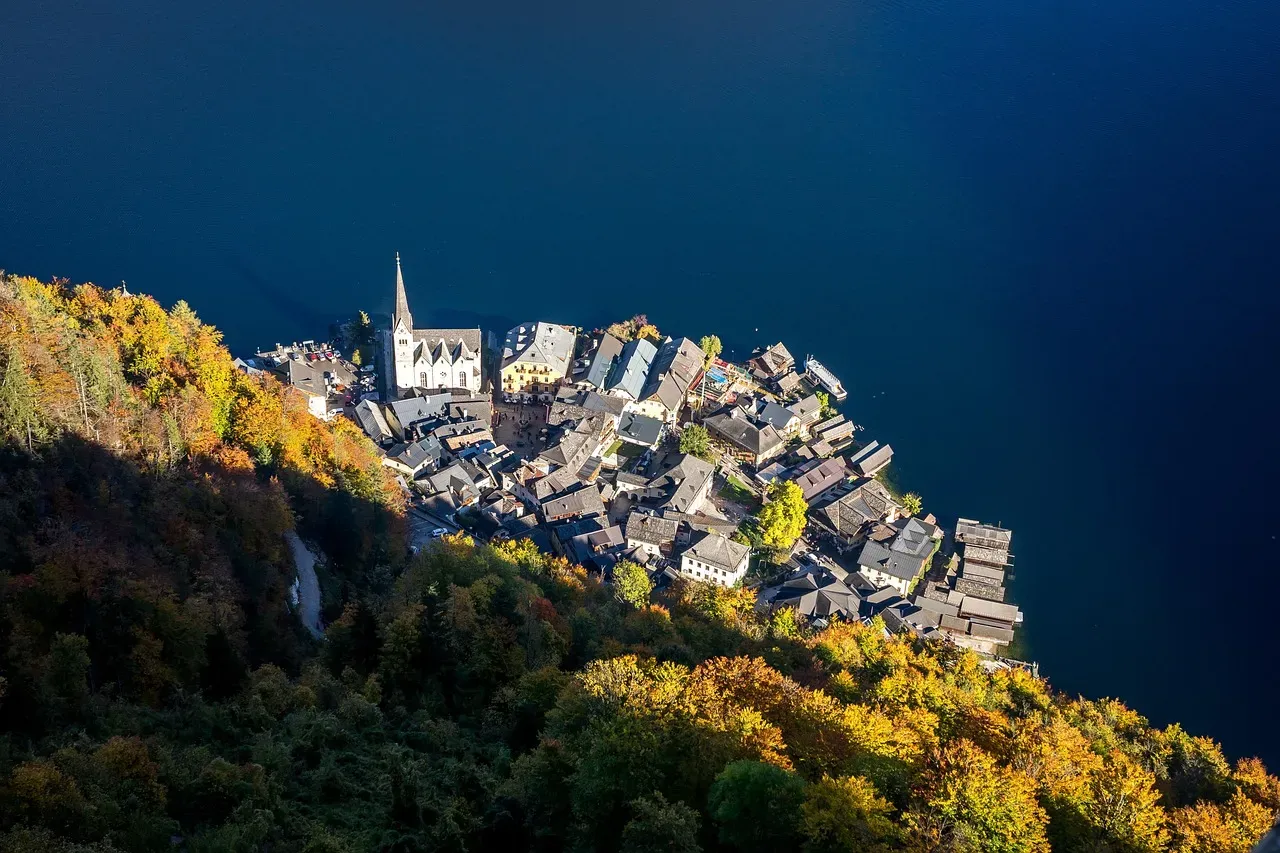
This alpine village tucked beside a mirror-like lake might be the most photographed small town in Europe, and frankly, it’s earned that distinction. Pastel-colored houses cascade down mountainsides toward crystalline waters, with towering peaks creating a dramatic backdrop. The reflection of the village in the still lake surface doubles the dreamlike quality of the scene. Tourism has exploded so dramatically in recent years that local authorities have worked to manage visitor flow, especially from international tourists arriving by the busload for quick photo opportunities.
Porto, Portugal
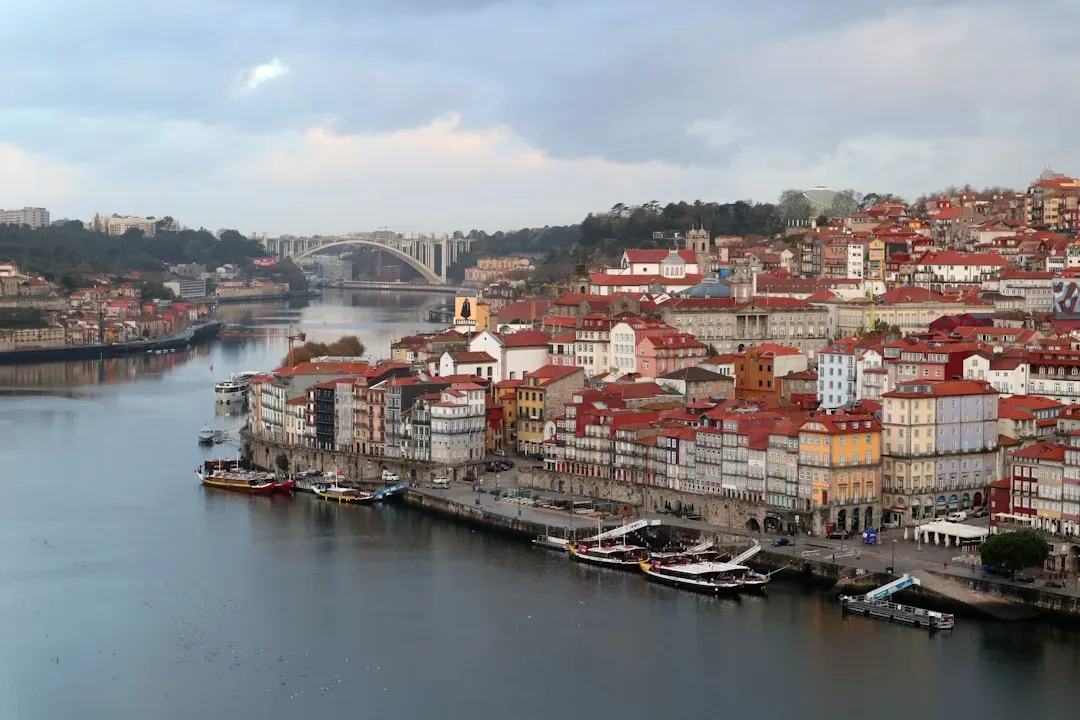
Porto’s colorful facades tumble down hillsides toward the Douro River in a joyful jumble of terracotta, yellow, and blue. The Ribeira district along the waterfront feels timeless, with narrow medieval streets opening onto riverside plazas where locals and visitors mingle over glasses of port wine. Historic rabelo boats still dot the river, though now they serve as floating advertisements for the port wine cellars across the water in Vila Nova de Gaia. Lisbon has skyrocketed up the ranks of Europe’s most visited cities, and Porto has experienced similar growth as travelers discover Portugal’s second city offers an equally enchanting yet slightly less crowded alternative.
Tallinn, Estonia
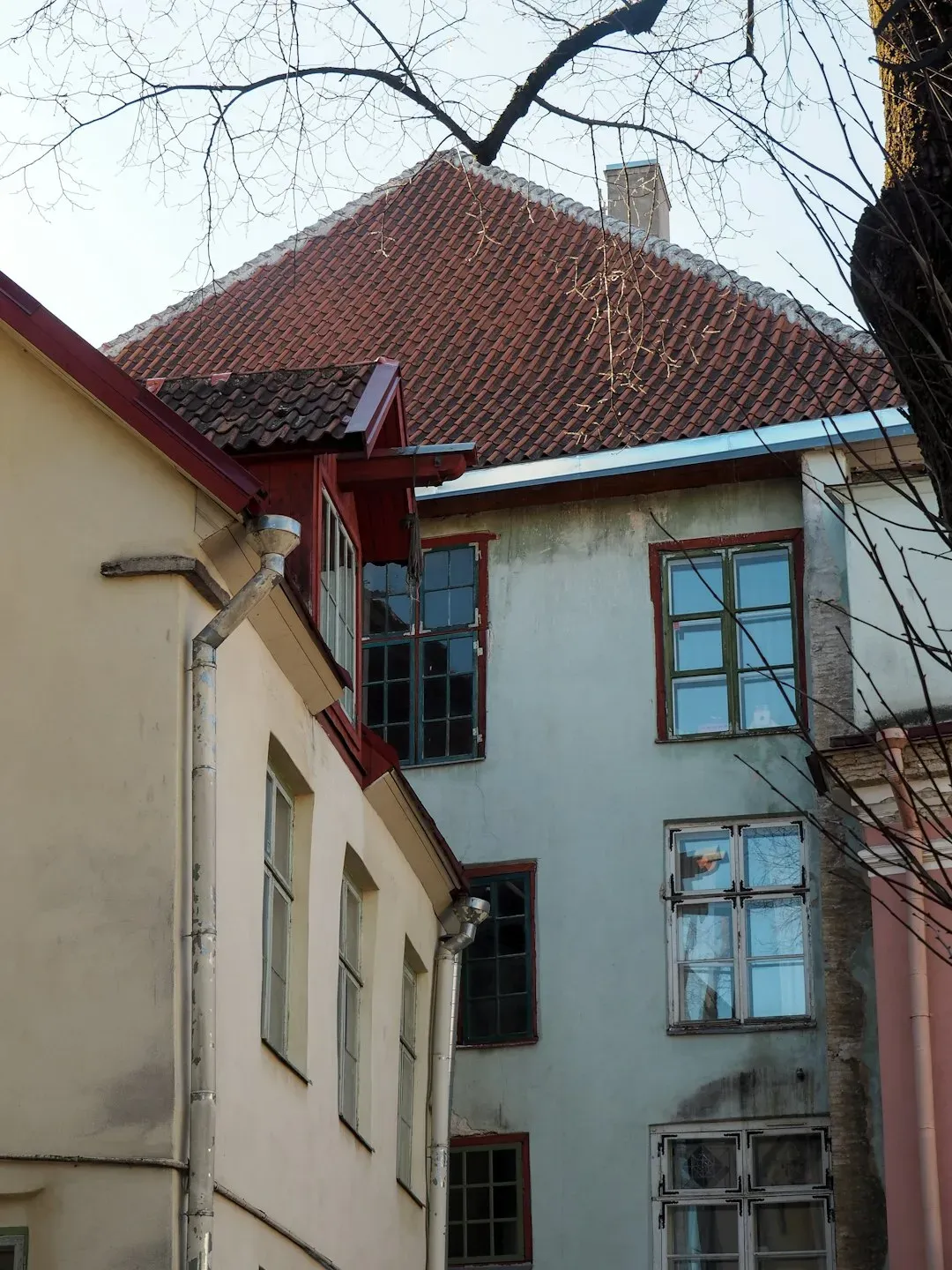
The Estonian capital’s Old Town feels like wandering through a medieval time capsule, with defensive walls and towers still largely intact after centuries. Cobbled streets wind between merchant houses and guild halls that date back to the Hanseatic League era. Church spires pierce the skyline above rust-colored rooftops, while hidden courtyards and narrow passageways create an atmosphere of discovery around every corner. Central and Eastern Europe grew faster at 8 percent in early 2025, led by the Baltic states, with Lithuania becoming Europe’s fastest-growing destination at 21 percent. The Baltic region is clearly capturing travelers’ imaginations.
Colmar, France
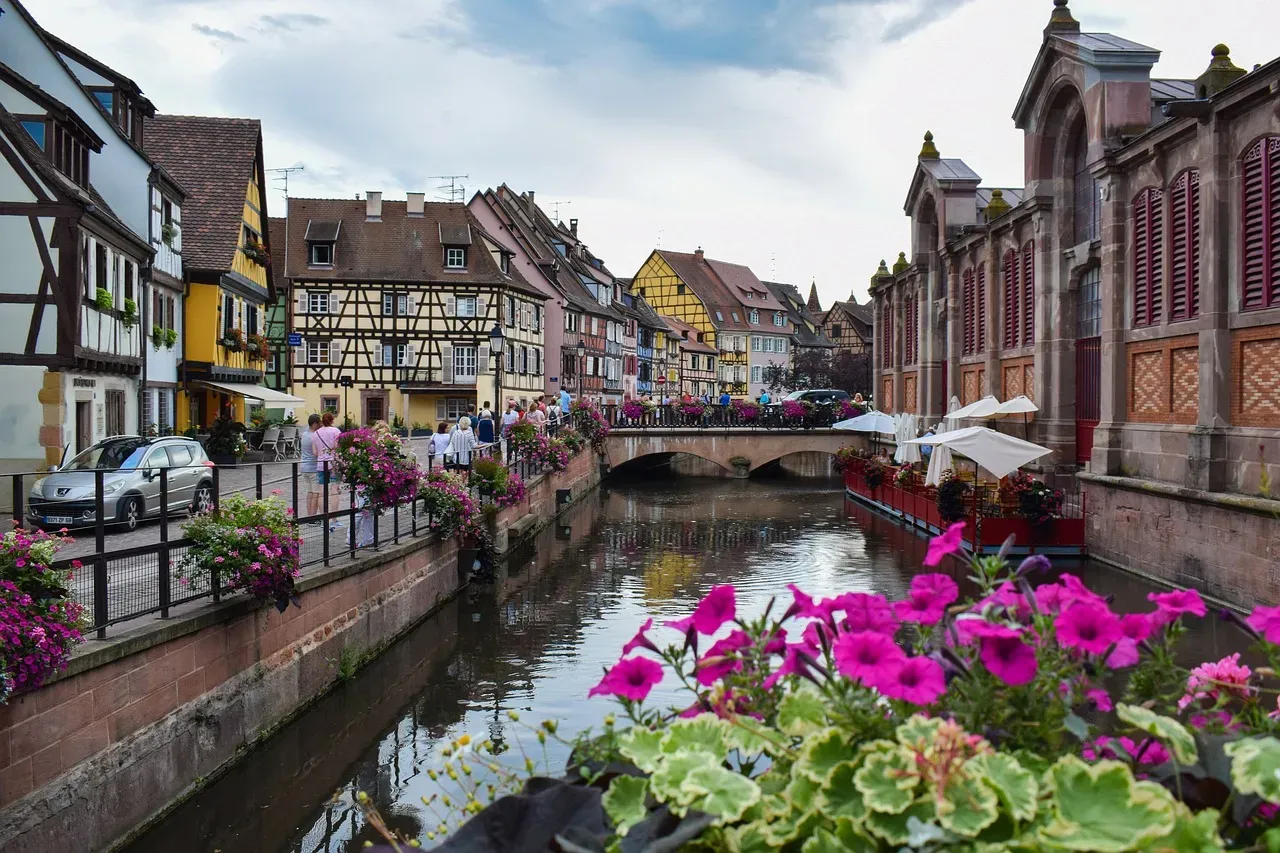
This Alsatian town looks so impossibly charming that it inspired the design of the village in the animated film Beauty and the Beast. Half-timbered houses in candy colors line canals in the Little Venice quarter, their reflections dancing on the water below. Flower boxes overflow from every windowsill during warmer months, adding splashes of geranium red and petunia purple to already picturesque streets. The Christmas markets here transform Colmar into something even more magical, with twinkling lights and the scent of mulled wine filling medieval squares. It’s small enough to explore in a day, yet photogenic enough to keep cameras clicking for hours.