Hotel Servers Notice These 10 Things the Moment You Sit Down
Your Body Language Before You Even Say a Word
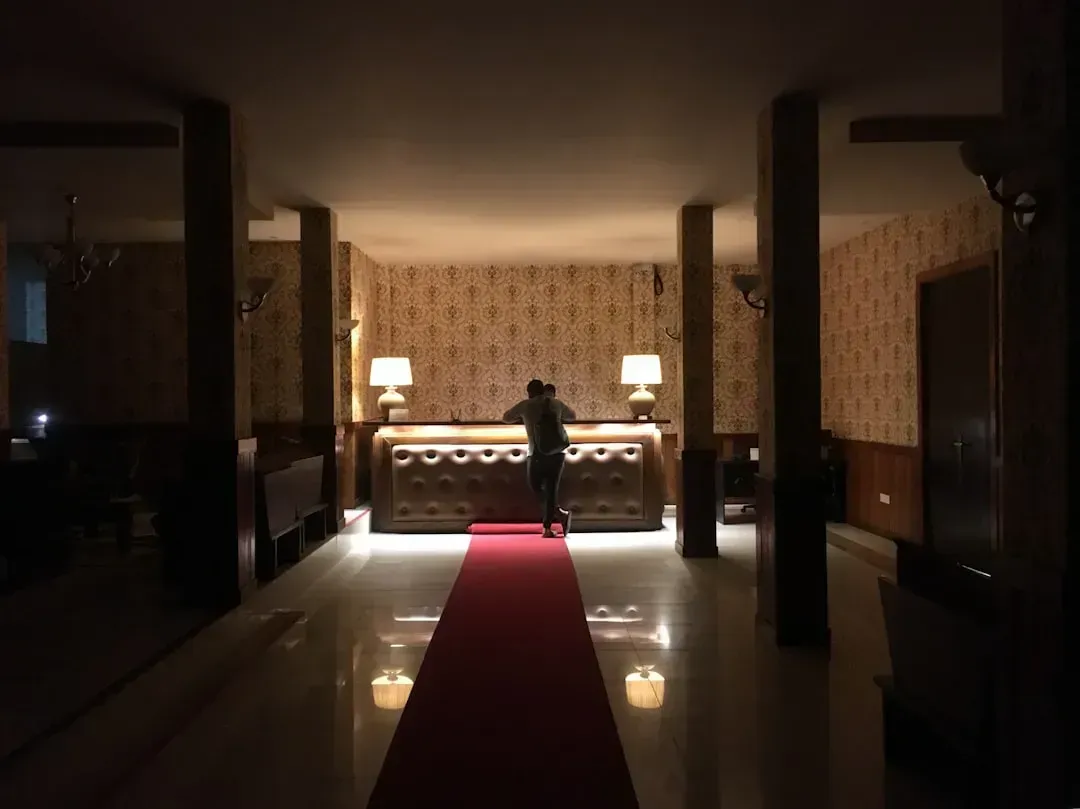
Hotel servers usually read your body language before they ever greet you, because it helps them guess what kind of experience you’re expecting. Crossed arms, a tight jaw, or lots of glancing at your watch often signal you might be stressed, rushed, or already a bit unhappy, which makes them more careful and attentive from the start. Research in hospitality and service work has found that nonverbal cues like posture and eye contact strongly shape how staff decide where to focus their limited time and emotional energy, especially during busy periods. If you sink into your chair, look around with curiosity, and smile when they approach, they’re more likely to assume you’re open to conversation, specials, or extra recommendations and they adjust their style to match that vibe right away.
Whether You’re Likely to Spend or Just Sit
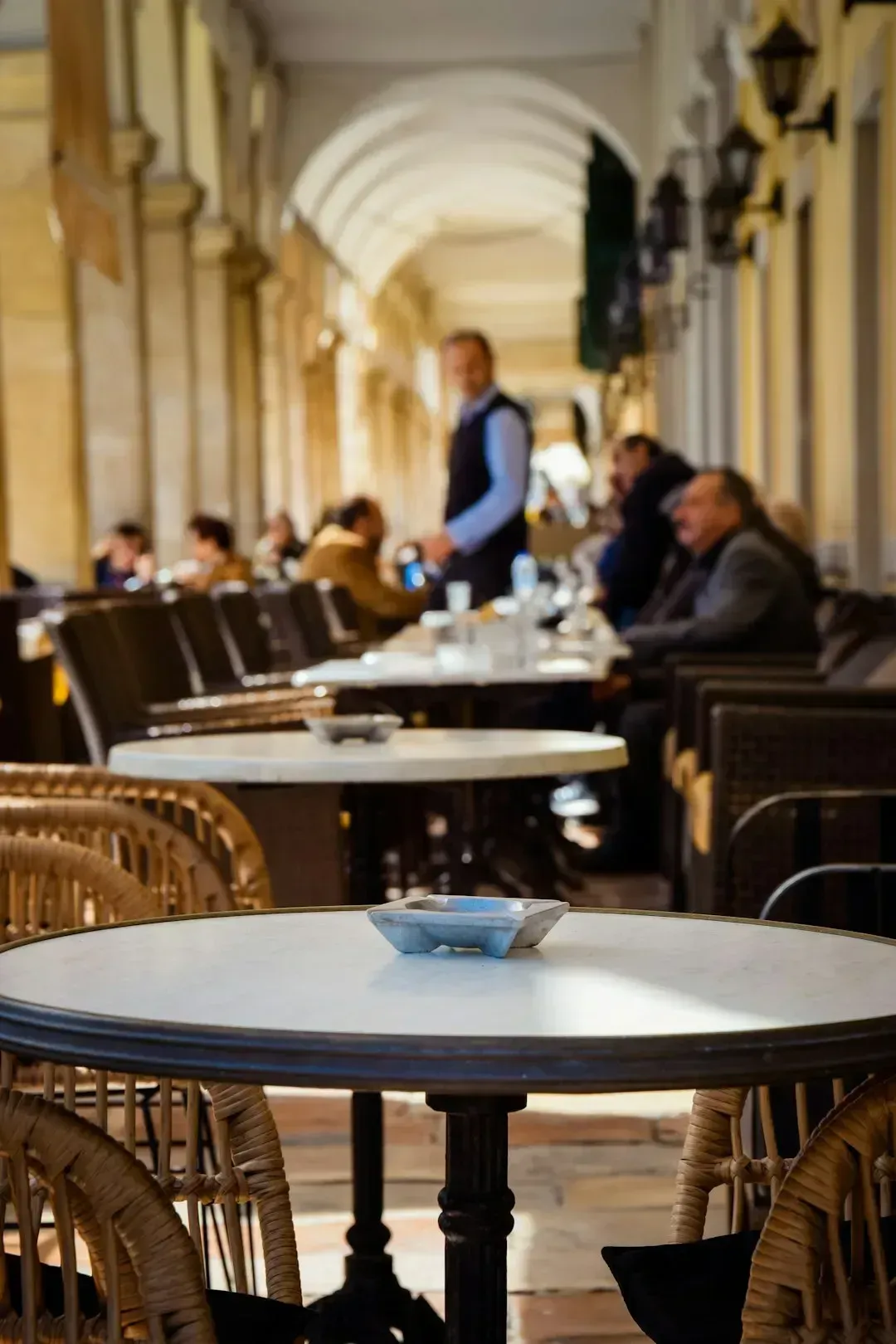
One of the first quiet calculations a hotel server makes is whether your table is likely to order full meals, just drinks, or almost nothing at all. A relatively small share of high-spending guests generates a large portion of food and beverage revenue, so staff are trained to spot subtle signals like whether you open the menu immediately, ask about wine or cocktails, or mention a celebration. Guests who say they are “just waiting for someone” or immediately ask for water and nothing else often end up as low-spend or slow-turn tables, which impacts how the server sequences their visits among multiple tables. This does not mean they will ignore you, but it does influence how much time they can afford to spend making upsell suggestions or walking you through the menu in detail.
If You’re Local, a Regular, or a One-Time Visitor
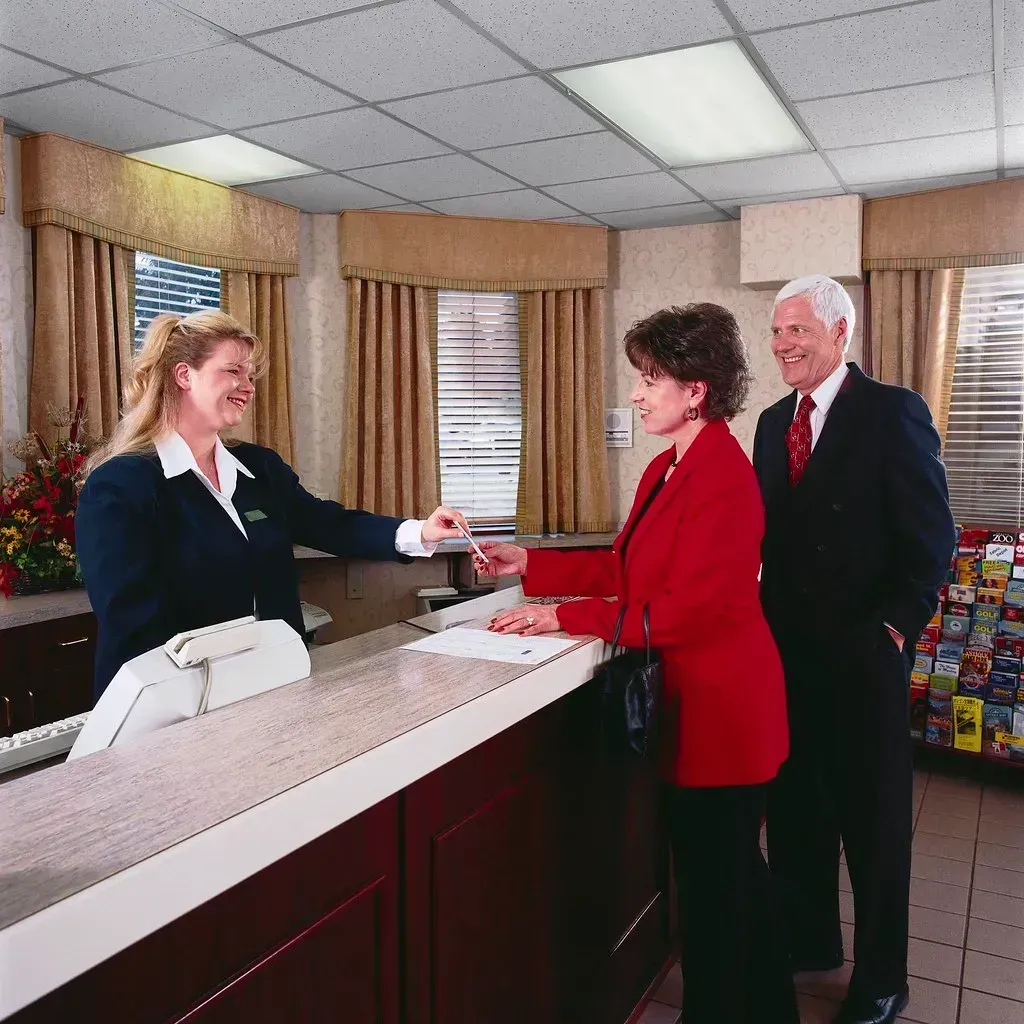
Hotel servers also try to figure out fast whether you are staying in the hotel, live nearby, or just passing through, because each type of guest behaves differently. If you mention your room number, carry a keycard, or talk about conference sessions or check-in times, they know you might visit the restaurant more than once during your stay, so building a bit of rapport can pay off over a few days. Surveys from major hotel groups over the last several years suggest that repeat on-property dining from overnight guests contributes meaningfully to overall revenue, and regulars are more likely to leave steadier tips and higher review scores when they feel recognized. On the other hand, if you talk about catching a flight soon, wearing luggage tags, or ask basic questions about the city, servers realize they probably have just one shot to make an impression and will focus on making this single visit smooth, quick, and memorable.
How Much Time You Really Have

Time pressure is something hotel servers scan for immediately, because it shapes every move they make with your table. If you arrive checking your phone constantly, mention a meeting, or ask right away how long the kitchen will take, they treat your visit more like a timed mission than a leisurely meal. Industry research on business travelers in the mid‑2020s has repeatedly found that many guests cite “speed and predictability” as top priorities for hotel dining, even above variety, when they are between flights, events, or work calls. When servers sense that, they’ll recommend dishes that come out faster, keep your check ready sooner, and check in more precisely so you’re not anxiously wondering if you’ll make it to your next commitment.
Your Comfort Level With the Menu and Setting
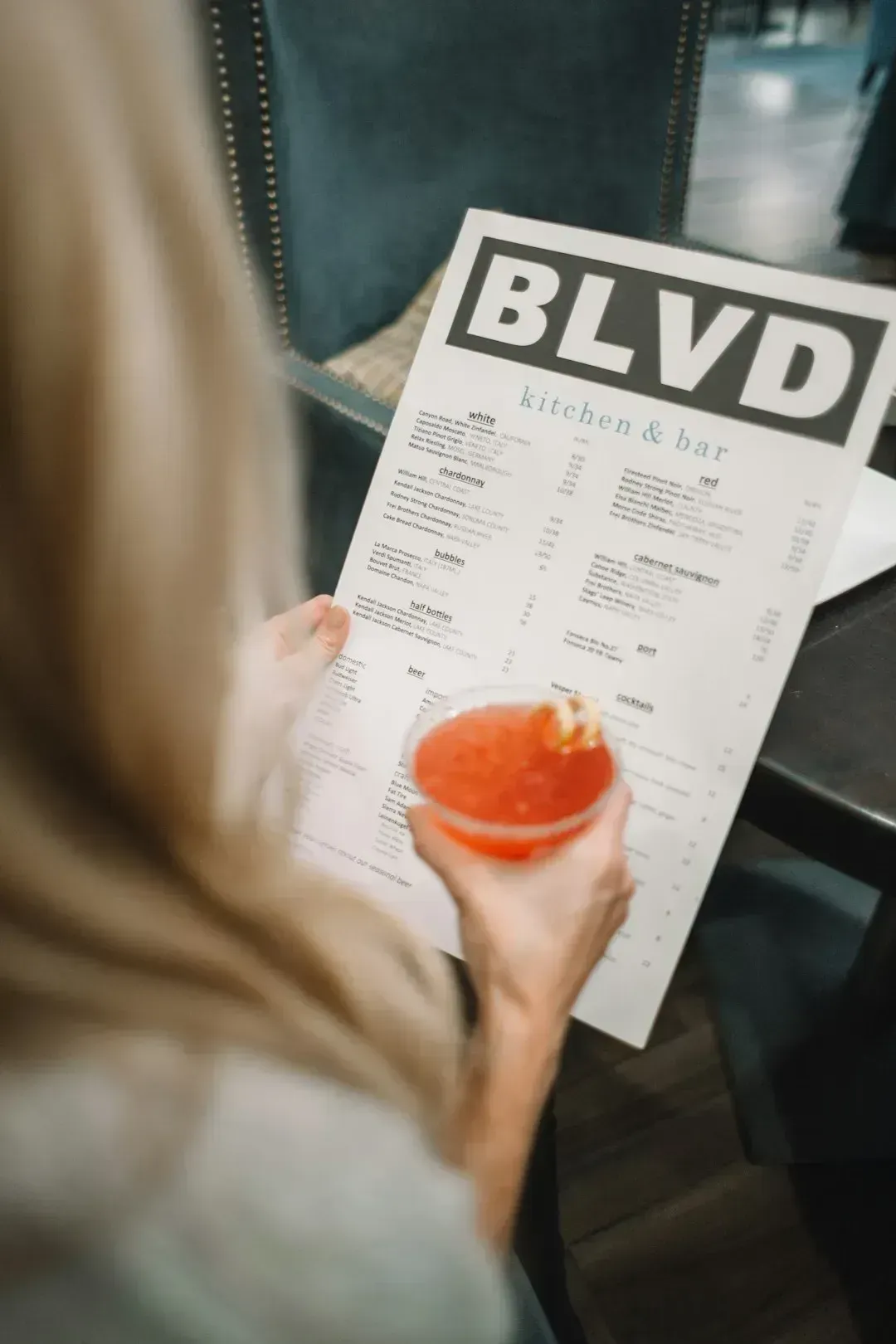
From the way you handle the menu, a hotel server can quickly guess whether you’re in your comfort zone or completely out of it. Guests who scan briefly, close the menu, and make direct choices tend to be familiar with restaurant settings, while those who flip pages back and forth, whisper to each other, or ask what certain words mean often feel a little out of place. Studies on menu design and customer behavior in the past few years have shown that unfamiliar terms, long wine lists, and complex layouts can quietly increase anxiety and decision fatigue, especially for international travelers facing a new language or cuisine. When servers pick up on that, they often shift into more of a guide role, simplifying options, explaining portion sizes, or suggesting “can’t go wrong” dishes to lower your stress and help you feel like you belong there.
Whether You’re There for Work, Romance, or Family Time
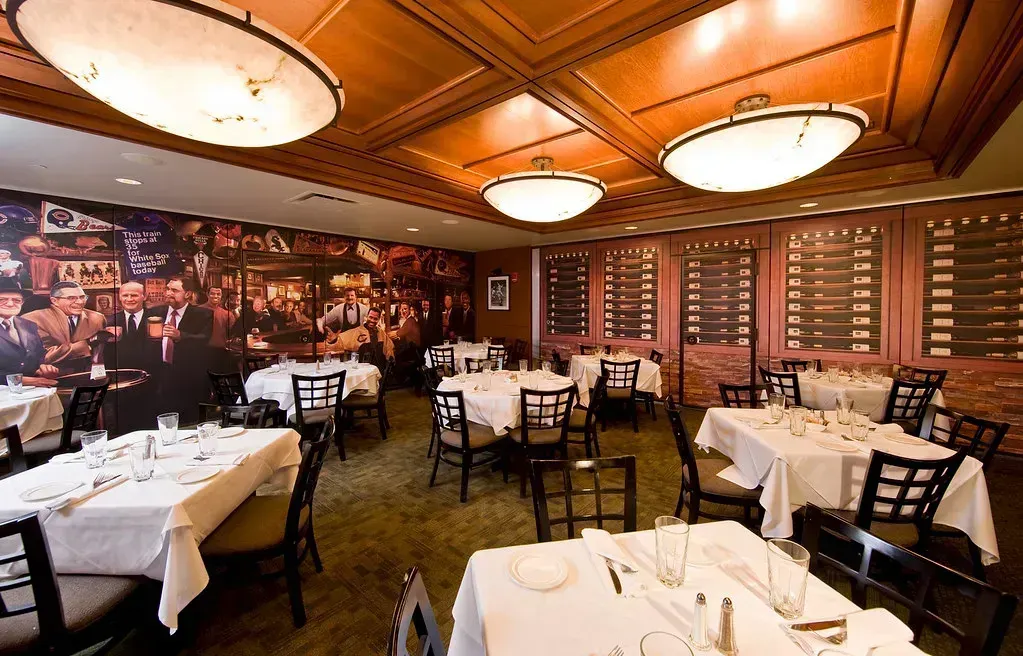
The dynamic at your table tells hotel servers a lot about what kind of night this is for you. Business travelers often sit with laptops or notebooks, keep their phones on the table, and jump straight into talk about schedules or projects, which signals the server to keep interactions brief and professional. Couples leaning in toward each other, dressed up a bit, or taking photos of the view usually look like they are celebrating something, while families juggling kids’ menus, strollers, and crayons clearly need patience and flexibility more than anything else. Hospitality research and internal hotel brand data from the last few years show that tailoring service style to the purpose of the visit – whether it’s romantic, functional, or family-focused – raises guest satisfaction scores noticeably, so servers are trained to read these cues almost instantly.
How You Treat Staff in the First Ten Seconds
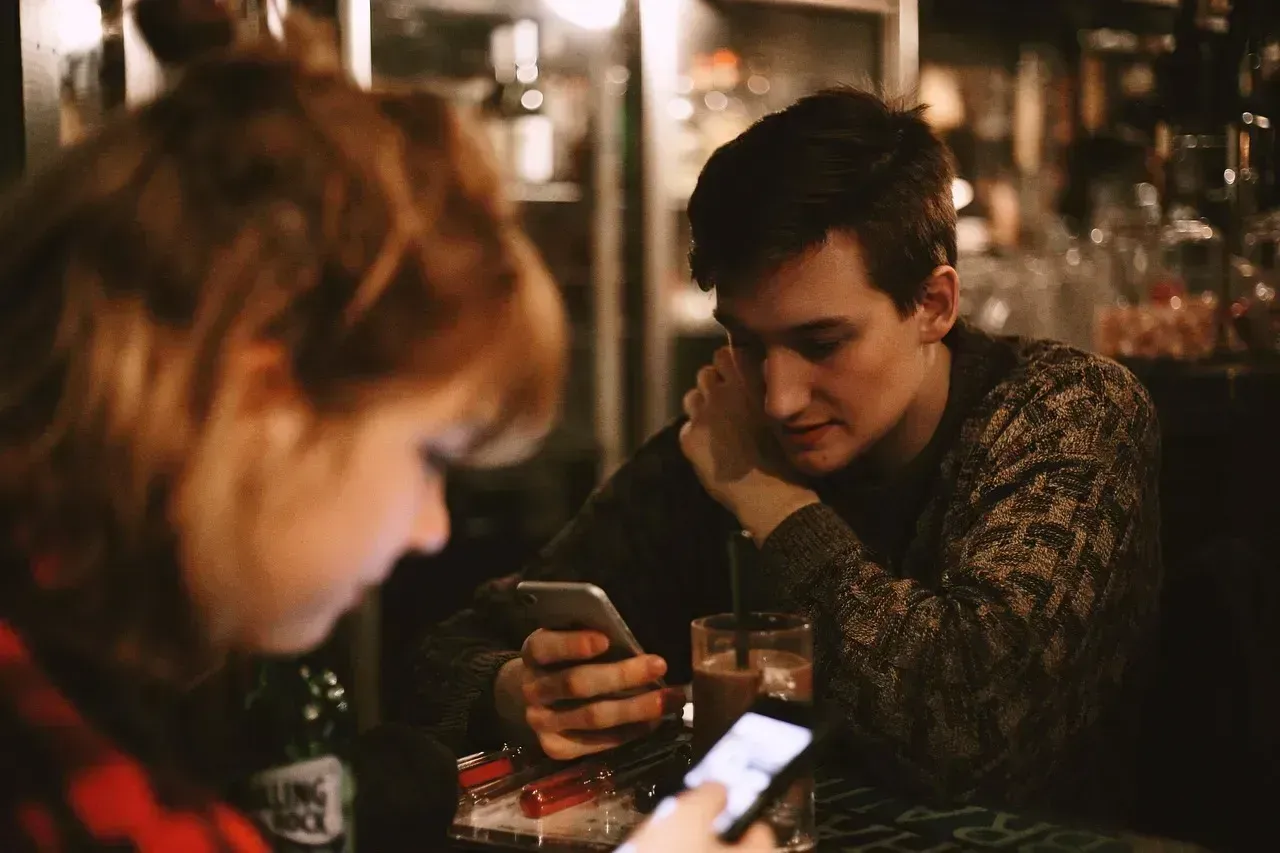
The way you respond to a simple greeting often sets the tone for the entire interaction in a hotel restaurant. If you make eye contact, say thank you when they bring water, or use their name after they introduce themselves, servers are more likely to go the extra mile with little favors like checking on special requests or refilling quietly at the right moment. On the other hand, research on customer behavior and emotional labor in hospitality has found that rude or dismissive treatment makes staff more cautious and emotionally guarded, because burnout and stress are already high in service jobs. In large hotel operations, where many servers have to manage several tables at once, even small signs of courtesy in the first moments can nudge them to prioritize you when they have to decide who to check on first.
Signs of Cultural Norms and Tipping Expectations
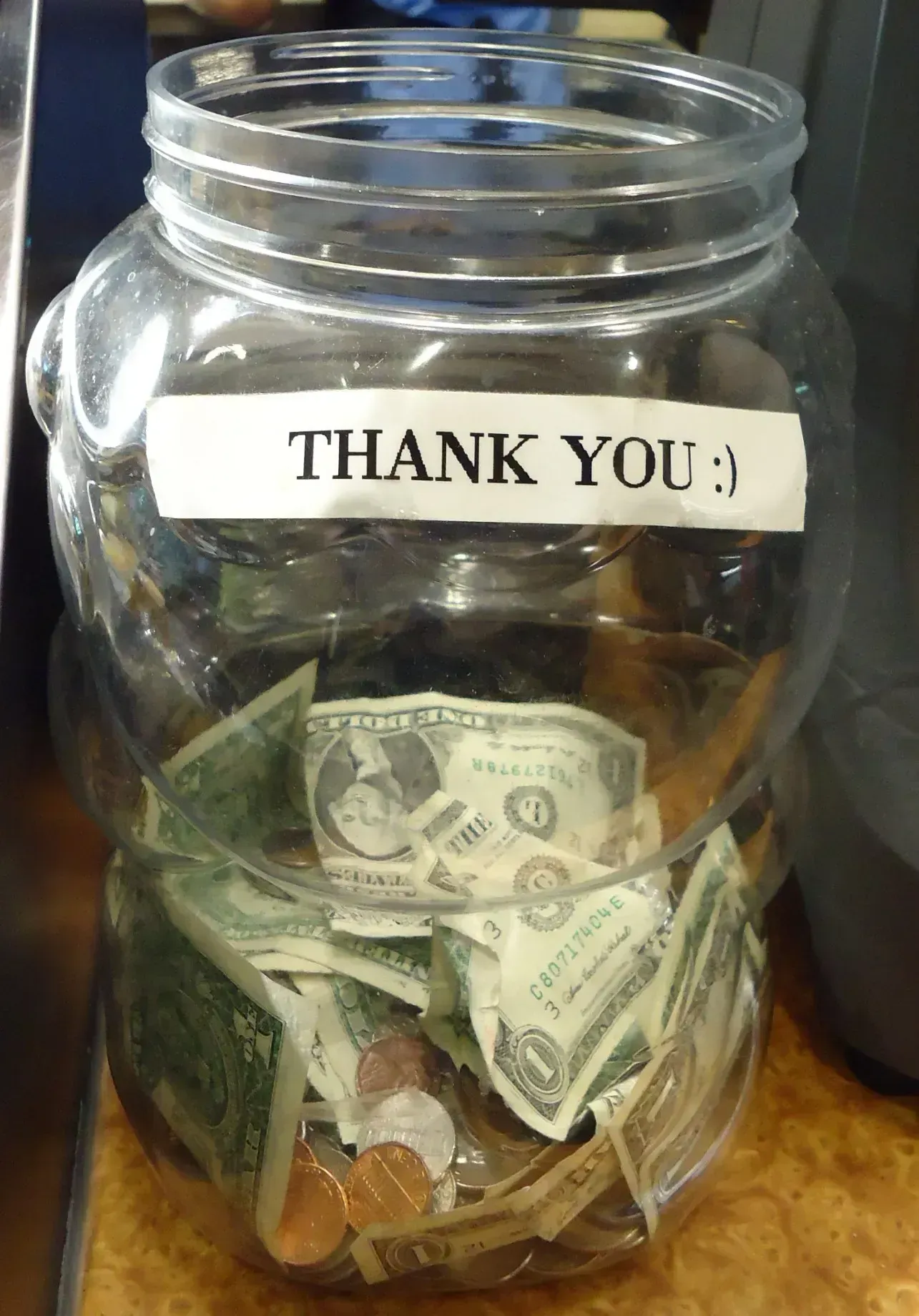
Because hotel restaurants host guests from all over the world, servers pay attention to accents, languages, and even payment habits to anticipate how comfortable you are with local tipping norms. In the United States, where tips make up a major share of servers’ total earnings, national labor and industry data show that many workers rely on gratuities to reach anything close to a living wage, while international visitors sometimes come from countries where service charges are already included. When staff hear you discussing whether tipping is required, see you carefully examining the bill line by line, or notice that you ask explicitly how service works, they understand they may need to explain the system more clearly or simply adjust expectations. This awareness helps reduce awkwardness at checkout and can also influence how much time they invest in walking you through optional extras and personalized suggestions during the meal.
Allergies, Dietary Rules, and Health Concerns
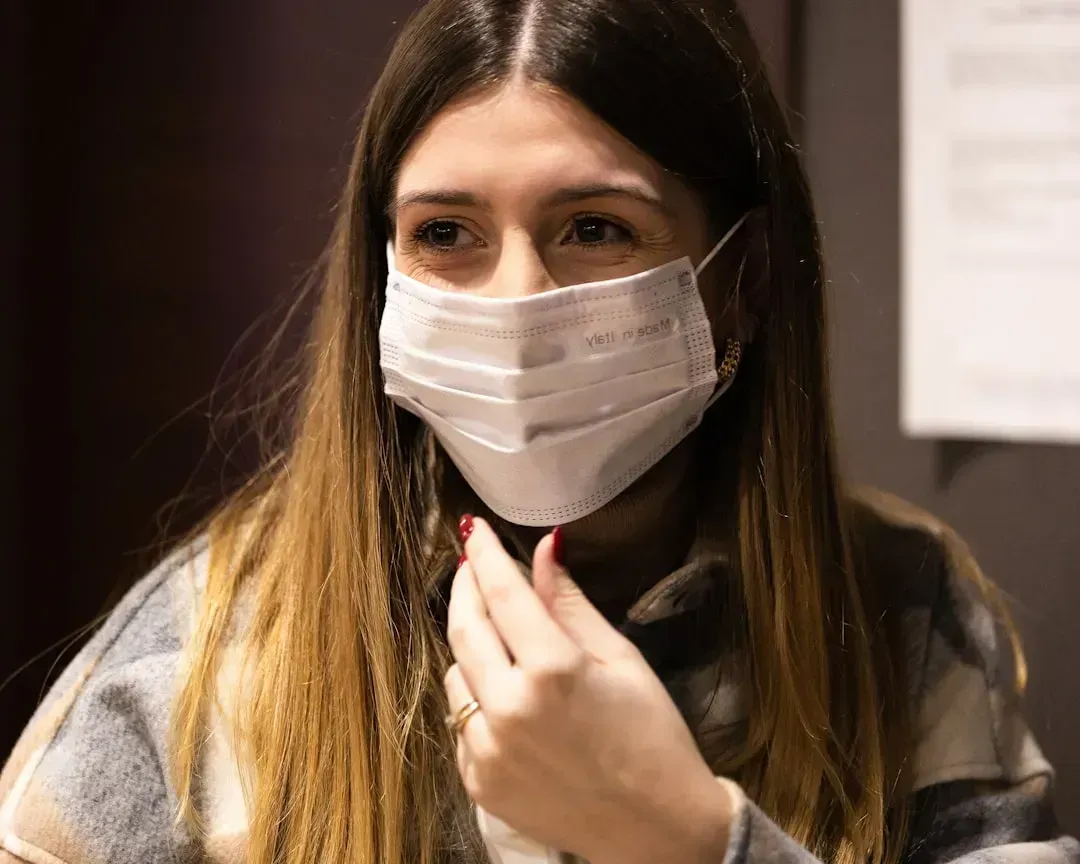
When you sit down and immediately mention allergies, dietary restrictions, or medical concerns, hotel servers quickly switch into a more safety‑focused mindset. Many hotel brands have tightened their training and procedures for handling food allergies, because even a single serious incident can carry legal, reputational, and health consequences. If you ask detailed questions about ingredients, cross‑contamination, or preparation methods, staff usually involve supervisors or kitchen managers to confirm every detail rather than relying on memory alone. This extra caution might take a bit longer, but it reflects a broader shift in hospitality toward treating dietary needs as a core part of guest safety rather than just a preference.
How Much Attention You Actually Want

Not everyone wants the same level of interaction, and hotel servers are constantly judging how visible or invisible they should be at your table. Guests who keep their menus and phones flat on the table, look around when they need something, and smile when the server approaches are usually open to slightly more frequent check‑ins and conversation. Others send the opposite message by putting laptops up like a barrier, wearing headphones, or keeping very focused on private conversation, and studies on restaurant satisfaction suggest these guests often value privacy and minimal interruption more than anything else. By noticing these patterns in the first few minutes, servers try to strike a balance: close enough that you never have to wave frantically for help, but distant enough that you feel in control of your space and your evening.