10 U.S. Cities Where Retirees Live Almost as Cheap as Portugal
Youngstown, Ohio

It surprises a lot of people that one of the cheapest places for retirees in the U.S. is not in the Sunbelt but in northeastern Ohio. U.S. News & World Report’s 2024 Best Places to Retire data highlights Youngstown as the most affordable metro for retirees, with low housing costs and modest everyday expenses that line up with the kind of budget many Americans imagine they’d need in Portugal. Recent reporting notes that the median home price is around one hundred thirty-seven thousand dollars and typical rents sit just over seven hundred dollars a month, numbers that look very similar to many mid‑sized Portuguese cities. For retirees living mostly on Social Security and a small pension, those housing costs can make the difference between scraping by and actually having a bit of money left over for travel, hobbies, and the occasional dinner out.
Virginia Beach, Virginia

If you dream about Portugal because of the water and mild climate, Virginia Beach comes surprisingly close without leaving the country. An analysis highlighted by AOL in late 2025 pointed out that Virginia Beach offers costs competitive with popular retiree destinations like Mexico and Portugal, with a median home value of roughly three hundred seventy‑six thousand dollars and median rent a little above one thousand four hundred dollars, which is still lower than many coastal U.S. markets. The city’s population is just over four hundred fifty thousand, and about one in six residents is 65 or older, which means a strong retiree community and plenty of services geared toward older adults. You get a long oceanfront, a big military and healthcare presence, and no need to navigate visas or foreign tax systems, which for some people is worth more than shaving off the last few dollars of monthly expenses.
Jacksonville, Florida
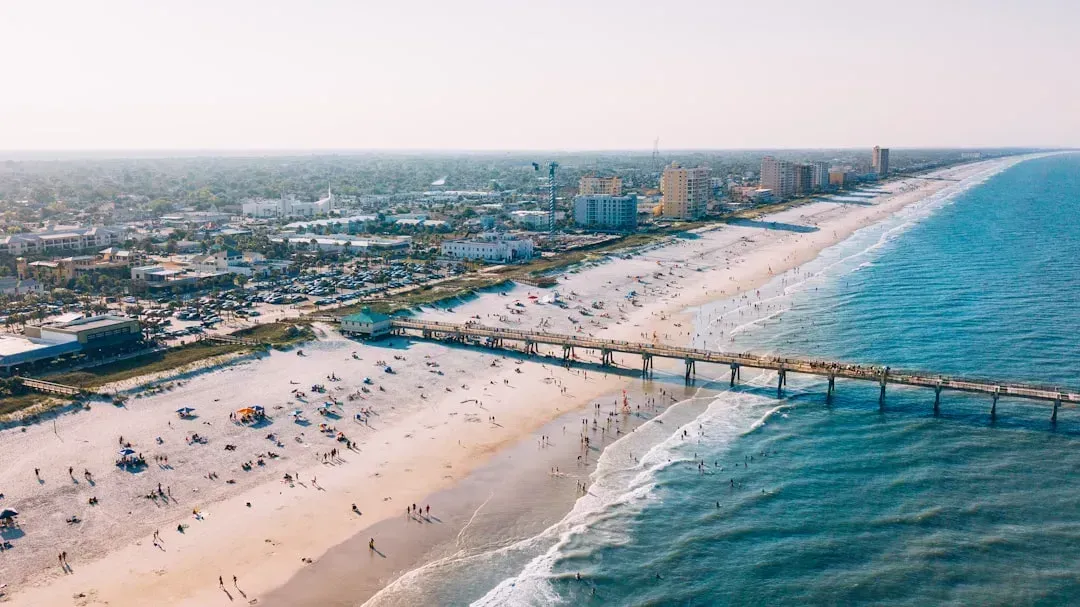
Jacksonville is the closest thing the U.S. has to a budget‑friendly coastal capital, in the same way Lisbon combines city life with ocean views at a cost below many other European cities. A 2025 Forbes analysis of affordable retirement spots showed Jacksonville’s overall cost of living running a bit below the U.S. average, with retiree homeowners averaging around one thousand two hundred dollars per month on housing and renters paying just over one thousand seventy dollars, far under what similar-sized U.S. metros charged. Another 2025 piece on low-cost retirement cities noted a median home value slightly above three hundred thousand dollars and mid-range rents, which again kept monthly expenses in line with the kind of two-to-three-thousand-dollar budget often quoted for Portugal. Factor in Florida’s lack of state income tax and relatively low property taxes for homesteaded residents, and a modest nest egg stretches in a very Portugal‑like way, especially if you avoid the priciest beach neighborhoods.
Tallahassee, Florida

Tallahassee does not have the European vibe of Porto, but on paper the numbers are surprisingly close. According to a 2025 Forbes breakdown of the best affordable U.S. retirement cities, the state capital’s overall cost of living for older households runs roughly ten percent below the national average, with renters spending around nine hundred ninety‑five dollars a month and homeowners about one thousand two hundred fifty dollars on total monthly costs, including housing. When you compare that to estimates for a comfortable life in Portugal’s smaller cities that often fall between two thousand and three thousand dollars a month for a couple, Tallahassee clearly hits a similar range once you add food, utilities, and transportation. You also get a big university, plenty of parks and trails, and decent healthcare access, so daily life feels more like a laid‑back European regional hub than a stereotypical Florida beach town.
El Paso, Texas

El Paso is one of those places where the numbers almost feel like a misprint compared with the rest of the country. Forbes’ ranking of affordable retirement cities puts it in the national top ten, with overall living costs significantly below the U.S. average and housing especially cheap by big‑city standards, and median home prices often cited well under three hundred thousand dollars in recent real‑estate data. Retiree households there typically spend far less on basics like groceries, transportation, and property taxes than peers in coastal states, which is very similar to what draws Americans to lower‑cost European markets such as Portugal. The city’s desert climate is not for everyone, but if you like sun, mountain views, and a strong cross‑border culture, El Paso lets a fixed income go about as far as it realistically can without hopping on a transatlantic flight.
San Antonio, Texas
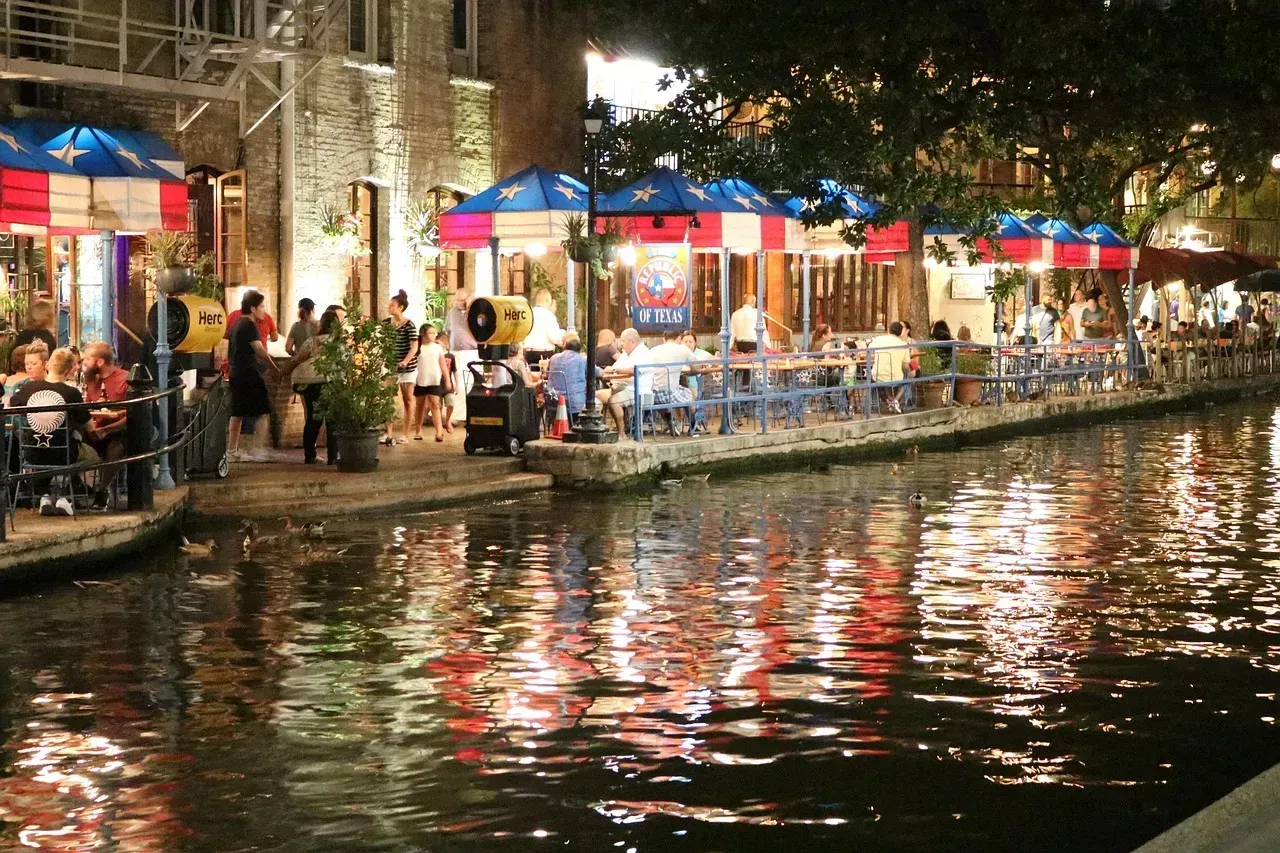
San Antonio has become a kind of domestic stand‑in for Lisbon for people who want old‑world charm without leaving the U.S. In the same Forbes 2025 analysis, San Antonio landed among the top 25 most affordable retirement cities, with housing costs still well below the national average and a median home price that tended to sit in the mid-two-hundreds to low-three-hundreds according to recent housing market reports. Texas’s lack of state income tax and relatively moderate sales and property taxes mean retirees keep more of each Social Security and pension dollar, a huge deal when you are trying to hold your monthly spending in that Portugal‑like two‑to‑three‑thousand range. Layer in the River Walk, strong healthcare systems, and a large, diverse population where retirees are a visible, growing group, and you get a city that feels vibrant instead of sleepy while still being genuinely affordable.
Las Vegas, Nevada

Las Vegas might not be the first place that comes to mind when you think “cheap like Portugal,” but the math is surprisingly kind to retirees. Forbes’ 2025 ranking showed that while the overall cost of living in Las Vegas is somewhat higher than the U.S. average, healthcare costs come in about seven percent lower, and typical monthly expenses for retiree homeowners sit just above two thousand dollars and closer to one thousand two hundred for renters, which tracks with the mid‑range Portugal budgets cited by international retirement guides. Nevada has no state income tax, and many planned communities in the Vegas metro area offer smaller, efficient homes and condos that keep utilities and maintenance costs low. If you can live with very hot summers and a touristy core, the combination of lower taxes, relative affordability away from the Strip, and endless entertainment can feel like the American version of moving to a sunny European city where life spills out onto the streets at night.
Greenville, South Carolina

Greenville has quietly become one of the darlings of retirement rankings, filling the same role in the Carolinas that mid‑sized cities like Braga or Coimbra play in Portugal. In Forbes’ list of the 25 best affordable U.S. cities for retirees, Greenville ranks near the top thanks to a cost of living that sits clearly below the national average and a housing market where prices, while rising, are still much lower than big coastal metros. Retirement income stretches because South Carolina offers relatively favorable tax treatment for pensions and Social Security, and local data show that everyday expenses like groceries and healthcare are generally reasonable. With a walkable downtown, a network of greenways such as the Swamp Rabbit Trail, and four‑season weather that rarely hits the extremes seen farther north or south, daily life feels relaxed and balanced in a way many people chase in southern Europe.
Milwaukee, Wisconsin

If you compare just the budgets, Milwaukee ends up closer to northern Portugal than you might expect for a Great Lakes city. A 2025 Investopedia profile of the city as an emerging retirement spot highlights that housing, food, and transportation come in below U.S. averages, even as cultural and healthcare options look more like a larger metro, and local cost‑of‑living calculators show only about a one to two percent premium over the national average overall, with food and basic services still on the low side. That combination lets many retirees live reasonably well on a moderate fixed income, especially if they already own a home or buy a smaller condo to keep monthly costs predictable. Winters are harsher than in Lisbon or Porto, but if you value lakefront paths, festivals, and a strong arts scene more than endless beach days, Milwaukee delivers a very city‑plus‑nature lifestyle at a price that does not feel far off from mainland Europe.
Fargo, North Dakota
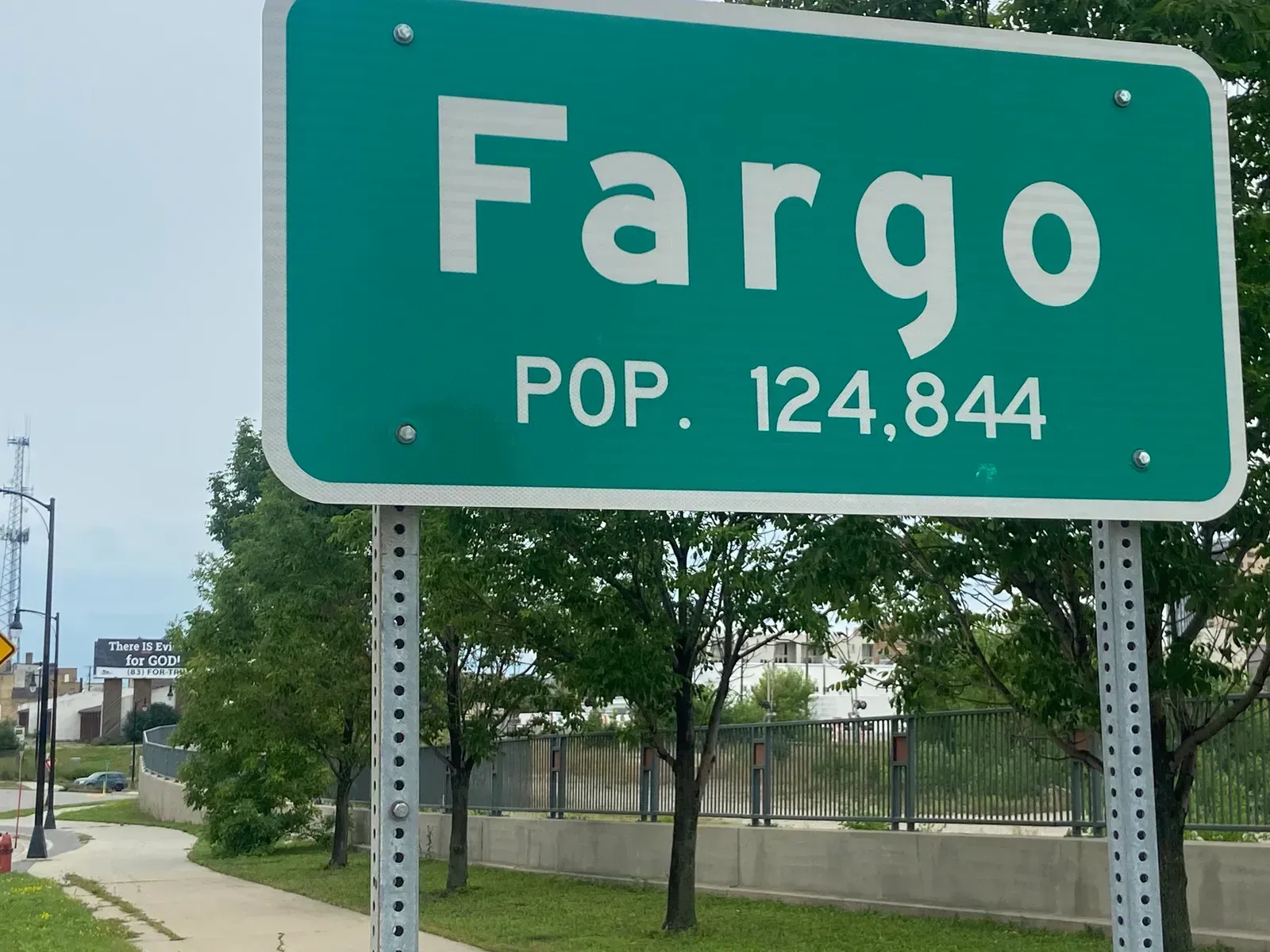
Fargo is probably the most extreme example on this list, in the sense that its winters are brutal but its cost profile is exactly what many people move overseas to find. Kiplinger’s recent rundown of the cheapest places to retire lists Fargo at the very top, pointing out that retirees there face living costs nearly ten percent below the national average and particularly low housing costs, with median home prices in the low‑three‑hundreds and many options under that, according to current Zillow data. North Dakota is also generally considered tax‑friendly for retirees, which means more of your fixed income stays in your pocket instead of going to state coffers each year. If you can handle snow, wind, and long dark winters, Fargo offers the kind of lean monthly budget and simple, community‑driven life that many Americans hope to find on the Iberian coast, only with parkas instead of beach umbrellas.